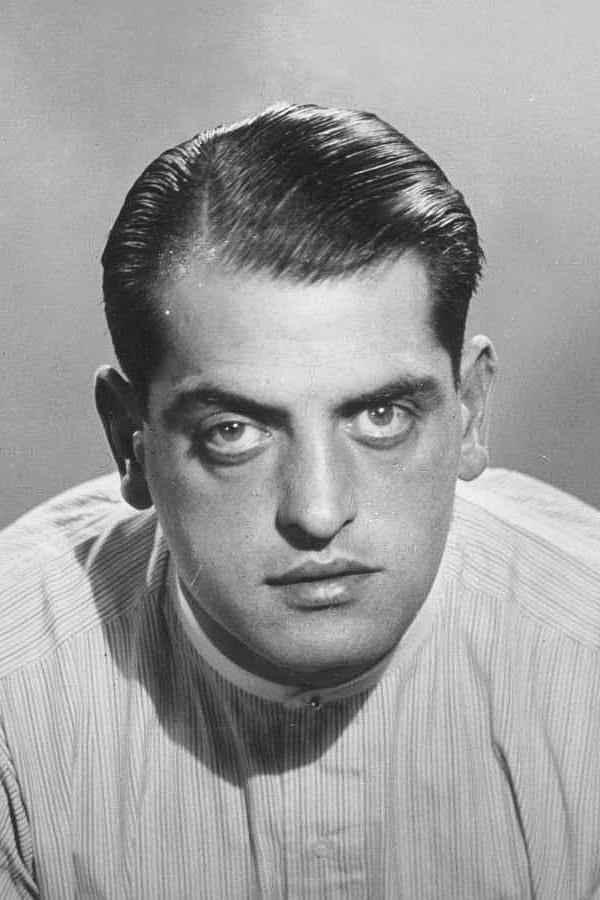
Luis Buñuel
Yönetmen · 1900 – 1983 · Calanda, Teruel, Aragón, España
Luis Buñuel Portolés (Spanish: [ˈlwis βuˈɲwel poɾtoˈles]; 22 February 1900 – 29 July 1983) was a Spanish filmmaker who worked in France, Mexico, and Spain. He has been widely considered by many film critics, historians, and directors to be one of the greatest and most influential filmmakers of all time. Buñuel's work was known for its avant-garde surrealism which was also infused with political commentary and social satire. Often associated with the surrealist movement of the 1920s, Buñuel made films from the 1920s through the 1970s. He collaborated with prolific surrealist painter Salvador Dali creating the films Un Chien Andalou (1929), which was made in the silent era and L'Age d'Or (1930). The two films are seen as the birth of Cinematic surrealism. From 1947 to 1960 he developed his skills as a director filming in Mexico making grounded and human melodramas such as Gran Casino (1947), Los Olvidados (1950), and Él (1953). Here is where he gained the fundamentals of storytelling. Buñuel than transitioned into making artful, unconventional, surrealist, and political satirical films. He earned acclaim with the morally complex arthouse drama film Viridiana (1961) which criticized the Francoist dictatorship. The film won the Palme d'Or at the 1961 Cannes Film Festival. He then criticized political and social conditions in The Exterminating Angel (1962), and The Discreet Charm of the Bourgeoise (1972) the later of which won the Academy Award for Best International Feature Film. He also directed Diary of a Chambermaid (1964), and Belle de Jour (1967), as well as his final film That Obscure Object of Desire (1977) the later of which earned the National Society of Film Critics Award for Best Director. Buñuel earned five Cannes Film Festival prizes, two Berlin International Film Festival prizes, and a BAFTA Award as well as nominations for two Academy Awards. Buñuel received numerous honors including National Prize for Arts and Sciences for Fine Arts in 1977, the Moscow International Film Festival Contribution to Cinema Prize in 1979, and the Career Golden Lion in 1982. He was nominated once for the Nobel Prize in Literature in 1968. Seven of Buñuel's films are included in Sight & Sound's 2012 critics' poll of the top 250 films of all time.
Filmler23
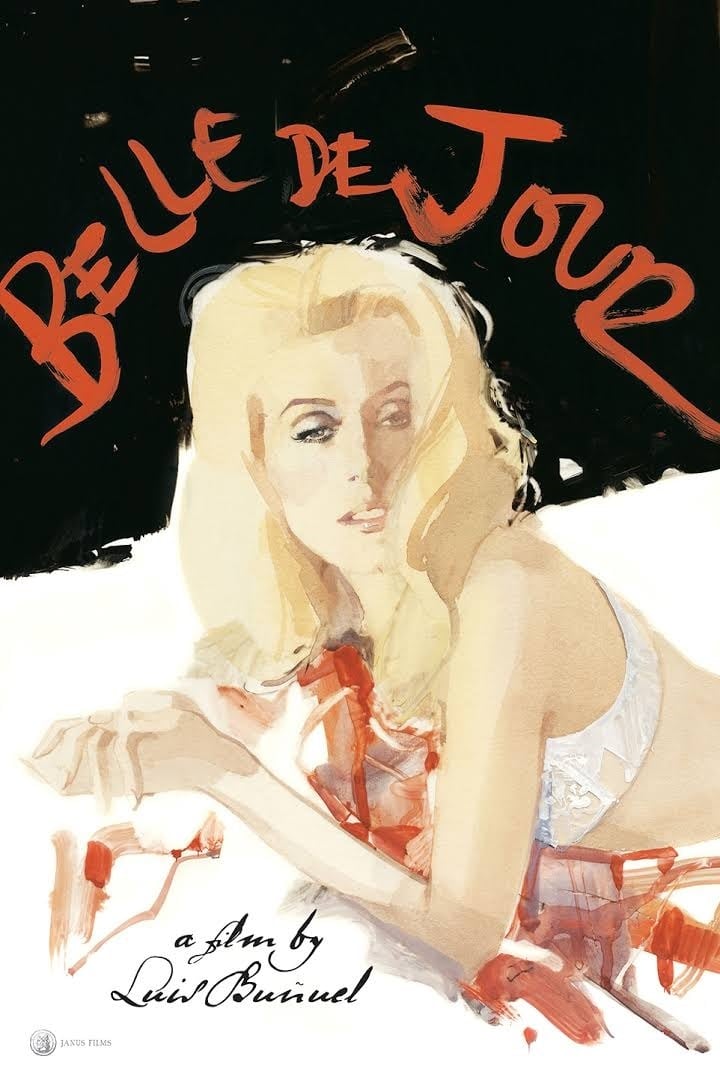 Film7.3DramRomantik
Séverine Serizy Paris'te yaşayan ve görünürde mutlu bir evliliği olan her şeye sahip güzel bir kadındır. Séverine doktor olan kocası Pierre'e karşı soğuktur, hatta aralarında fiziksel bir ilişki olmadığı da sezilmektedir. Ancak bu "soğuk sarışın"ın ruhunda fırtınalar kopmaktadır. Günün birinde kendisinde gözü de olan aile dostları Henri Husson'dan özel bir randevu evinin adresini alır ve öğleden sonraları bu lüks genelevde çalışmaya başlar. Buradaki yeni adı "Gündüz Güzeli"dir artık. Şehvet düşkünü Séverine, randevu evine gittikçe kocasına daha çok bağlanır, aynı zamanda buradaki tiksindirici hayatını da garip bir şekilde kabullenir, zira burada mazoşist cinsel fantezilerini keşfedip yaşamaktadır.
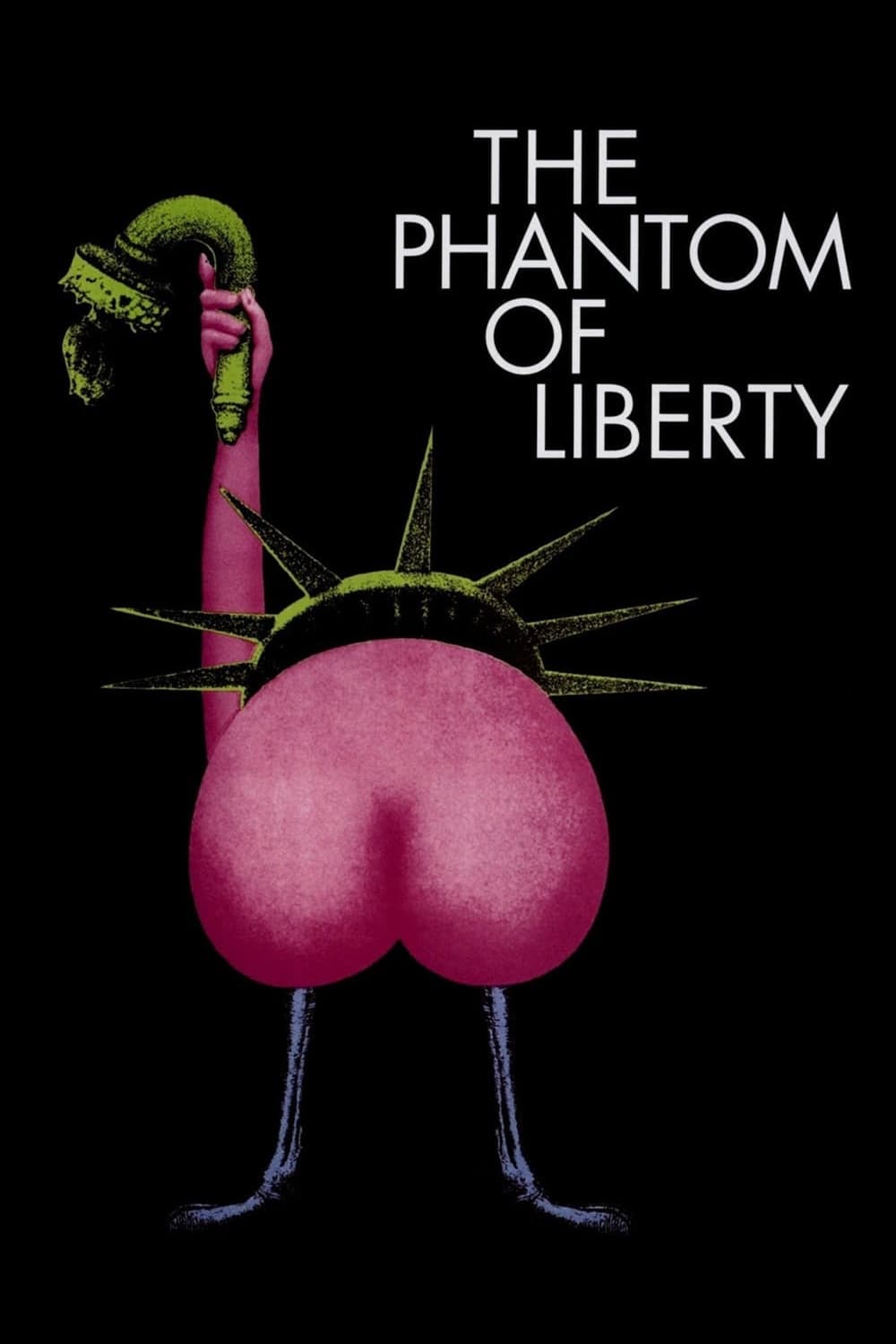 Film7.5Komedi
Toplumun kurallarıyla boğuşan, cinsellik ve özgürlüklerinin karmaşasına düşen karakterlerle dolu, birbirine muğlak derecelerde bağlı olan bölümlerden oluşan bir Bunuel filmi. Filmde, bir yemek masası çevresinde klozetlere oturmuş insanların kimsenin görmediği yerlere çekilip yemek yemek için özürlerle sofradan kalkmaları gibi sahneler mevcut. Komik ve çılgın öğelerin bulunduğu filmde, Luis Bunuel sürrealistliğini doyasıya ortaya çıkarmıştır. Onlarca başyapıt çıkarmış bir yönetmenin en sıradışı çalışmalarından biri * bunuel: ironi ve absürtlük... toplumu yerden yere vurarak eleştiren, bitirmediği, yarım bıraktığı hikayeler ile insanı meraktan çıldırtan bir film * İnsanların özgürlüğü aradıkları ama onun anlamını bilmedikleri ve daha çok ondan korkmaları... Sahnelerde hep ters ilişki var, burada asıl özgürlük bir hayalet gibi (komünist manifestonun giriş bölümünde böyle bir hayalet benzetmesi yapılmakta) küçük burjuva ve konfor arayışındaki insanların arasında sadece geziniyor.
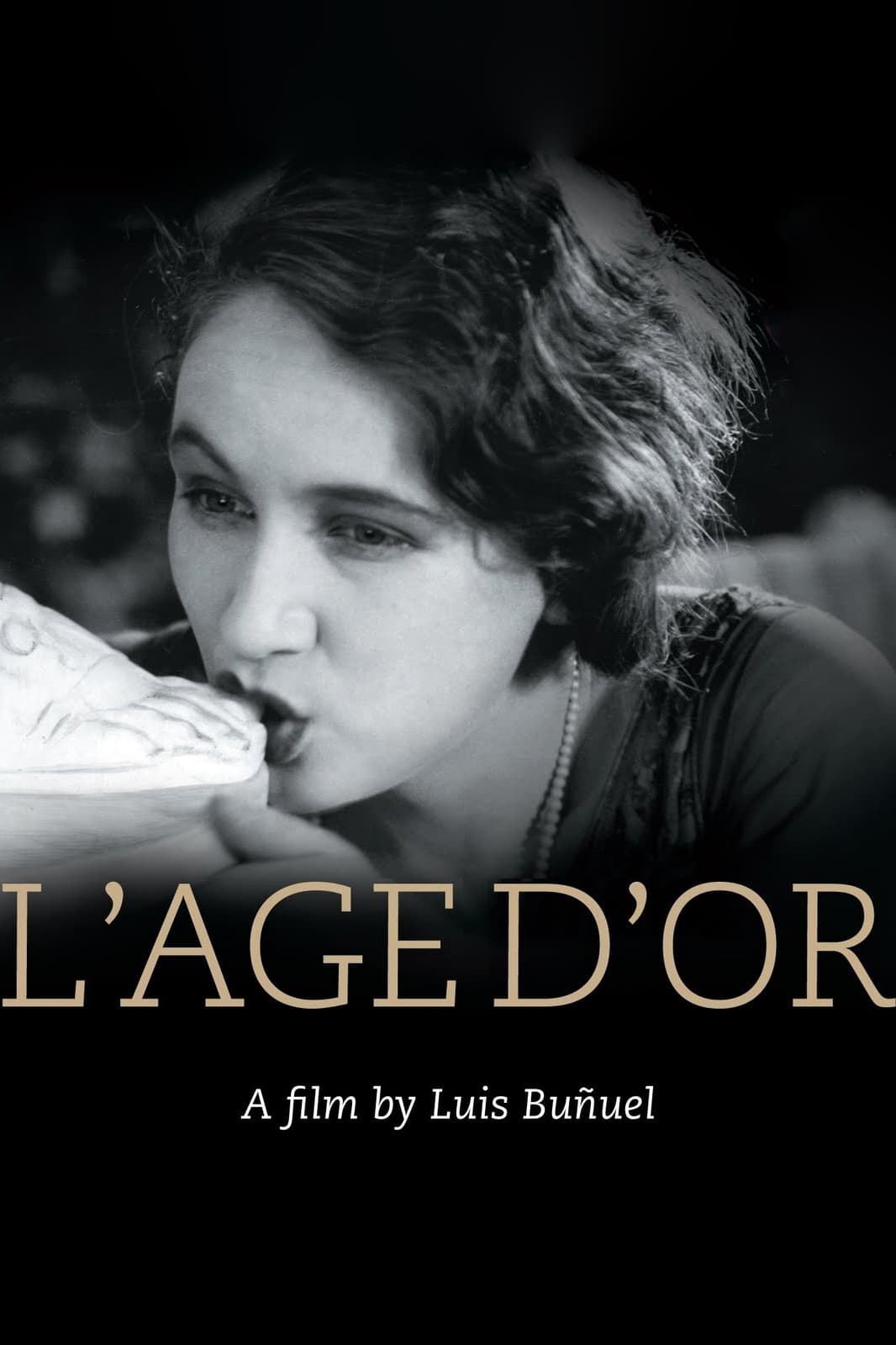 Film6.8RomantikKomedi
The film consists of a series of tightly interlinked vignettes, the most sustained of which details the story of a man and a woman who are passionately in love. Their attempts to consummate their passion are constantly thwarted, by their families, by the Church and bourgeois society in general.
L'Âge d'or
1930 · 353 votes
 Film7.4FantastikGerilim
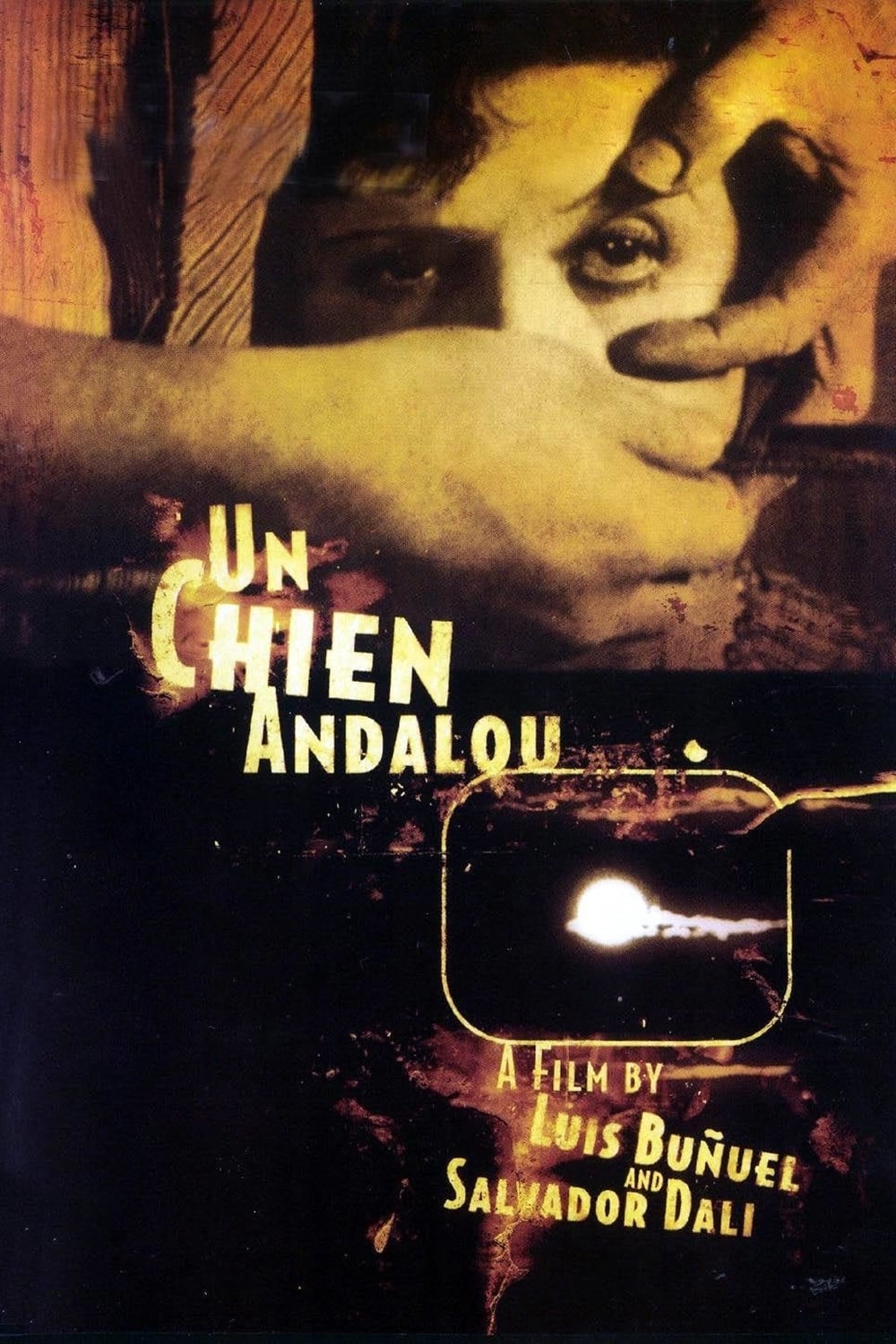
Bir Endülüs Köpeği, Fransızca orijinal ismi Un Chien Andalou olan (İngilizce: An Andalusian Dog) 16 dakikalık[1] sürrealist filmdir. Deneysel sinemanın ilk örneği kabul edilmektedir. Ünlü İspanyol ressam Salvador Dali ve İspanyol yazar ve film yönetmeni Luis Buñuel'in gördükleri bazı rüyaları birbirlerine anlatmaları filme esin kaynağı olmuştur. 1928 yılında Fransa'da Luis Buñuel ve Salvador Dali tarafından hazırlanmış ve 1929 yılında Paris'te çekilmiştir. 1920'lerde başlayan deneysel filmlerin en bilinenidir. Filmin yıldızları Simone Mareuil ve Pierre Batcheff ve isimsiz birçok kahramandır. Filmde bilediği ustura ile bir kadının gözünü ikiye ayıran adam ile bir bulutun Ay’ı kesmesi ilişkilendirilmiştir. Buna benzer avcunun içinde karıncalar dolaşan adam gibi, rüya olduğu bilinen sahnelerin yanı sıra, mantıklı açıklamasının olmadığını düşündürebilecek onlarca sahne de mevcuttur.
 Film6.7Dram
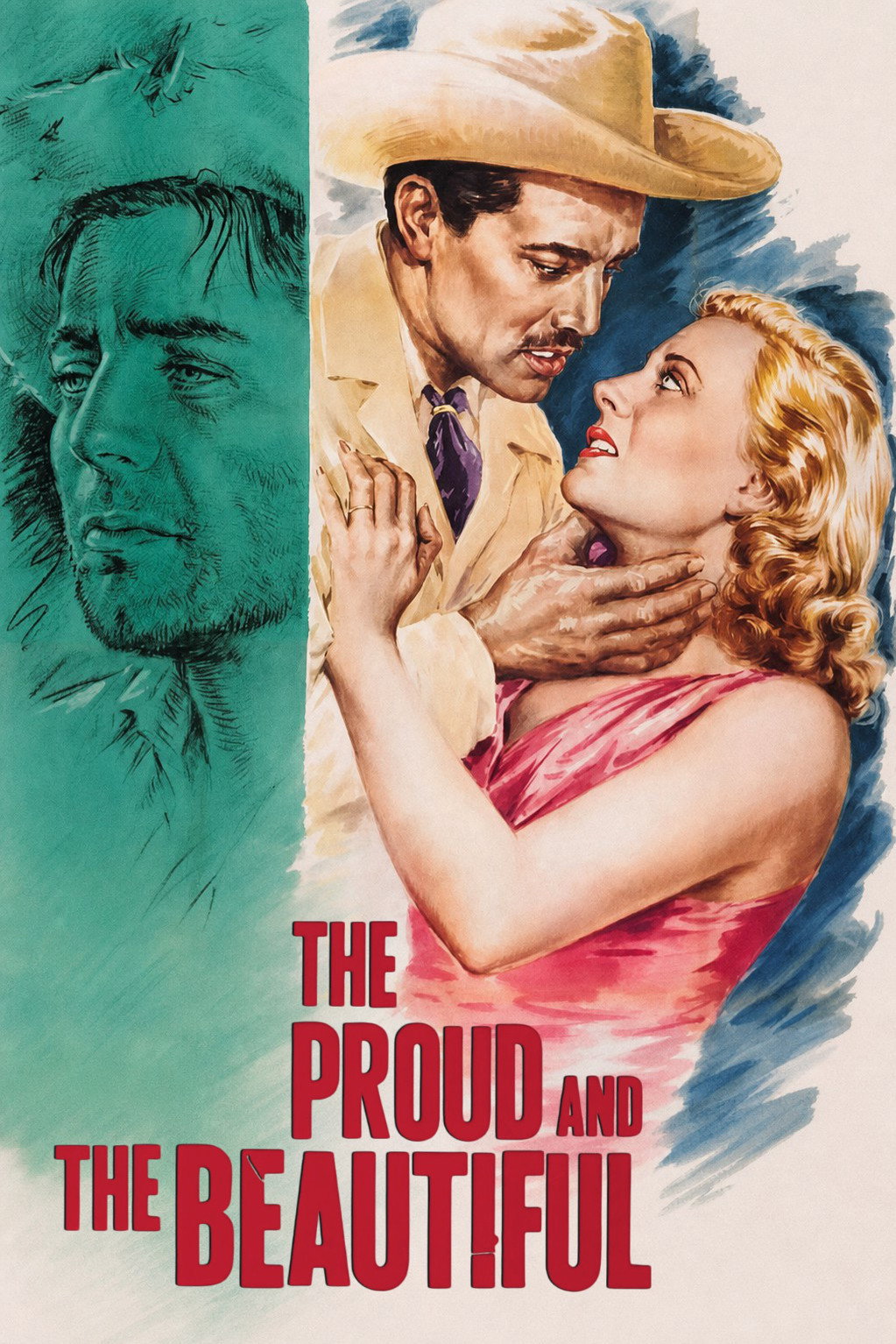
Life in a small Mexican village where joy and misery, hope and pain, passion and guilt, love and decay, life and death are mixed in the peasants life and two French citizens who end up stranded in there, during a typhoid epidemic.
 Film7.1KomediDram
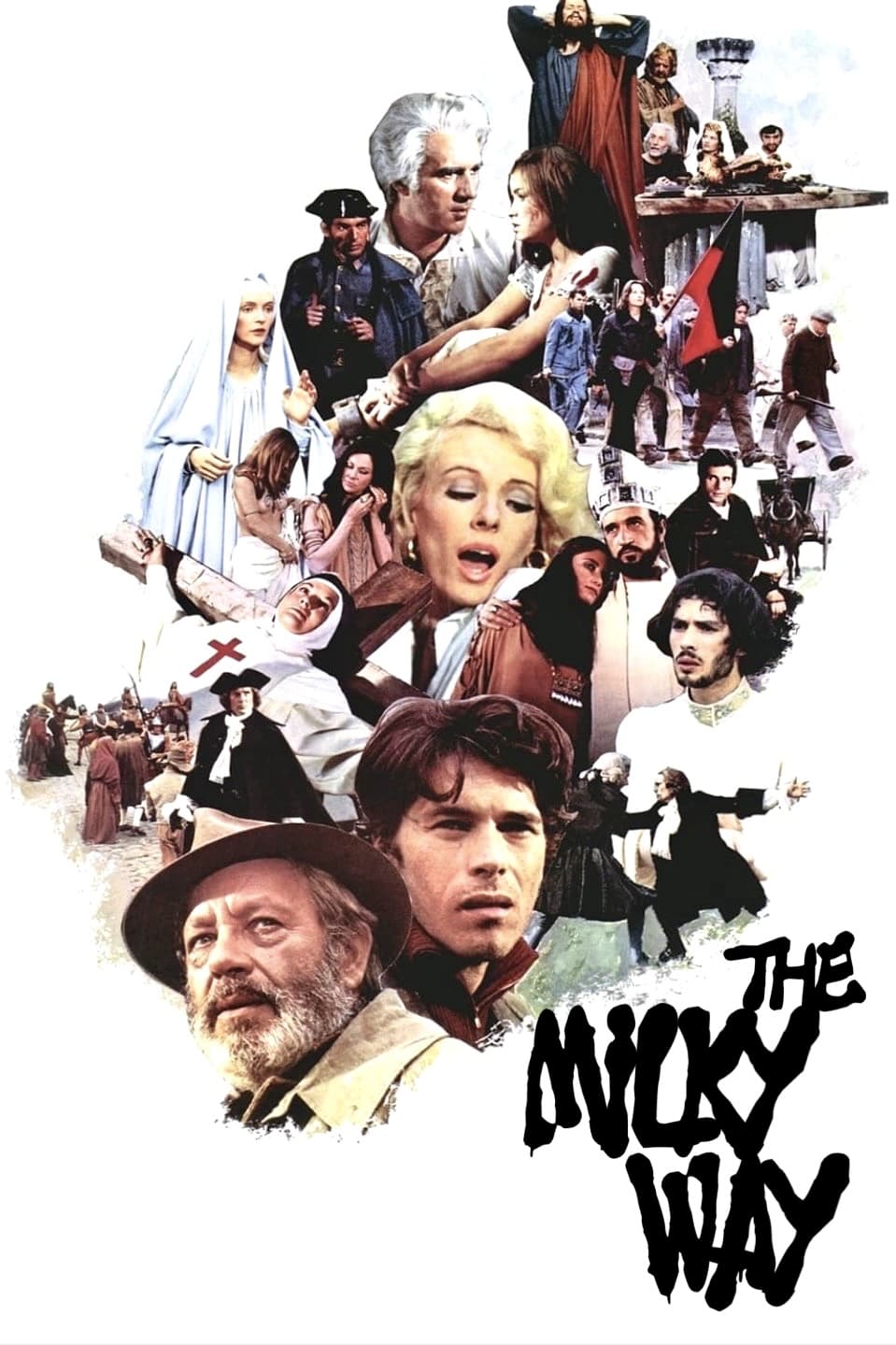
Jean ve Pierre adlı iki adam Paris’ten İspanya’daki Santiago de Compostela’ya hacca gitmektedir. Yolculukları 20.yy’da başlar ancak yol aldıkça zaman ve mekanda yolculuk ettikleri görülür. Dini metinlerden alınma birçok tarihi sahneye tanık olurlar; İsa’ya, Marki de Sade’ye, Şeytan’a rastlarlar.
 Film6.0Belgesel
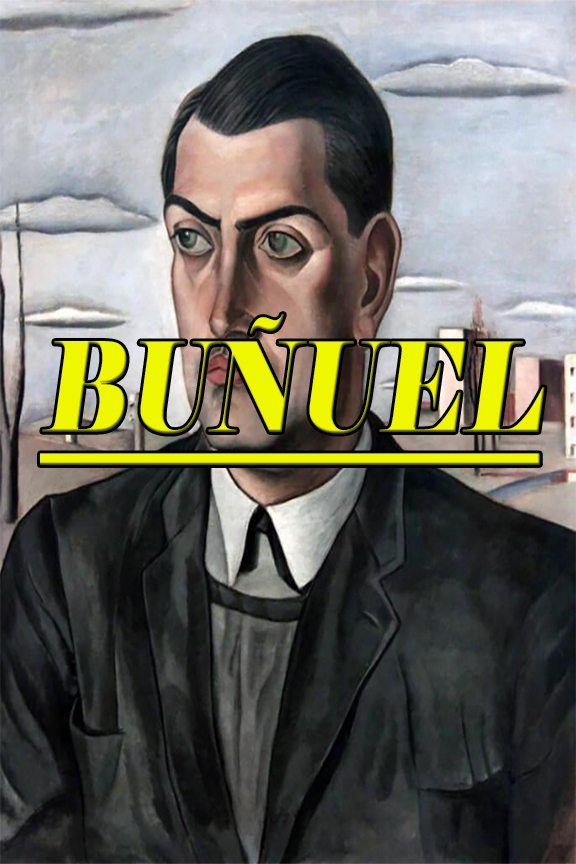
Completed a year after his death in 1983, this program presents the definitive biography of Spain’s renowned Surrealist film maker and iconoclast, Luis Buñuel. Using photographs, film excerpts, and numerous interviews with Bunuel, the video chronicles his early friendships with Salvador Dalí and Federico García Lorca, the stormy reactions to many of his groundbreaking films, and the influence he has had on international cinema. Among those interviewed are directors Federico Fellini, John Huston, and Jose L. Saenz De Heredia; Buñuel’s wife, Jeanne Rucar, and son Juan; actor Francisco Rabal; and Octavio Paz.
Buñuel
1984 · 6 votes
 Film6.4Belgesel
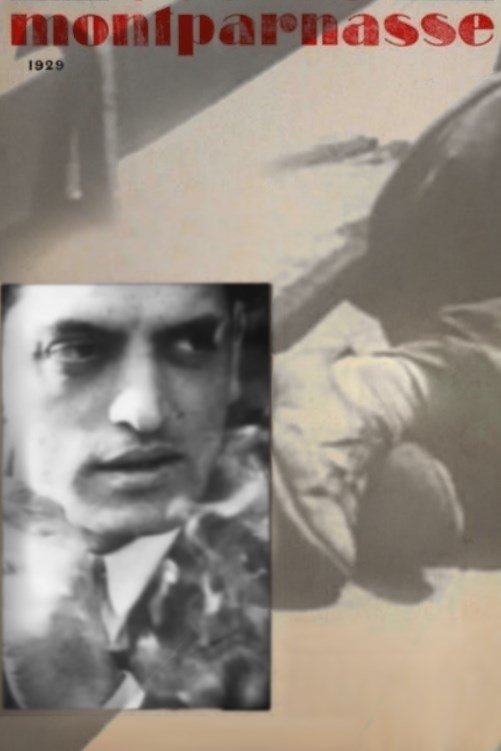
Come take an avant-garde walk in the Montparnasse of the late 1920's. This district of Paris, filmed in a most unusual way, shows how dedicated it is to art. Visit its art galleries and exhibitions, take a glimpse of famous painter Fujita, of Luis Buñuel eyeing the legs of beautiful Parisian passing the terrace of the café where he sits, of Italian futurists Marinetti, Prampolini and Russolo.
Montparnasse
1929 · 19 votes
 Film7.6Belgesel
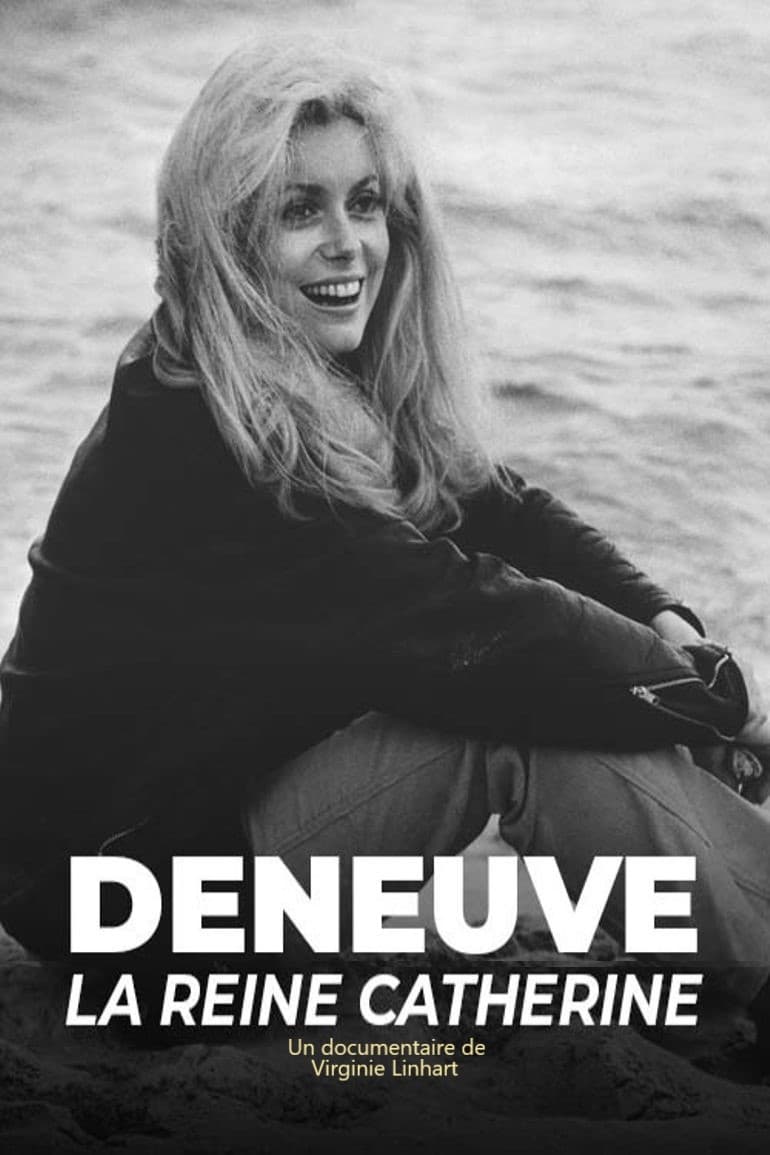
She is said to be cold, secretive and mysterious. She has the reputation of not letting anything of her intimate thoughts, her private life, her joys as well as her torments show through. She managed to protect her family, her loves, her choices from the curiosity of magazines and her public. A tour de force for a sixty year long career with more than one hundred and thirty films shot with the greatest filmmakers in the world. However, the raw material for a very personal account of Catherine Deneuve exists: it can be found in the interviews given by the actress from her beginnings until today. They allow us to discover another Catherine Deneuve.
Deneuve, la reine Catherine
2022 · 5 votes
 Film7.0BelgeselTV Movie
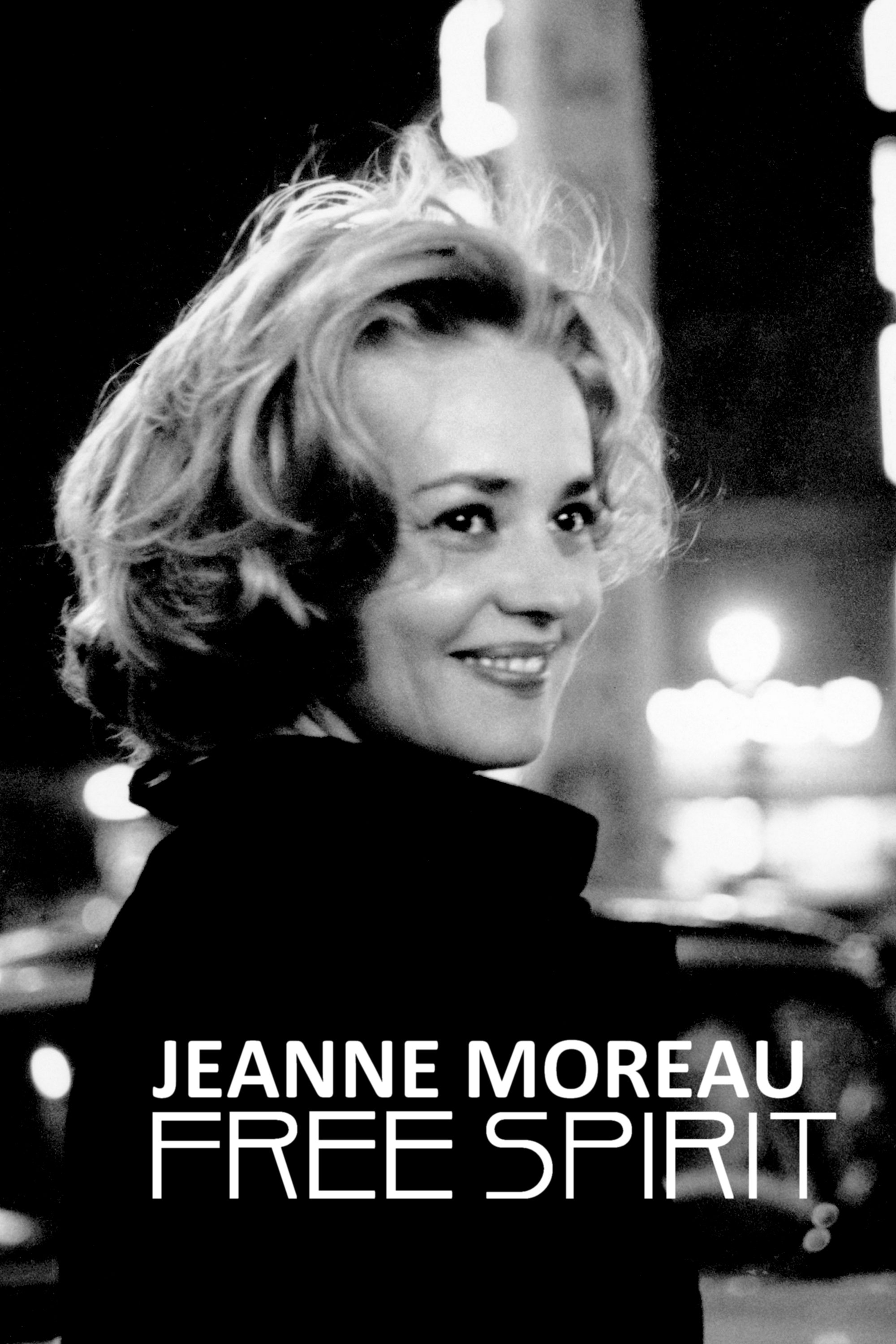
An account of the life of actress Jeanne Moreau (1928-2017), a true icon of the New Wave and one of the most idolized French movie stars.
 Film6.5BelgeselTV Movie
A captivating portrait of French actor Michel Piccoli, who has worked with the greatest filmmakers of his time and has built a dazzling career of remarkable merit and success, focusing on his work during the 1970s and his professional relationship with Claude Sautet, Romy Schneider, Marco Ferreri and Luis Buñuel.
 Film6.0Belgesel
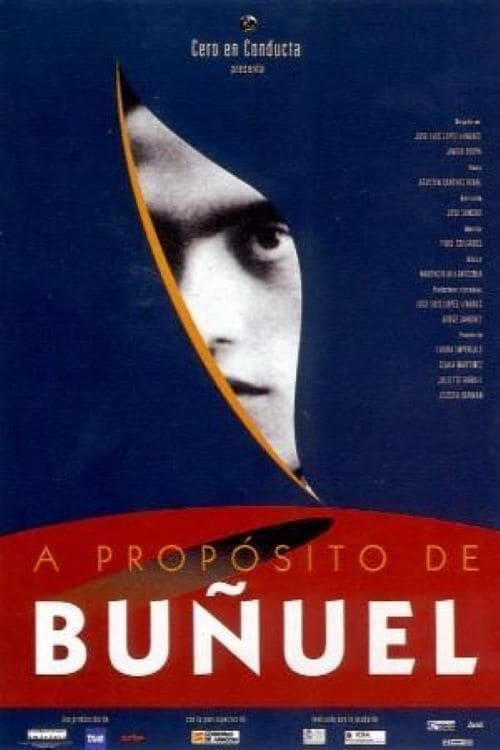
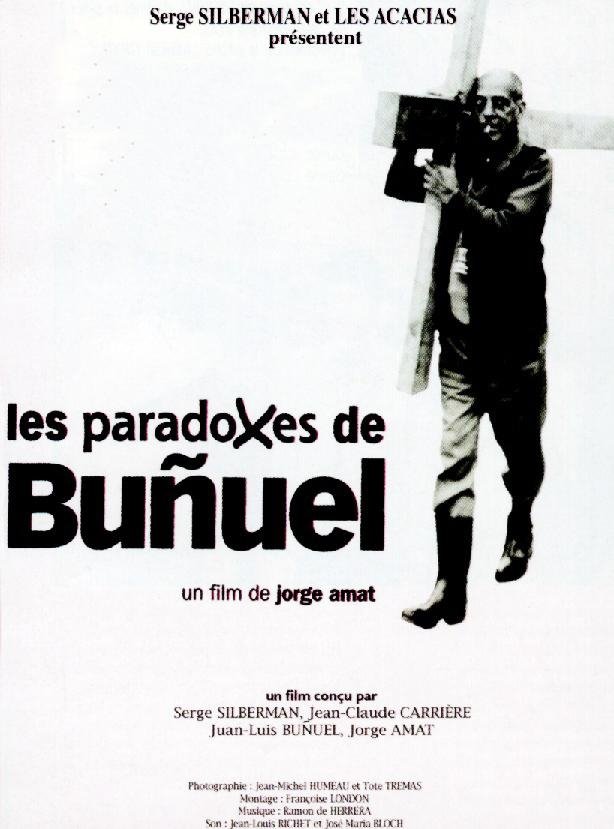
Surrealist master Luis Buñuel is a towering figure in the world of cinema history, directing such groundbreaking works as Un Chien Andalou, Exterminating Angels, and That Obscure Object of Desire, yet his personal life was clouded in myth and paradox. Though sexually diffident, he frequently worked in the erotic drama genre; though personally quite conservative, his films are florid, flamboyant, and utterly bizarre.
 Film9.0Belgesel
Famed film director Luis Bunuel (1900-1983) is the subject of this French documentary, with anecdotal interviews edited thematically into sections highlighting Bunuel's contradictions --"Surrealist and Moralist," "Iconoclast and Traditionalist," "Sadist and Sentimentalist."
Les paradoxes de Buñuel
1998 · 1 votes
 Film6.5DramRomantik
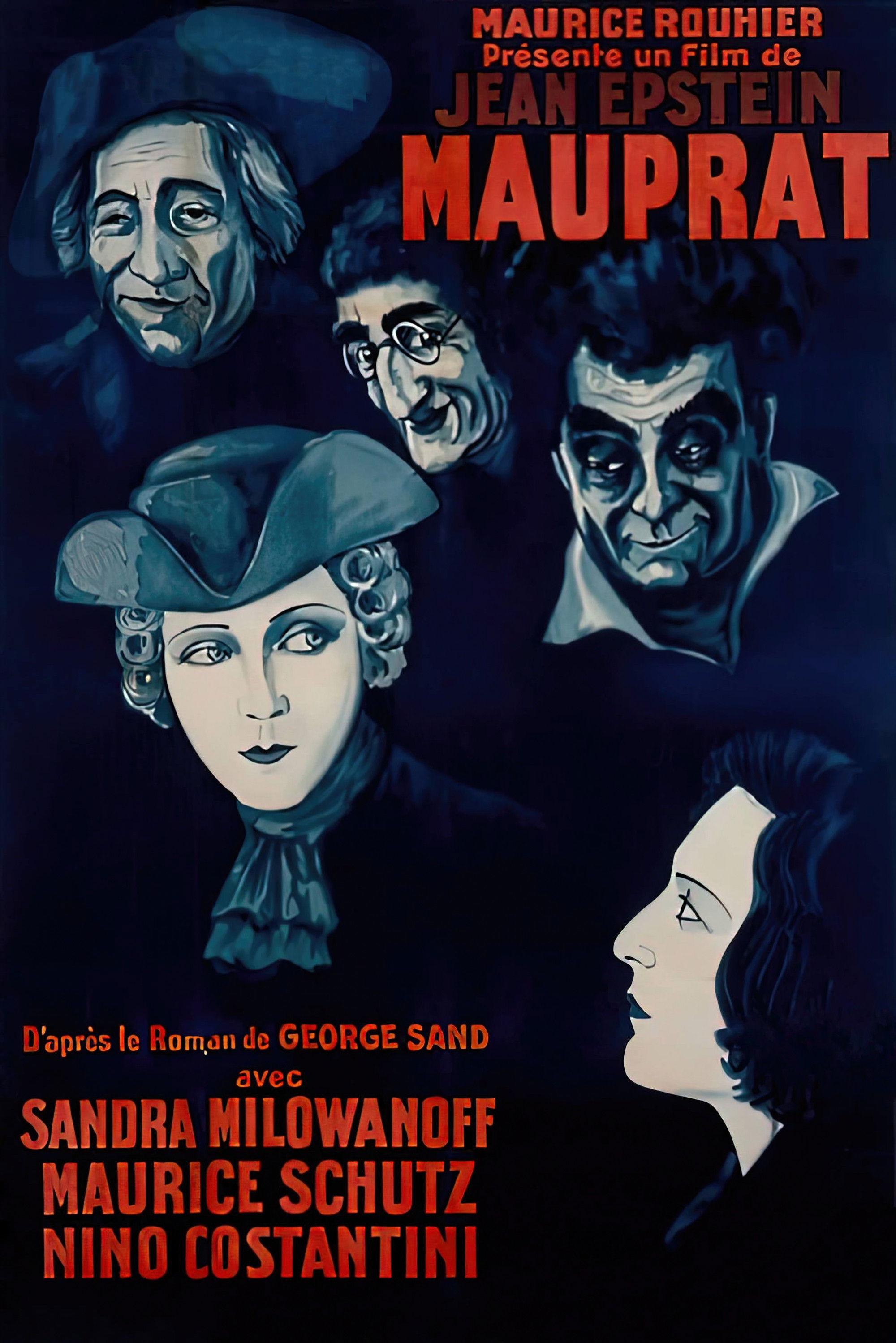
Romantic novelist George Sand's Mauprat as adapted by cinema visionary Jean Epstein. As a child, orphan Bernard de Mauprat was adopted by Tristan, a brigand who brought him up with his biological sons to hate, kill and pillage. Hubert de Mauprat, the elder brother of Tristan, the very incarnation of nobility, and his daughter, the beautiful and intrepid Edmée, undertake to tear wild-eyed Bernard away from his uncle. Still uncouth and rough, Bernard endeavors to wrest the love of Edmée away from her betrothed.
Mauprat
1926 · 12 votes
 Film5.8TarihDram
José María "El Tempranillo" fleeing from justice, takes refuge in Sierra Morena. After a period of hard learning, he becomes the leader of a group of bandits.
 Film7.0Belgesel
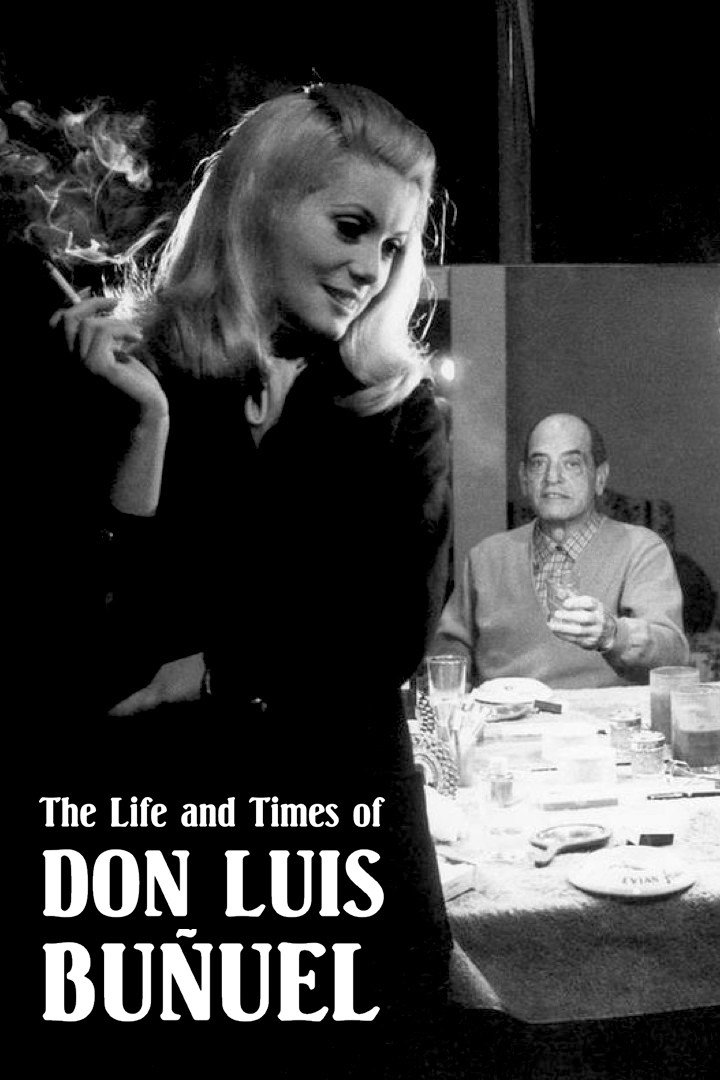
Made a year after Luis Buñuel's death in 1983 this is an illuminating portrait of the surreal and visionary director, featuring clips, archival interviews, and commentary from scholars and contemporaries including Catherine Deneuve, Fernando Rey, and Jeanne Moreau. Directed by Anthony Wall with readings from Buñuel's autobiography by Paul Scofield. Six trims to meet copyright restrictions.
The Life and Times of Don Luis Buñuel
1984 · 1 votes
 Film8.0Belgesel
This documentary traces the relationship of Buñuel with American culture and Hollywood. The program proposes a chronological journey through the Aragonese filmmaker stays in the U.S., the characters he met, the films he made and he could never do. The program also includes new material-unpublished until 2012 - the Aragonese director filmed in the U.S. in the early 1940s and where he can be seen playing one of their children or enjoying a short holiday in a cottage.
 Film7.2Belgesel
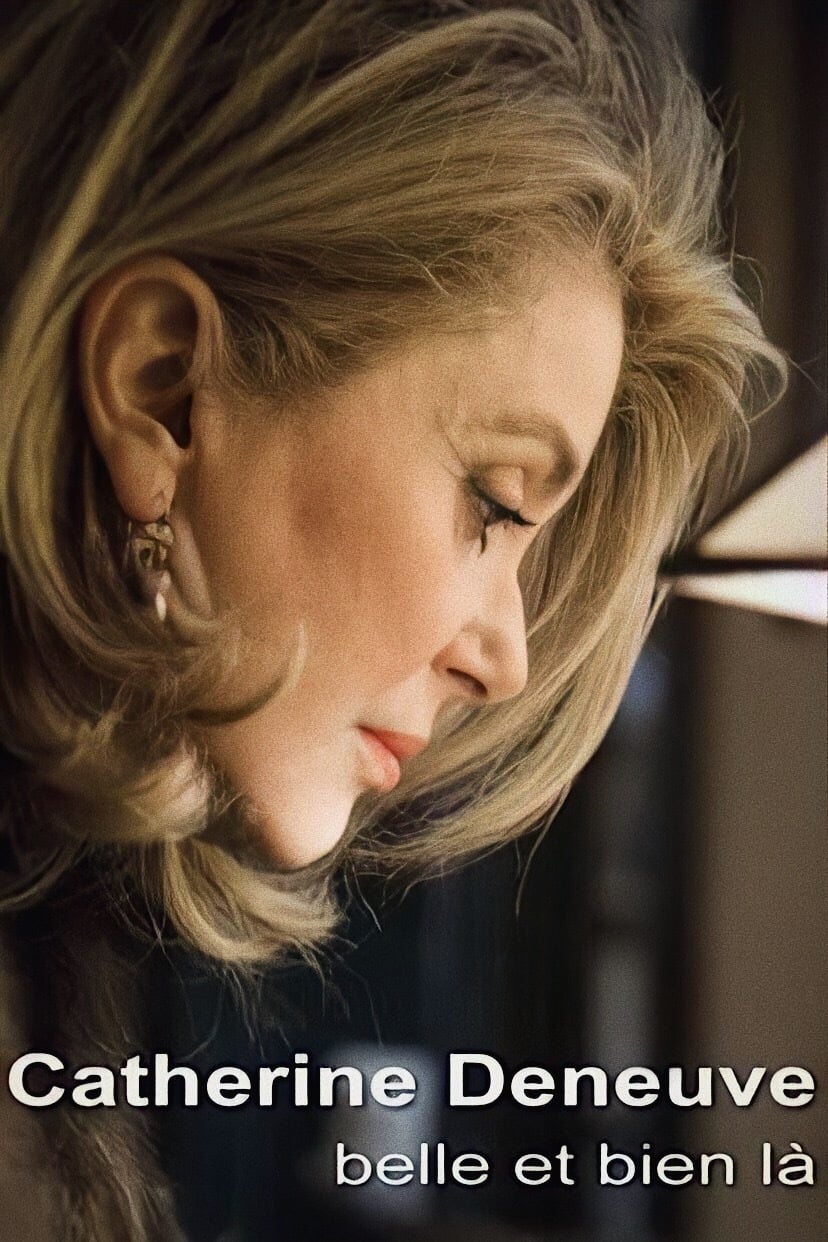
Catherine Deneuve couldn’t care less about being a celebrity, but fame made her an icon long ago and she occupies a special place in our imagination. The star is not one to let others get too close, but when she gives you her confidence, she keeps her word. If Deneuve’s career covers a half-century of cinema, it also bears witness to the force of a generation that experienced the deepest transformation of mores. This portrait reflects her entirely. The story of a mystery and an adventure.
Catherine Deneuve, belle et bien là
2010 · 4 votes
 Film6.0Belgesel
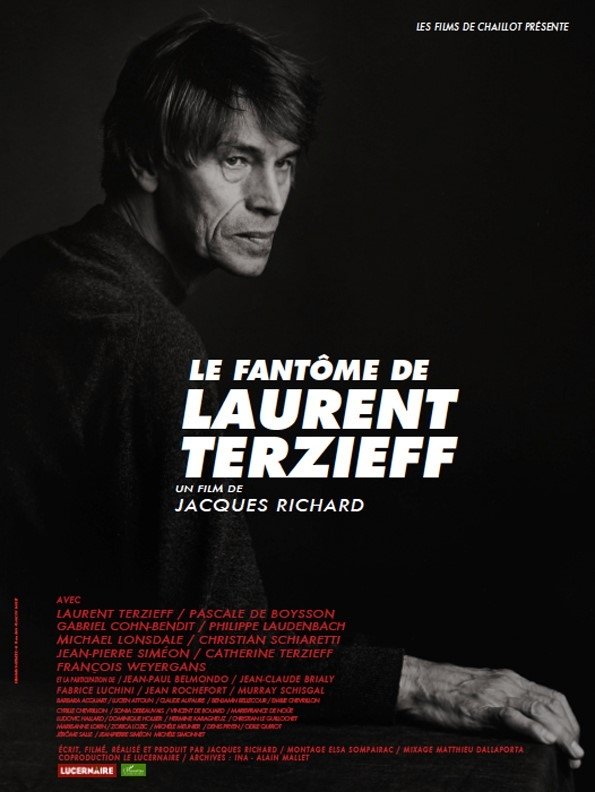
Laurent Terzieff was more than a good actor, after having been a real "star" in the cinema, through his professional choices, he gradually became a real "conscience of the theater", so much had he thought about his art. He received six Molière awards and was always unanimously praised by his peers. “THE GHOST OF LAURENT TERZIEFF” is a daring portrait, as it explores in depth “the secrets of a soul” and the atypical journey of the actor.
Le Fantôme de Laurent Terzieff
2020 · 1 votes
 Film5.2Belgesel
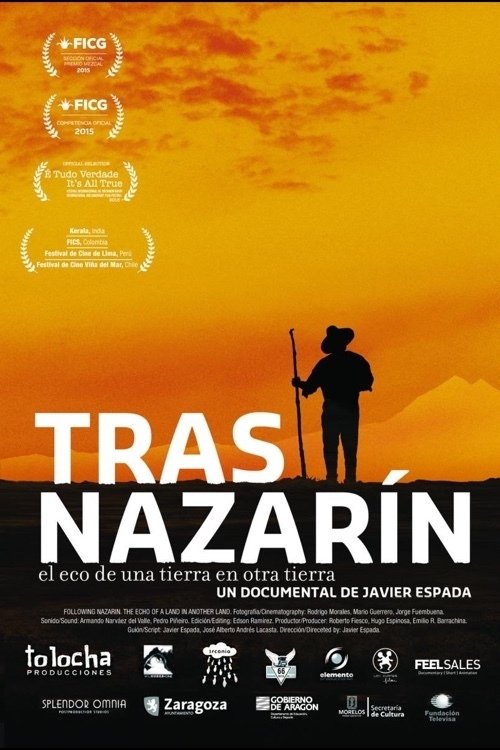
"Nazarín is a Quixote of the priesthood " "Among the films I have made in Mexico, Nazarin is one that I prefer." "As inexplicable as the accidents that set it off, our imagination is a crucial privilege."
Tras Nazarin: Following Nazarin
2015 · 4 votes
 Film5.9Dram
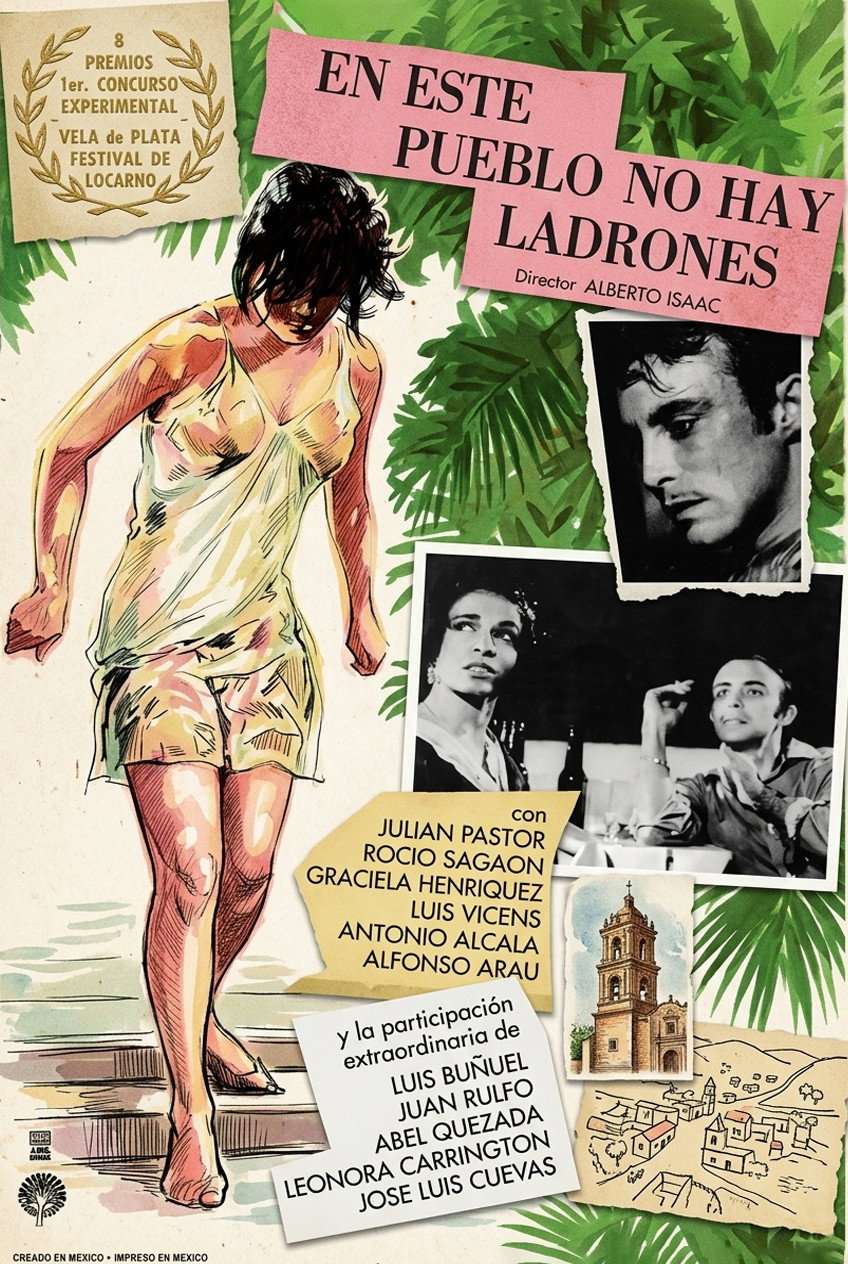
When a young boy steals billiard balls from a local saloon, a stranger is charged with the crime. The local layabouts find there is no reason to hang out at the bar without being able to shoot pool, and the boy entertains thoughts of forming a gang to steal more billiard balls in hopes of making money.
 Film5.7Dram
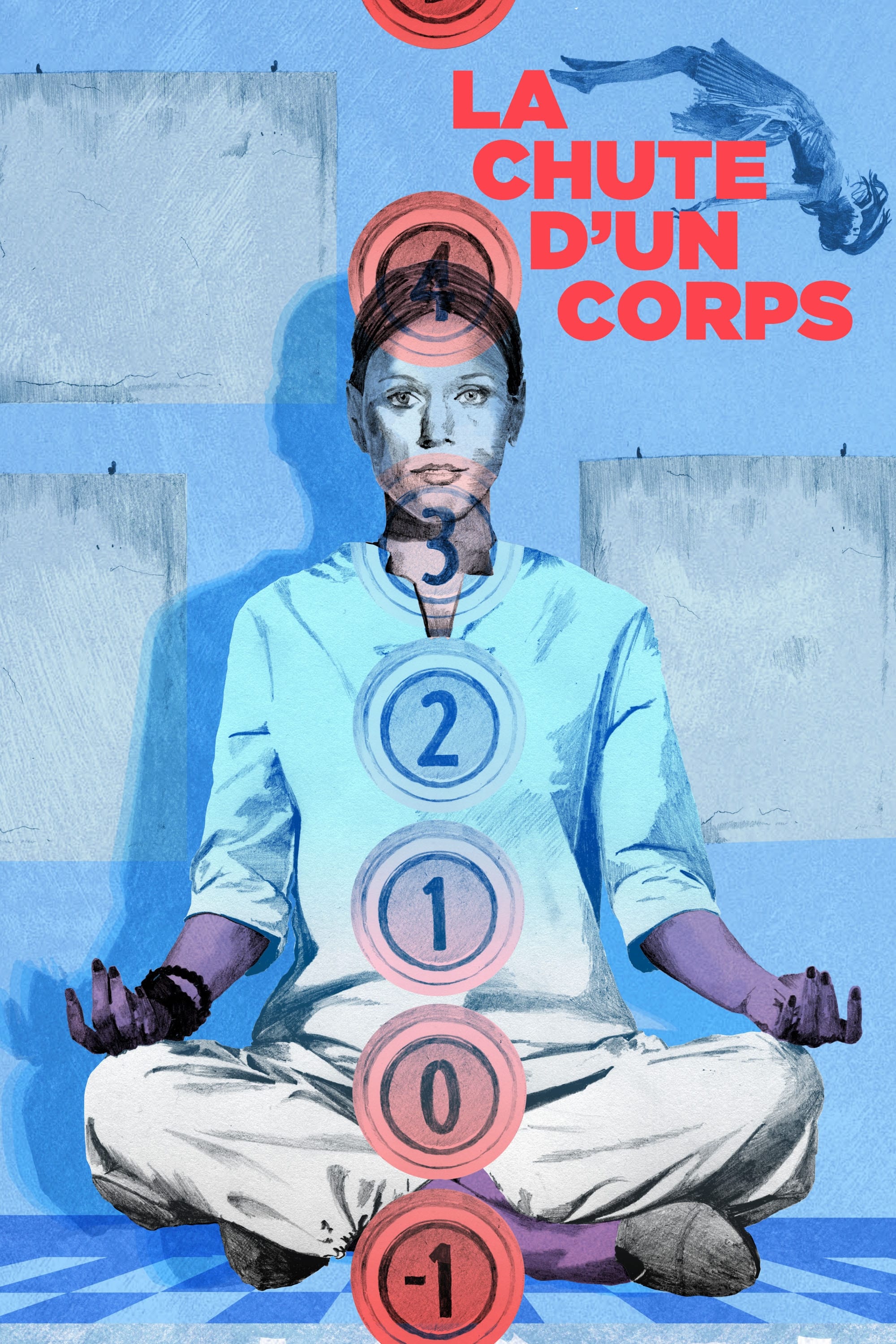
The body of a young woman falls on the terrace of Martha, who intrigued, meets her neighbor. In contact with this strange man, she learns to have a different look about her own life and her marital problems.
 Film7.9Belgesel
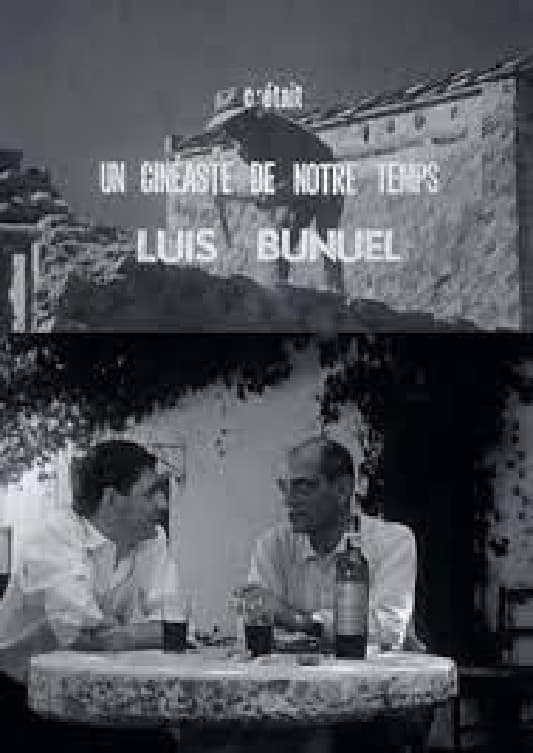
An overview of Luis Buñuel's career. Includes an interview with the filmmaker.
Luis Buñuel : Un cinéaste de notre temps
1964 · 6 votes
Diziler3
 Dizi8.7BelgeselAile
Cinépanorama
1956 · 3 votes
 Dizi5.0Belgesel
Reflets de Cannes
1954 · 2 votes
- Dizi9.0Belgesel
Produced for television by Claude-Jean Philippe, the « Encyclopédie audiovisuelle du cinéma », recounts the history of French cinema from its birth to the beginning of the 1960s. With commentary read by Jean Rochefort.
Encyclopédie audiovisuelle du cinéma
1978 · 1 votes