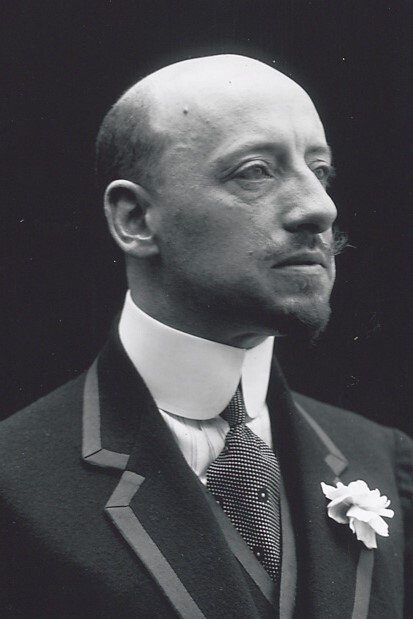
Gabriele D'Annunzio
Senarist · 1863 – 1938 · Pescara, Abruzzo, Italy
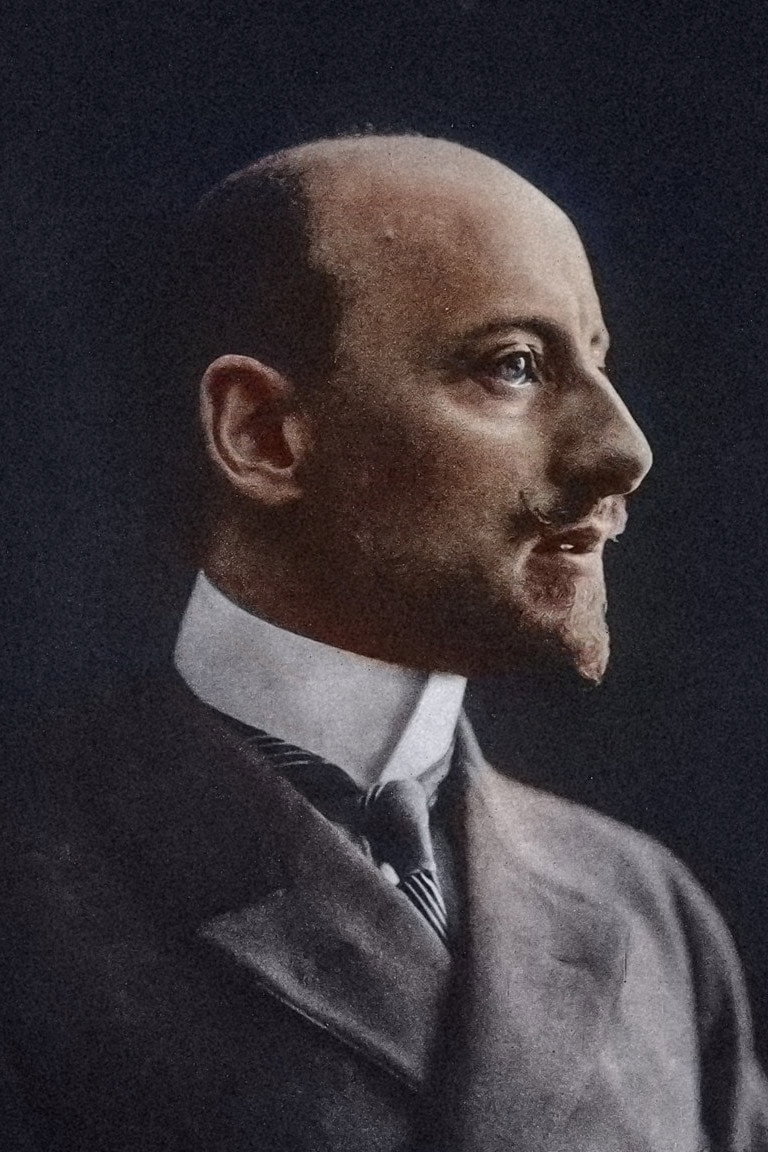
Gabriele D'Annunzio (1863-1938), born Gaetano Rapagnetto d'Annunzio, was an Italian poet, playwright, orator, journalist, aristocrat, and army officer during World War I. He occupied a prominent place in Italian literature and political life. He was often referred to under the epithets Il Vate ("the Poet") or Il Profeta ("the Prophet"). He is best known for his novels Il Piacere (1889), L'Innocente (1892), poetry collection Alcyone (1903) and his contribution to silent film epic Cabiria (1914), for which he wrote all of the intertitles, named the characters and the movie itself.
Filmler7
 Film8.1BelgeselKomedi
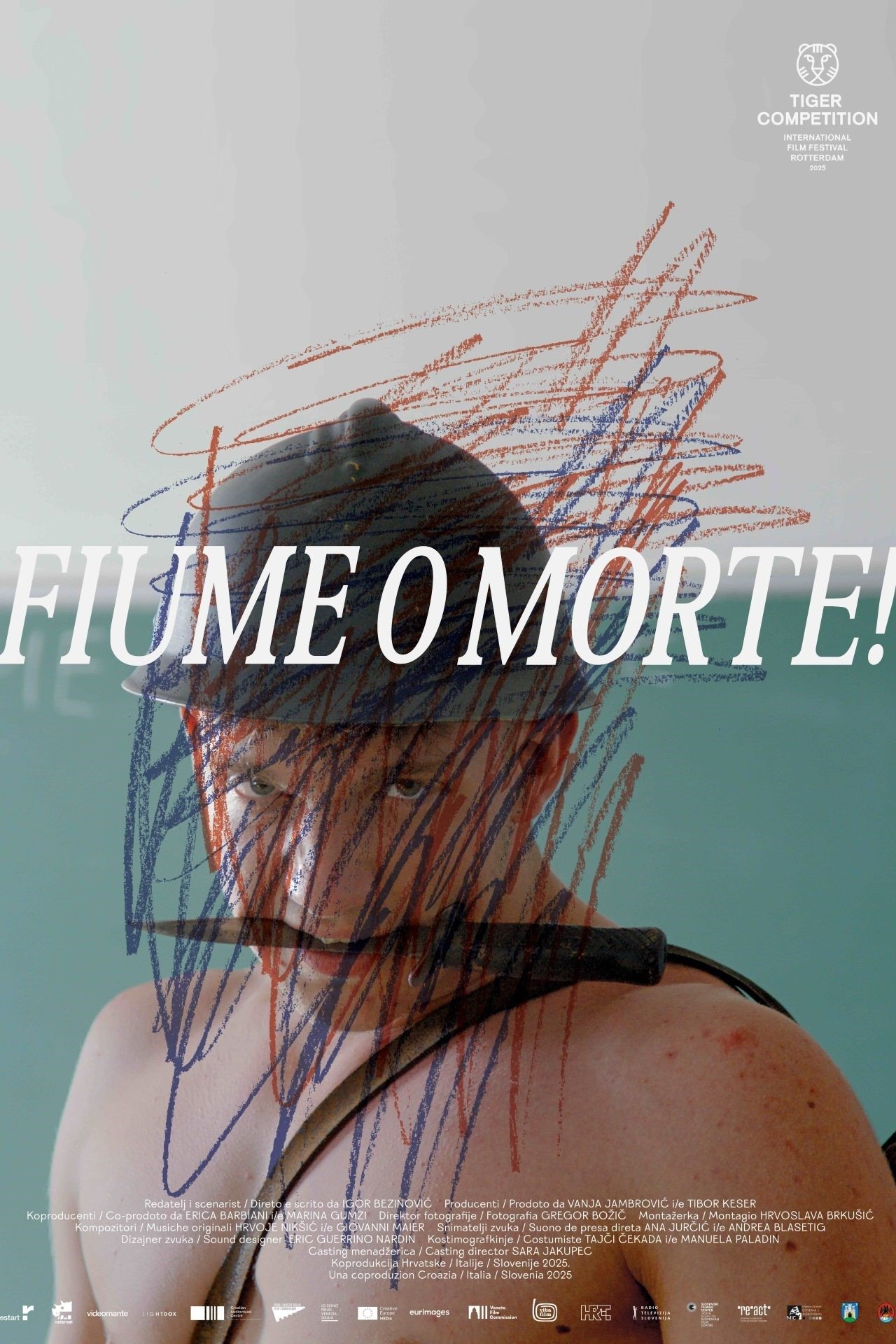
Through dramatic reconstruction and documentary asides, the spirit of Italian poet, playwright, journalist, aristocrat and army officer Gabriele D’Annunzio is captured, presenting the nascent fascism in his attempts to forge a new state in the aftermath of the First World War.
Fiume o morte!
2025 · 14 votes
 Film7.0BelgeselTarih
Documentary compiled from archives and accompanied by a poet's commentary, shows the sweep of modern Italian history from 1911 to 1961, centering on the conditions leading to Fascism and the post-WWII reaction to the Fascist experience.
 Film5.7Belgesel
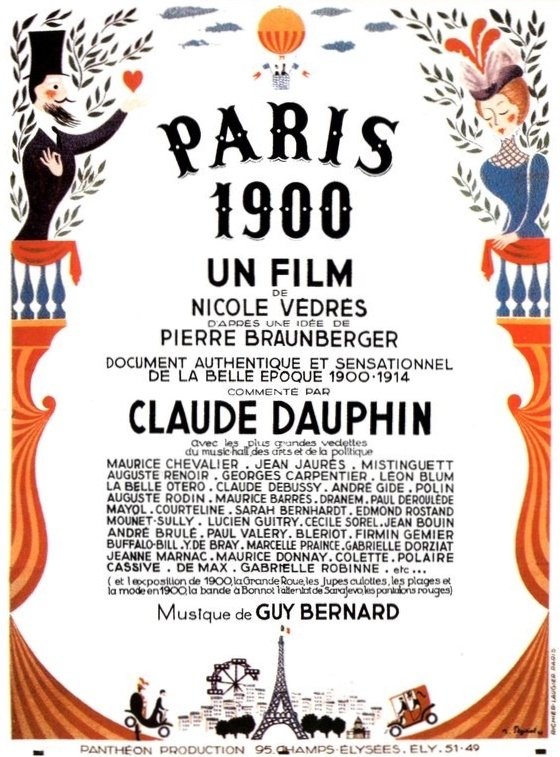
Nicole Védrès' chronicle of Paris from 1900 to 1914 is brought to life through the use of original material, all authentic, secured from more then 700 films belonging to public and private collections. A few of the celebrities of the time shown are Enrico Caruso, Sarah Bernhardt, and Maurice Chevalier.
Paris 1900
1948 · 10 votes
 Film6.4BelgeselTarih
 Film6.5BelgeselTarih
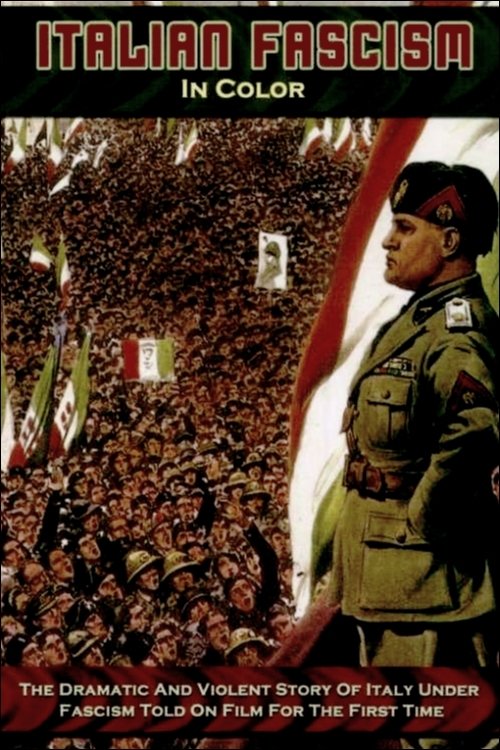
The fascinating story of the rise to power of dictator Benito Mussolini (1883-1945) in Italy in 1922 and how fascism marked the fate of the entire world in the dark years to come.
 Film7.5BelgeselTarih
After the World War I, Mussolini's perspective on life is severely altered; once a willful socialist reformer, now obsessed with the idea of power, he founds the National Fascist Party in 1921 and assumes political power in 1922, becoming the Duce, dictator of Italy. His success encourages Hitler to take power in Germany in 1933, opening the dark road to World War II. (Originally released as a two-part miniseries. Includes colorized archival footage.)
Fascism in Colour
2006 · 2 votes
 FilmBelgesel
Gabriele D'Annunzio - poet, novelist, playwright, journalist, soldier and politician - shaped Italian artistic, political and military life either side of 1900. Filmed entirely at the Vittoriale degli Italiani, the hillside citadel above Lake Garda where he spent his final years, the documentary moves through the house, the archive, the park, the amphitheatre and the mausoleum. Giordano Bruno Guerri, president of the Vittoriale foundation, leads a chaptered account of D'Annunzio's writing, his affairs, his politics and his military exploits, closing on his uneasy relationship with Mussolini, who admired and feared him in equal measure.