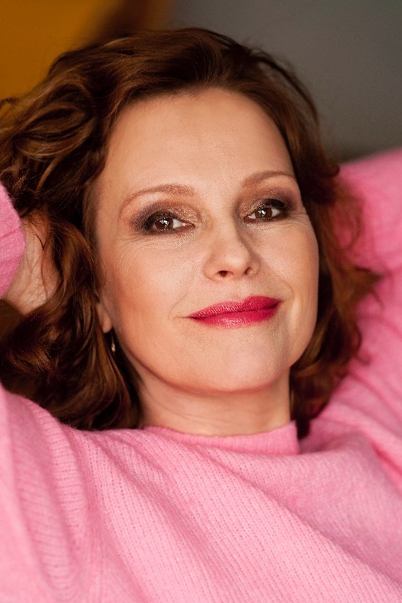
Alena Štréblová
Oyuncu · d. 1966
Diziler13
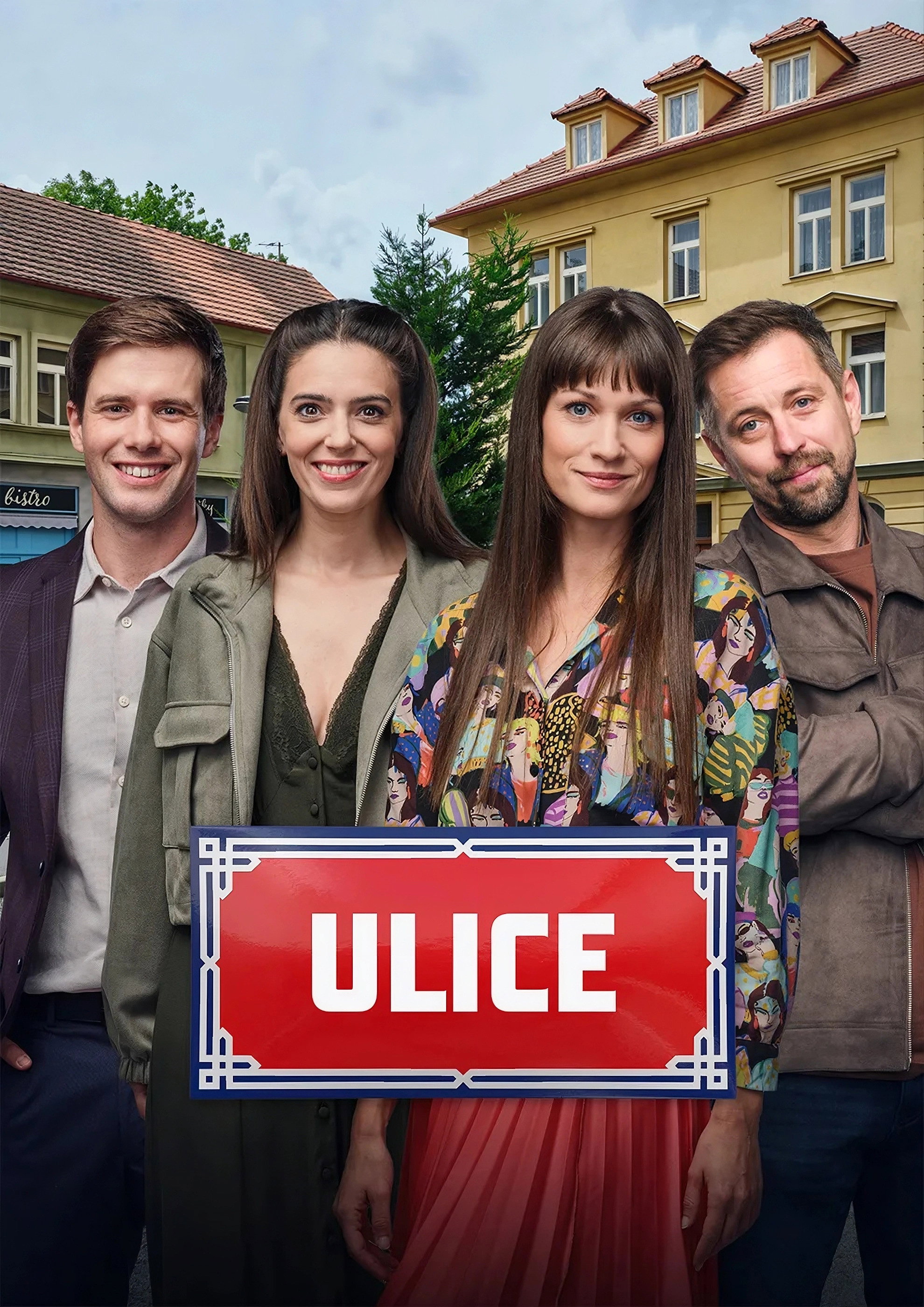 Dizi4.9DramKomedi
Ulice is a Czech soap opera produced and broadcast by Nova. In the Czech language Ulice means street. The show describes the lives of the Farský, Jordán, Boháč, Nikl, and Liška families and many other people that live in Prague. Their daily battle against real problems of living in a modern world like divorce, love, betrayal and illness or disease. Ulice often shows crime.
Ulice
2005 · 37 votes
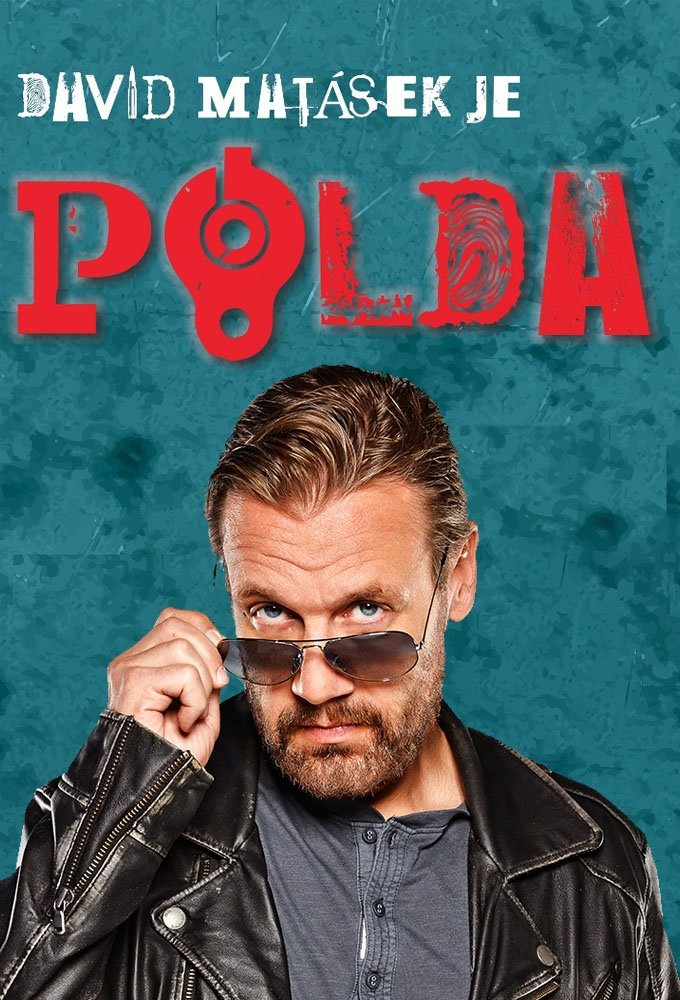 Dizi6.4SuçKomedi
Polda
2016 · 5 votes
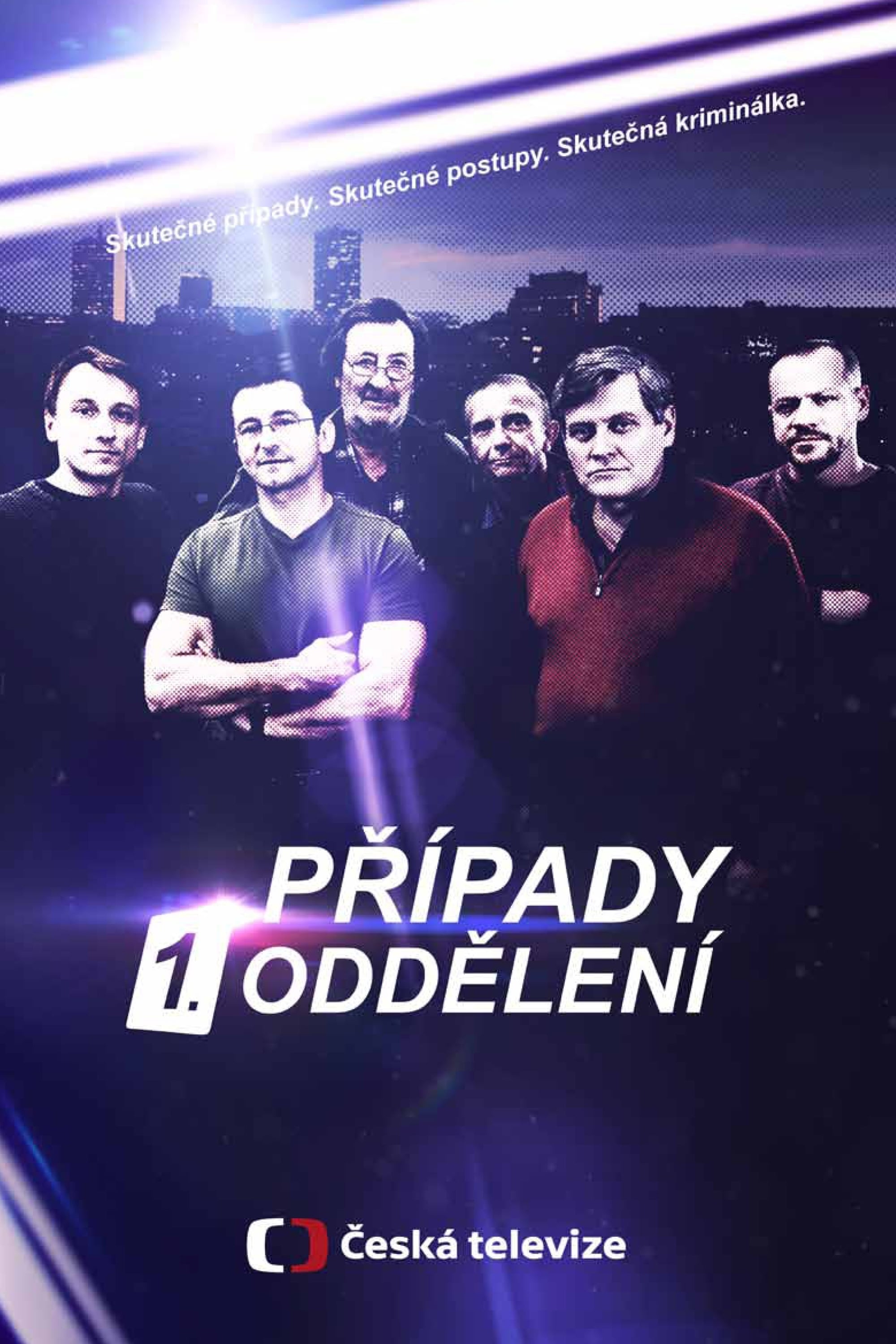 Dizi8.3Suç
Případy 1. oddělení
2014 · 9 votes
 Dizi5.6Komedi
Redakce
2004 · 5 votes
 Dizi7.7Suç
Odznak Vysočina
2022 · 3 votes
 Dizi4.8Dram
Odsúdené
2009 · 5 votes
 Dizi5.0Dram
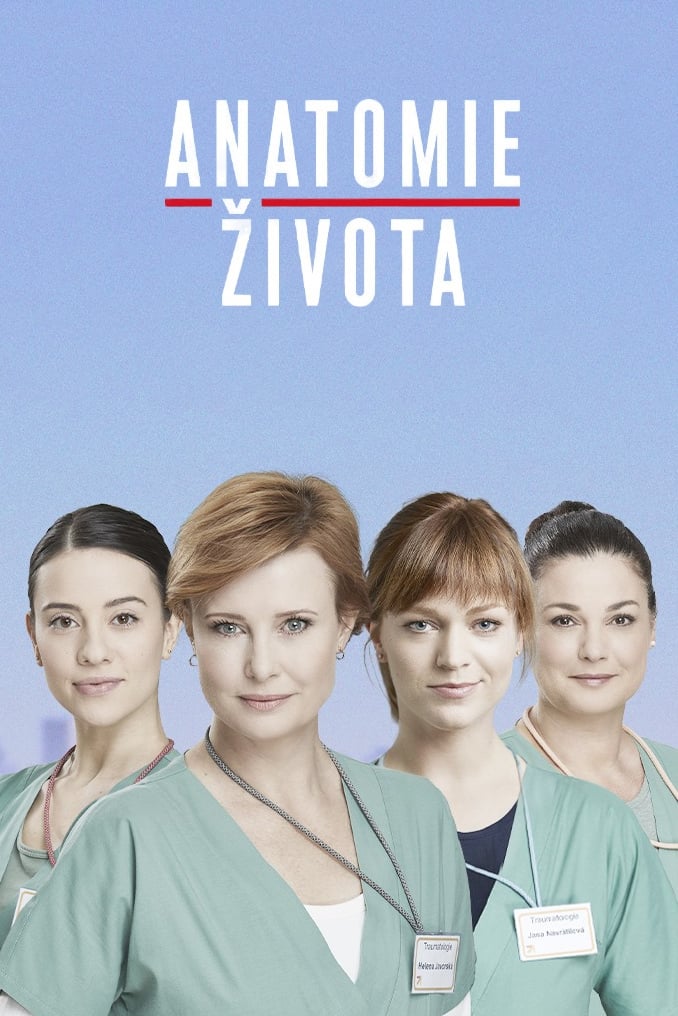
Anatomie života
2021 · 2 votes
 Dizi7.2KomediSuç
Dvojka na zabití
2021 · 4 votes
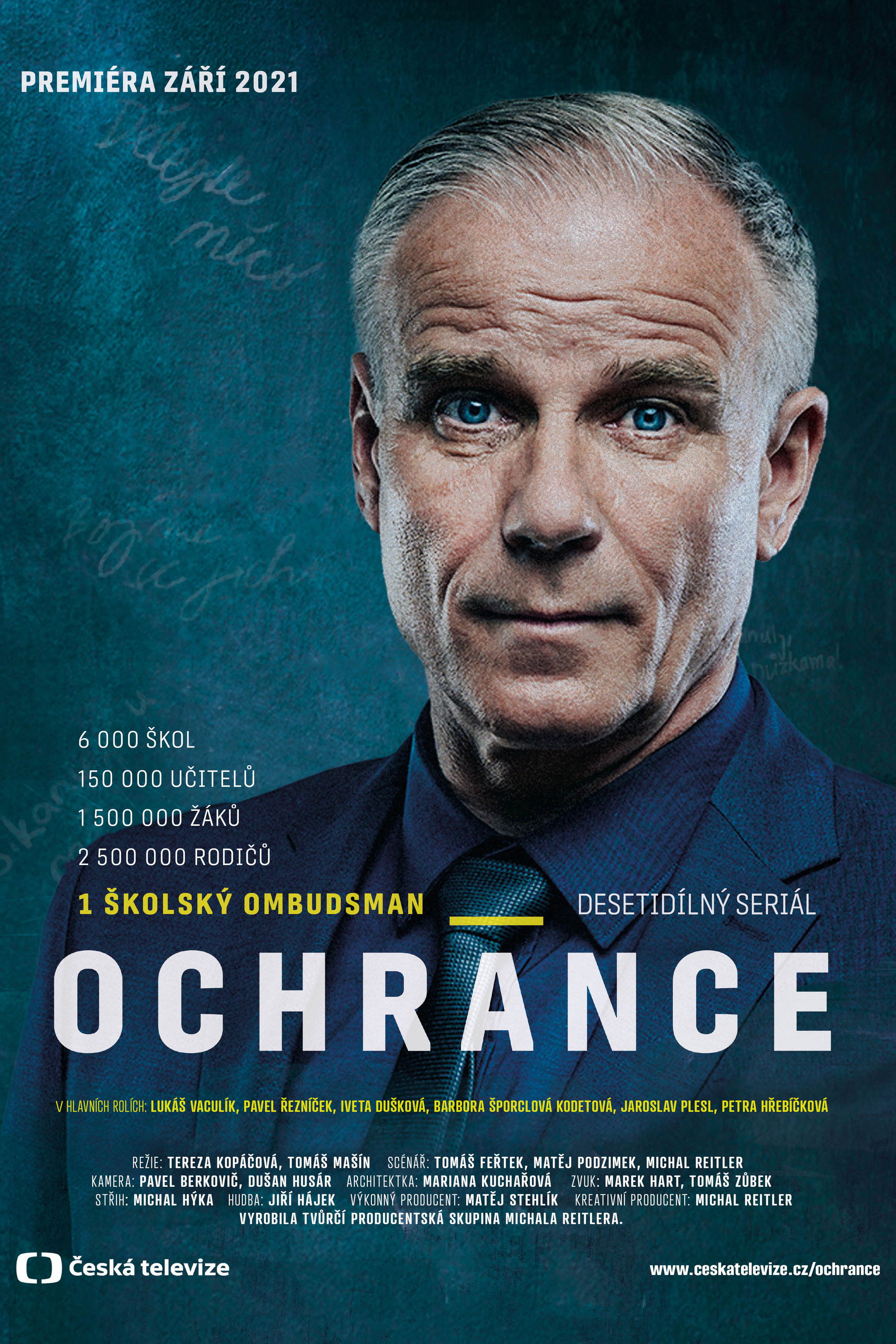 Dizi7.5SuçDram
Ales Pelan, lisede popüler bir öğretmendir. Bir meslektaşının zorbalığı, ona herkesin bazen desteğe ihtiyacı olduğunu fark ettirir. Pelan, okul ombudsmanı olarak meydana gelen ve tekrar meydana gelebilecek endişe verici vakaları araştıracaktır.
Ochránce
2021 · 9 votes
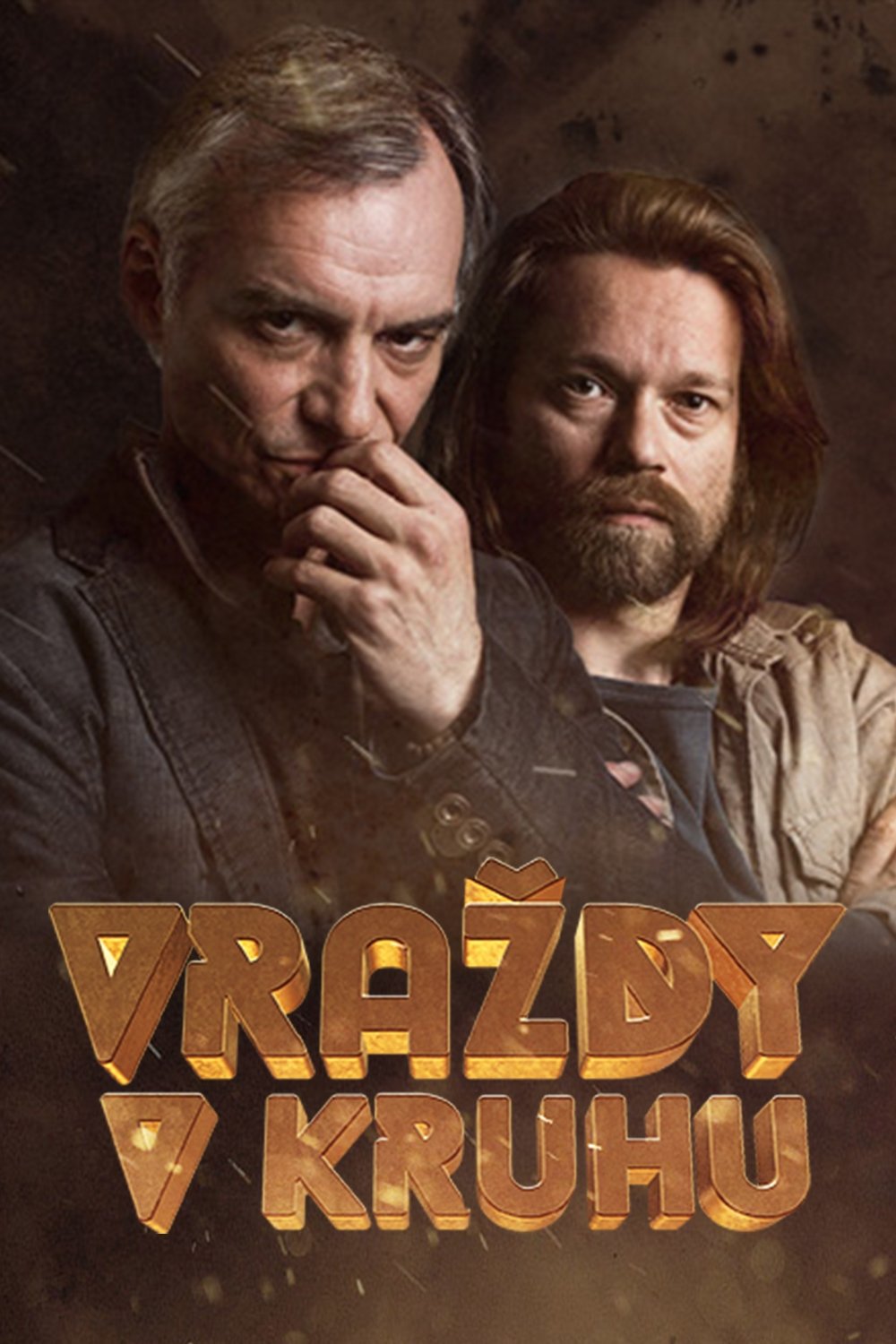 Dizi6.0DramSuç
Vraždy v kruhu
2015 · 4 votes
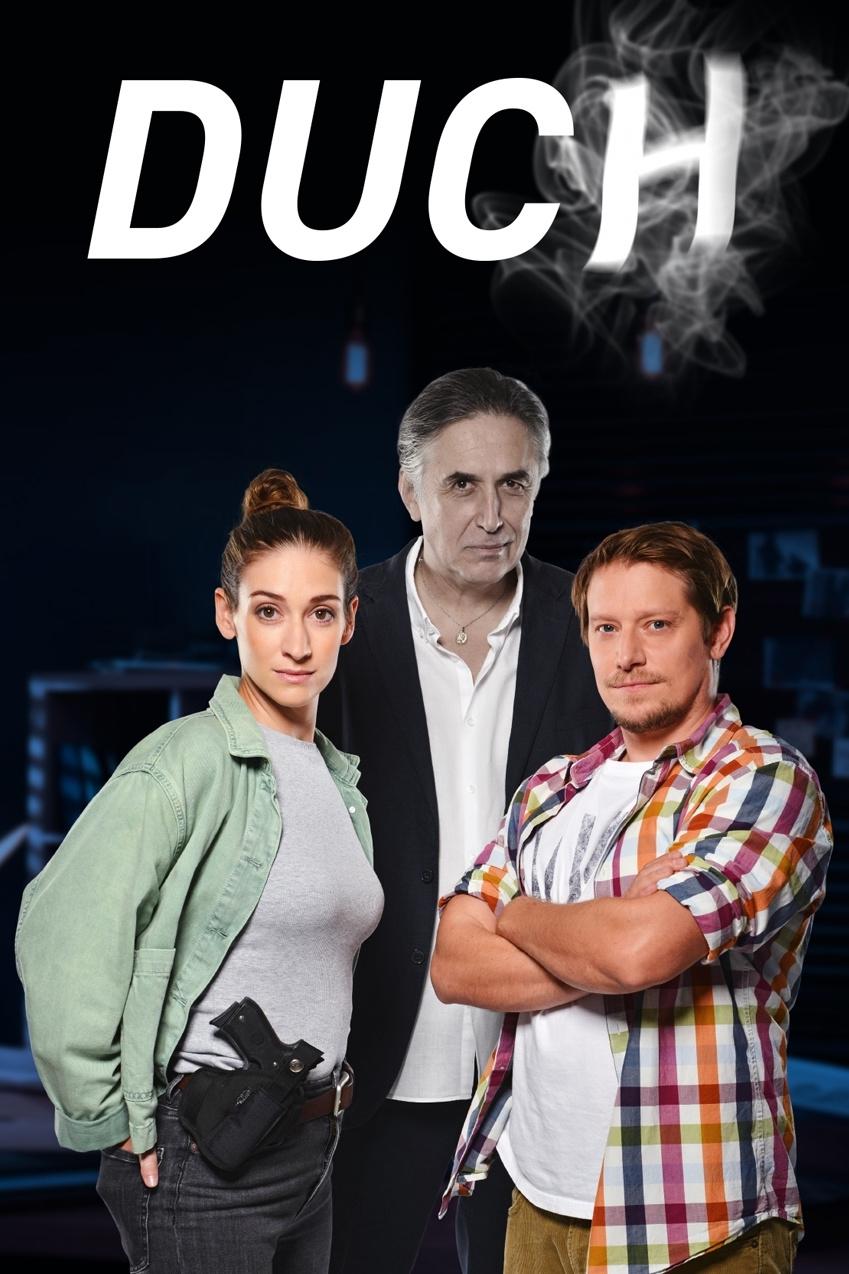 Dizi6.0SuçKomedi
Duch
2022 · 1 votes
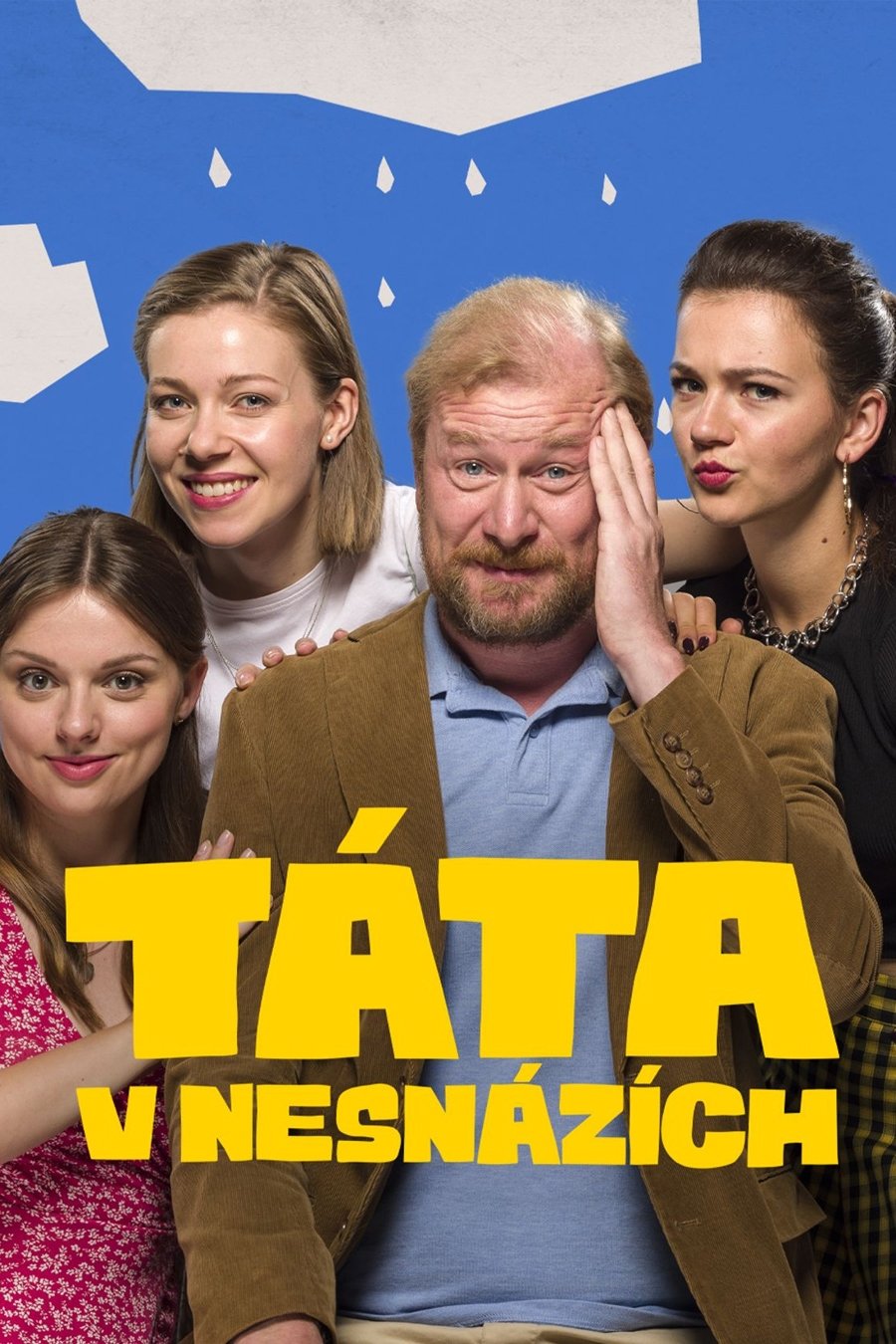 Dizi7.3AileKomedi
Táta v nesnázích
2023 · 3 votes
 Dizi2.0Dram
Aféry
2011 · 1 votes
Filmler11
 Film5.9RomantikKomedi
A computer programmer and his son are going out of the city for vacation.
- FilmSuçDram
Loosely inspired by a real criminal court case. It took place in Prague and the Tatra Mountains between 1926 and 1928 and was later described as one of the biggest, if not the biggest, cases the pre-Munich Republic had ever seen. Nevertheless, the police and judiciary at the time failed to clarify and close the case in such a way that it would not raise legitimate questions long after the trial had ended. Even though the court handed down its verdicts, the case remained open in a way, and this is also reflected in the script, which remained faithful to the facts in its basic outline," says screenwriter Václav Šašek, author of the two-part television production The Trial of the Martyn Murderers...
 Film6.2KomediKorku
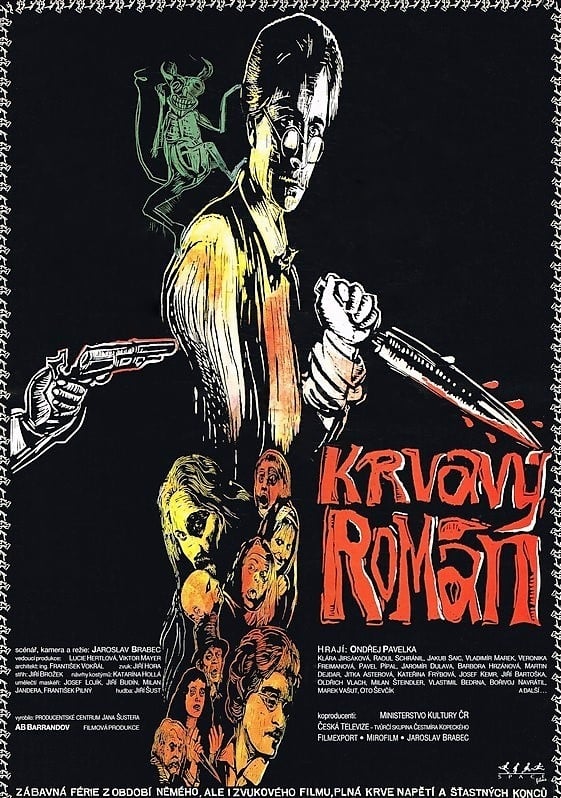
The distinctive artist, typographer, and writer Josef Váchal is known to the public primarily for his Blood Novel. The surrealistic exuberance of this defense of 19th-century pulp fiction caught the attention of Jaroslav Brabec and his colleagues, who found a corresponding image of 20th-century "trash." The authors' interest focuses primarily on the silent film era, with a journey through the history of cinema continuing through the advent of sound film to the present day (auteur cinema of the 1960s, modern horror), formally employing techniques such as tinted film. The versatile parody intertwines a colorful plot with the story of the author (Váchal/Paseky), who comments on and creates his book, and is further split in the plot into the characters of Fragonard and the Master. As with Váchal, reality increasingly enters the fiction, so that the only "happy ending" turns out to be the artist's finished work.
 Film5.4Dram
A mentally handicapped young man decides to leave the security of his family in order to search for the purpose of his existence; whether it is freedom, sexual experience, or death.
David
2015 · 10 votes
 Film6.2Dram
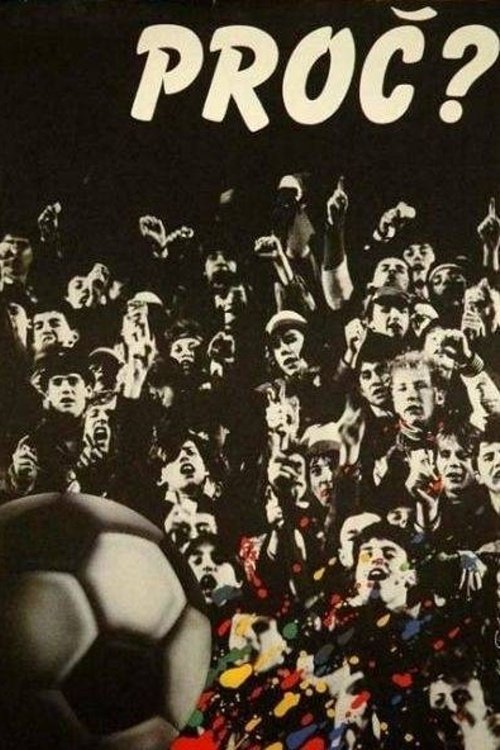
Why? (Czech: Proč?) is a 1987 Czechoslovak drama film directed by Karel Smyczek. It was screened in the Un Certain Regard section at the 1988 Cannes Film Festival. The film deals with the hooliganism in Czechoslovakia, particularly with the fans of football club Sparta from Prague, whose supporters were the pioneers of the football fan riots in Czechoslovakia, starting with hooligan actions already in the 1960s, like breaking the trains in which they travelled when they went on Sparta's away games. The film deals with one of such episodes
 Film4.3Dram
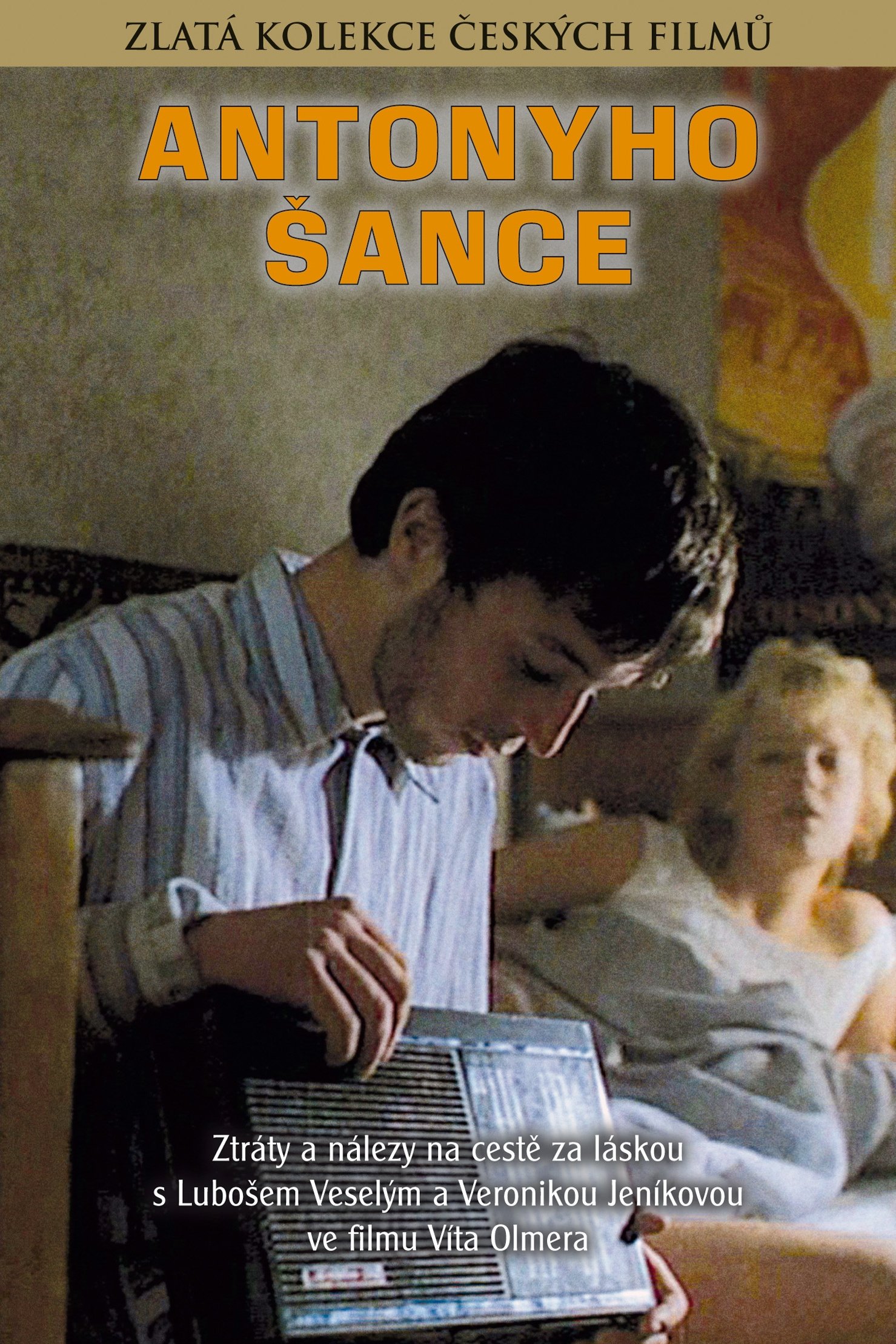
Antony is obsessed with the idea of a happy family life, but his young daughter has to be cared for by the parents of his wife, who died in a car accident. Unfortunately, Martha, whom Antony has somewhat recklessly married, has a fundamentally different vision of her future than he does.
Antonyho šance
1986 · 3 votes
 Film6.0DramBelgesel
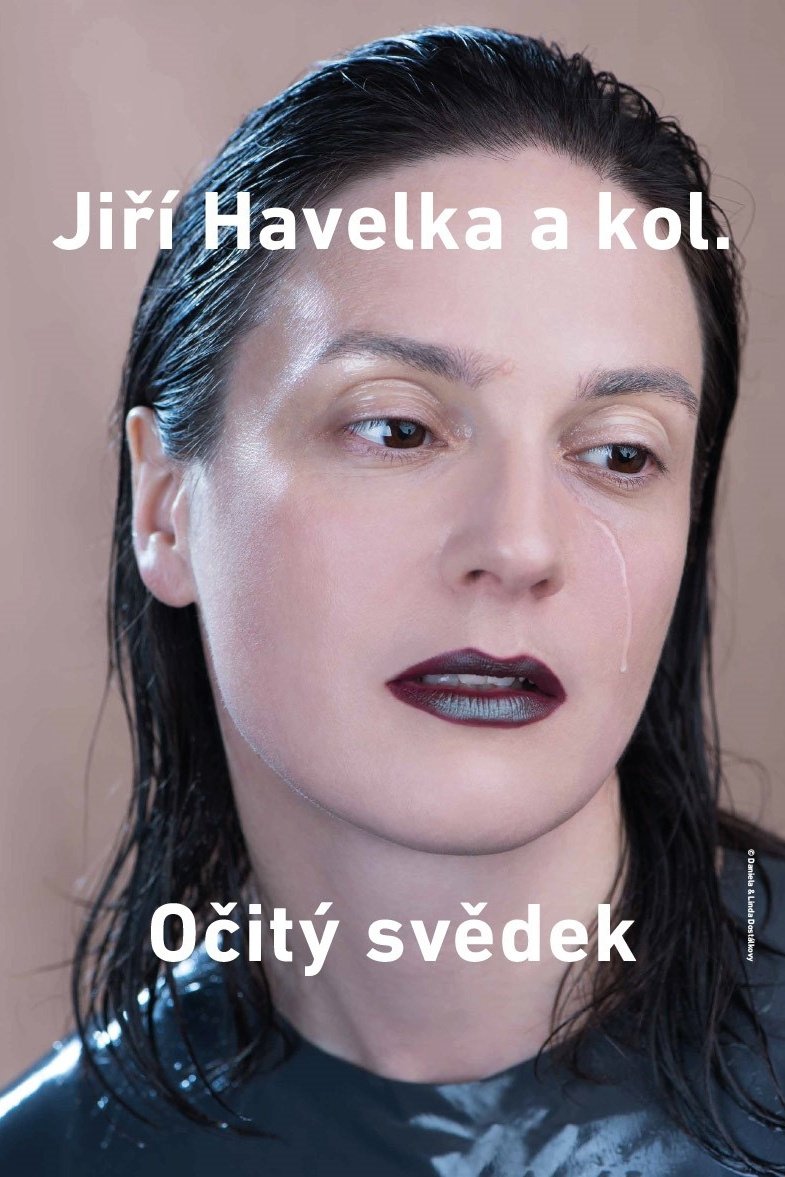
"A documentary anatomy of mass murder for one monitor and 34 talking heads." These are the words the filmmakers use in the credits to describe their project, which thematises the execution of more than 260 Carpathian Germans, Hungarians and Slovaks by Czechoslovak army soldiers near Přerov in June 1945. The “massacre at Přerov” is made present through a minimalist dramatisation of the interrogation footage of direct participants, eyewitnesses, and others. It is as if the characters of ancient theatre were entering the Zoom “stage” and delivering a tragic message of fear, hatred and disinterest across the chasm of time.
- Film5.0DramTarih
Franz a Felice
1992 · 1 votes
 Film7.5Komedi
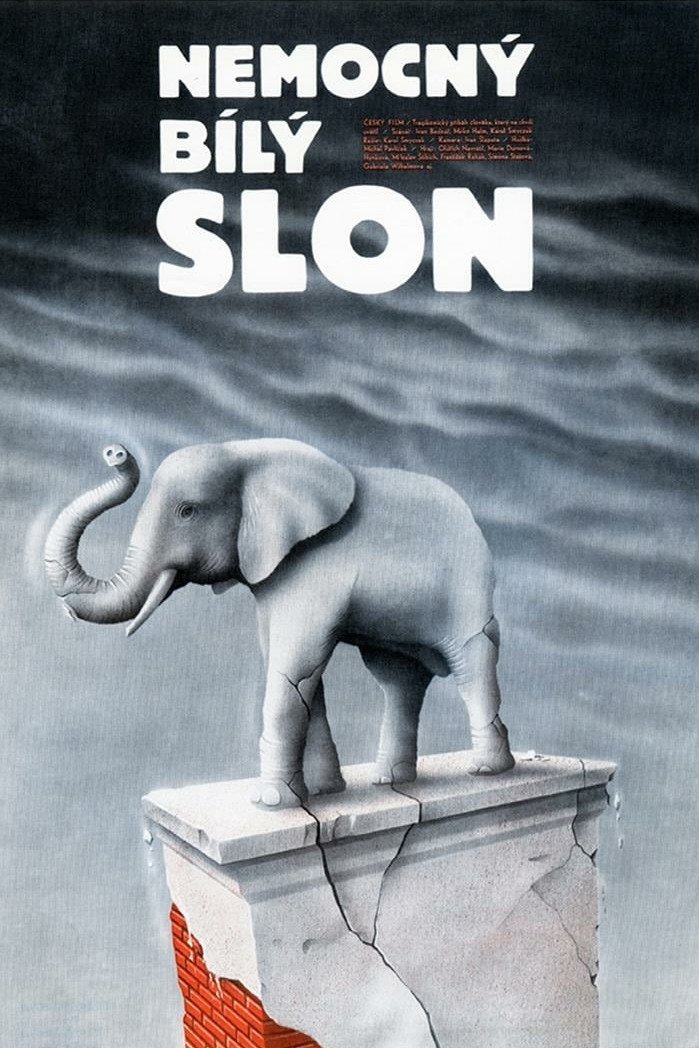
The fate of an unlucky director of a dismantled cultural house who temporarily believes in the meaningfulness of his actions, exposed to the pressure of many different difficulties.
Nemocný bílý slon
1990 · 2 votes
- Film2.0KomediDram
The episodic film MARBLES consists of several short stories about how women manipulate with men. About subtle blackmailings, about crying, about tears, about the ability to sacrifice oneself for a dream, about sex as a service, about the way we can use empathy. It all starts on the playground among children and death does not equal the end. As time goes by, a feminine mechanism of manipulation develops, shapes up, ripens until it reaches the stage of perfection. Individual short stories take place at a techno party as well as in a Catholic parsonage and they conclude in a content domestic routine of two old people which cannot be disrupted by anything – not even by death. The short stories about women of different age and lifestyle put together a story of one complete human life which was, thanks to the manipulation with others, lived according to the plan and at the same time and from the same reason wasted away.
 Film3.8Gerilim
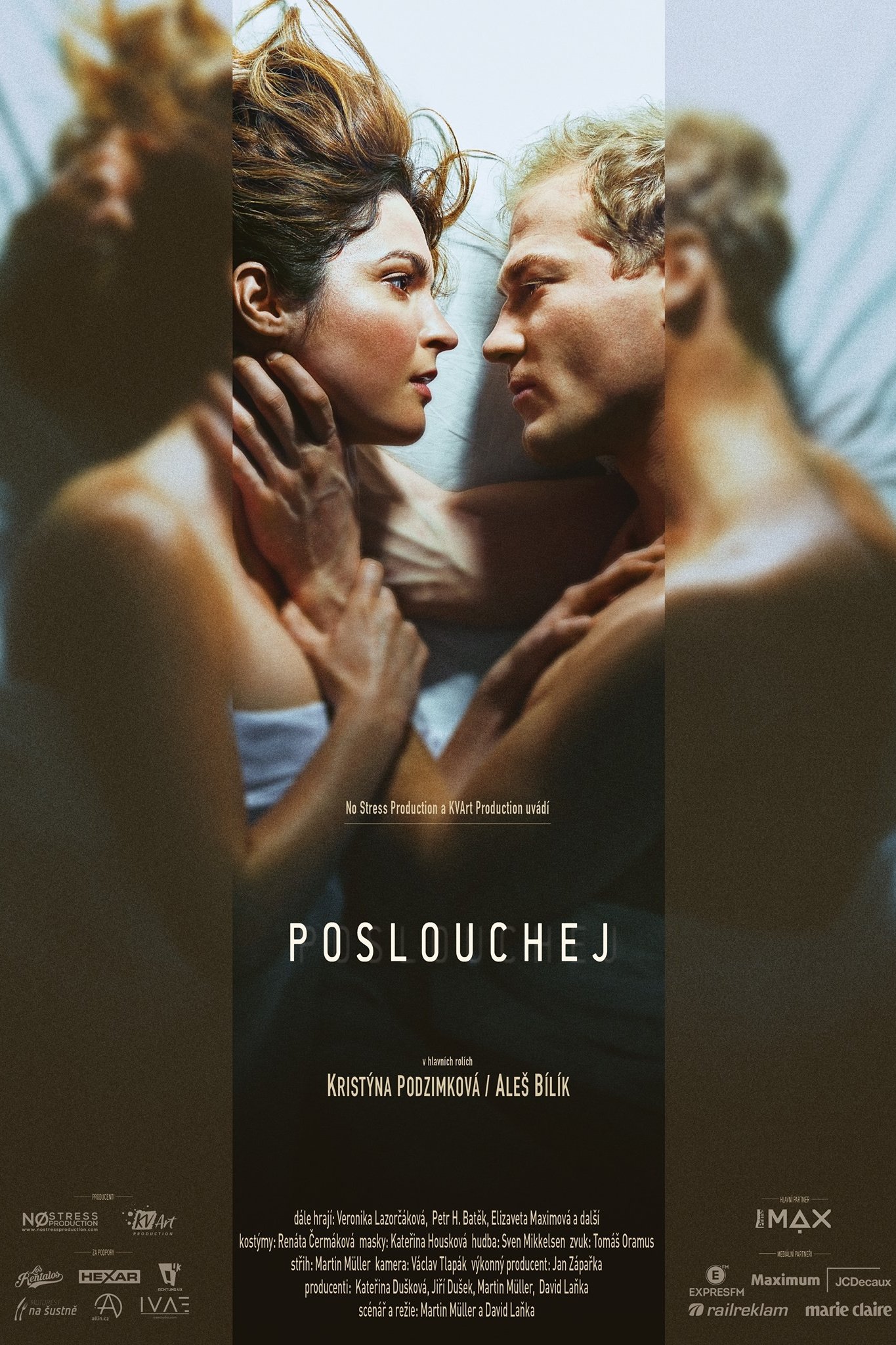
A young couple who goes on a trip to bring their relationship the new energy because it seems to have been exhausted and ruined.
Poslouchej
2020 · 4 votes