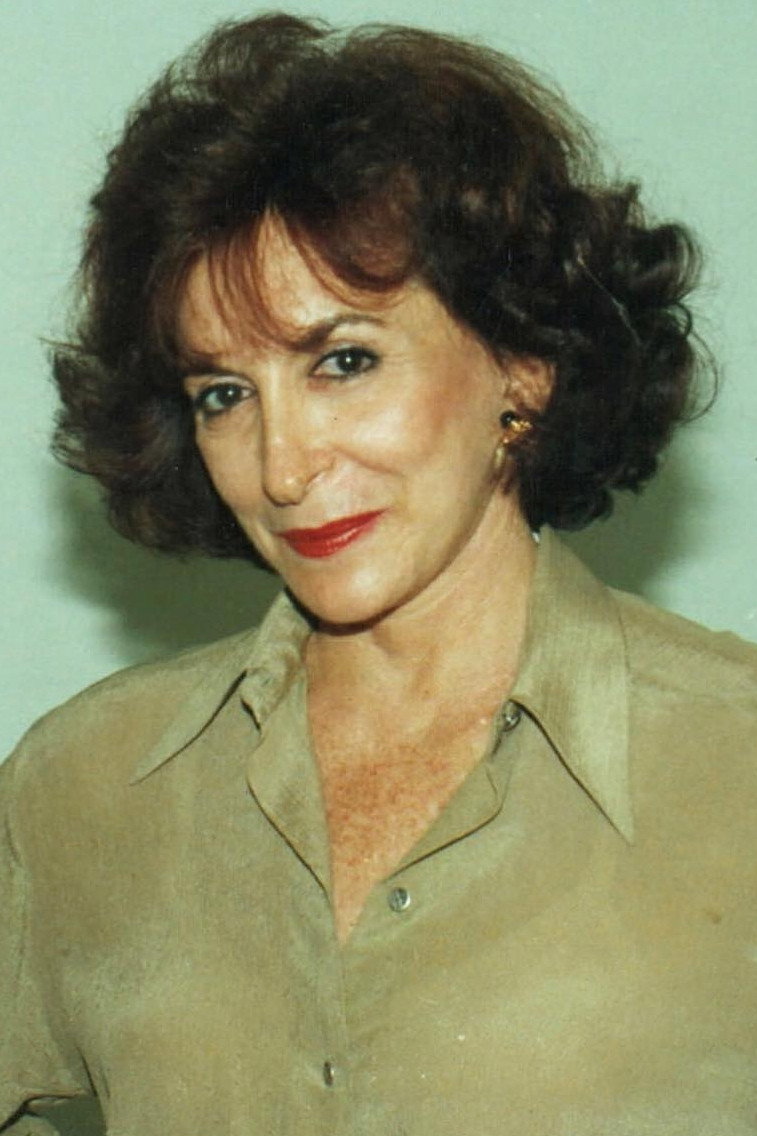
Tereza Rachel
Oyuncu · 1934 – 2016 · Nilópolis, Rio de Janeiro, Brazil
Tereza Rachel, stage name of Teresinha Malka Brandwain Taiba de La Sierra (Nilópolis, March 10, 1934 — Rio de Janeiro, April 2, 2016), was a Brazilian actress and theater producer. Considered one of the great names in national theater, she has starred in and produced several plays since the 1950s, in addition to founding Teatro Tereza Rachel in 1971. After The Next Victim (1995), she retired from acting, making rare cameo appearances from then on. On television, she gained prominence in works such as O Astro (1977), Baila Comigo (1981) and Que Rei Sou Eu? (1989).
Filmler13
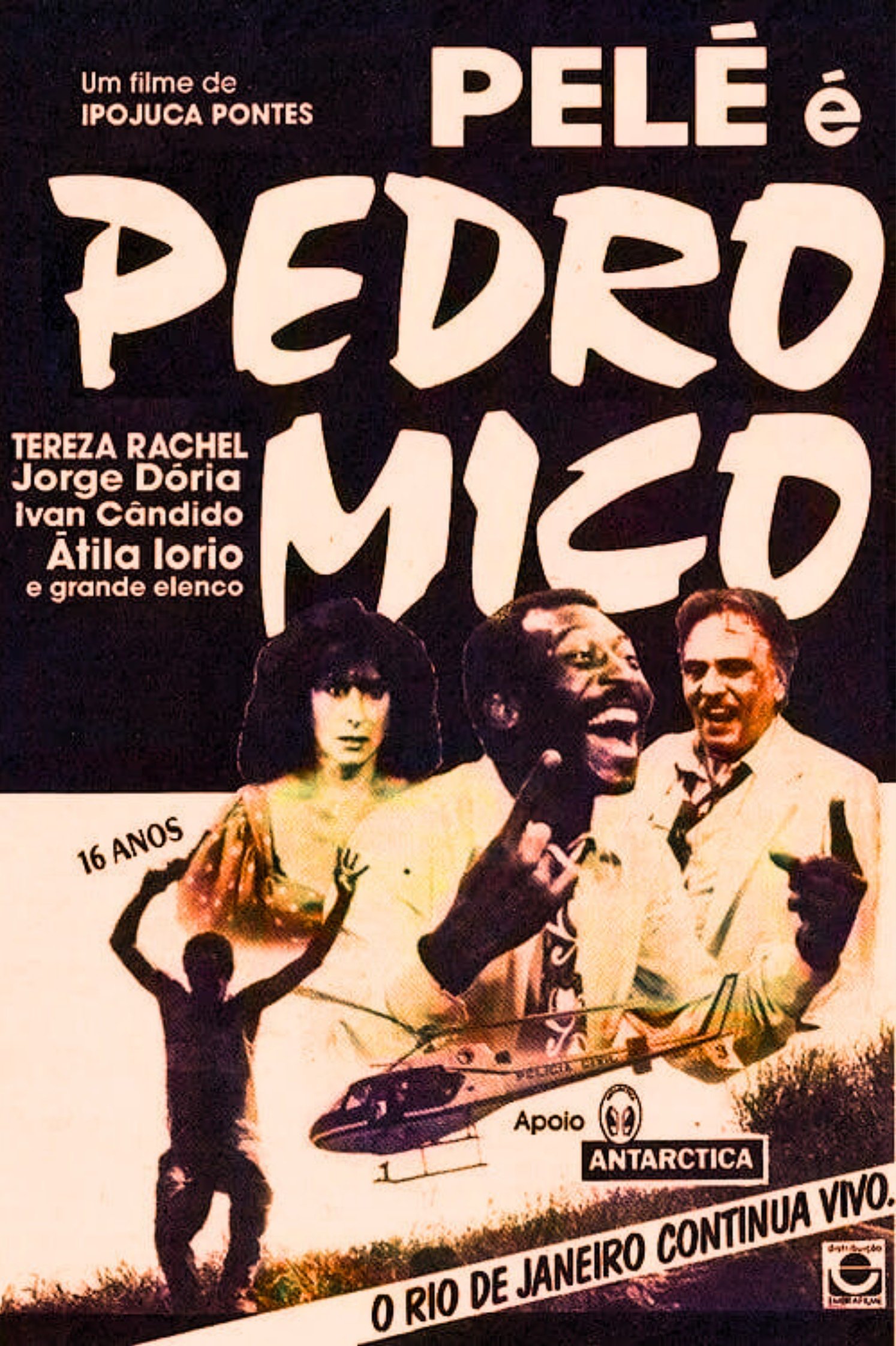 Film9.0Dram
Pedro Mico
1985 · 1 votes
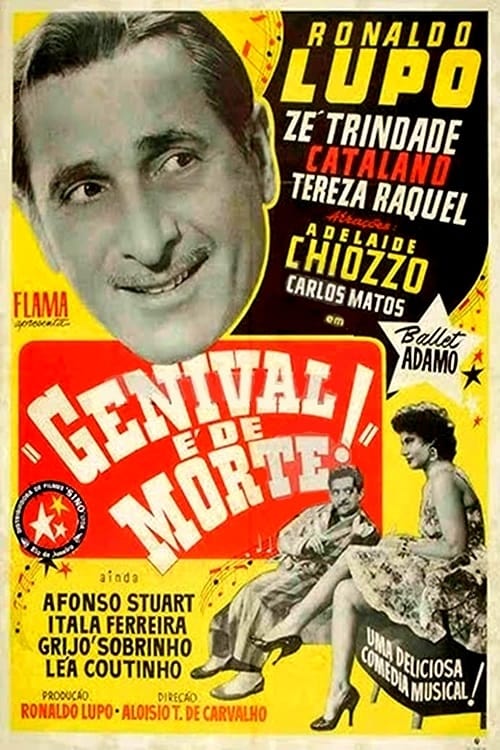 Film4.0MüzikKomedi
Genival é de Morte
1956 · 3 votes
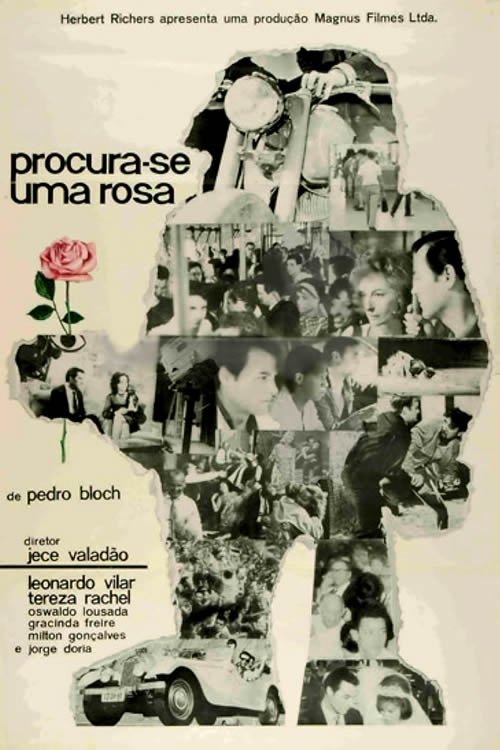 Film8.0SuçDram
Procura-se Uma Rosa
1964 · 1 votes
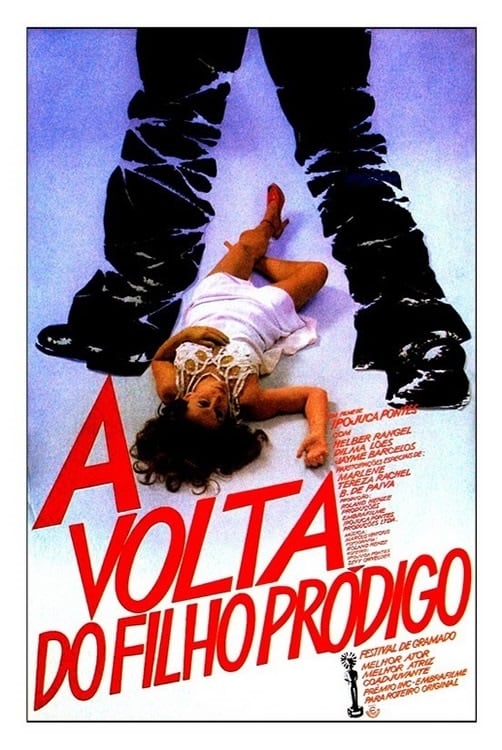 Film7.0Dram
Unemployed, penniless in the big city and after accidentally stealing and killing his landlady, Antonio flees Rio de Janeiro towards Northeast of Brazil to find his mother. On the way he meets a beautiful woman and a pair of criminals.
A Volta do Filho Pródigo
1978 · 1 votes
 FilmBelgesel
Follows the story of Opinião, a theatre group created in 1964 during the early Brazilian dictatorship period to oppose the government through artistic performances. Considered the first left-wing response to the dictatorship, the group gathered now famous Brazilian artists such as Nara Leão, Maria Bethânia, João do Vale and Millôr Fernandes.
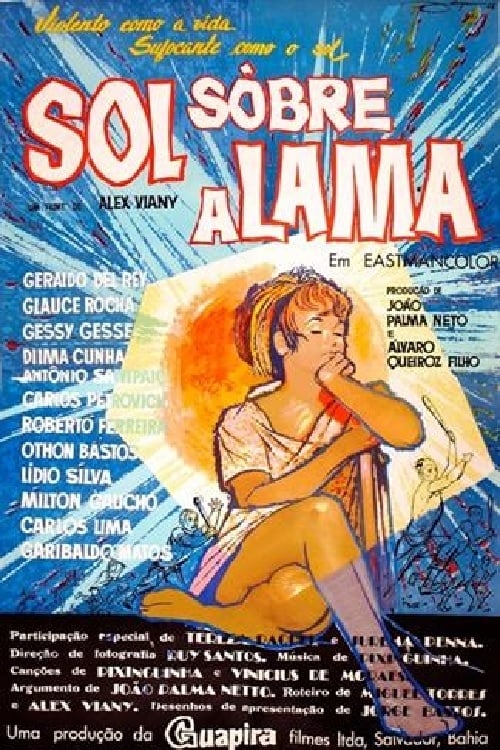 Film7.0SuçDram
A poor community in Salvador organizes a resistance against the destruction of the Água de Meninos street market.
Sol Sobre a Lama
1963 · 2 votes
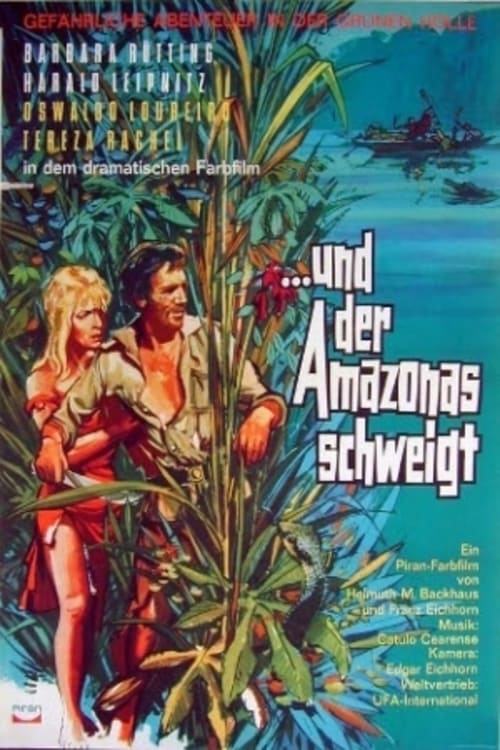 Film7.5Macera
A young girl, seeking to unravel the mystery of her father's death, travels through the Amazon jungle into a nightmare of danger.
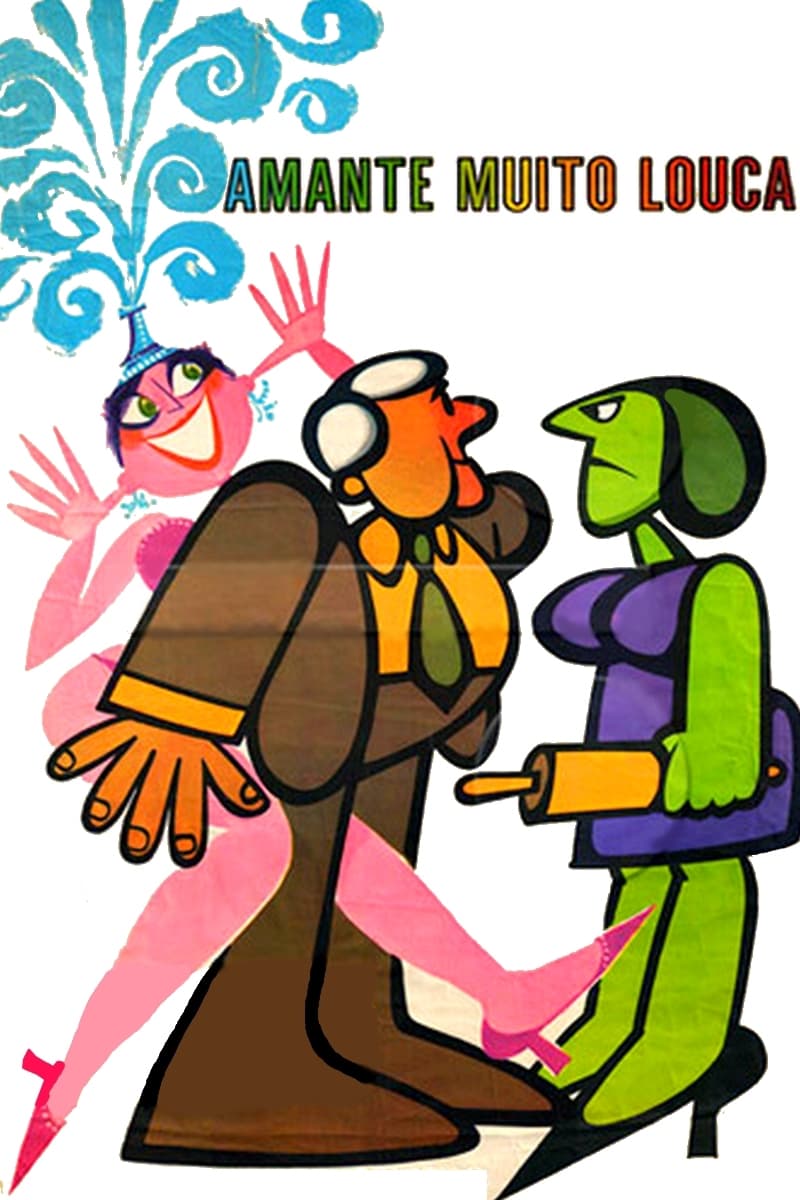 Film7.0Komedi
Amante Muito Louca!
1973 · 1 votes
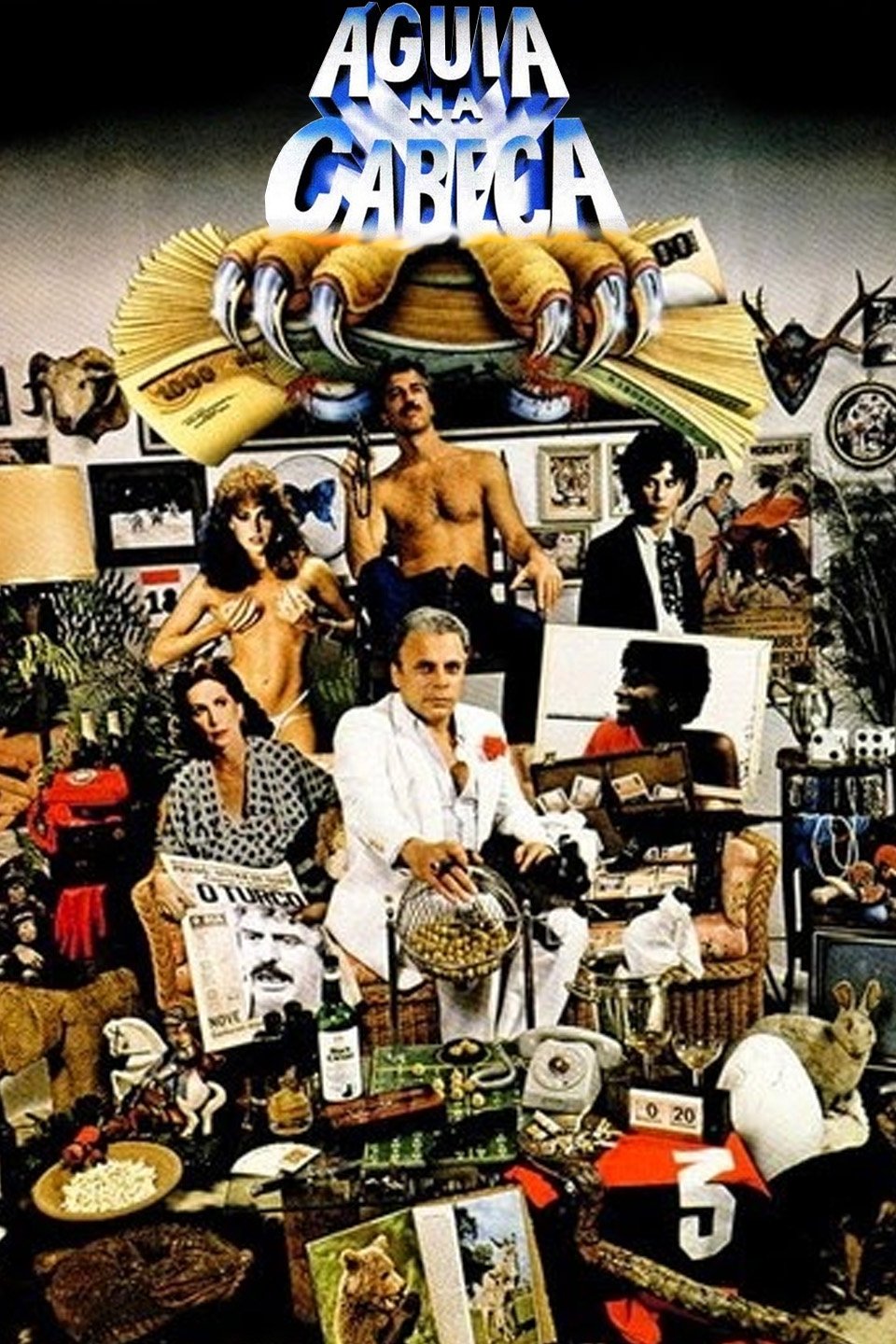 Film5.3DramSuç
A senator having contacts with illegal betting activities is killed by the man who is his right arm, who wanted to get his position. But the power structure resents this disturbance and can fall apart, specially since there's a witness.
Águia na Cabeça
1984 · 6 votes
- Film8.0DramKomedi
A Morte da Mulata
2001 · 1 votes
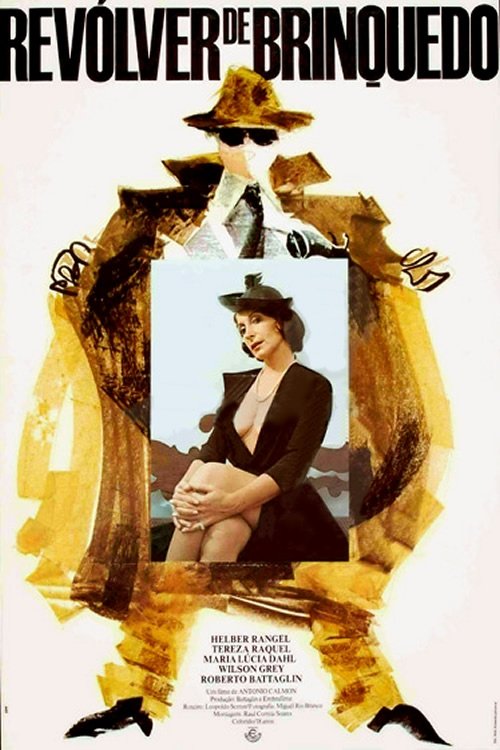 Film9.0Suç
Solitary young man, dominated by his mother, lives in a daydream. He buys a toy gun and impersonates a crime book personage.
Revólver de Brinquedo
1977 · 1 votes
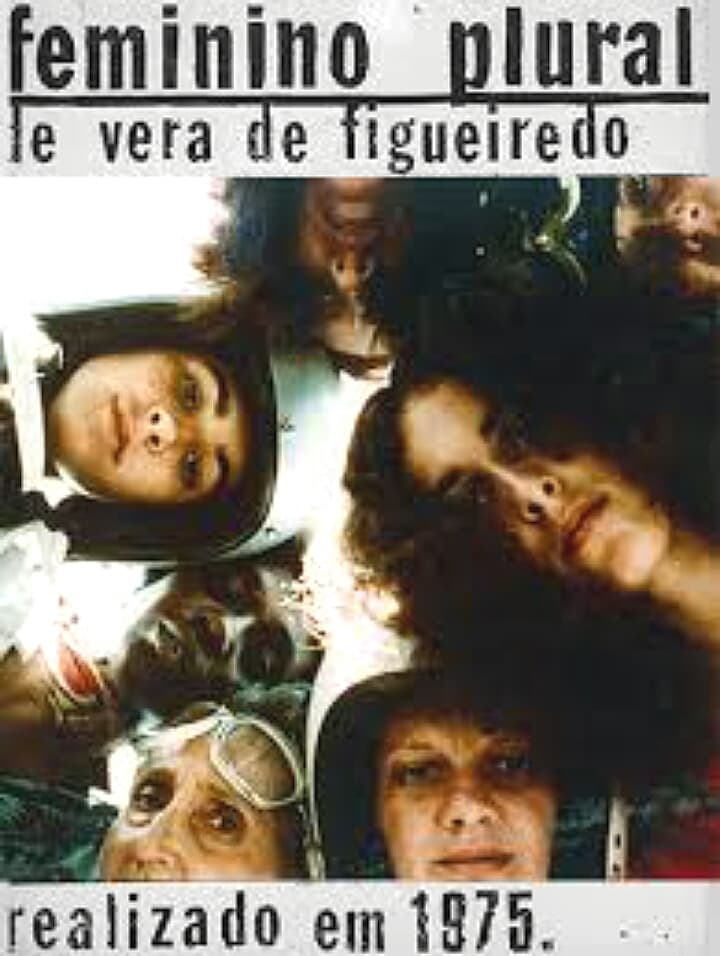 Film8.0Dram
"Seven women on motorcycles, through Via Dutra, go to the Baixada Fluminense, a microcosm of Brazil. Diving into the memory and questioning the behavior imposed on women, they seek to rescue the strength of the feminine. The new woman, born in the Brazilian land, incorporates the Amazons and Santa Guerreira. At his side, the new man, more loose and creative. Closing the cycle, the initial road is resumed. " (HBH / QC)
Feminino Plural
1976 · 1 votes
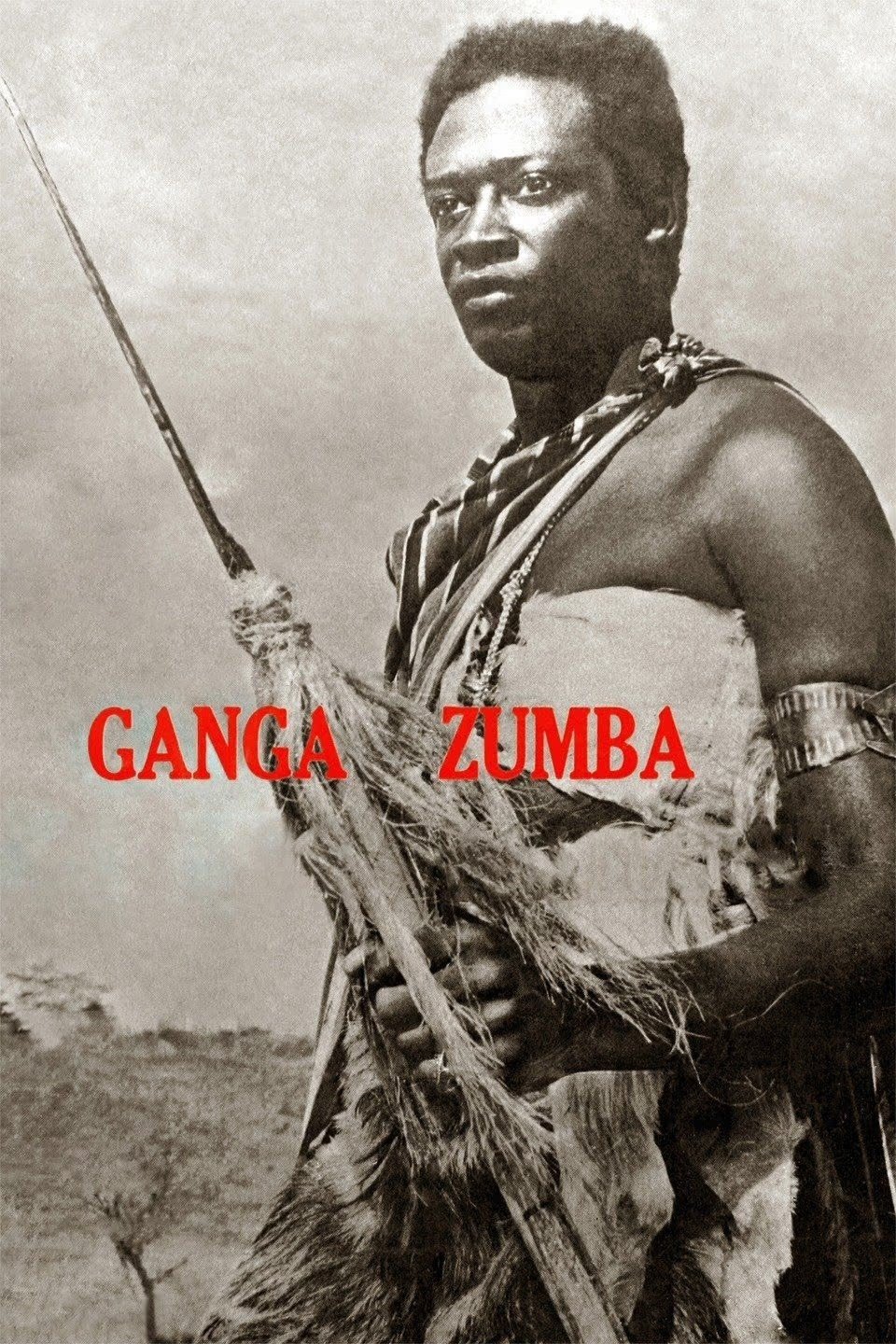 Film6.6DramTarih
The life of a runaway slave who founded the Quilombo dos Palmares, an outlaw community of Brazilian slaves.
Ganga Zumba
1963 · 9 votes
Diziler12
 Dizi8.0Komedi
Os Trapalhões was a Brazilian comedy group and also a Brazilian television series created by Wilton Franco. Its members were Dedé Santana, Zacarias, Mussum and their leader Didi Mocó, that was played by Renato Aragão. The name Trapalhões is derived from the Portuguese verb atrapalhar, which means the opposite of helping, to do something the wrong way or to Those that confuse. The name is translated "Tramps" in English DVD subtitles. It was aired by Rede Globo from 1977 to 1999. On March 18, 1990, Zacarias died due to respiratory failure, but the group and the series didn't come to an end until July 29, 1994, when Mussum died due to an unsuccessful heart transplant.
 Dizi7.4Pembe DiziSuç
A young law student starts to work as a detective, decided to uncover the identity behind a series of murders, as well as who is next.
 Dizi6.8Pembe DiziDram
Quinzinho and João Victor are identical twins separated at birth, unaware of each other's existence. The brothers eventually draw closer, guided by their instincts.
- Dizi9.0Pembe DiziAksiyon ve Macera
Jerônimo, o Herói do Sertão
1972 · 1 votes
 Dizi7.0Pembe DiziDram
The young and rich Patricia, daughter of Ambassador André Dumont's first marriage, is in love with and reciprocated by Luiz Carlos, a poor boy, son of the family's maid, Isolda. Whoever doesn't like to see her with the maid's son is her stepmother, Renata Dumont, André's wife. Renata is an ambitious woman who hides her humble origins and a secret from the past that unites her with Isolda. Career, she married the diplomat André, from a traditional family, with whom she had a son, Lipe.
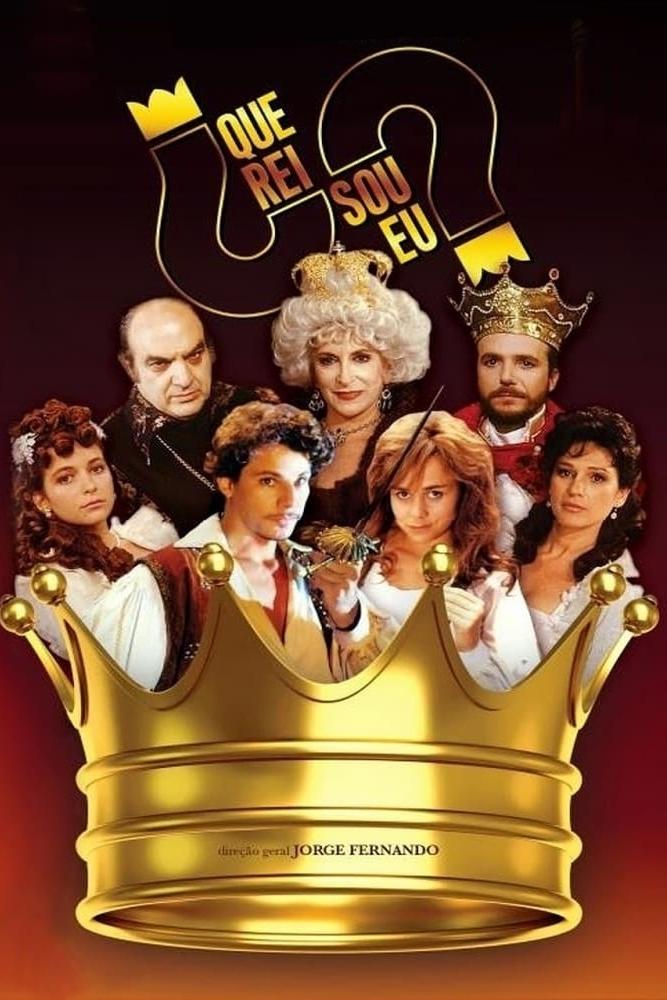 Dizi7.3Pembe DiziKomedi
In the imaginary king of Avilan, the bastard prince Jean Pierre leads a popular group against councilors who will invade Rainha Valentine's palace and take away the power.
Que Rei Sou Eu?
1989 · 10 votes
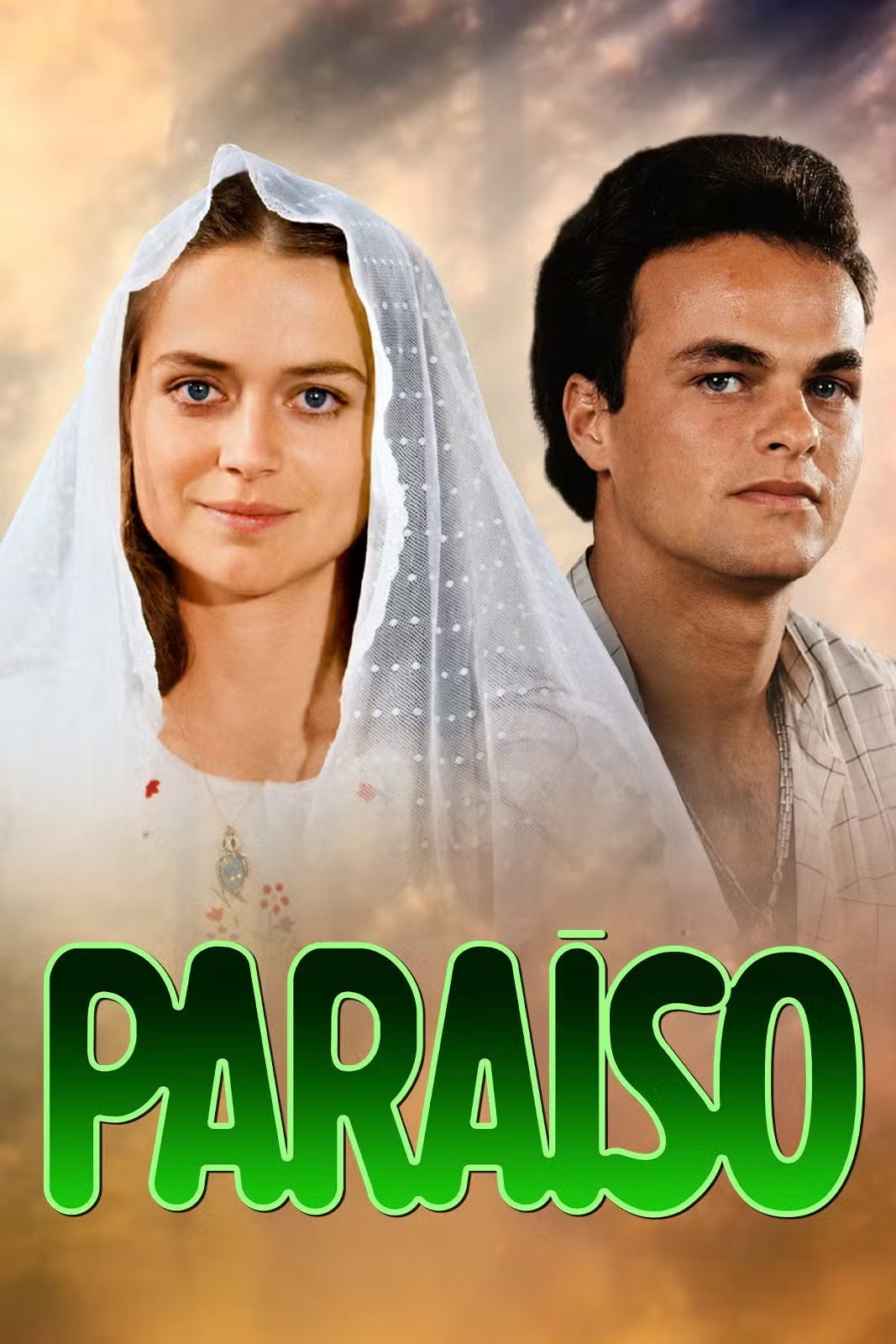 Dizi7.0Pembe DiziDram
Marked by the reputation of “son of the devil”, Zeca sees his life change when he falls in love with Maria Rita, Santinha. But the young woman's devotion and expectations about her destiny put the romance to the test.
Paraíso
1982 · 1 votes
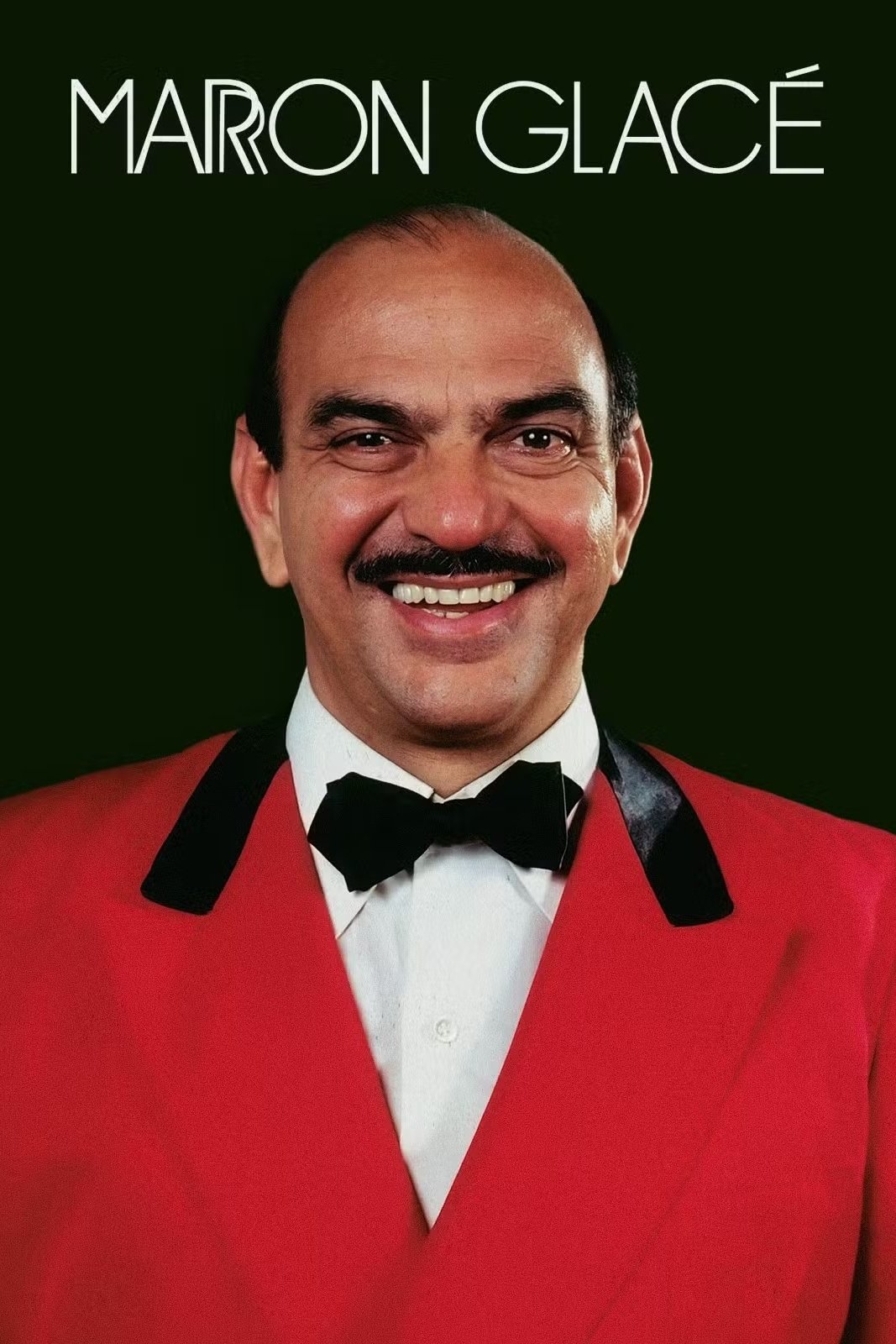 Dizi8.0Pembe DiziKomedi
To avenge his father's death, Otávio wants to take over a party catering business called "Marron Glacé," but ends up falling in love with Vanessa, the daughter of the current owner.
Marron Glacé
1979 · 1 votes
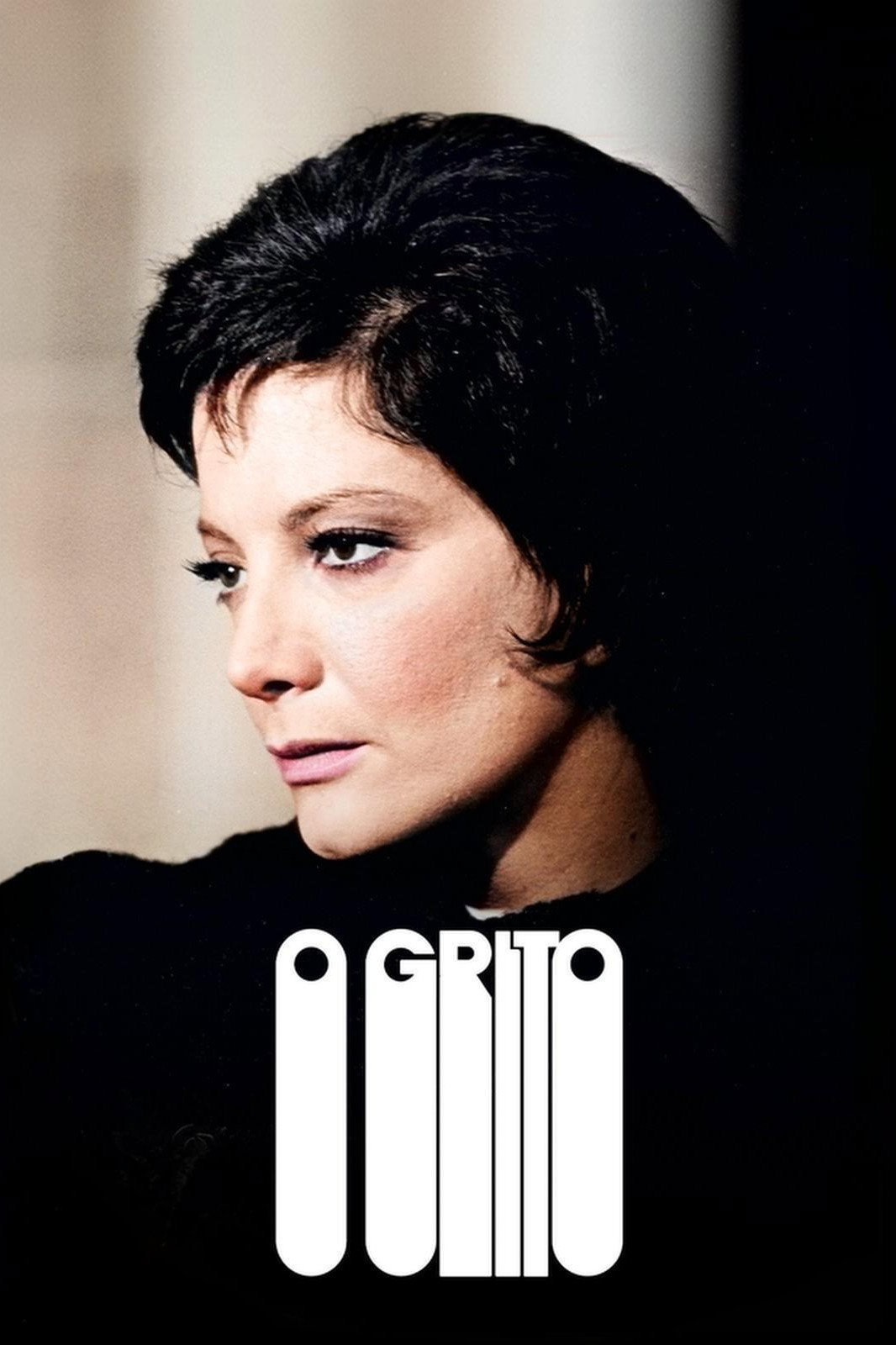 Dizi7.7Pembe DiziDram
O Grito
1975 · 3 votes
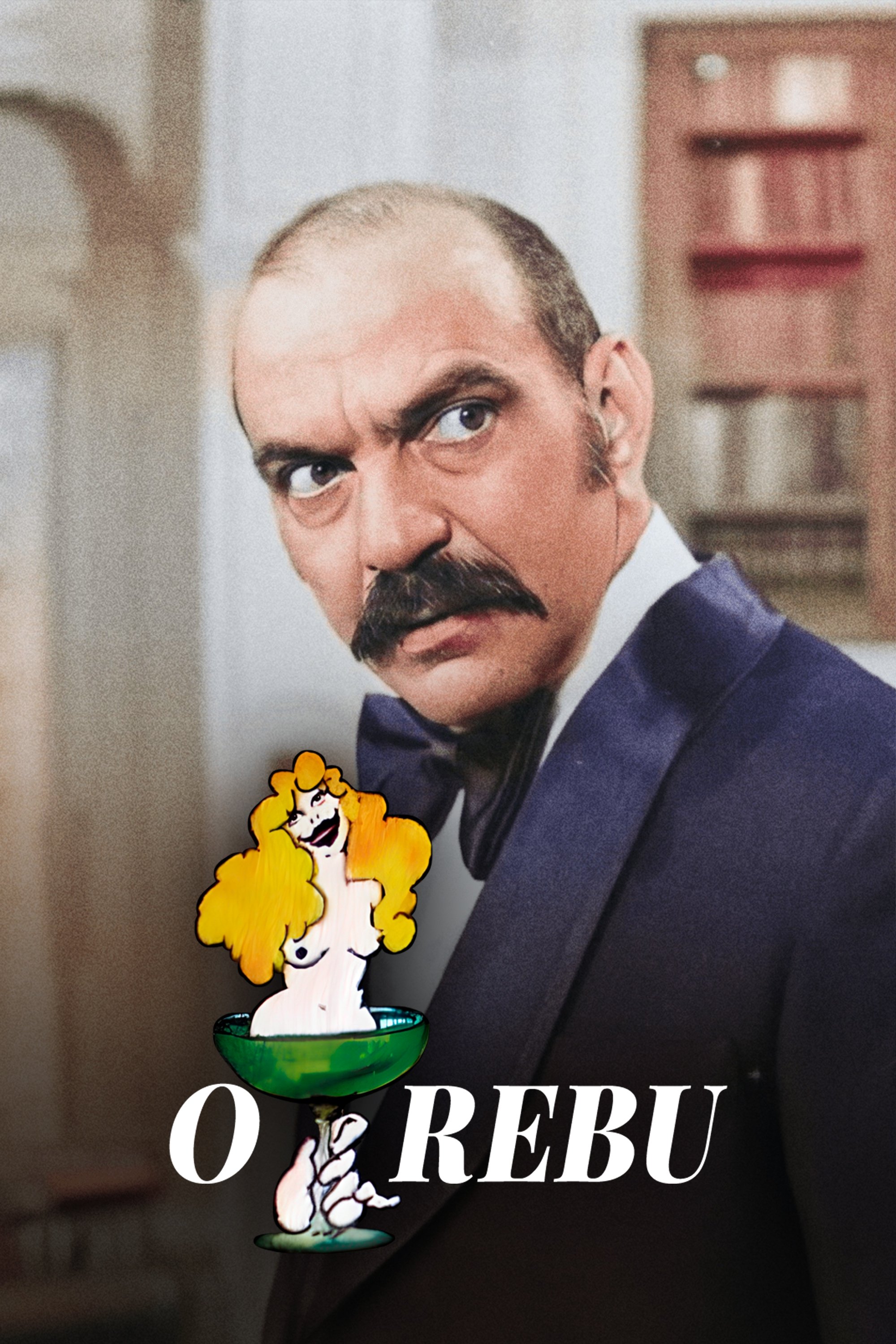 Dizi6.0Pembe DiziSuç
O Rebu
1974 · 7 votes
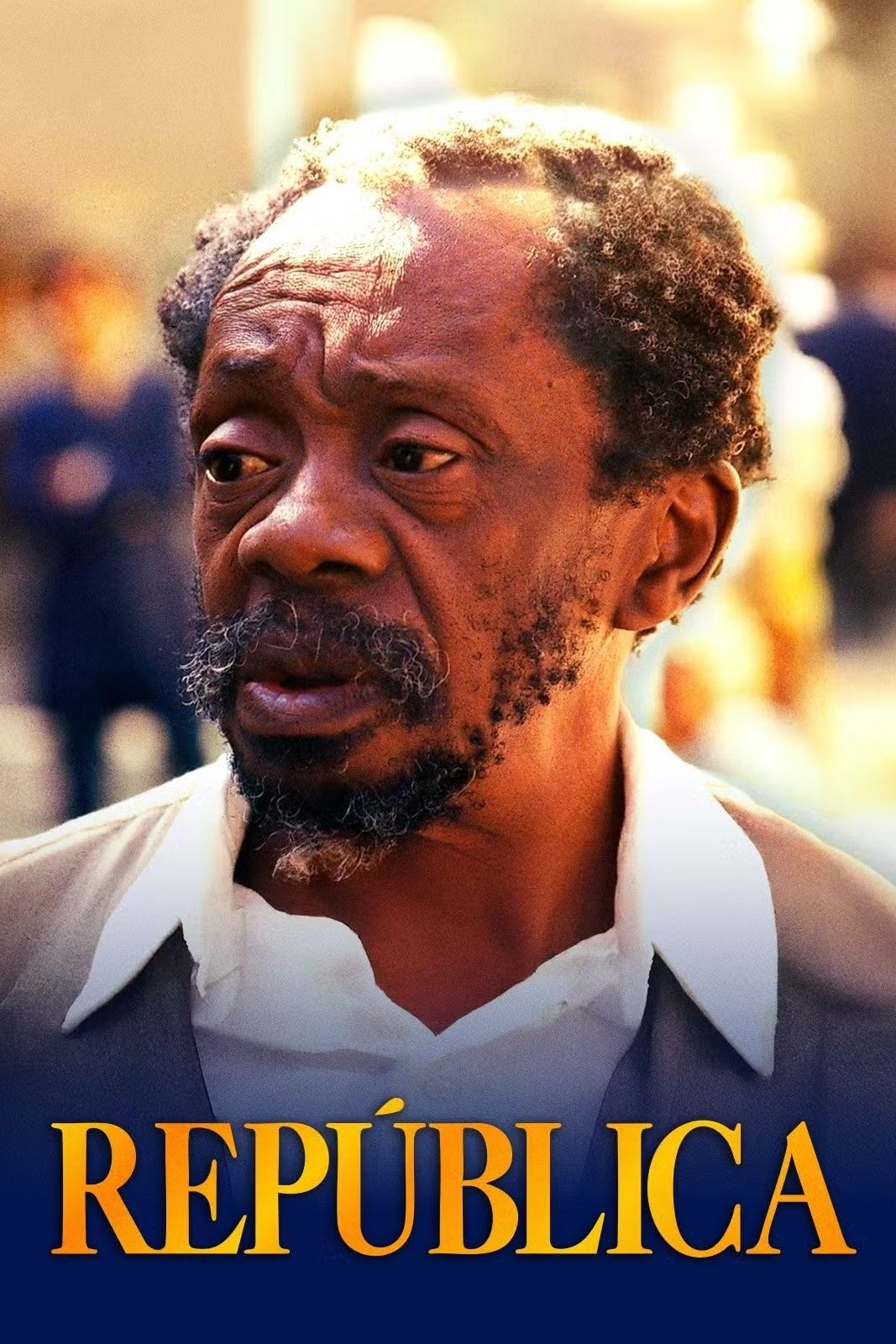 Dizi8.0Dram
The transition from imperial Brazil to the Republic, marked by intrigue, rebellion, and popular indifference. Held in commemoration of the centenary of the birth of the Republic in Brazil.
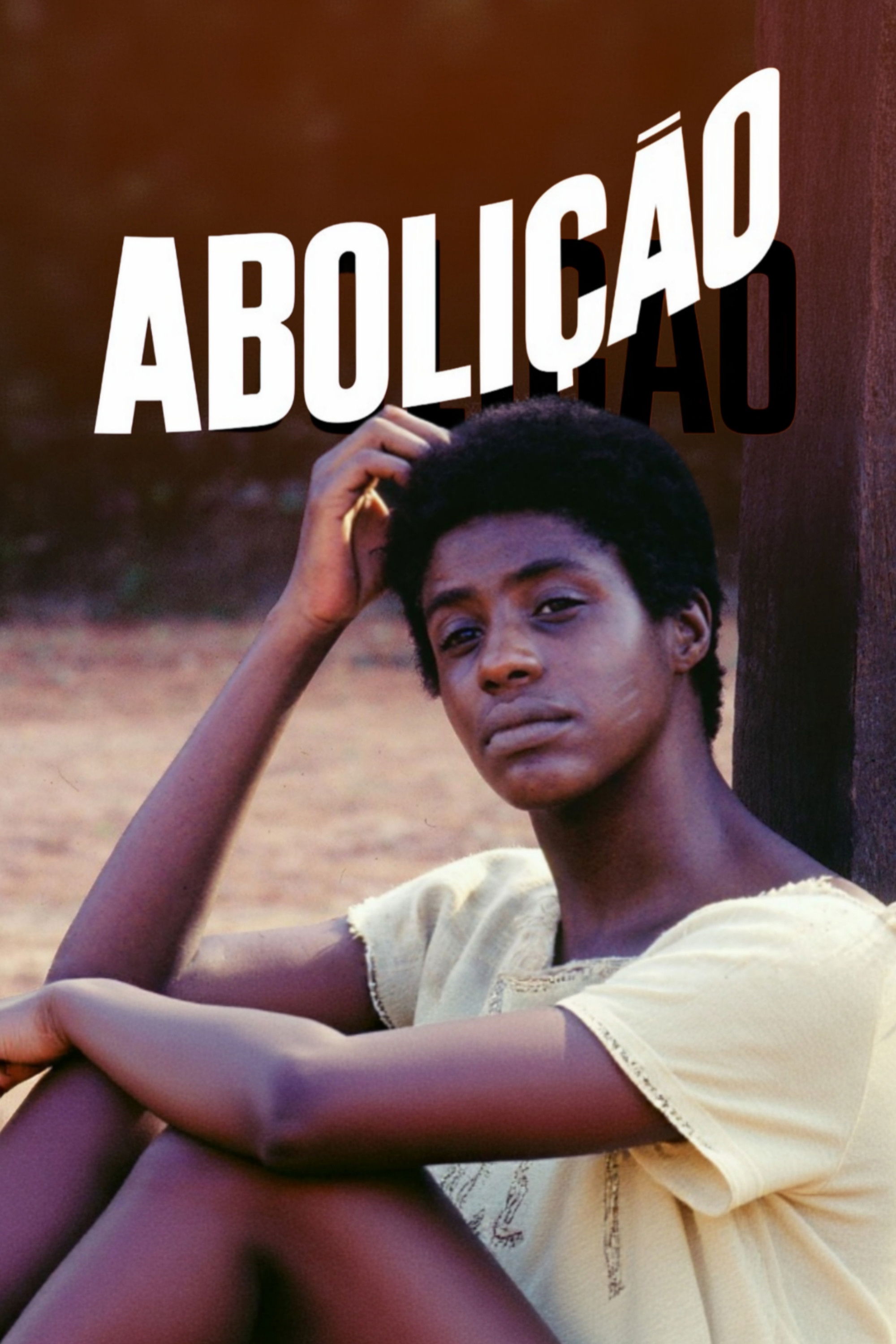 Dizi8.0Dram
'Abolição' shows how much the liberation of the enslaved transformed the structures of Brazilian society, both in the countryside and in the city, and the changes generated in the lives of black people themselves. The narrative is centered on the period in which the Lei Áurea was about to be signed by Princess Isabel, on May 13, 1888. At that time, the abolitionist theme was widely discussed in urban centers, while in rural areas slavery relations were still established. The enslaved Iná Inerã, spiritual leader and warrior, represents the fight to maintain African identity at any price, paid with her own life, if necessary. Journalist Lucas, in turn, is a freed black man who believes in peaceful integration between whites and blacks.
Abolição
1988 · 2 votes