
Klaus Wyborny
Yönetmen · d. 1945 · Bittkau, Germany
Klaus Wyborny (b.June 5, 1945 in Bittkau bei Magdeburg; lives and works in Hamburg) is a German filmmaker, producer, film director, actor, cameraman and screenwriter, known for his experimental films. Klaus Wyborny studied from 1963 to 1970 Theoretical Physics at the University of Hamburg and the Yeshiva University in New York City. Wyborny was co-founder in 1968, with Hellmuth Costard, Thomas Struck, Werner Nekes, Helmut Herbst, Werner Grassmann, and others, of the Hamburger Filmmacher Cooperative, which took the New American Cinema as an example and would develop an European version of American underground cinema. He worked for the literary journals BOA VISTA and Henry, and was co-founder of the 'Hamburger Filmgespräche'. Klaus Wyborny participated with others in the Documenta 5 in Kassel in 1972 with Das abenteuerliche, aber glücklose Leben des William Parmagino, Dallas Texas - After the Goldrush, Chimney Piece and A Crowd in the Face, and Percy McPhee in the section Film review: New European Cinema on the Documenta 6 (1977). Wyborny participated in 1975, 1980-1982, 1986, 1992 and 1994 at the International Forum of New Cinema in Berlin. He was also several times (2002, 2005, 2010) represented at the Viennale Festival in Vienna. In 2003 he taught at the Academy of Fine Arts in Karlsruhe.
Filmler11
 Film9.0Animasyon
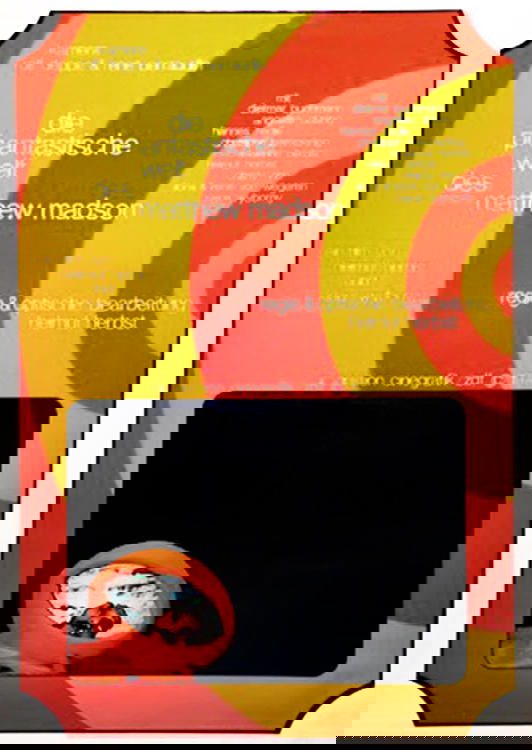
Astronaut Mulligan sets out to find a mysterious planet.
 Film7.0KomediDram
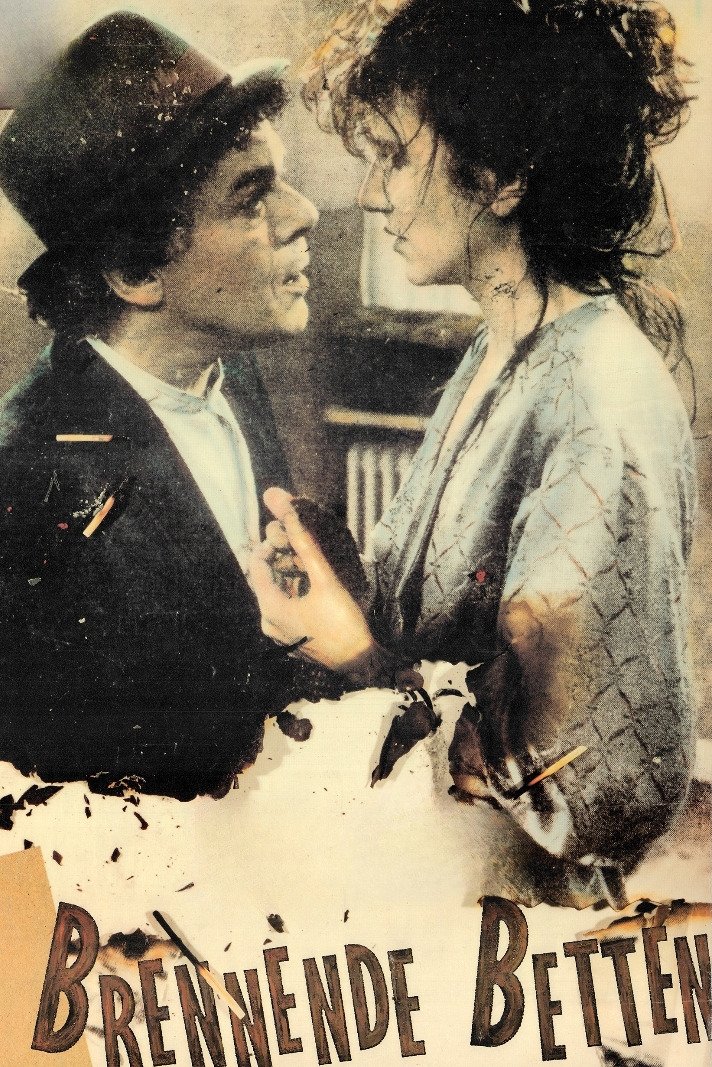
Harry, a timpanist and pyromaniac, and Ginamove into the same apartment due to Hamburg's housing shortage. This is the beginning of a wonderful enmity, with Harry, who has been tried and tested in marital warfare, and relationship terrorist Gina proving to be quite equal opponents.
 Film7.3Dram
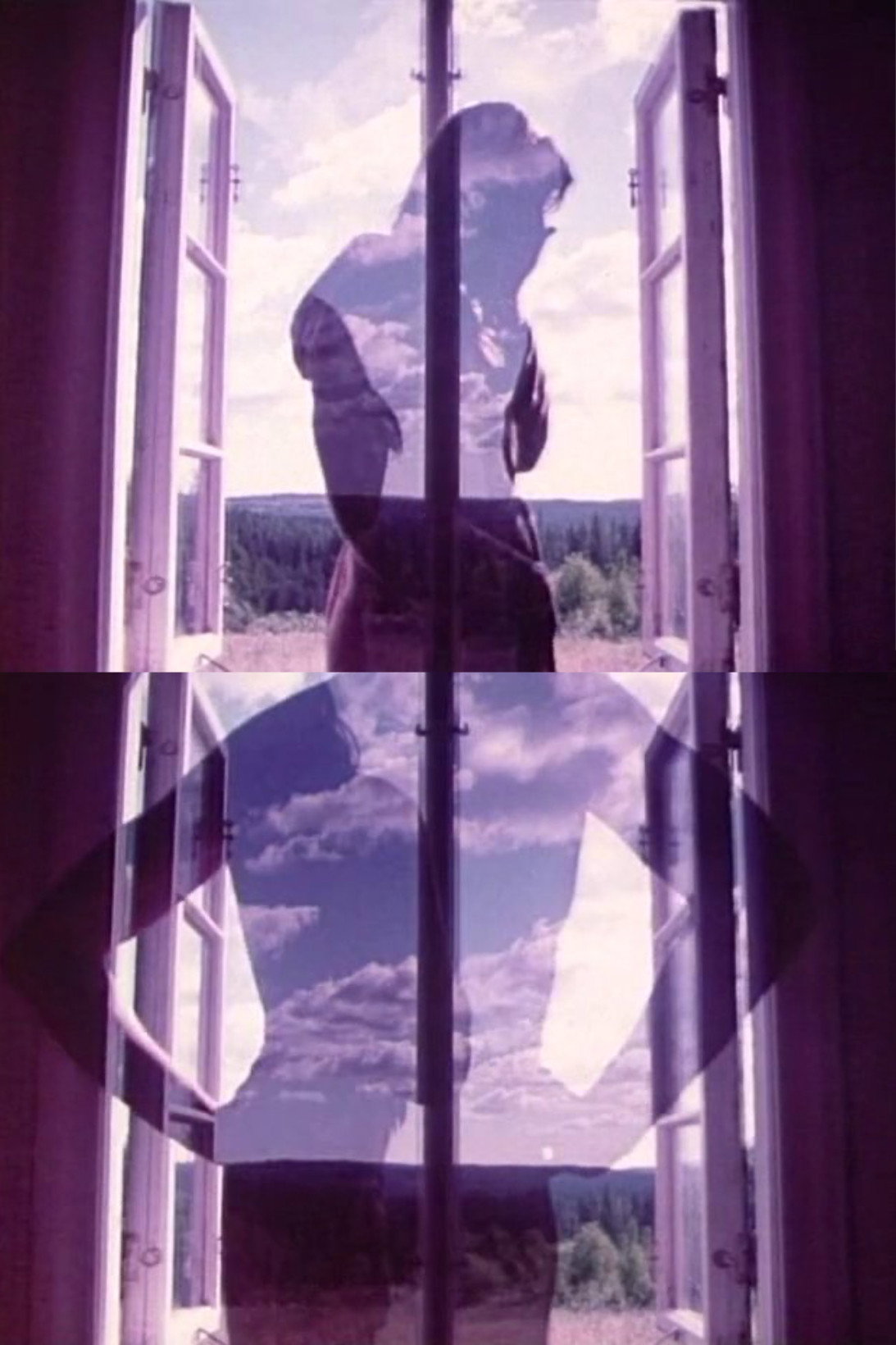
Diwan, a lyric anthology, an outdoor movie with people. With people living in the surrounding precious and very beautifully photographed nature, are neither more nor less than one part of it. What Nekes manages there with landscape, as a cunning and quote many fine artist in a medium that runs in time, as he defeated the time changed, by themselves for change of scenery uses, as it interferes with the laws of chronology through the rewind ability of the camera or destroyed, which is a compelling and highly aesthetic experimental company.
Diwan
1974 · 6 votes
- Film5.5Belgesel
In conversations with his friends and colleagues, among them Bernd Upnmoor, Helmut Herbst, Alexander Kluge, Klaus Wyborny, Daniel Kothenschulte and Helge Schneider, Ulrike Pfeiffer takes us on a journey into the broad expanse of Nekes' cabinet of wonder and his cinematic works. At the same time, this documentary provides an insight into the history of experimental film in Germany.
 Film6.5Dram
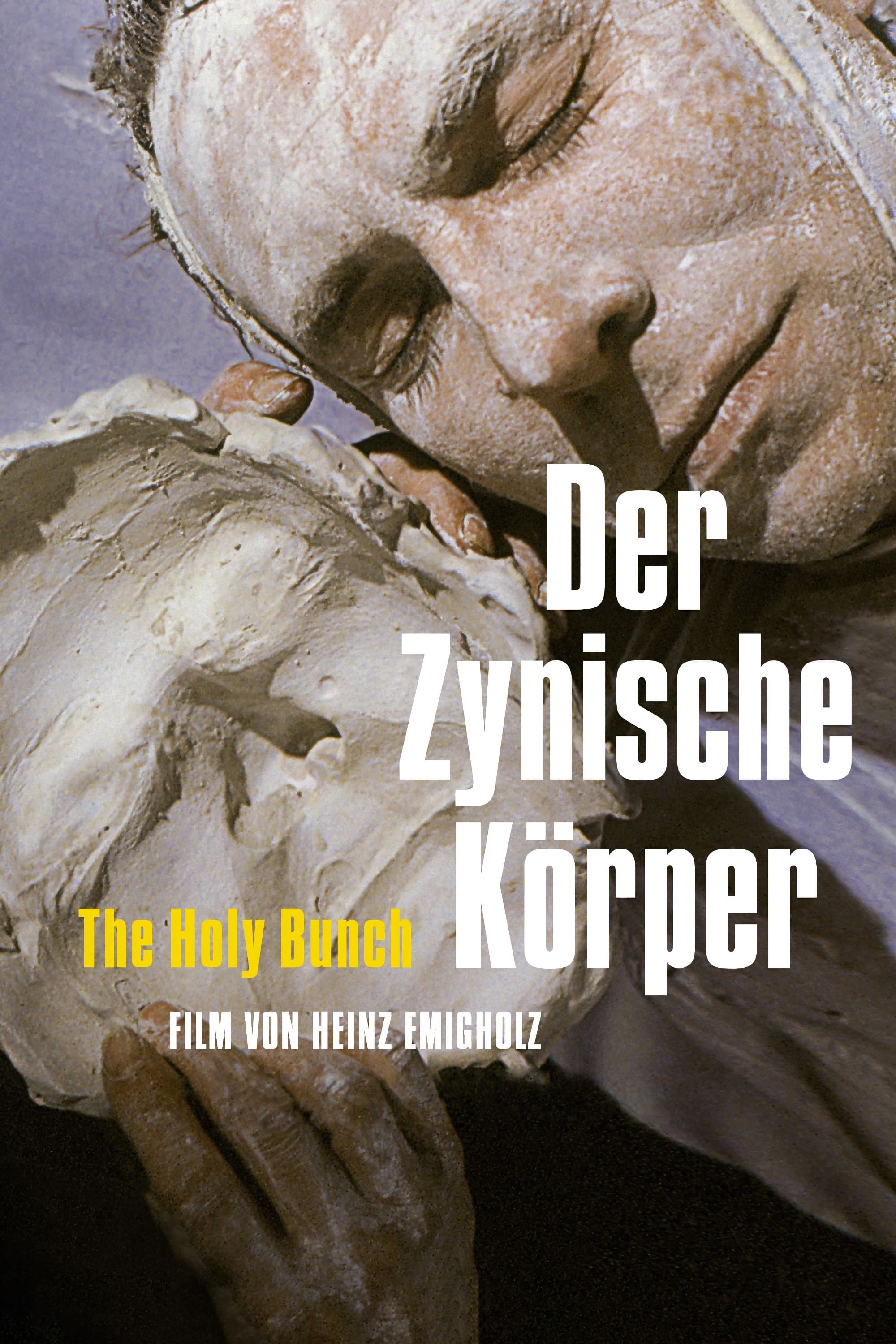
After Roy's demise, five friends try to reconstruct his life by reading through the late editor's notebooks - only to face some very personal demons. The Holy Bunch is a modernist melodrama: beyond-Antonioni in its images, decisively Dreyerian in its spirituality. One of German cinema's few modern (or Modernist) masterpieces.
 Film7.3Dram
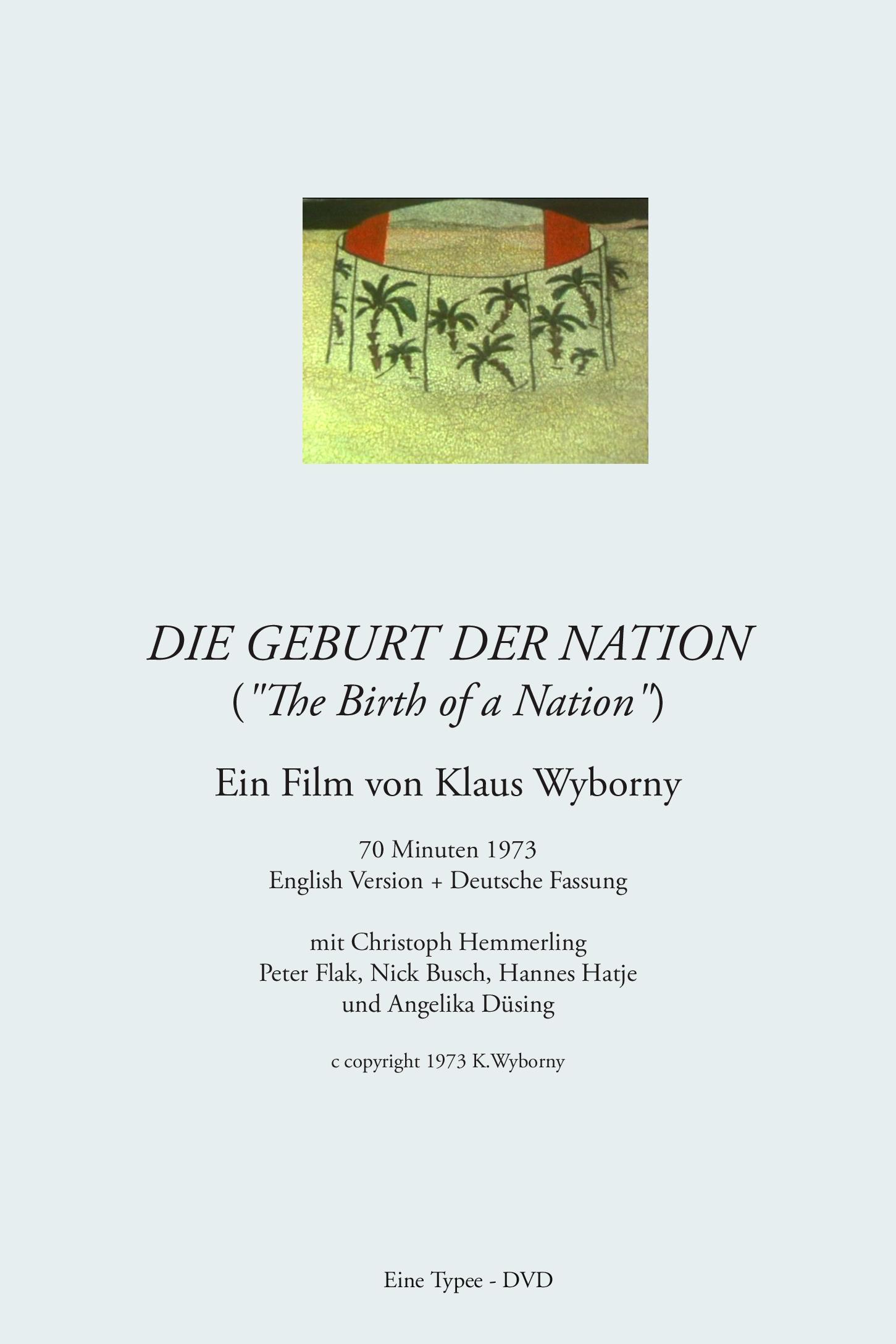
The film depicts, in an anecdotal, quasi-anthropological style, the efforts of a group of men in a desert to achieve some kind of social organisation. An opening title locates the action in Morocco, in 1911, the date evidently refers to the work of D.W. Griffith.
- Film
A man-made catastrophe depopulates entire regions. How do survivors observe this event, and how do others react?
Null-Null-Zero
1968
- Film9.0Belgesel
A documentary about the 'critical mass', the Film Coop, a group of young filmmakers in Hamburg during the 1960s - a small group far from the Mainstream or the New German Cinema.
- Film9.0Dram
A young man decides to leave the country after the 1965 West German parliamentary elections. He hitchhikes out of Hamburg, but makes it only as far as the Lüneburg Heath. There, he meets a woman driving a Jaguar, protects her from an “attack” by a light sport airplane and then helps her sell her car to a shepherd. When doubts arise about the buyer’s solvency, the man and woman take the train back to Hamburg …
- Film8.0
A humorous and ironic film that draws attention to the problems of long-distance tourism and European arrogance: A German travels through Africa (Hotel Diana Beach, Mombasa, Kenya); his superficial and clichéd commentary, dictated into a cassette recorder, contrasts with the beauty of the landscape and the fascination of the foreign continent, which cannot be captured by superficial brochure terms. A young tourist who throws herself wholeheartedly into the African adventure succeeds in developing a greater understanding.
Tropiafric - Grüße aus der Wildnis
1983 · 1 votes
 Film7.0
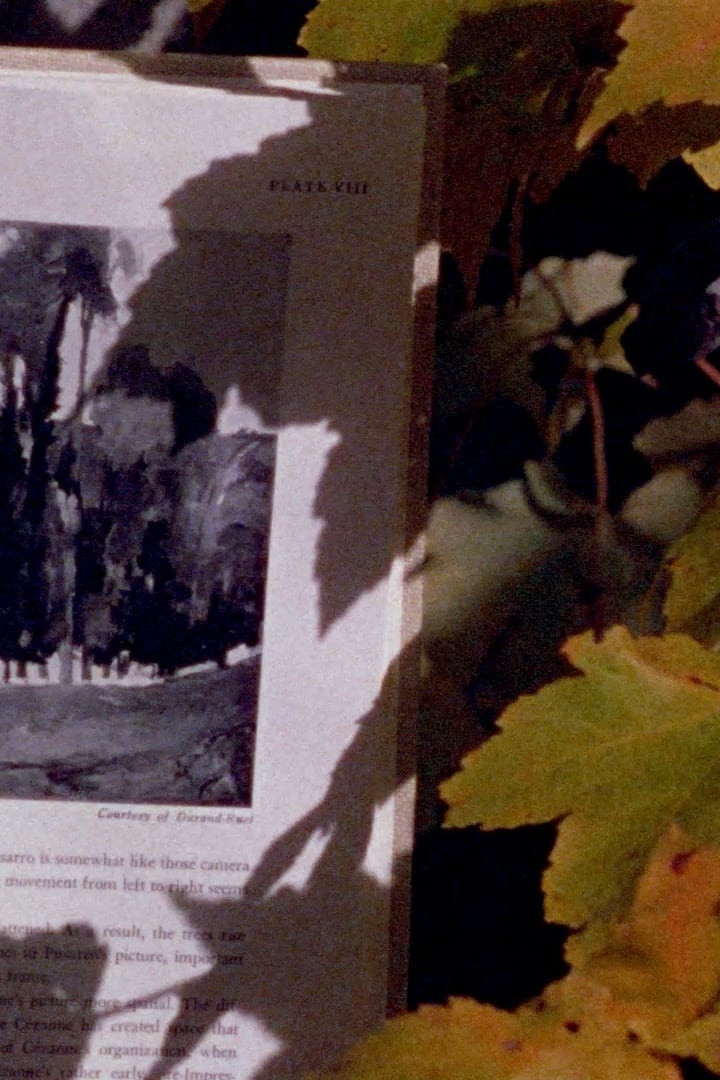
Four four-minute image sections and four four-minute sound sections are linked in all combinations of the sound sections with each of the image sections. This established affinities between each of the image sections to the others, and the sound sections to each other. The image sections are: surveyors measuring the land near my house as seen through an old window, a family of Siamang Gibbon apes in the Washington zoo, an industrial site, and a page turned from a book on Cézanne’s composition showing a diagram of his painting Mardi Gras, filmed against bright leaves. The sound sections are: a dramatic scene from Debussy’s opera “Pelléas et Mélisande”, a passage from William Wordworth’s autobiographical poem “The Prelude,” sounds from rowing on a lake at night, and the sounds of the apes vocalizing.
Four Shadows
1978 · 2 votes