Claude Heymann
Yönetmen · 1907 – 1994 · Paris, France
Filmler5
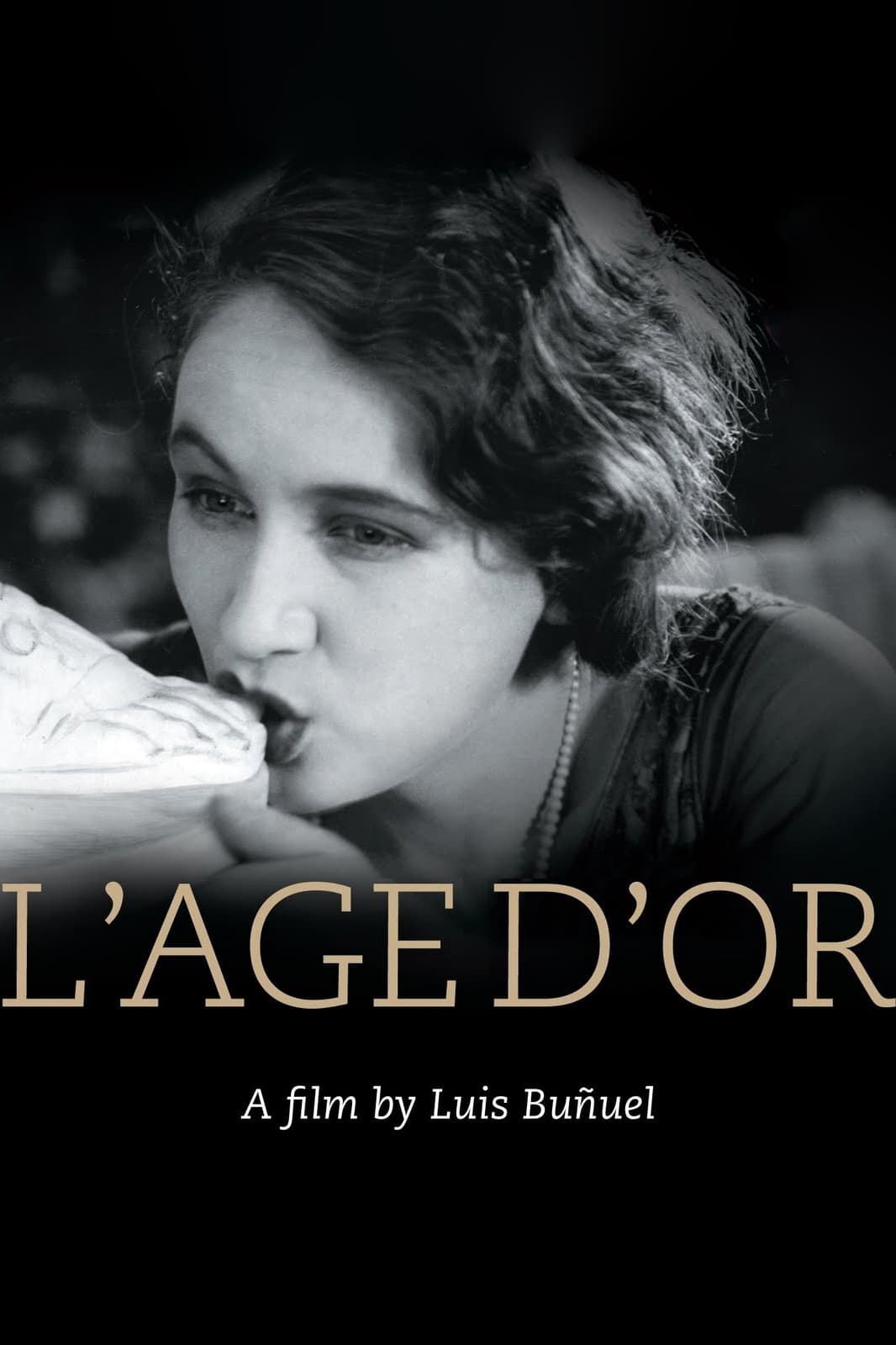 Film6.8RomantikKomedi
The film consists of a series of tightly interlinked vignettes, the most sustained of which details the story of a man and a woman who are passionately in love. Their attempts to consummate their passion are constantly thwarted, by their families, by the Church and bourgeois society in general.
L'Âge d'or
1930 · 353 votes
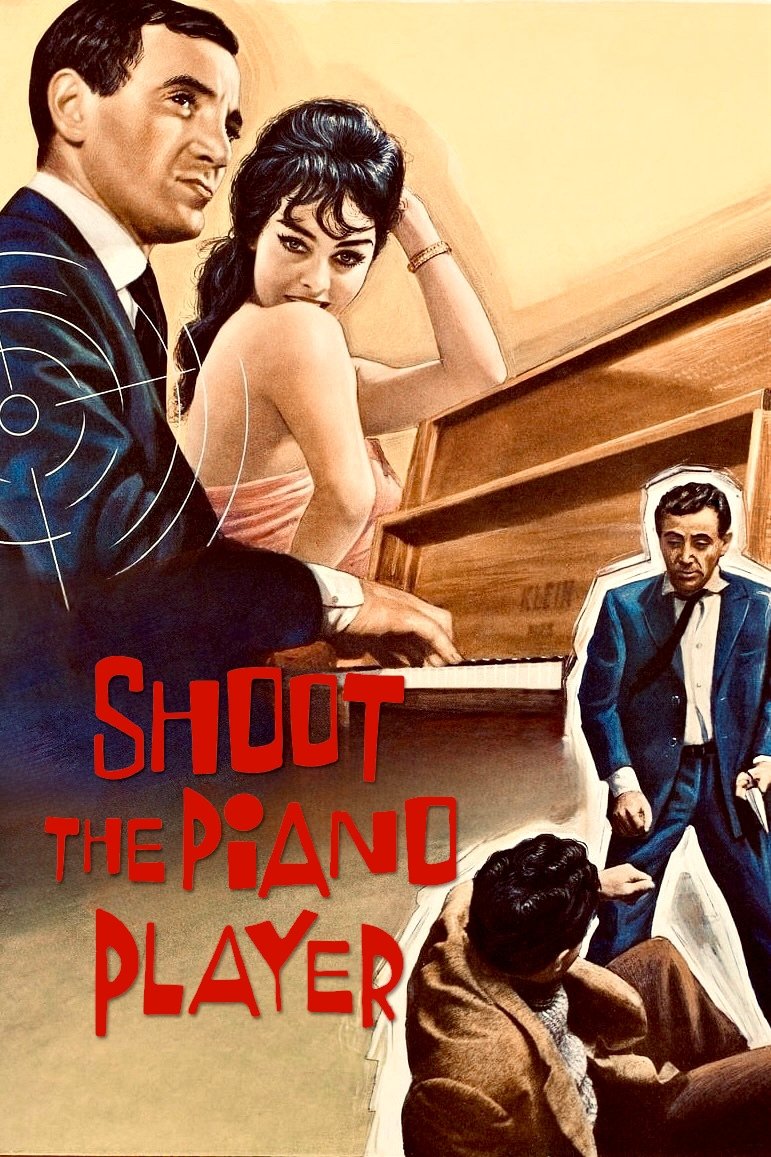 Film7.2DramGerilim
Charlie, barlarda piyano çalarak hayatını kazanmaya çalışan bir piyanisttir. En büyük sorunlarından biri mafyayla başı derde giren kardeşi Chico'dur. Kardeşini bu belalı adamlardan kurtarmak için ona yardım eden Charlie, bu sefer de kendisini büyük bir belaya bulaştırır. Kardeşine yardım etmesinden dolayı, bu sefer de mafyanın kendi peşine düşmesi ile sıkı bir mücadelenin içine girer. Bu mücadelede ona en çok desek veren de piyano çaldığı barda çalışan Lena'dır. Lena'nın Charlie'ye duyduğu büyük aşk, tüm tehlikelerine rağmen sevdiği adamın yanında olmasını sağlar. İkilinin gittikçe artan yakınlaşması ile Charlie'nin geçmişi hakkındaki bazı gerçekler de ortaya çıkacaktır. Charlie, acaba gerçekten Charlie değil midir?
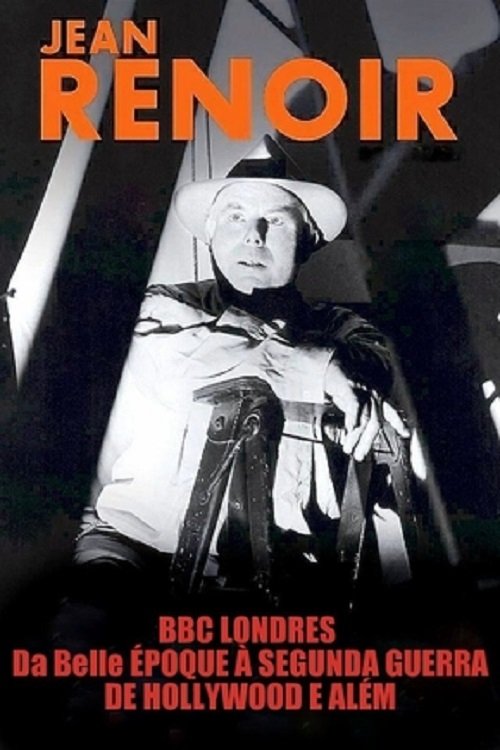 Film8.5Belgesel
Part one of a BBC documentary about Jean Renoir.
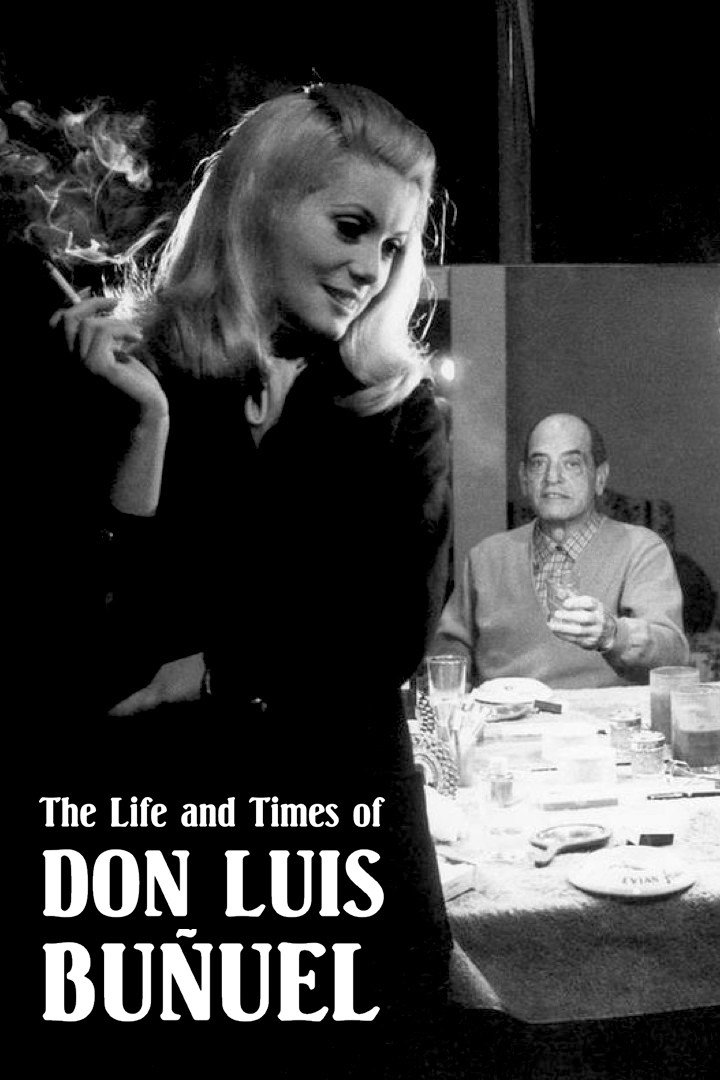 Film7.0Belgesel
Made a year after Luis Buñuel's death in 1983 this is an illuminating portrait of the surreal and visionary director, featuring clips, archival interviews, and commentary from scholars and contemporaries including Catherine Deneuve, Fernando Rey, and Jeanne Moreau. Directed by Anthony Wall with readings from Buñuel's autobiography by Paul Scofield. Six trims to meet copyright restrictions.
The Life and Times of Don Luis Buñuel
1984 · 1 votes
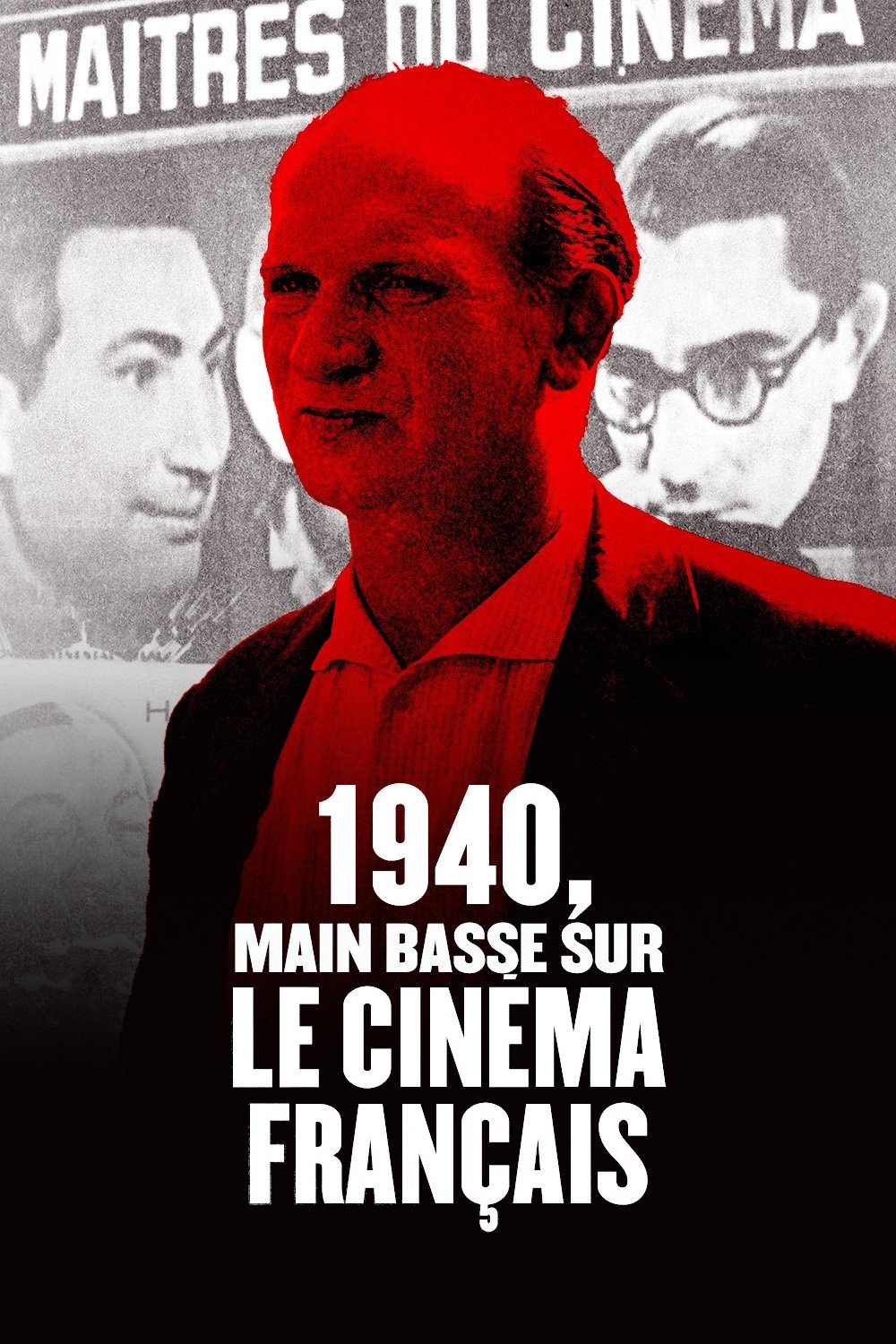 Film9.0BelgeselTarih
Paris, 1940. German occupation forces create a new film production company, Continental, and put Alfred Greven – producer, cinephile, and opportunistic businessman – in charge. During the occupation, under Joseph Goebbels’s orders, Greven hires the best artists and technicians of French cinema to produce successful, highly entertaining films, which are also strategically devoid of propaganda. Simultaneously, he takes advantage of the confiscation of Jewish property to purchase film theaters, studios and laboratories, in order to control the whole production line. His goal: to create a European Hollywood. Among the thirty feature films thus produced under the auspices of Continental, several are, to this day, considered classics of French cinema.