Bölümler
Yorumlar
Yorum yazmak için giriş yap.
Yorum yazmak için giriş yap.
Kimler oynuyor. Birine dokun, başka nelerde oynadığını gör.
Bunu izleyenlerin sonra izlediklerinden seçildi.
 Dizi7.5
Follow the complicated dynamic between the rich and powerful Cryer family and the hired help who work in their opulent Savannah, Georgia, mansion.
2013 · 140 votes
 Dizi7.8
The story of fifteen-year-old Jovana Luna and the obstacles she will have to overcome in her fight to find happiness with the handsome León Baldomero, the love of her life.
2000 · 83 votes
 Dizi6.5
After spending ten years wrongfully imprisoned for the death of his girlfriend Elisa, the illusionist Davi returns to the farm that belongs to his girlfriend’s family under another identity and discovers that her younger sister, Isadora, has become exactly like Elisa. The two fall madly in love, but they will have to fight against nasty Joaquim and other external factors that threaten this great passion.
 Dizi6.0
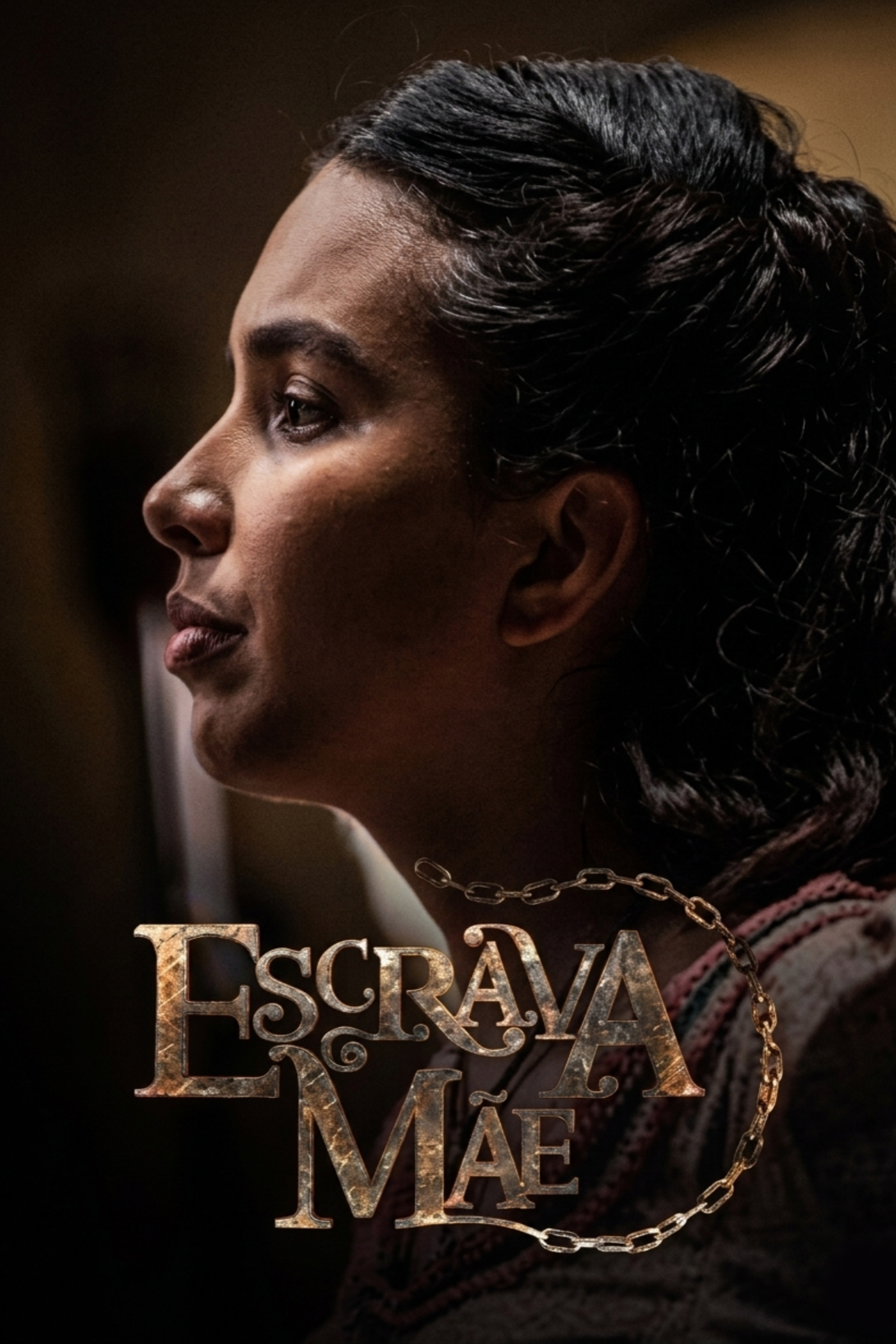
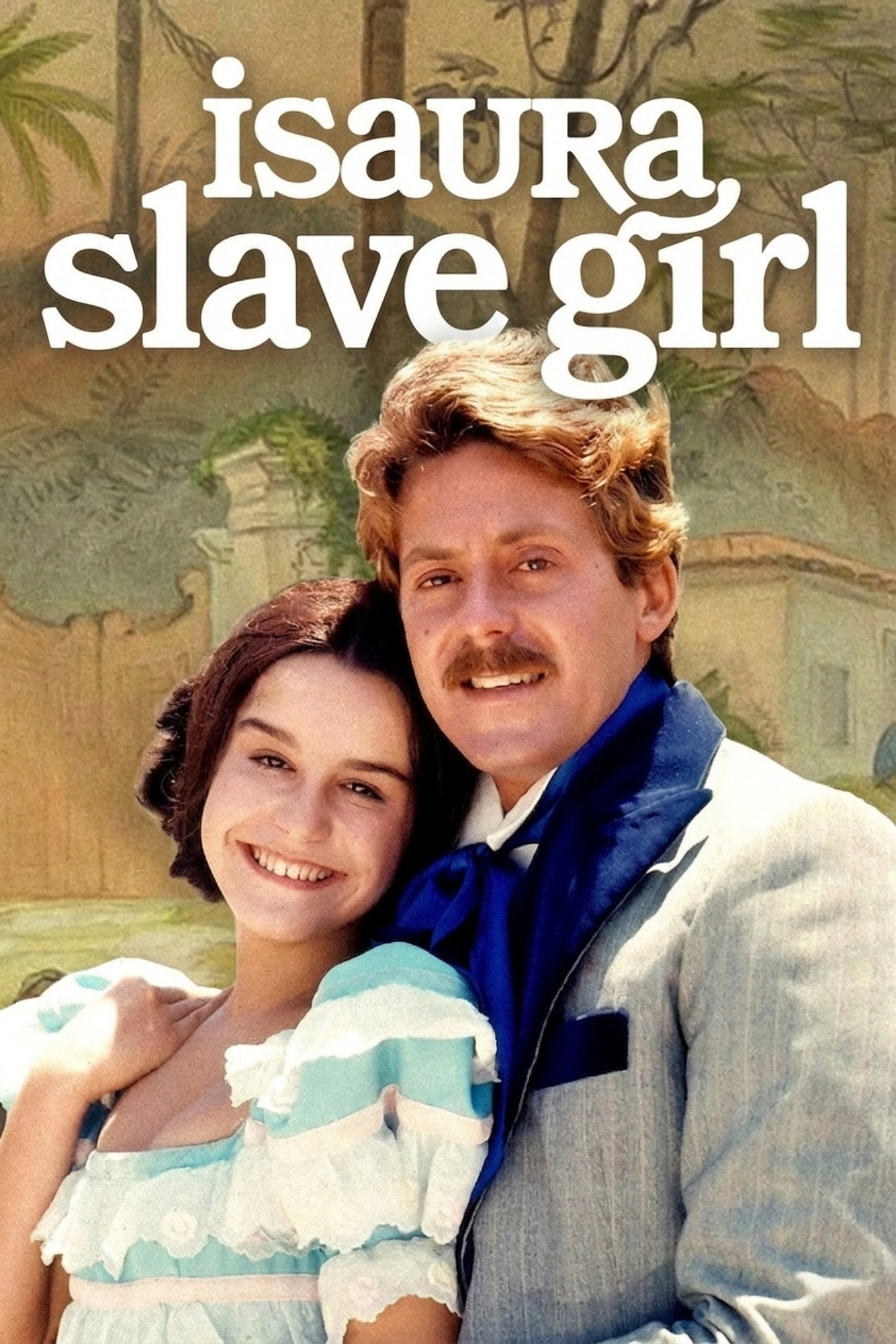
Set in 19th-century Brazil during the waning years of slavery, Escrava Isaura tells the story of Isaura, a white-skinned enslaved woman raised with the manners and education of a noble lady. Though treated with affection by her mistress, Isaura remains legally enslaved and becomes the object of obsessive desire by Leôncio Almeida, the cruel heir to the plantation. After the death of her protector, Isaura falls under Leôncio’s control. Despite his attempts to seduce and dominate her, she resists, determined to preserve her dignity and freedom. Her father, Miguel, helps her escape to Recife, where she adopts a new identity and meets Álvaro, a wealthy and principled abolitionist who falls in love with her. Leôncio eventually tracks her down, leading to dramatic confrontations. In the end, Álvaro rescues Isaura by purchasing Leôncio’s debts, securing her freedom and affirming the story’s central themes of justice, love, and resistance against oppression.
 Dizi6.4
The ground-breaking soap set in a housing estate on the outskirts of Liverpool.
1982 · 21 votes
 Dizi7.5
Isaura was born in 1835, in the farm of Commender Almeida. She is the daughter of the slave Juliana and the tenant of the farm, Miguel. Juliana dies right after the birth, because she denied going to bed with the Commender. He whips her to death in revenge. So, Isaura is raised and educated by Gertrudes, wife of the Commender, who always wanted to have a daughter. In spite of her excellent education and the white skin, Isaura, as a daughter of a slave,will always be treated as a slave.