Yorumlar
Yorum yazmak için giriş yap.
Yorum yazmak için giriş yap.
Kimler oynuyor. Birine dokun, başka nelerde oynadığını gör.
Bunu izleyenlerin sonra izlediklerinden seçildi.
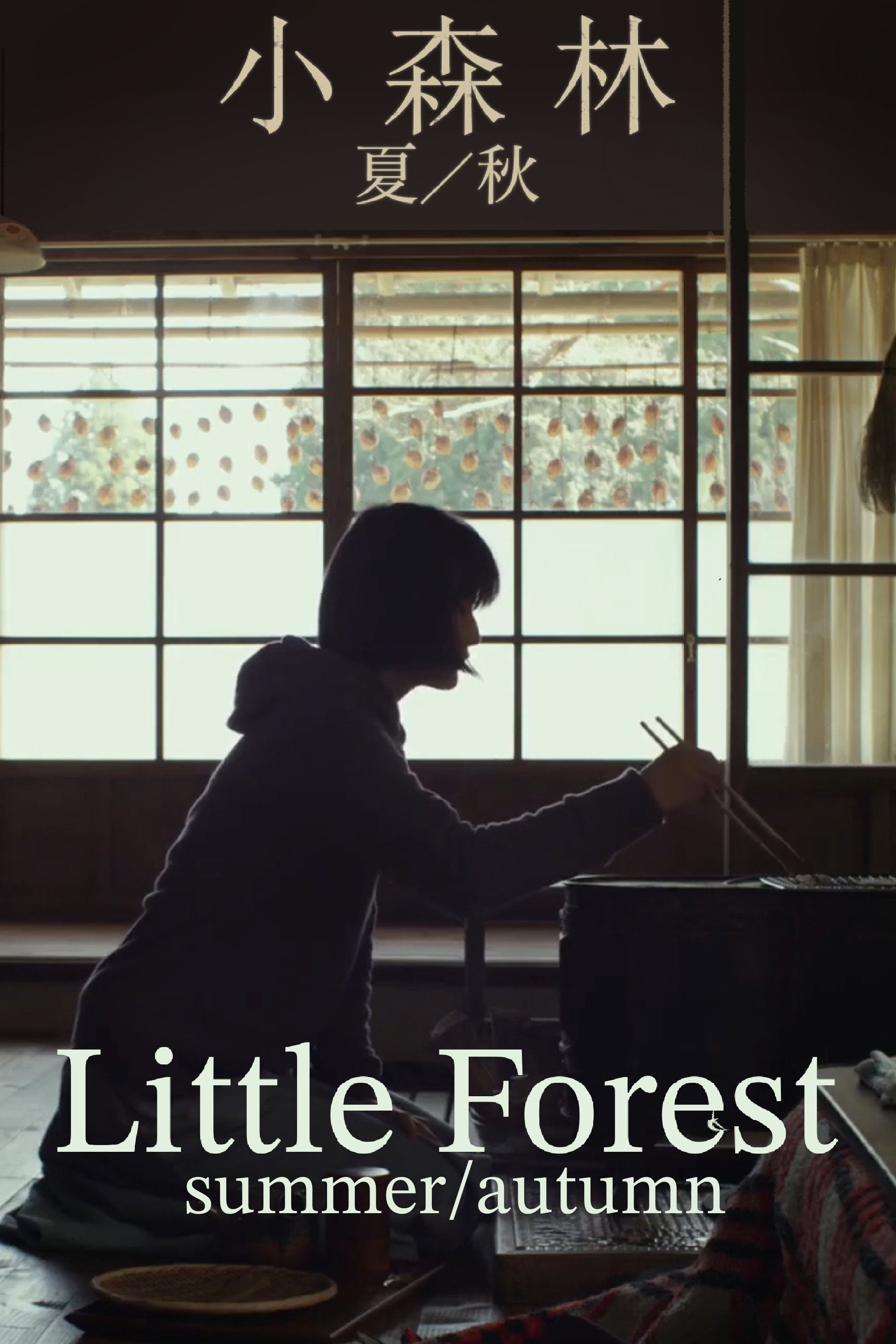 Film7.8
Fleeing heartbreak in the big city, Ichiko returns to Komori, her rural hometown. She battles summer's rain and humidity, bakes her own bread, grows hothouse tomatoes and tills the fields. During autumn, the time for pickling and preserving fish and sweet potatoes, Ichiko begins reaping rice and recalls her departure five years before.
 Film7.8
Ichiko bakes a cake for an end-of-year party with her friends. In the depths of winter, making mochi and curry keeps the people of Komori warm. Later, spring brings thoughts of her absent mother as well as rice planting and sakura, and she begins to think of leaving Komori behind again.
 Film7.3
Depicts the life of a family in a remote Japanese timber village. Family head Tahara Kozo lives with his mother Sachiko, wife Yasuyo, nephew Eisuke and young daughter Michiru. Economic recession and failed development plans cause tragedy in the family.
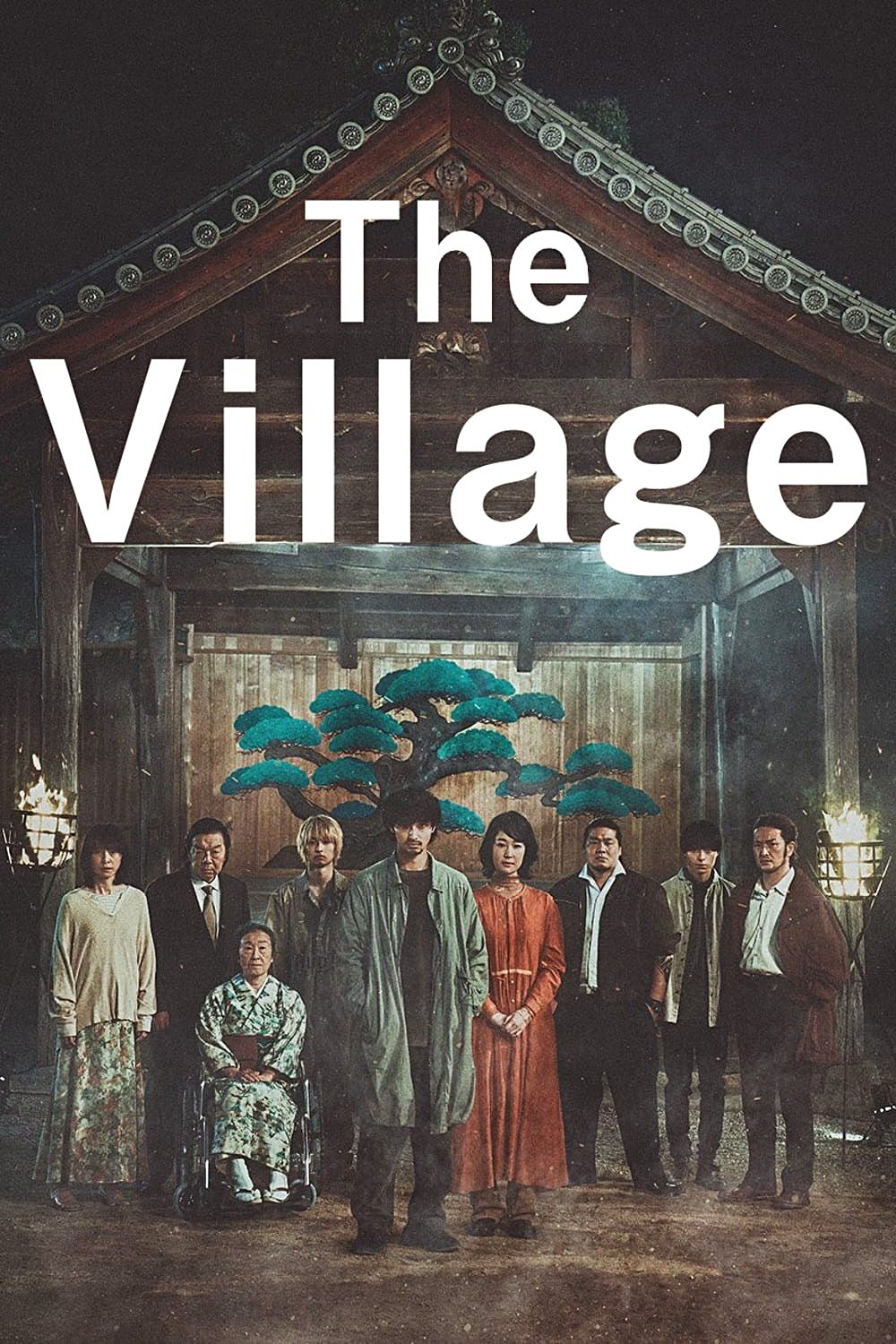 Film6.8
Bir zamanlar enfes bir manzaraya sahip olan ama artık devasa bir çöplüğün gölgesinde kalan bir köyde, genç bir adam kendisini oraya bağlayan zalim kaderden kurtulmaya çalışır.
 Film5.9
Nick Condon, an American journalist in 20s Tokyo, publishes the Japanese master plan for world domination. Reaction from the understandably upset Japanese provides the action, but this is overshadowed by the propaganda of the time.
1945 · 42 votes
 Film6.2
Based on the writer/director's childhood, FARMING tells the story of a young Nigerian boy, 'farmed out' by his parents to a white British family in the hope of a better future. Instead, he becomes the feared leader of a white skinhead gang.
2018 · 77 votes