

Romana Maggiora Vergano
Sveva
Kimler oynuyor. Birine dokun, başka nelerde oynadığını gör.
Bunu izleyenlerin sonra izlediklerinden seçildi.
 Film6.9
Carlo and Elisa are a successful couple. He’s a university professor and writer facing a creative block; she’s a brilliant, sharp-witted journalist, known for her internationally published editorials. They live in Rome, moving between accomplishments and routine, affection and something that might be fading. In search of new energy, they travel to Morocco with their lifelong friends, Anna and Paolo, and their thirteen-year-old daughter Vittoria—bright, curious, a little eccentric. Tensions soon rise.
 Film7.5
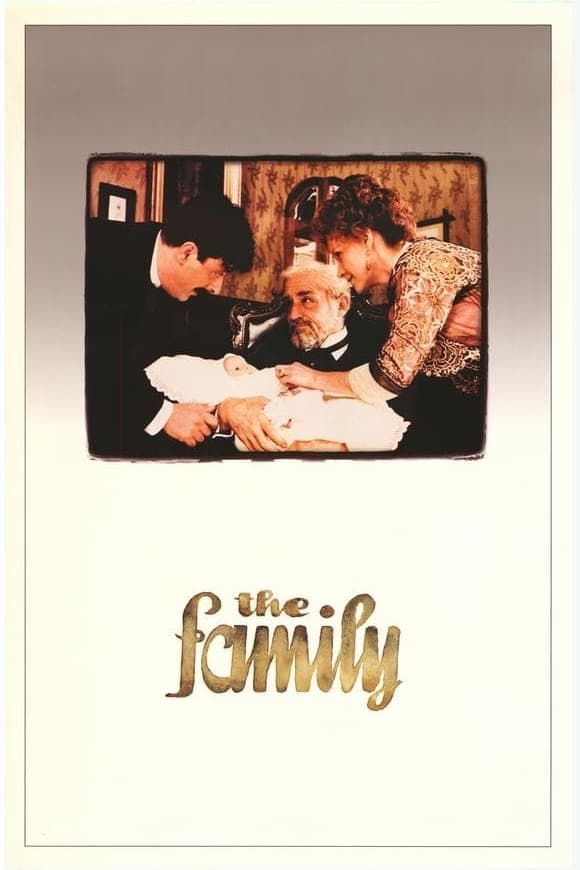
Formal portraits, bookends in this 80-year saga, enclose the central story, which opens with the baptism of Carlo, a baby in his grandfather's lap, and ends with Carlo as a grandfather with a baby in his arms. And never once do we get out of the house, whose rooms provide structure. Comfort or passion? Carlo can't really decide until it's too late.
 Film6.4
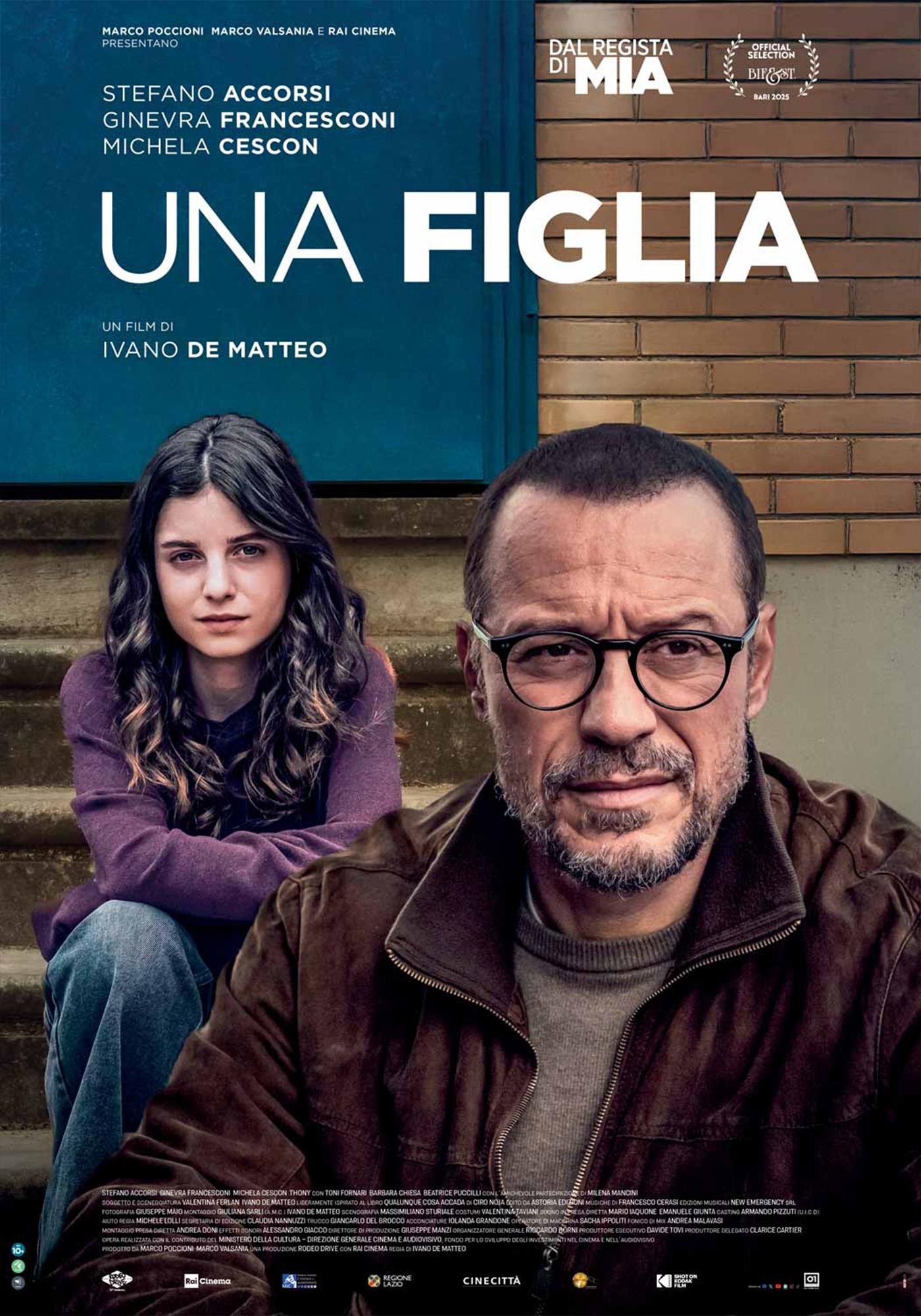
A middle-aged man, Pietro, becomes a widower and must take care of his daughter. He will never have the time to delve into his own pain, committing himself to raising his daughter with love and dedication, in an all-encompassing relationship in which one heals the other's wounds through his own. When, after a few years, he tries to start a new life with a new partner, not everything will go as hoped: his daughter's reaction will be exaggerated and Pietro will be put to the test. He will find himself struggling between anger and paternal instinct.
 Film6.7
Roma'nın güney banliyölerinde çocuklarıyla birlikte yaşayan bir grup ailenin gündelik hayatlarına, aileler arası gerilimlere ve aile içi karanlık sırlara odaklanıyor.
 Film7.3
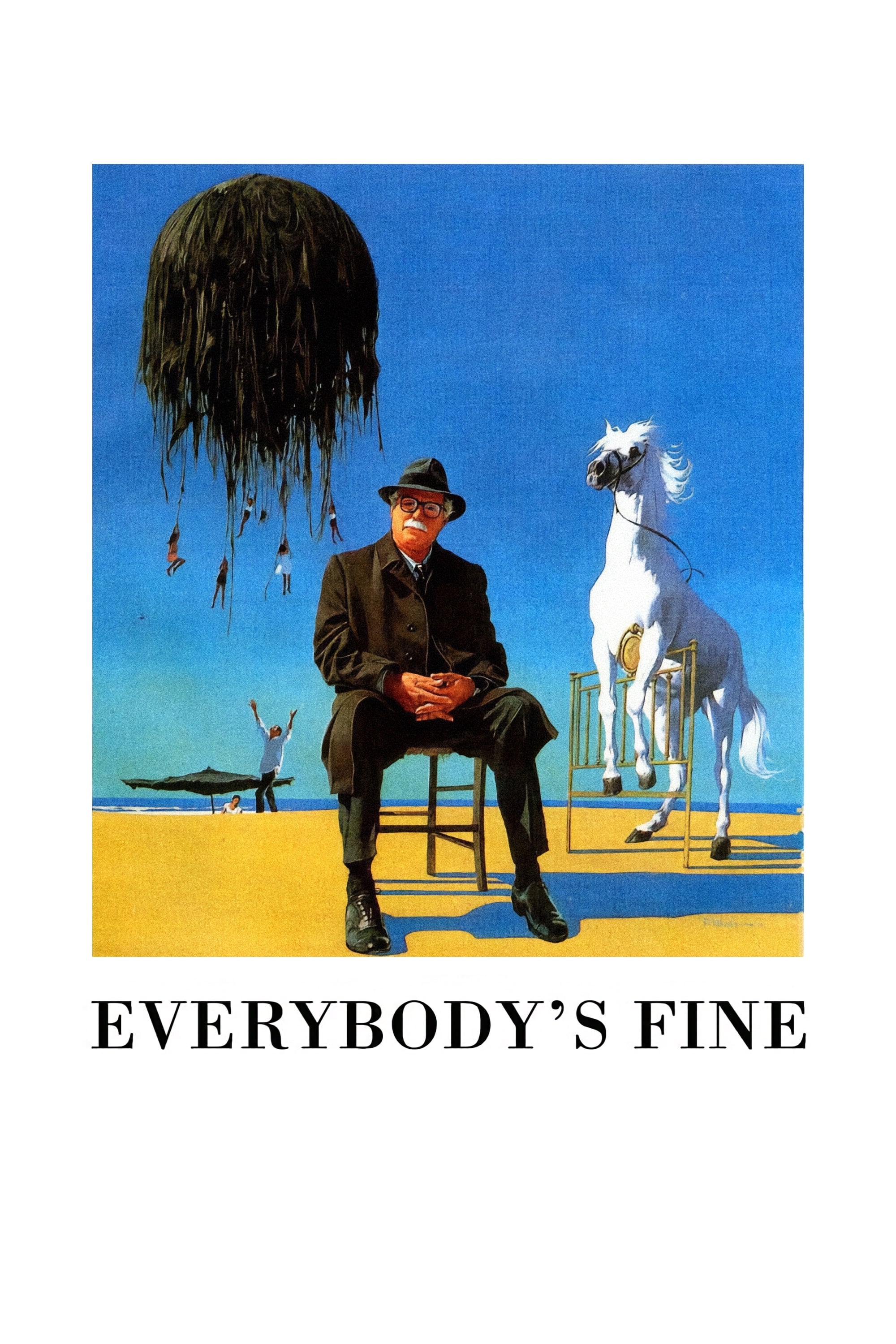
Taşrada yaşayan, bütün çocukları kendisini terketmiş yaşlı adam yıllar sonra onları teker teker ziyaret eder. Bu arada hicbir şeyin göründüğü kadar iyi gitmediğini anlayacaktır.
 Film7.4
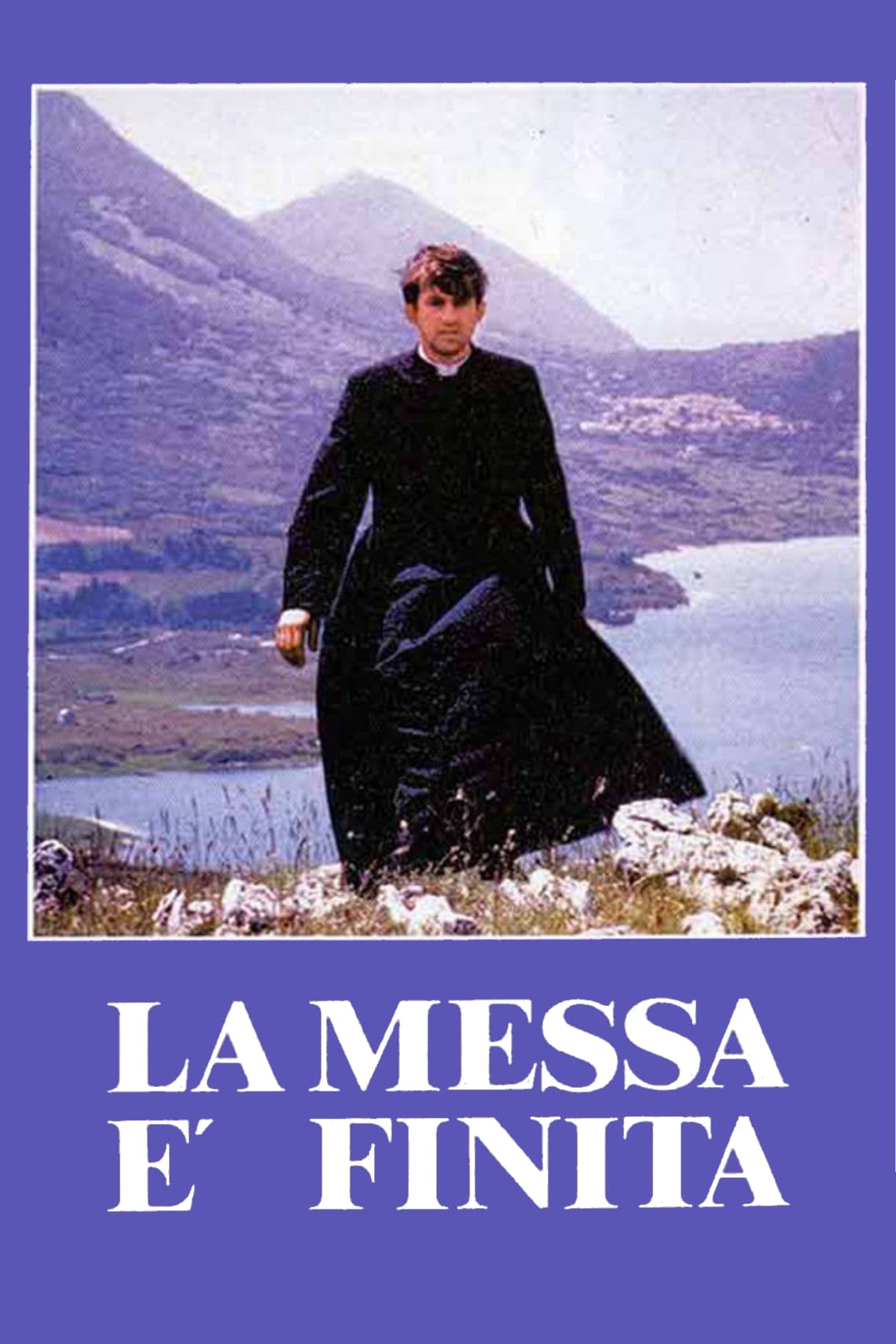
Young Father Giulio returns to Rome, where he was born and raised, to replace a priest who has left the clergy to start a family. He is delighted to reunite with his loved ones, especially his mother, sister, and old friends. Once radical leftists like Giulio himself, the latter are now each coping in their own way with the defeat of the revolution. Soon, however, Giulio realizes that despite his best efforts, he seems unable to solve the problems troubling those around him.