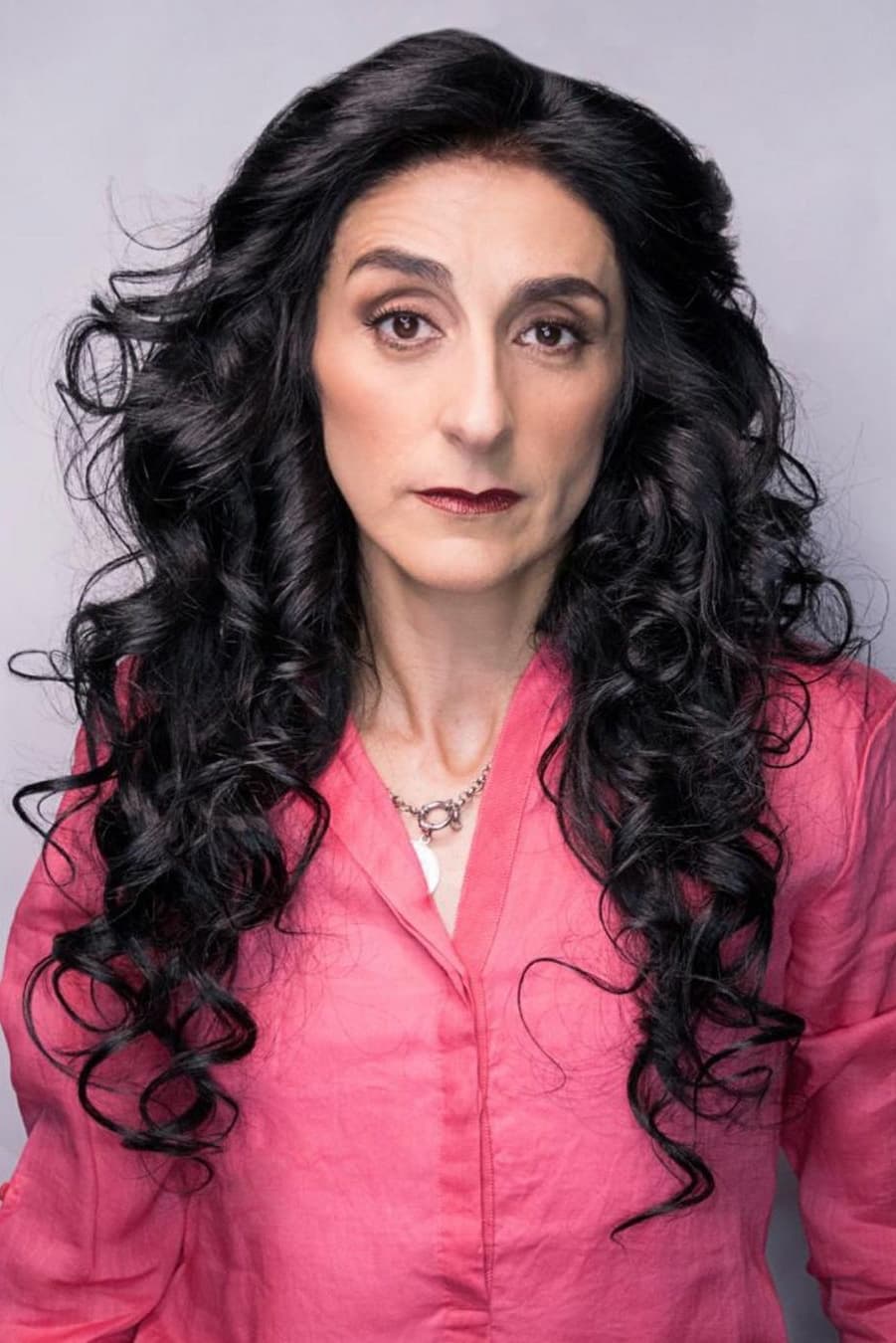
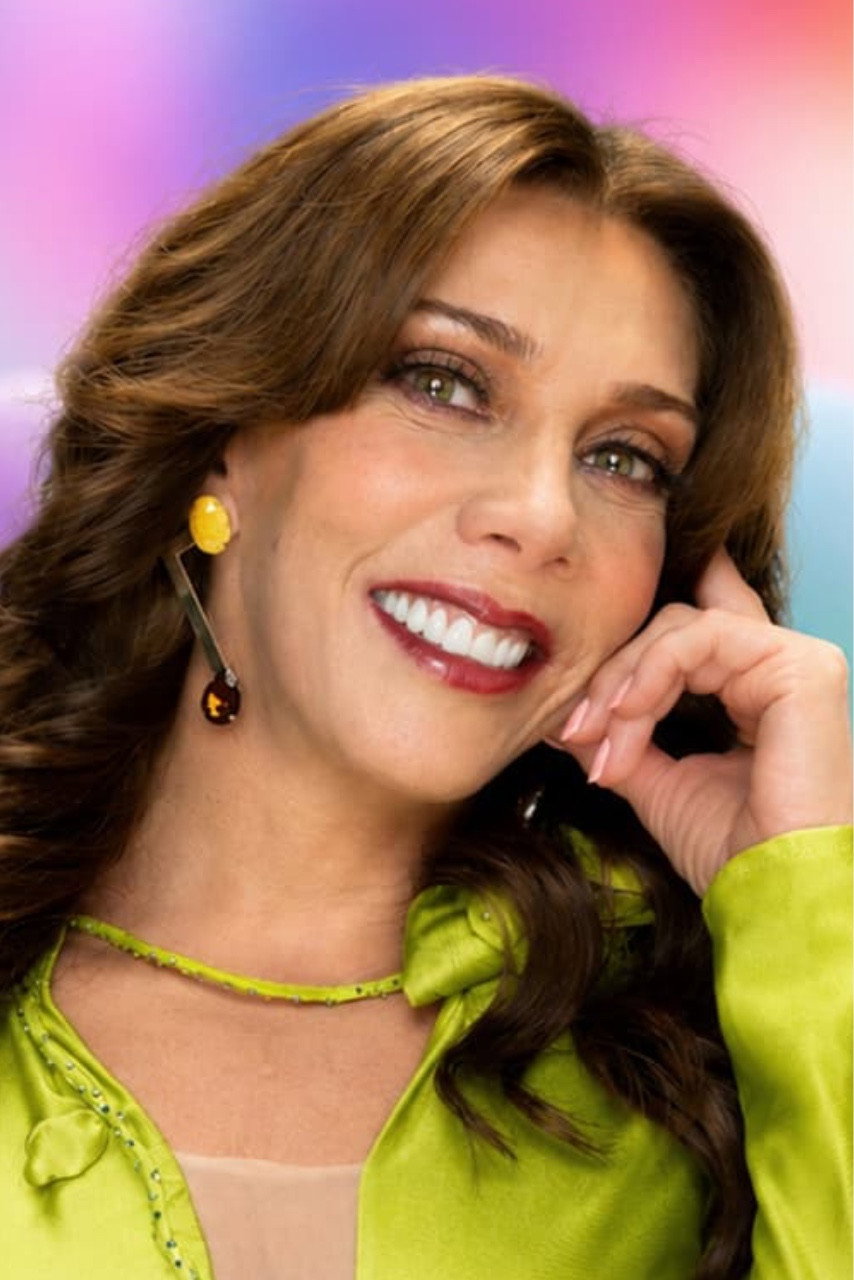
Cynthia Klitbo
Eva de la Colina
134 bölüm
Kimler oynuyor. Birine dokun, başka nelerde oynadığını gör.
Bunu izleyenlerin sonra izlediklerinden seçildi.
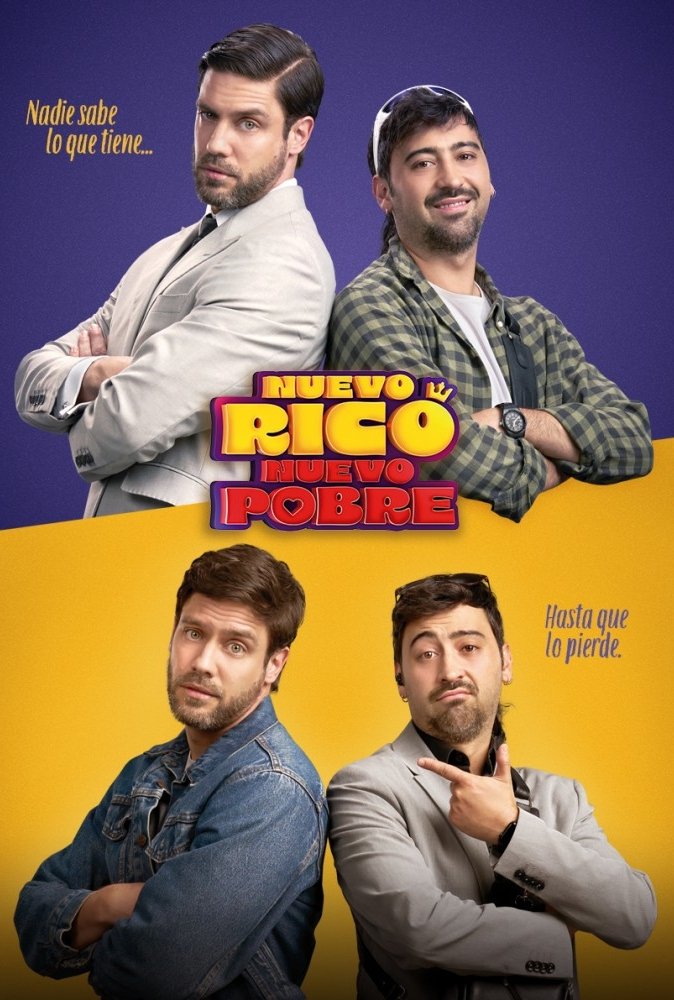 Dizi7.0
A wealthy businessman and a working-class dreamer discover they were switched at birth. Now, they must swap lives to learn what truly matters.
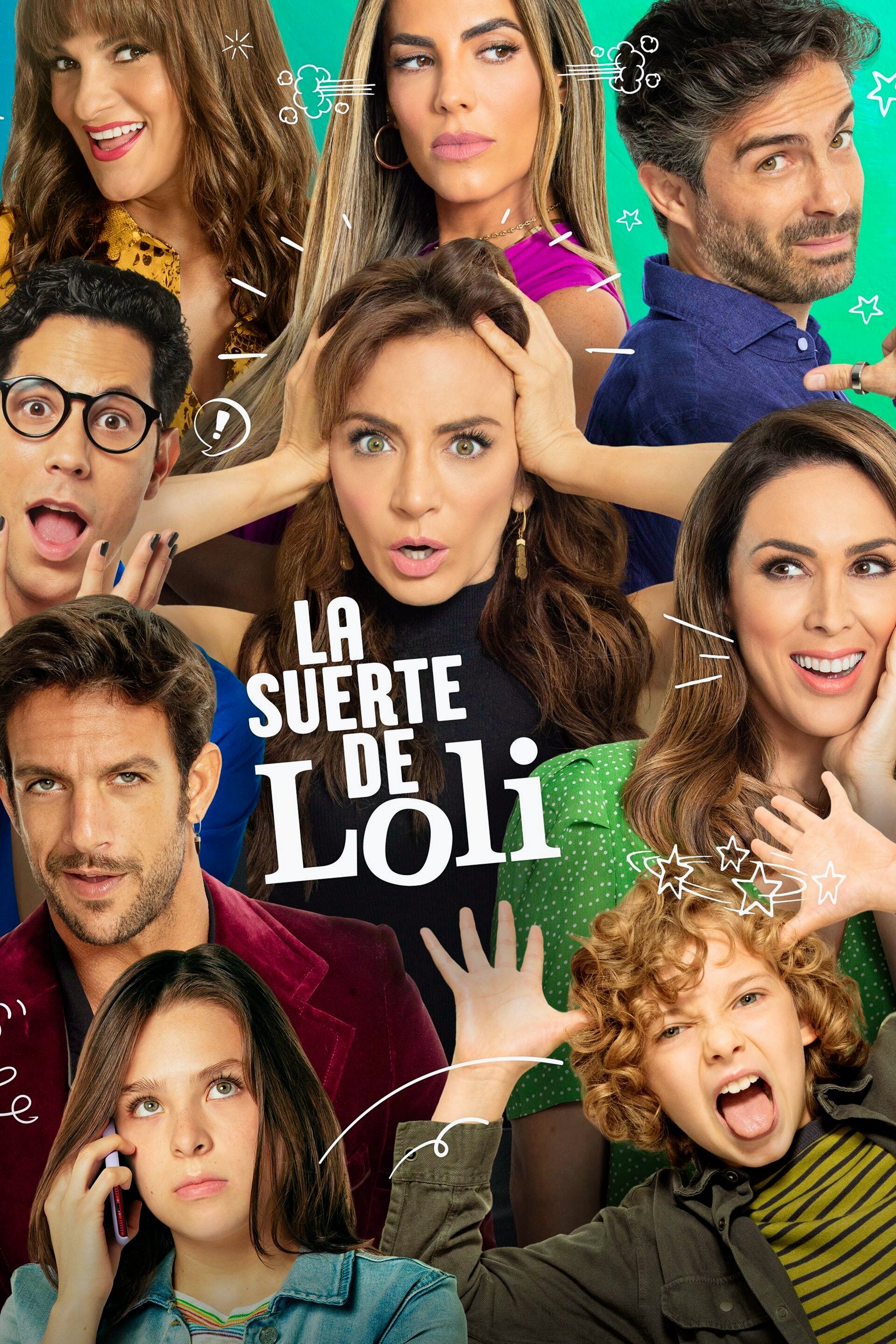 Dizi7.7
Loli Aguilar is a successful bohemian woman who works as one of the executives of "Global Radio Group" the number one radio station on the west coast of the United States. As Loli's career continues to climb, she puts her love life aside, taking a backseat as she enjoys her freedom and a life without compromises. However, her life takes an unexpected turn when Mariana, her best friend, passes away from an illness and leaves everything to Loli, including the custody and care of her two children ...
2021 · 21 votes
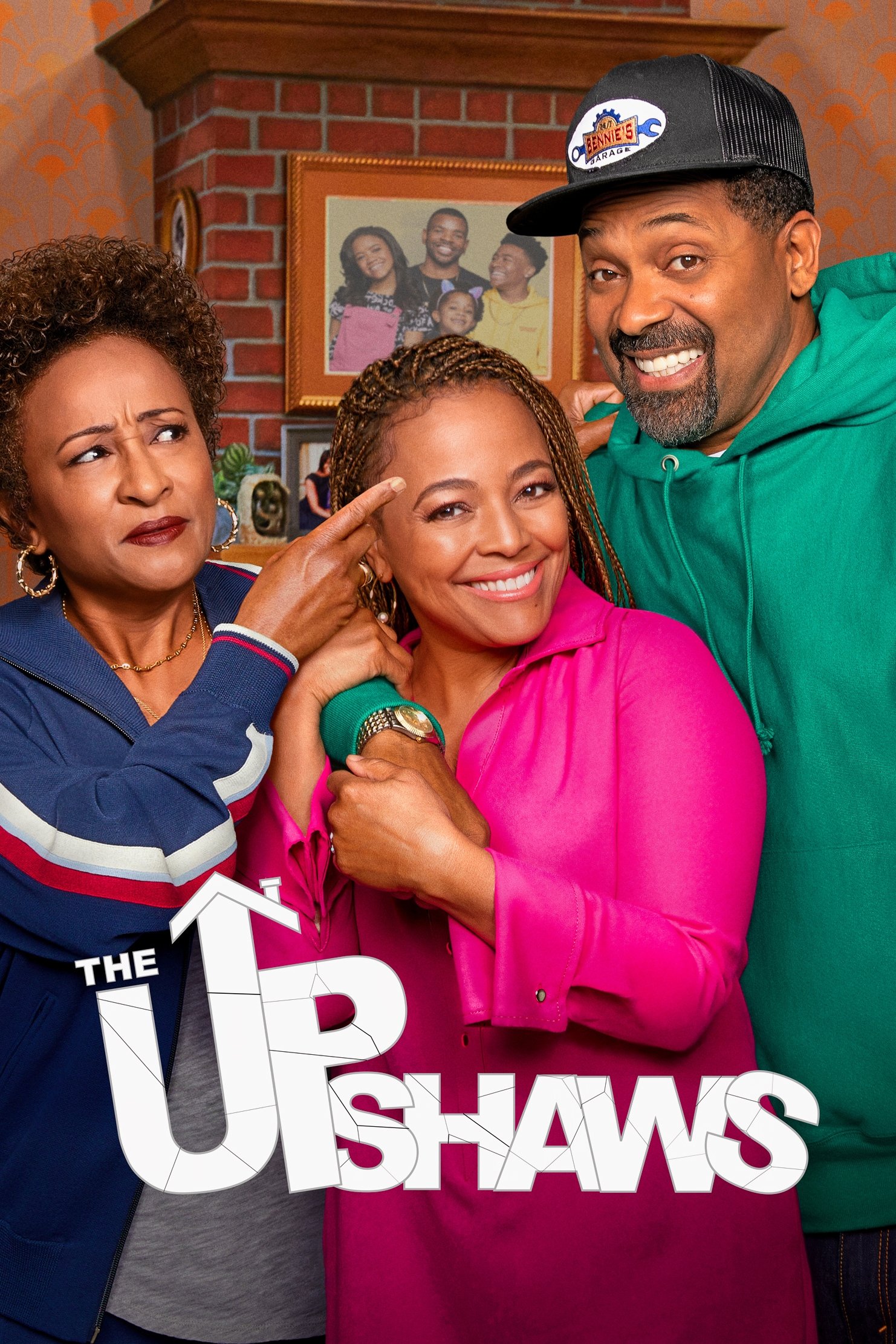 Dizi7.6
Bennie Upshaw, the head of a Black working class family in Indianapolis, is a charming, well-intentioned mechanic and lifelong mess just trying his best to step up and care for his family and tolerate his sardonic sister-in-law, all without a blueprint for success.
2021 · 71 votes
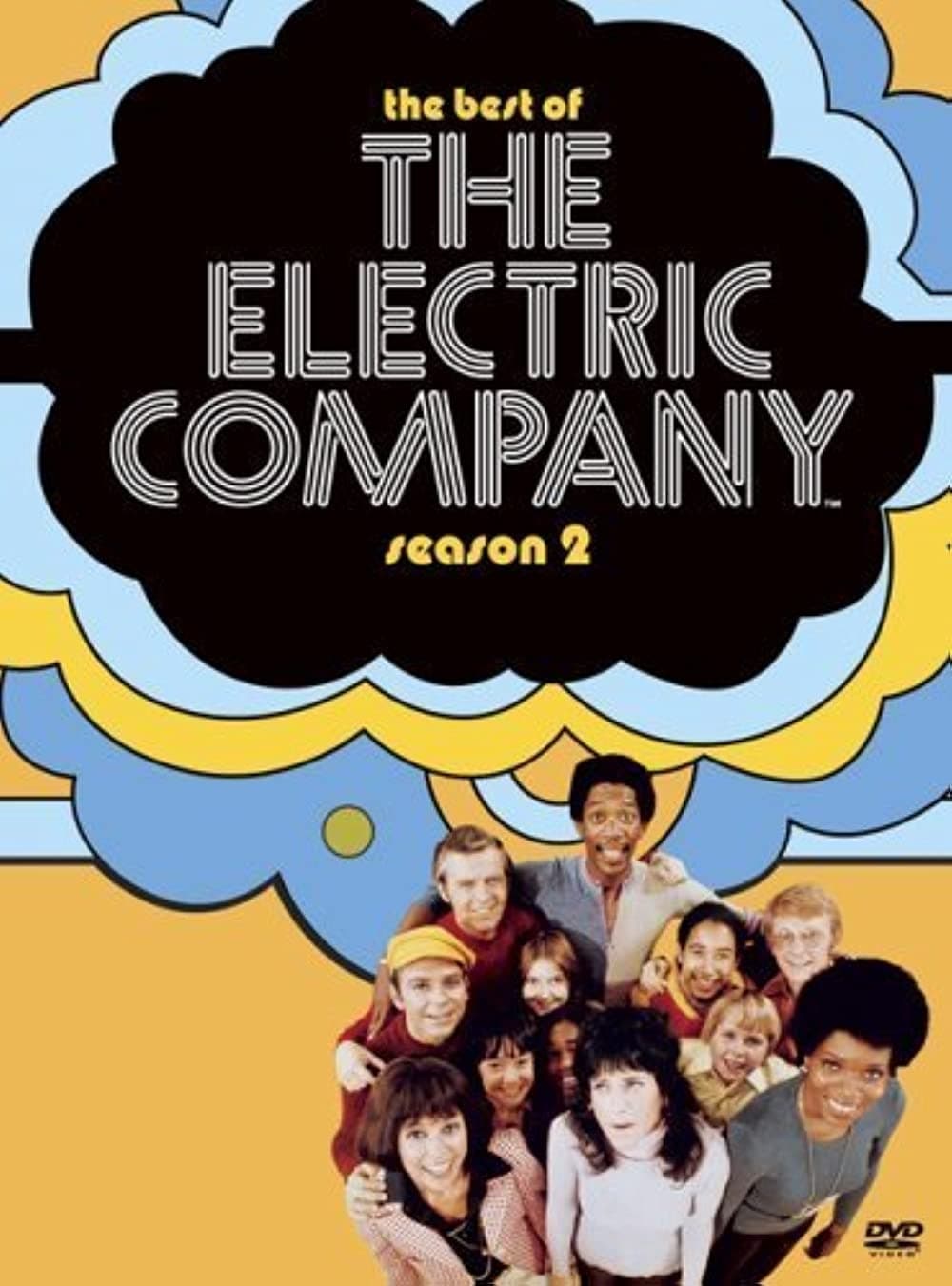 Dizi7.3
The Electric Company is an educational American children's television series that was produced by the Children's Television Workshop for PBS in the United States. PBS broadcast 780 episodes over the course of its six seasons from October 25, 1971 to April 15, 1977. After it ceased production that year, the program continued in reruns from 1977 to 1985, the result of a decision made in 1975 to produce two final seasons for perpetual use. CTW produced the show at Teletape Studios Second Stage in Manhattan, the first home of Sesame Street. The Electric Company employed sketch comedy and other devices to provide an entertaining program to help elementary school children develop their grammar and reading skills. It was intended for children who had graduated from CTW's flagship program, Sesame Street. Appropriately, the humor was more mature than what was seen there.
1971 · 26 votes
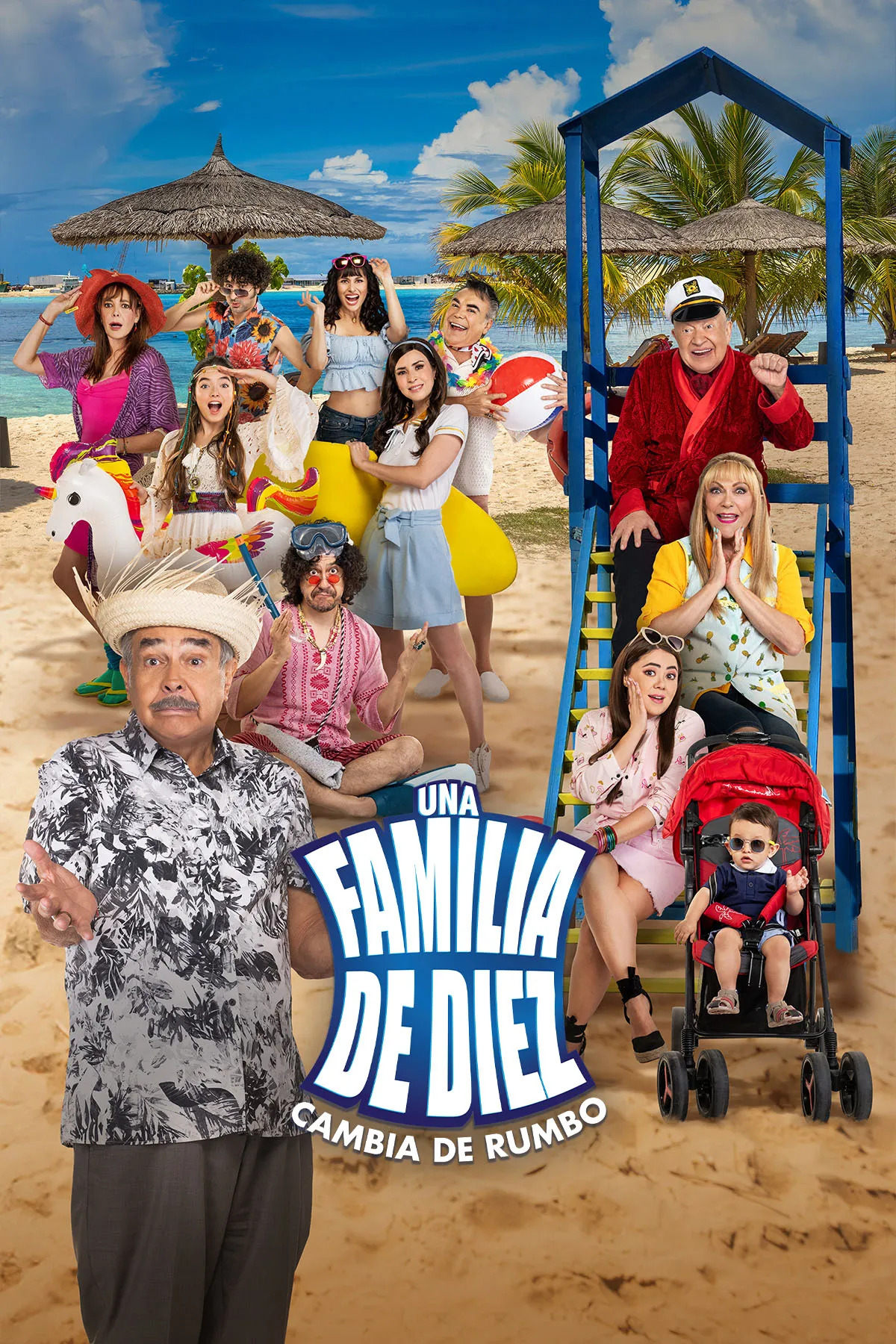 Dizi8.1
Ten members of the same family share a small house and stumble together through life's mishaps.
2007 · 815 votes
 Dizi7.1
Destiny brings two youngsters together in the middle of a flower show whose love story begins as soon as they meet. Maia and Pablo come from different social classes: Maia is Othón’s daughter, one of the most important entrepreneurs in the flower growing industry, while Pablo belongs to the bodyguard squad escorting Antonia, Othón’s biggest opponent… two people holding a lot of grudge. Antonia and Othón met at a young age and they don’t miss any chance to hurt each other, so when the confusing encounter between Maia and Pablo takes place, Antonia uses that ‘holy gift’ to fool the girl by telling her Pablo is one of the most important flower-growers in the country... a lie that is not intended to hurt Maia, to whom is irrelevant whether Pablo has money or not, but Othón instead, a nouveau riche with no class who wants his daughter to marry a wealthy man and would be ov
2016 · 117 votes