Yorumlar
Yorum yazmak için giriş yap.
Yorum yazmak için giriş yap.
Kimler oynuyor. Birine dokun, başka nelerde oynadığını gör.
Bunu izleyenlerin sonra izlediklerinden seçildi.
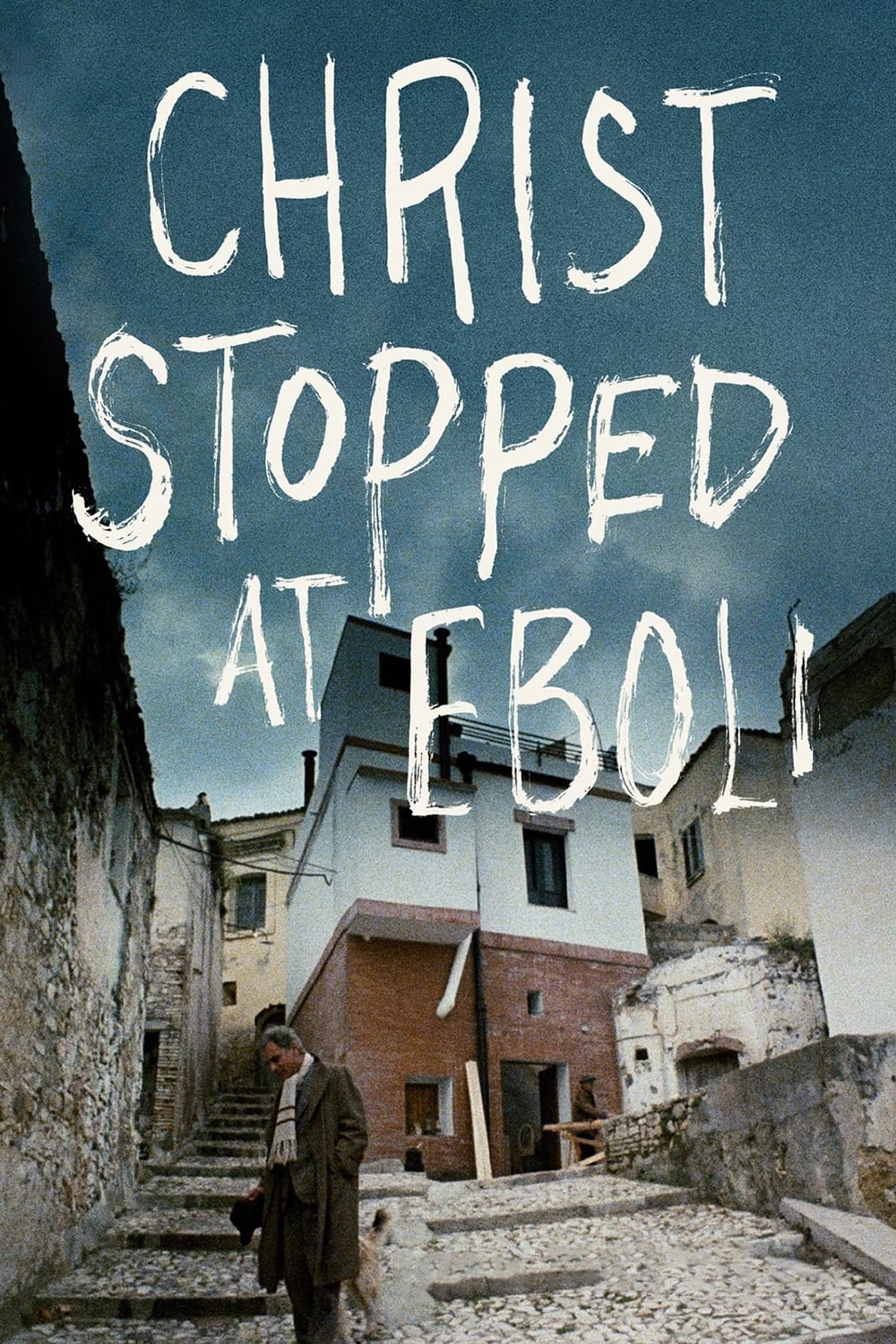 Film7.2
In the fascist Italy of 1935, a painter trained as a doctor is exiled to a remote region near Eboli. Over time, he learns to appreciate the beauty and wisdom of the peasants, and to overcome his isolation.
 Film7.4
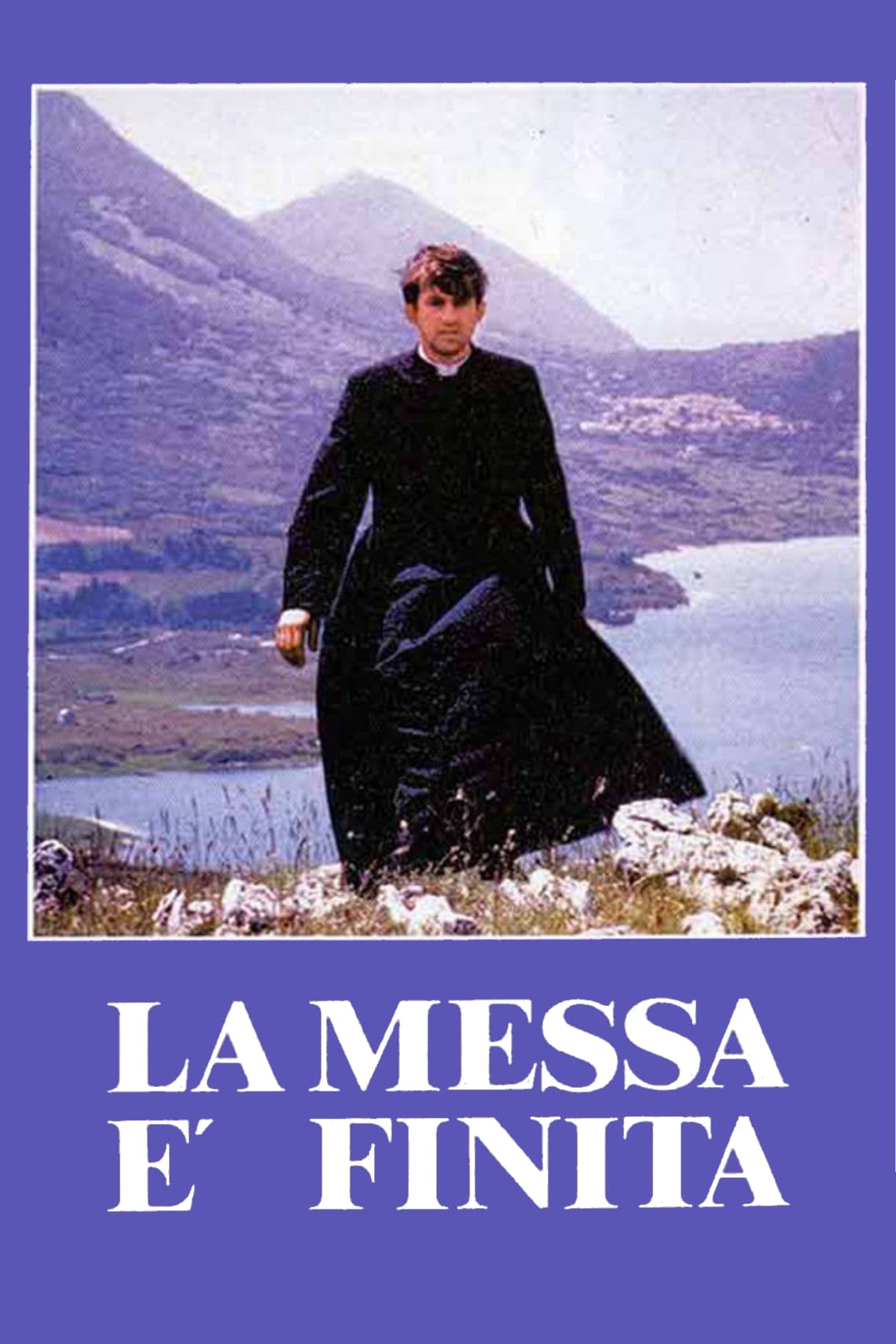
Young Father Giulio returns to Rome, where he was born and raised, to replace a priest who has left the clergy to start a family. He is delighted to reunite with his loved ones, especially his mother, sister, and old friends. Once radical leftists like Giulio himself, the latter are now each coping in their own way with the defeat of the revolution. Soon, however, Giulio realizes that despite his best efforts, he seems unable to solve the problems troubling those around him.
 Film7.0
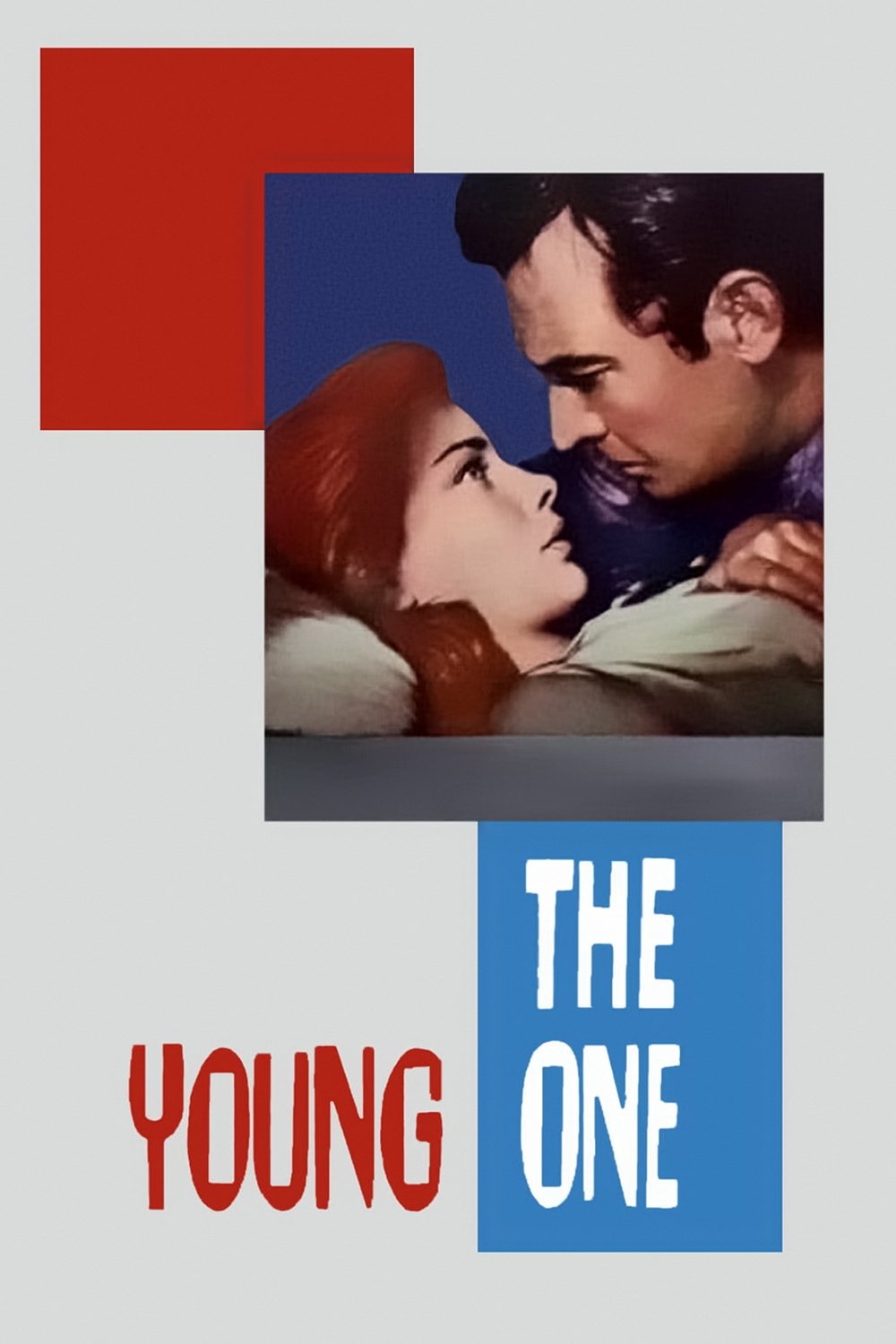
A jazz musician seeks refuge from a lynch mob on a remote island, where he meets a hostile game warden and the young object of his attentions.
 Film6.8
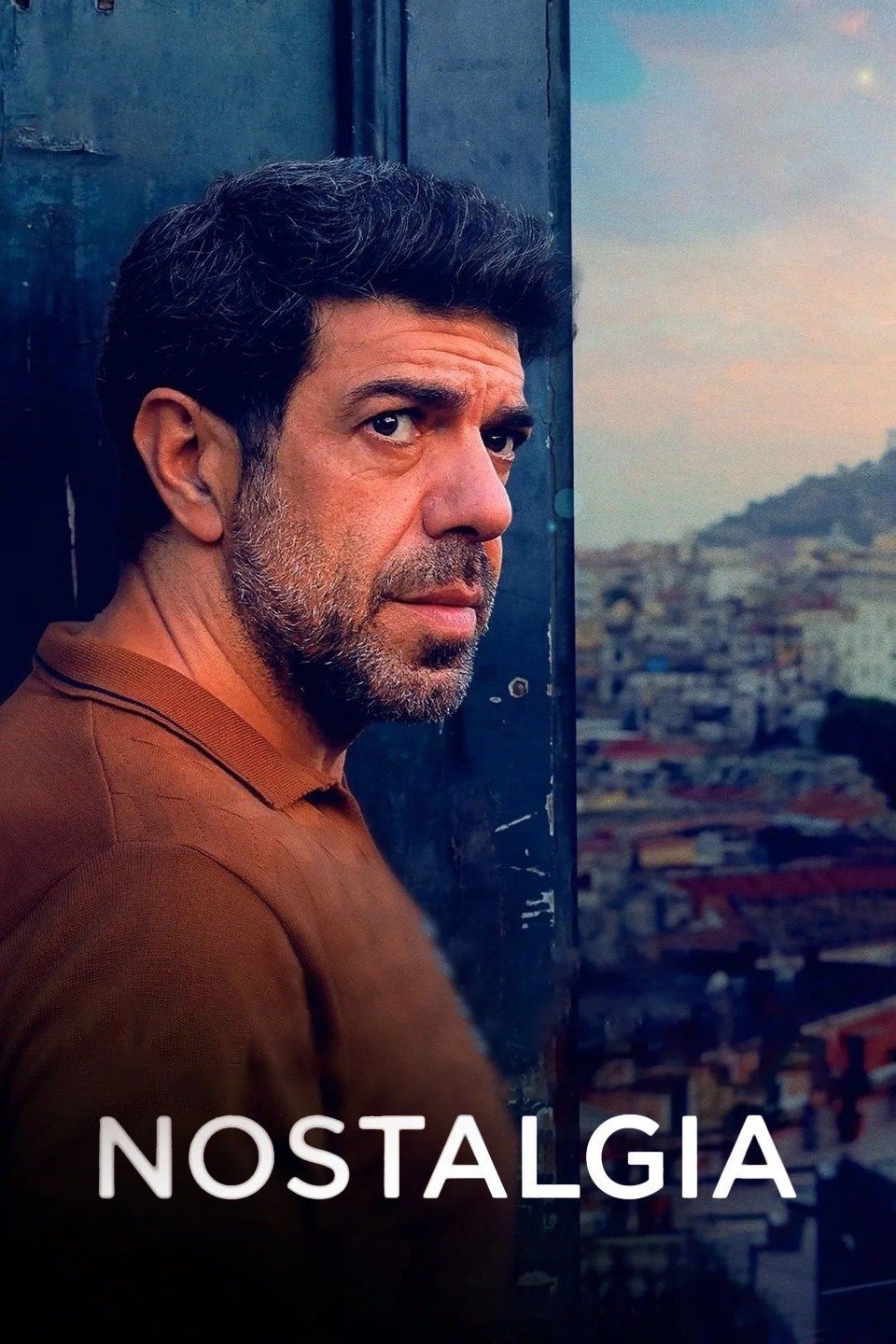
Felice returns to his native Rione Sanità in Naples to look after his dying mother, having lived abroad for the last forty years. Here he discovers that his old friend Oreste has become a notorious crimeboss.
2022 · 301 votes
 Film6.5
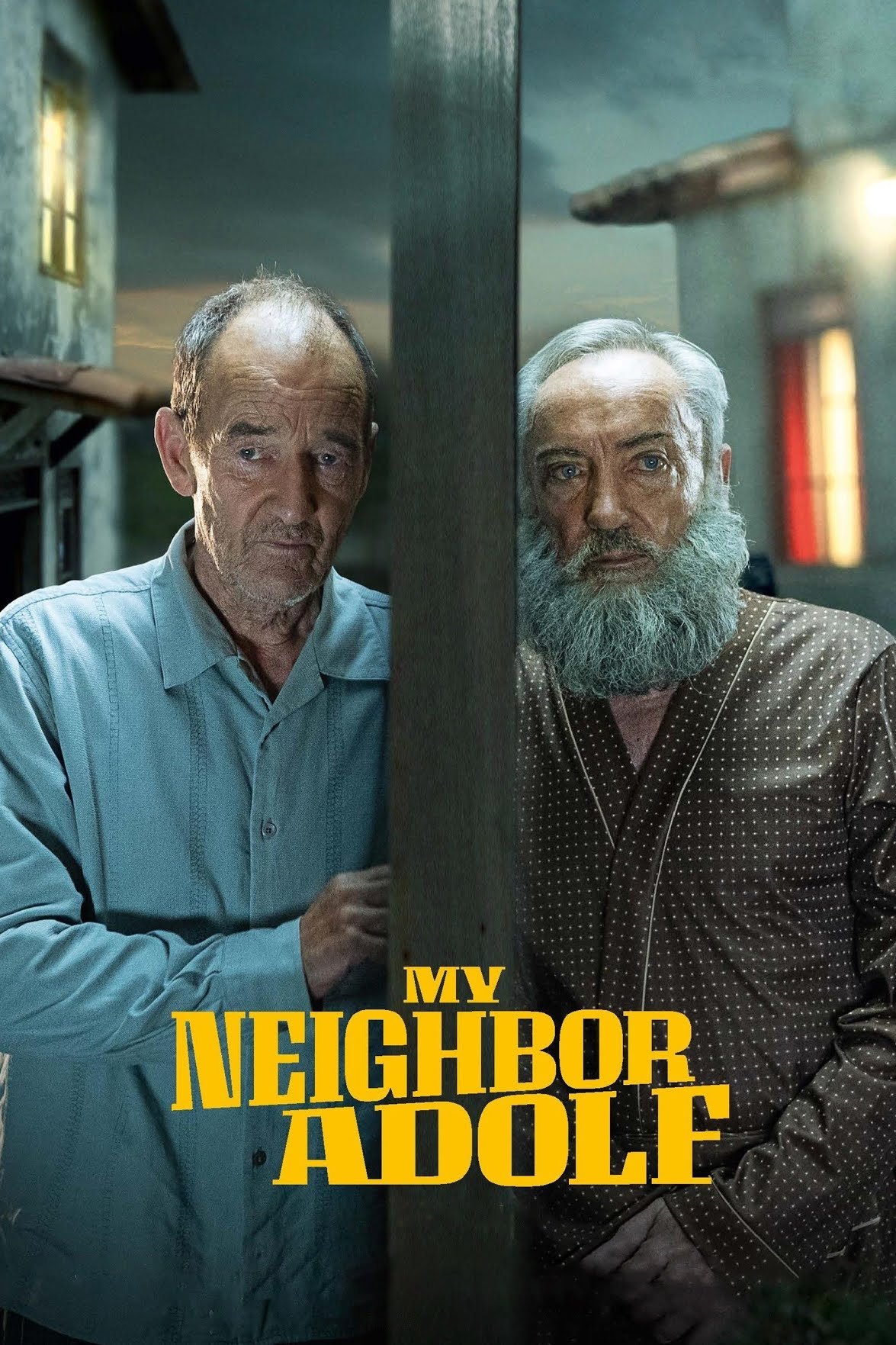
South America, 1960. A lonely and grumpy Holocaust survivor convinces himself that his new neighbor is none other than Adolf Hitler. Not being taken seriously, he starts an independent investigation to prove his claim, but when the evidence still appears to be inconclusive, Polsky is forced to engage in a relationship with the enemy in order to obtain irrefutable proof.
2022 · 83 votes
 Film7.5
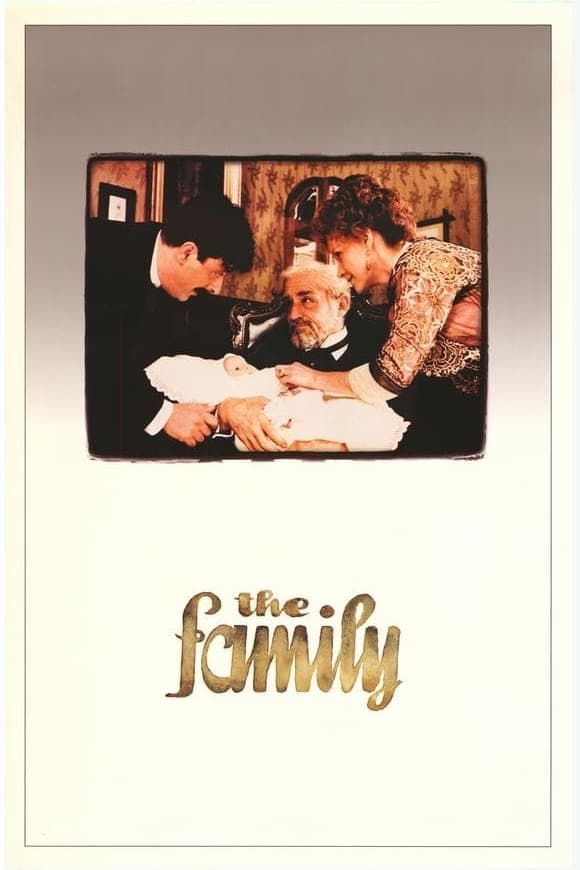
Formal portraits, bookends in this 80-year saga, enclose the central story, which opens with the baptism of Carlo, a baby in his grandfather's lap, and ends with Carlo as a grandfather with a baby in his arms. And never once do we get out of the house, whose rooms provide structure. Comfort or passion? Carlo can't really decide until it's too late.