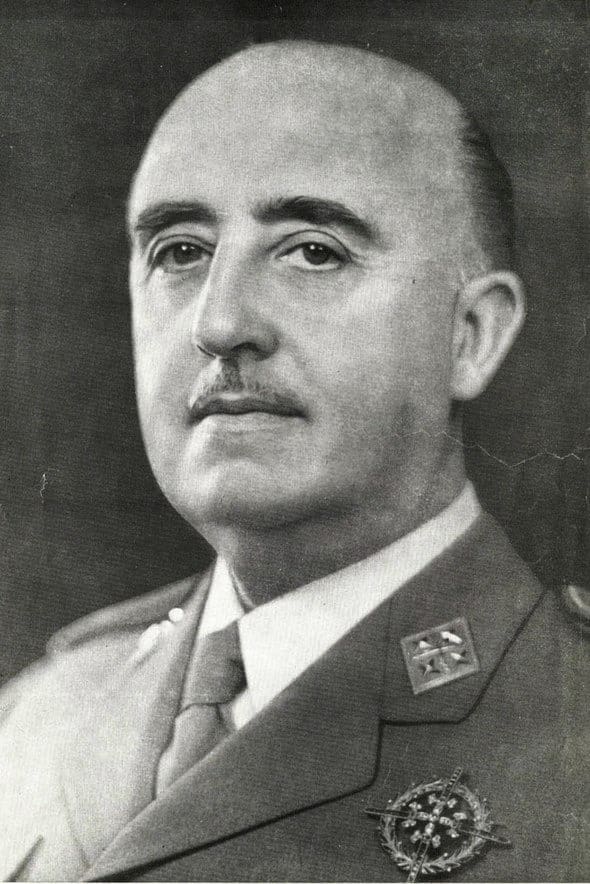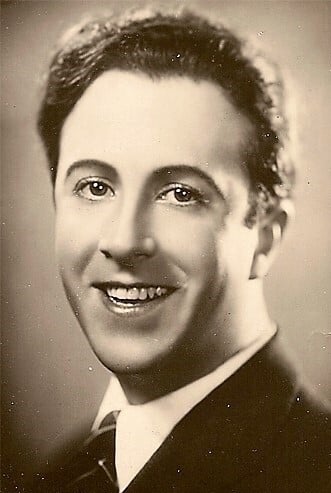
Juan de Orduña
Self - Narrator (voice)
Kimler oynuyor. Birine dokun, başka nelerde oynadığını gör.
Bunu izleyenlerin sonra izlediklerinden seçildi.
 Film7.1
An exploration —manipulated and staged— of life in Las Hurdes, in the province of Cáceres, in Extremadura, Spain, as it was in 1932. Insalubrity, misery and lack of opportunities provoke the emigration of young people and the solitude of those who remain in the desolation of one of the poorest and least developed Spanish regions at that time.
 Film8.2
Sama İçin, savaşın kadınca deneyimlenmesinin samimi ve destansı bir yolculuğu… Genç bir anneden kızına sevgi dolu bir mektup… Film Waad El Katib’in Suriye’nin Halep şehrindeki başkaldırı sırasında, etrafında dehşetli bir çatışma tırmanırken, âşık olduğu, evlendiği ve Sama’yı doğurduğu beş yılını anlatıyor. Waad’ın kamerası inanılmaz kayıp hikâyeleri, kahkaha ve hayatta kalma hikâyelerini yakalıyor, bu sırada Waad imkânsız bir seçimle boğuşmakta: Kızının hayatını korumak için şehirden kaçmalı mı yoksa kaçmamalı mı? Hele de kaçmak, şimdiye kadar oldukça fazla şeyi feda ettiği özgürlük mücadelesini terk etmek anlamına gelirken.
 Film6.2
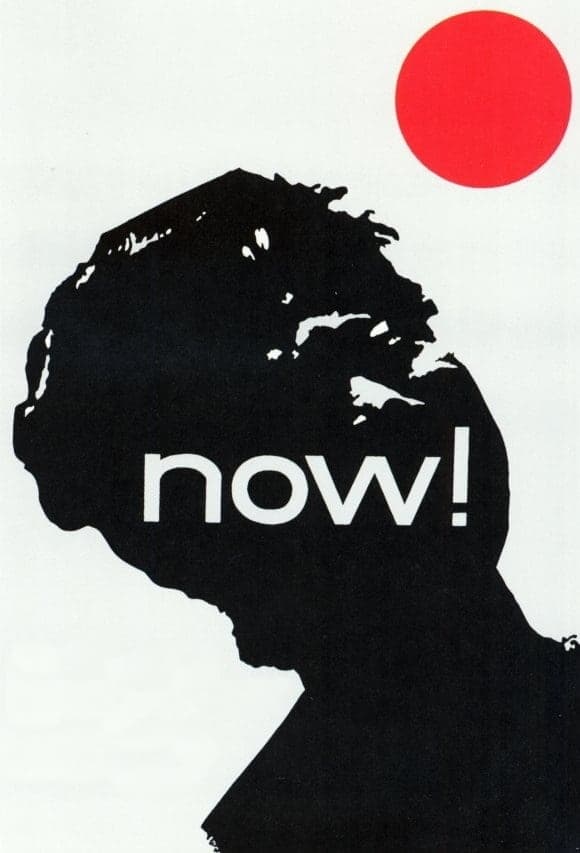
Using morgue photos, newsreel footage, and a recording by Lena Horne, Cuban filmmaker Santiago Alvarez fired off 'Now!', one of the most powerful bursts of propaganda rendered in the 1960s.
1965 · 44 votes
 Film6.4
A documentary on the expletive's origin, why it offends some people so deeply, and what can be gained from its use.
2006 · 90 votes
 Film8.0
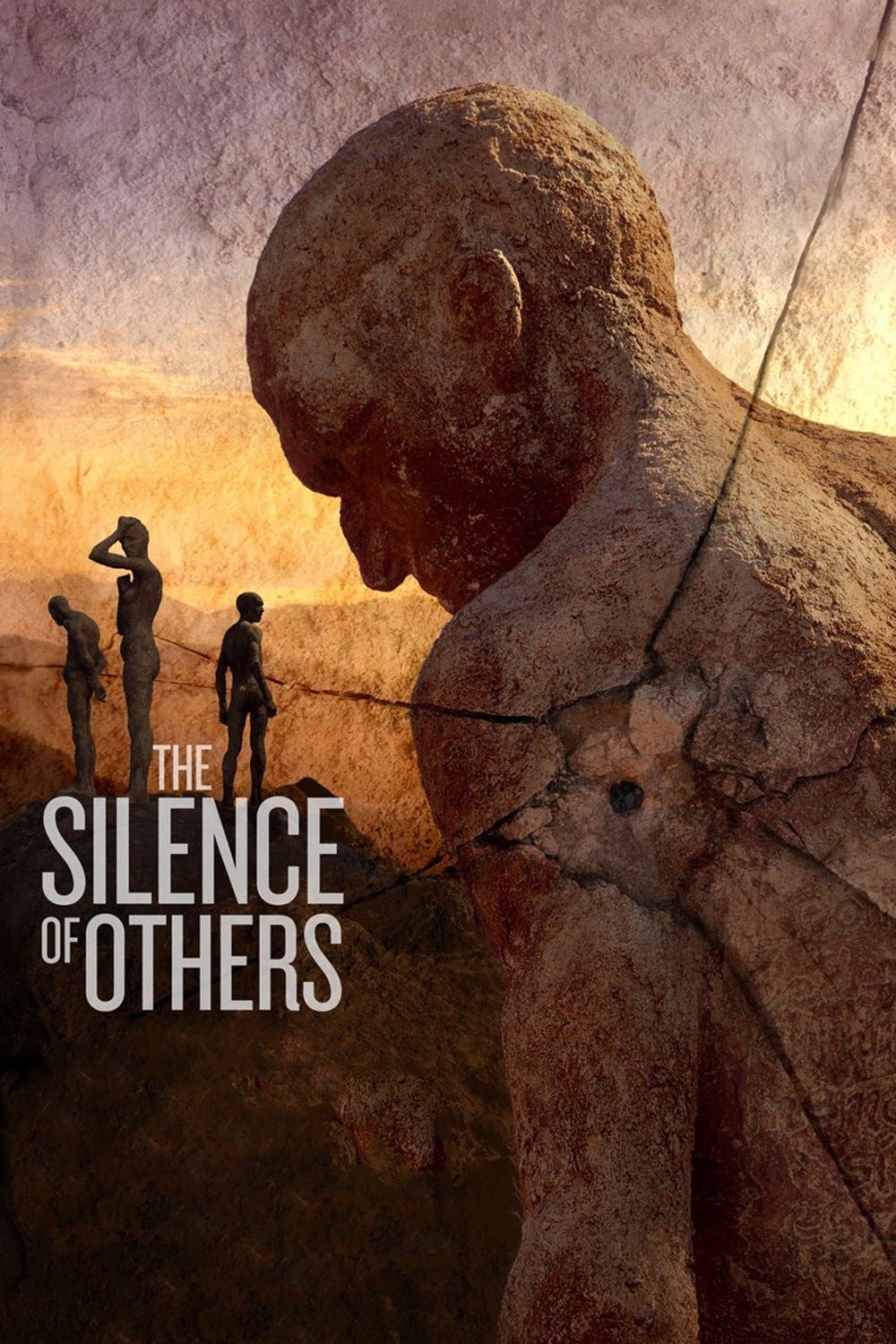
The story of the tortuous struggle against the silence of the victims of the dictatorship imposed by General Franco after the victory of the rebel side in the Spanish Civil War (1936-1975). In a democratic country, but still ideologically divided, the survivors seek justice as they organize the so-called “Argentinian lawsuit” and denounce the legally sanctioned pact of oblivion that intends to hide the crimes they were subjects of.
 Film7.6
When Allied forces liberated the Nazi concentration camps in 1944-45, their terrible discoveries were recorded by army and newsreel cameramen, revealing for the first time the full horror of what had happened. Making use of British, Soviet and American footage, the Ministry of Information’s Sidney Bernstein (later founder of Granada Television) aimed to create a documentary that would provide lasting, undeniable evidence of the Nazis’ unspeakable crimes. He commissioned a wealth of British talent, including editor Stewart McAllister, writer and future cabinet minister Richard Crossman – and, as treatment advisor, his friend Alfred Hitchcock. Yet, despite initial support from the British and US Governments, the film was shelved, and only now, 70 years on, has it been restored and completed by Imperial War Museums under its original title "German Concentration Camps Factual Survey".
2014 · 90 votes