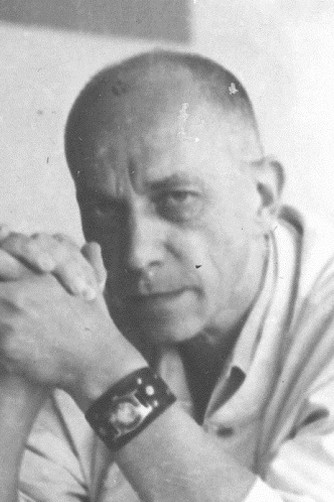
Chris Marker
Yönetmen · 1921 – 2012 · Neuilly-sur-Seine, Hauts-de-Seine, Île-de-France, France
Christian François Bouche-Villeneuve, better known as Chris Marker (France, 29 July 1921 – 29 July 2012), was a French writer, poet, activist, critic, photographer, traveler, journalist, film essayist, multimedia artist, and documentary filmmaker. He began his career as part of the French Rive Gauche group—parallel to but distinct from the Nouvelle Vague—with which he would later share certain themes and collaborators. Marker is credited with developing the subjective documentary and is considered a pioneer of collective cinema in France. His films are known for their poetic, essayistic, and often experimental qualities, blending a reflective voice with a fascination for memory, art, war, politics, culture, and nature. Over six decades of work, he observed the world with meticulous curiosity, irony, and compassion, continually experimenting with new forms of image manipulation and montage. He was also famously elusive. For many years, few people knew what Chris Marker looked like—he disliked being photographed, and no confirmed portraits were publicly available. He often amused himself by giving contradictory accounts of his life in the rare interviews he granted. As Philippe Dubois observed, “Chris Marker is, in a way, the most celebrated of the unknown filmmakers.” His official website adds: “Rather than a man without qualities, he is a man without biography.” Marker also worked under numerous pseudonyms, including Hayao Yamaneko, Jacopo Berenzini, Kosinki, Michel Krasna, Sandor Krasna, and Guillaume-en-Égypte (his feline avatar), though his best-known identity remains Chris Marker. Among his most significant works are La Jetée (1962), Sans Soleil (1983), Far from Vietnam (1967), A Grin Without a Cat (1977), A.K. (1985), Level Five (1997), and One Day in the Life of Andrei Arsenevich (1999). He also explored interactive and digital media with the CD-ROM Immemory (1997), maintained a website titled Gorgomancy, a YouTube channel called Kosinki, and created a virtual gallery, Ouvroir, within the online world Second Life.
Filmler20
 Film7.7Belgesel
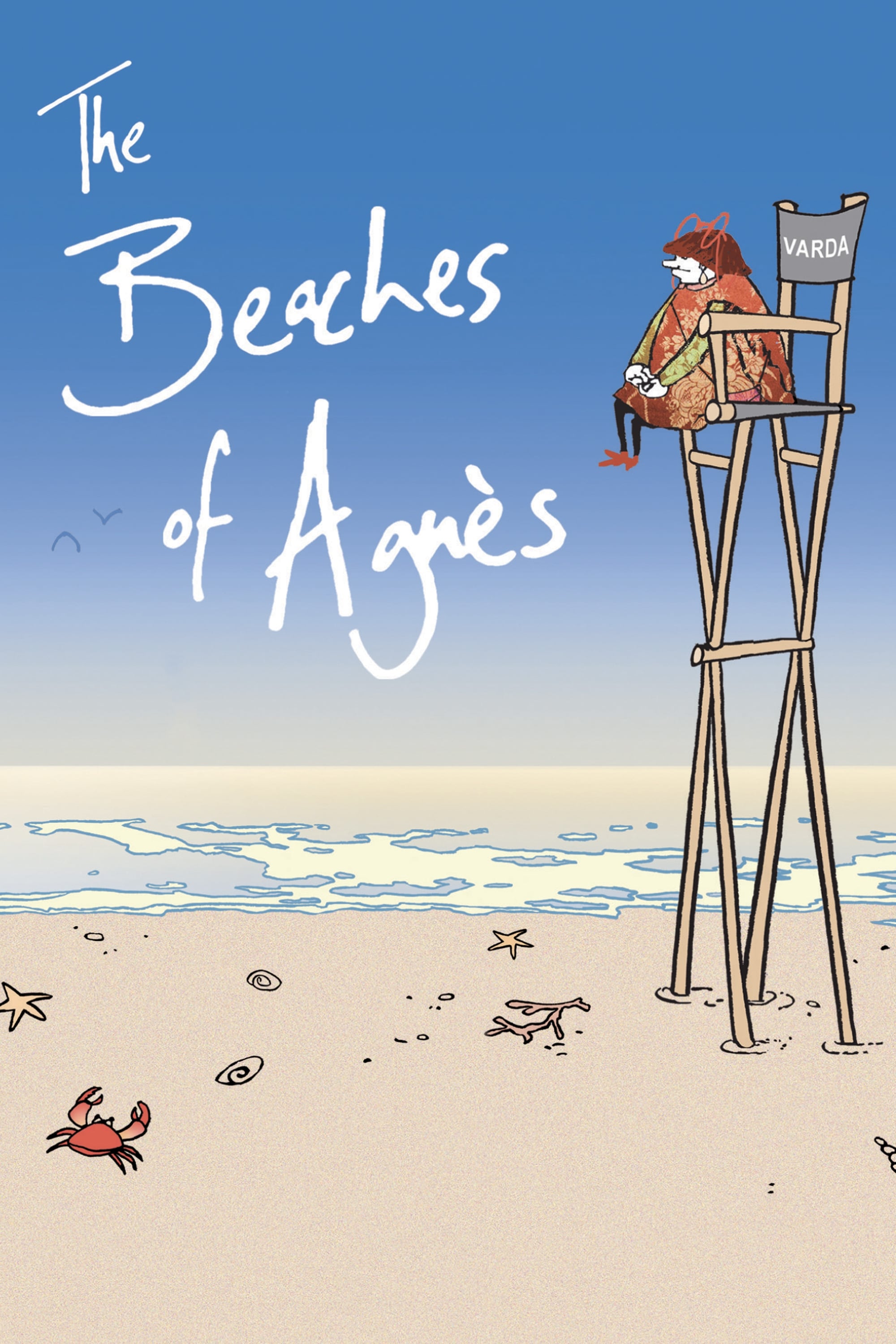
Yeni Roman hareketinin ve savaş sonrası sinemanın önemli isimlerinden olan seksen yaşındaki Agnes Varda, sık sık işlerinde kendisini kameranın önüne koymuştur. Ama bunların sonuncusu, özgeçmiş niteliğinde bir deneme, yönetmenin bir sahilde geri geri yürüdüğü sahneyle açılan "bir çiçek dürbünü, bir kolaj, bir fantezi" adeta. Sahildeyiz, çünkü biri gelip onu açsa içindeki sahillerin ortaya çıkacağını söylüyor. Yönetmen dostu Chris Marker’ın da elle çizilmiş bir kedi cismine bürünerek anlattığı Agnes’in Plajları, Varda’nın fotoğraflar, eski çekimler, film sahneleri ve günümüzde çekilen sekanslardan örülü yaşamına ve hafızasına dair derin, çekici ve dokunaklı ifadelerden oluşuyor.
 Film7.5Belgesel
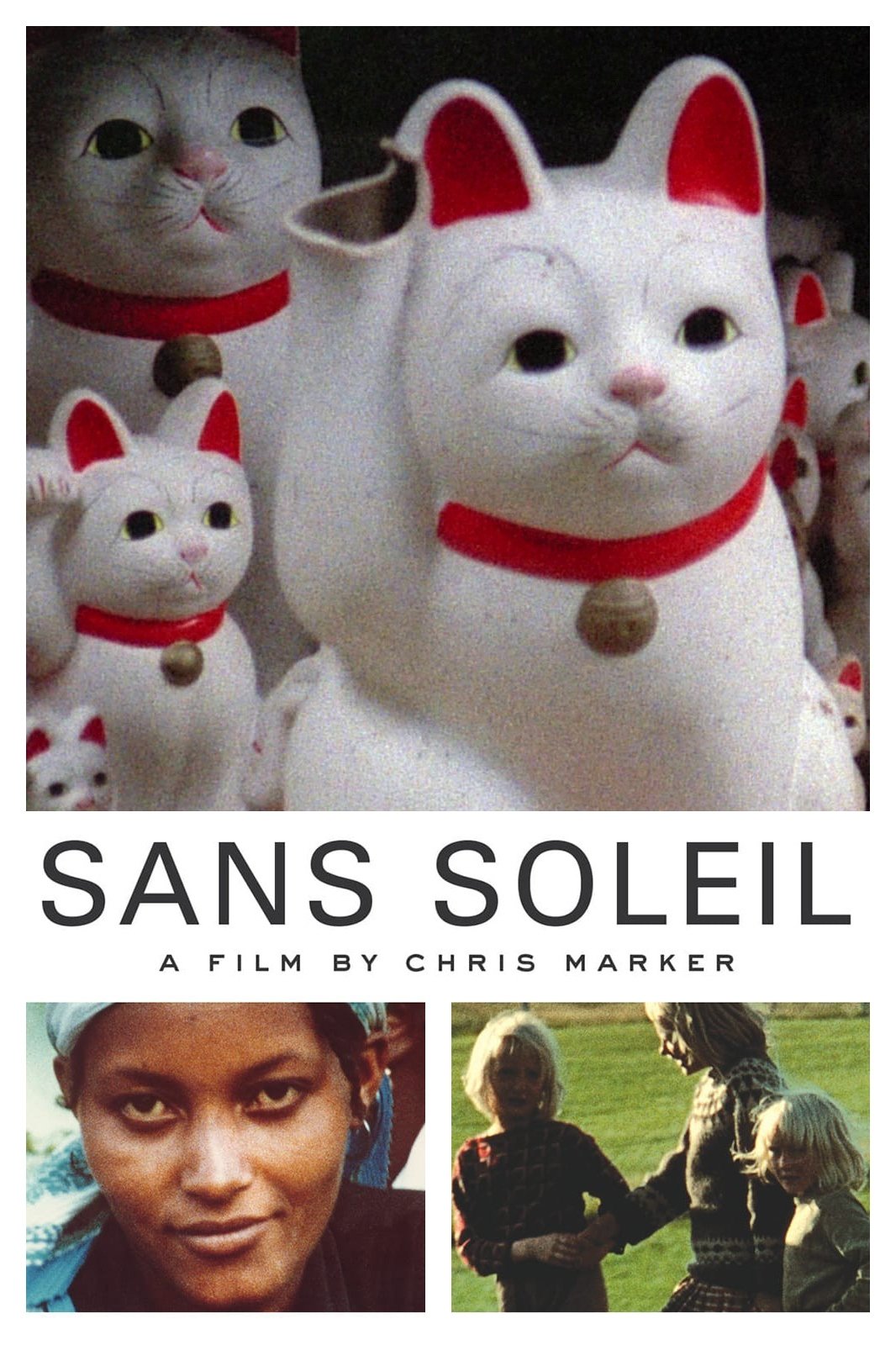
Sans Soleil (Güneşsiz) Fransız yönetmen Chris Marker'in 1983 yılında çektiği en önemli filmlerinden birisidir. Filmin ismi, Modest Mussorgsky'nin Güneşsiz adlı (Rusça: Без солнца, Bez Solntsa) şarkı çemberinden alınmıştır. Genel olarak insan hafızası ve hatırlama üzerine eğilir film. Japonya gündelik hayatına ve geçmişe odaklanır.
 FilmBelgesel
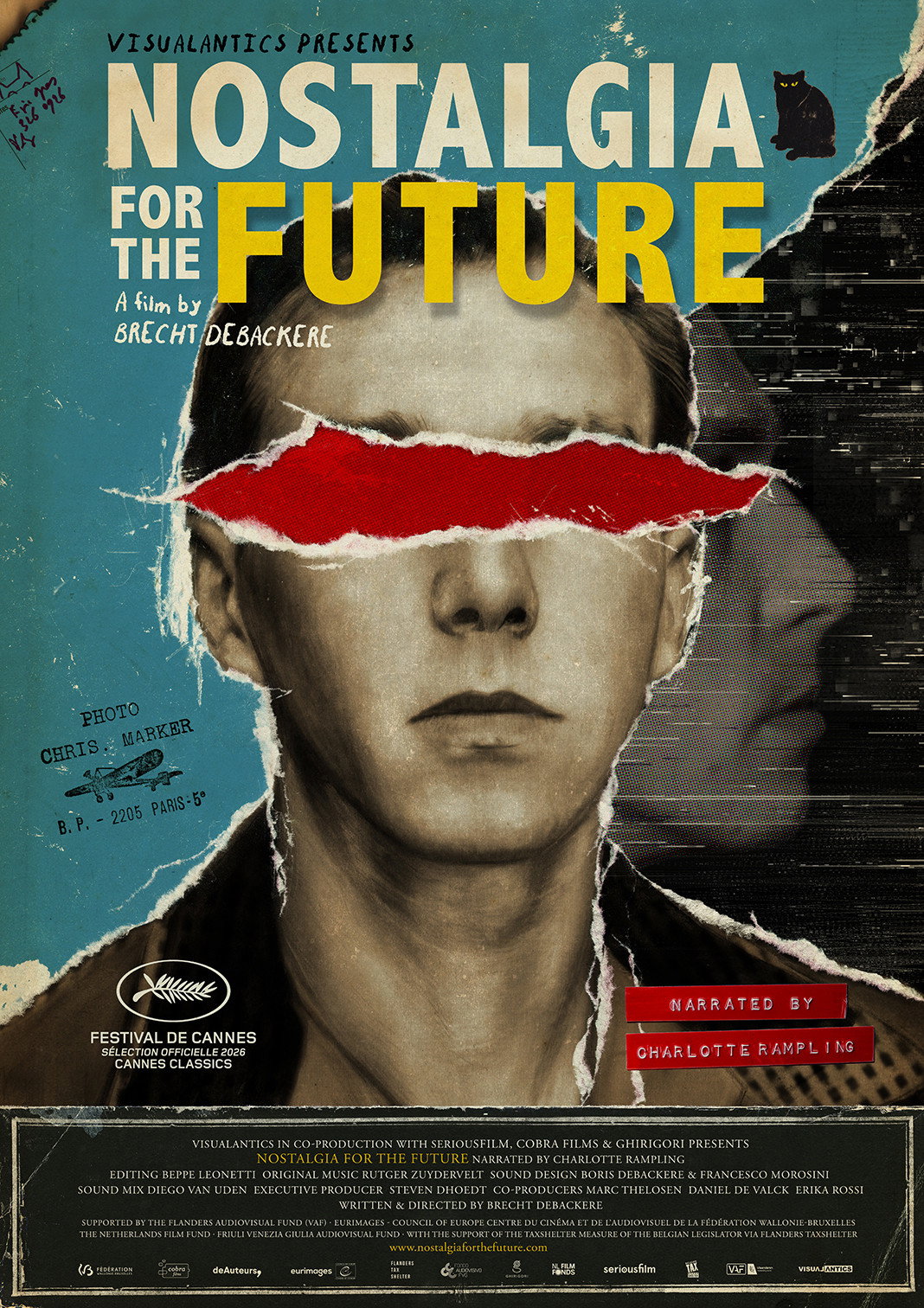
Guided by the evocative narration of Charlotte Rampling, Nostalgia for the Future is a descent into the labyrinthine world of Chris Marker, the “best-known author of unknown films,” who spent a lifetime concealing himself behind a veil of pseudonyms and images of cats. Moving through a constellation of personal documents and film fragments, an archivist attempts to decode the man through the material traces he left behind. By repurposing and recontextualizing Marker’s own body of work, the film treats his images as “time machines,” transforming the archive into a landscape of living memory. Nostalgia for the Future is a meditation on memory, identity, and the power our past images hold over the futures we imagine.
 Film7.5TV MovieBelgesel
Chris Marker’s portrait of Russian filmmaker Andrei Tarkovsky documents the director at work on his final film, The Sacrifice, during the last year of his life. Interweaving behind-the-scenes footage with excerpts from Tarkovsky’s earlier works, Marker crafts a moving reflection on the artist’s vision, methods, and enduring legacy.
 Film8.0Belgesel
Candid interviews of ordinary people on the meaning of happiness, an often amorphous and inarticulable notion that evokes more basic and fundamentally egalitarian ideals of self-betterment, prosperity, tolerance, economic opportunity, and freedom.
 FilmBelgesel
A document of Perestroika, to be viewed as (nearly) unedited rushes of a voyage to Moscow, preserved by compatriot Costa-Gavras. Says Émilie Cauquy of the French Cinémathèque, "Astonishing unpublished travel diary, shot by Chris Marker in analog video on the occasion of a screening of L'Aveu in Moscow in 1990 [...] Armed with his camcorder, Marker films and records the comments, takes on the role of contemporary capital according to this unique ethnographic method that he has perfected".
 Film7.6Belgesel
Agnès Varda travels around the world to meet friends, artists and filmmakers for an expansive view of the global contemporary art scene.
 Film5.7Belgesel
What was your first desire? What did you long for most? Arielle Dombasle put these questions to a wide circle of famous people.
La Traversée du désir
2009 · 3 votes
 Film7.1Belgesel
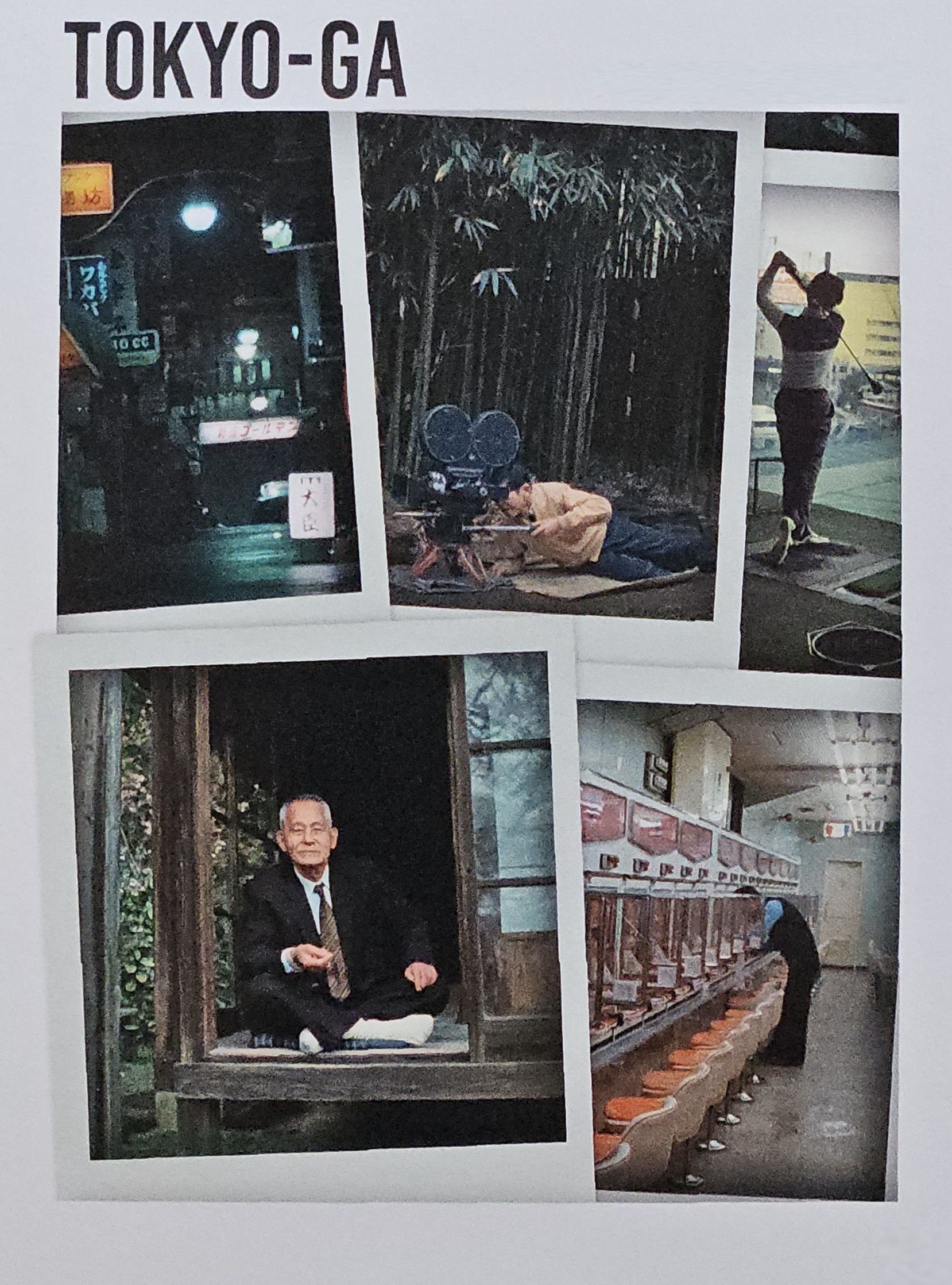
German director Wim Wenders tries to explore the Tokyo that was depicted in the films of Yasujiro Ozu and finds a very different city.
Tokyo-Ga
1985 · 106 votes
 FilmBelgesel
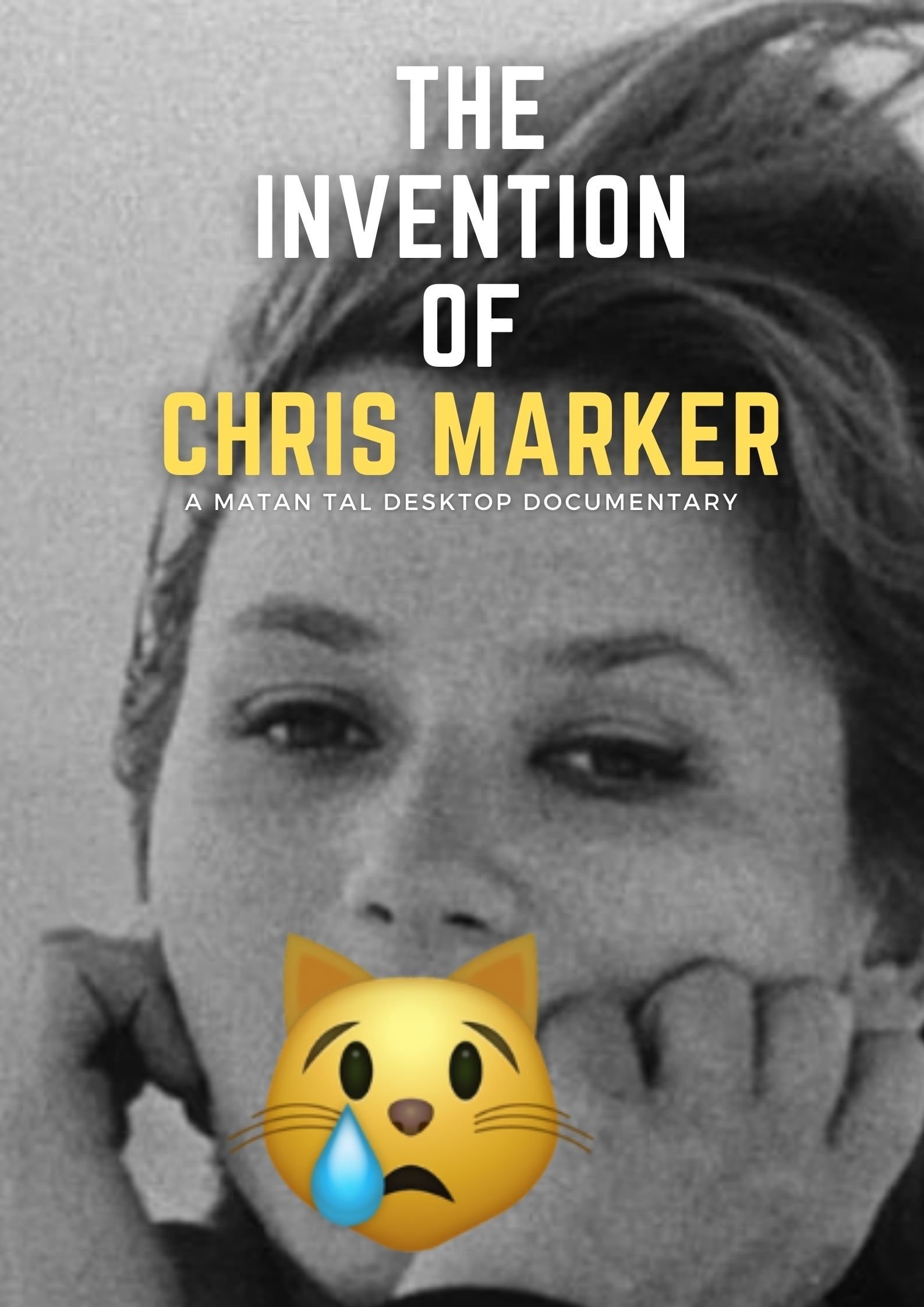
A desktop documentary about the online afterlife of the late French filmmaker, Chris Marker.
 Film6.3Belgesel
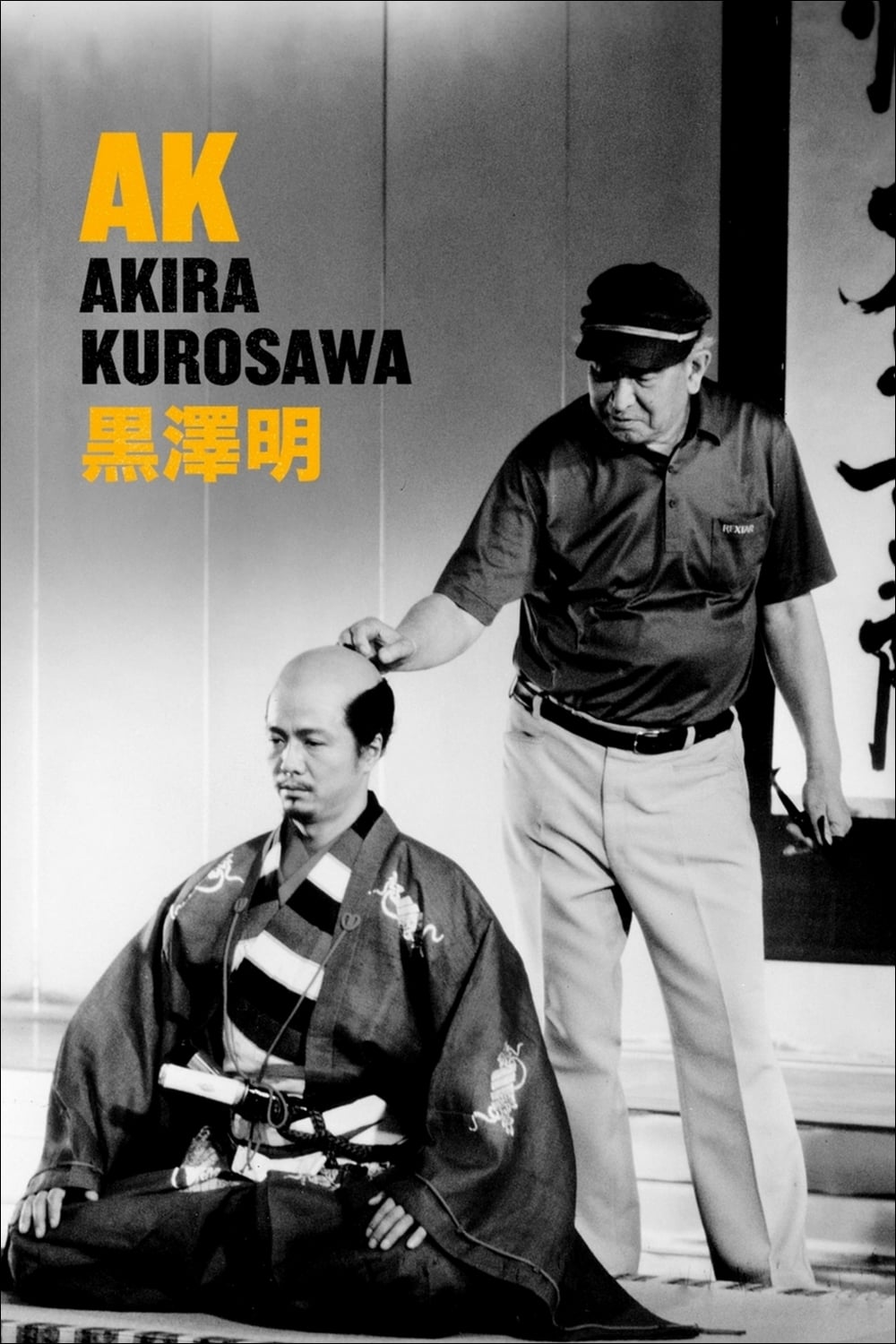
An intimate chronicle of the shooting of Ran (1985), a film directed by the legendary Japanese filmmaker Akira Kurosawa.
A. K.
1985 · 40 votes
 Film6.8BelgeselTarih
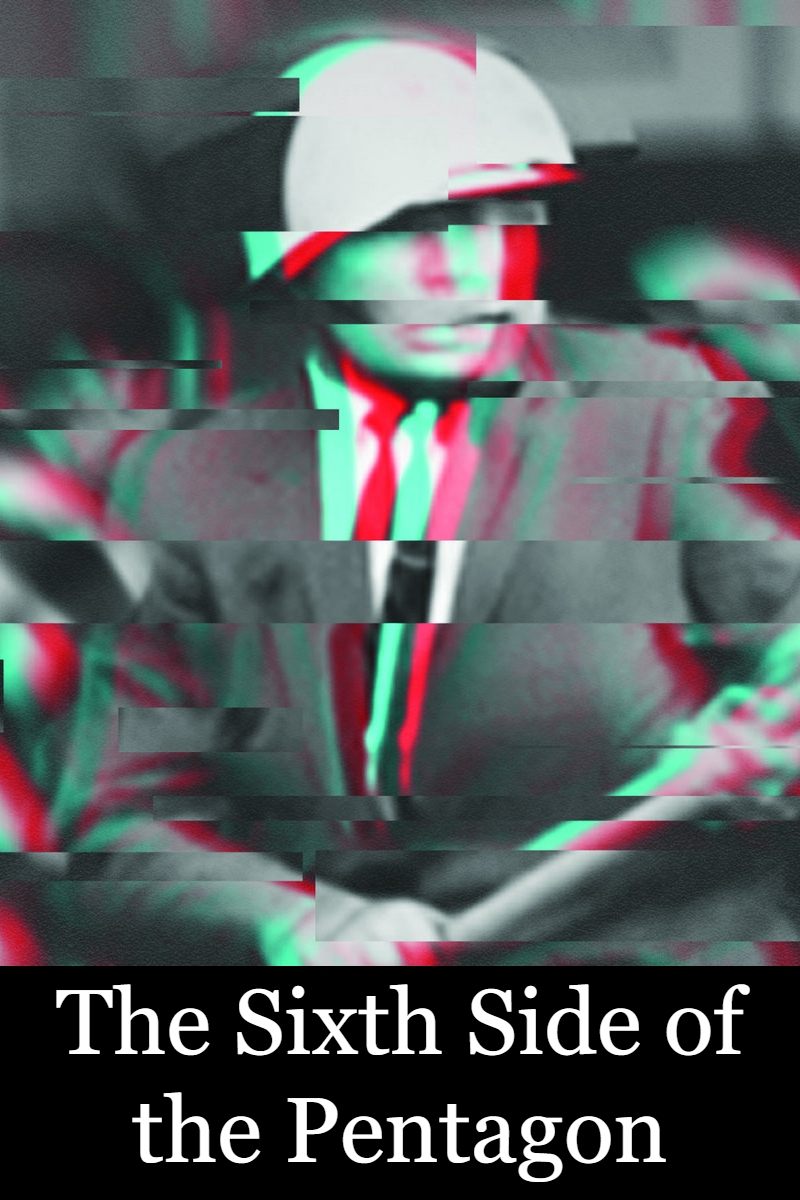
Chris Marker and François Reichenbach document the massive anti–Vietnam War protest held in Washington, D.C., on October 21, 1967, where more than 100,000 demonstrators gathered at the Lincoln Memorial before marching on the Pentagon. Filmed amid the crowd, the short captures the tension, idealism, and growing radicalism of the American peace movement.
 Film5.6Belgesel
Chris Marker’s Tokyo Days follows the filmmaker and actress Arielle Dombasle as they wander through Tokyo, beginning with an encounter with a live mannequin in a shop window. Mixing casual observation with playful edits, Marker captures everyday scenes—from subways to markets—in a personal video diary of the city.
Tokyo Days
1988 · 8 votes
 Film7.2Belgesel
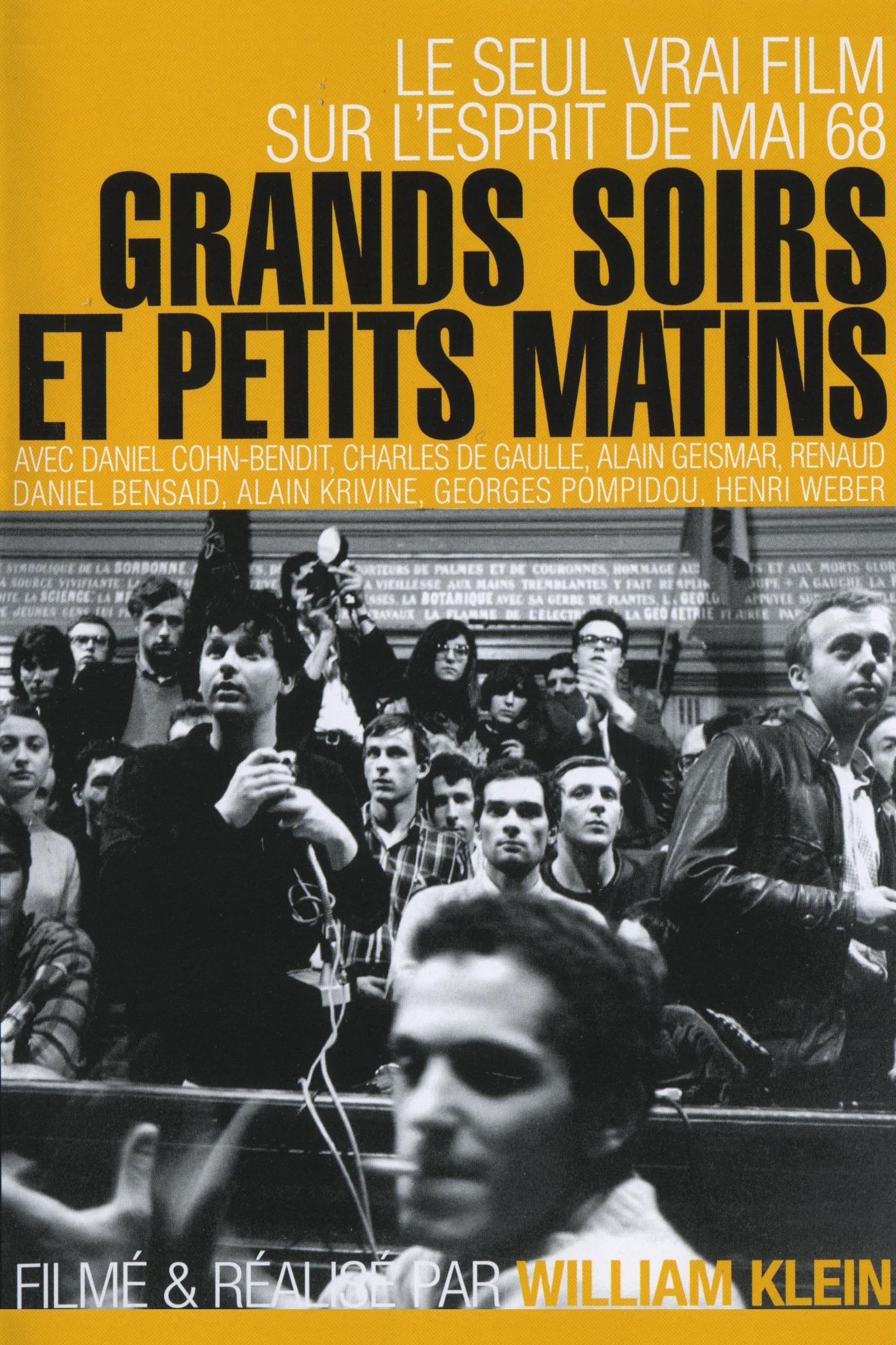
Filmmaker William Klein documents the Paris student riots that occurred in May of 1968.
 Film6.1BelgeselSavaş
Laura, a French programmer, inherits the task of creating a game about the World War II Battle of Okinawa. Her research and interviews with Japanese experts and witnesses prompt her to reflect on life, humanity, and the lasting influence of history and memories.
Level Five
1997 · 32 votes
 FilmBelgesel
Posthumous portrait of Chris Marker, the elusive French filmmaker- essayist, traveller, photographer and cat-lover. Two filmmakers, Jean-Marie Barbe and Arnaud Lambert, propose a chronological journey through his thoughts and cinematographic work: from the cartography of new political utopia in the 1950s, from Siberia to La Habana, to its relentless defeat, starting with Chile; from his review of cinéma-verité to the great television experience in "L'Héritage de la chouette", which traces a journey through classical Greece, organized into twelve words.
 Film6.9Belgesel
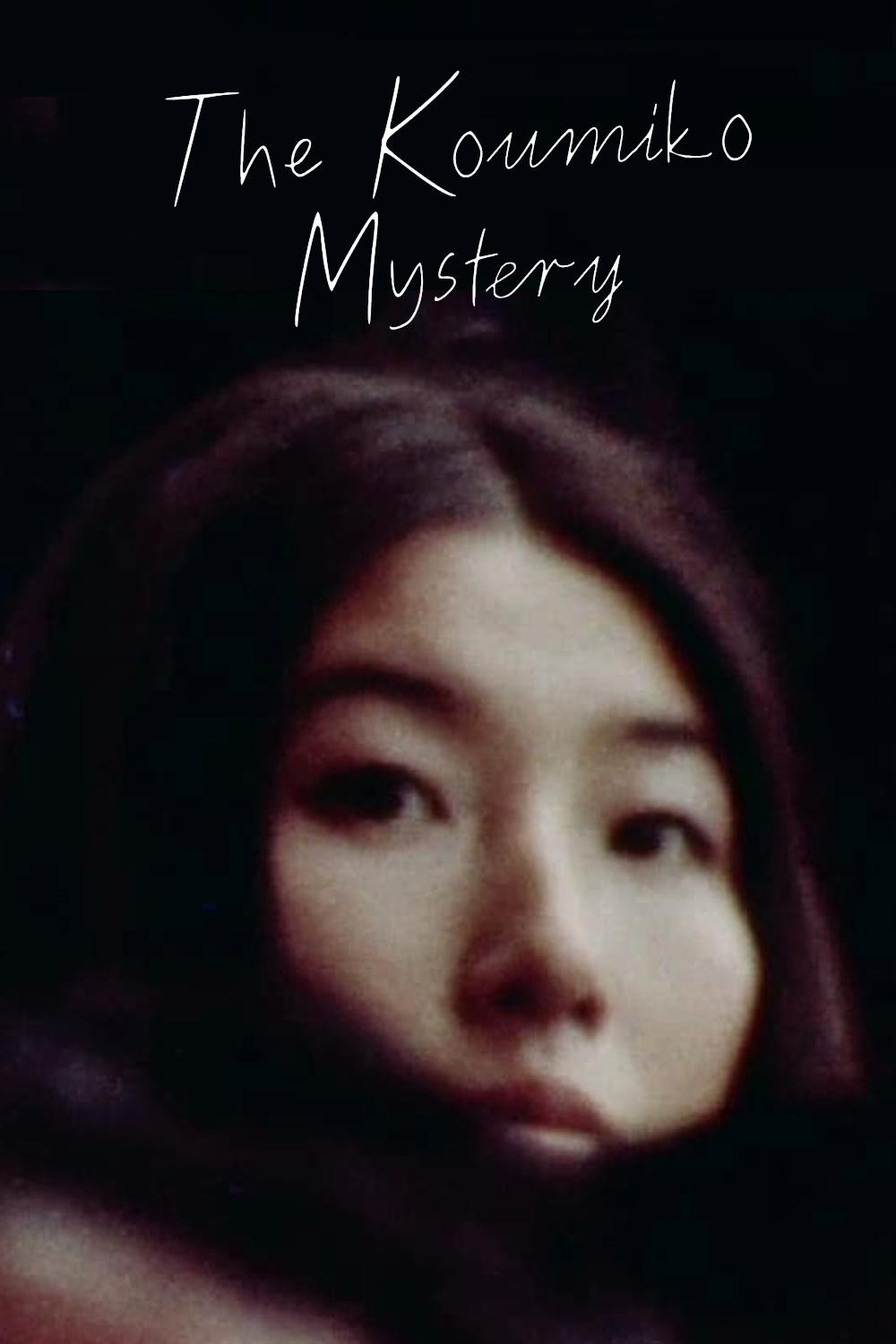
Koumiko Muraoka, a young Japanese woman born in Manchuria and educated in France, wanders through Tokyo while she reflects on identity, memory, and what it means to be Japanese in a rapidly changing world.
 Film6.2Belgesel
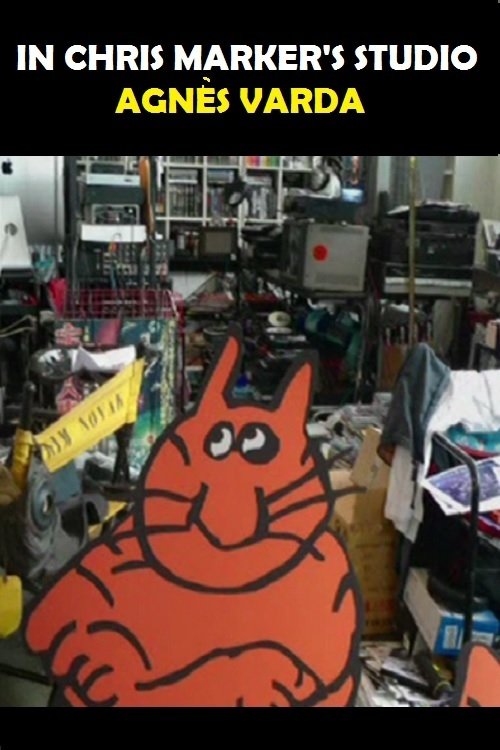
Two friends (and legendary French New Wave filmmakers) meet in real and virtual worlds.
 Film7.0Belgesel
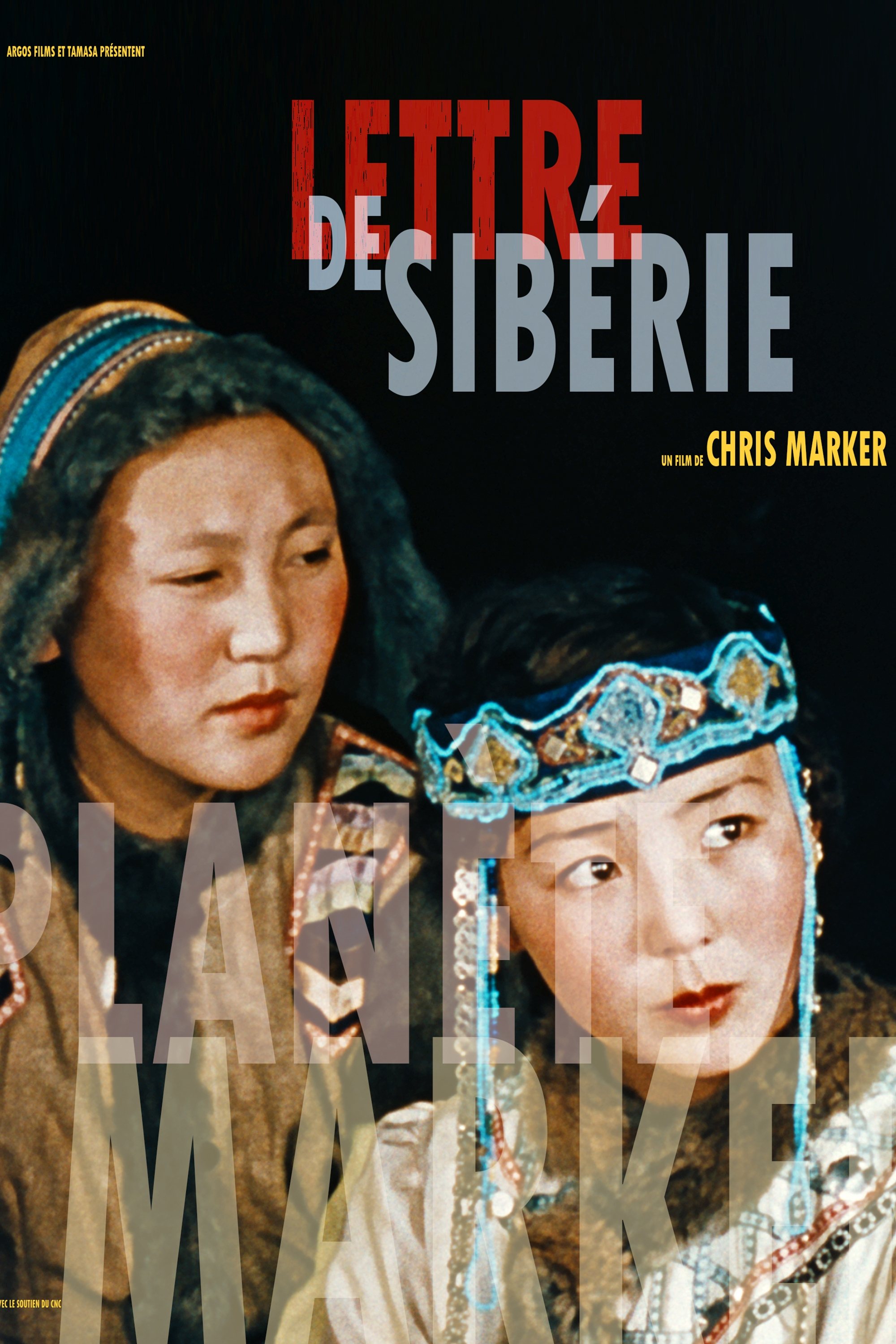
A faceless traveller takes a journey through the barren reaches of a Siberia caught between tradition and modernity, imparting his philosophical musings on its people and places, wildlife and culture.
 Film7.7Belgesel
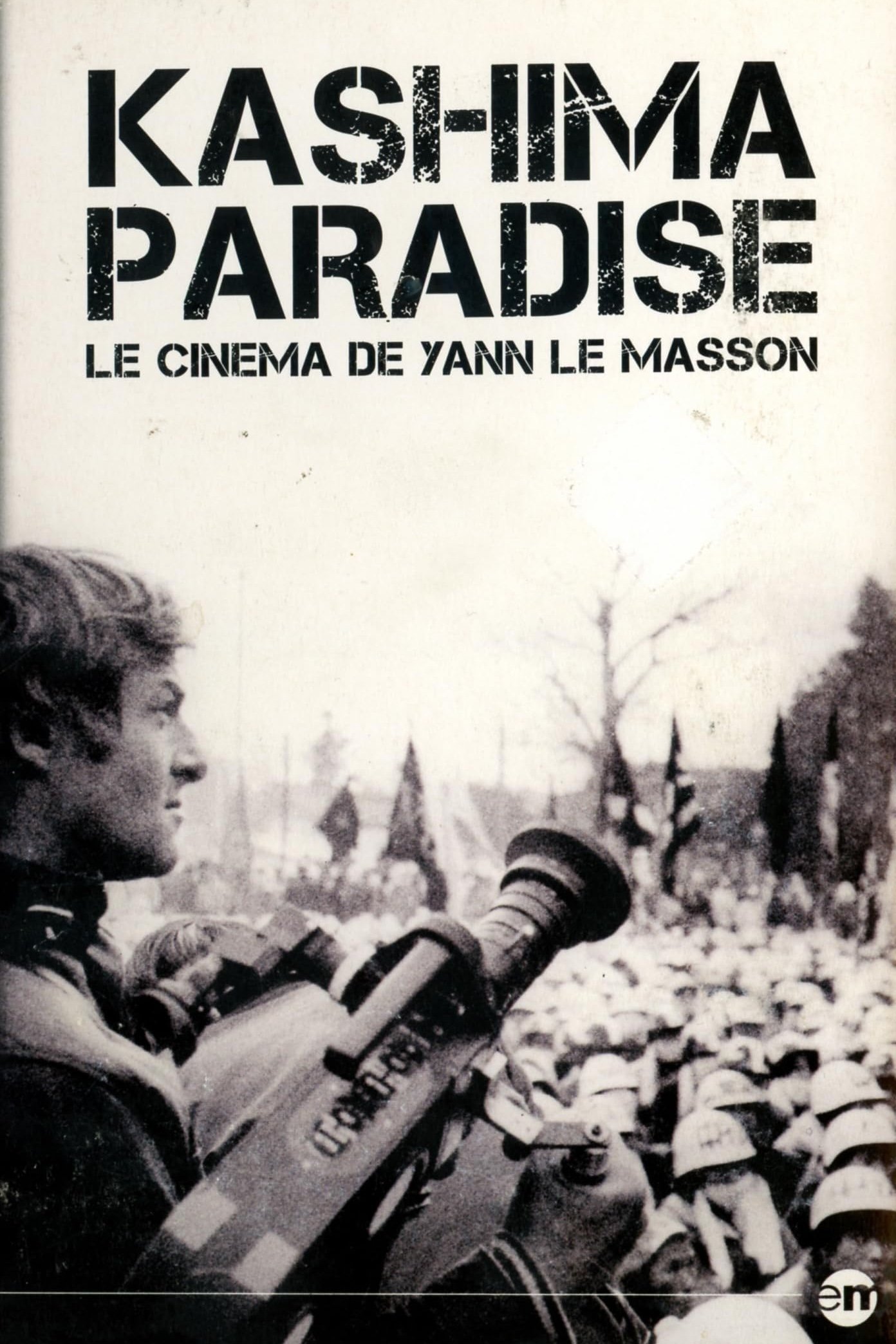
This 1973 French documentary explores the conflict between modern values and material comforts in Japan and the more traditional obligations (giri) and culture which are still the real backbone of the society. Among the topics touched on are the Osaka Expo, battles against pollution, and Japanese leftist movements.
Kashima Paradise
1973 · 3 votes