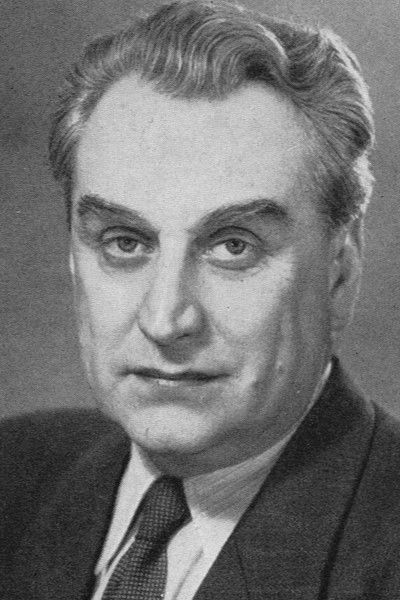
Grigori Aleksandrov
Yönetmen · 1903 – 1983 · Yekaterinburg, Russian Empire
Grigori Vasilyevich Aleksandrov or Alexandrov (original family name was Mormonenko; 23 January 1903 - 16 December 1983) was a prominent Soviet film director who was named a People's Artist of the USSR in 1947 and a Hero of Socialist Labor in 1973. He was awarded the Stalin Prizes for 1941 and 1950. Initially associated with Sergei Eisenstein, with whom he worked as a co-director, screenwriter and actor, Aleksandrov became a major director in his own right in the 1930s, when he directed Jolly Fellows and a string of other musical comedies starring his wife Lyubov Orlova. Though Aleksandrov remained active until his death, his musicals, amongst the first made in the Soviet Union, remain his most popular films. They rival Ivan Pyryev's films as the most effective and light-hearted showcase ever designed for Stalin-era USSR. Description above from the Wikipedia article Grigori Aleksandrov, licensed under CC-BY-SA, full list of contributors on Wikipedia.
Filmler8
 Film7.6DramTarih
Sinema tarihinin ilk 10 filminden biri... Dünya sinemasının başyapıtları arasında, tüm zamanların en önemli filmi olan Potemkin Zırhlısı; 1905 devrimi yansıtan devrimci bir film olmasının yanında, büyük usta Eisenstein'ın sinema sanatında devrim yaratan bir çalışmasıdır. Potemkin Zırhlısı'nda, tarihin en baskıcı rejimlerinden Rus Çarlığına karşı halkın ayaklanması ve dayanışması yalın ama sarsıcı bir dille anlatılmaktadır. Eisenstein, Potemkin Zırhlısı'nda, sinema tarihinde bir ilki gerçekleştirdi ve filmin baş kahramanı olarak "yıldızlar" yerine, halk kitlelerini seçti. Bolşevik devrimi, sanatın tüm alanında olduğu gibi, sinema sanatında da büyük bir canlanma yarattı. Ve çeşitli sinema akımları bu dönemde özgün örneklerini sundu. Sinema ustası Dziga Vertov'un sinema kuramı ve biçemi Sinema-Göz'e karşı Einsestein, Sinema-Yumruk kuramını geliştirdi ve ilk örneğini Potemkin Zırhlısı'yla verdi..
 Film7.4Dram
Eisenstein'ın bu yapıtındaki tutumu, yöntemi, anlatımı ve biçemi nedeniyle Grev sinema tarihinde bir ilktir. Sinemanın Ekim'i dir. Avrupa-Amerikan sinemasının bilinen yöntemlerine ve felsefesine cepheden karşı çıkarak, öyküyü kaldırarak, yıldızları dışlayarak; yıldızların, başoyuncuların arka planında basit bir detay olarak yer alan hiçleri, önemsizleri, figüran olarak sunulanları topyekün "başoyuncu" haline getirerek, devrimin işlevini, yani "ne işe yaradığını" kendi sinema yönteminde anlatmıştır.
- Film3.3DramMüzik
Archive footage from Potemkin (1925), with English dialogue dubbed in by American actors, is combined with new footage to tie together the brave stand of Odessa Russian guerrilla bands of the 1940's against German forces with the similar situation of 1905 when Odessa citizens aided in the revolt against the Czar as depicted in Eisenstein's classic Potemkin (1925).
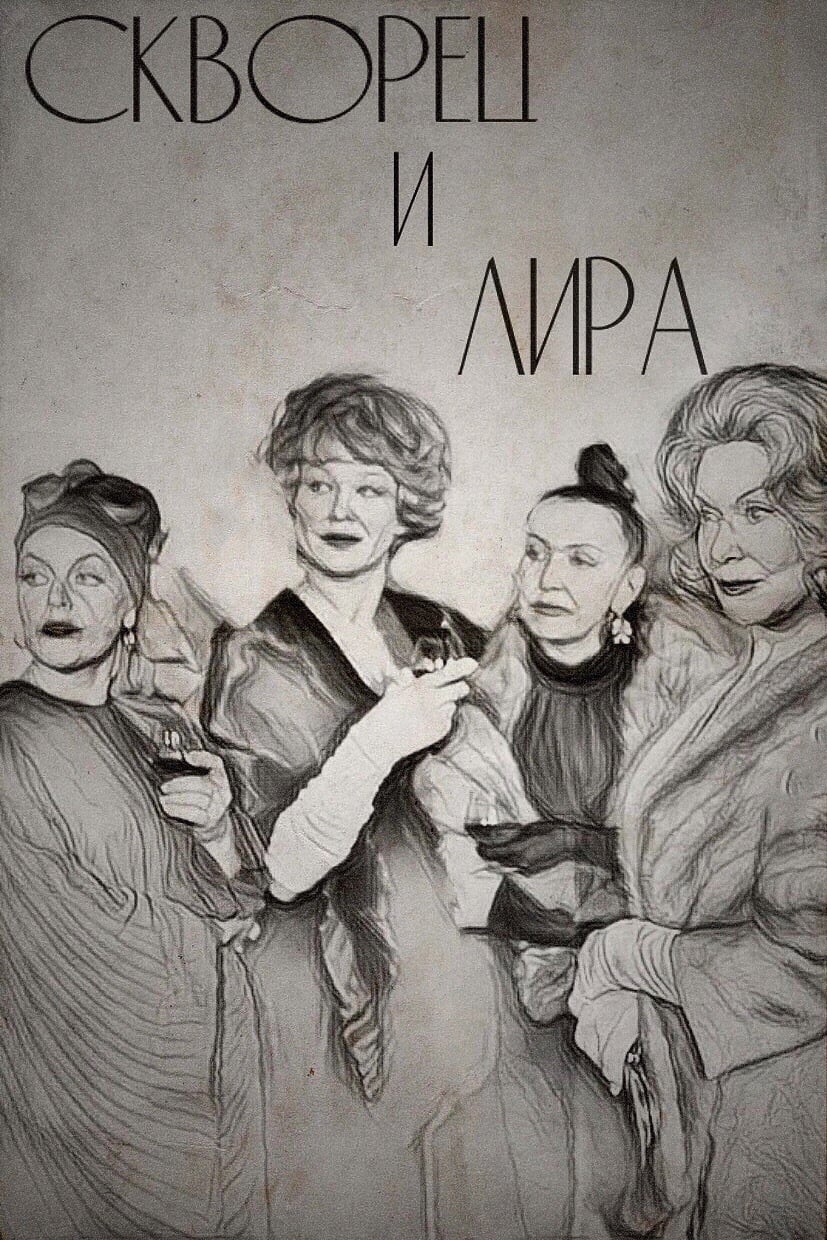 Film6.0RomantikGerilim
Soviet intelligence spouses — Lyudmila ("Lyre") and Fyodor ("Starling") Grekov at the beginning of the Great Patriotic War are tasked with settling in Germany. Personnel intelligence officers with vast experience are successfully introduced into German society and begin to work actively. At the end of the war, during the bombing of Berlin, fate separates them, but then they will meet in the new Germany and continue their work.
 Film6.8BelgeselDram
Having revolutionized film editing through such masterworks of montage as Potemkin and Strike, Soviet director Sergei Eisenstein emigrated West in hopes of testing the capabilities of the American film industry. Quickly ostracized from Hollywood, Eisenstein, Grigory Alexandrov, and photographer Eduard Tisse (at the urging of author Upton Sinclair) wandered south of the border, where they began filming a highly stylized documentary about the people and volatile social climate of Mexico. Unfortunately, a lack of funds prohibited the film's completion, and the famed director was unable to edit the film. In 1979, by referring to Eisenstein's extensive notes and sketches, Alexandrov assembled the most definitive version of the film; as close to Eisenstein's vision as one is ever likely to see.
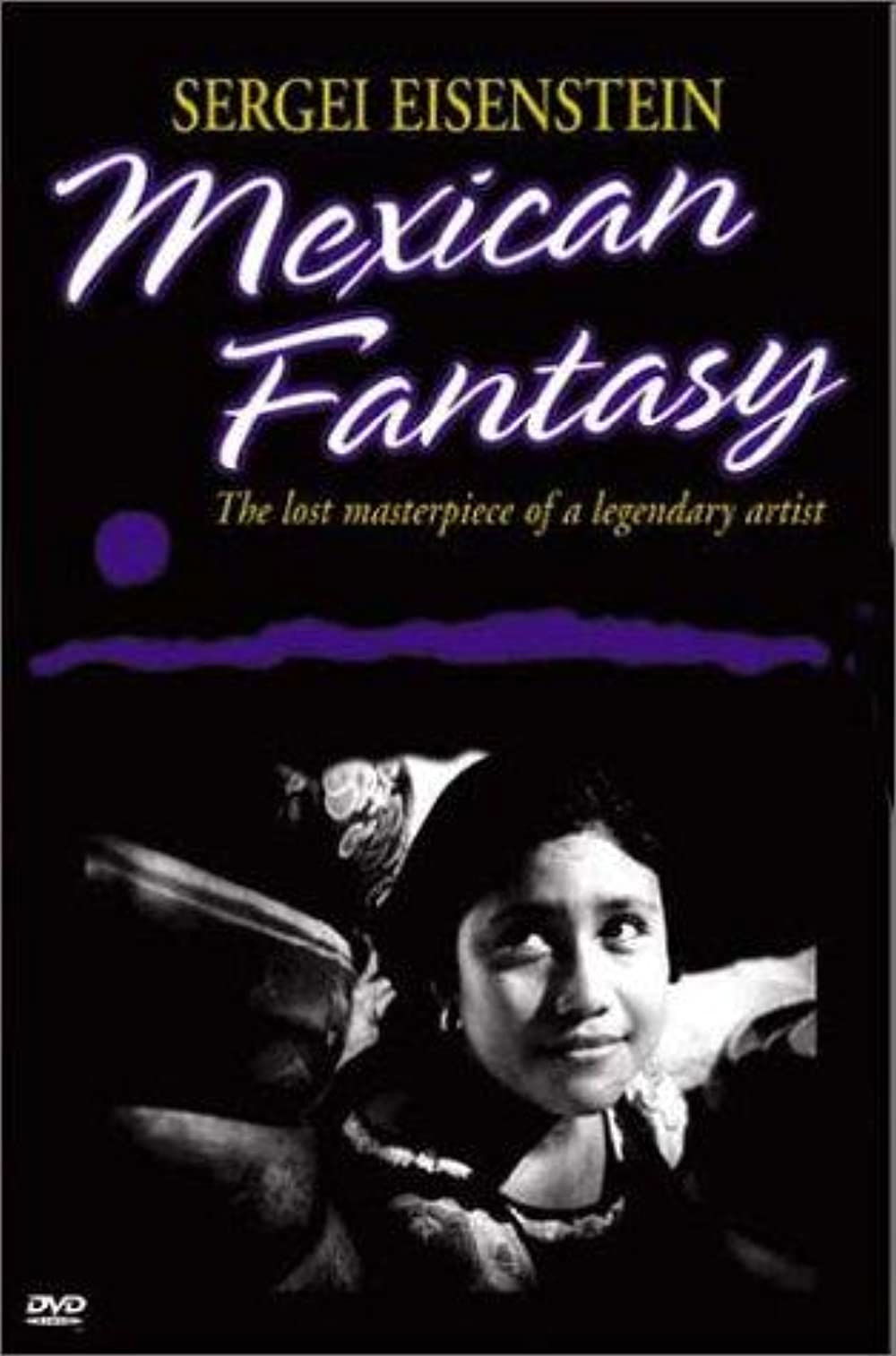 Film7.0Belgesel
Eisenstein shot 50 hours of footage on location in Mexico in 1931 and 32 for what would have become ¡Que viva México!, but was not able to finish the film. Following two wildly different reconstruction attempts in 1939 (Marie Seton's 'Time in the Sun') and 1979 (Grigori Alexandrov's '¡Que viva México!') Kovalov has here compiled another hypothetical version of what Eisenstein's film might have been.
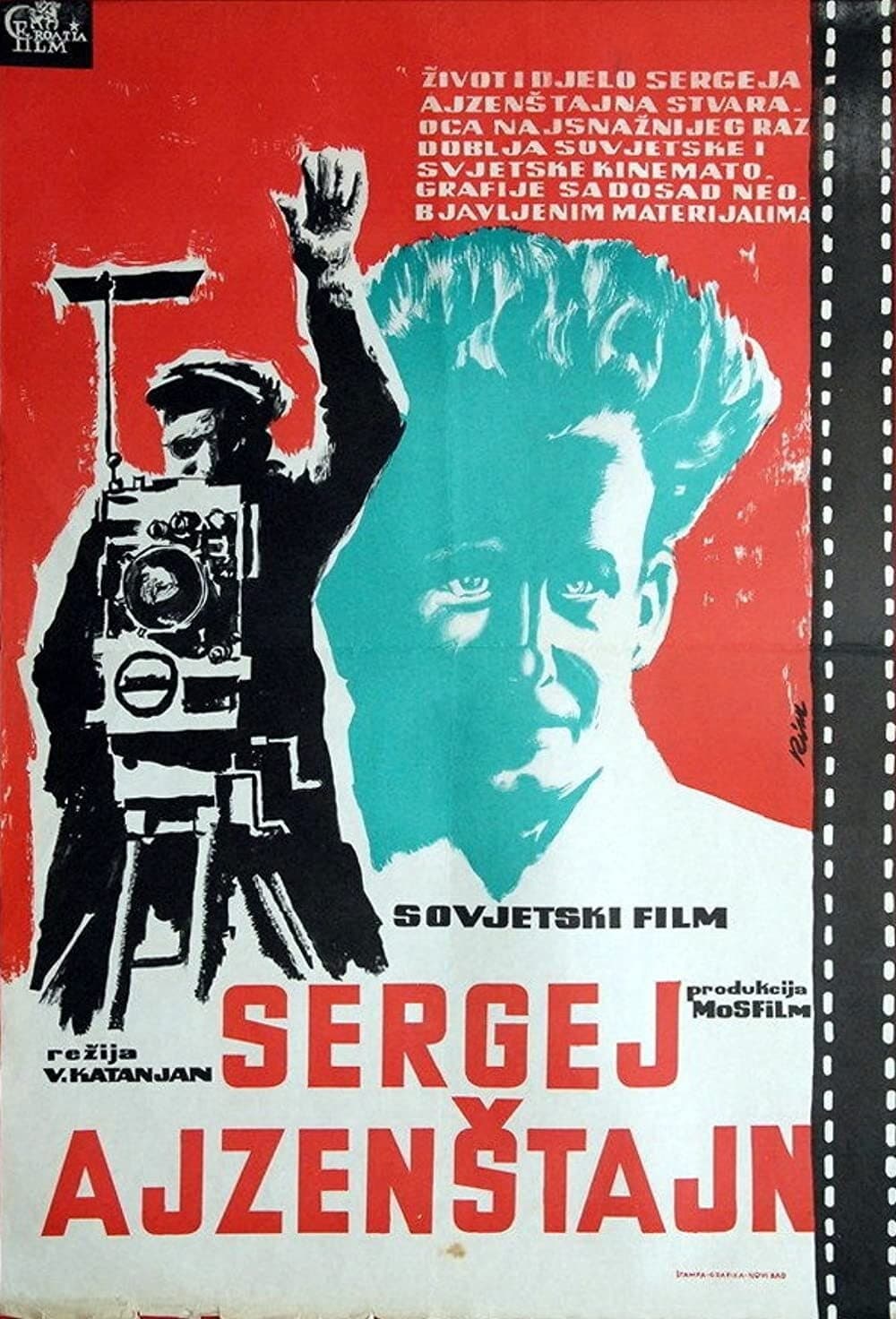 FilmBelgesel
Documentary made for the 60th anniversary of Soviet director Sergei Eisenstein.
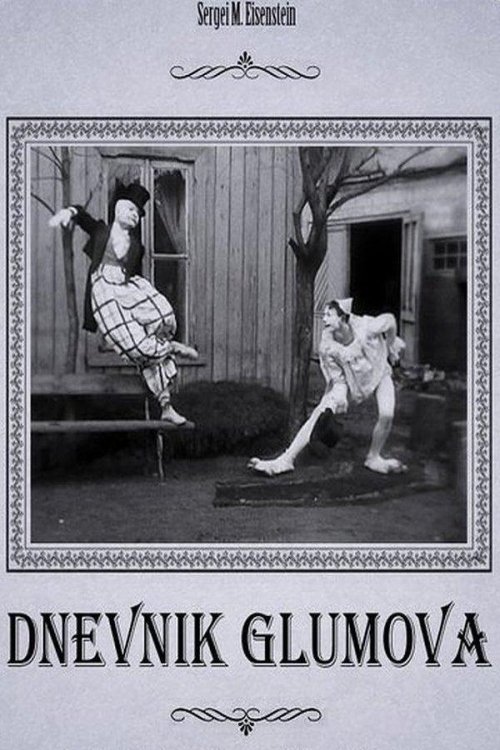 Film5.1FantastikKomedi
Filmic insert to Eisenstein's modernized, free adaptation of Ostrovskiy's 19th-century Russian stage play, "The Wise Man" ("Na vsyakogo mudretsa dovolno prostoty"). The anti-hero Glumov tries to escape exposure in the midst of acrobatics, derring-do, and farcical clowning. Several members of Eisenstein's troupe at the legendary "Proletkult" stage theatre in Moscow briefly appear in this little film.