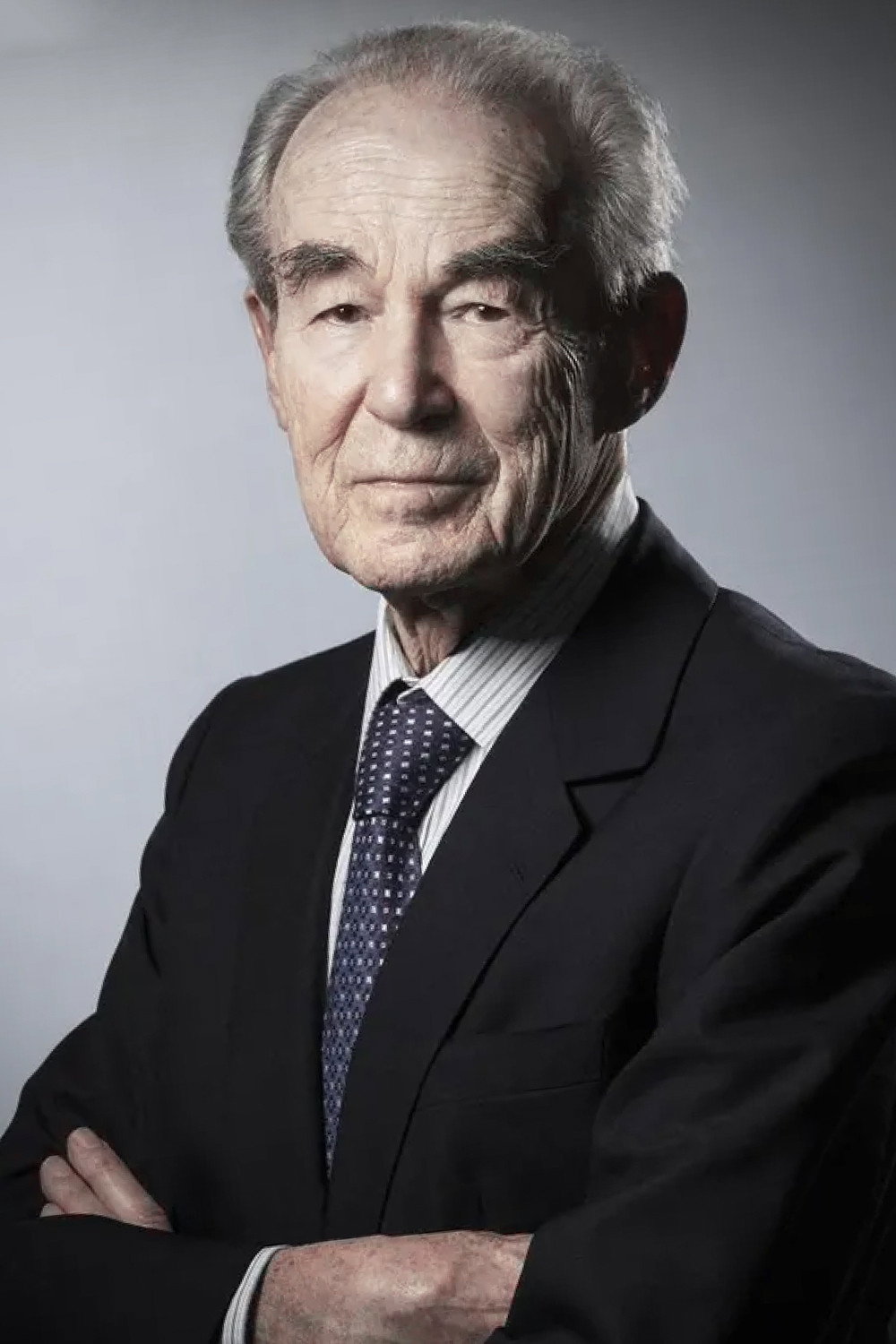
Robert Badinter
Oyuncu · 1928 – 2024 · Paris, France
Robert Badinter (born 30 March 1928) is a French lawyer, politician and author who enacted the abolition of the death penalty in France in 1981, while serving as Minister of Justice under François Mitterrand. He has also served in high-level appointed positions with national and international bodies working for justice and the rule of law. Robert Badinter was born 30 March 1928 in Paris to Simon Badinter and Charlotte Rosenberg. His Bessarabian Jewish family had immigrated to France in 1921 to escape pogroms. During World War II, after the Nazi occupation of Paris, his family sought refuge in Lyon. His father was captured in the 1943 Rue Sainte-Catherine Roundup and deported with other Jews to the Sobibor extermination camp, where he died shortly thereafter. Badinter graduated in law from Paris Law Faculty of the University of Paris. He then went to the United States to continue his studies at Columbia University in New York City where he got his MA. He continued his studies again at the Sorbonne until 1954. In 1965, Badinter was appointed as a professor at University of Sorbonne. He continued as an Emeritus professor until 1996. Badinter started his career in Paris in 1951, as a lawyer in a joint work with Henri Torrès. In 1965, along with Jean-Denis Bredin, he founded the law firm Badinter, Bredin et partenaires, (now Bredin Prat) where he practiced law until 1981. Badinter's activism against the death penalty began after Roger Bontems's execution on 28 November 1972. Along with Claude Buffet, Bontems had taken a prison guard and a nurse hostage during the 1971 revolt in Clairvaux Prison. While the police were storming the building, Buffet slit the hostages' throats. Badinter served as defense counsel for Bontems. Although it was established during the trial that Buffet alone was the murderer, the jury sentenced both men to death. Badinter was outraged by unfair impositions of the death penalty and, after witnessing the executions, further dedicated himself to the abolition of the death penalty. In this context, he agreed to defend Patrick Henry. In January 1976, 8-year-old Philipe Bertrand was kidnapped. Henry was soon picked up as a suspect, but released because of a lack of proof. He gave interviews on television, saying that those who kidnapped and killed children deserved death. A few days later, he was again arrested, and shown Bertrand's corpse hidden in a blanket under his bed. Badinter and Robert Bocquillon defended Henry, making the case not about Henry's guilt, but against applying the death penalty. Henry was sentenced to life imprisonment and paroled in 2001. ... Source: Article "Robert Badinter" from Wikipedia in English, licensed under CC-BY-SA 3.0.
Filmler8
 Film7.1BelgeselTarih
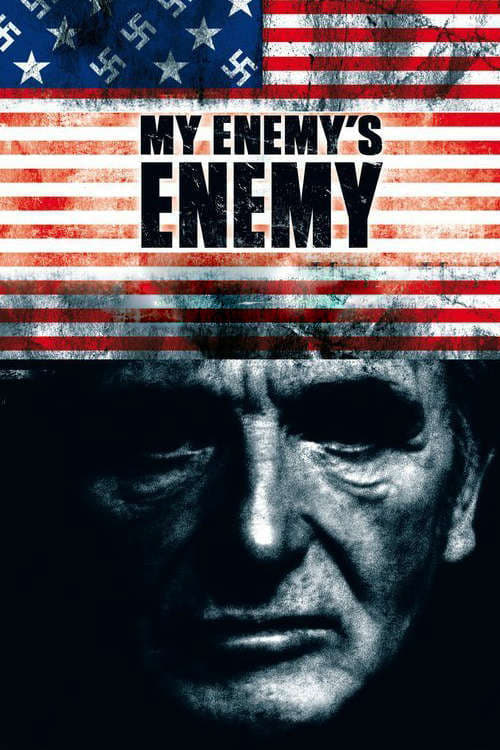
Reveals an alternate history of the post-war world. This is a version of history where, in contrast to what we are all told, fascist ideology prevailed. The story of Klaus Barbie, Nazi torturer, American spy, tool of repressive right-wing regimes, is symbolic of the real relationship that the "Western" governments had with fascism and makes us see the world as it is today - and the politicians that inhabit it - in a different way.
My Enemy's Enemy
2007 · 12 votes
 Film7.0BelgeselDram
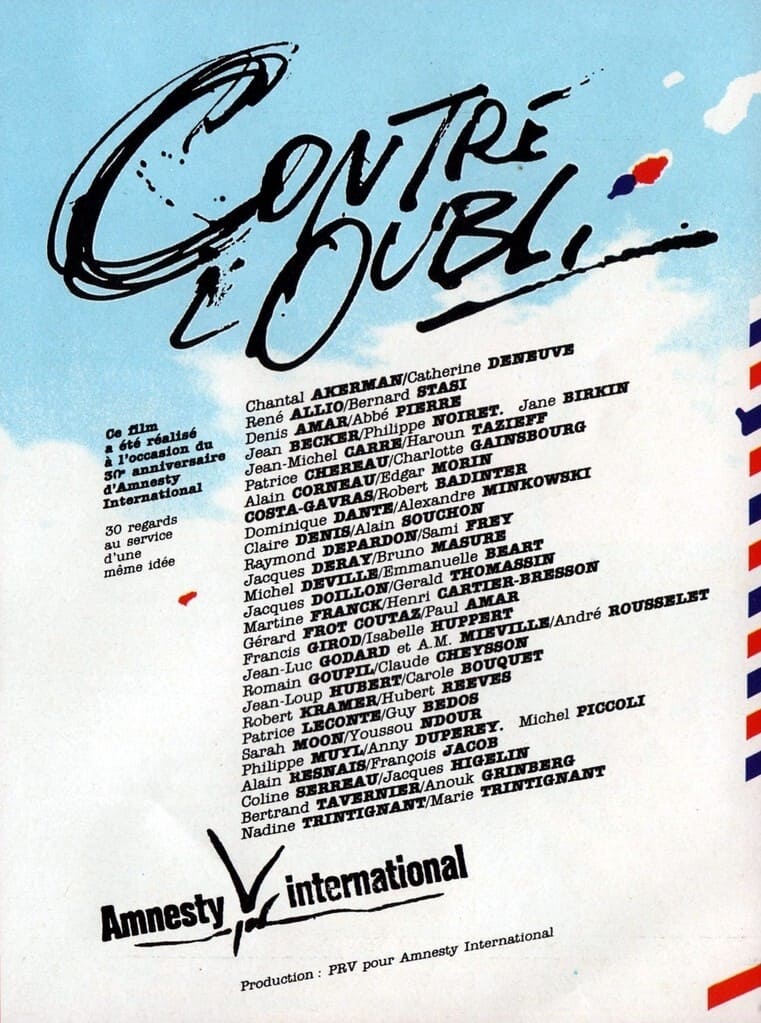
A compilation of 30 French filmmakers, Alain Resnais and Jean Luc Godard among them, who use film to make a plea on behalf of a political prisoner. Jean Luc Godard and Anne Marie Mieville's film concerns the plight of Thomas Wanggai, West Papuan activist who has since died in prison. The short films were commissioned by Amnesty International.
 Film7.7BelgeselTV Movie
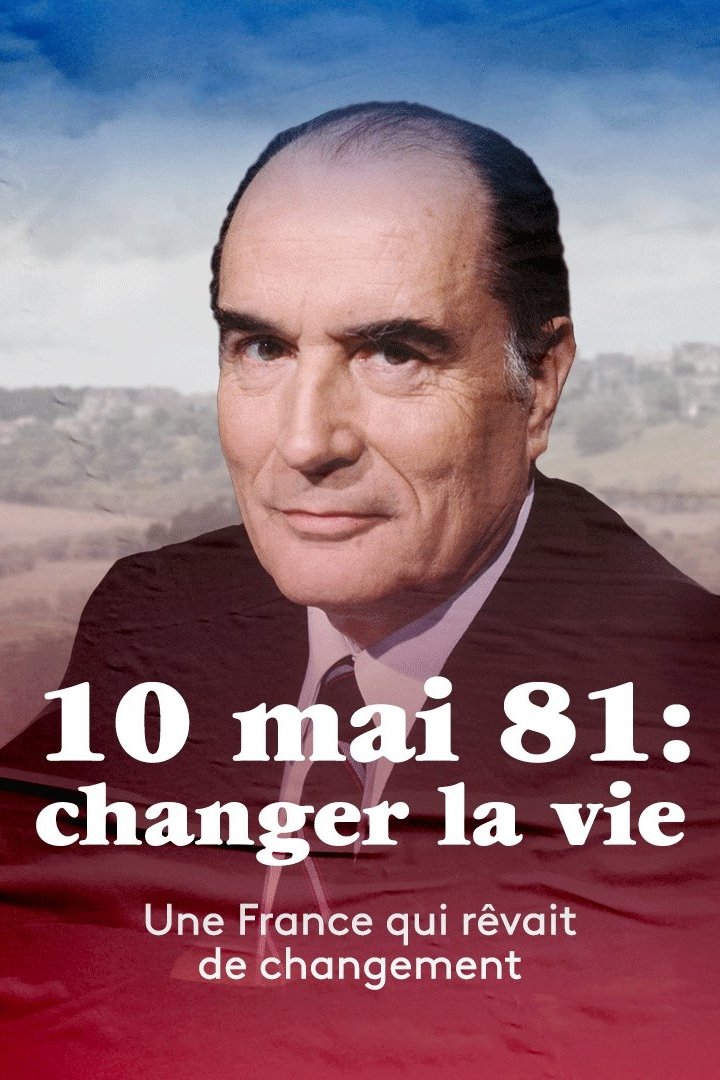
Fourty years ago, in May 1981, with François Mitterrand's election, some people were letting themselves dream about a better life while others were predicting the coming of soviet tanks upon the Champs-Élysées. If we gladly remember the turning point of austerity in 83, there were also the wage rises, the fifth week of paid leave, the abolition of death penalty, the decriminalisation of homosexuality, or the advent of independent radio stations. Rare archives and accounts by those who were at the heart of this story give an overview of it and shed light on lesser-known aspects.
10 mai 1981 : Changer la vie ?
2021 · 3 votes
 Film6.2Belgesel
A story of the LGBT struggle from the 1960s to the present, after the Stonewall riot sparked the militant action in New York that was to spread around the world. From San Francisco to Paris via Amsterdam, between the first Gay Pride, the election of Harvey Milk, the French "decriminalization", the AIDS epidemic and the first homosexual marriages, these few decades of struggle are embodied through numerous testimonies of actors and actresses of this revolution rainbow.
 Film6.5BelgeselTarih
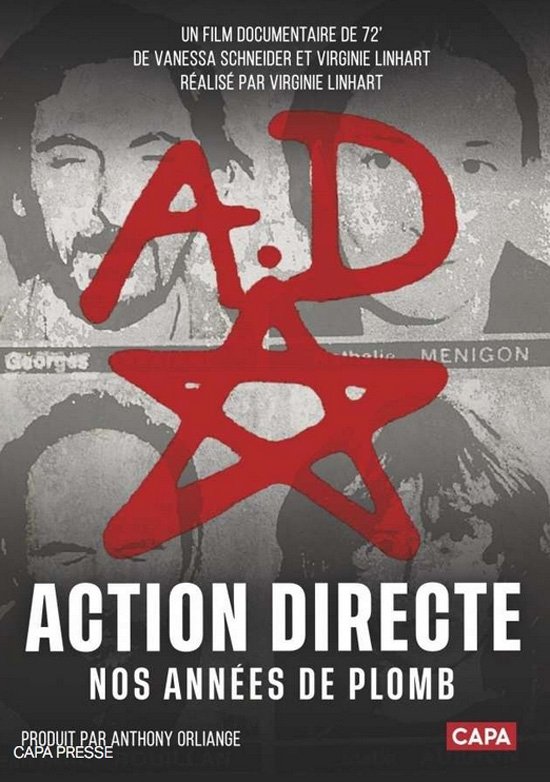
Between 1979 and 1987, a far-left group wreaked havoc across France. Robberies, bombings, assassinations. They struck hard and disappeared in a cloud of explosives, leaflets scattered in the wind, and relentless ideological demands. Their name? Action Directe. More than 80 attacks, 26 wounded, and 12 dead in less than ten years. Stunned French citizens discovered posters plastered everywhere showing portraits of these young women and men who looked like everyone else and whom nothing seemed to be able to stop. A long and intense manhunt began, culminating in the arrest of the group's leadership.
Action directe, nos années de plomb
2024 · 2 votes
 Film10.0BelgeselTarih
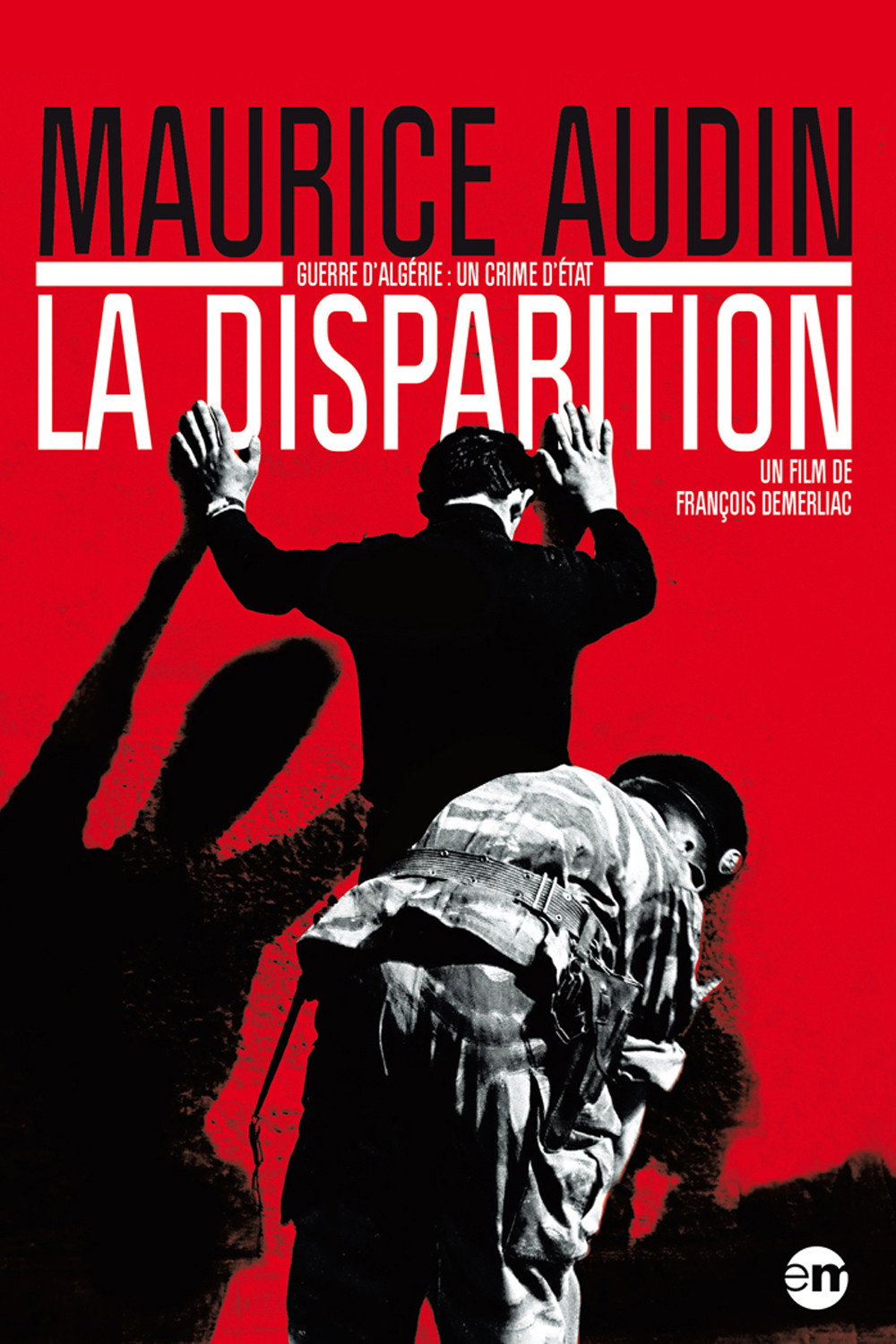
In Algiers, in June 1957, Maurice Audin, a 25-year-old mathematician, was arrested by French paratroopers. His wife, Josette, and their three children never saw him again. This documentary interweaves testimonies from French and Algerian protagonists: activists for Algerian independence, lawyers, historians, and military personnel. Drawing on the research of historian Pierre Vidal-Naquet, it blends archival footage, newspaper articles, books, drawings, and reenactments to reconstruct the context of this disappearance and denounce the torture and murder practiced in Algeria. Josette Audin is the central figure and the moral compass of this film.
 Film10.0Belgesel
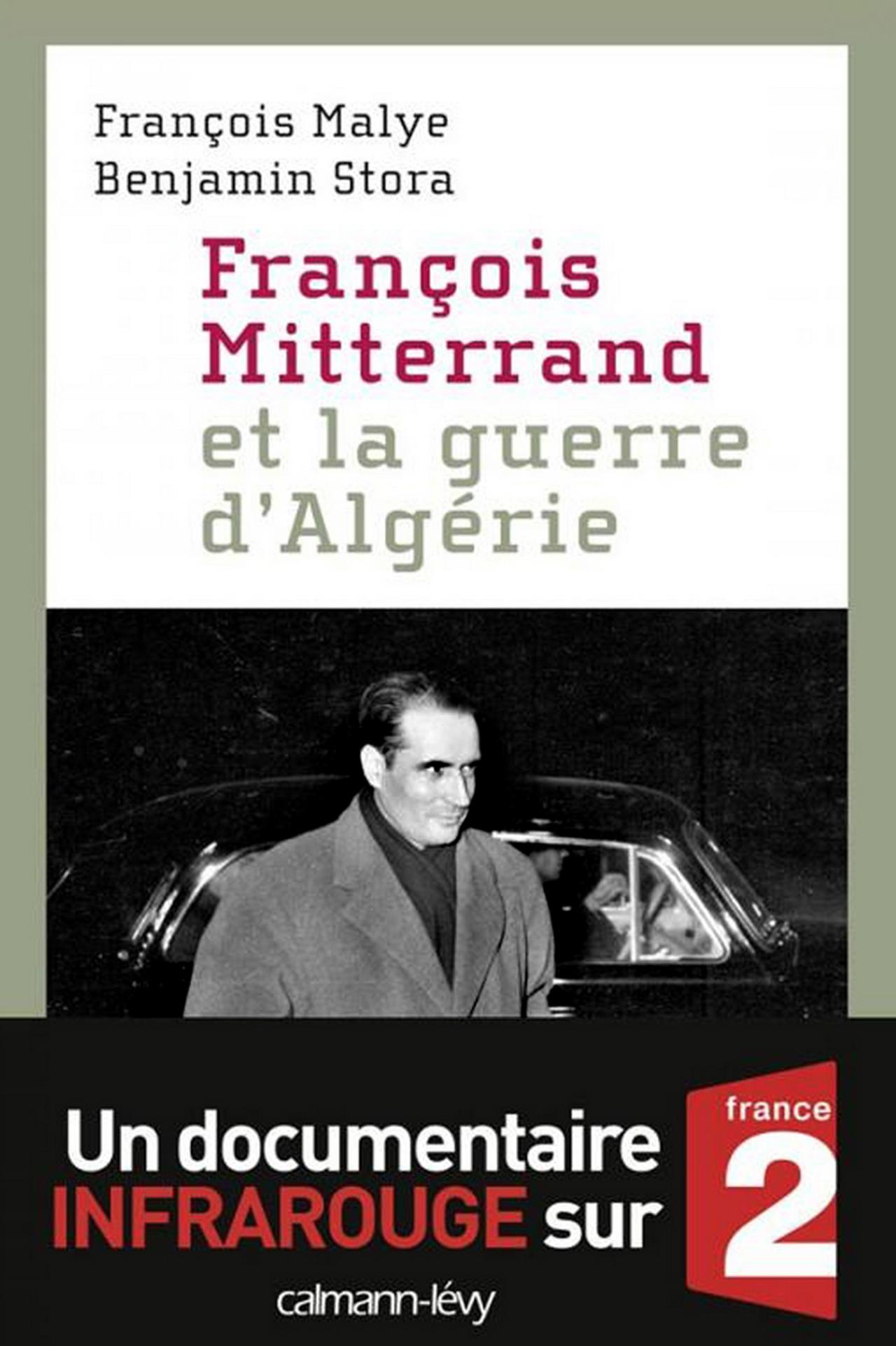
François Mitterrand et la guerre d'Algérie
2010 · 1 votes
 FilmBelgeselTarih
This is the unlikely story of 21 ministers and prime ministers who have crossed or are crossing the french Fifth Republic today. Twenty-one politicians who, from one day to the next, find themselves at the head of a ministry by the grace of a President of the Republic and his Prime Minister. The formation of the government, conflicts of attribution, reshuffles, rumours of appointments, evictions, casting errors: it is all the capricious backstage of the games of power examined here under the angle of confidence and which sheds light on the prestigious but unknown function of minister. An original and instructive political saga on the reality of those who hold or have held this prestigious position.
Ministre ou rien
2014
Diziler5
 Dizi3.6Talk Show
Vivement dimanche
1998 · 9 votes
 Dizi8.5Talk Show
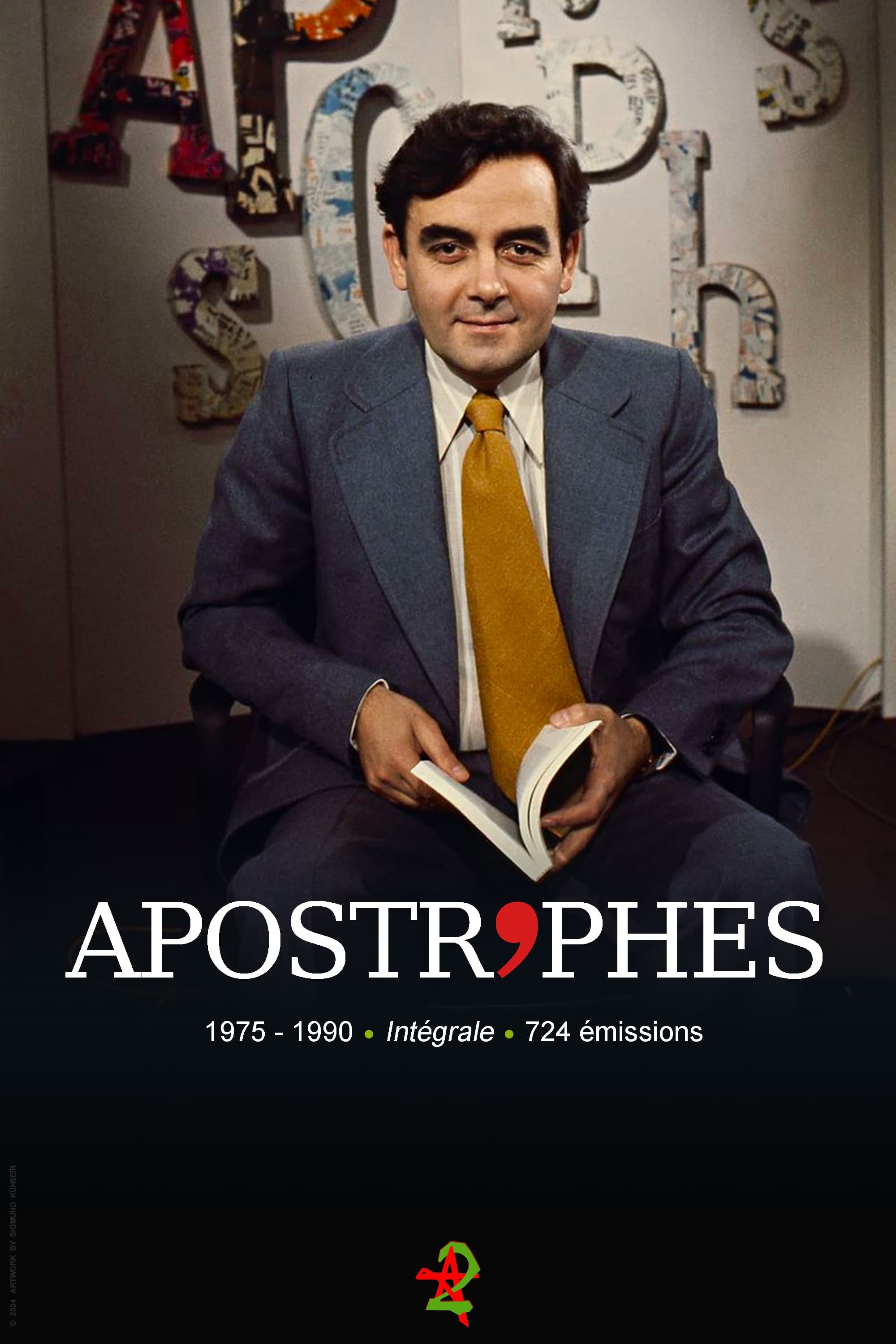
Apostrophes was a live, weekly, literary, prime-time, talk show on French television created and hosted by Bernard Pivot. It ran for fifteen years (724 episodes) from January 10, 1975, to June 22, 1990, and was one of the most watched shows on French television (around 6 million regular viewers). It was broadcast on Friday nights on the channel France 2 (which was called "Antenne 2" from 1975 to 1992). The hourlong show was devoted to books, authors and literature. The format varied between one-on-one interviews with a single author and open discussions between four or five authors.
Apostrophes
1975 · 4 votes
 Dizi9.5Talk Show
Marcello Mastroianni, Isabelle Adjani, Alain Delon, Martin Scorsese, Woody Allen... the biggest stars in cinema were welcomed by Christian Defaye on his show Spécial cinéma. Between intimate confessions from actors and immersion in the world of the greatest filmmakers, Christian Defaye took viewers on a journey into the fascinating world of cinema for nearly thirty years.
Spécial cinéma
1974 · 2 votes
 DiziTalk ShowBelgesel
 Dizi6.9Belgesel
A detailed account of the two millennia of intolerance and persecution suffered by the Jews, from antiquity to the present day.