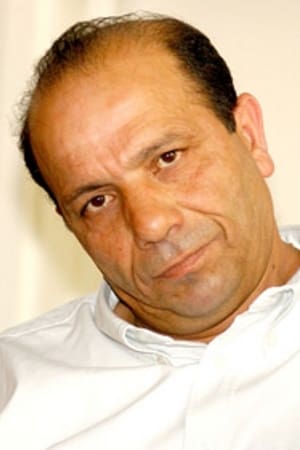
Mehdi Charef
Yönetmen · d. 1952 · Marnia, Oran, France [now Algeria]
Mehdi Charef (born 21 October 1952) is a French film director and screenwriter of Algerian descent. He has worked on eleven films between 1985 and 2007. His film Le thé au harem d'Archimède was screened in the Un Certain Regard section at the 1985 Cannes Film Festival. Seven years later, his film Au pays des Juliets competed for the Palme d'Or at the 1992 festival. From Wikipedia, the free encyclopedia
Diziler2
 Dizi8.5Talk Show
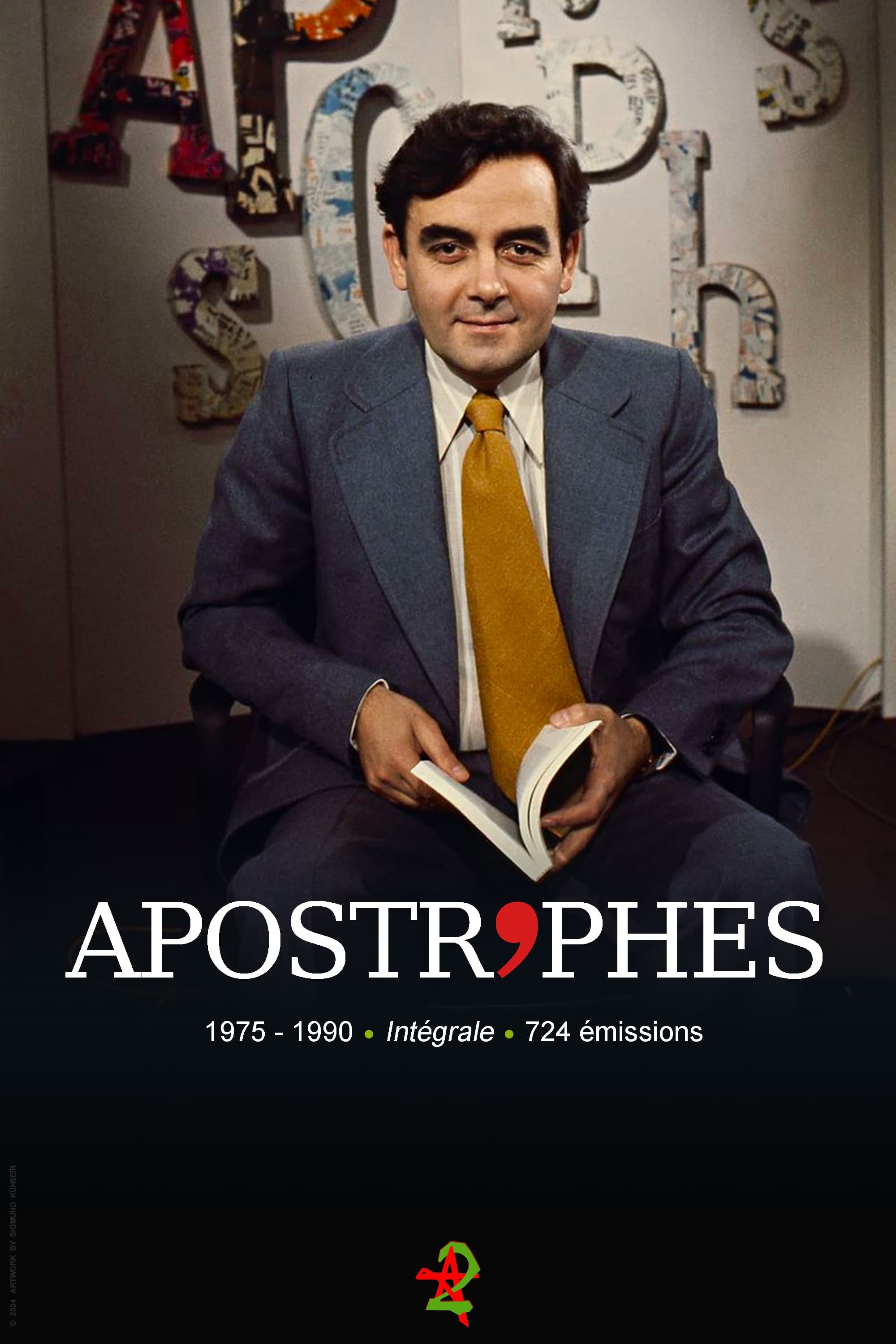
Apostrophes was a live, weekly, literary, prime-time, talk show on French television created and hosted by Bernard Pivot. It ran for fifteen years (724 episodes) from January 10, 1975, to June 22, 1990, and was one of the most watched shows on French television (around 6 million regular viewers). It was broadcast on Friday nights on the channel France 2 (which was called "Antenne 2" from 1975 to 1992). The hourlong show was devoted to books, authors and literature. The format varied between one-on-one interviews with a single author and open discussions between four or five authors.
Apostrophes
1975 · 4 votes
 Dizi9.5Talk Show
Marcello Mastroianni, Isabelle Adjani, Alain Delon, Martin Scorsese, Woody Allen... the biggest stars in cinema were welcomed by Christian Defaye on his show Spécial cinéma. Between intimate confessions from actors and immersion in the world of the greatest filmmakers, Christian Defaye took viewers on a journey into the fascinating world of cinema for nearly thirty years.
Spécial cinéma
1974 · 2 votes
Filmler1
 Film9.0AileMüzik
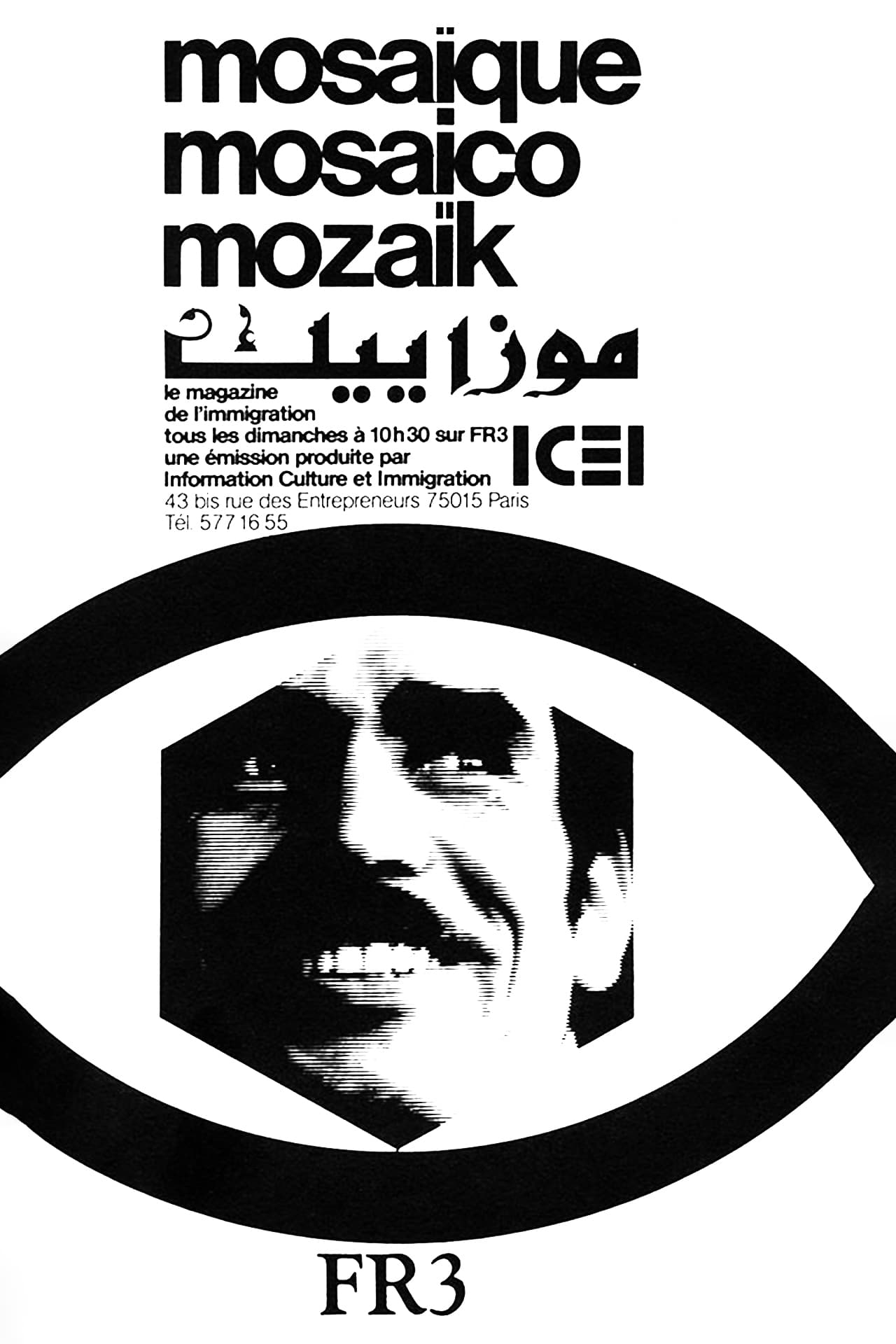
Broadcast from 1977 to 1987 on FR3, every Sunday morning, for 1h30, Mosaïque is a variety show with a set where music groups from the countries of origin of immigration perform, and which broadcasts reports on these countries and on immigrants who live in France. When it was created, it aimed to promote the cultures of origin of immigrants, but also to make them better known to the rest of the population. However, the program was never financed by public television which considers that it was aimed at a specific audience and was therefore not part of a public service mission. It received financial support from the Ministry of Labor, through its subsidy to the National Office for the Cultural Promotion of Immigrants, ONPCI (later becoming Information Culture and Immigration, ICEI, in 1977, then Agency for the Development of Intercultural Relations , ADRI). , in 1982).
Mosaïque
1976 · 1 votes