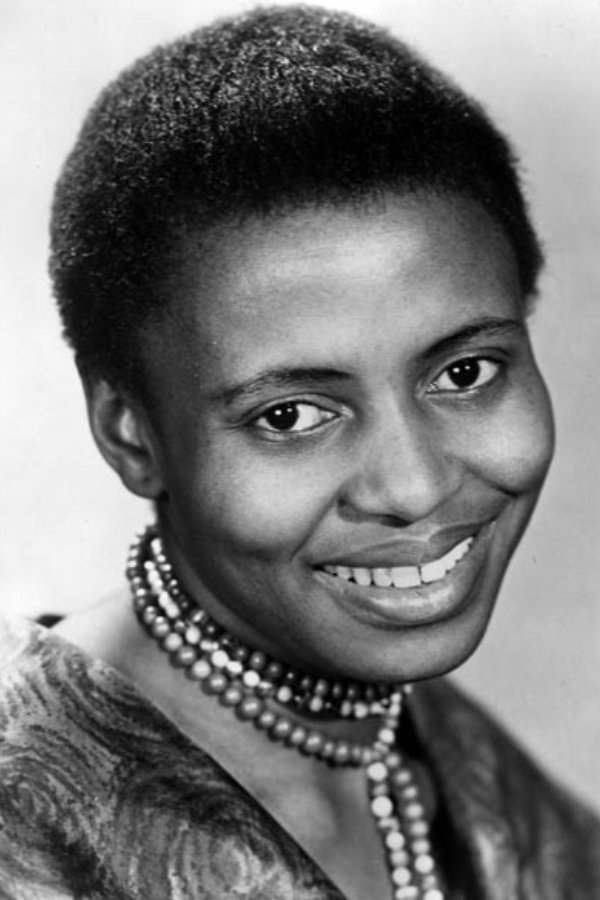
Miriam Makeba
Oyuncu · 1932 – 2008 · Prospect Township, near Johannesburg, South Africa
Zenzile Miriam Makeba (4 March 1932 – 9 November 2008), nicknamed Mama Africa, was a South African singer, songwriter, actress, and civil rights activist. Associated with musical genres including Afropop, jazz, and world music, she was an advocate against apartheid and white-minority government in South Africa. Born in Johannesburg to Swazi and Xhosa parents, Makeba was forced to find employment as a child after the death of her father. She had a brief and allegedly abusive first marriage at the age of 17, gave birth to her only child in 1950, and survived breast cancer. Her vocal talent had been recognized when she was a child, and she began singing professionally in the 1950s, with the Cuban Brothers, the Manhattan Brothers, and an all-woman group, the Skylarks, performing a mixture of jazz, traditional African melodies, and Western popular music. In 1959, Makeba had a brief role in the anti-apartheid film Come Back, Africa, which brought her international attention, and led to her performing in Venice, London, and New York City. In London, she met the American singer Harry Belafonte, who became a mentor and colleague. She moved to New York City, where she became immediately popular, and recorded her first solo album in 1960. Her attempt to return to South Africa that year for her mother's funeral was prevented by the country's government. Makeba's career flourished in the United States, and she released several albums and songs, her most popular being "Pata Pata" (1967). Along with Belafonte she received a Grammy Award for her 1965 album An Evening with Belafonte/Makeba. She testified against the South African government at the United Nations and became involved in the civil rights movement. She married Stokely Carmichael, a leader of the Black Panther Party, in 1968. As a result, she lost support among white Americans. Her visa was revoked by the US government when she was traveling abroad, forcing her and Carmichael to relocate to Guinea. She continued to perform, mostly in African countries, including at several independence celebrations. She began to write and perform music more explicitly critical of apartheid; the 1977 song "Soweto Blues", written by her former husband Hugh Masekela, was about the Soweto uprising. After apartheid was dismantled in 1990, Makeba returned to South Africa. She continued recording and performing, including a 1991 album with Nina Simone and Dizzy Gillespie, and appeared in the 1992 film Sarafina!. She was named an FAO Goodwill Ambassador in 1999, and campaigned for humanitarian causes. She died of a heart attack during a 2008 concert in Italy. Makeba was among the first African musicians to receive worldwide recognition. She brought African music to a Western audience, and popularized the world music and Afropop genres. She also made popular several songs critical of apartheid, and became a symbol of opposition to the system, particularly after her right to return was revoked. Upon her death, former South African President Nelson Mandela said that "her music inspired a powerful sense of hope in all of us." ... Source: Article "Miriam Makeba" from Wikipedia in English, licensed under CC-BY-SA 3.0.
Filmler16
 Film6.2MüzikDram
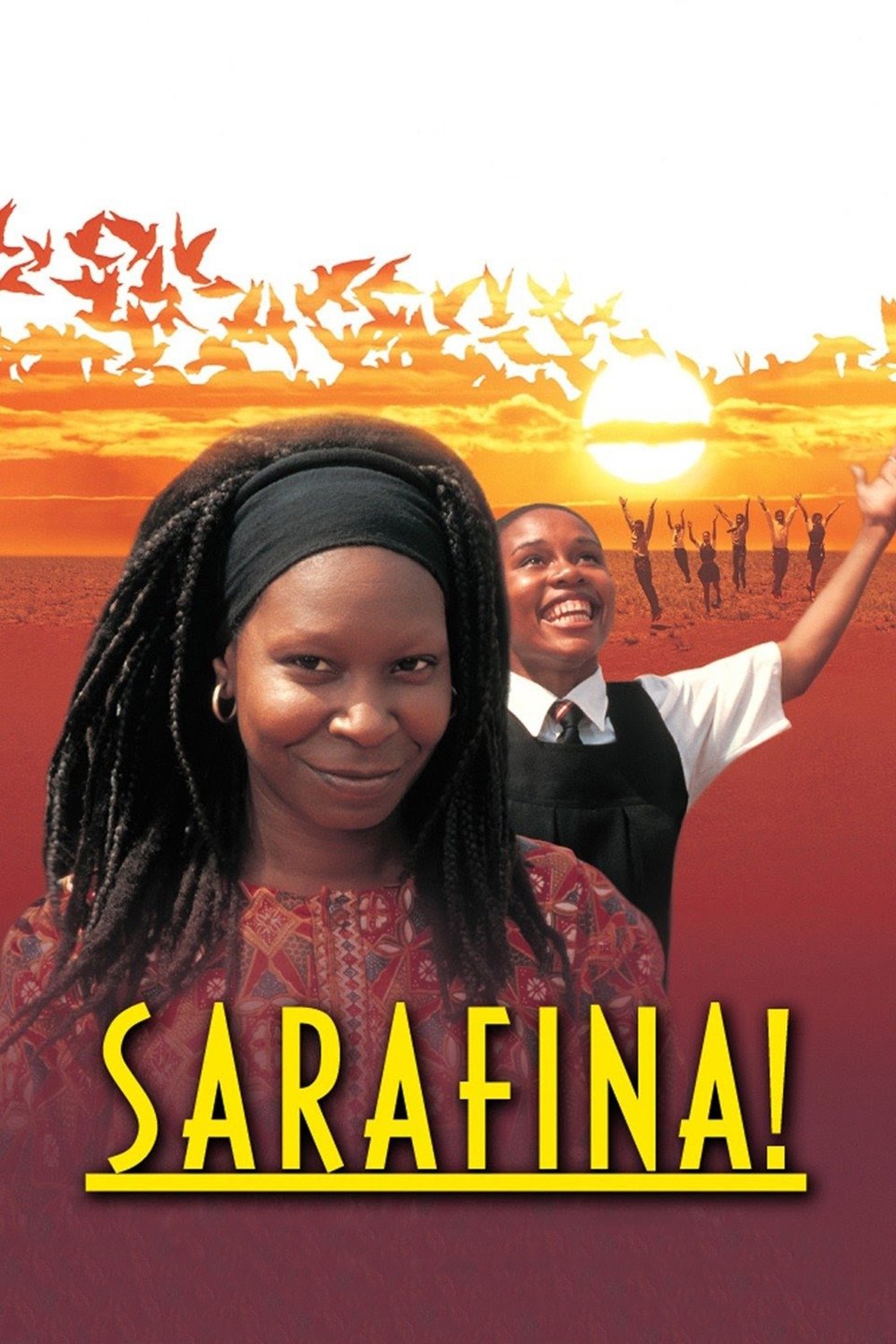
1976'da Güney Afrika'da, öğrenciler okullarda Afrikaanca dilinin zorunlu olmasına isyan eder. Genç aktivist Sarafina, öğretmeni Mary'nin (Whoopi Goldberg) tutuklanması ve annesinin (Miriam Makeba) boyun eğişiyle yüzleşir. Polis şiddetiyle bastırılan protestolar, gençlerin mücadelesini simgeler. Müzikalde direniş, umut dolu bir mezuniyetle son bulur.
Sarafina!
1992 · 49 votes
 Film7.6Belgesel
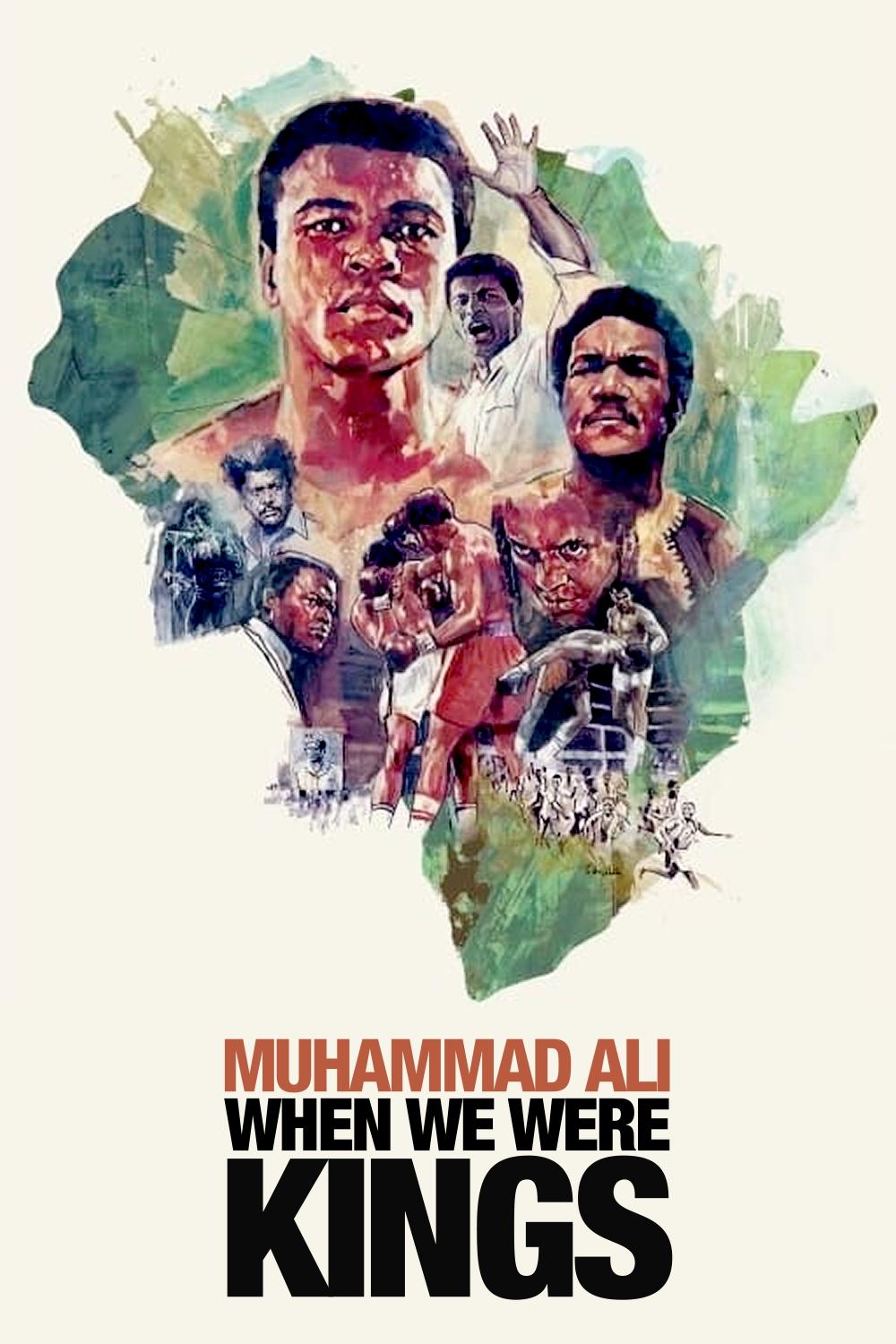
It's 1974. Muhammad Ali is 32 and thought by many to be past his prime. George Foreman is ten years younger and the heavyweight champion of the world. Promoter Don King wants to make a name for himself and offers both fighters five million dollars apiece to fight one another, and when they accept, King has only to come up with the money. He finds a willing backer in Mobutu Sese Suko, the dictator of Zaire, and the "Rumble in the Jungle" is set, including a musical festival featuring some of America's top black performers, like James Brown and B.B. King.
When We Were Kings
1996 · 263 votes
 Film7.7BelgeselTarih
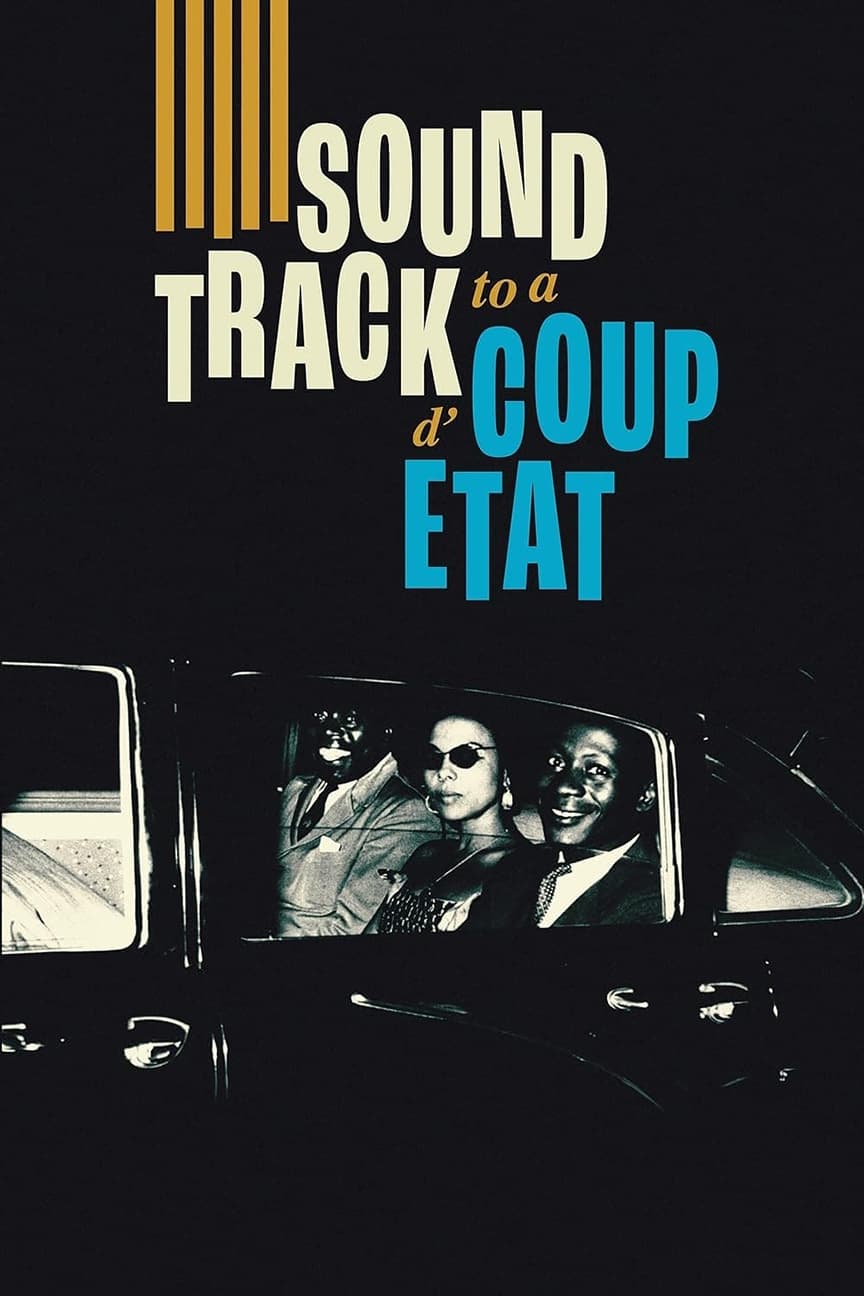
Soğuk Savaş'ın en gerilimli döneminde, caz müziği ve Kongo'nun dekolonizasyon süreci iç içe geçer. Film, 1960'ta Kongo'nun bağımsızlığını, Batı destekli ilk darbeyi ve ABD'nin dikkat dağıtmak için caz elçisi Louis Armstrong'u kullanmasını konu alır. 1961'de lider Patrice Lumumba'nın CIA destekli bir suikastla öldürülmesinin ardından, müzisyenler Abbey Lincoln ve Max Roach'un emperyalizme karşı sanatsal direnişi ve olayın Soğuk Savaş'taki yankıları gözler önüne serilir.
 Film5.6DramBelgesel
Miriam Makeba was one of the first African musicians who won international stardom and whose music was always anchored in her traditional South African roots. Miriam Makeba was forced into exile in 1959. She sang for John F. Kennedy, performed with Harry Belafonte and Nina Simone, was married to Hugh Masekela and also Stokely Carmichael. Her life was tumultuous. She always stood for truth and justice. She fought for the oppressed most importantly for black Africans, as a campaigner against apartheid. She died November 2008 after a concert in Italy. Mika Kaurismäki's documentary, traces fifty years of her music and her performing life. Through rare archive footage of her performances and through interviews with her contemporaries we discover the remarkable journey of Miriam Makeba.
Mama Africa
2011 · 15 votes
 Film6.5Müzik
Wembley Stadium hosts a concert featuring stars from the fields of music, comedy and film, in celebration of the 70th birthday of imprisoned ANC leader Nelson Mandela. Highlight of the evening is the one hour live performance of Dire Straits feat. Eric Clapton.
Nelson Mandela 70th Birthday Tribute
1988 · 2 votes
 Film6.5Belgesel
The struggle to eradicate apartheid in South Africa has been chronicled over time, but no one has addressed the vital role music plays in this challenge. This documentary by Lee Hirsch recounts a fascinating and little-known part of South Africa's political history through archival footage, interviews and, of course, several mesmerizing musical performances.
Amandla! A Revolution in Four-Part Harmony
2002 · 8 votes
 FilmMüzik
Sarah Brightman, Tom Jones, Dee Dee Bridgewater, Bryan Adams and Dionne Warwick lead a stellar lineup for the ultimate Christmas concert – A Musical Christmas from the Vatican. This diverse program of traditional Christmas and spiritual songs, filmed at the Papal seat of the Roman Catholic Church, brings the esteemed Natale in Vaticano (Christmas at the Vatican) concert tradition to audiences outside Italy for the first time since the annual Christmas Eve broadcast began in 1992. With the backdrop of the Vatican at the height of Christmas festivities, exquisite lighting, and an international cast that had to meet the strict standards of approval of the Foreign Minister of the Vatican, A Musical Christmas from the Vatican is a concert like no other.
 Film6.5BelgeselMüzik
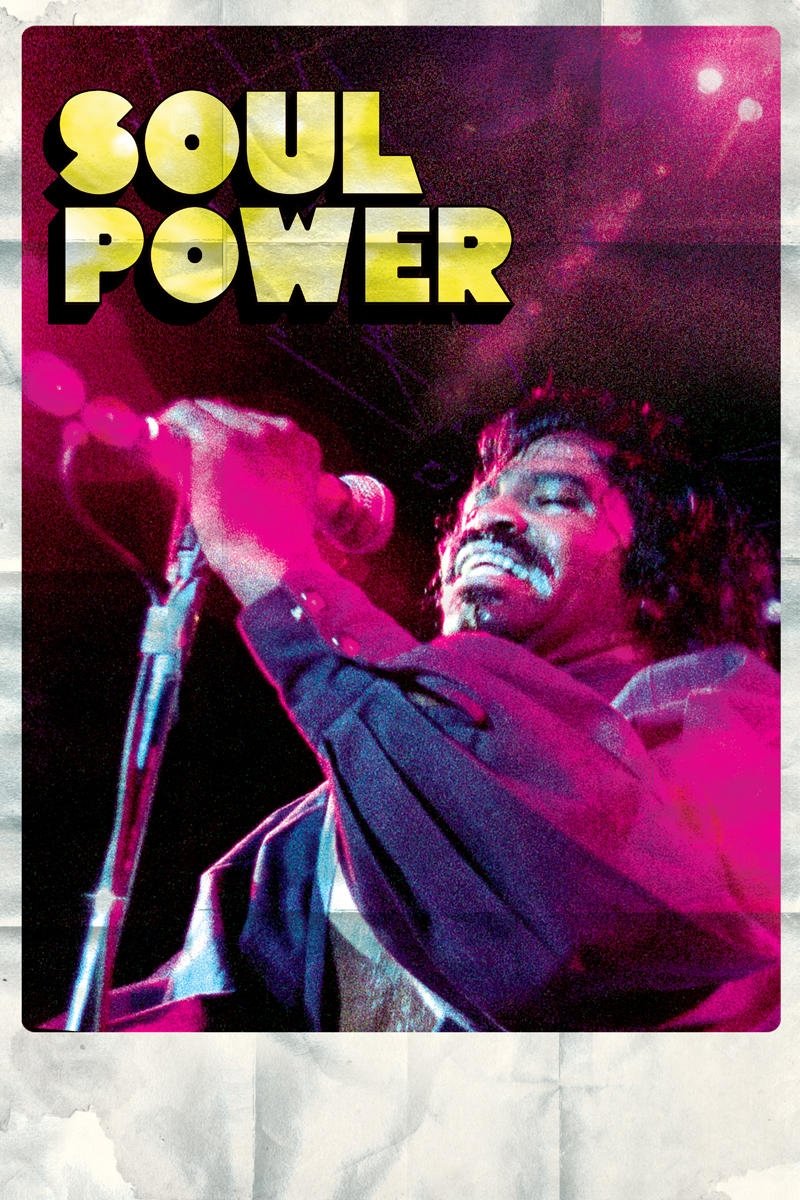
Soul Power is a 2008 documentary film about the Zaire 74 music festival in Kinshasa which accompanied the Rumble in the Jungle heavyweight boxing championship match between Muhammad Ali and George Foreman in October 1974. The film was made from archival footage; other footage shot at the time focusing on the fight was edited to form the film When We Were Kings.
Soul Power
2009 · 17 votes
 Film6.1Müzik
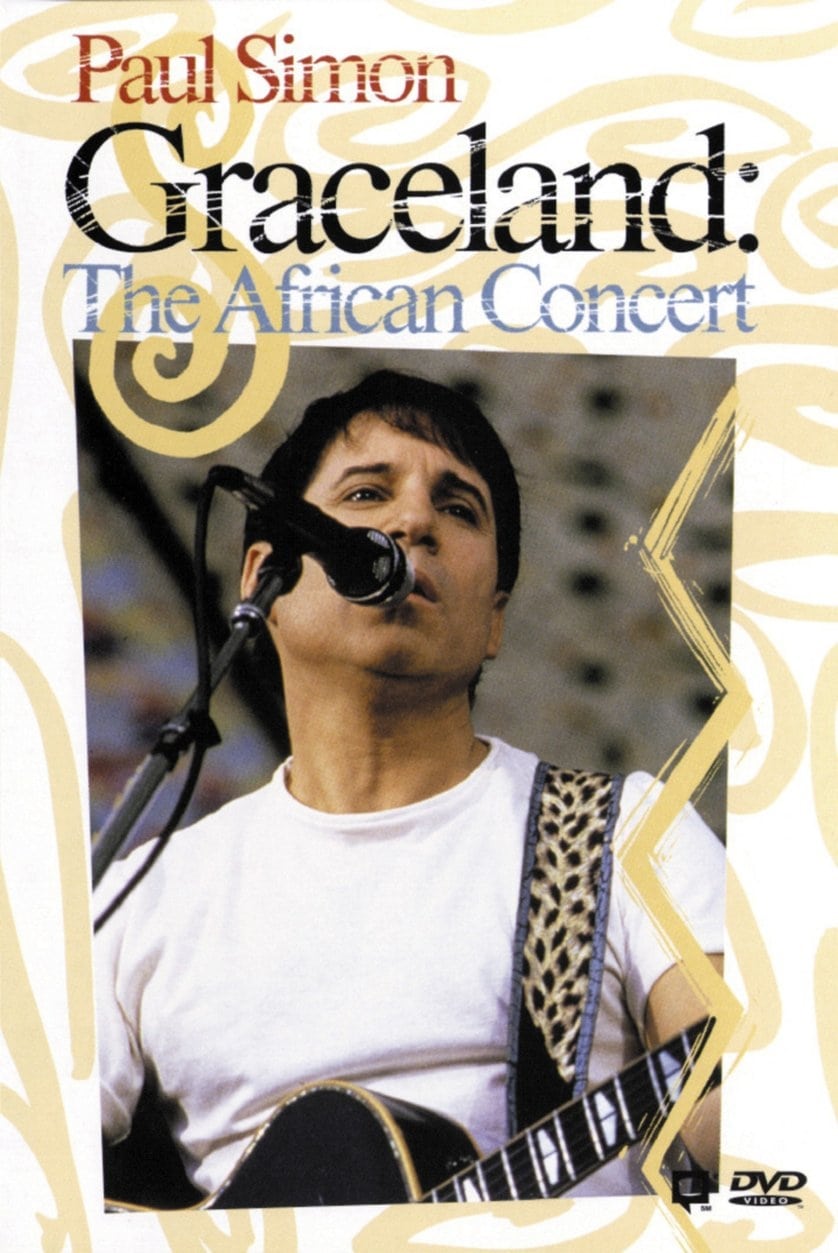
Singer Paul Simon and several African musicians perform a concert to benefit victims of apartheid in South Africa.
Paul Simon | Graceland: The African Concert
1987 · 6 votes
 Film6.8Dram
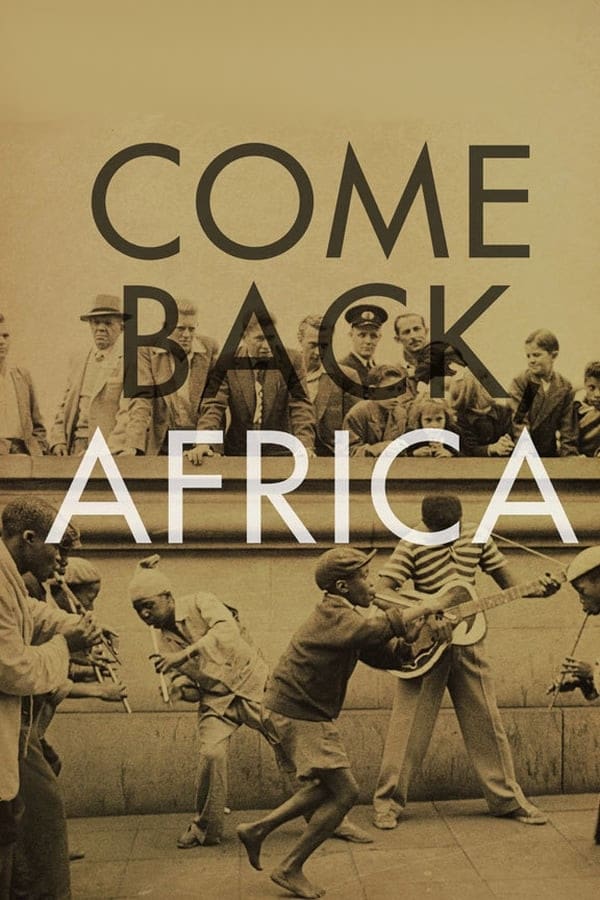
Come Back, Africa chronicles the life of Zachariah, a black South African living under the rule of the harsh apartheid government in 1959.
Come Back, Africa
1959 · 16 votes
 Film6.0BelgeselMüzik
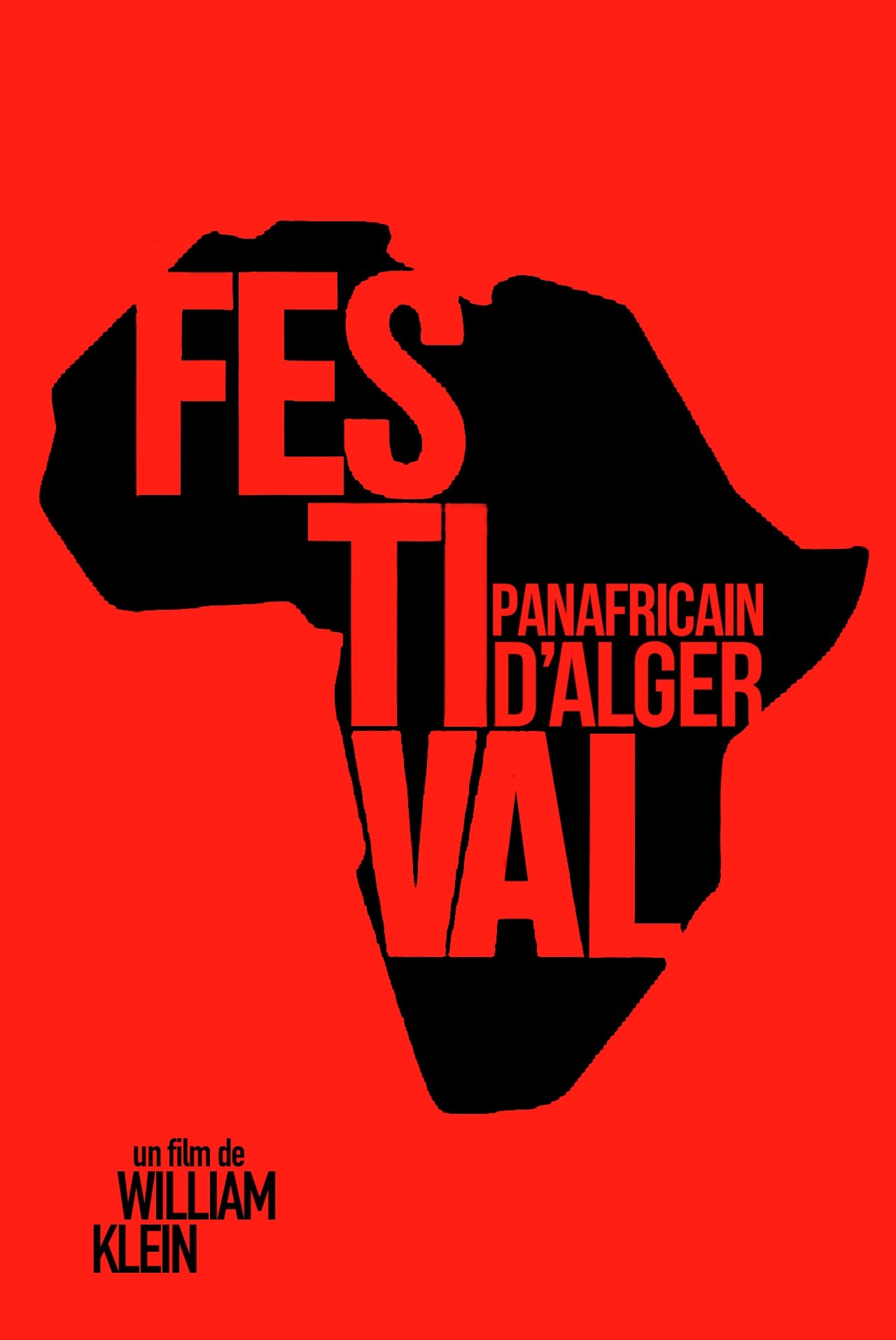
Festival panafricain d'Alger is a documentary by William Klein of the music and dance festival held 40 years ago in the streets and in venues all across Algiers. Klein follows the preparations, the rehearsals, the concerts… He blends images of interviews made to writers and advocates of the freedom movements with stock images, thus allowing him to touch on such matters as colonialism, neocolonialism, colonial exploitation, the struggles and battles of the revolutionary movements for Independence.
 Film7.5BelgeselTarih
How African artists have spread African culture all over the world, especially music, since the harsh years of decolonization, trying to offer a nicer portrait of this amazing continent, historically known for tragic subjects, such as slavery, famine, war and political chaos.
Africa Rising
2019 · 2 votes
 Film8.0Dram
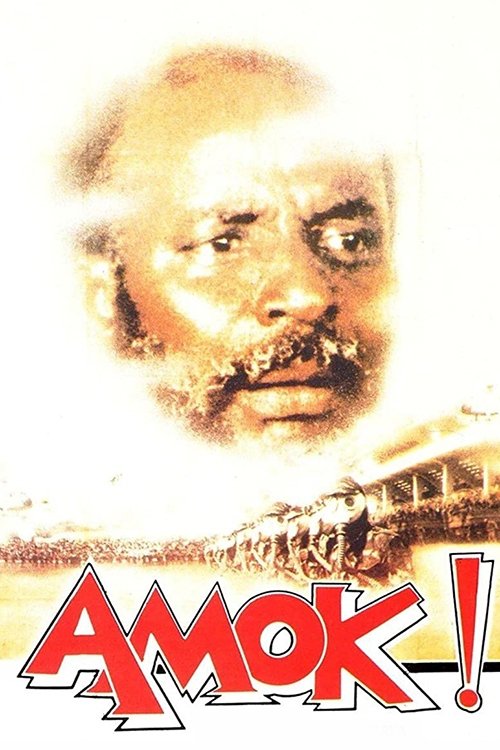
A rural teacher discovers the harsh realities of his South Africa.
Amok
1983 · 1 votes
 Film8.0Belgesel
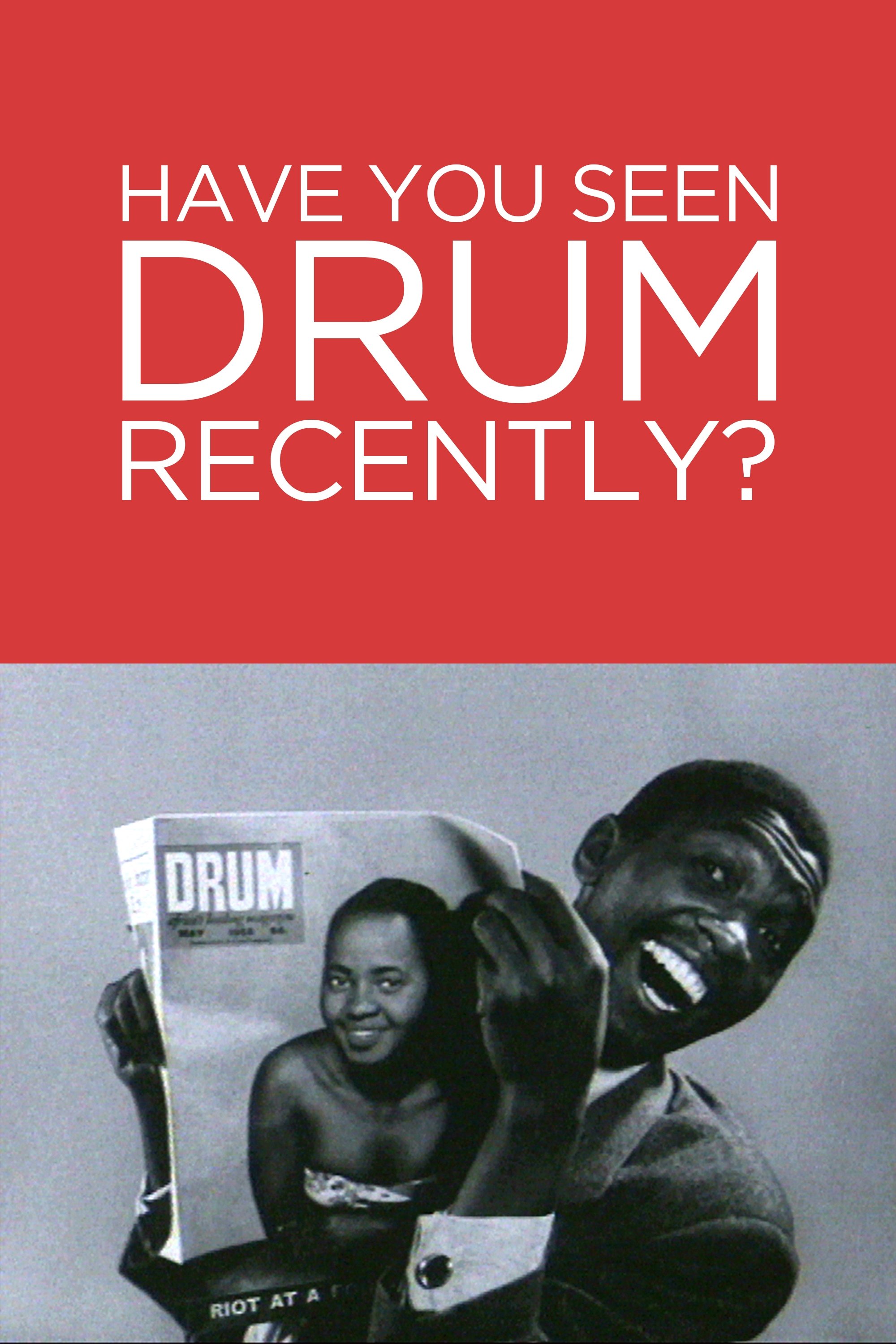
Have You Seen Drum Recently? is a 1989 film which uses photographs from the Drum archives to tell the story of the magazine and documents its contribution to the cultural and political life of South Africa.
Have You Seen Drum Recently?
1989 · 2 votes
 FilmBelgesel
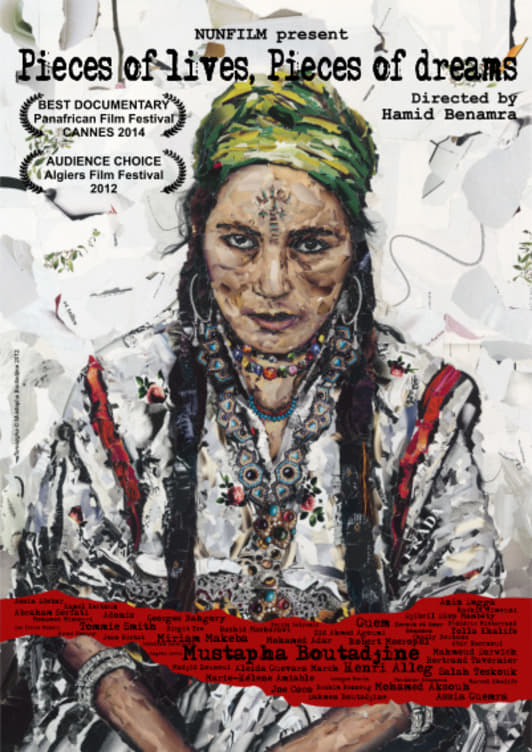
Algerian director Hamid Benamra turns his focus to Mustapha Boutadjine, a charming, mercurial collage artist in Paris whose very work methods embody resistance, and celebrate those who work to liberate others. Boutadjine creates his portraits of Third World artists such as Miriam Makeba, and Algerian figures such as Assia Djebar from pieces of paper torn from high end fashion magazines and other, glossy, glitzy publications. Using this material is as much an act of rejecting bourgeois standards, which are often anti-North African in France, as much as elevating these figures and making them the social and visual standard against which we should judge ourselves, not the runway models of Chanel.
 Film9.0Belgesel
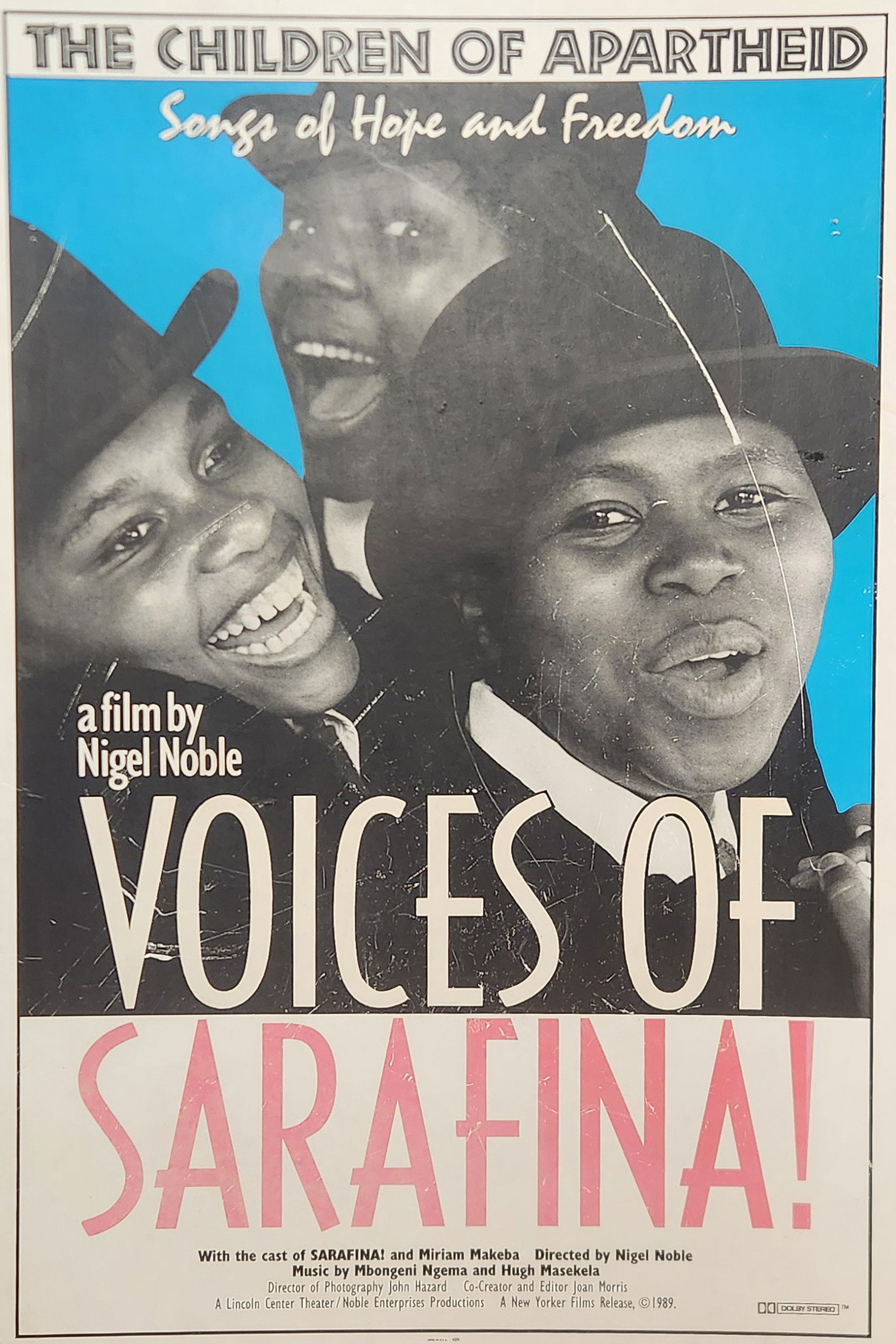
At the Lincoln Center, the South African cast members of the anti-Apartheid Broadway hit musical Sarafina perform and later give interviews about their politically and socially troubled country in this documentary. Writer-director Mbongeni Ngema cautions his cast that their opinions could bring trouble from the government once they return to South Africa. The cast later meets exiled singer Mariam Makeba, who in a moving, sentimental gesture expresses her gratitude for the company bringing the story to the rest of the world. The performance combines singing and dancing, combining ancient folk songs with modern music from Hugh Masakela and others from South Africa.
Voices of Sarafina!
1988 · 2 votes
Diziler11
 Dizi5.8KomediTalk Show
The Mike Douglas Show is an American daytime television talk show hosted by Mike Douglas that originally aired only in the Cleveland area during much of its first two years on the air. It then went into syndication in 1963 and remained on television until 1982. It was distributed by Westinghouse Broadcasting and for much of its run, originated from studios of two of the company's TV stations in Cleveland and Philadelphia.
The Mike Douglas Show
1961 · 11 votes
 Dizi5.6BelgeselTalk Show
The South Bank Show is a television arts magazine show produced by ITV between 1978 and 2010. A new series began on Sky Arts from 27 May 2012. Presented by Melvyn Bragg, the show aims to bring both high art and popular culture to a mass audience.
The South Bank Show
1978 · 7 votes
 Dizi7.0KomediAile
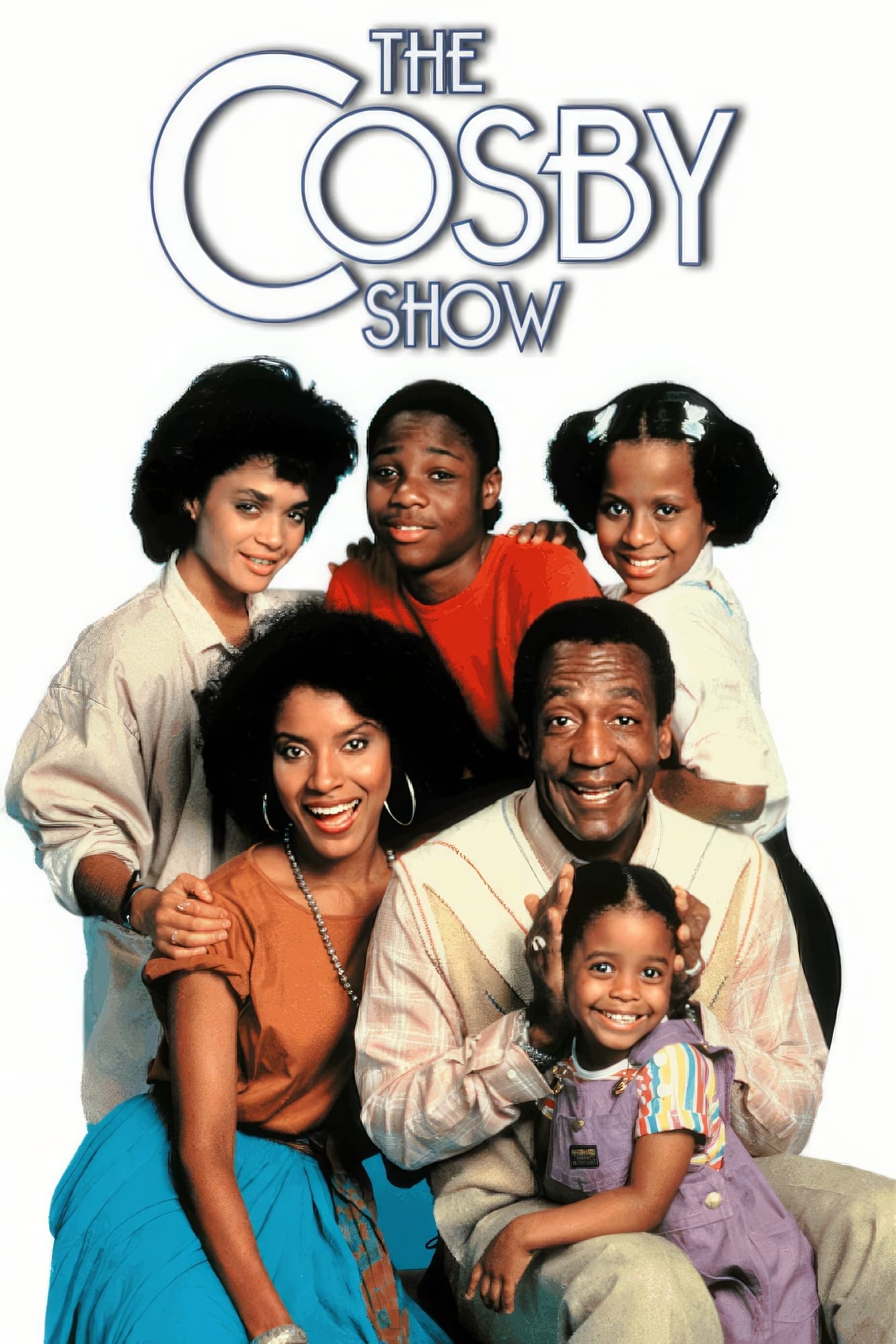
The Cosby Show is an American television situation comedy starring Bill Cosby, which aired for eight seasons on NBC from September 20, 1984 until April 30, 1992. The show focuses on the Huxtable family, an upper middle-class African-American family living in Brooklyn, New York.
The Cosby Show
1984 · 515 votes
 Dizi6.2Komedi
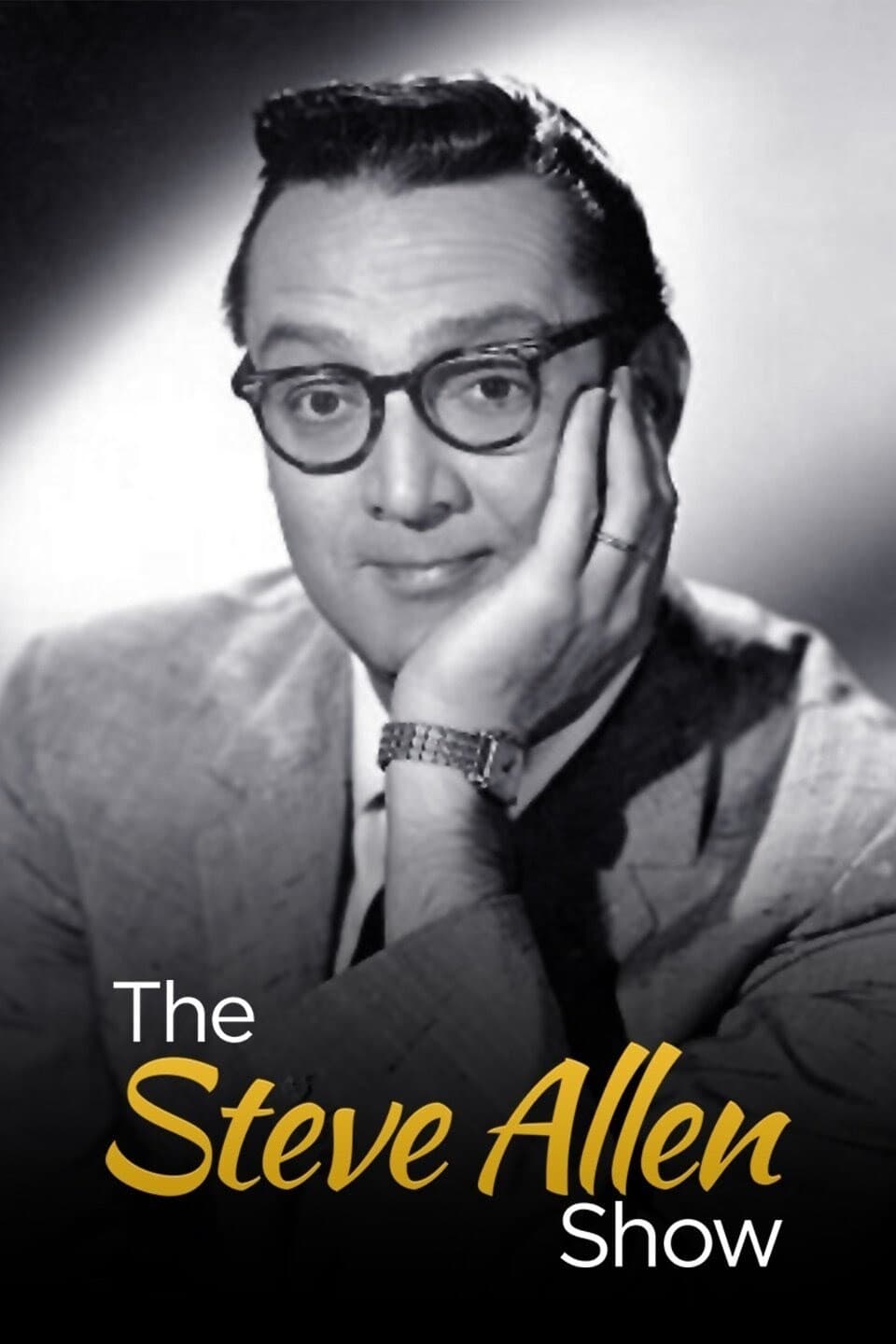
The Steve Allen Show
1956 · 6 votes
 Dizi8.0Talk ShowHaber
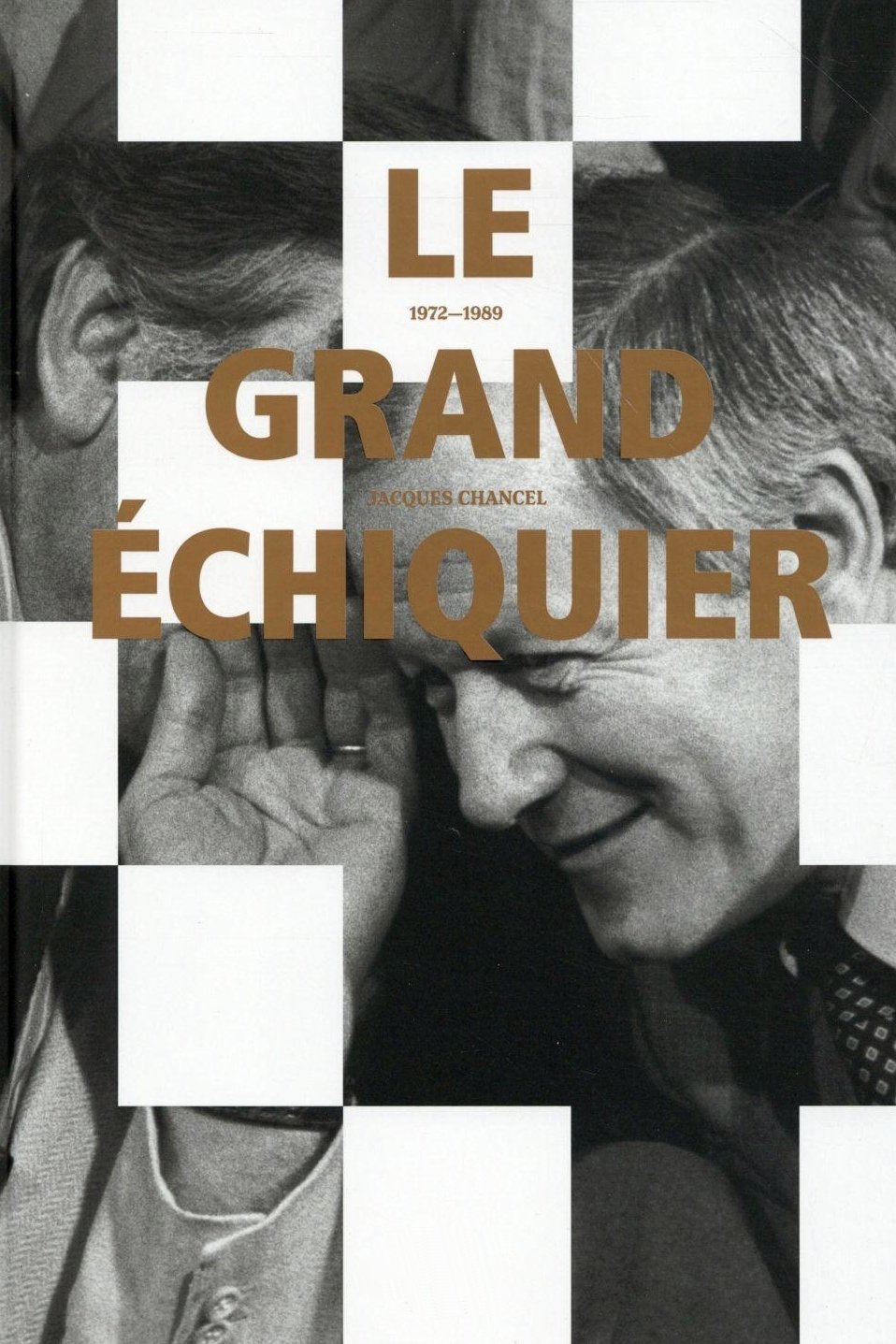
Le Grand Échiquier is a French variety television program created and presented by Jacques Chancel. It aired at 8:30 pm on the first channel of the ORTF from January 12, 1972 to July 12, 1972, then on the second color channel of the ORTF from September 1972 to December 1974, and finally on Antenne 2 from January 1975 to December 21, 1989. The program returned to France 2 on December 20, 2018 and is hosted by Anne-Sophie Lapix.
Le Grand Échiquier
1972 · 3 votes
 Dizi7.5Realite
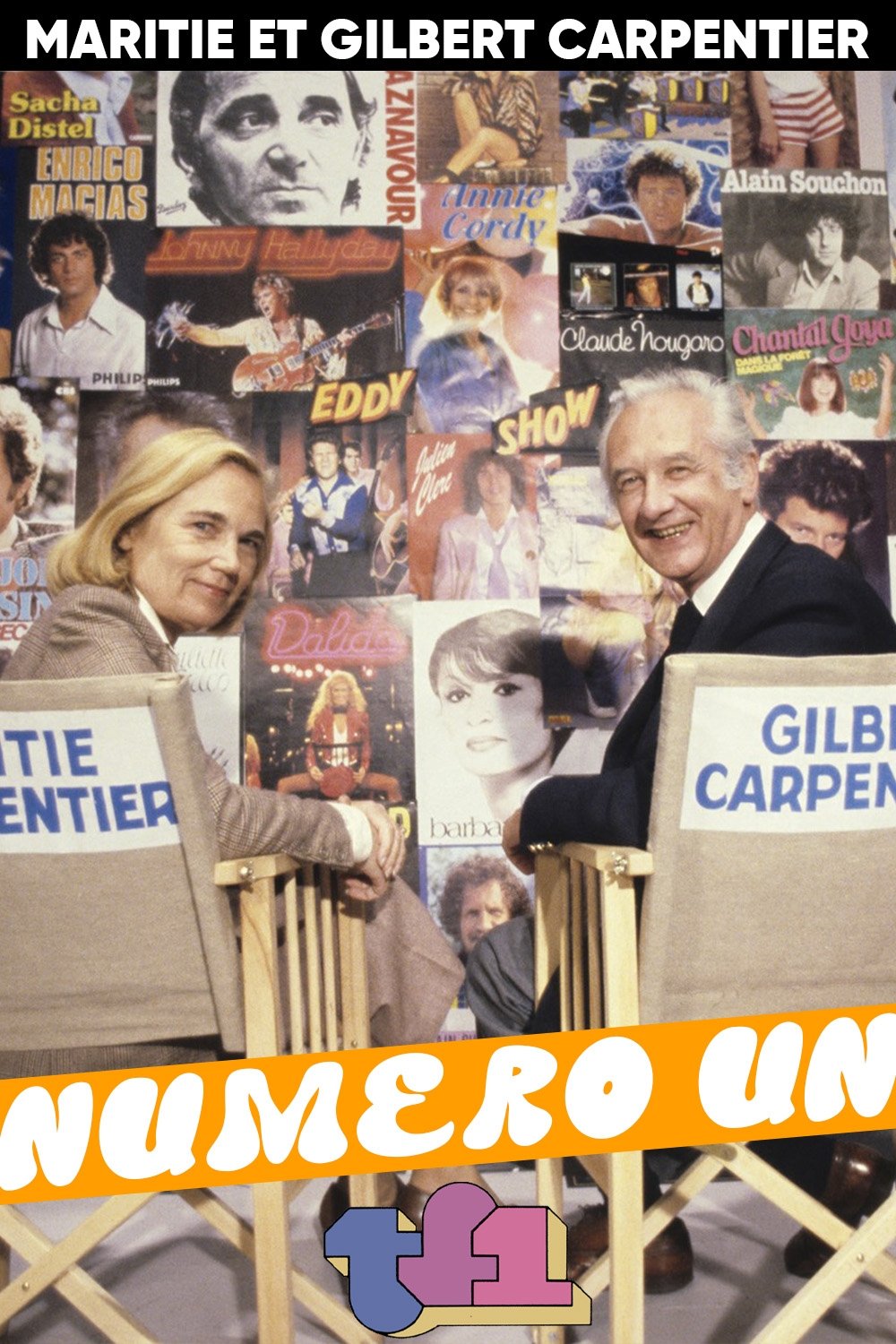
A French variety show.
Numéro un
1975 · 2 votes
- Dizi4.2Realite
The show was meant to compete with those on West German television. To this end it was fairly successful even attracting a following in parts of West Germany which could receive Eastern TV. Its production values were high. Apart from song and dance numbers and appearances from East German celebrities, almost every broadcast featured well-known stars from the west, often after their popularity had peaked in their home countries.
Ein Kessel Buntes
1972 · 3 votes
 Dizi7.7Belgesel
Cachitos de hierro y cromo is a Spanish musical-themed documentary program, directed by Jero Rodríguez and hosted by Virginia Díaz. It is an unapologetic musical display of RTVE's sound legacy in the form of performances on the set of programs such as 'Aplauso', 'Galas del Sábado', 'Mapa Sonoro', 'Zona Franca' or 'Los Conciertos de Radio 3'. For nearly 60 years, artists and other specimens have stormed viewers' screens. The result is a polyphony of images and memories that includes everything from James Brown to Camela, from Perales to REM, from Gabinete to Violent Femmes. And so all the time. Our secret weapon has been the historical archive of TVE, the repository of Spanish collective memory for more than half a century.
Cachitos de hierro y cromo
2013 · 6 votes
- Dizi9.0Talk Show
Bio’s Bahnhof
1978 · 1 votes
- Dizi7.0Talk Show
A series of weekly programmes presenting music in the folk idiom from many parts of the world.
Tonight in Person
1963 · 1 votes
 DiziBelgesel
A series featuring six major artists and writers who live and work in exile.
Exiles
1988