Siddiq Barmak
Senarist · d. 1962 · Panjshir, Afghanistan
From Wikipedia, the free encyclopedia Siddiq Barmak (Born September 7, 1962) in Panjshir, Afghanistan, is a film director and producer. He received an M.A degree in cinema direction from the Moscow Film Institute (VGIK) in 1987. He has written a few screenplays and has made a few short films. His first feature film Osama, won the Golden Globe for Best Foreign Language Film in 2004. There is a stylistic echo in Osama featured in Afghan films by the Iranian Makhmalbaf dynasty; father Mohsen's Kandahar, and daughter Samira Makhmalbaf's At Five in the Afternoon, the latter also shot in post-Taliban Kabul. Barmak directed Osama with significant funding and assistance from the elder Makhmalbaf. The Iranian director invested thousands of dollars in the film, lending Barmak his Arriflex camera and encouraging him to send the movie to international festivals, which eventually generated further funding from Japanese and Irish producers. Barmak received "UNESCO’s Fellini Silver Medal" for his drama, Osama, in 2003. Barmak is also director of the Afghan Children Education Movement (ACEM), an association that promotes literacy, culture and the arts, which was also founded by Makhmalbaf. The school trains actors and directors for newly emerging Afghan cinema. Barmak is one of the celebrated figures in Persian cinema as well as the emerging cinema of Afghanistan. Description above from the Wikipedia article Siddiq Barmak, licensed under CC-BY-SA, full list of contributors on Wikipedia.
Filmler2
 Film7.0Dram
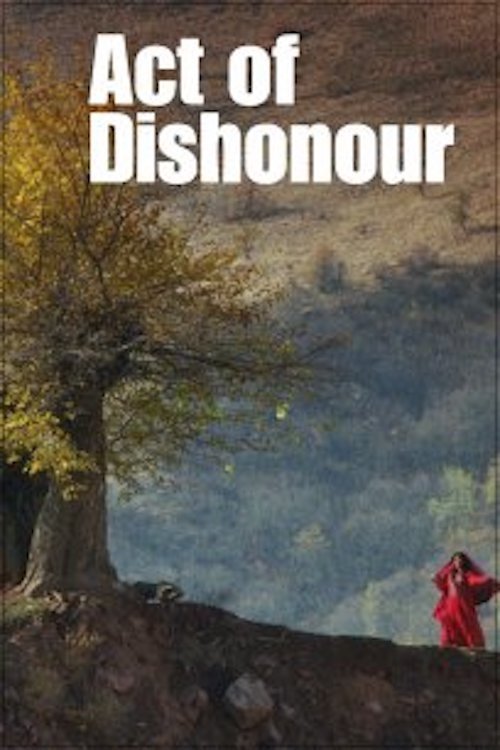
In a land beset by endless strife, nothing must get in the way of the preservation of honour - even if that means sacrificing a loved one. Mena, a young, beautiful bride-to-be, lives in a small, remote village in northern Afghanistan, a harsh landscape that still shimmers with breathtaking colours. Respecting the deeply conservative local customs, she and her fiancé, Rahmat, have little contact yet cherish a special bond.
Act of Dishonour
2010 · 1 votes
 Film8.0BelgeselTarih
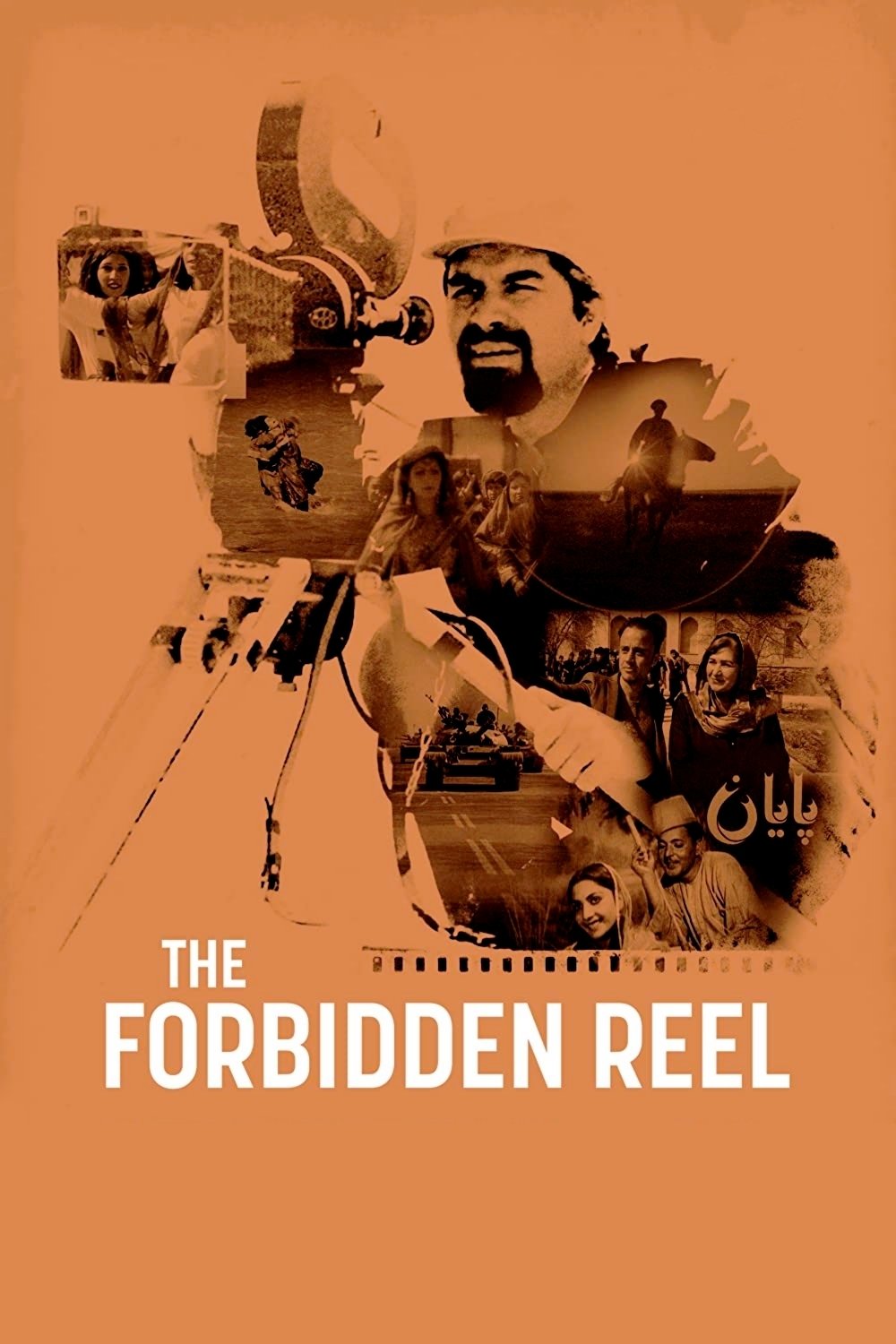
According to the official history of Afghanistan, ruthless destruction has always prevailed over art and creation; but there is another tale to be told, the forgotten account of a diverse and progressive country, seen through the lens of innovative filmmakers, a story that survives thanks to a few brave Afghans, a small but very passionate group that secretly fought to save a huge film archive that was constantly menaced by war and religious fanaticism.
The Forbidden Reel
2020 · 1 votes