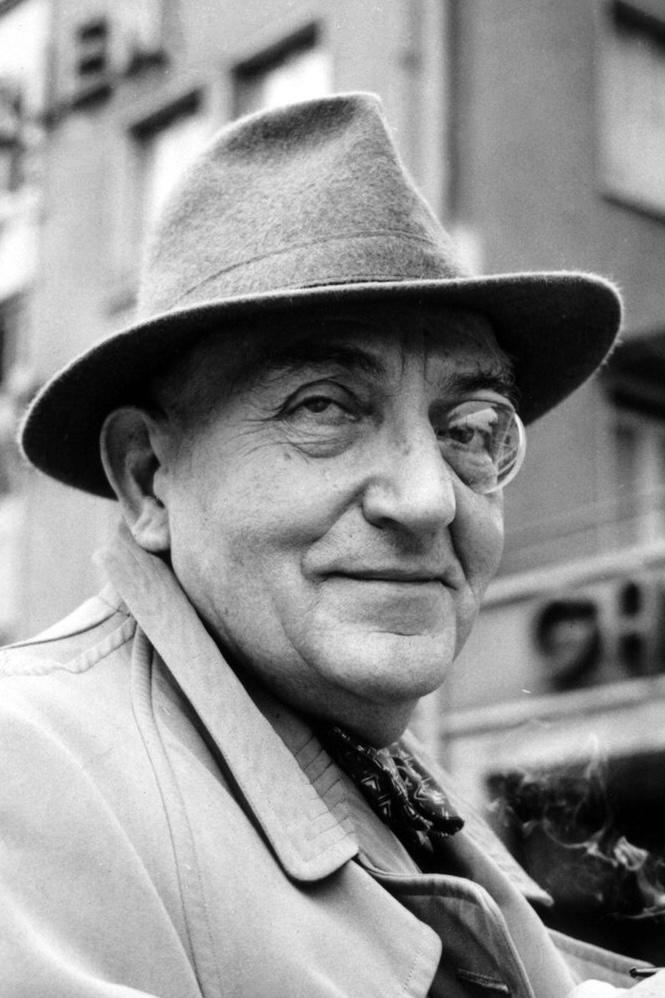
Fritz Lang
Yönetmen · 1890 – 1976 · Vienna, Austria
Friedrich Christian Anton "Fritz" Lang (December 5, 1890 – August 2, 1976) was an Austrian-German film director, screenwriter, and occasional film producer and actor. One of the best known émigrés from Germany's school of Expressionism, he was dubbed the "Master of Darkness" by the British Film Institute. Andrew Sarris in his influential book of film criticism The American Cinema: Directors and Directions 1929–1968 included him in the "pantheon" of the 14 greatest film directors who had worked in the United States. Lang's most famous films are the groundbreaking science-fiction film Metropolis (1927) - the world's most expensive silent film at the time of its release - and the influential thriller film M (1931), made before he moved to the United States. Lang's work had a significant influence on the film noir genre and in Hollywood, he made some classics himself, such as Scarlet Street (1945) and The Big Heat (1953).
Filmler16
 Film7.0DramRomantik
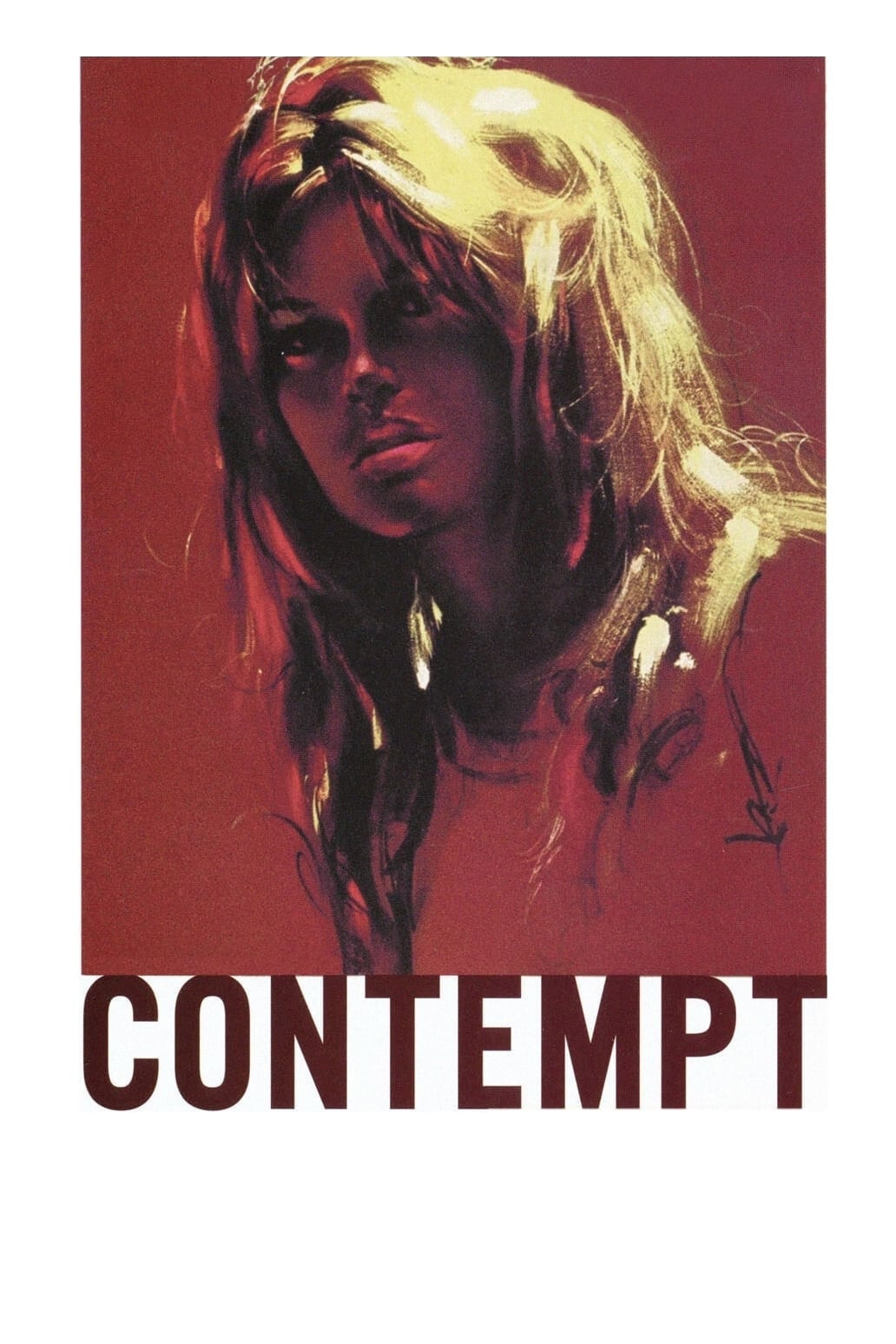
Paul Javal isimli bir senarist Fritz Langin yeni filmi için bir senaryo yazması için işe alınır. Maddi sıkıntılar nedeniyle hayatını düzene oturtmakta zorlanan Paul, genç ve güzel karısı Camilee'i çok sevmektedir. Homeros'un Odysseia eserinden uyarlanacak olan filmin senaryosu için aldığı sipariş bir süre sonra Paul'ün hayatını allak bullak eder ve karısı ile olan mutluluğu da bozulmaya başlar. Üstelik bunda en büyük sorumluluk da filmin yapımcısındadır. Filmde Alman sinemasının büyük ismi Fritz Lang kendisini canlandırmaktadır. Camille Javal, ismi ise Bardotun gerçek adıdır. Godard'ın seyircilerle en fazla yakınlık kuran filmlerinden biri de denilebilir. Filmdeki senarist, bir zaman sonra kendi yazdığı filmin başkahramanına dönüşürken Godard sinema dili üzerine yine özgün fikirler vermektedir.
 Film6.5Belgesel
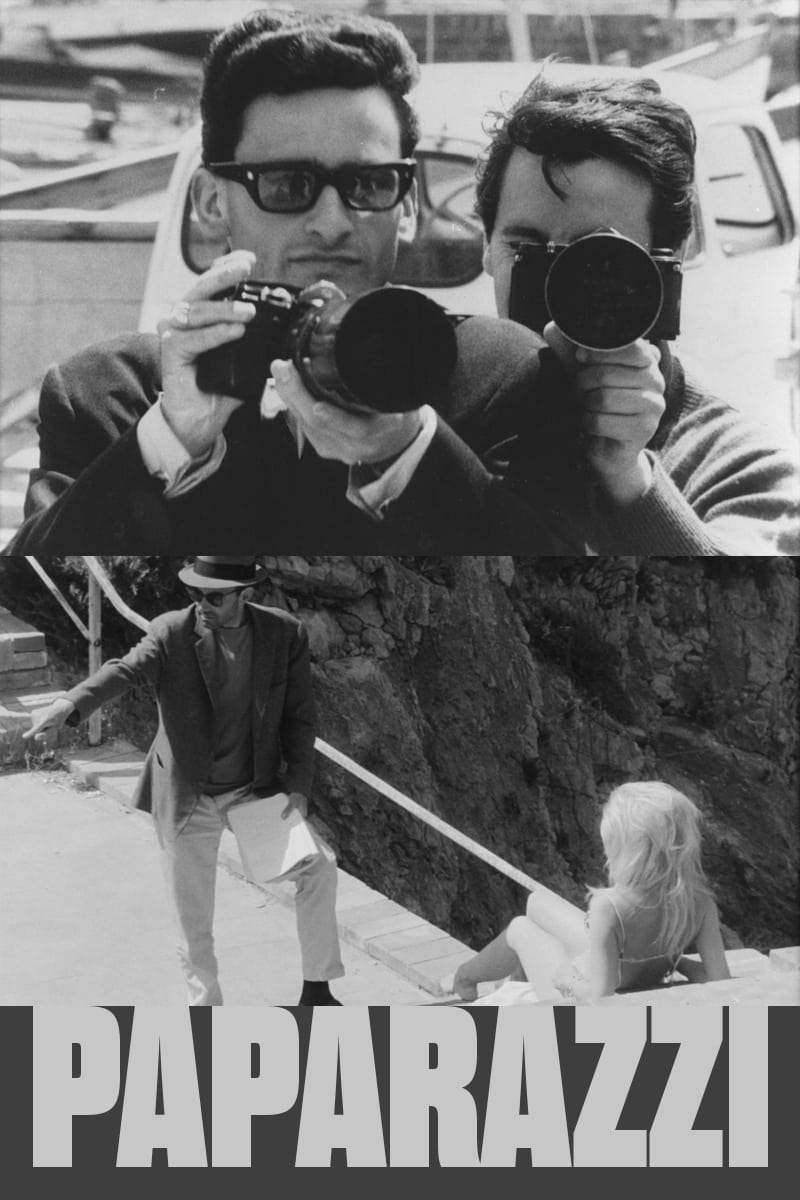
Paparazzi explores the relationship between Brigitte Bardot and groups of invasive photographers attempting to photograph her while she works on the set of Jean-Luc Godard's film Le Mépris (Contempt). Through video footage of Bardot, interviews with the paparazzi, and still photos of Bardot from magazine covers and elsewhere, director Rozier investigates some of the ramifications of international movie stardom, specifically the loss of privacy to the paparazzi. The film explains the shooting of the film on the island of Capri, and the photographers' valiant, even foolishly dangerous, attempts to get a photograph of Bardot.
Paparazzi
1964 · 20 votes
 FilmBelgeselDram
The director delves into the fragments of his own memory, blending images, words, and silences in a film essay that explores identity, memory, and the impossibility of coherent self-narration. A broken self-portrait, reconstructed from the image.
 Film7.4BelgeselTarih
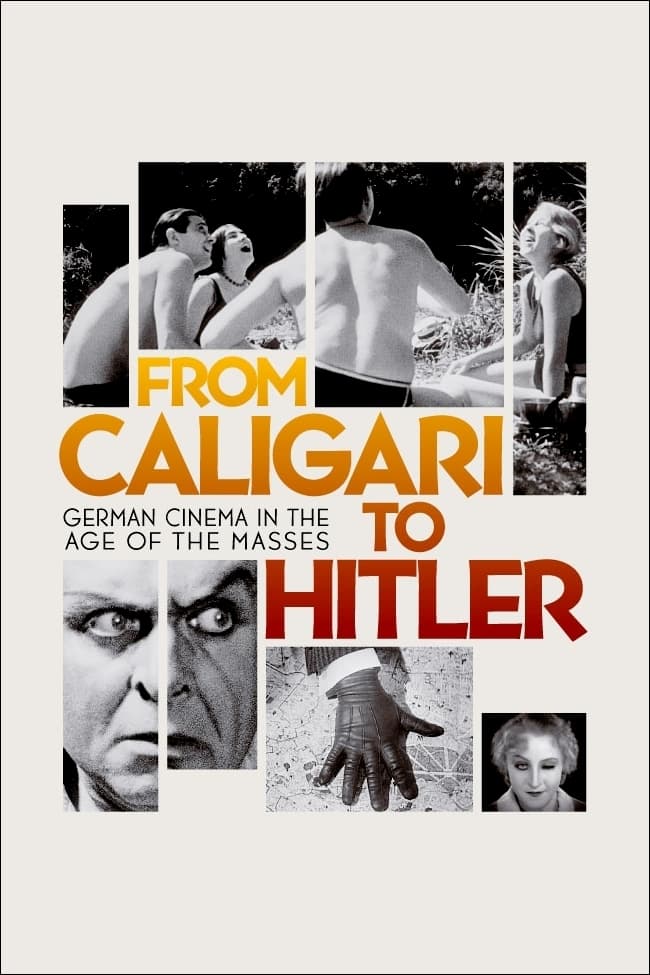
Film journalist and critic Rüdiger Suchsland examines German cinema from 1919, when the Republic of Weimar is born, to 1933, when the Nazis come into power. (Followed by Hitler's Hollywood, 2017.)
 Film7.1Belgesel
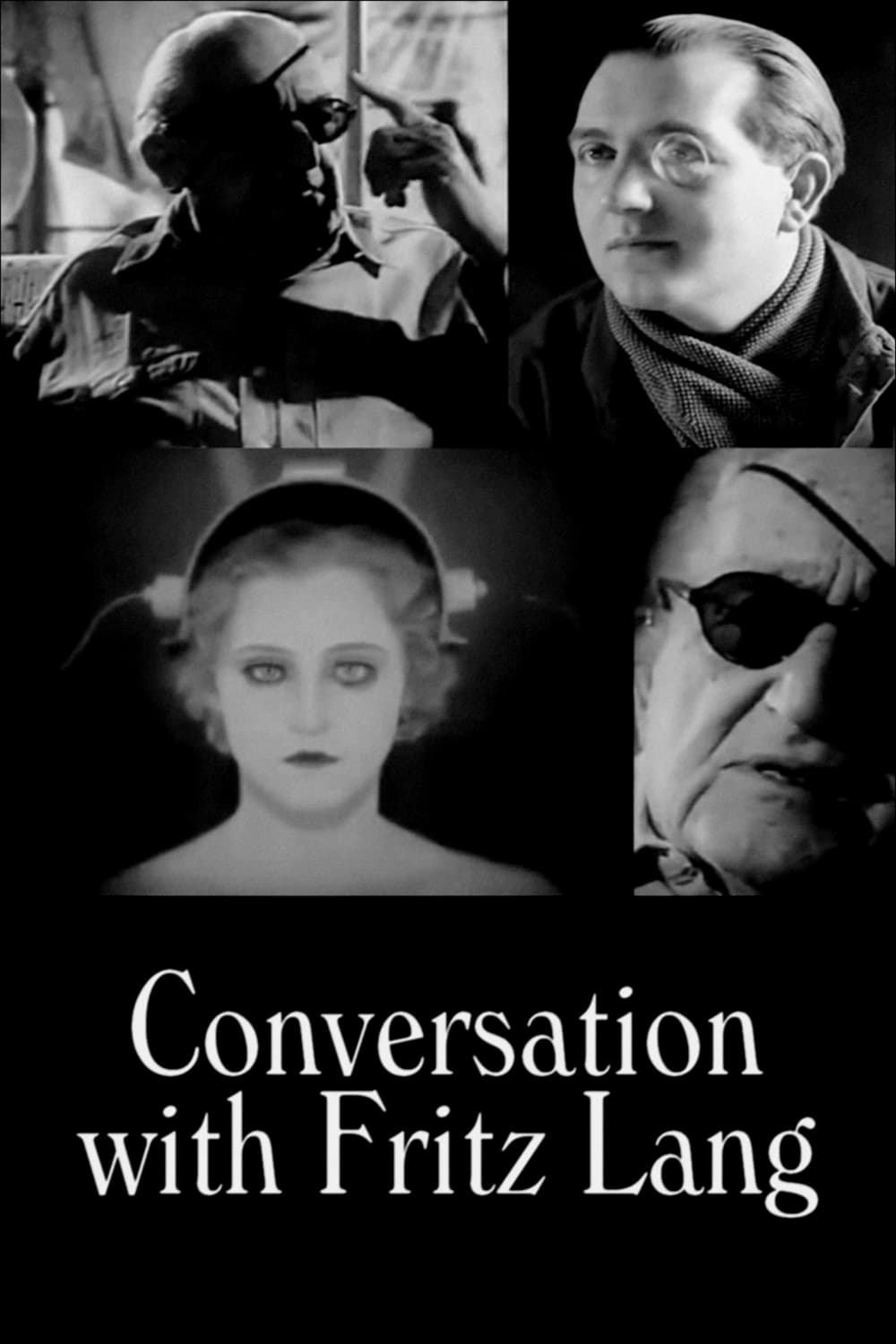
American director William Friedkin interviewed Austrian director Fritz Lang on February 21st and 24th, 1975. Lang died August 2nd, 1976.
Conversation with Fritz Lang
1975 · 11 votes
 Film6.2BelgeselTV Movie
An hour-long discussion between Fritz Lang and Jean-Luc Godard in which they discuss a variety of art forms, the role of the cinema, their collaboration together, and much more. (Filmed in 1964 but released for TV in 1967.)
Cinéastes de notre temps : Le Dinosaure et le Bébé, dialogue en huit parties entre Fritz Lang et Jean-Luc Godard
The Dinosaur and the Baby
1967 · 6 votes
 Film6.4Belgesel
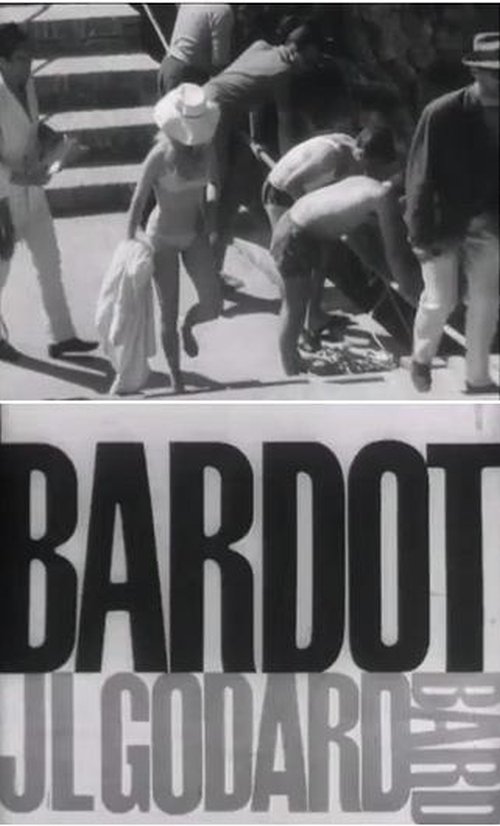
A documentary short following director Jean-Luc Godard on the set of Contempt.
 FilmBelgesel
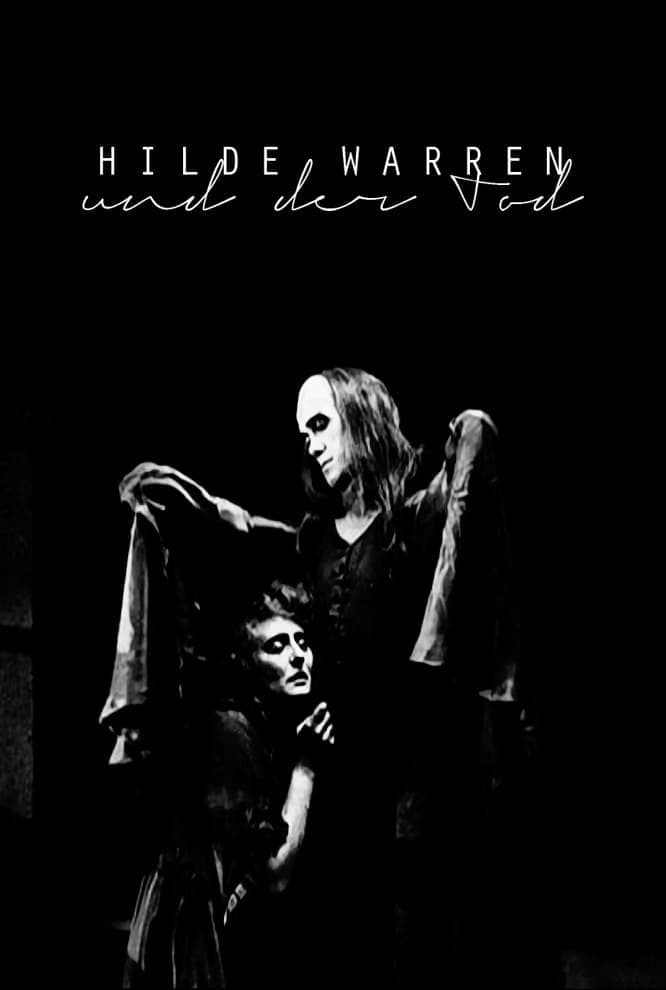 Film6.5Dram
Hilde Warren, a famous actress, is impregnated by a convicted murderer and becomes plagued by visions of Death. Upon discovering her child is the image of its criminal father, Hilde must decide whether to allow it to live, or to kill it and risk the embrace of Death himself.
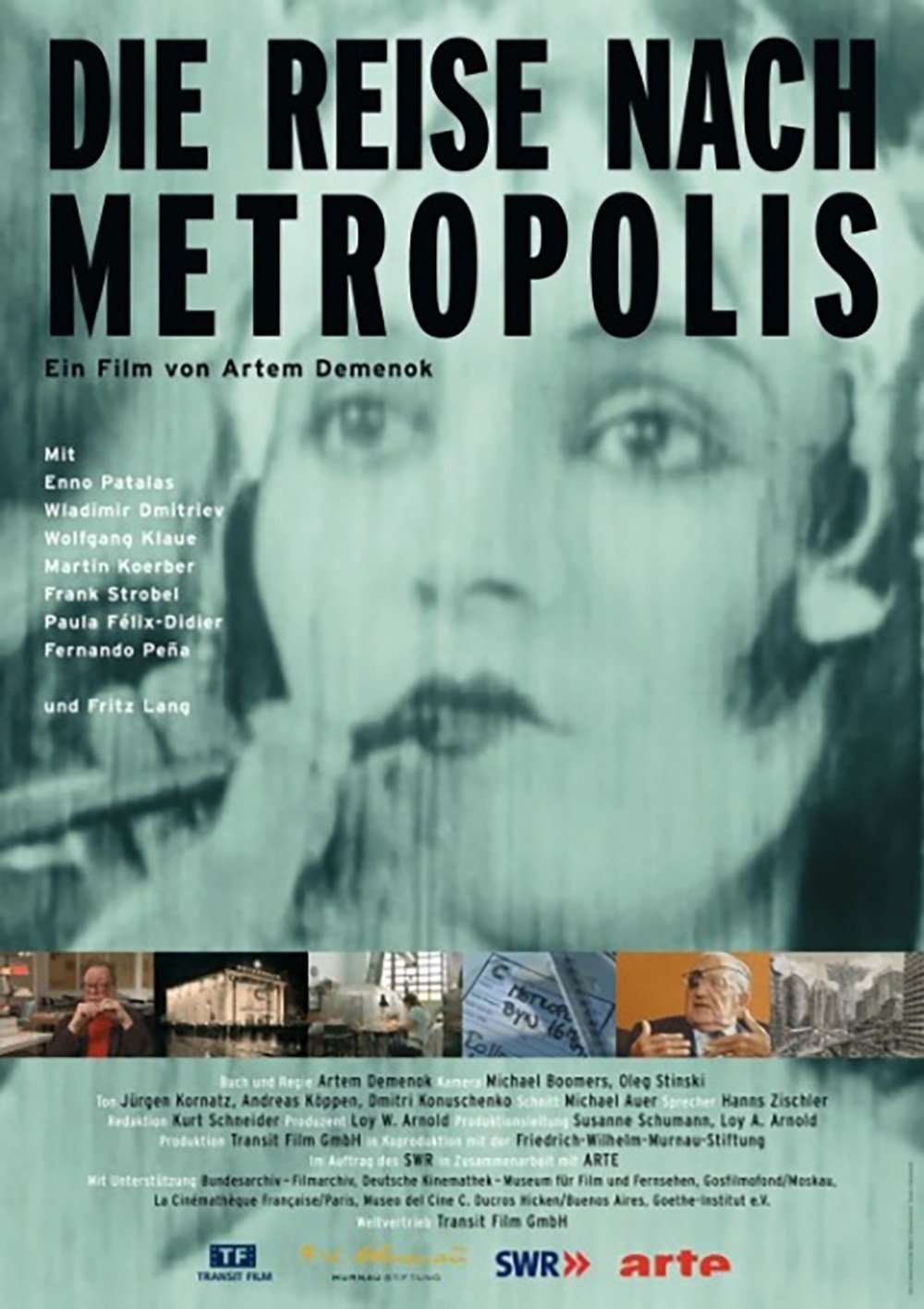 Film5.9Belgesel
A documentary about the making of the final version of "Metropolis" by restoring all material from different sources.
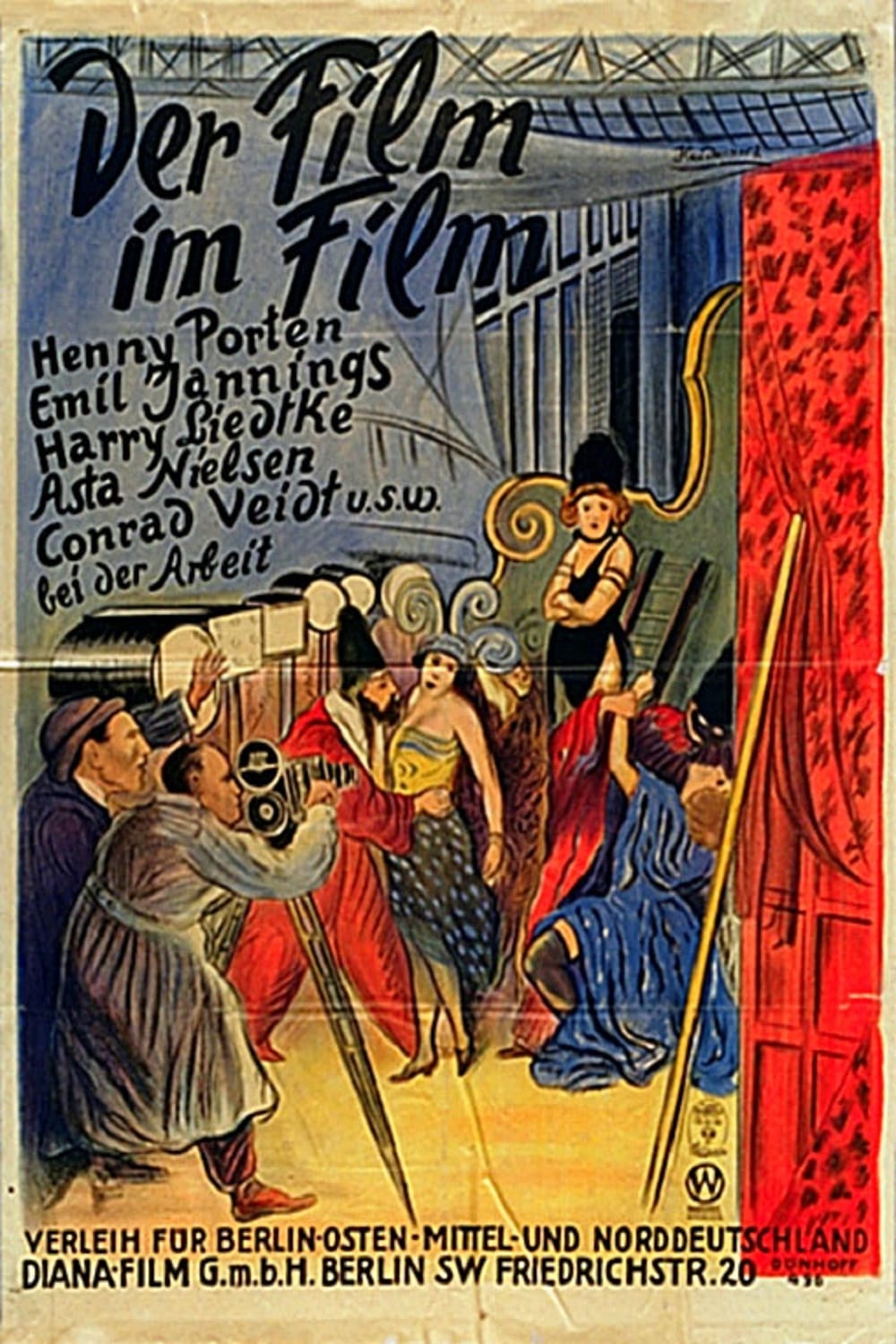 Film7.3Belgesel
The only surviving excerpt of a documentary on film production in Weimar Germany, featuring the different personalities of several famous directors of the era at work on the set including Fritz Lang, Robert Wiene, and E.A. Dupont.
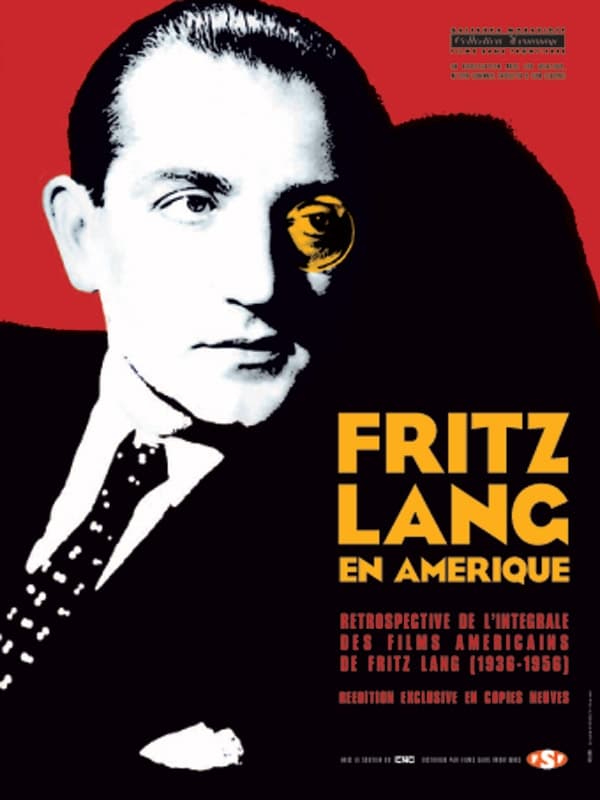 Film7.0Belgesel
Interview with Fritz Lang on the roof of Villa Malaparte on Capri during the filming of the fictitious film "Odysseus" and the filming of "Contempt" by Jean-Luc Godard, in which Fritz Lang plays the role of an old film director. During the interview, excerpts from the Lang films "The Nibelungen", "The Tired Death" and "M" are shown.
 Film6.0Dram
Lost film. A man's devotion for a woman brings about his ruin.
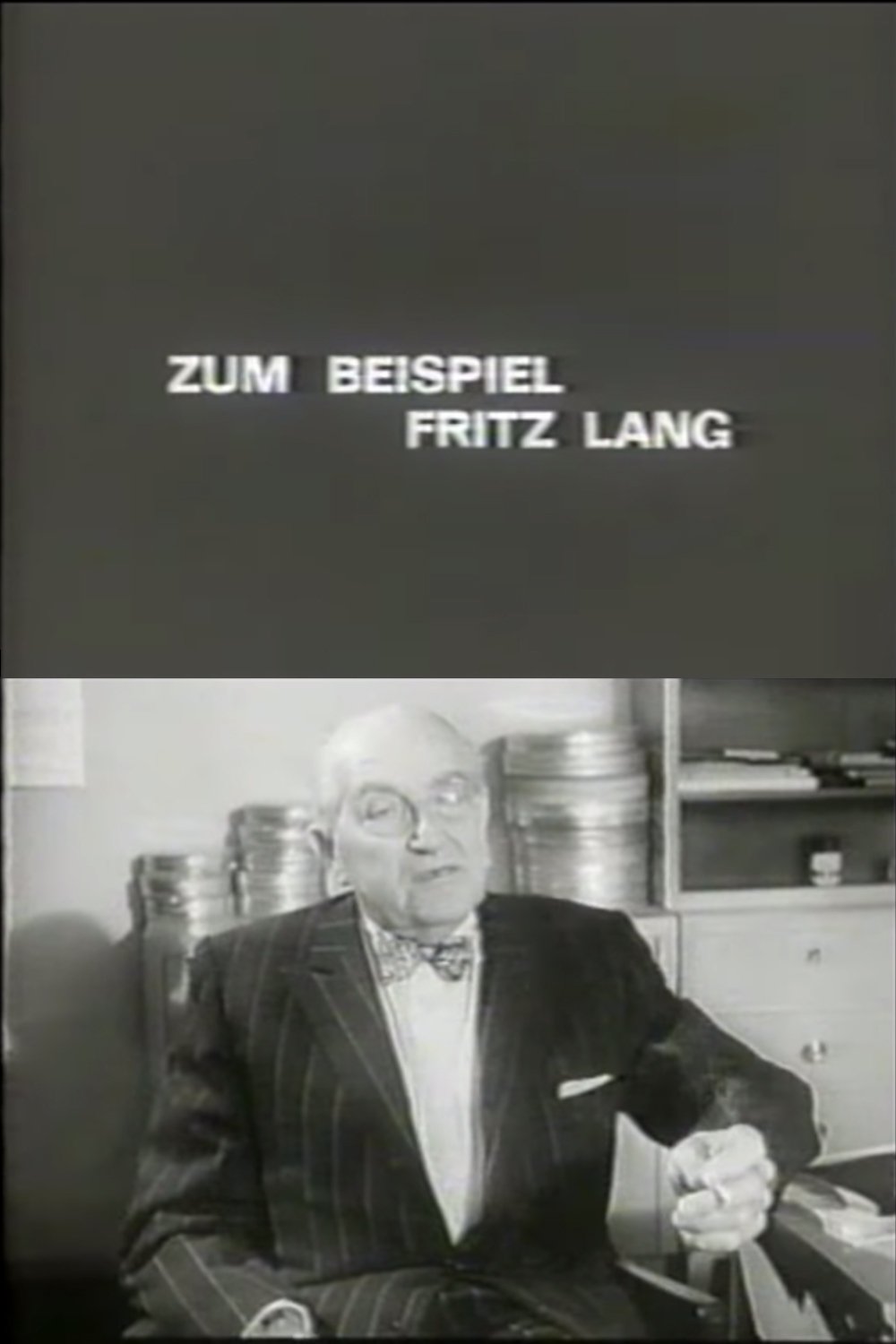 Film7.5Belgesel
A interview with Fritz Lang where he talks about his career in Germany and troubles with the Nazis.
 Film7.3Belgesel
Fritz Lang, le cercle du destin - Les films allemands
2004 · 3 votes
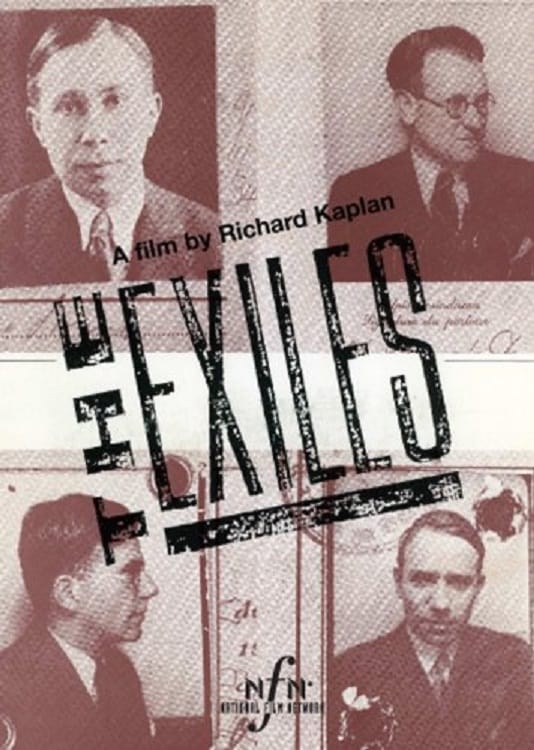 Film9.0Belgesel
A chronicle of the rescue of oppressed intellectuals and artists from Europe before the outbreak of World War II. It studies the cultural and intellectual impact of this emigre population on American life.
The Exiles
1989 · 1 votes
Diziler2
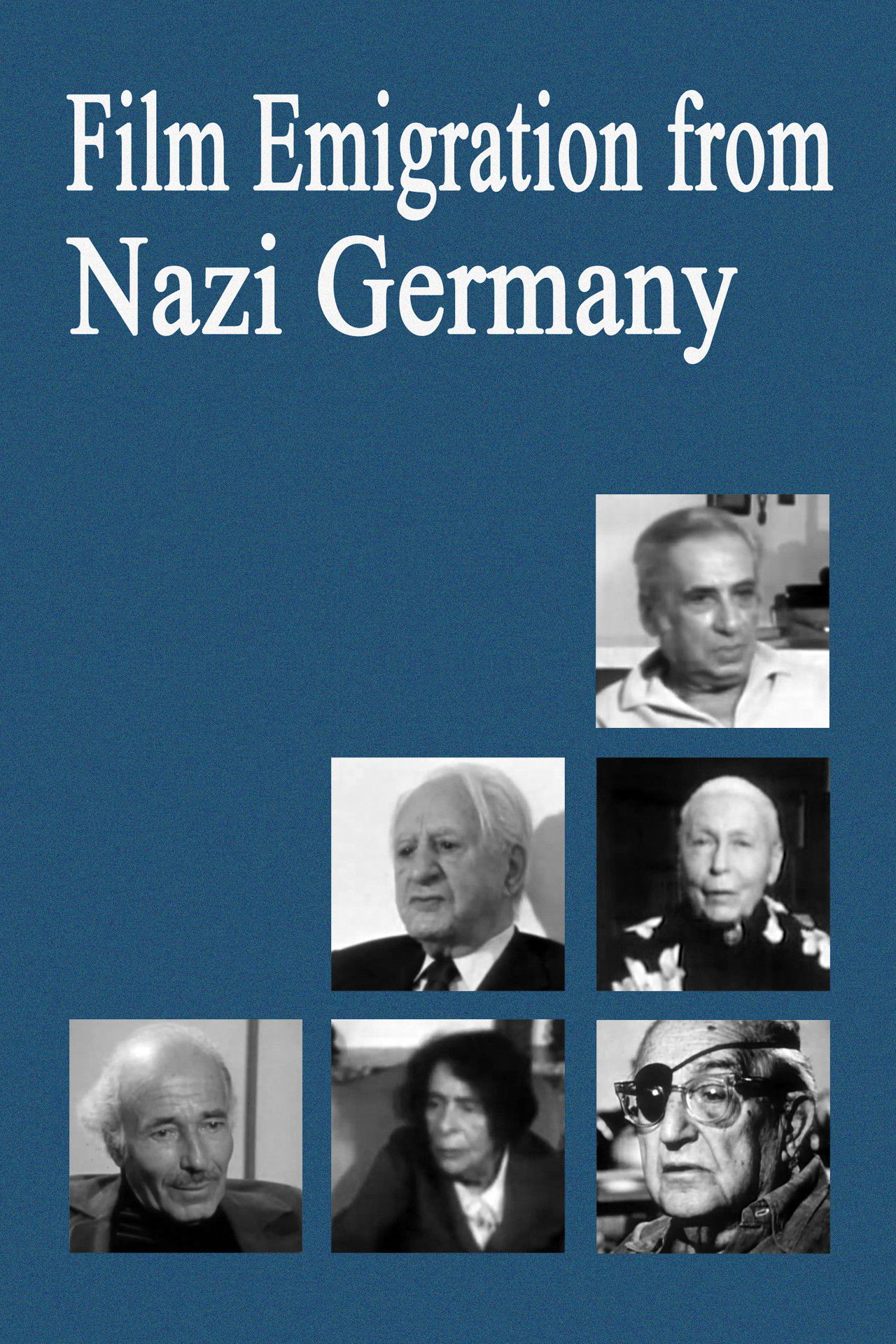 Dizi9.0Belgesel
Based on extensive interviews, shot on 16mm in a series of static long takes, Filmemigration aus Nazideutschland, is one of the most fascinating examples of "Film history on film" ever produced. Straschek devoted years to researching the topic and accumulating both film and non-film materials. Apart from some radio features and articles, however, this 290-minute TV programme remains the only published trace of Straschek's lifelong work on the emigration of film personnel. He had intended to publish a three-volume book, encompassing all available data about 3,000 emigrants originating from the centre and peripheries of film production, but the book never materialised.
 Dizi9.0Belgesel
"The Century of the Theater" - From the "birth of the director" to the "heroes of modernity" - an overview of the world of theater - illuminates the interaction with the history of the past hundred years is also shown.
Das Jahrhundert des Theaters
2002 · 1 votes