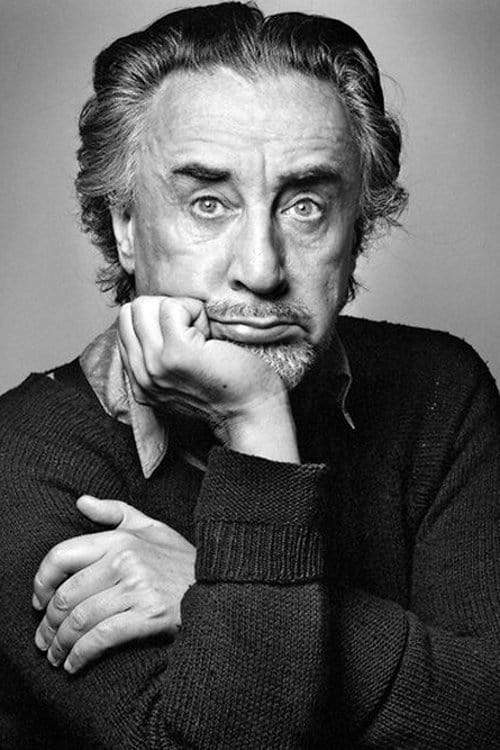
Romain Gary
Senarist · 1914 – 1980 · Vilna, Russian Empire [now Vilnius, Lithuania]
Romain Gary (21 May [O.S. 8 May] 1914 – 2 December 1980), born Roman Kacew, and also known by the pen name Émile Ajar), was a French novelist, diplomat, film director, and World War II aviator. He is the only author to have won the Prix Goncourt under two names. He is considered a major writer of French literature of the second half of the 20th century. He was married to Lesley Blanch, then Jean Seberg. Gary was born Roman Kacew (Yiddish: רומן קצב Roman Katsev, Russian: Рома́н Ле́йбович Ка́цев, Roman Leibovich Katsev) in Vilnius (at that time in the Russian Empire). In his books and interviews, he presented many different versions of his parents' origins, ancestry, occupation and his own childhood. His mother, Mina Owczyńska (1879—1941), was a Jewish actress from Švenčionys (Svintsyán) and his father was a businessman named Arieh-Leib Kacew (1883—1942) from Trakai (Trok), also a Lithuanian Jew. The couple broke in 1925 and Arieh-Leib remarried. Gary later claimed that his actual father was the celebrated actor and film star Ivan Mosjoukine, with whom his actress mother had worked and to whom he bore a striking resemblance. Mosjoukine appears in his memoir Promise at Dawn. Deported to central Russia in 1915, they stayed in Moscow until 1920. They later returned to Vilnius, then moved on to Warsaw. When Gary was fourteen, he and his mother emigrated illegally to Nice, France. Converted to Catholicism by his mother, Gary studied law, first in Aix-en-Provence and then in Paris. He learned to pilot an aircraft in the French Air Force in Salon-de-Provence and in Avord Air Base, near Bourges. ... Source: Article "Romain Gary" from Wikipedia in English, licensed under CC-BY-SA 3.0.
Filmler4
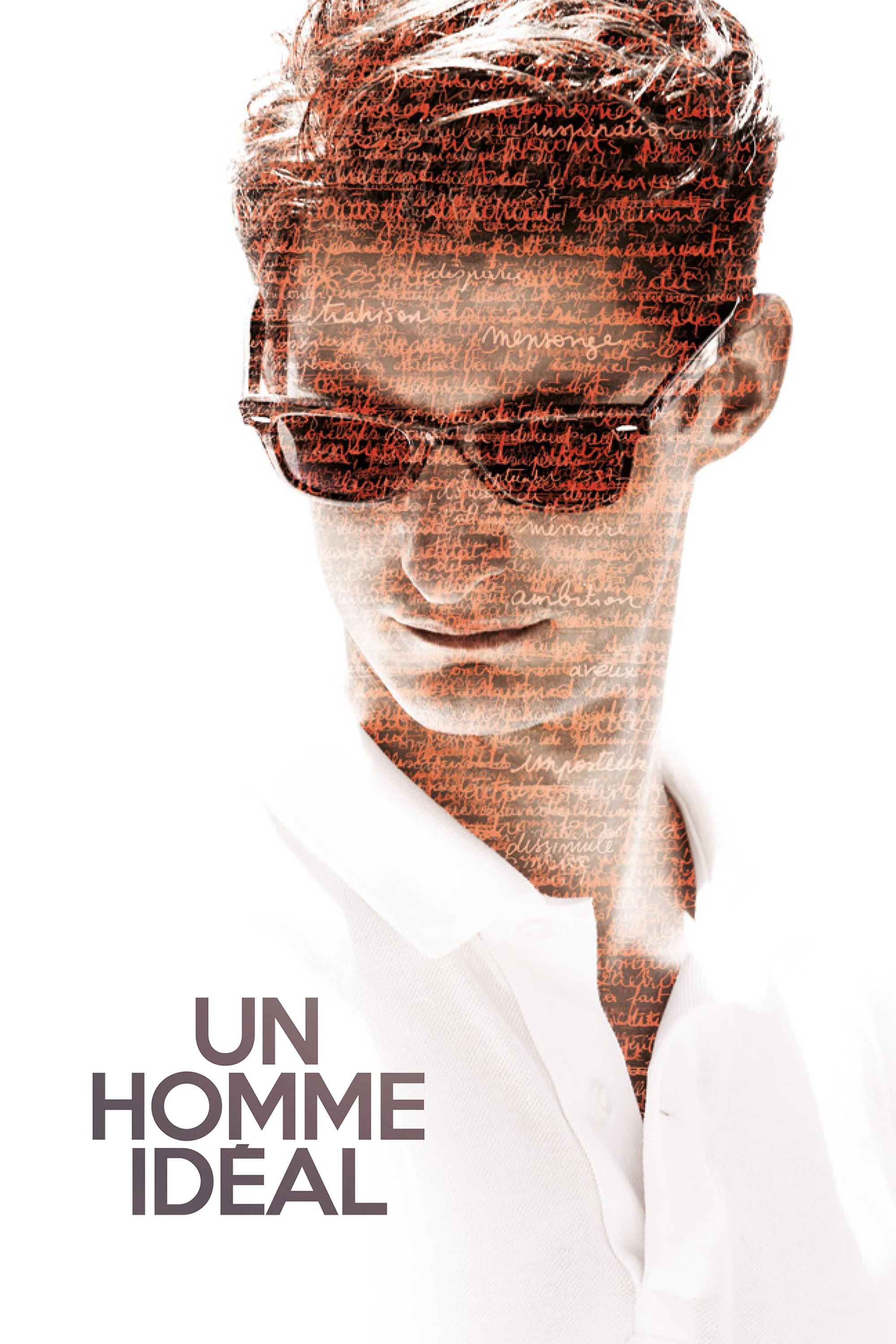 Film6.9DramGerilim
Saygı değer bir yazar olma hayali kuran Mathieu bir de kitap yazmıştır. Ancak hiçbir basımevi kitabı yayınlamaya yanaşmamıştır ve bu da yazarı üzmüştür. Ancak bir askerin mektuplarını kitap halin getirmeye karar veren Mathieu bu işte istediği şöhreti yakalayacaktır. Tam istediği herşeyi elde ettigini düşünen Mathieu mektuplarını kitap haline getirdigi askerin arkadaşı ortaya çıkacak ve herşey alt üst olacaktır.
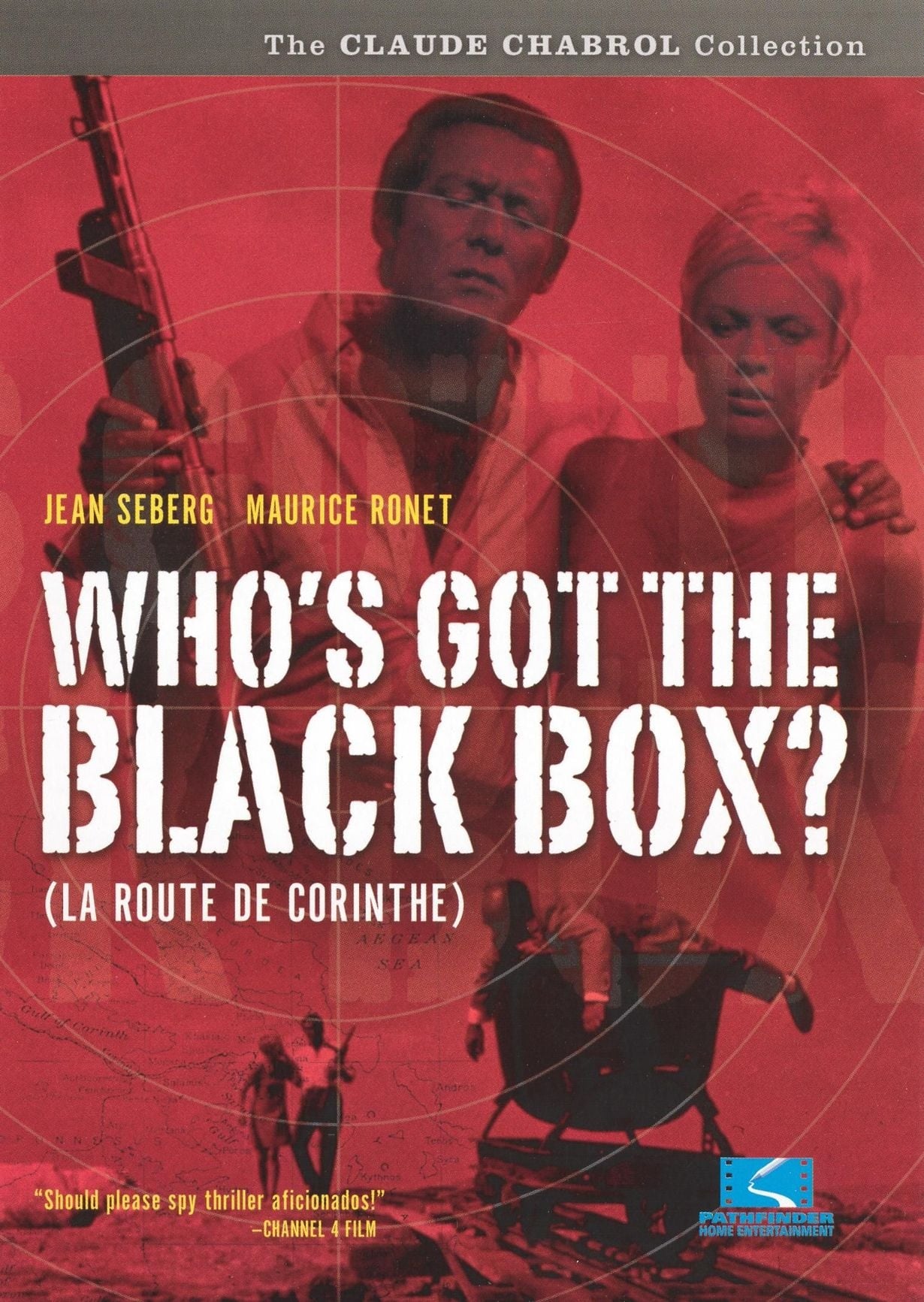 Film4.4Gerilim
The widow of a murdered undercover NATO officer in Greece is the prime suspect in his killing. She finds herself embroiled in a bigger conspiracy about the sabotage of U.S. radar installations while trying to prove her innocence.
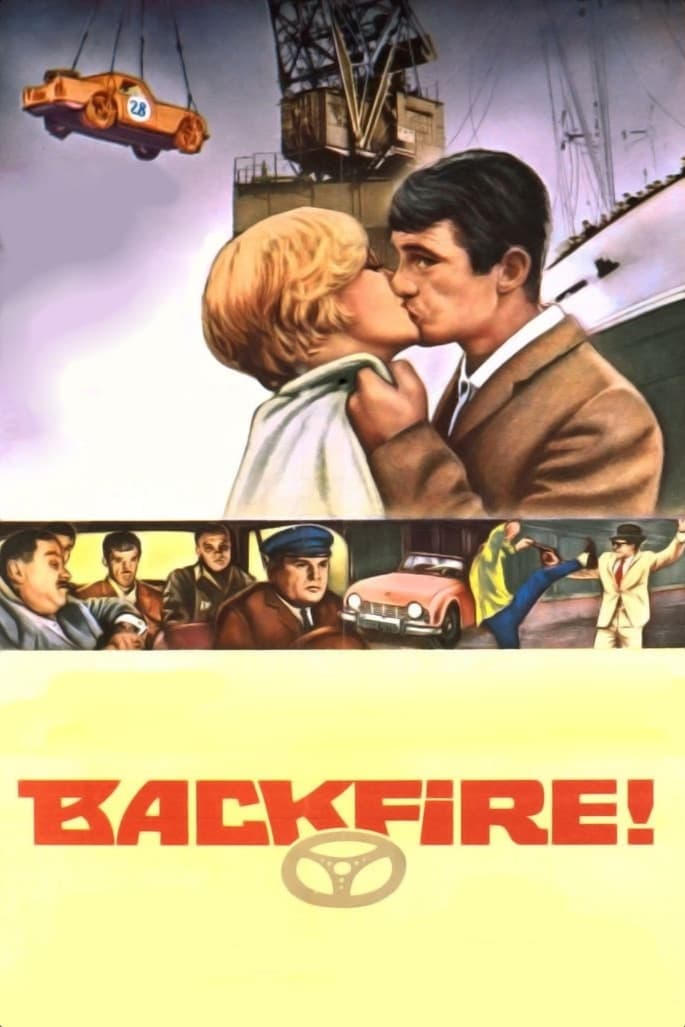 Film6.3SuçMacera
A greedy gold smuggler hires a handsome hero to transport a stolen fortune to a new hideout accompanied by the smuggler's sexy girlfriend.
 Film10.0Dram
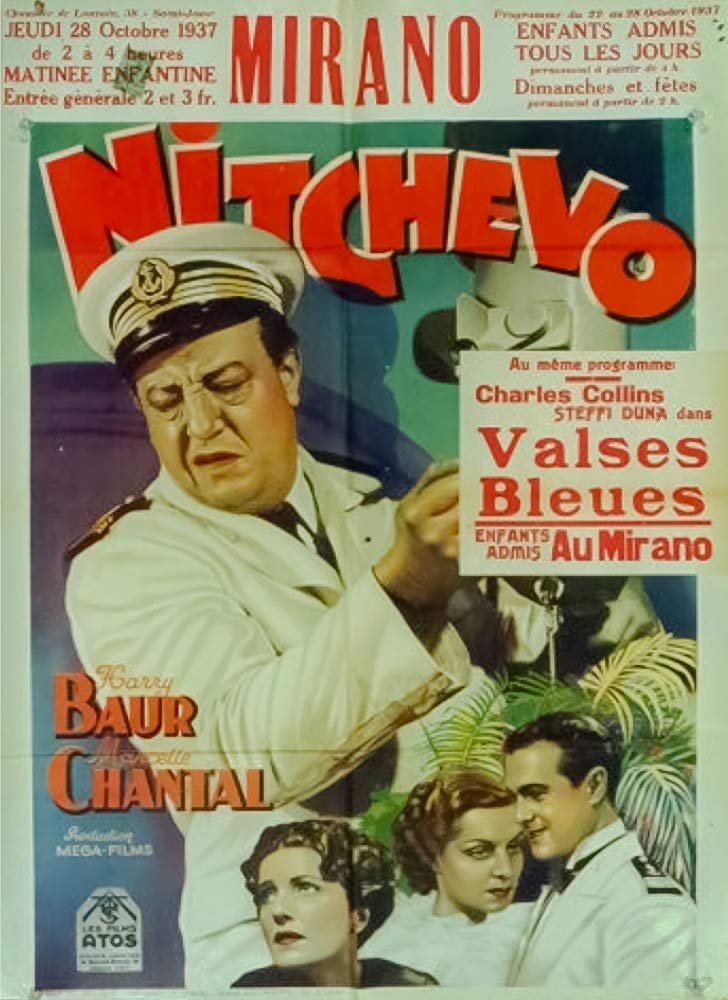
A commander suspects his wife of infidelity, when she turns to a subordinate officer to help her against someone threatening to blackmail her about her troubled past.
Nitchevo
1936 · 1 votes
Diziler3
 Dizi8.5Talk Show
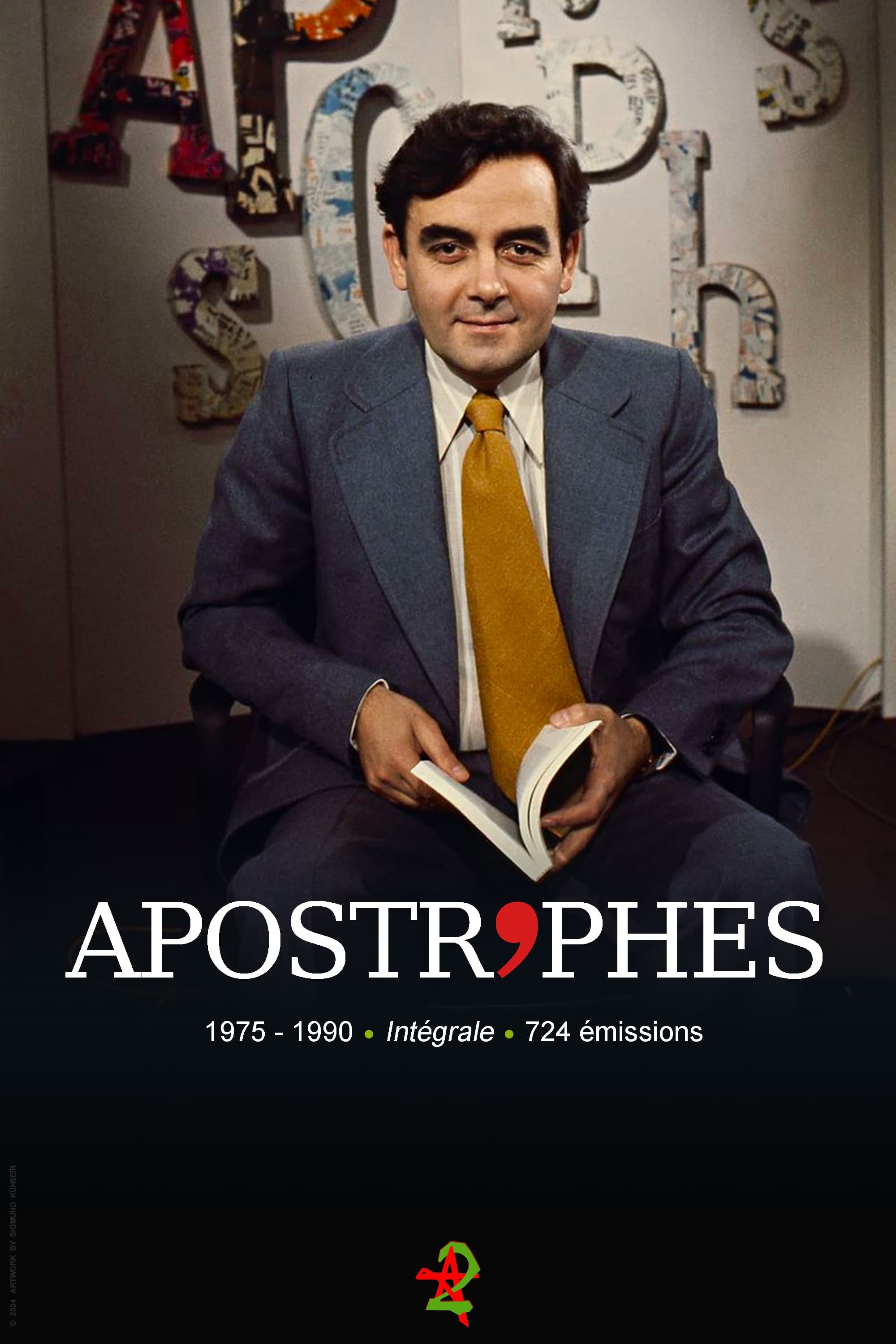
Apostrophes was a live, weekly, literary, prime-time, talk show on French television created and hosted by Bernard Pivot. It ran for fifteen years (724 episodes) from January 10, 1975, to June 22, 1990, and was one of the most watched shows on French television (around 6 million regular viewers). It was broadcast on Friday nights on the channel France 2 (which was called "Antenne 2" from 1975 to 1992). The hourlong show was devoted to books, authors and literature. The format varied between one-on-one interviews with a single author and open discussions between four or five authors.
Apostrophes
1975 · 4 votes
 Dizi6.0Realite
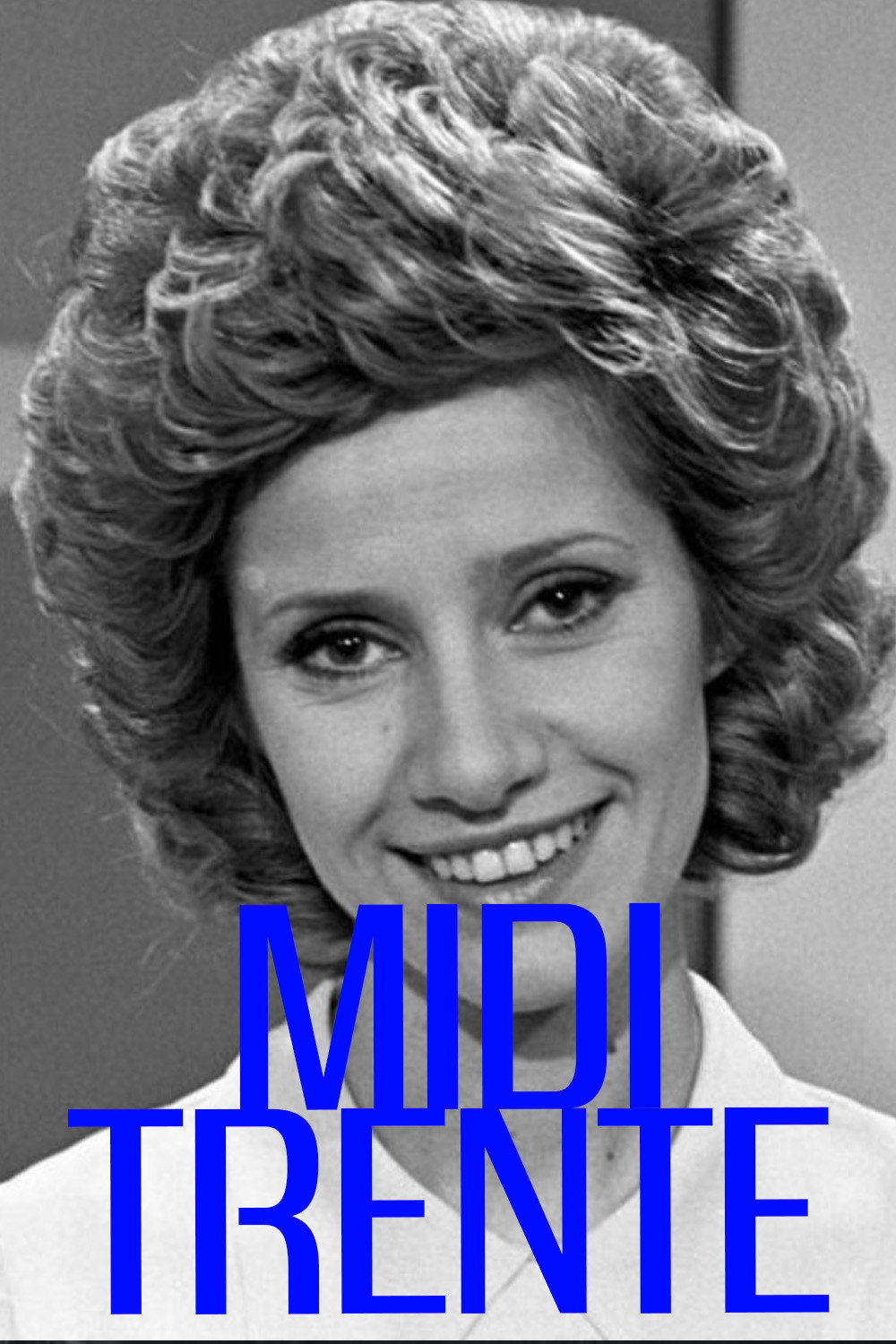
Midi trente
1972 · 1 votes
- Dizi7.3Talk Show
Presents a filmed, intercontinental conversation that links moderator Edward R. Murrow in New York with three internationally known figures located in different parts of the world. What set this apart from other televised interview/discussion programs was the fact that its participants could not see each other but could hear one another via telephone lines and radio.
Small World
1958 · 3 votes