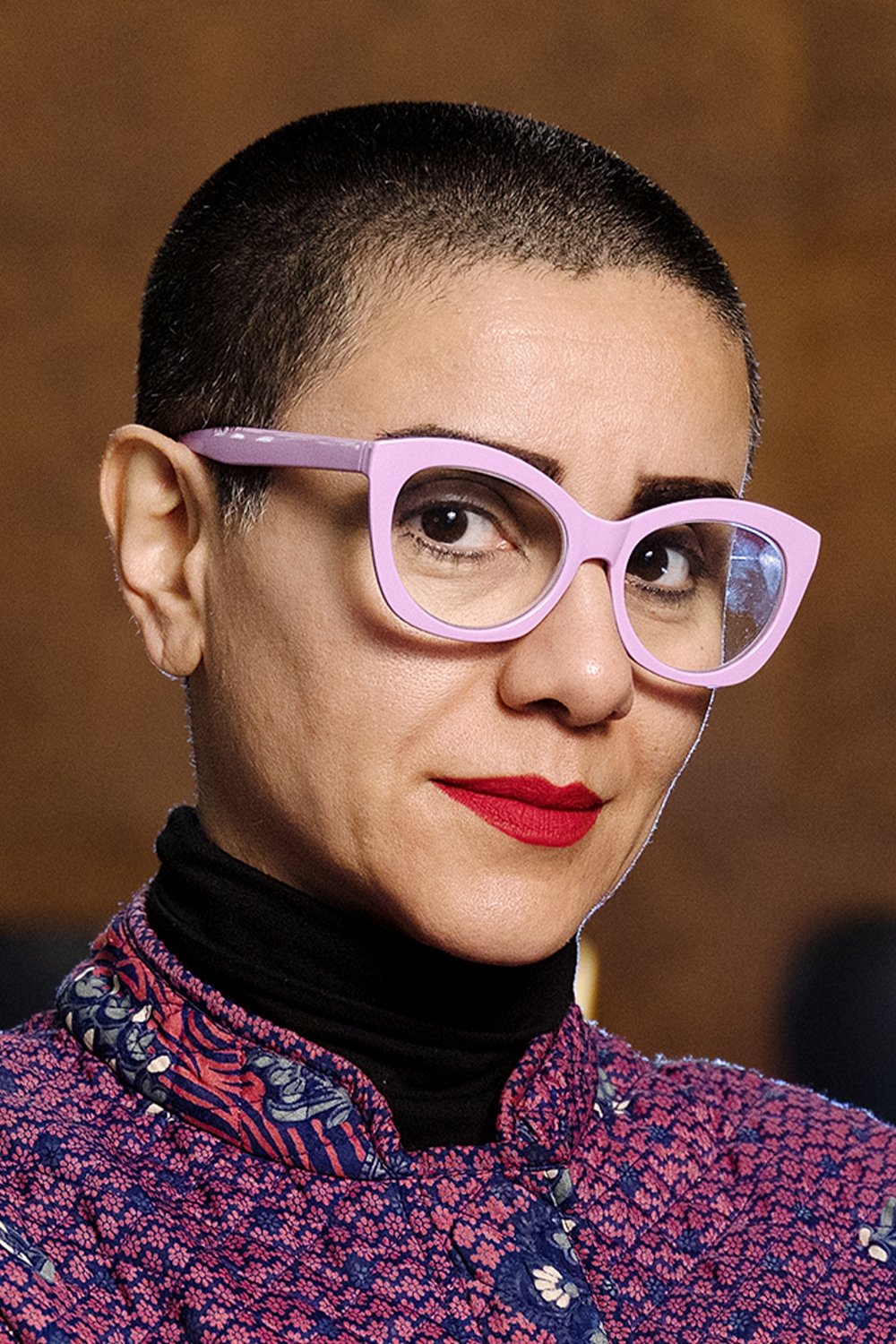
Mania Akbari
Yönetmen · d. 1974 · Tehran, Iran
From Wikipedia, the free encyclopedia. Mania Akbari is an Iranian film director. Akbari began her artistic career as a painter in 1991. She entered the world of cinema as a director of photography and later as an assistant director of documentaries. In 2002, she starred in Abbas Kiarostami’s Ten and in 2003 co-directed the documentary Crystal. In 2005 she wrote, directed and starred in her first feature film, 20 Fingers, winner of a prize at the Venice Film Festival digital film competition. In 2007, Akbari directed a sequel to Kiarostami's Ten entitled 10+4 (Dah Be Alaveh Chahar) in which she depicts her battle with cancer. Description above from the Wikipedia article Mania Akbari, licensed under CC-BY-SA, full list of contributors on Wikipedia.
Filmler8
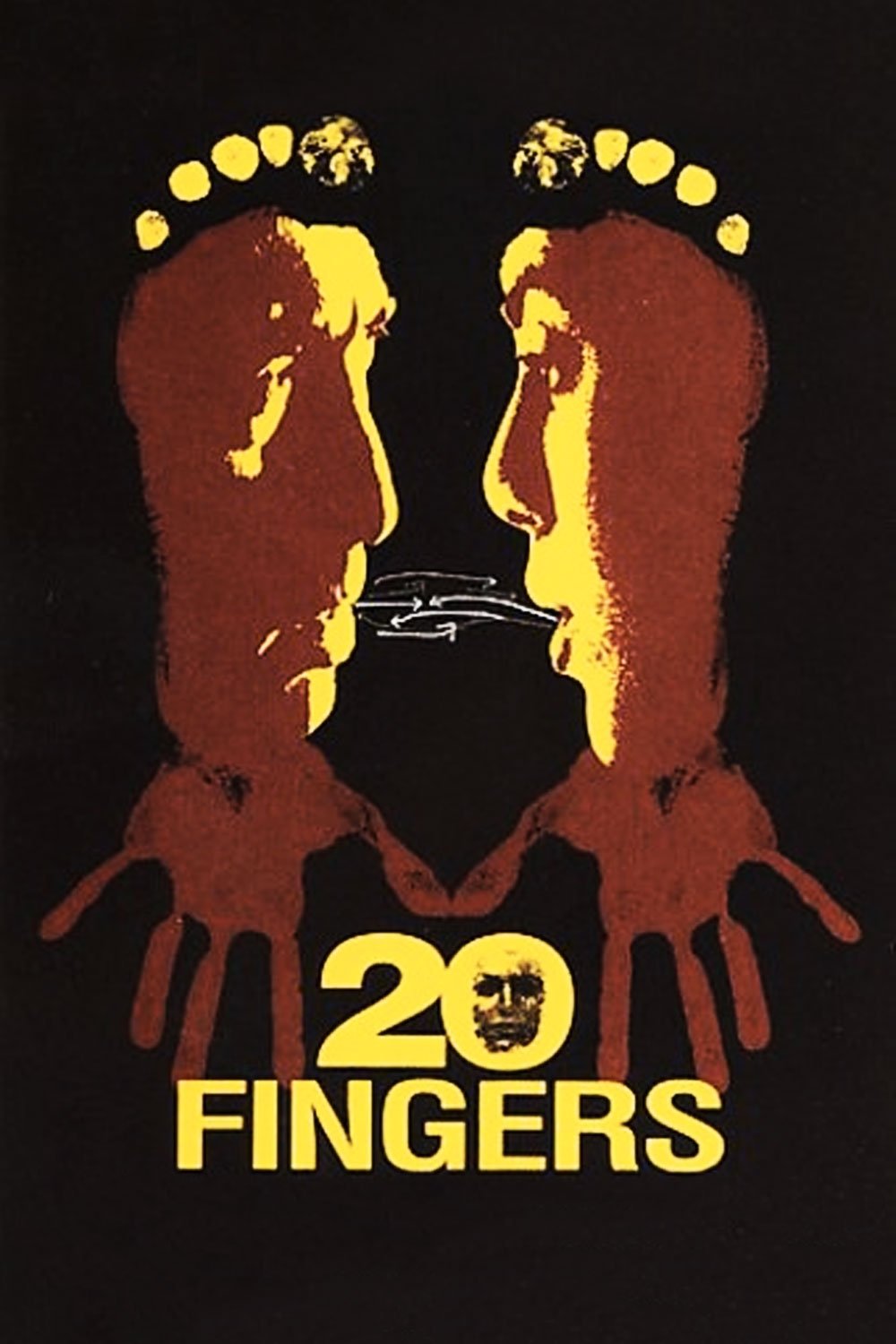 Film5.4Dram
The subject of the film is male-female relationships. Composed of 7 vignettes, "20 Fingers" features Mania Akbari and Bijan Daneshmand as a contemporary Iranian couple. The film is an intense, bumpy series of conversations and sometimes quarrels reflecting the problems facing Iranian men and women and the struggle between modernism and tradition, liberalism and conservatism.
 Film7.3Dram
Genç bir anne, oğlunu yüzmeye götürürken eski eşi hakkında tartışırlar. Tahran sokaklarında arabasıyla ilerlerken kız kardeşini, bir arkadaşını ve birkaç yabancı kadını aracına alır. Yol boyunca kadınlar, evlilik, aşk, din ve çocuk eğitimi gibi konularda samimi sohbetler eder. Film, İranlı kadınların gündelik yaşamına ve iç dünyalarına dair çok sesli bir bakış sunuyor.
- Film5.5BelgeselTV Movie
Tracing the history and influence of Iranian cinema and its filmmakers.
Cinema Iran
2005 · 2 votes
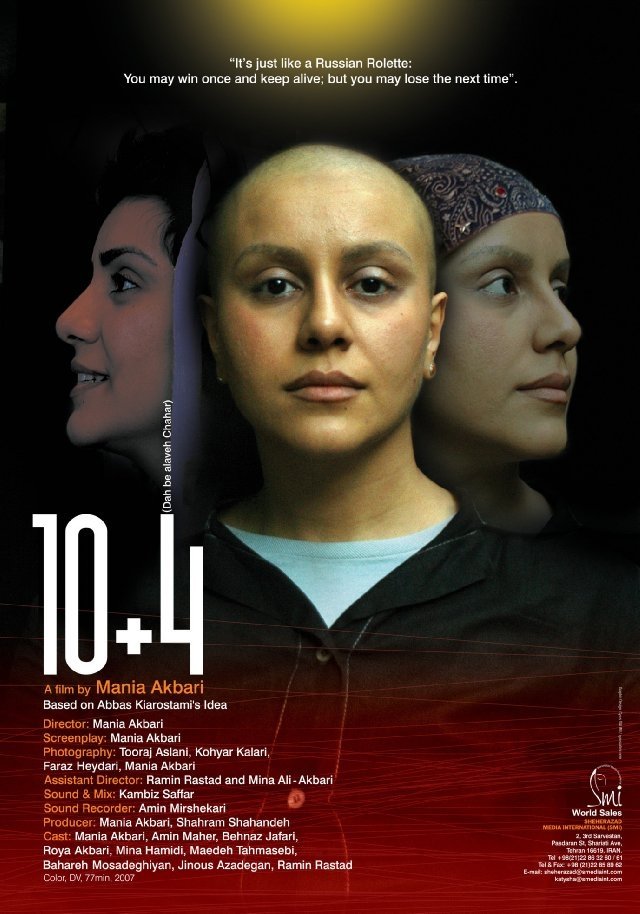 Film4.0Belgesel
After casting painter and video artist Mania Akbari as the central figure of his groundbreaking Ten (2002), and then witnessing her outstanding debut as a feature film director in 20 Fingers (2004), Abbas Kiarostami urged her to direct a sequel to the film. In Dah be alaveh Chahar (10 + 4), though, circumstances are different: Mania is fighting cancer. She has undergone surgery; she has lost her hair following chemotherapy and no longer wears the compulsory headscarf; and sometimes she is too weak to drive. So the camera follows her to record conversations with friends and family in different spaces, from the gondola she had famously used in her first feature to a hospital bed.
10 + 4 (Dah be alaveh chahar)
2007 · 2 votes
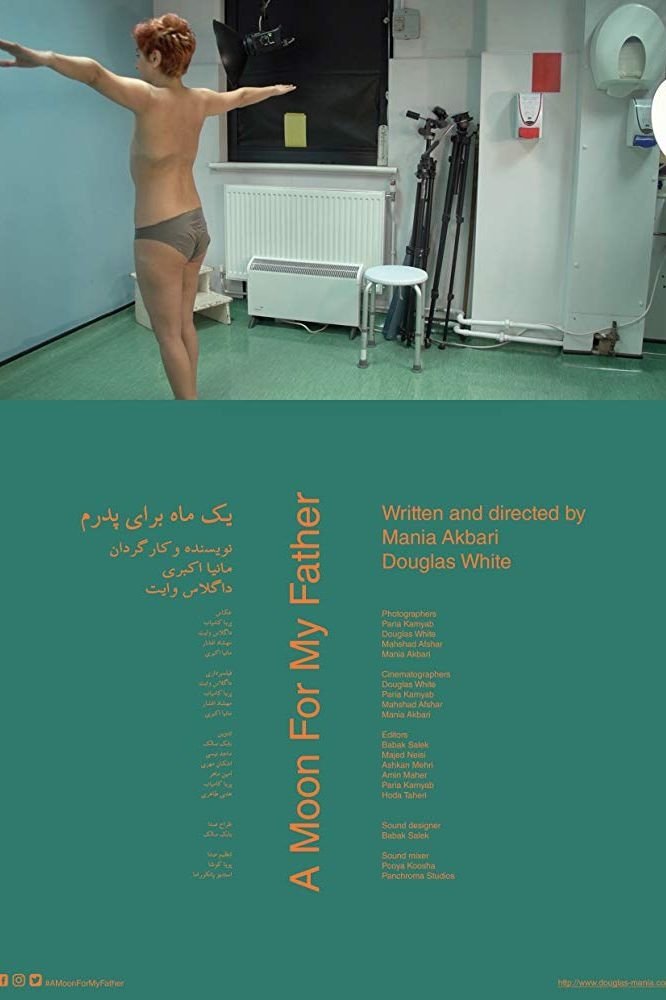 Film7.0Belgesel
Mania Akbari collaborates with British sculptor Douglas White to coin a tender fusion of langauge, where a meeting of cinema and sculpture investigates the processes of physical and psychological destruction and renewal. Begun a matter of weeks after first meeting, the film charts a deepening artistic and personal relationship exploring the nature of skin, family, death, water, desire and, throughout, a powerful will to form. Akbari looks into the connection between her body and the political history of Iran, investigating the relationship between her own physical traumas and the collective political memory of her birthplace. As she undergoes surgeries on a body decimated by cancer, remembrance and reconstruction provide a framework for investigating how bodies are traumatised, censored and politicized, and yet ultimately remain a site of possibility.
A Moon for My Father
2019 · 1 votes
- Film
Akbari was diagnosed with breast cancer in 2007 and she lost her breasts due to the cancer. After she directed, wrote and acted 10+4 which showed her struggle with the cancer, the depiction of the artists body became central in her works. In the same year, Akbari photographed her own naked body for the photo project titled Devastation. Although it was pretty risky, put herself in danger and prohibited to exhibit Devastation in Iran due to the naked images of her own body, Akbari continued to depict her own body as a new medium and new material so that she provided a video secretly as well. In 2012, after Akbari left Iran due to the barred situation of filmmaking and arresting film makers, she uses the video that shoot secretly from her own body in 2007 and juxtaposed with new images and the song of Ahangaran, who was a singer for the war time between Iran and Iraq. As a result of her action and performance, the video project titled In my country, Men Do Have Breasts happened.
 Film
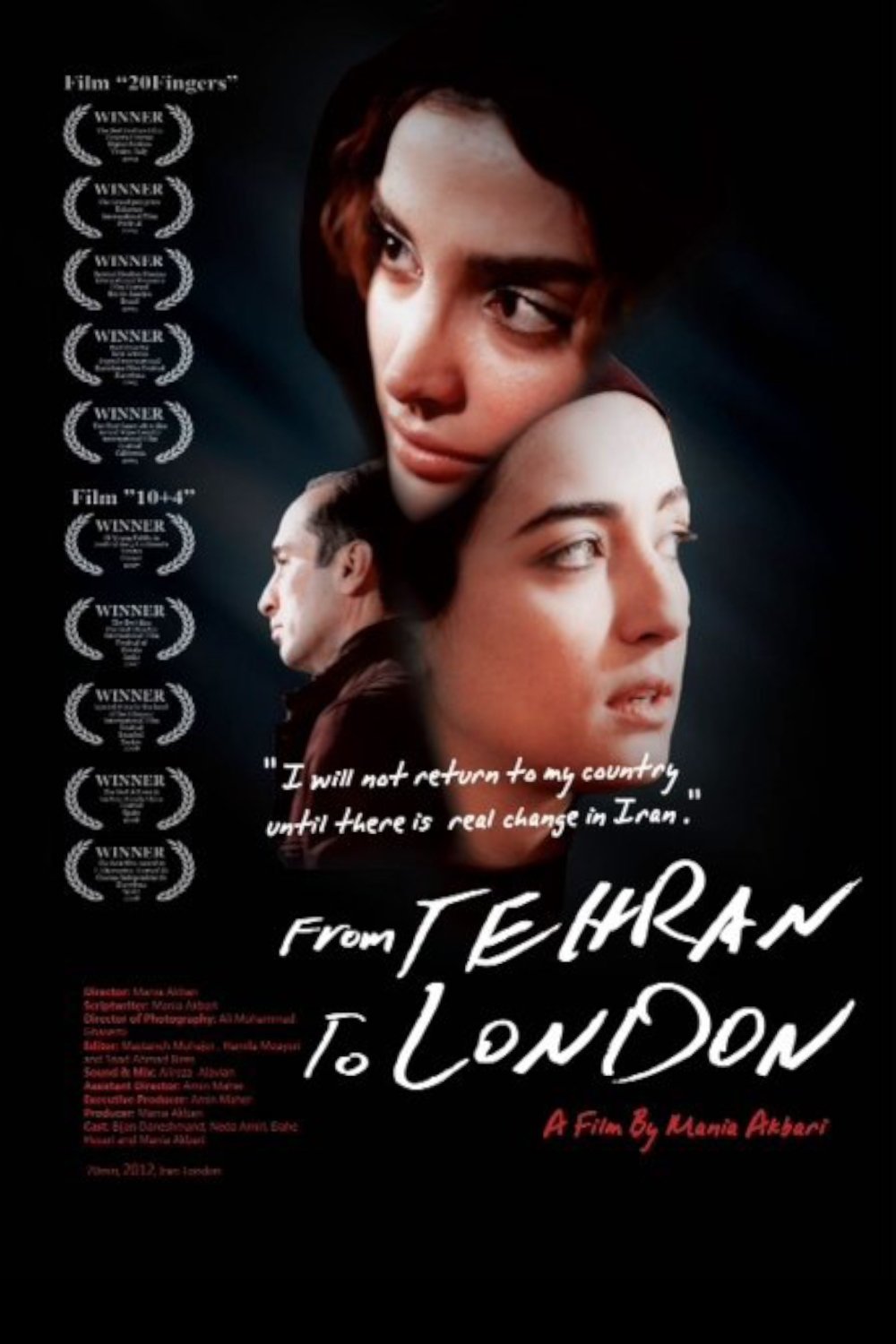
FilmMania Akbari’s From Tehran to London (2012), has a Russian-doll structure. It begins with Akbari shooting her latest film entitled Women Do Not Have Breasts about a couple, the young poet and writer Ava and her upper-class older husband Ashkan, who live in a large, beautiful – yet isolated – house in the hilly outskirts of the city. Household workers Maryam and Rahim attend to their needs. But despite their comfortable lives, Ava is increasingly dissatisfied and estranged in her relationship with Ashkan. What seems to have been an exciting relationship in the past is now little more than a series of mutual reproaches, as Ashkan incessantly tries to change Ava into someone she isn’t – a dutiful wife.
 Film5.6Belgesel
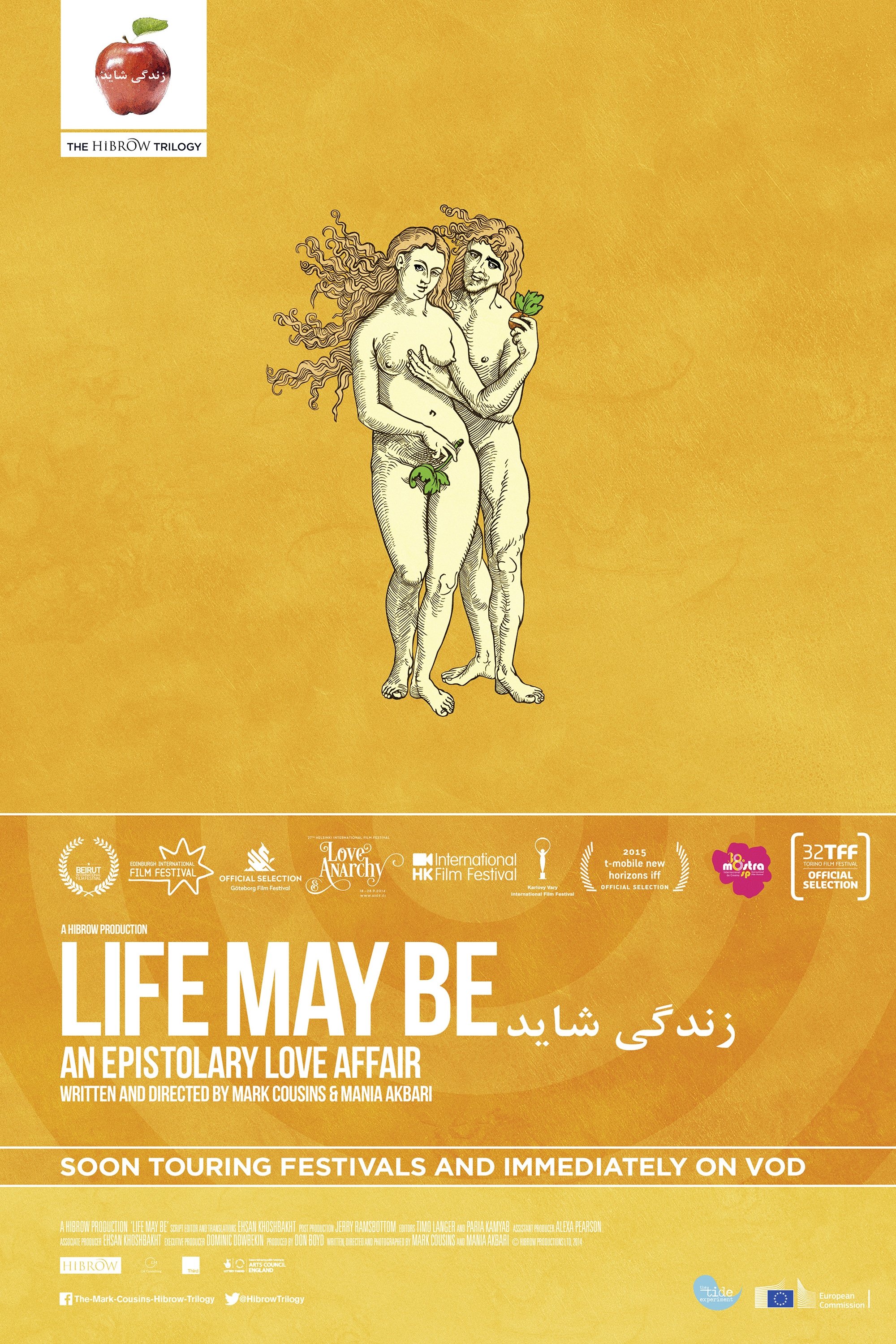
An epistolary feature film: a cinematic discourse between a British director Mark Cousins, and an Iranian actress and director Mania Akbari which extends the concept of "essay film" with startling confrontations in the arenas of cultural issues, gender politics and differing artistic sensibilities. A unique journey into the minds of two exceptional filmmakers which becomes a love affair on film.
Life May Be
2014 · 5 votes