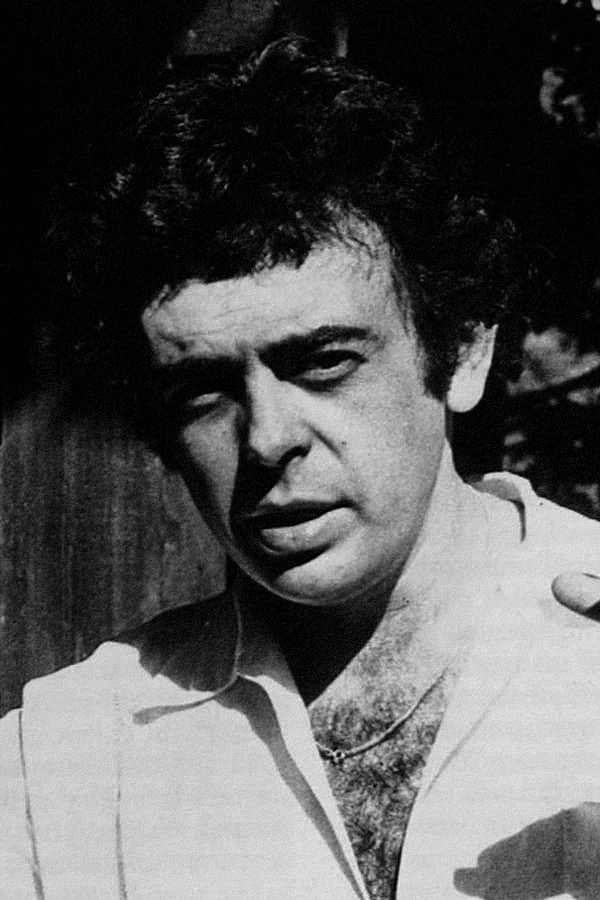
Glauber Rocha
Yönetmen · 1939 – 1981 · Vitória da Conquista, Bahia, Brazil
Glauber de Andrade Rocha (Vitória da Conquista, March 14, 1939 — Rio de Janeiro, August 22, 1981) was a Brazilian filmmaker, considered by critics, specialized journalists and the public as one of the biggest names in the history of Brazilian cinema. Revered as a revolutionary genius, he was one of the founders of the avant-garde Cinema Novo movement, and many of his works, such as Deus e o Diabo Na Terra do Sol, Terra em Transe and O Dragão da Maldade Contra o Santo Guerreiro, are often listed as some of the best Brazilian films of all time.
Filmler23
 Film7.7KomediDram
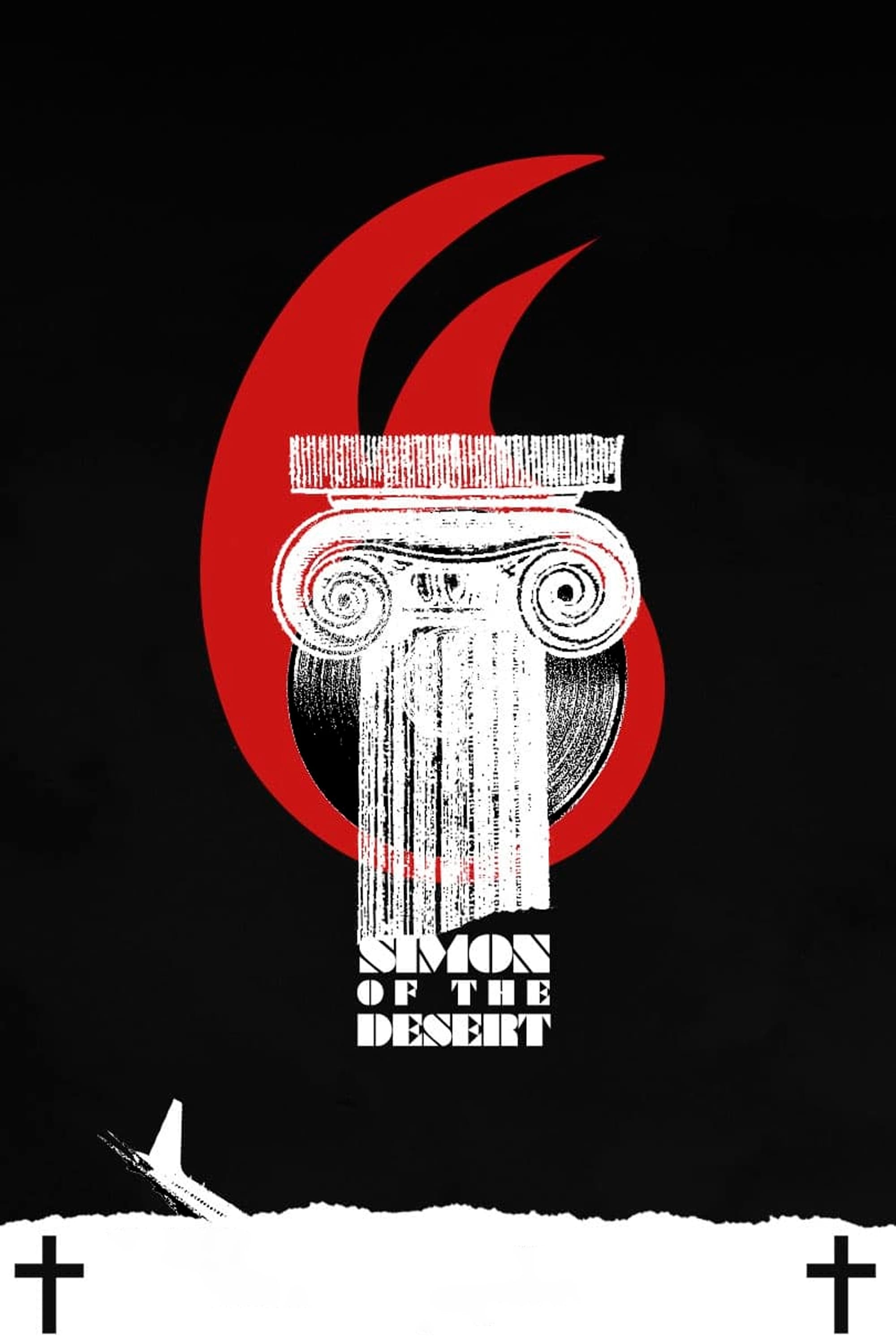
Aziz Simeon Stylites'in oğlu Simón; 6 yıl, 6 ay ve 6 gün boyunca çölün ortasında bulunan sekiz metrelik bir sütunun üzerinde yaşayarak saf bir inanan haline gelebilmek için Tanrı'ya dua edip çile doldurmuştur. Zaman geldiğinde, yakınlardaki bir manastırdan gelen rahipler cemaati ile Simón'un mucizelerine ve azizliğine gönülden inanan fakir bir köylü kalabalığı onu selamlamak üzere çöle gelir. Keşişler tarafından kendisine rahiplik teklif edilen Simón, bu mertebe için değersiz olduğunu düşündüğünden bunu reddeder. Aynı anda Tanrı ile arasına hiçbir şeyin girmemesi gerektiğini düşündüğünden annesi ile vedalaşır ve rahiplerin önerdiği yeni bir sütuna çıkarak yeni bir çile dönemine girer. Bu sırada kendisinden şefaat dileyen elleri kesik bir adam için dua edip bir mucize gerçekleşir ve ona ellerini geri verir. Aslında ondan mucize bekleyen kalabalık bu durumdan etkilenmez ve hep birlikte çölden ayrılıp Simón'u ve onun tırmandığı sütunun dibinde yaşamaya karar veren annesini yalnız bırakır
 Film7.2MüzikBelgesel
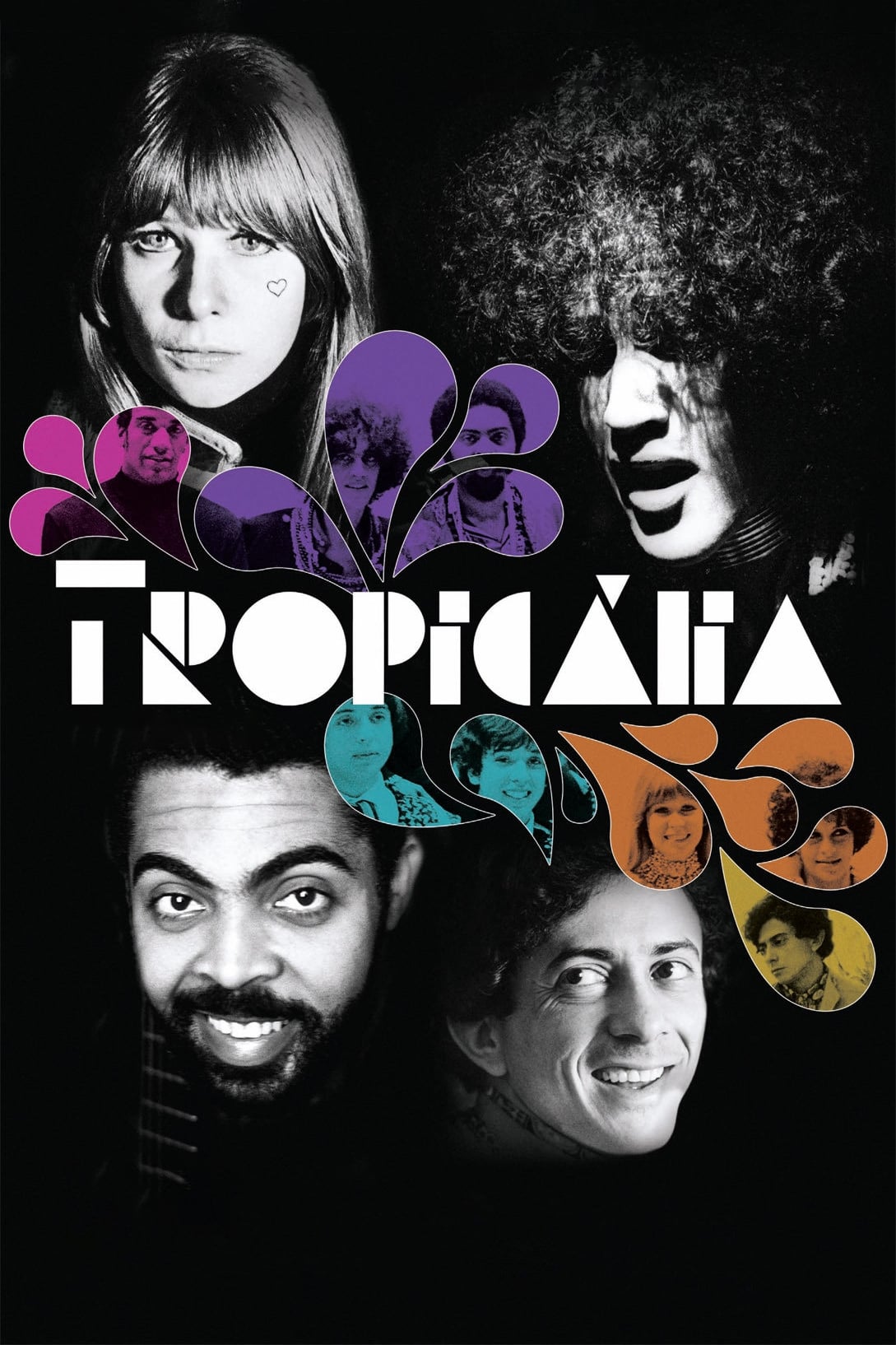
Set against the turbulent atmosphere of the 1960s, Tropicália is a feature length documentary exploring the Brazilian artistic movement known as Tropicália, and the struggle its artists endured to protect their right to freely express revolutionary thought against the traditional Brazilian music of that time.
Tropicália
2012 · 19 votes
 Film6.7DramWestern
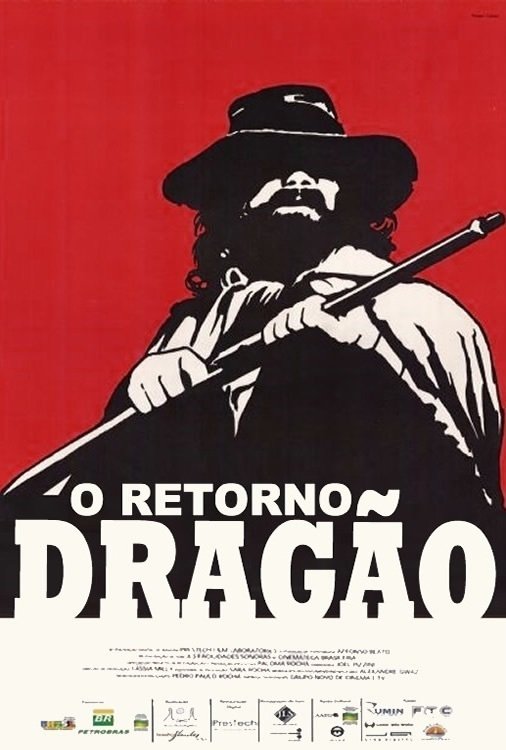
A politically oriented film in which images suggestive of a mock western are accompanied by an attack on all cinematic conventions to date and a debate on the nature and possibility of revolutionary cinema.
 Film5.1FantastikDram
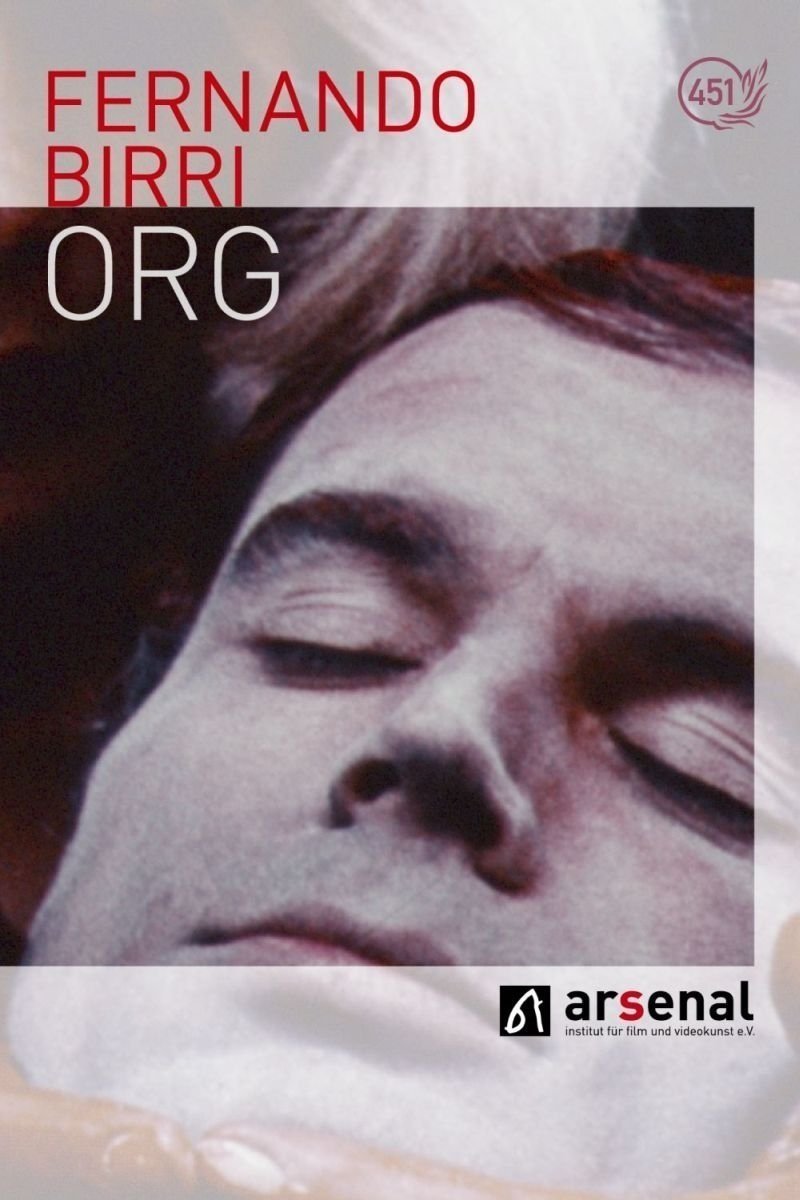
Explores the complex relationship between the spirit, body, and mind. The film is a nightmare with closed eyes because it counts among the most terrible moments of my life, my second exile, which lasted a very long time. Inspired by an ancient Hindu legend.
ORG
1979 · 9 votes
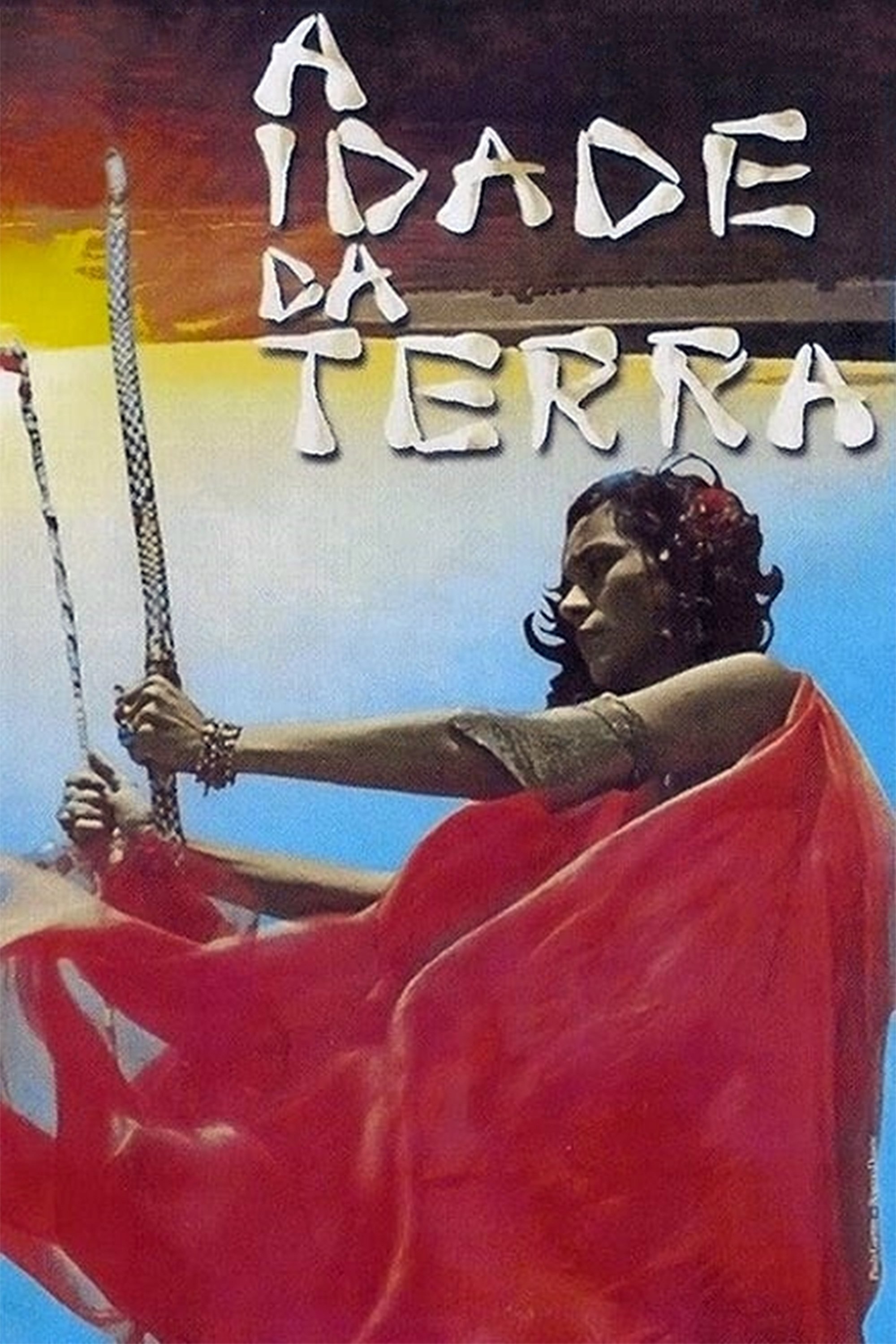 Film6.0DramFantastik
Drawing inspiration from a poem penned by Castro Alves, this film vividly captures the political, cultural, and intellectual climate of Brazil during the late 1970s. At its core, the story revolves around four distinctive embodiments of Christ's image: a black man, a soldier, an Indian, and a guerrilla fighter. These courageous individuals, hailed as the harbingers of doom in the tupiniquim lands, valiantly combat the insatiable avarice and oppressive "civilizing" brutality propagated by the formidable John Brahms—a foreign exploiter devoid of morals.
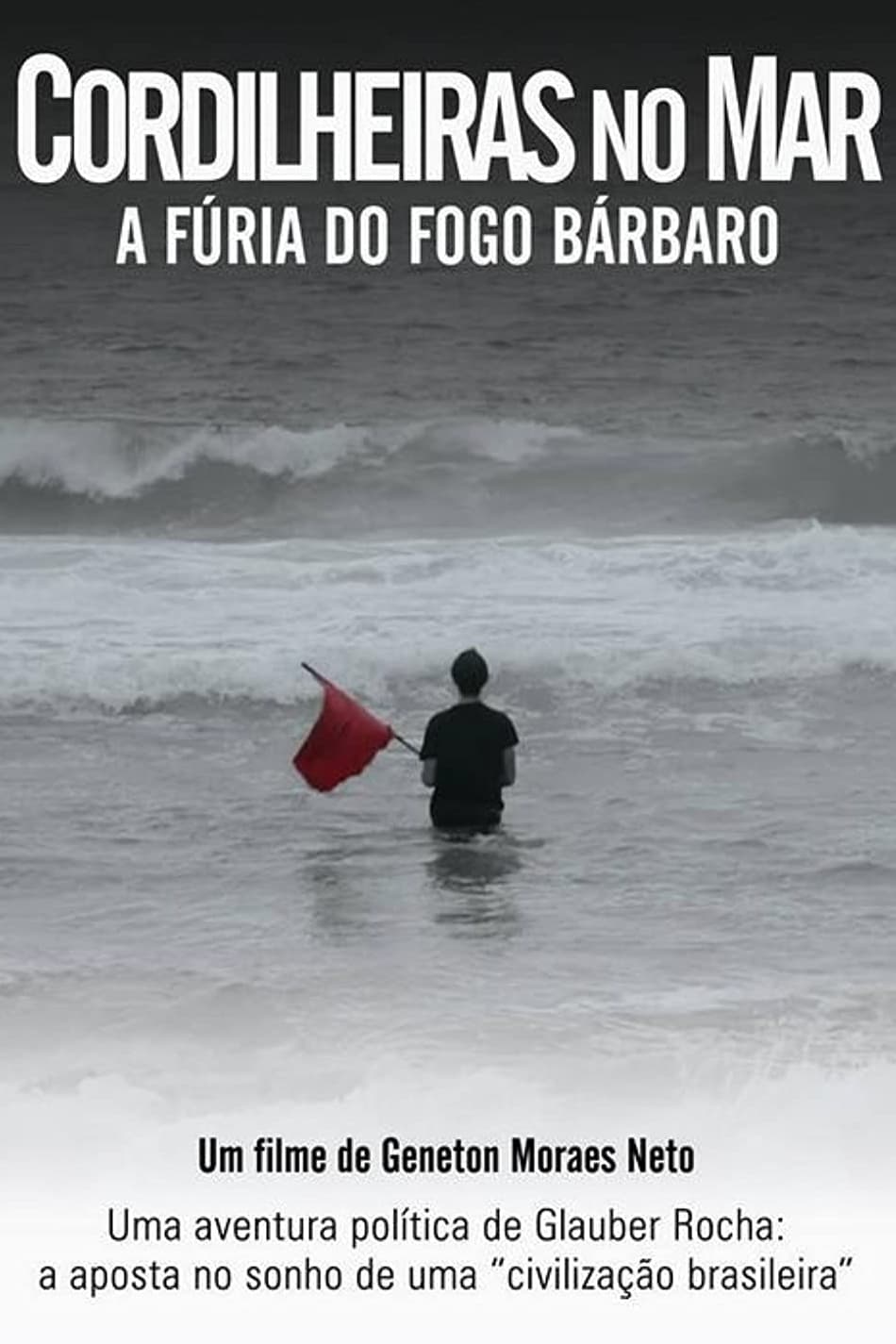 Film8.0Belgesel
Cordilheiras no Mar: A Fúria do Fogo Bárbaro
2015 · 1 votes
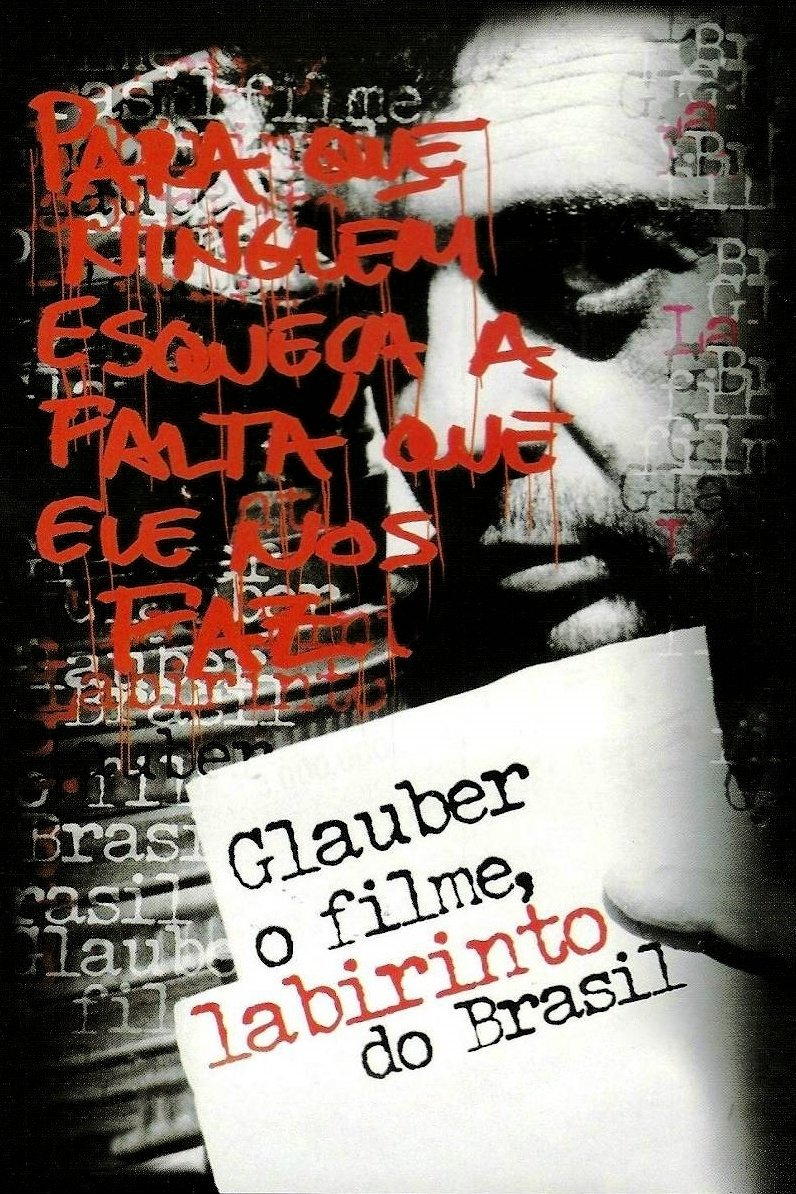 Film6.3Belgesel
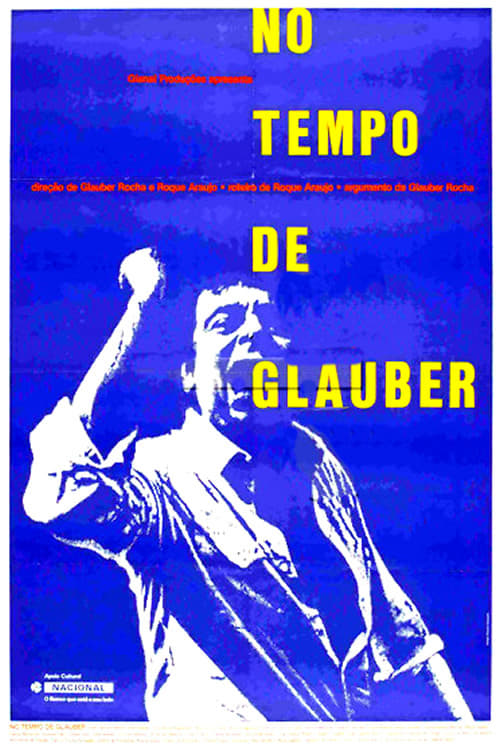
Documentary about Brazilian filmmaker Glauber Rocha, one of the most important names in the Cinema Novo, with interviews with some of his friends and colleagues.
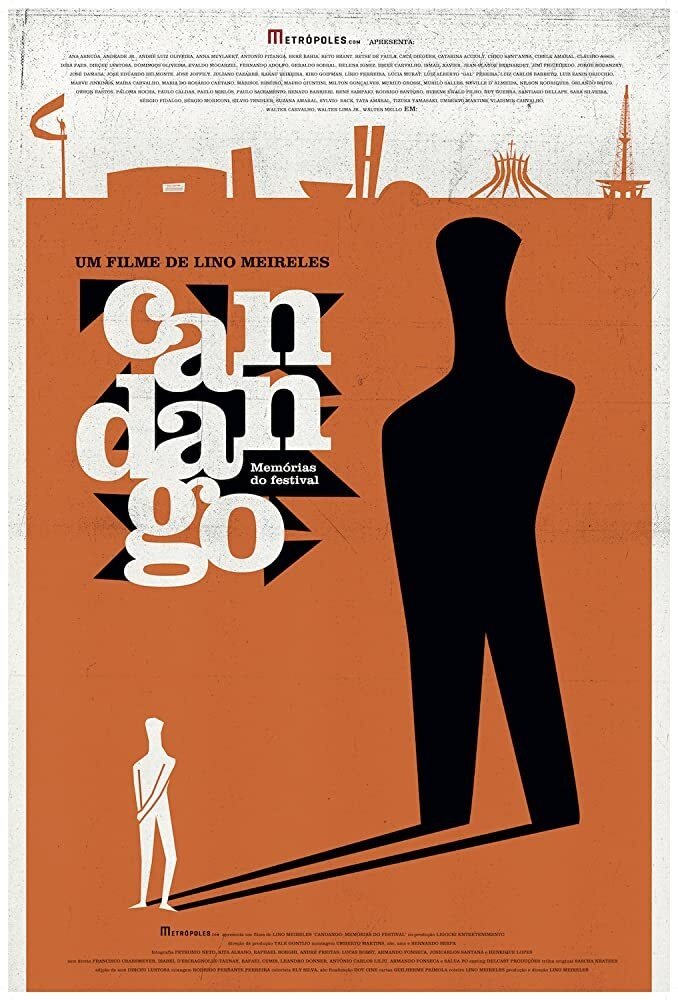 Film5.0Belgesel
In 1965, a year after the military coup in Brazil, an oasis of freedom opened in the country's capital. The Brasília Film Festival: a landmark of cultural and political resistance. Its story is that of Brazilian cinema itself.
 Film7.5Belgesel
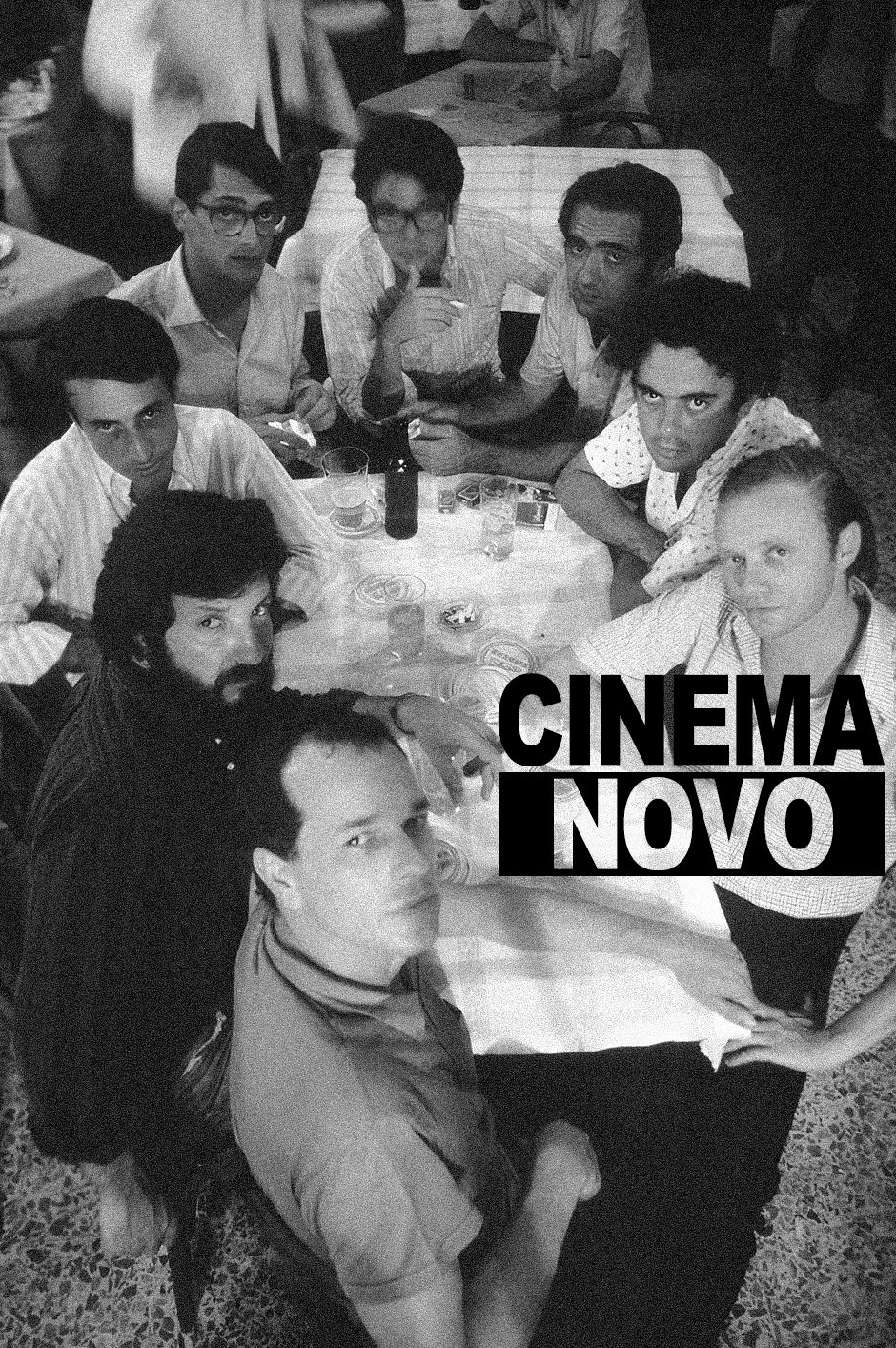
Originally produced for German TV, Improvised and Purposeful is a firsthand look at the "Cinema Novo" movement (otherwise known as the 'Brazilian New Wave'). Director Joaquim Pedro de Andrade focuses on six Cinema Novo filmmakers working in Rio in 1967.
 Film7.5Belgesel
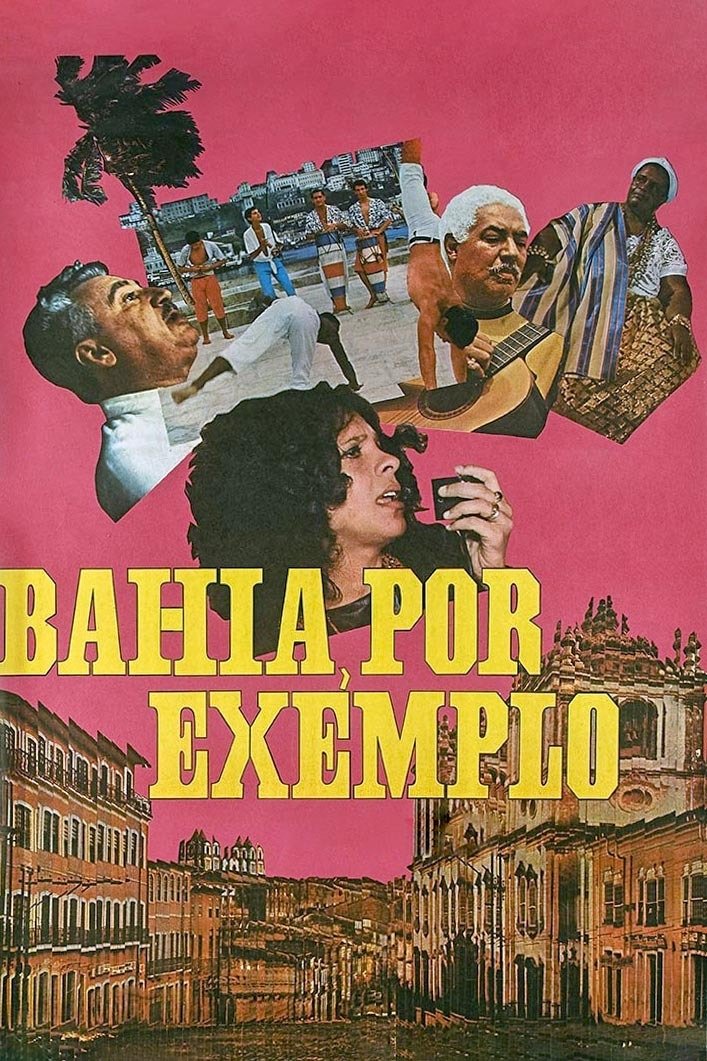
Through folklore manifestations and diverse artistic expressions, the film is a document that exalts and honors the Bahian culture.
 Film10.0Belgesel
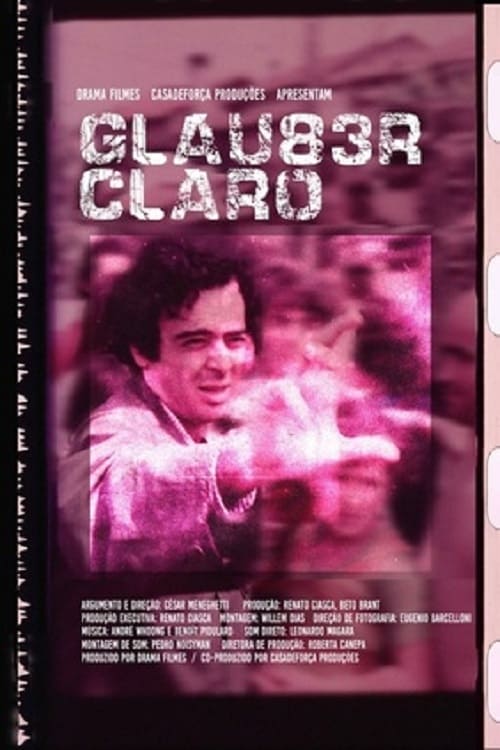
A deep dive into Glauber Rocha's years exiled in Italy in the 70s. Through a collection of interviews and archives, the movie shows the making of his film Claro (1975) and his relation with European auteurs in their filmic and political views.
Glauber, Claro
2020 · 1 votes
 FilmBelgesel
 FilmBelgesel
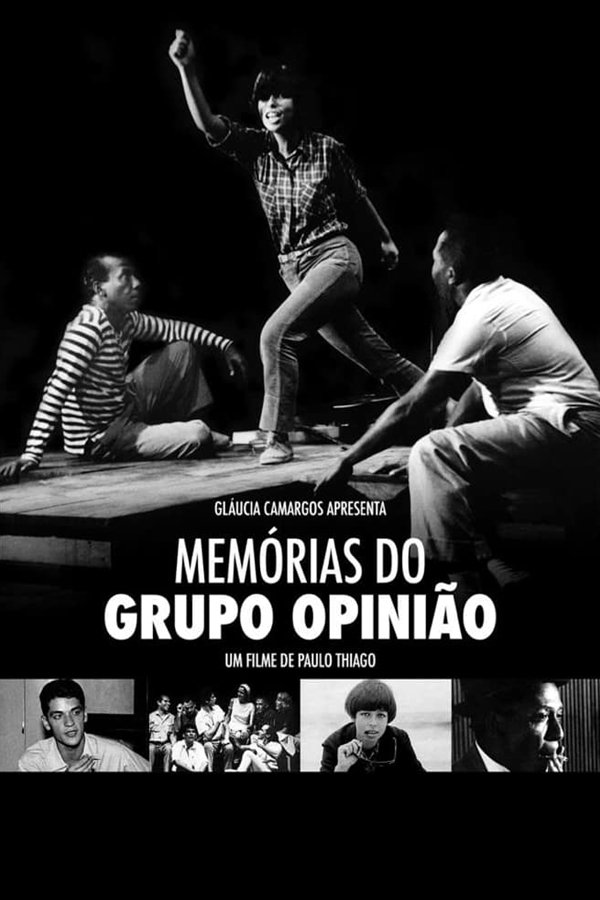
Follows the story of Opinião, a theatre group created in 1964 during the early Brazilian dictatorship period to oppose the government through artistic performances. Considered the first left-wing response to the dictatorship, the group gathered now famous Brazilian artists such as Nara Leão, Maria Bethânia, João do Vale and Millôr Fernandes.
 Film7.3BelgeselTarih
Contemporary film critics regard the epic film I Am Cuba as a modern masterpiece. The 1964 Cuban/Soviet coproduction marked a watershed moment of cultural collaboration between two nations. Yet the film never found a mass audience, languishing for decades until its reintroduction as a "classic" in the 1990s. Vicente Ferraz explores the strange history of this cinematic tour de force, and the deeper meaning for those who participated in its creation.
 FilmBelgesel
 FilmBelgesel
 Film7.4Belgesel
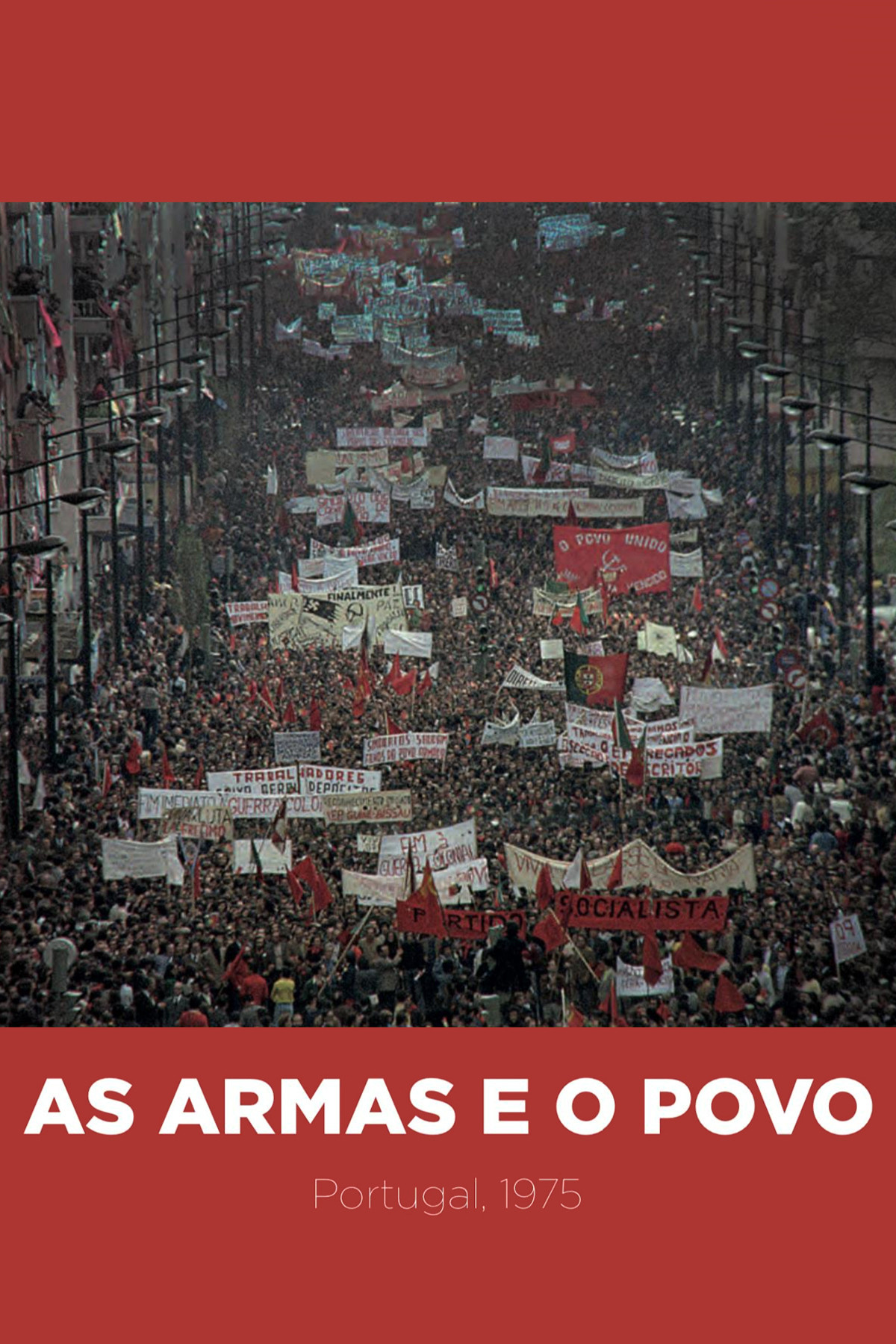
Film directors with hand-held cameras went to the streets of Lisbon from April 25 to May 1, 1974, registering interviews and political events of the Portuguese "Carnation Revolution", as that period would be later known.
- Film5.0Belgesel
A behind-the-scenes look at the making of Glauber Rocha's 1980 production "A Idade da Terra" (The Age of Earth), including unedited clips taken from the sixty hours of recovered raw footage.
Anabazys: O Terceiro Testamento de Glauber Rocha
2007 · 3 votes
 Film9.0Dram
Expedito, after being abandoned by his parents, became Zefa's adopted son until he became a man and started earning his living as an independent fisherman. As soon as he finds out that Zefa is very ill, Expedito runs back home and finds his adoptive mother in agony. At the edge of the bed, a mysterious woman, who claims to be Death, sits.
 Film10.0Belgesel
A totally Cardoso-appropriated footage delirium, done as a tribute to US independent cinema's original rebel. In the end, Corman himself blesses Cardoso by saying: "You blended horror, sex and humour very well. And particularly the editing is very good because the film never lagged or slowed down". Which film? This one!
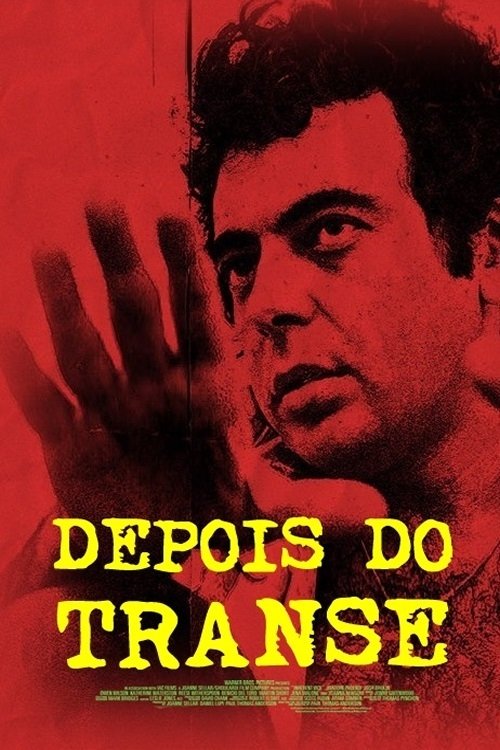 Film2.0Belgesel
The documentary "Depois do Transe" covers the entire process of creating the masterpiece "Entranced Earth", which was released and awarded at the Cannes Film Festival in 1967. "Entranced Earth" charmed the world and won great admirers such as filmmaker Martin Scorsese and the writer Marguerite Duras, who at the time considered a "fabulous filmic opera."
Depois do Transe
2006 · 1 votes
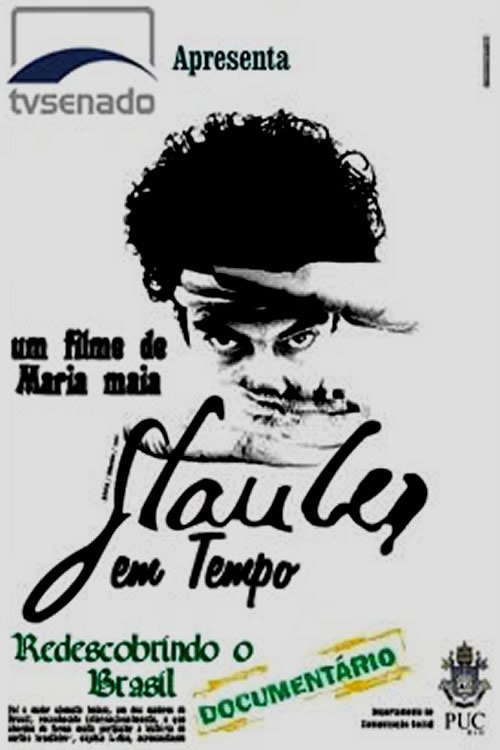 FilmBelgesel
- FilmBelgesel
A late-1960s interview with Brazilian filmmaker Glauber Rocha, mixed in avant-garde style with scenes from his films and clips from fellow filmmaker José Mojica Marins and visual artist Hélio Oiticica.
Diziler1
 Dizi5.0Belgesel
Ciné regards
1978 · 1 votes