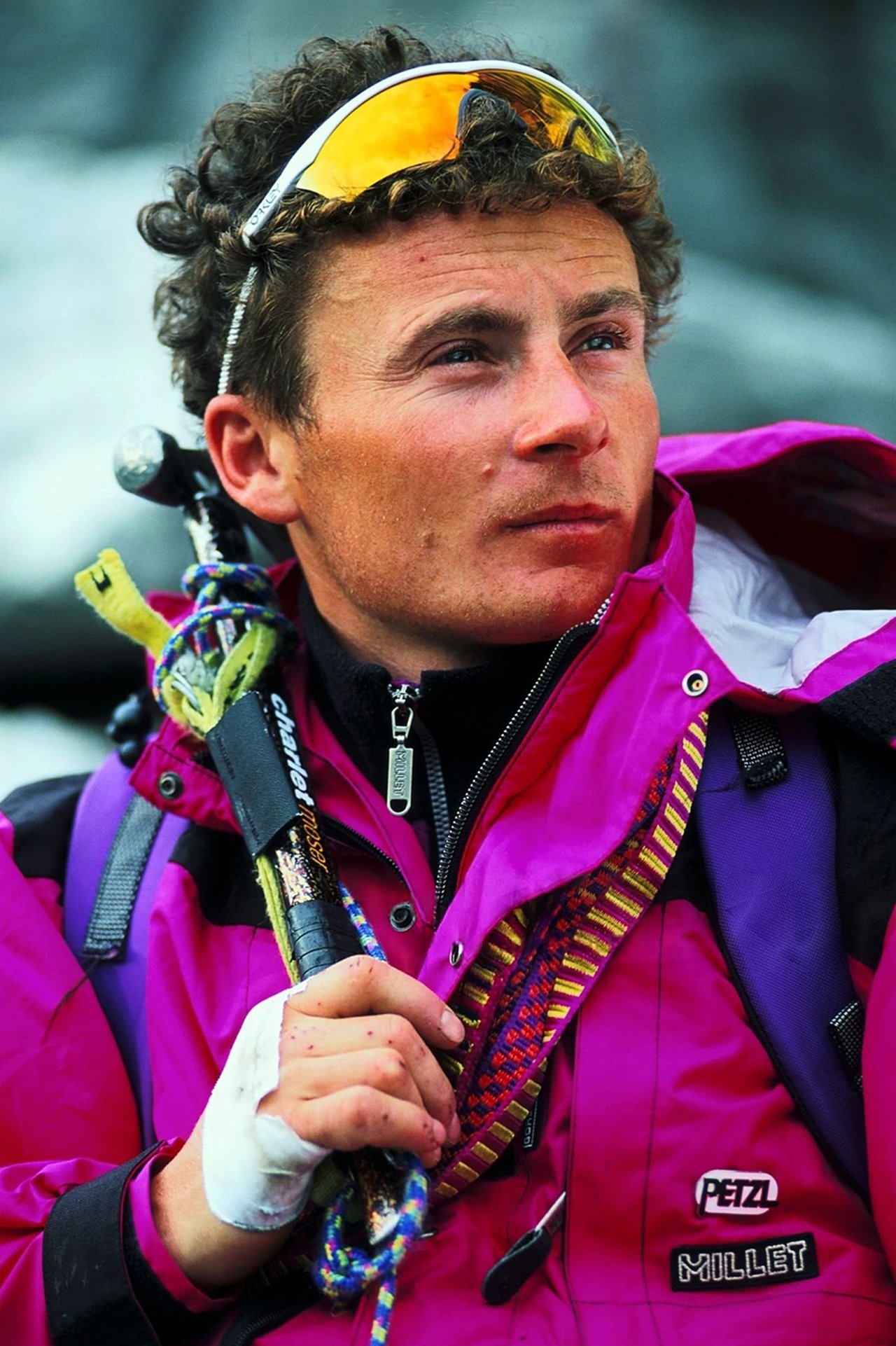
Jean-Christophe Lafaille
Oyuncu · 1965 – 2006 · Gap, Hautes-Alpes, France
Jean-Christophe Lafaille, born March 31, 1965, in Gap and who disappeared on January 26, 2006, on the slopes of Makalu, Nepal, is a French mountaineer. He was an "international guarantor" for the Mountain Wilderness Association. Married twice, he is the father of two children: Marie with his first wife, Véronique (Lafaille gave his name to a 6,250-meter peak in the Himalayas, Mari Ri) and Tom with his second wife, Katia (a route on Nanga Parbat is named after his son). Jean-Christophe Lafaille, originally from Gap, began climbing at the age of 7. During his adolescence, he was inspired by the books of Walter Bonatti and Reinhold Messner. He participated in numerous sport climbing competitions. A mountain guide, Jean-Christophe Lafaille teaches at the National Ski and Mountaineering School and is also a member of the GHM. The definitive impetus didn't come until 1990 with the discovery of solo climbing in winter conditions. During the coldest months of that year, he climbed the Bonatti route on the Grand Capucin, the Sud du Fou, the Directe Américaine des Drus, and other great classics, although, for posterity, these climbs have been eclipsed by the first solo ascent of "Divine Providence" on the Grand Pilier d'Angle of Mont Blanc, a route considered the most difficult in the entire massif. He completed it, thus fulfilling a dream common to former guides of the Chamonix company. In an interview with the newspaper Le Monde, he said this about the Drus: "I thought that, when I'm an old guide, it would be nice to be able to say that I opened 'my route' there. It's a symbolic mountain, it's the laboratory of mountain difficulty." Attentive to new trends, he discovered new sensations in the icefalls of Yosemite, on the extreme routes of the Alps, and in dry tooling. In October 1992, for his first experience in the Himalayas, he set out with Pierre Béghin to tackle the south face of Annapurna (8,091 meters) "alpine style," meaning without oxygen or a high-altitude camp. At 7,100 meters, due to a rappel anchor breaking, Pierre Béghin fell to his death, taking all his equipment with him. Lafaille took five days to descend alone, with an arm broken by a rockfall. According to Messner, he demonstrated "the ability to survive that makes the greatest mountaineers." Suffering from a form of survivor's guilt, he believed he was responsible for Béghin's death upon his return to France. In the winter of 2000-2001, he soloed the hardest route in the Alps, on the legendary West of the Drus. His climbing style required him to work like an ant, progressing no more than 100 meters per day and carrying 70 kilos of equipment, until he finally completed the 800-meter route. He attempted the feat of becoming the first Frenchman to climb all fourteen peaks over 8,000 meters, but he died on January 26, 2006, while attempting the first solo winter ascent of Makalu, his twelfth 8,000. He has climbed 11 8,000 meters without oxygen, most of them solo.
Filmler8
 Film10.0Belgesel
Gure Himalaya is a documentary about the mountaineering exploits of the Iñurrategi brothers between 1990 and 1998 — from climbing Pumori and Gyala Peri to tracking down the yeti. It was directed by Alberto Iñurrategi in 2005 and produced by BBK, starring Alberto Iñurrategi, Félix Iñurrategi, José Luís Zuloaga, Juanjo San Sebastián, Jon Lazkano, Iñaki Ochoa de Olza and others.
Gure Himalaya
2004 · 1 votes
 Film10.0Belgesel
To understand the difficulties of an ascent to over eight thousand metres, it is enough to remember the almost 300 victims these peaks have claimed. The Swiss alpinist Ehrart Loretan, the third alpinist in the world to have climbed all 14 8,000, and the Austrian alpinist Kurt Diemgerger cover the whole history of the conquest of the world’s 8,000, from the fifties to the present day, together with other alpinists and film directors who have climbed them. They talk about their experienced when they ventured into the death zone.
 Film10.0Belgesel
Là-Haut, Un supplément d'âme
2001 · 1 votes
 Film9.5BelgeselMacera
Daulagiri (8167m), Naga Parbat (8125m) and Broad Peak (8051m) are among the 14 peaks in the world. Jean-Christophe Lafaille has set himself the goal of reaching these 3 peaks in the space of two months. This film takes us on a surprising journey that begins in Nepal and ends in Pakistan, while exploring the soul of this committed mountaineer… Ed Viesturs and Katia Lafaille accompanied Lafaille on his adventure.
Trio For One
2003 · 2 votes
 Film10.0BelgeselMacera
Jean-Christophe Lafaille is the first mountaineer to attempt the solo ascent of the steep Himalayan face of "Shishapangma". As one of the 14 highest peaks in the world, Shishapangma peak rises over 8000 meters. Jean-Christophe defies the merciless conditions of the Himalayan winter. Without oxygen and exposed to extreme cold, Jean-Christophe, aware of the objective danger, is determined to achieve this long-held dream by reaching the summit by the magnificent British South West face course of 1982, with a new course on the first 1000 meters. He will reach the summit on December 11, some, like the Pole Krzysztof Wielicki, challenge him for the first. Jean-Christophe will be very upset and some of his relatives will be worried to see him then lock himself into an increasingly obstinate quest, some of whom were already guessing the outcome.
Shishapangma, Un Solo En Hiver
2006 · 1 votes
 Film10.0Belgesel
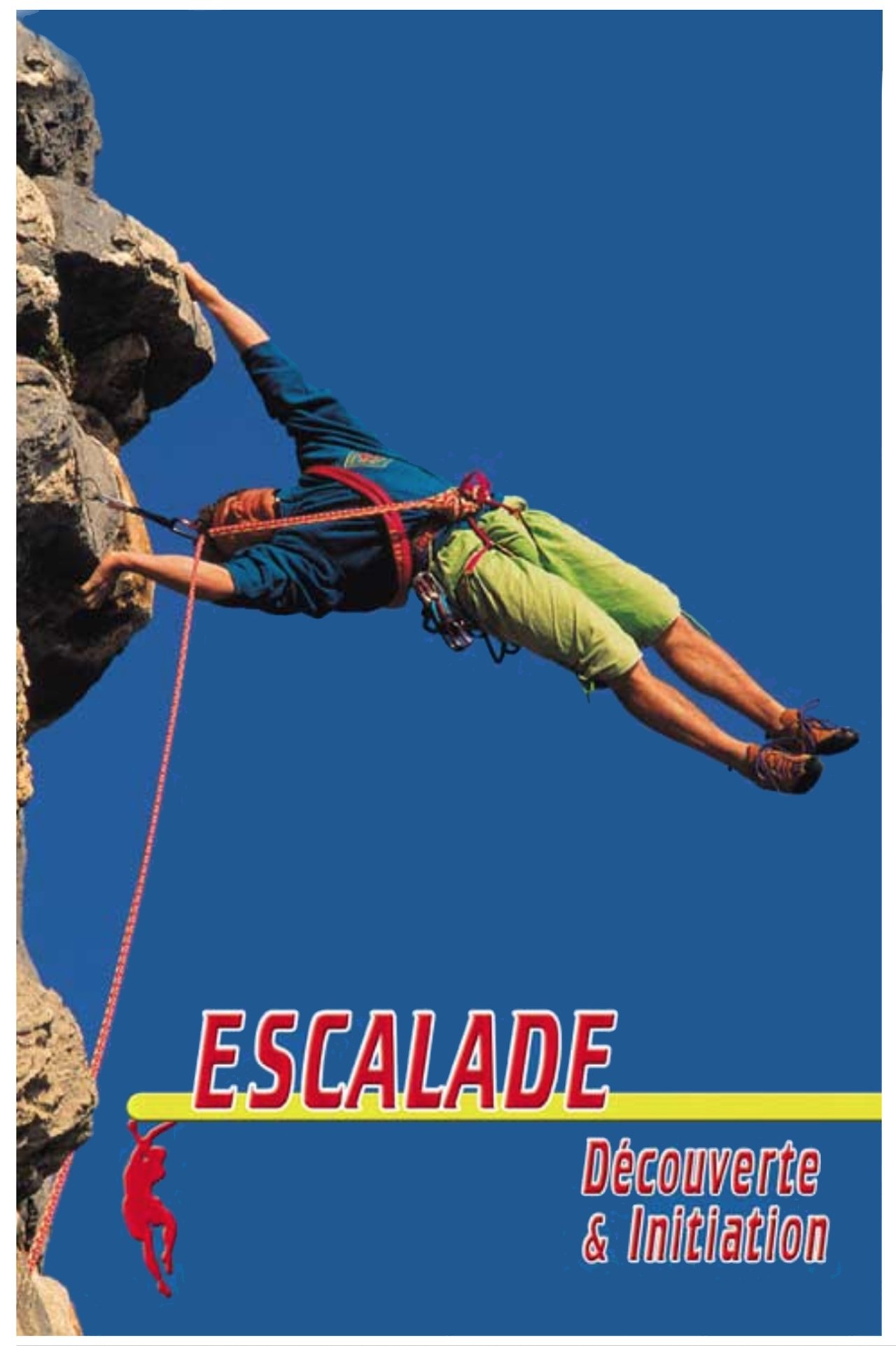
Climbing safely is within everyone's reach. Introduction, progression, training, rope maneuvers, sequence of movements, equipment, and high-level practice—everything you want to know about climbing. Accessing the vertical world means learning to read the rock, combining positioning, balance, and self-control, and having fun. Demonstrations by Jean-Christophe Lafaille (high mountain guide) take place in the dizzying scenery of the Vercors cliffs (Presles and Corrençon-en-Vercors) and the Dentelles de Montmirail. Jean-Pierre Bouvier, known as "Mouche," takes you to the magical boulders of Fontainebleau, while François Legrand (world champion on climbing walls) gives you his advice on how to progress.
 Film9.5BelgeselMacera
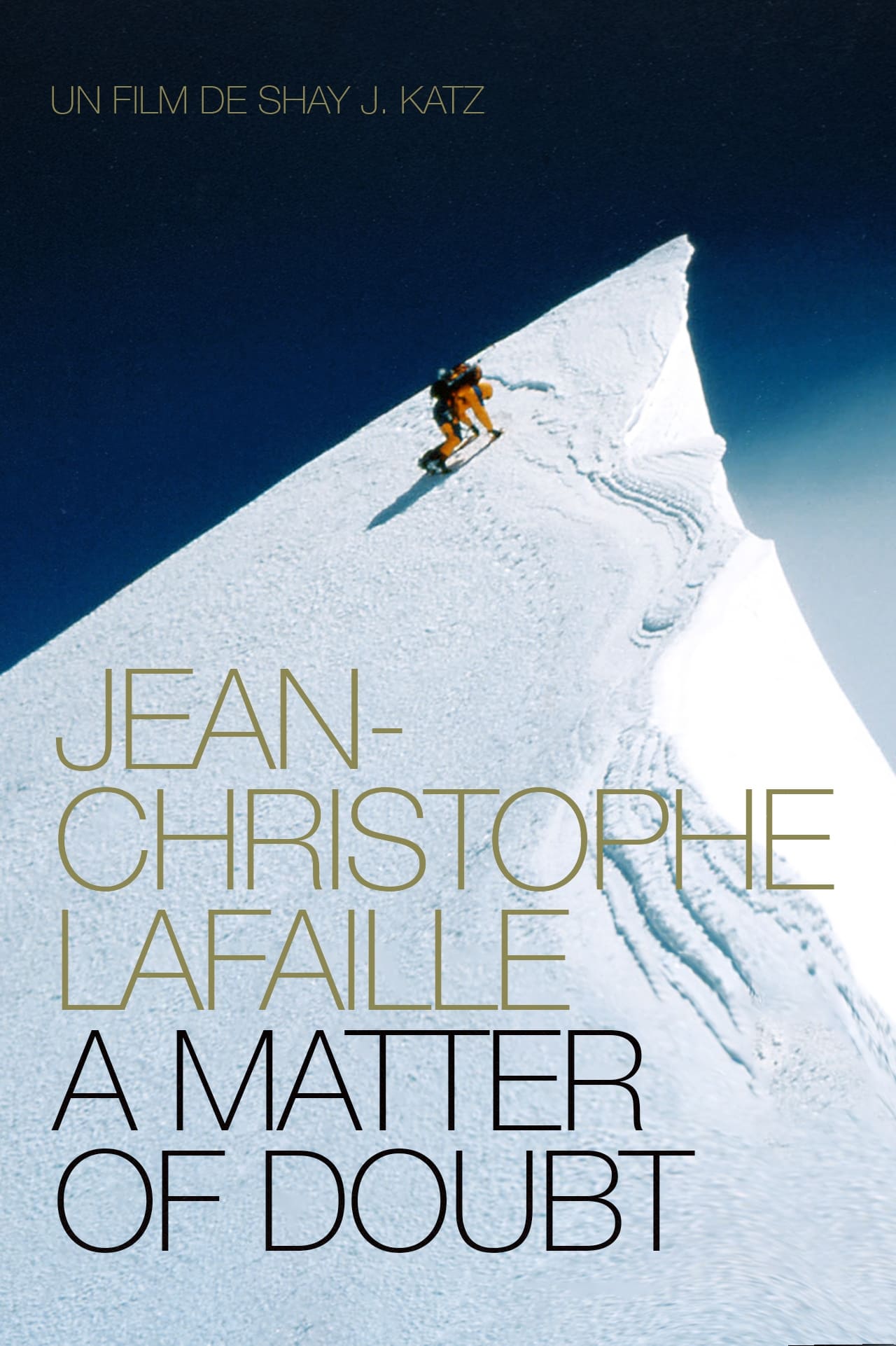
A Matter Of Doubt
2002 · 2 votes
 Film10.0Belgesel
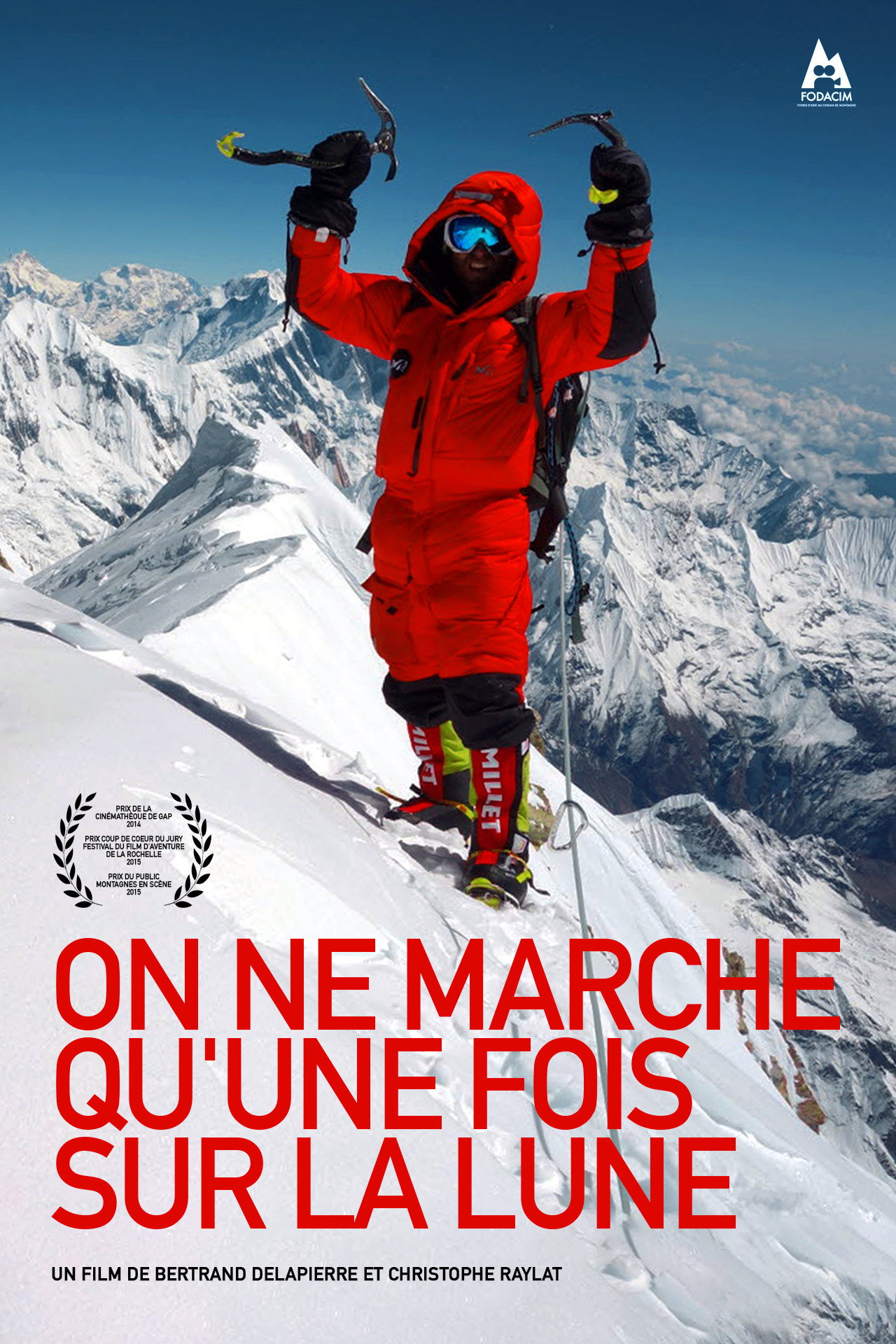
For twenty years, the Beghin-Lafaille route on the South Face of Annapurna was considered one of the most difficult and dangerous in the Himalayas. In the autumn of 2013, it was climbed first by Ueli Steck solo, and then by the team of Yannick Graziani and Stéphane Benoist. It is an extraordinary route that profoundly changed the lives of those who tackled it. The film recounts the remarkable convergence of destinies surrounding this climb and explores how such an ascent can transform a life. Drawing inspiration from the experiences of astronauts returning from the moon—who suffered from "absolute achievement" syndrome—the filmmakers sought to understand how the deep-seated drives that compel mountaineers to prepare for and commit to such climbs can shatter at the very moment a lifelong goal appears to have been reached.
On ne marche qu'une fois sur la lune
2014 · 2 votes
Diziler1
 Dizi10.0Belgesel
This is the story, in eight episodes, of the conquest of Mount Everest in the Himalayas and its impact on the world. We meet the climbers who reached the summit and those who perished attempting the ascent. We encounter the Sherpa people, an ethnic group originating from Tibet, explore high-altitude mountaineering techniques, and hear the stories of expedition leaders and team members throughout their journey, while cameras capture every danger on the icy peaks. Viewers will remember that Everest is a world of illusions, a world that can become hostile in an instant, swept by fierce winds and deadly ice slides. A more recent, political, ecological, and economic perspective focuses primarily on present-day Nepal, Tibet, and Bhutan and their economies, including the Tibetan carpet industry and the Chinese occupation.
The Himalayas
1994 · 1 votes