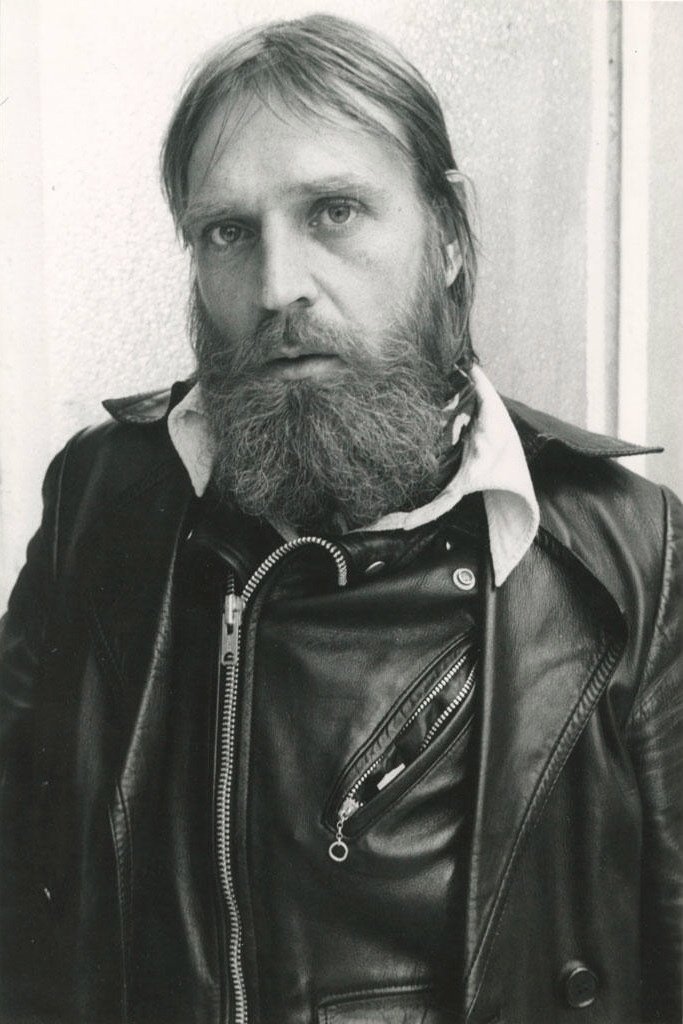
Daniel Pommereulle
Oyuncu · 1937 – 2003 · Sceaux, Hauts-de-Seine, France
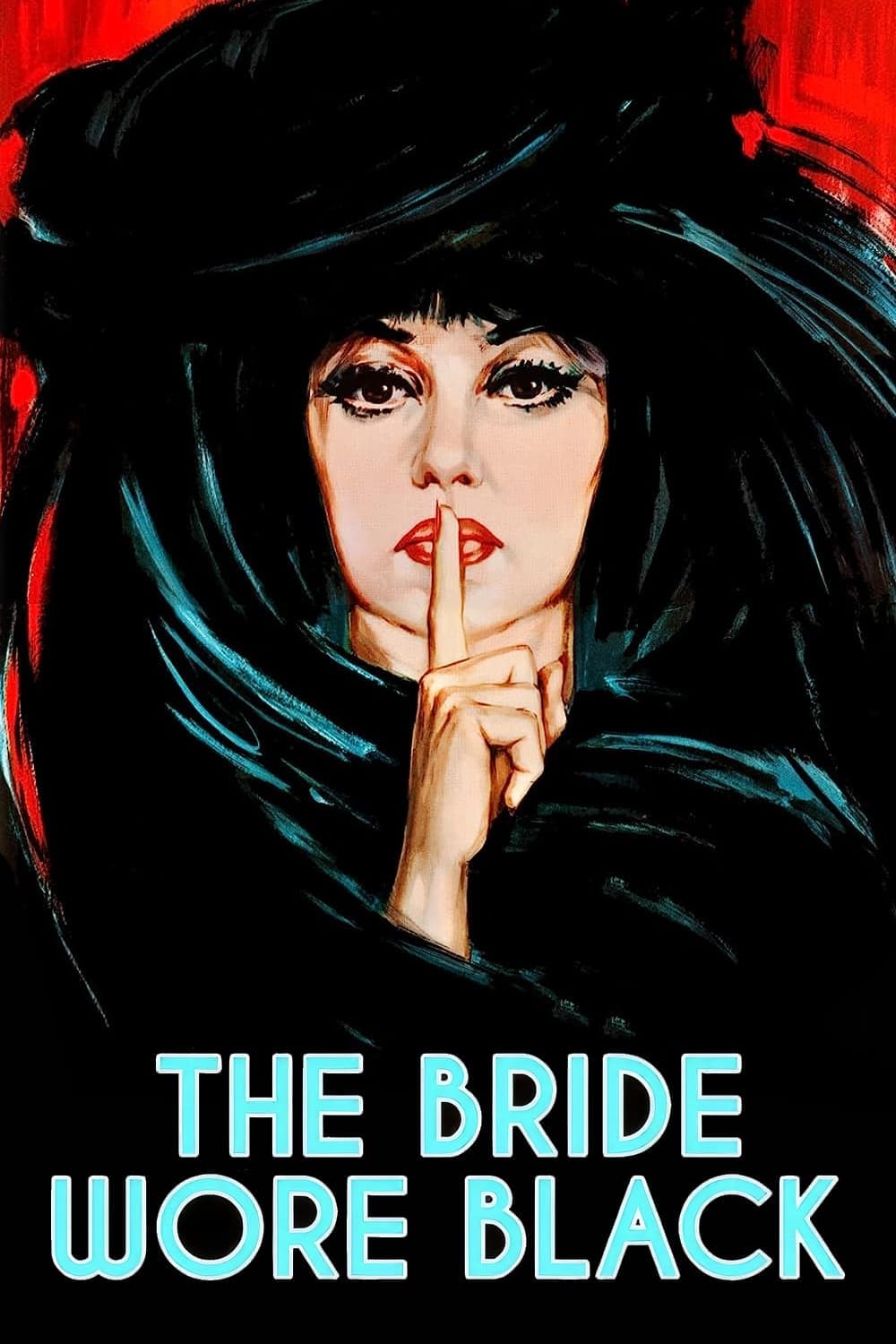
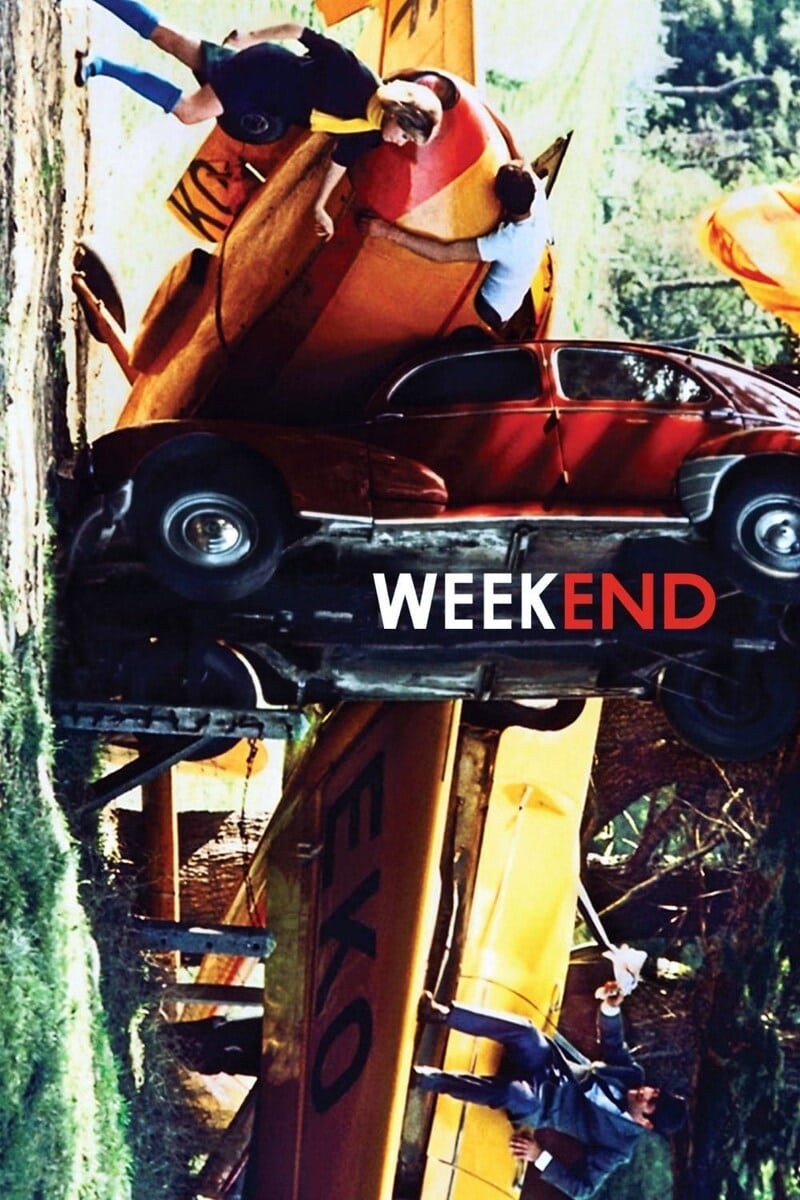
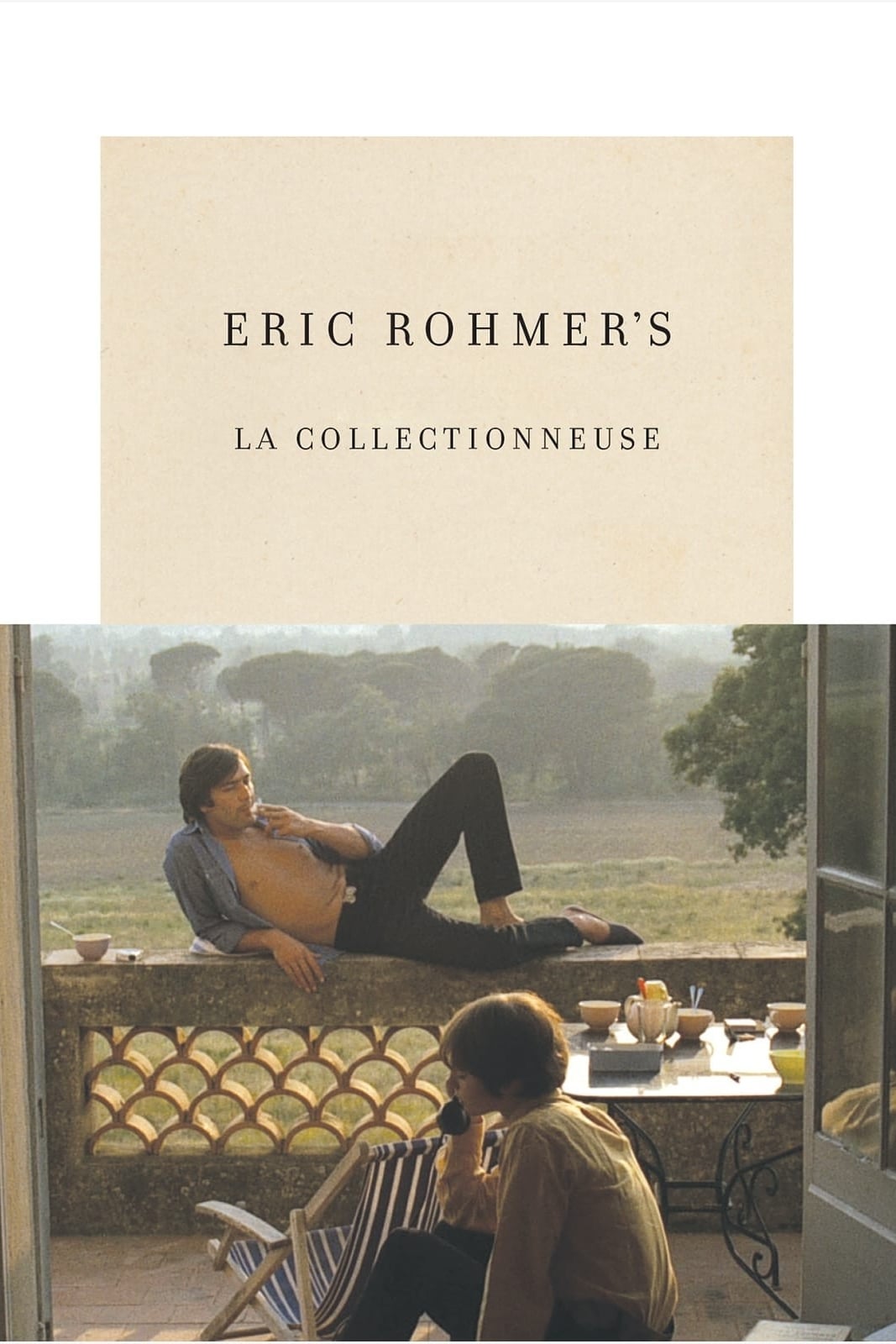
Daniel Pommereulle passed away in December 2003, leaving a very diverse and complexe but also peculiar and premonitory work. According to Alain Jouffroy's phrase, he was associated to the "Objectors" (les "Objecteurs"). Despite some important exhibitions (Fin de siècle presented in 1975 at National Center for Contemporary Art - Georges Pompidou, or the retrospective exhibitions at the Dole and Belfort museums in 1991) and a growing aura, this work, certainly one of the most importants of the second half of the 20th century in France, remains unknown and secret. From the 1980's to the 1990's he concentrates on the transparency theme with layouts of glass, paper and steel. As an actor, he started with Eric Rohmer's La Collectionneuse in 1967 and played in a dozen of movies, among which François Truffau's La mariée était en noir ( The Bride Wore Black), Jean-Luc Godard's Week-End and Les Idoles by Marc'O are noteworthy. In 1972, he takes part in La Cicatrice Intérieure (The Inner Scar) by Philippe Garrel whom he'll join again 27 years later for Le Vent de la nuit(Night Wind).As a film director One More Time (1967) and Vite(Fast, 1969) are the most noticeable movies for which he successively created a suicide machine and shot sequences through a telephoto lens or a telescope, leading to an apology of the desert and the planet Saturn.
Filmler11
 Film7.1SuçDram
Julie Kohler is prevented from suicide by her mother. She leaves home with the intent to track down, charm and kill five men who do not know her. What is her goal? What is her purpose?
 Film6.9Komedi
Hafta Sonu, Jean-Luc Godard’ın en vahşi ve en karışık filmi olabilir ki bu da önemli bir şey. Ancak Hafta Sonu, her şeyin ötesinde, yönetmenin en cüretkar filmi. Bu filmde her şey olabilir: Sıradan bir telefon konuşması absürd bir biçimde hoş bir müzik parçasına dönüşür, kahramanlarımız ormanda masal karakterleriyle karşılaşır ve baş karakterler gerçekten her an tüyler ürpertici sonlarla karşı karşıya gelirler. Godard’ın bir epizottan bir başka tuhaf epizota geçme kararı, cesurca ve son derece etkiliydi. Her tür ve renkten radikal yönetmen, bu anlamda Hafta Sonu’na çok şey borçlu. Ancak "radikal" yaftası bu film için biraz uygunsuz; çünkü bu tür bir niteleme, korkunç bir siyasileştirme ve mizahi yoksunluk anlamına gelir. Oysa geriye kalan diğer tüm unsurlar, Hafta Sonu’nun bu problemleri yaşamamasını sağlar.
 Film6.9DramRomantik
Adrien, nişanlısı Londra’ya gidince St. Tropez’de sakin bir tatil geçirmeye karar verir. Dinlenmek için gittiği evde, sanatçı dostu Daniel ve her gece gönül eğlendiren, erkek koleksiyoncusu Haydée onun tüm planlarının şaşmasına sebep olur.
 Film6.2Müzik
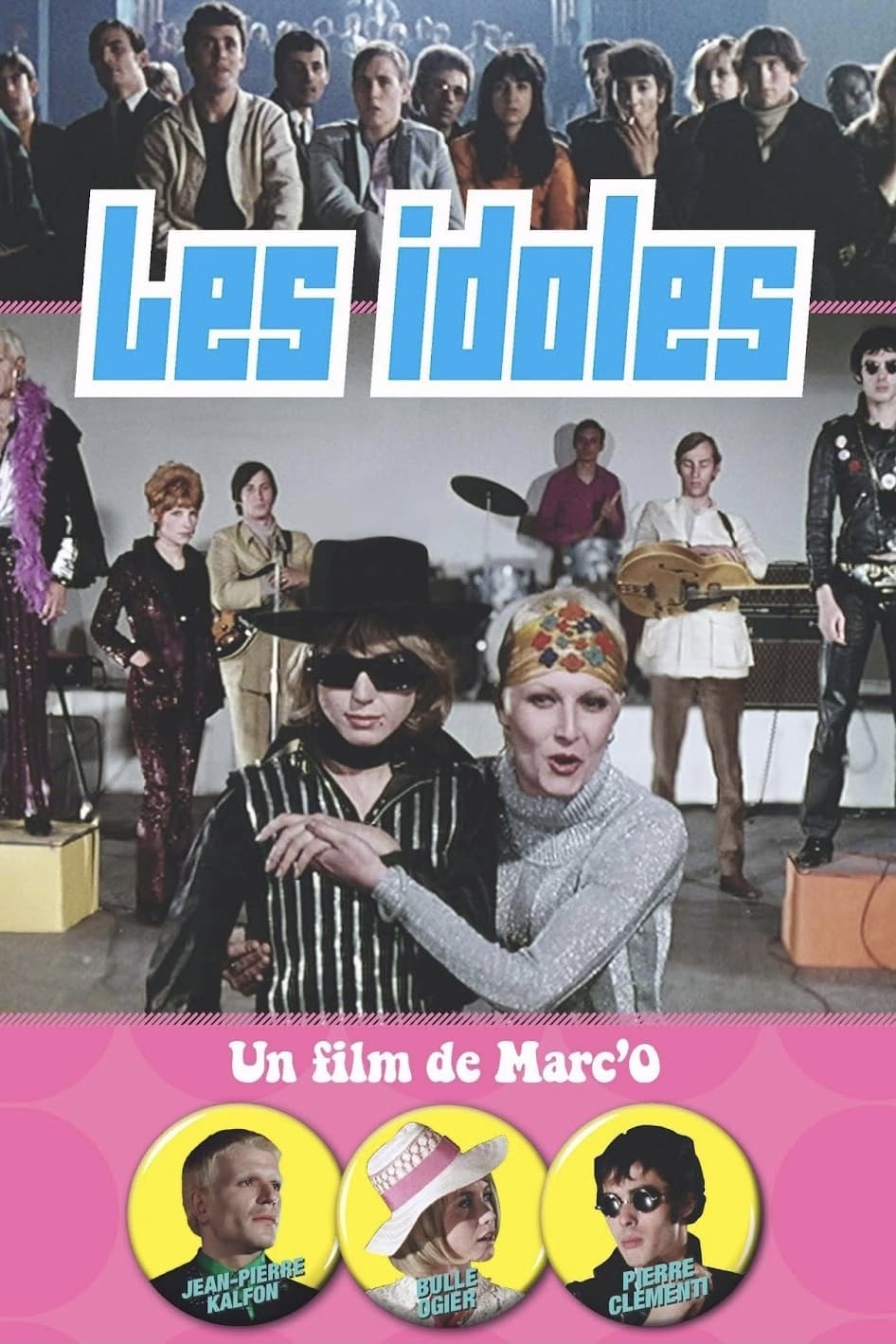
This satire concerns three French singing idols and their attempt to stay in the public eye. A press conference, backstage hedonism, psychedelia, manipulative managers and disc jockeys are portrayed as the pop culture is thoroughly and effectively lampooned in this independent feature.
 Film4.9Belgesel
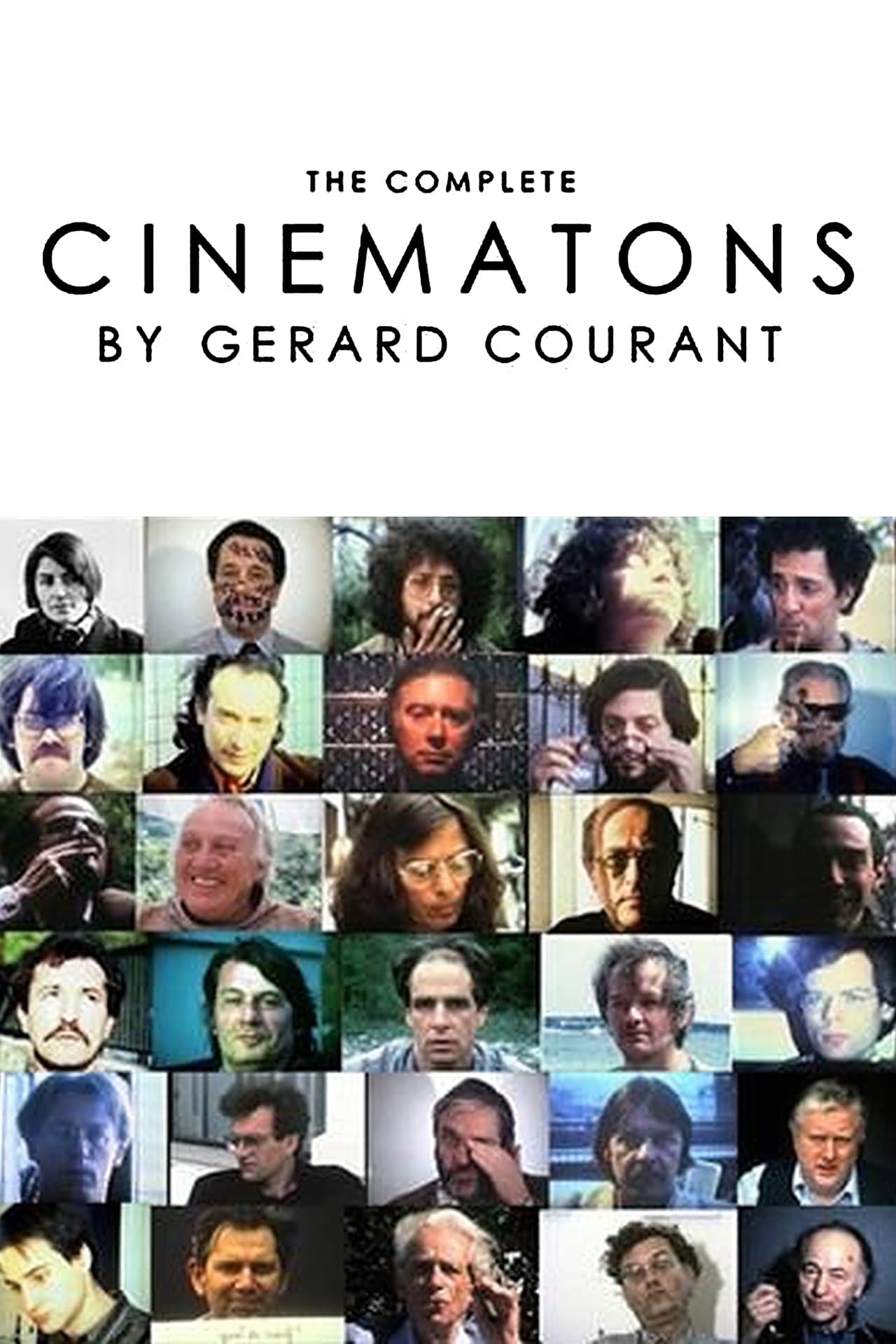
Cinématon is a 156-hour long experimental film by French director Gérard Courant. It was the longest film ever released until 2011. Composed over 36 years from 1978 until 2006, it consists of a series of over 2,821 silent vignettes (cinématons), each 3 minutes and 25 seconds long, of various celebrities, artists, journalists and friends of the director, each doing whatever they want for the allotted time. Subjects of the film include directors Barbet Schroeder, Nagisa Oshima, Volker Schlöndorff, Ken Loach, Benjamin Cuq, Youssef Chahine, Wim Wenders, Joseph Losey, Jean-Luc Godard, Samuel Fuller and Terry Gilliam, chess grandmaster Joël Lautier, and actors Roberto Benigni, Stéphane Audran, Julie Delpy and Lesley Chatterley. Gilliam is featured eating a 100-franc note, while Fuller smokes a cigar. Courant's favourite subject was a 7-month-old baby. The film was screened in its then-entirety in Avignon in November 2009 and was screened in Redondo Beach, CA on April 9, 2010.
Cinématon
1978 · 7 votes
 Film5.1DramRomantik
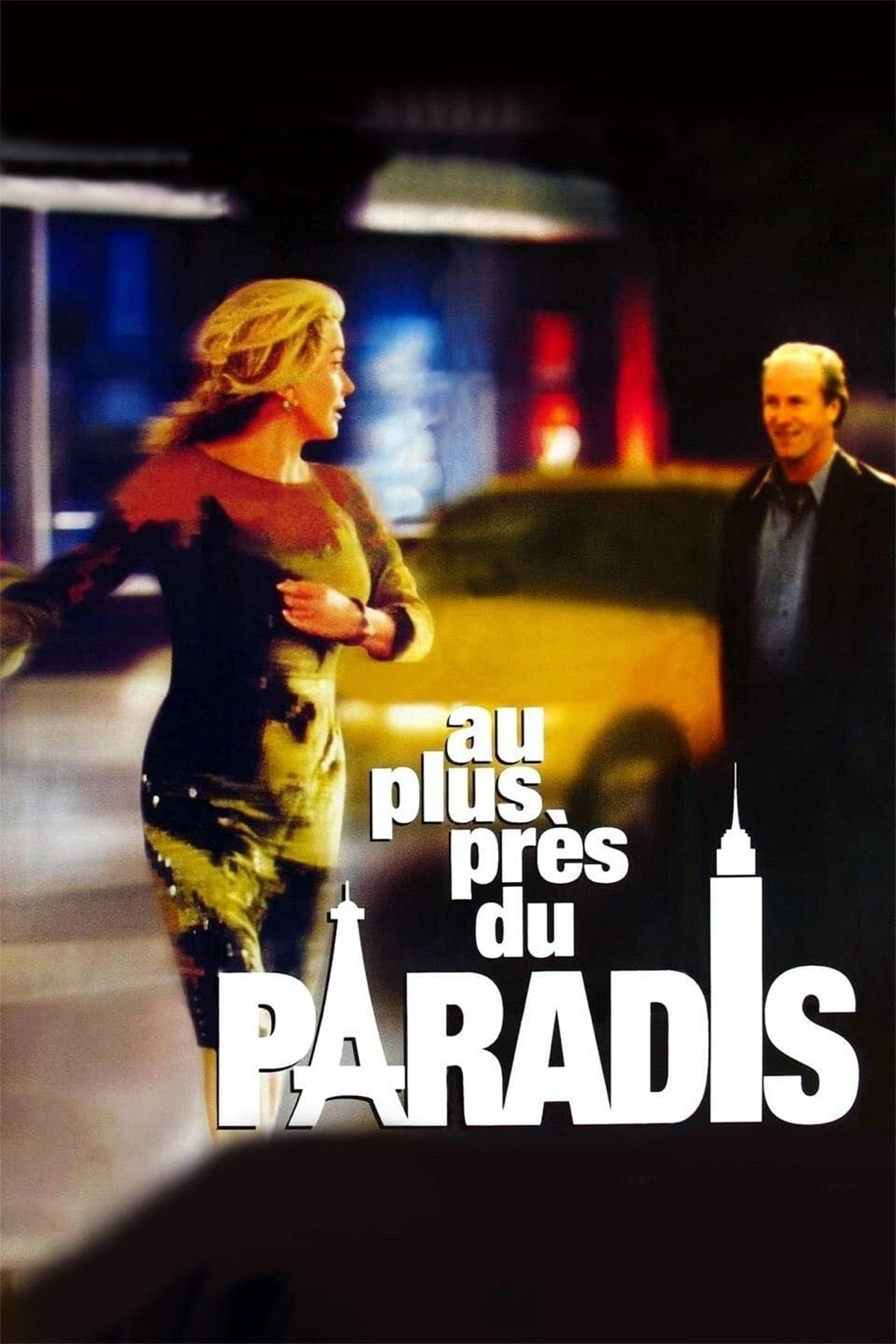
People and life can be cruel, and in their face, Fannette is cool: toward an old acquaintance, to her daughter, to colleagues. Beneath the surface, she roils with passion for a lost love, Philippe. She watches "An Affair to Remember" again and again, and when she receives a letter from Philippe asking her to meet him atop the Empire State Building, she swoons. She's writing a book on an aged painter, so she organizes a trip to New York ostensibly to secure photographs of some of his pieces. The publisher assigns her a photographer, Matt, on the surface spontaneous and flip, but also aggressive about his attraction to her. Will she be with the one she loves? Will she smile? Written by
 Film5.1Dram
A wayward young man finds himself involved with two mysterious people of a previous generation. After an affair with the married Hélène, the young man tries to escape her obsessions on a road trip with Serge, a taciturn relic of the 60s.
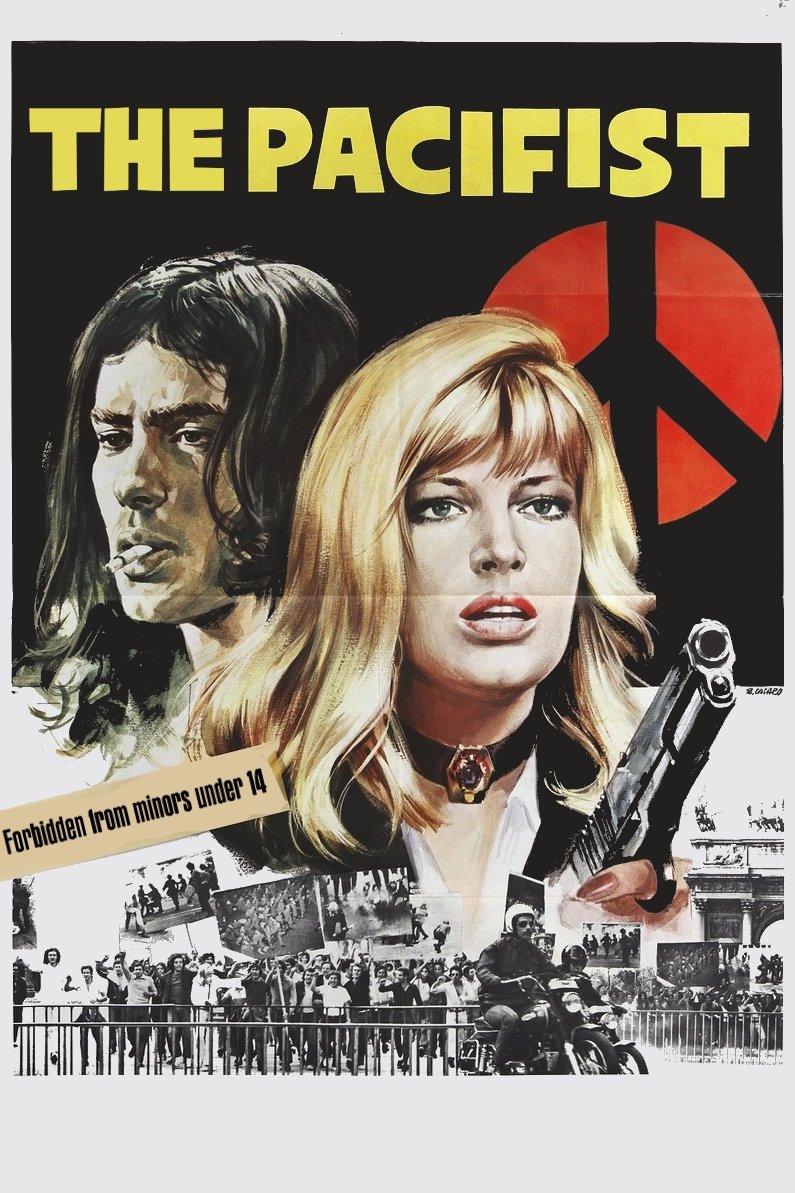 Film5.0Dram
A journalist preparing a story on extremist youth falls in love with a young radical who fears being killed by his companions when he is unable to commit a political assassination.
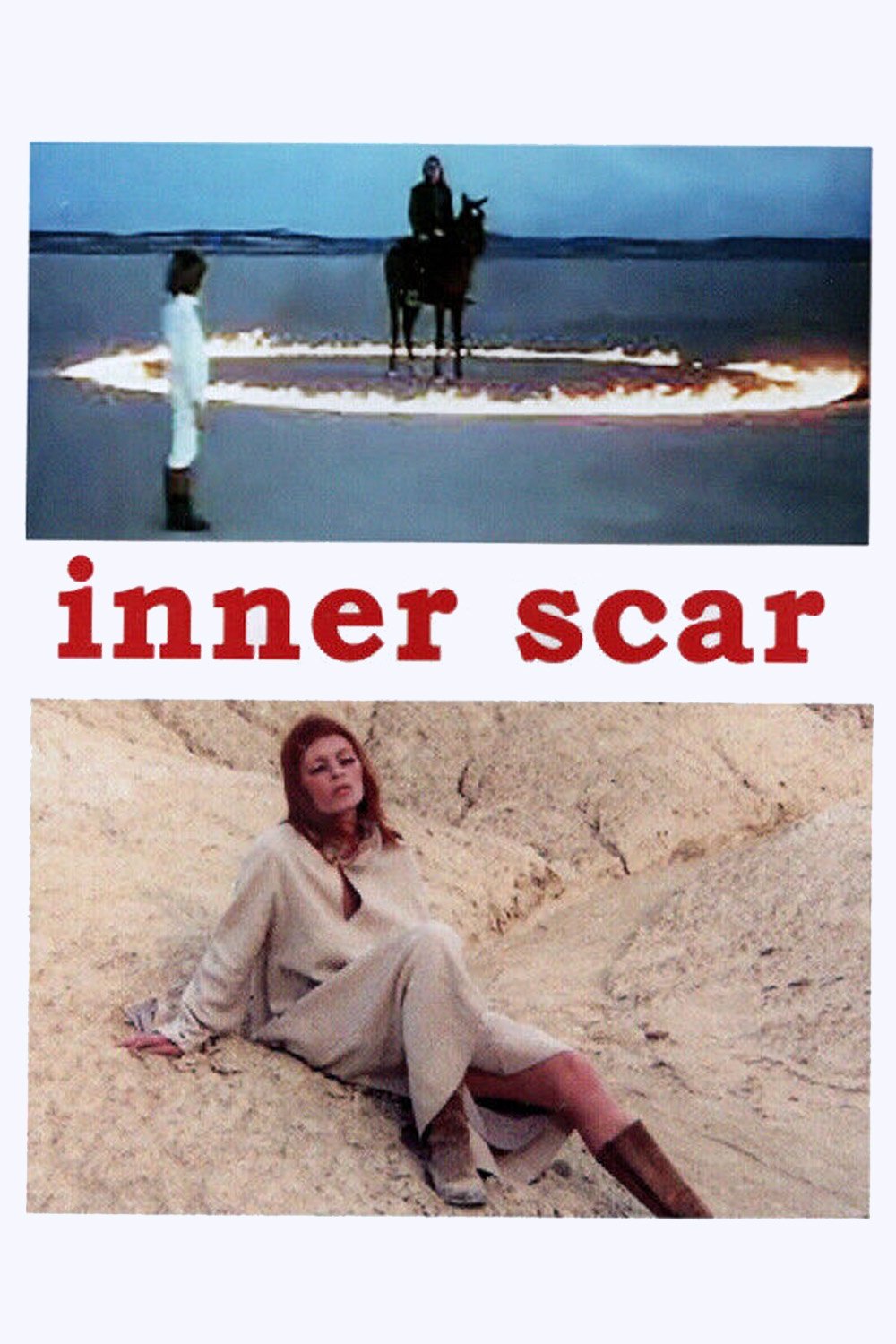 Film6.6Fantastik
A composition of symbolic, surreal and almost mystic images.
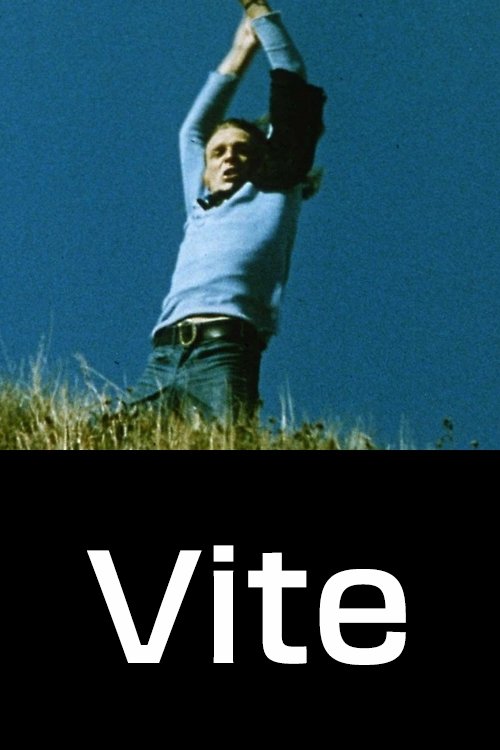 Film4.0Dram
In 1969, the painter-sculptor Daniel Pommereulle made his third film, this one financed by Sylvina Boissonnas. Although only a short, Vite was one of the most costly of all the Zanzibar productions. It features, for instance, shots of the moon taken by a state-of-the-art telescope, the Questar, that Pommereulle first saw while visiting Marlon Brando in southern California in 1968. In Rohmer’s La Collectionneuse, Pommereulle and his friend Adrien philosophize on how best to achieve le vide (emptiness) during their summer holidays. Three years later, Pommereulle would transform the word “vide” to “vite” (quickly), signifying his profound disenchantment with the aftermath of the revolution of May ’68. —Harvard Film Archive
Vite
1969 · 1 votes
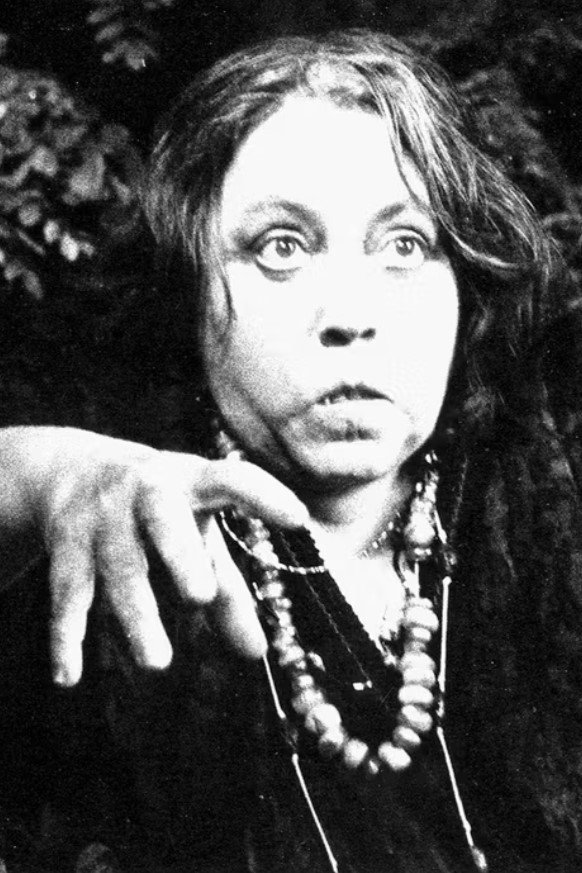 Film10.0Dram
Jupiter
1971 · 1 votes