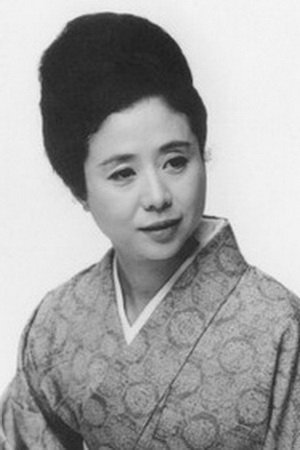
Nobuko Otowa
Oyuncu · 1925 – 1994 · Yonago, Tottori Prefecture, Japan
From Wikipedia, the free encyclopedia. Nobuko Otowa (1 October 1925 – 22 December 1994) was a Japanese film actress. She appeared in 134 films between 1950 and 1994. She was married to film director Kaneto Shindō. She posthumously won the award for best supporting actress at the 19th Japan Academy Prize for A Last Note, having been diagnosed with terminal liver cancer during its production. Description above from the Wikipedia article Nobuko Otowa, licensed under CC-BY-SA, full list of contributors on Wikipedia
Filmler24
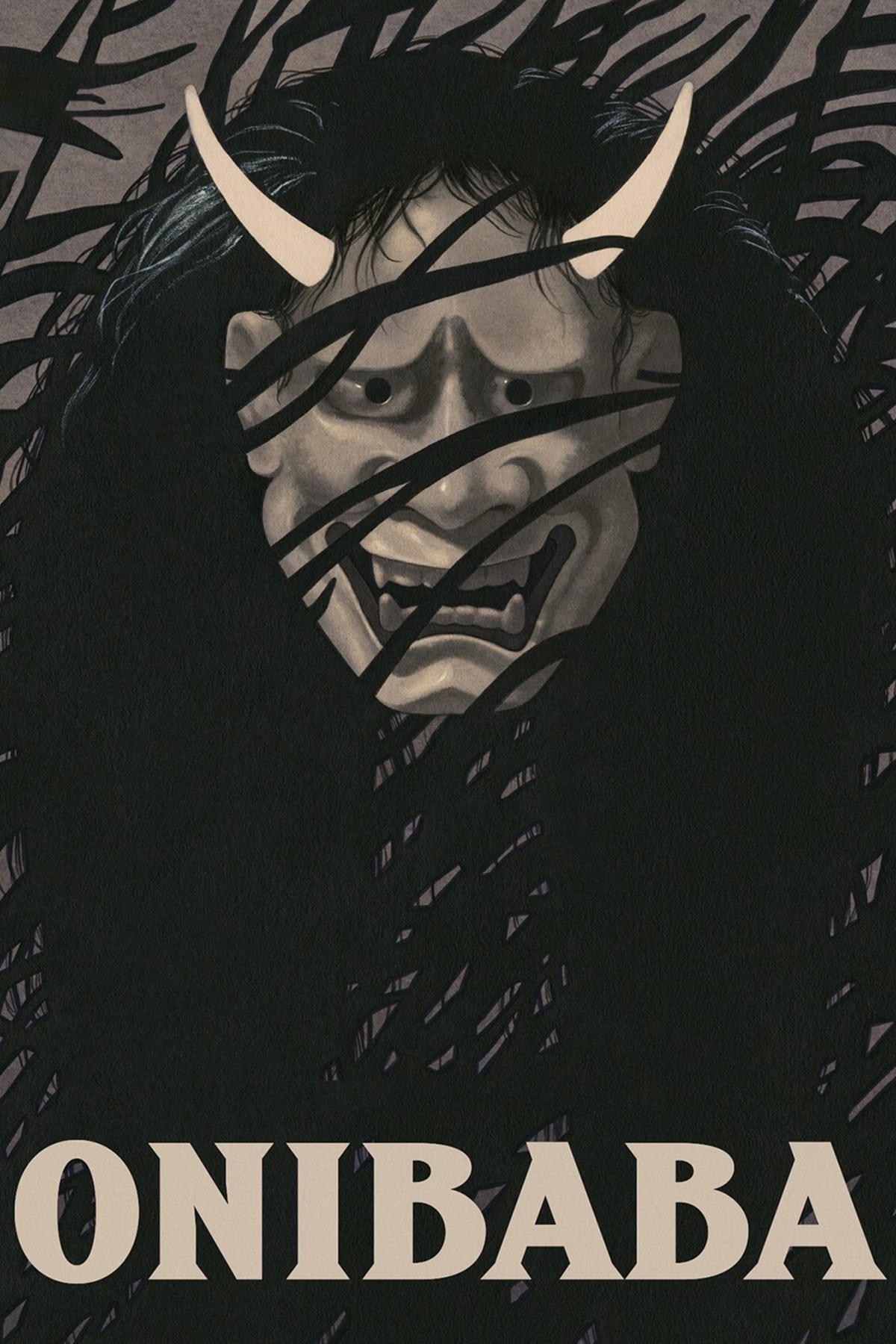 Film7.7Korku
14. yüzyılda Japonya'da geçen hikayede savaşa giden ve geri dönmeyen bir adamın annesi ve karısı bataklıkta yolunu gözlemeye başlar. Yoldan geçen askerleri öldürüp eşyalarını çalarak yaşayan kadınlar, bir gün gizemli bir adamla tanışır. Adam onlara boşuna beklememelerini çünkü yaşlı kadının oğlunun çoktan öldüğünü söyler. Bu haber taze gelini üzdüğü kadar, duygularını da harekete geçirir. Arzuları yeniden alevlenen genç kadın ile bu yabancı buluşup sevişmeye başlarlar. Fakat gelinin bu adamla birlikte olmasını kıskanmaya başlayan yaşlı kadın onları rahat bırakmayacaktır. Her şey yaşlı kadının bir maske bulması ile farklı bir yöne sürüklenecektir.
 Film5.9DramTarih
The world-famous woodblock artist Hokusai (1760-1849), a widower in need of a steady income, lives with his daughter Oei in the house of his friend Bakin.
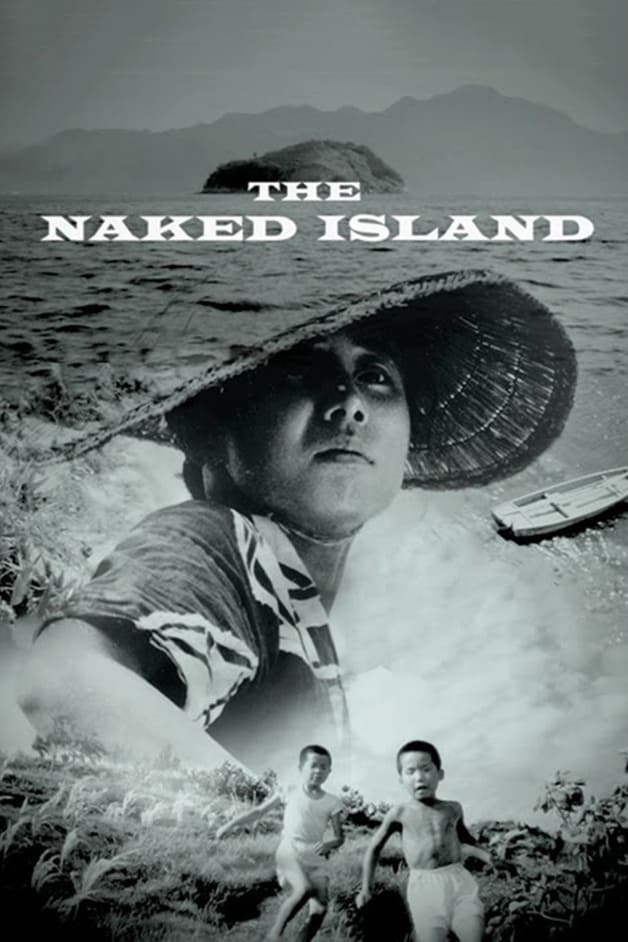 Film8.0Dram
A family of four are the sole inhabitants of a small island, where they struggle each day to irrigate their crops.
 FilmDram
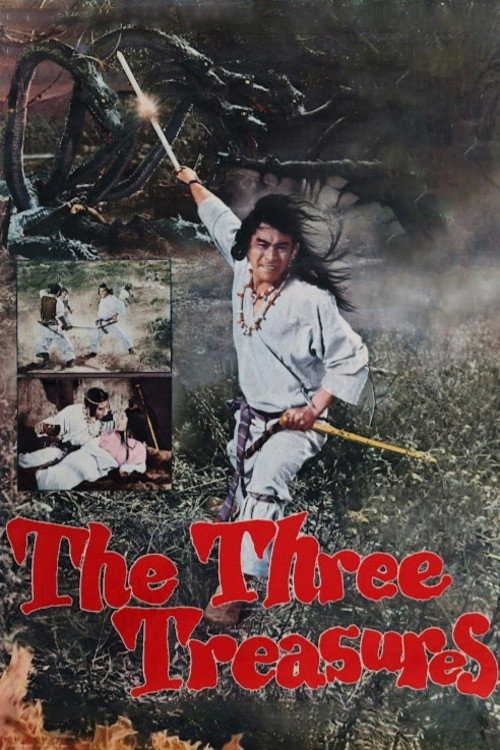 Film5.5FantastikAksiyon
The legend of the birth of Shintoism. In Fourth Century Japan, the Emperor's son Ouso expects to succeed his father on the throne, but Otomo, the Emperor's vassal, prefers Ouso's stepbrother, and conspires to have Ouso die on a dangerous mission he has contrived. But Ouso prevails in the mission and returns to his father's castle under a new name, Prince Yamato Takeru. Otomo plots to have the Prince sent into even greater danger, but Otomo is unaware that the gods have favored the Prince and the outcome is far from what any of them expected.
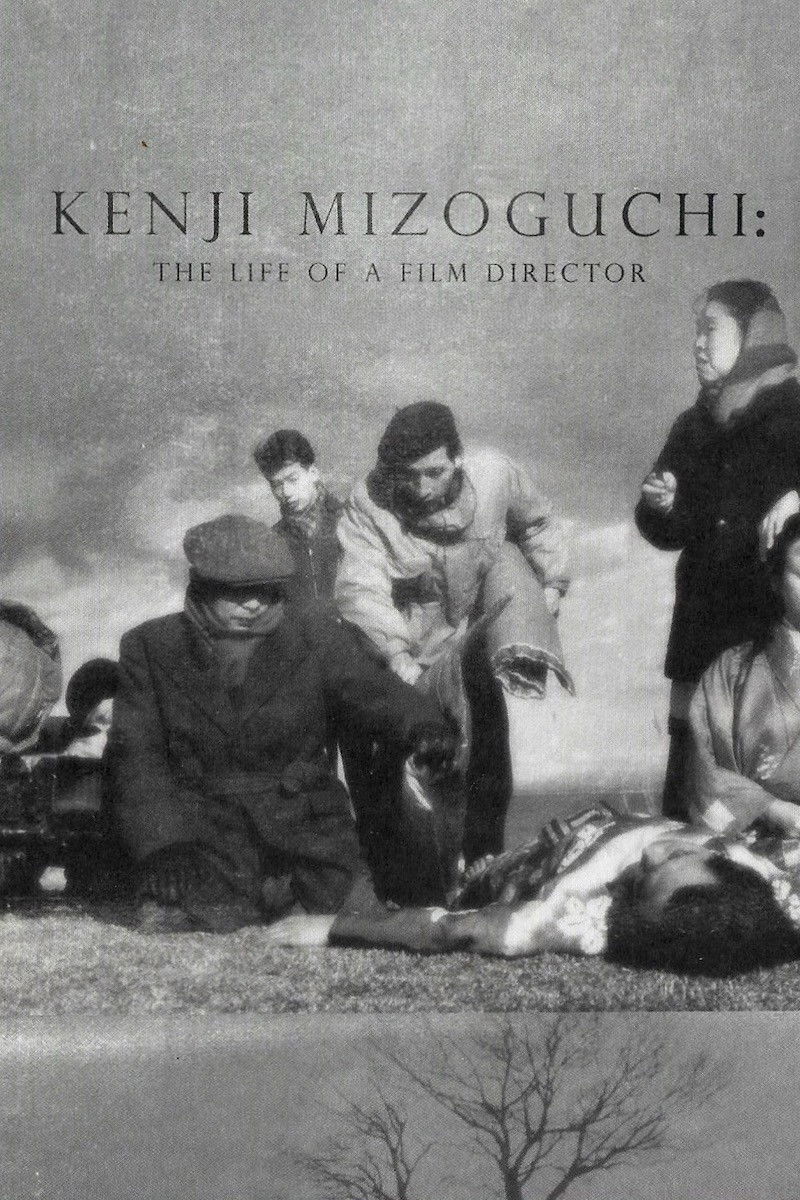 Film7.2Belgesel
In 39 interviews with actors and actresses, writers, producers and staff members, interspersed with film excerpts and stills, Shindō recounts the life and career of his friend and mentor Mizoguchi.
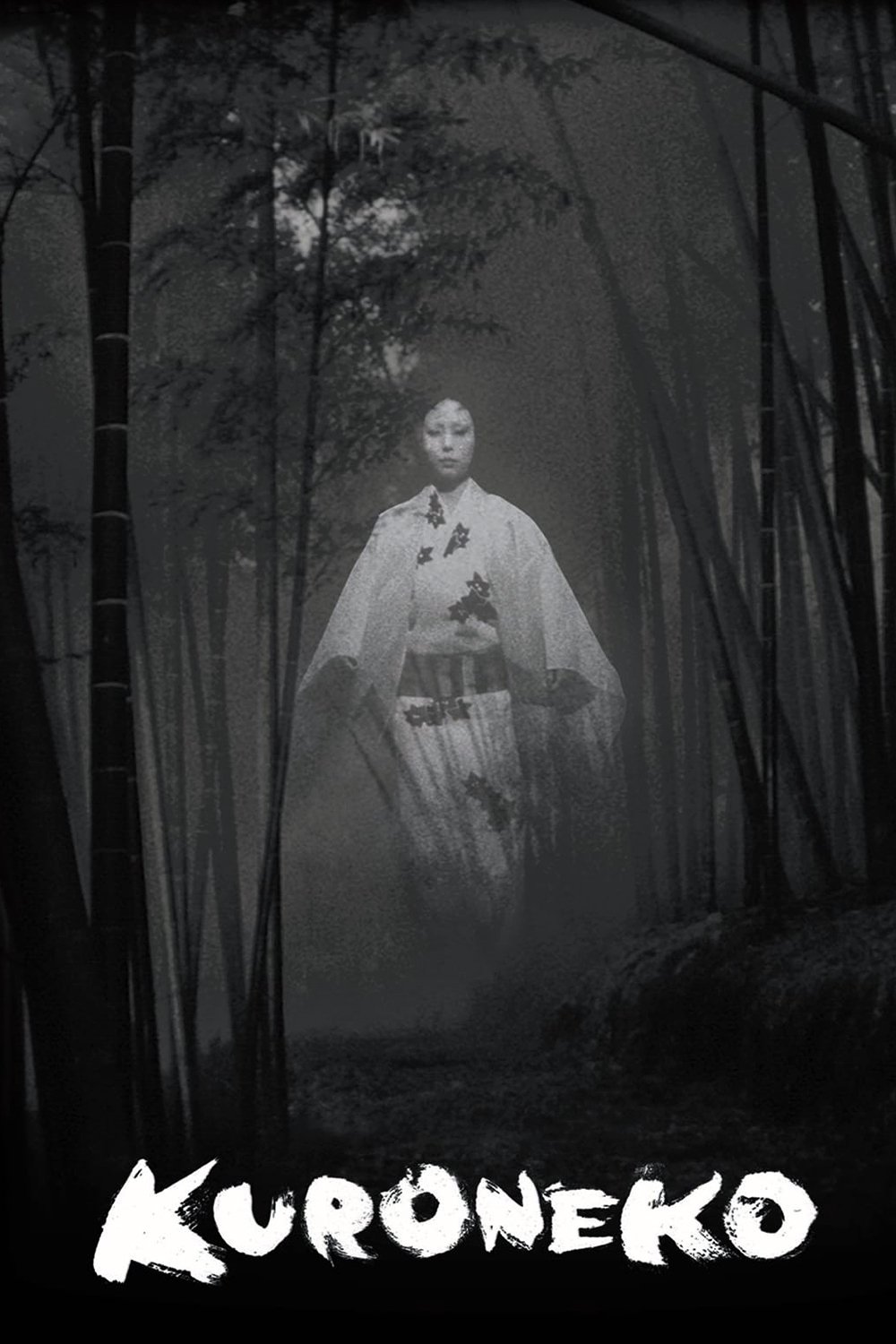 Film7.4DramFantastik
In the Sengoku period, a woman and her daughter are raped and murdered by soldiers during a time of civil war. Afterwards, a series of samurai returning from the war through that area are found mysteriously dead with their throats torn out. The governor calls in a wild and fierce young hero to quell what is evidently an Onryō ghost.
 FilmKomedi
The 17th "Ekimae" feature.
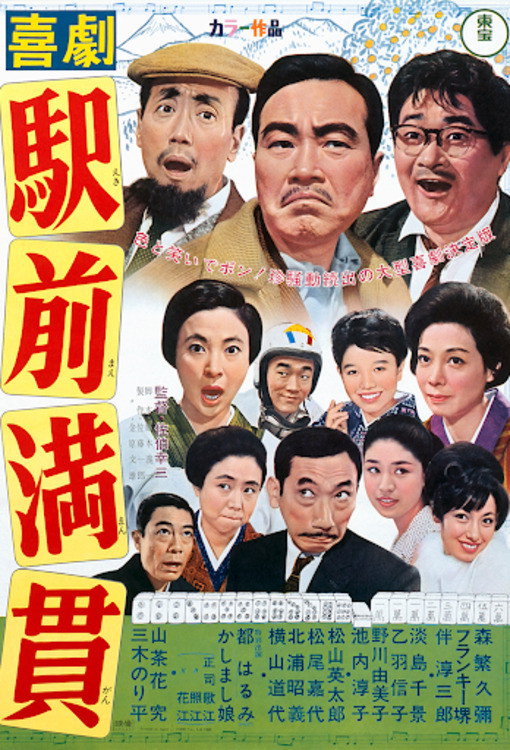 FilmKomedi
The 18th "Ekimae" feature.
 FilmDram
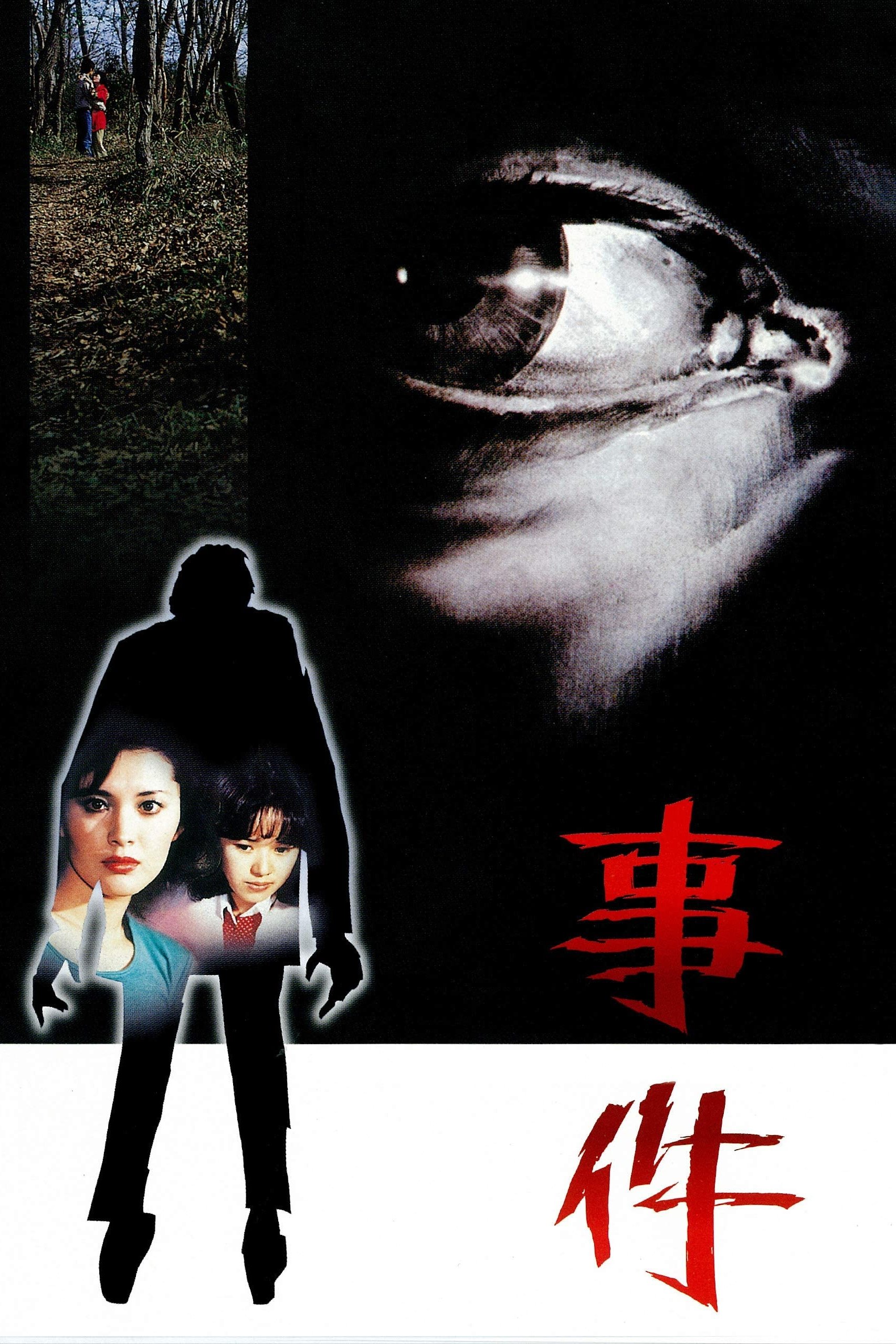 Film7.2DramSuç
The body of Sakai Hatsuko, a woman of 23 who has been slain with a knife, has been found in a forest. Some days later, Ueda Hiroshi, a 19-year-old shipyard worker, is arrested and charged with the murder. At Ueda's trial, a complex story unfolds.
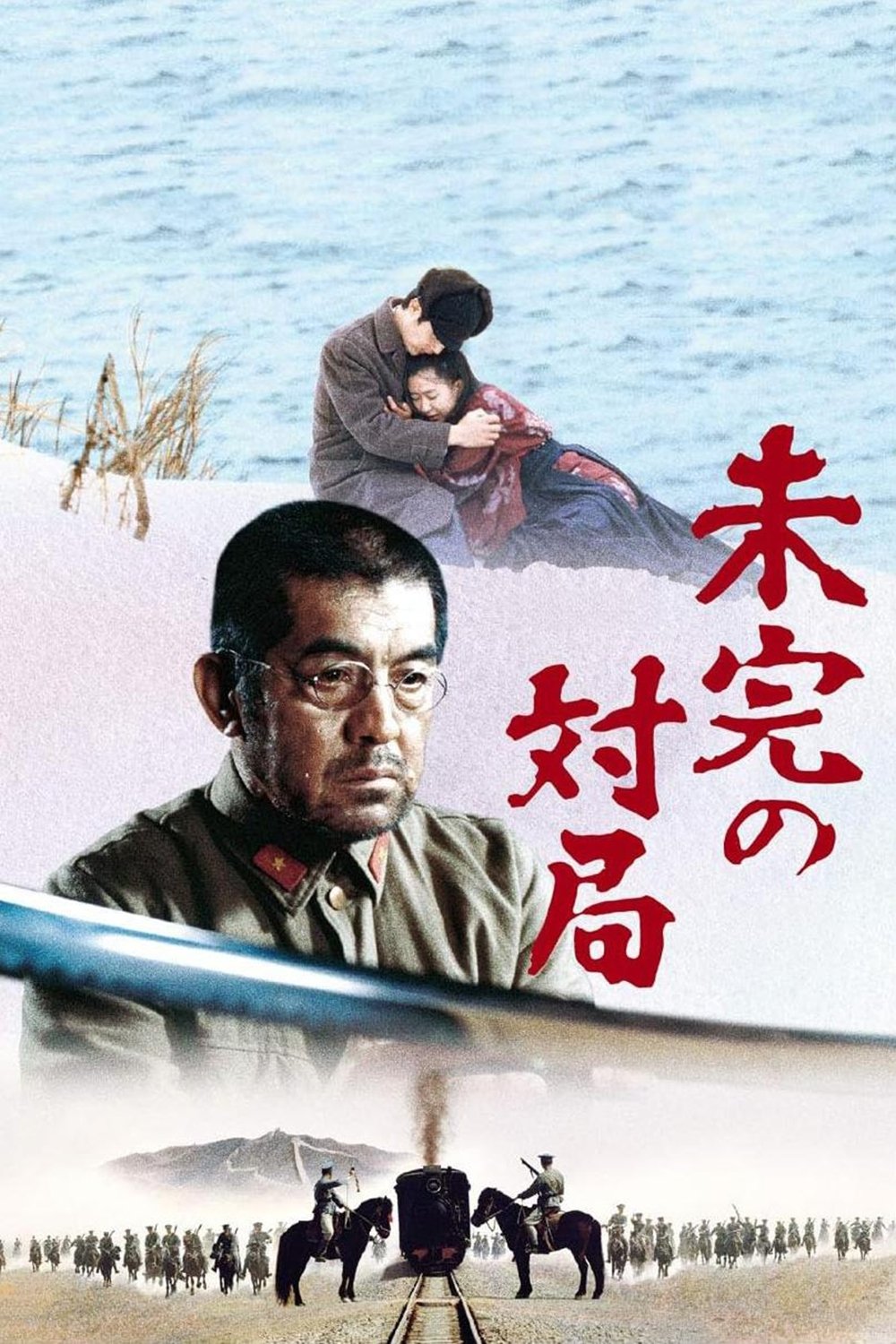 Film6.6Dram
Ten years before the outbreak of the Second World War in Asia, a Japanese Go master and his Chinese rival meet in China to play a game of Go (loosely described as an Asian version of chess). It soon becomes evident that the Chinese master's son is the most talented player that the Japanese master has ever encountered, and he convinces the boy's father to let him bring the child back to Japan to train him as a professional Go player. Years pass, and as the young Chinese master grows to maturity in Japan, the Japanese invasion of China forces him to choose between his triumphant career and his loyalty to his native country. His decision is complicated by his marriage to the daughter of the Japanese master, with whom he has produced a child. His choice will profoundly alter the lives of two families. Their saga serves as a reflection of the tragic relations between their two great countries, and the possibility of reconciliation and healing.
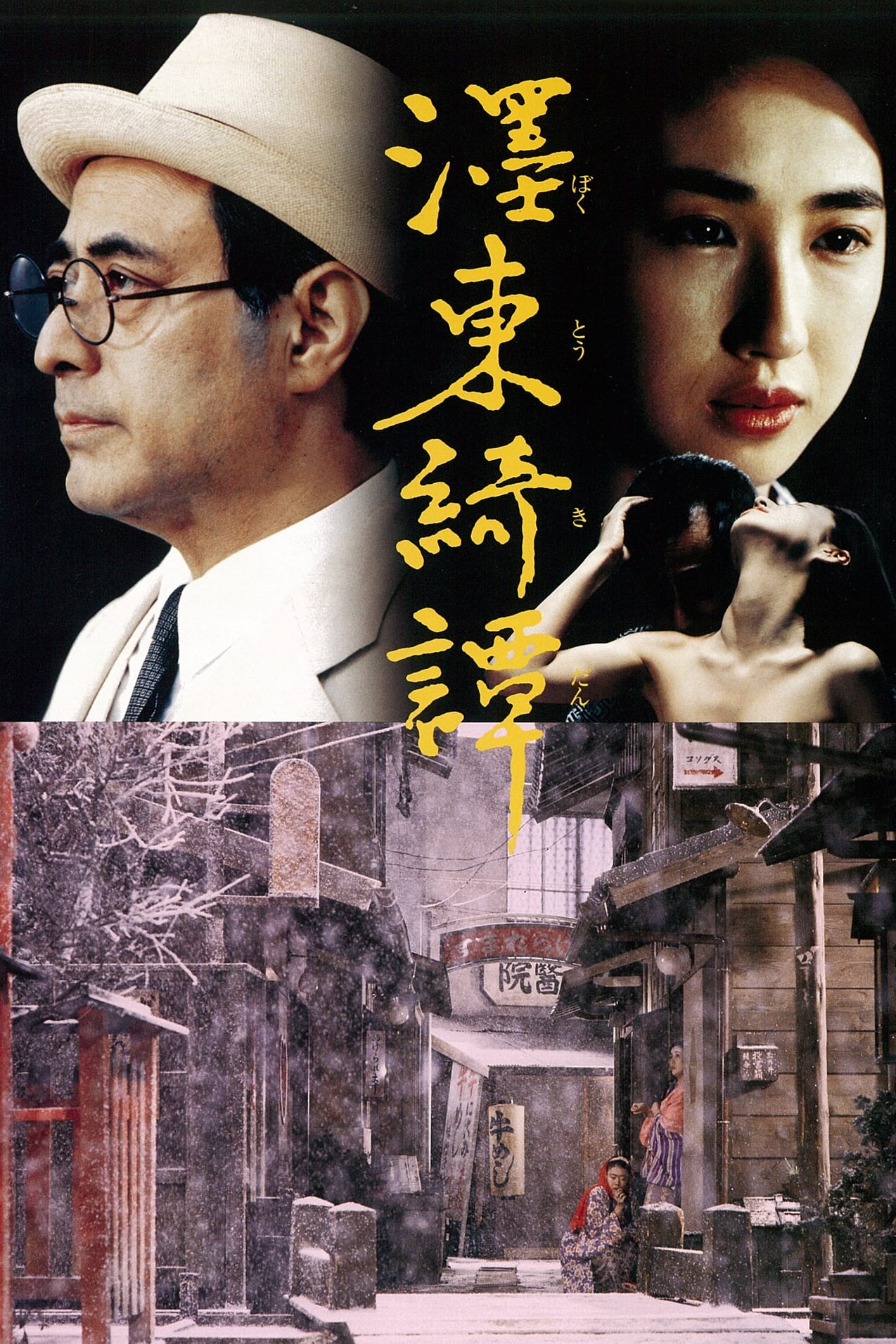 Film7.8Dram
A story of Japanese writer Kafu Nagai (1879-1959), a man about sixty with a huge reputation of seducer who falls madly in love for a young geisha named Oyuki. Meticulous and smartly dressed, Nagai patiently wrote in his diary his thoughts during many years. A melancholy reflection on the passage of time and a brilliant interpretive exercise.
 Film
FilmBased on the story "Tokyo Station" by Tsunehiko Sagawa.
 FilmKomedi
 Film6.5Dram
Takeshi Yasui, a junior high school student is found dead in a river. The police investigate it as a murder related to bullying. The dead boy turns out to have been murdered by two of his schoolmates, who he had been bullying.
 FilmKomedi
A contemporary comedy.
 Film4.8
The men who surround and torment the young protagonist (demanding teacher, owner of the company that rapes his own daughter, despotic and uncompromising father) are opposed to women (victims of men) as embodiment of salvation.
 Film7.1DramSavaş
Shows the devastation caused by the atomic bomb, and by use of a fictional storyline, portrays the struggle of the ordinary Japanese people in dealing with the aftermath.
 Film6.0Dram
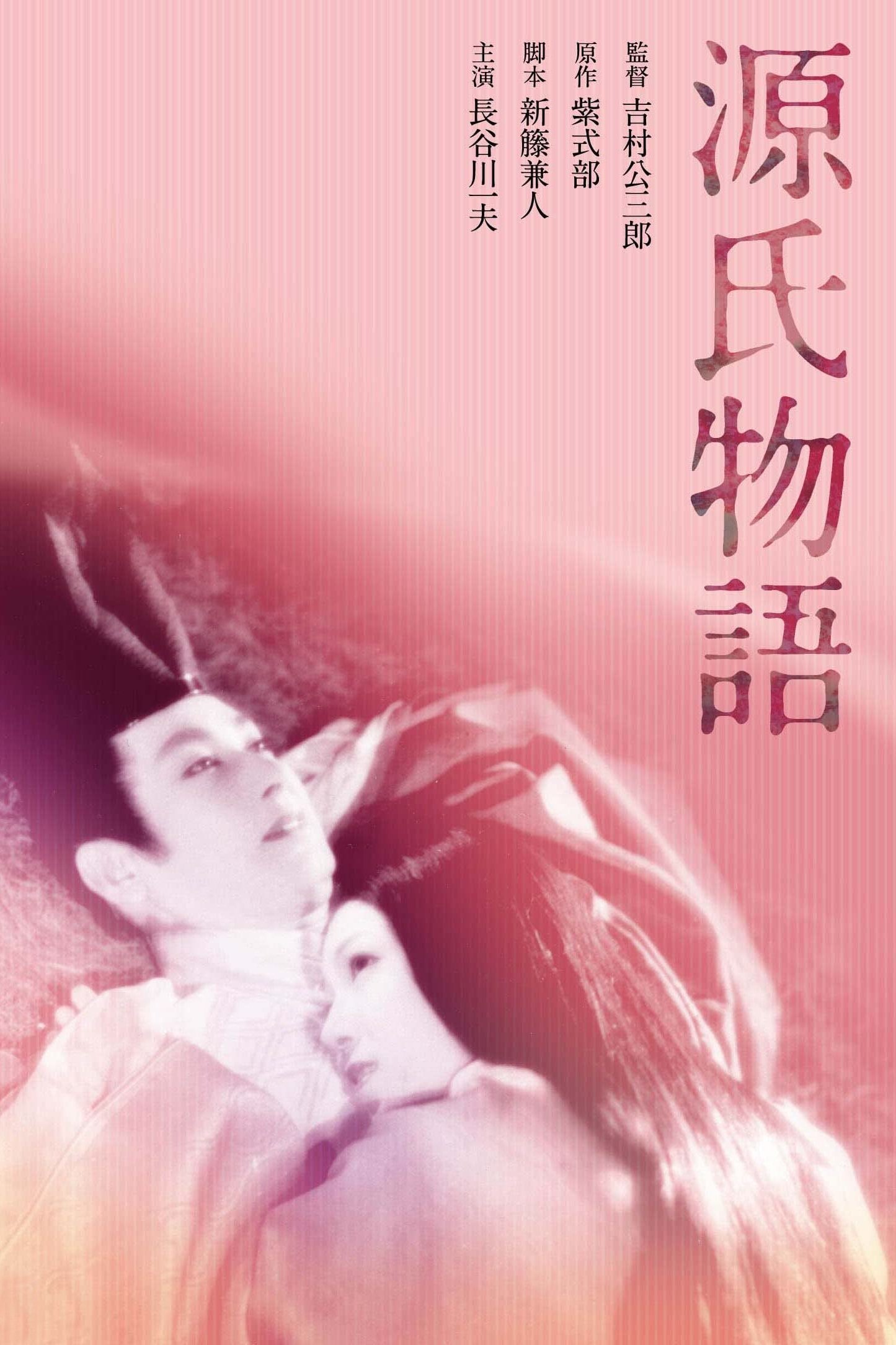
Genji, the illegitimate offspring of a Japanese potentate, goes by the philosophy of "love 'em and leave 'em" as a matter of course. Only when his heart is broken by Awaji does Genji realizes how much pain he himself has caused.
 Film
Film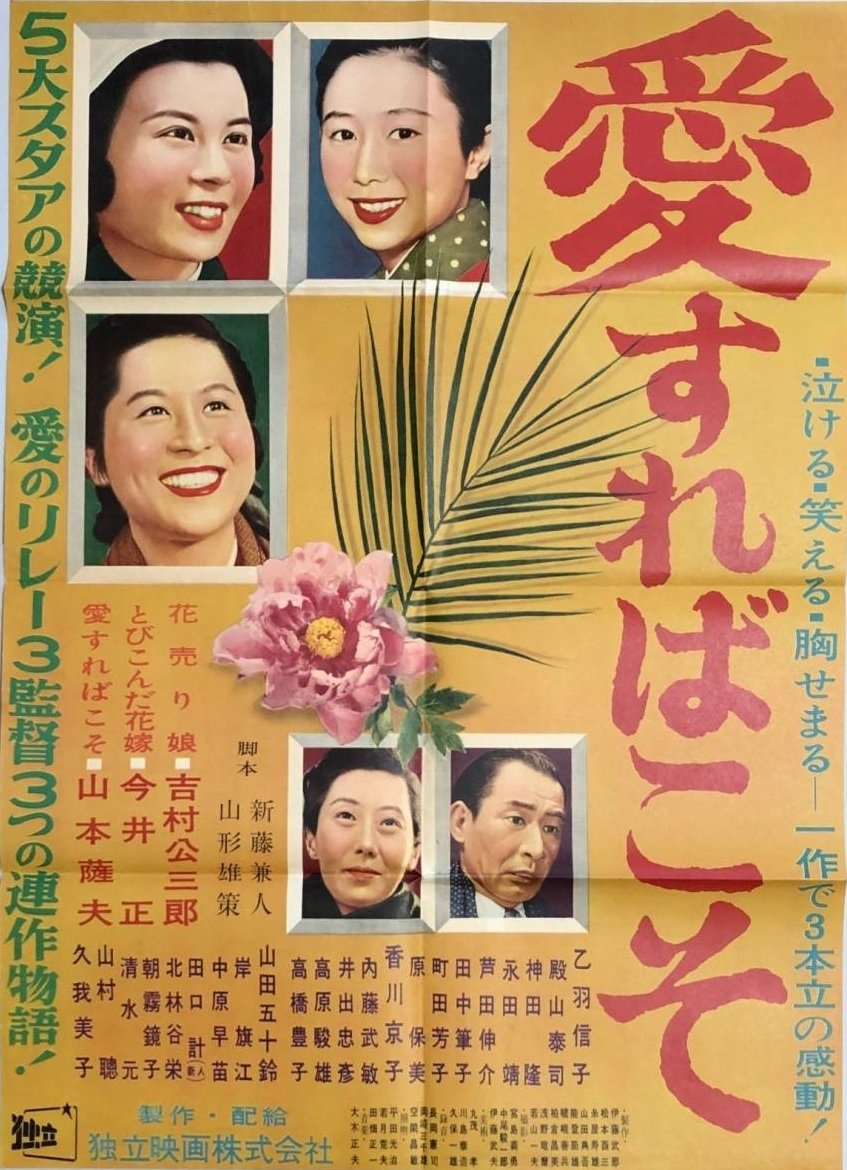 Film10.0Dram
The film consists of three short stories. Tomiko, the heroine of the first story, "The Flower Girl" (dir. Kozaburo Yoshimura), is a little girl who bears the unbearable burden of caring for her family. Tomiko's father has been unable to find work for a long time, and her older sister is terminally ill—it is unlikely that she will ever recover. To feed her family, Tomiko runs around the city from morning until late at night selling flowers... The second novella (dir. Tadashi Imai) also depicts the lives of the poor. An unfamiliar girl brings young Kavano a letter from his mother. It turns out that the girl's name is Kuniko, she is very hardworking, but her family is dying of hunger. Therefore, her mother decided to send Kuniko to her son so that he would marry her. The short story is called "The Unexpected Bride." The third short story, which gave the film its title, is particularly interesting: "When You Love" (dir. Satsuo Yamamoto). It shows the family of a young peace activist.
 Film6.8Dram
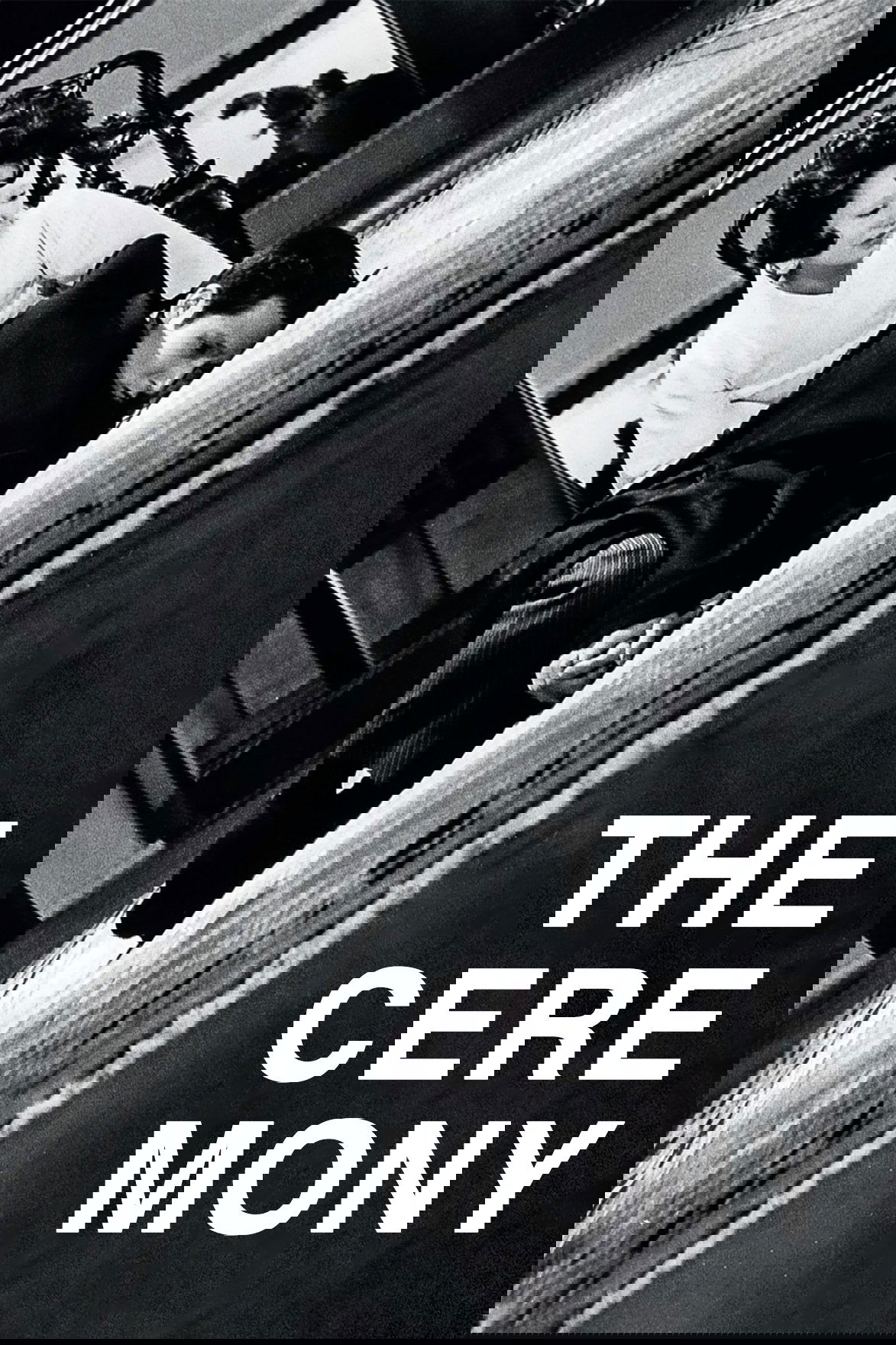
Oshima’s magisterial epic, centering on the ambivalent surviving heir of the Sakurada clan, uses ritual and the microcosm of the traditional family to trace the rise and fall of militaristic Japan across several decades.
 Film10.0Dram
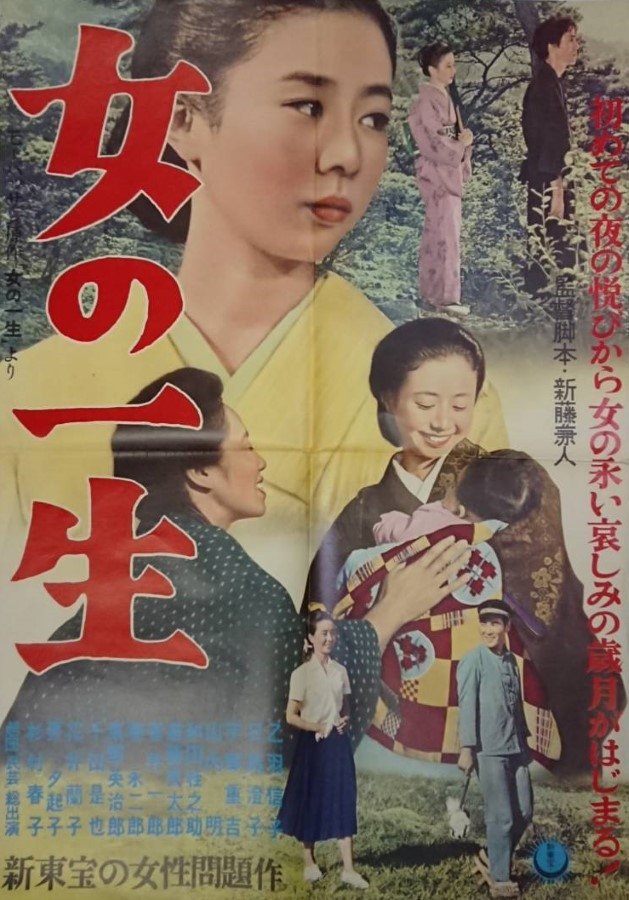
Based on "Une vie" by Guy de Maupassant
Diziler4
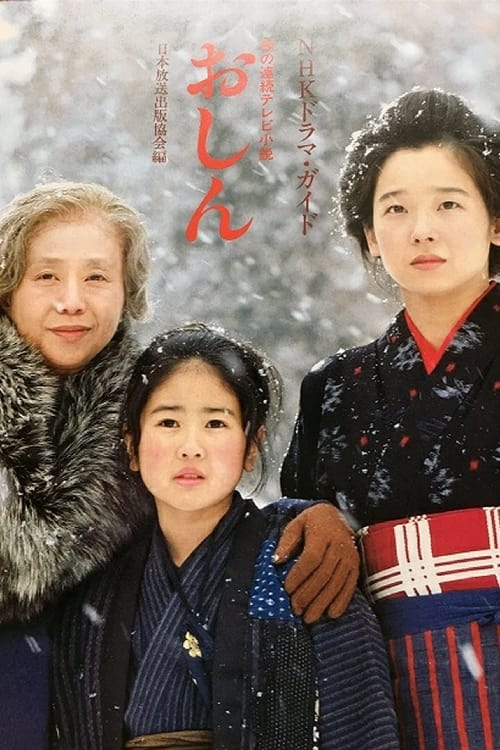 Dizi8.1DramAile
Oshin is a Japanese serialized morning television drama, which aired on broadcaster NHK from April 4, 1983 to March 31, 1984. The series follows the life of Shin Tanokura during the Meiji period up to the early 1980s. Shin was called "Oshin", which is an archaic Japanese cognomen.
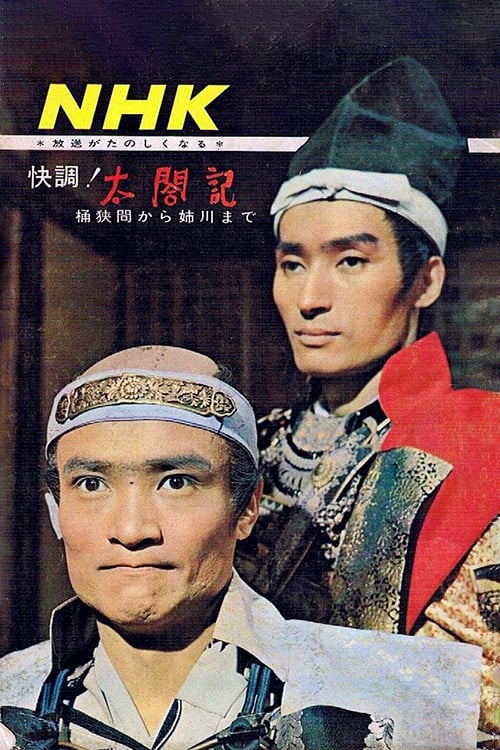 DiziDram
Based on the life of Hideyoshi Toyotomi (February 2, 1537 – September 18, 1598) a Sengoku period daimyo who unified Japan.
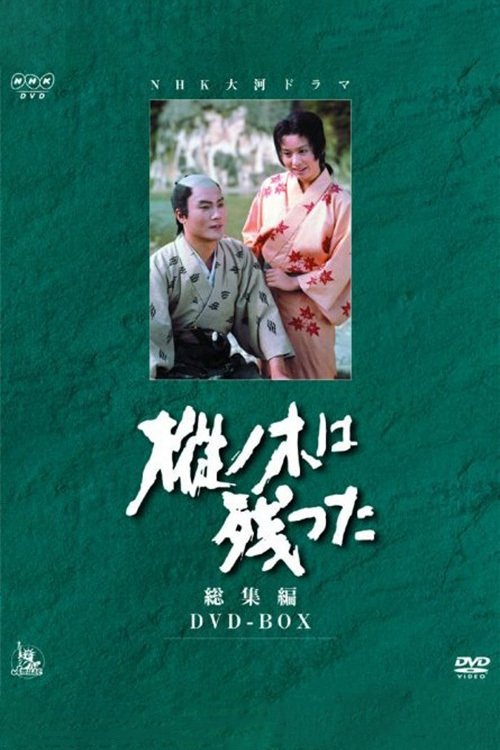 DiziDram
Depicting Date clan’s internal strife that occurred during a peaceful Edo period governed by the 4th Tokugawa shogun.
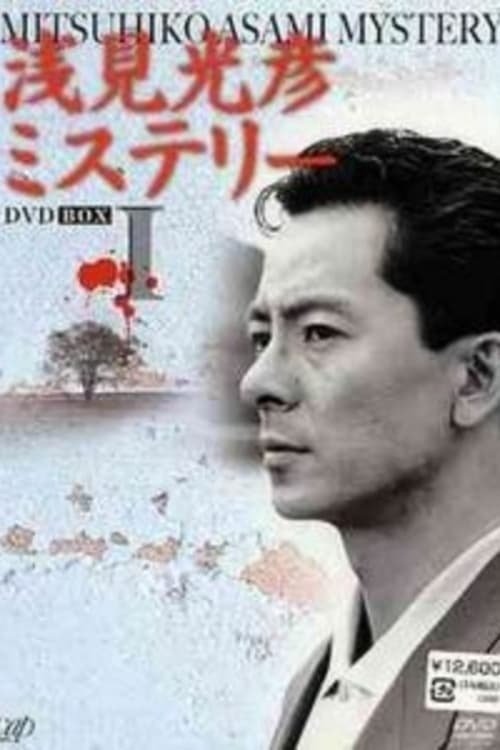 DiziGizem
Crime mysteries from 1987 to 1990 based on Yasuo Uchida's novels starring Yutaka Mizutani.