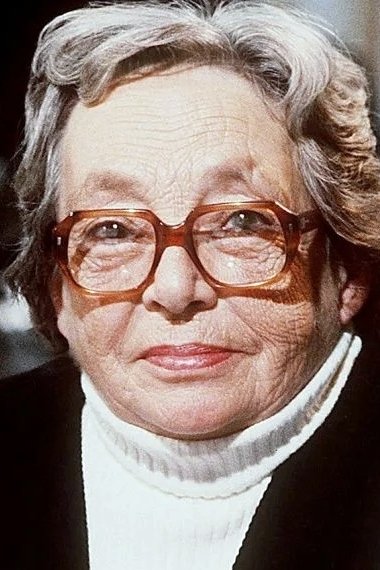
Marguerite Duras
Yönetmen · 1914 – 1996 · Gia Định, Vietnam
Marguerite Germaine Marie Donnadieu (4 April 1914 – 3 March 1996), known as Marguerite Duras, was a French novelist, playwright, screenwriter, essayist, and experimental filmmaker. Her script for the film Hiroshima mon amour (1959) earned her a nomination for Best Original Screenplay at the Academy Awards. Duras was born Marguerite Donnadieu on 4 April 1914, in Gia Định, Cochinchina, French Indochina (now Vietnam). Her parents, Marie (née Legrand, 1877–1956) and Henri Donnadieu (1872–1921), were teachers from France who likely had met at Gia Định High School. They both had previous marriages. Marguerite had two brothers: Pierre, the older, and the younger Paul. Duras' father fell ill and he returned to France, where he died in 1921, when Duras was seven years old. Between 1922 and 1924, the family lived in France while her mother was on administrative leave. They then moved back to French Indochina when she was posted to Phnom Penh followed by Vĩnh Long and Sa Đéc. The family struggled financially, and her mother made a bad investment in an isolated property and area of rice farmland in Prey Nob, a story which was fictionalized in Un barrage contre le Pacifique (The Sea Wall). In 1931, when she was 17, Duras and her family moved to France where she successfully passed the first part of the baccalaureate with the choice of Vietnamese as a foreign language, as she spoke it fluently. Duras returned to Saigon in late 1932 where her mother found a teaching post. There, Marguerite continued her education at the Lycée Chasseloup-Laubat and completed the second part of the baccalaureate, specializing in philosophy. In autumn 1933, Duras moved to Paris, graduating with a degree in public law in 1936. At the same time, she took classes in mathematics. She continued her education, earning a diplôme d'études supérieures (DES) in public law and, later, in political economy. After finishing her studies in 1937, she found employment with the French government at the Ministry of the Colonies. In 1939, she married the writer Robert Antelme, whom she had met during her studies. During World War II, from 1942 to 1944, Duras worked for the Vichy government in an office that allocated paper quotas to publishers and in the process operated a de facto book-censorship system. She then became an active member of the PCF (the French Communist Party) and a member of the French Resistance as a part of a small group that also included François Mitterrand, who later became President of France and remained a lifelong friend of hers. Duras' husband, Antelme, was deported to Buchenwald in 1944 for his involvement in the Resistance, and barely survived the experience (weighing on his release, according to Duras, just 38 kg, or 84 pounds). She nursed him back to health, but they divorced once he recovered. In 1943, when publishing her first novel, she began to use the surname Duras, after the town that her father came from, Duras, Lot-et-Garonne. In 1950, her mother returned to France from Indochina, wealthy from property investments and from the boarding school she had run. ... Source: Article "Marguerite Duras" from Wikipedia in English, licensed under CC-BY-SA.
Filmler20
 Film5.6Belgesel
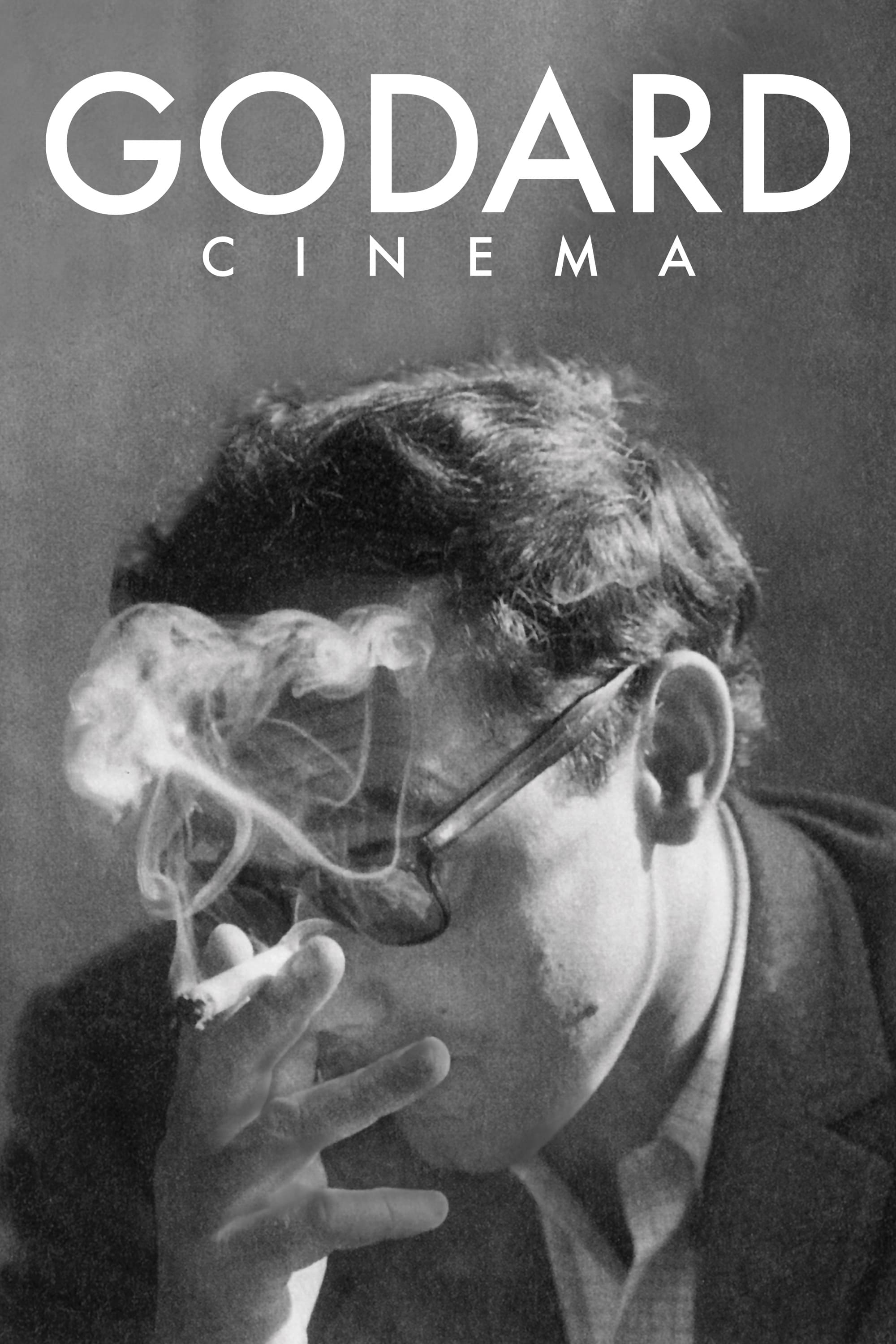
Jean-Luc Godard is synonymous with cinema. With the release of Breathless in 1960, he established himself overnight as a cinematic rebel and symbol for the era's progressive and anti-war youth. Sixty-two years and 140 films later, Godard is among the most renowned artists of all time, taught in every film school yet still shrouded in mystery. One of the founders of the French New Wave, political agitator, revolutionary misanthrope, film theorist and critic, the list of his descriptors goes on and on. Godard Cinema offers an opportunity for film lovers to look back at his career and the subjects and themes that obsessed him, while paying tribute to the ineffable essence of the most revered French director of all time.
 Film7.2TarihBelgesel
In May 1974, Valéry Giscard d'Estaing became President of the Republic and wanted to bring about a new era of modernity. One of his first decisions was to break up the ORTF with the creation of three new television channels: TF1, Antenne 2 and FR3. Three new public channels but autonomous and competing. It is a race for the audience which is engaged then, and from now on the channels will make the war! This competition will give birth to a real golden age for television programs, with variety shows in the forefront. The stars of the song are going to invade the living rooms of the French for their biggest pleasure. This unedited documentary tells the story of the metamorphosis of this television of the early 1970s, between freedom of tone, scandals, political intrigues and programs that have become mythical.
La TV des 70's : Quand Giscard était président
2022 · 5 votes
 Film7.0BelgeselTV Movie
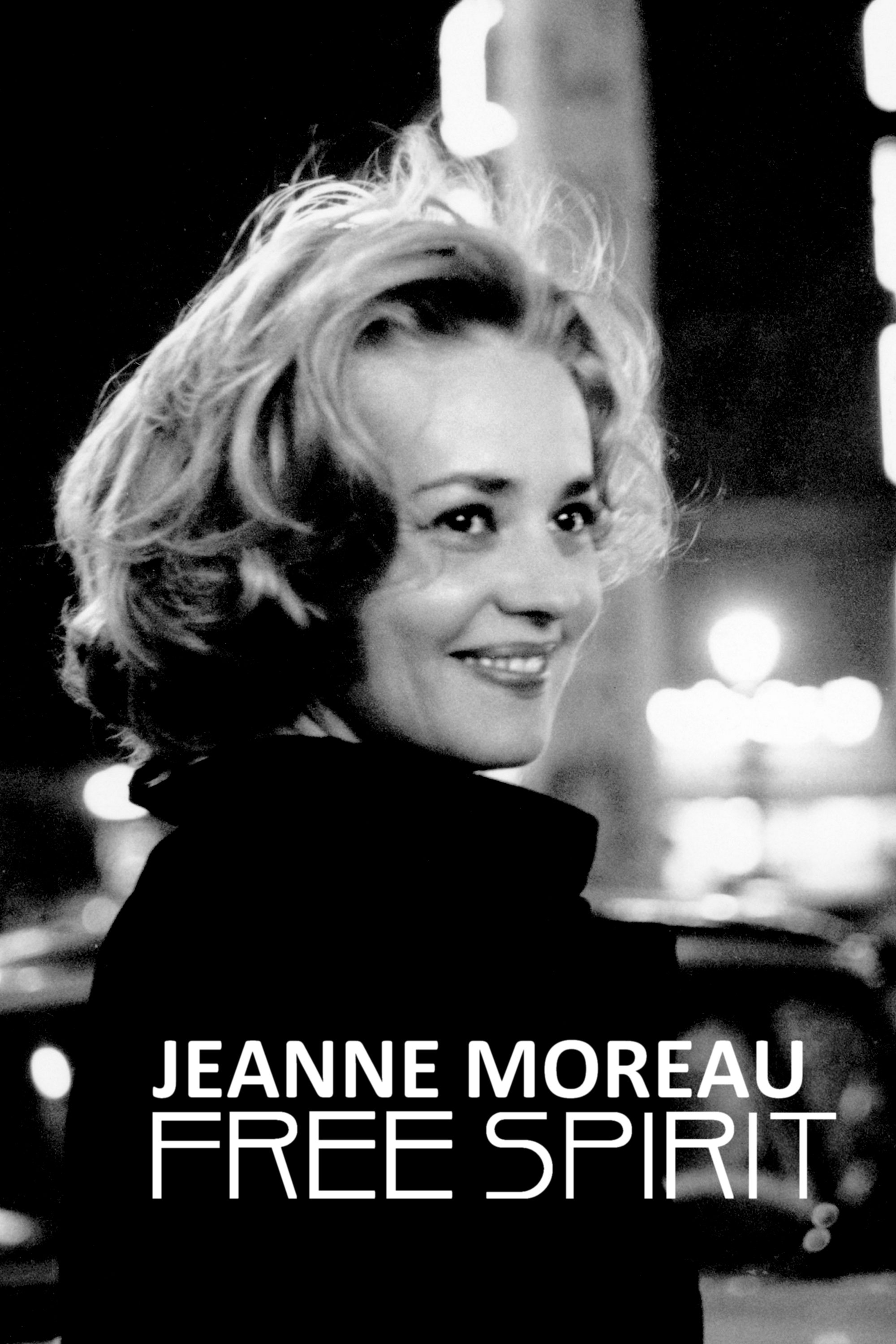
An account of the life of actress Jeanne Moreau (1928-2017), a true icon of the New Wave and one of the most idolized French movie stars.
 Film6.4Belgesel
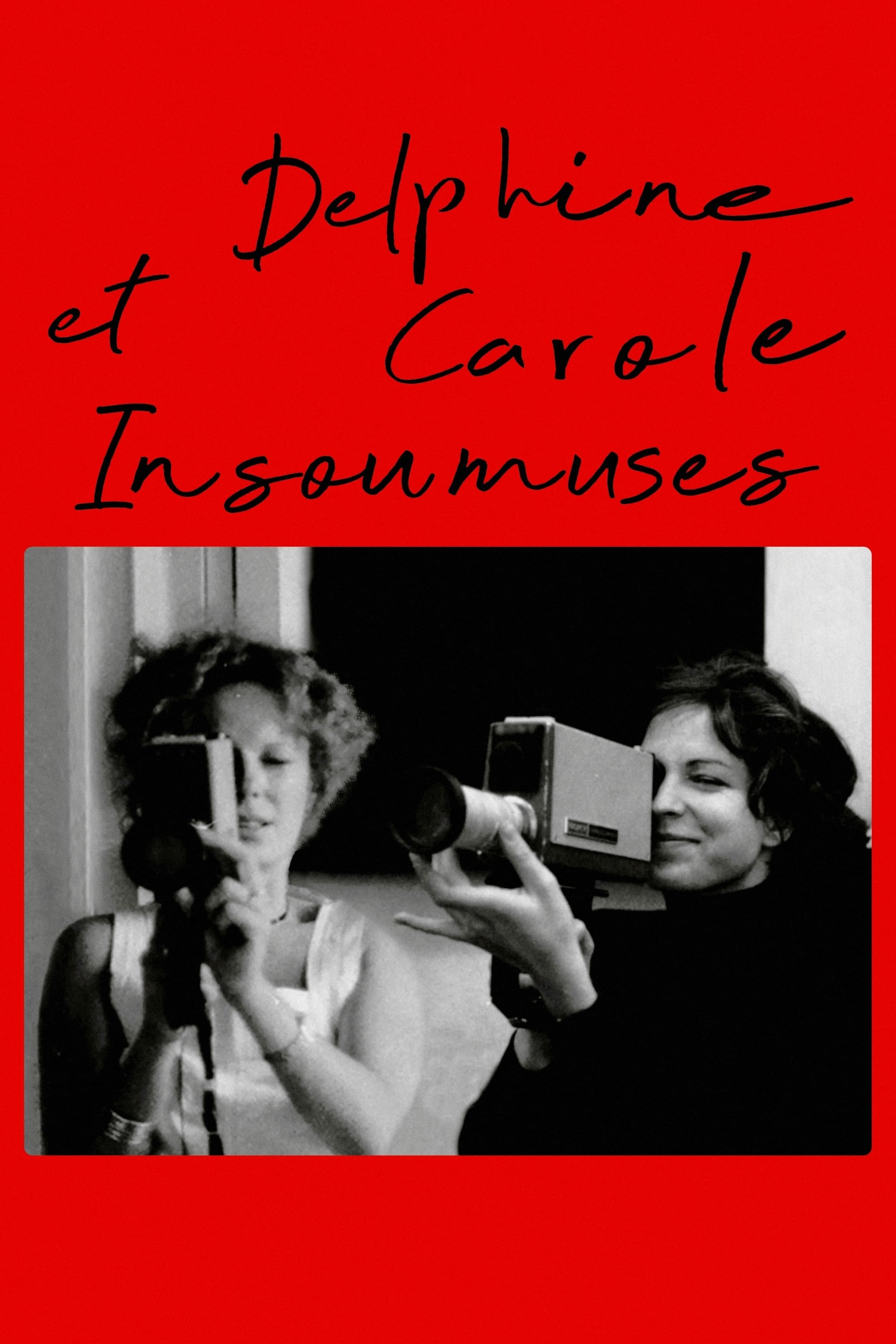
In the 70s, actress Delphine Seyrig and director Carole Roussopoulos, both militant feminists, were the pioneers of video activism in France. They documented the demonstrations of French feminists and used the new technologies to counter the poor representation of women in the public media.
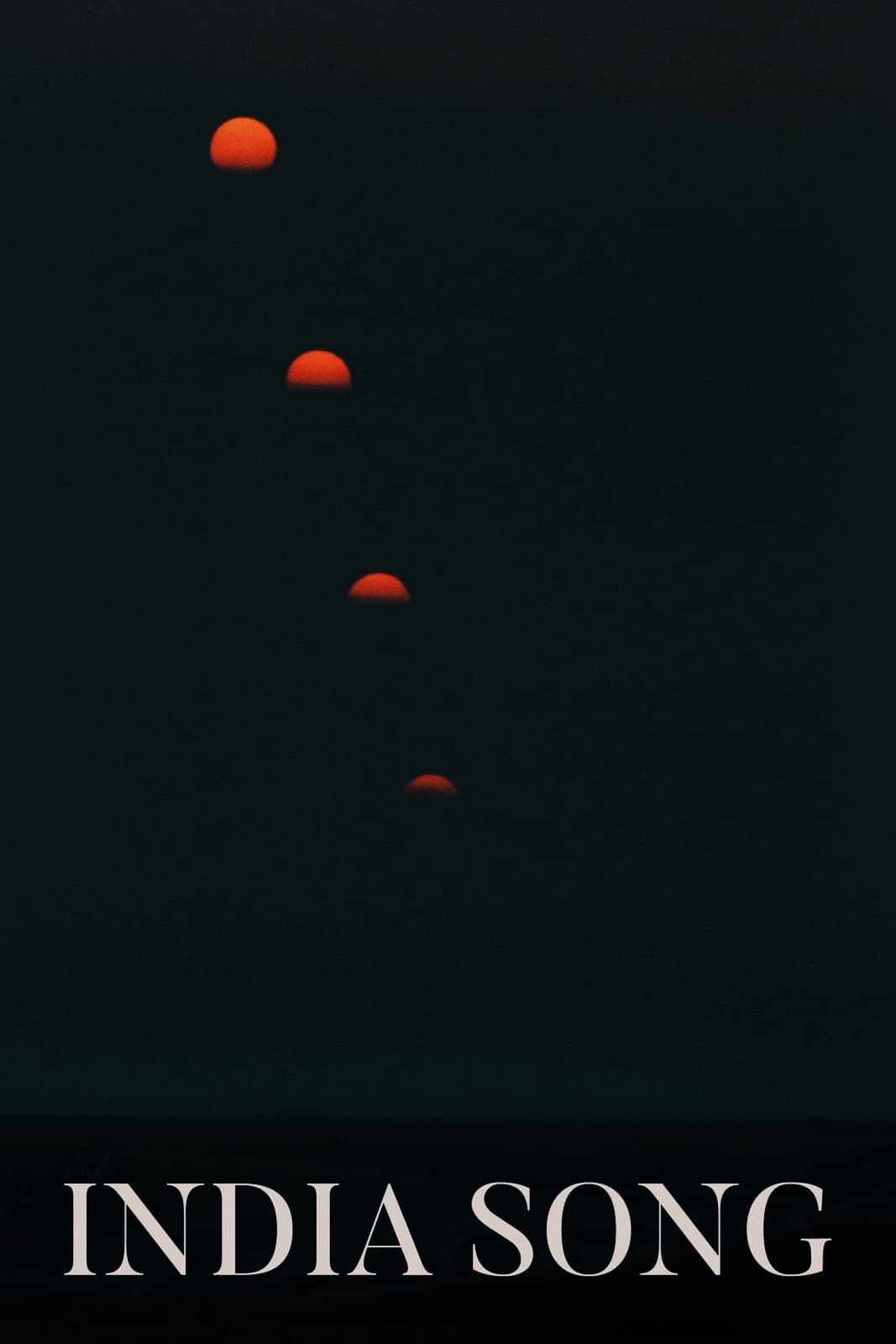 Film6.3DramRomantik
Gözden düşmüş bir Fransız diplomatın “ruhu çürümüş” eşi, usanç içindedir. Bir dedikodu dolayısıyla, Anne-Marie’nin 1930’ların Hindistan’ındaki utanç verici vukuatından haberdar oluruz ve can sıkıntısı ve suçluluk duygusuyla yaşanan bir dizi anlamsız ilişkiye tanıklık ederiz.
 Film6.2Belgesel
On images of the Tuileries Gardens, Marguerite Duras recalls Césarée, an ancient destroyed city.
Césarée
1978 · 12 votes
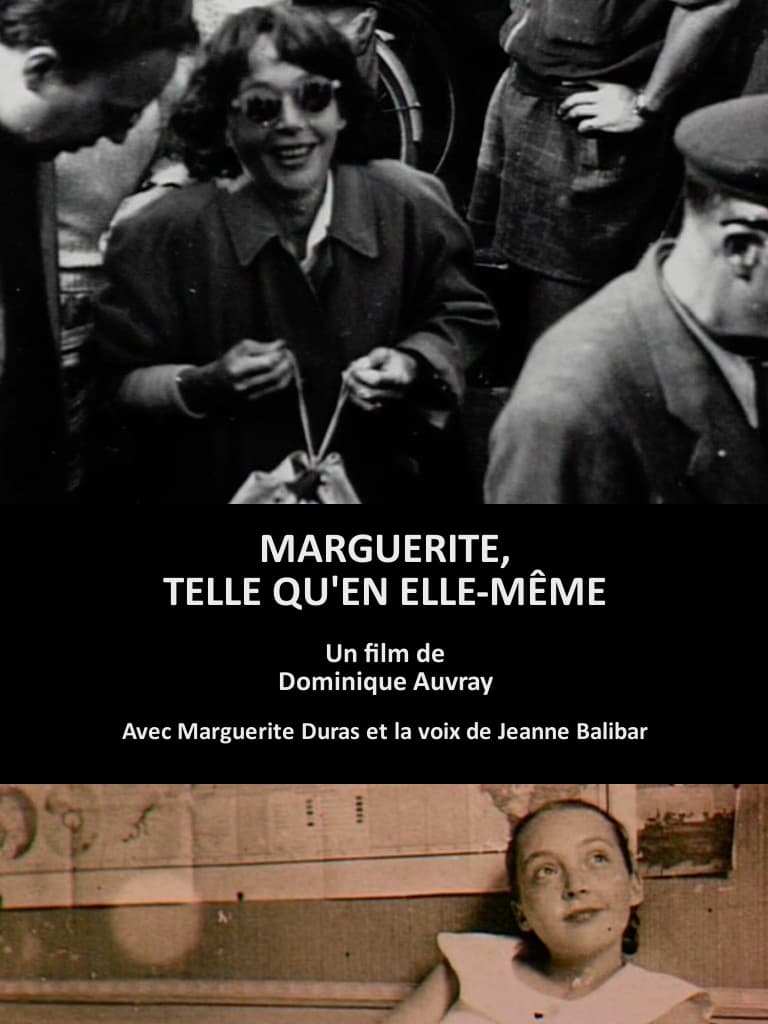 Film7.3Belgesel
On June 3, 1991, Marguerite Duras gave me her last published work, "The North China Lover", autographed for the first time. She wrote: "For my friend Dominique Auvray, in memory of a wonder of wonders: a still recent past, when we worked together in the cinema". This is a portrait of her as she was cheerful and serious, authentic and provocative, considerate and categorical, but first and foremost young and free.
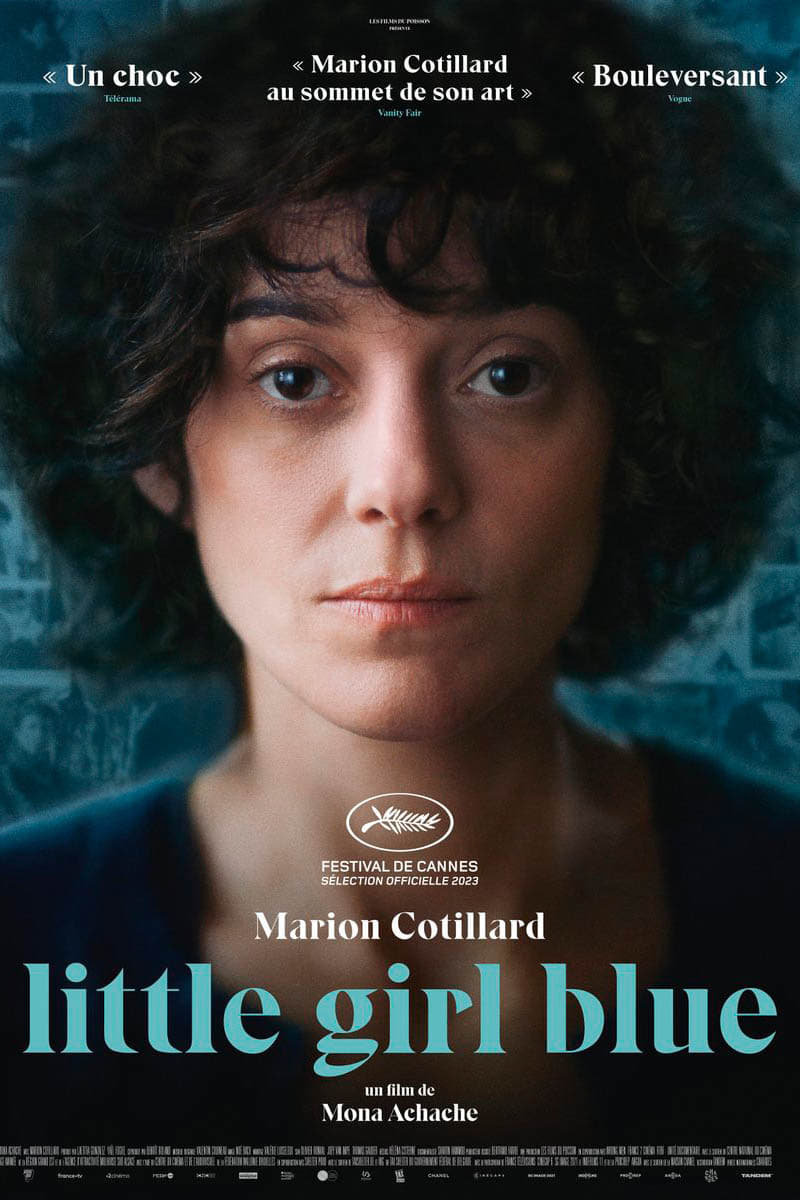 Film6.3DramTarih
Fransız yazar, oyuncu ve fotoğrafçı Carole Achache 2016 yılında, ardında binlerce fotoğraf, ses kaydı, mektup bırakarak intihar eder. Annesinin kaybının ardından yönetmen Mona Achache, başlarda bir özgürleşme yaşadığını düşünür. Ancak aslında annesinin hikayesinden kaçmaktadır. Uzun süre annesiyle tüm bağlarını reddeden Mona, sonunda onun eşyalarını inceleme dürtüsüne boyun eğer. Mona böylece annesinin hiç bilmediği yönleriyle tanışır.
Little Girl Blue
2023 · 57 votes
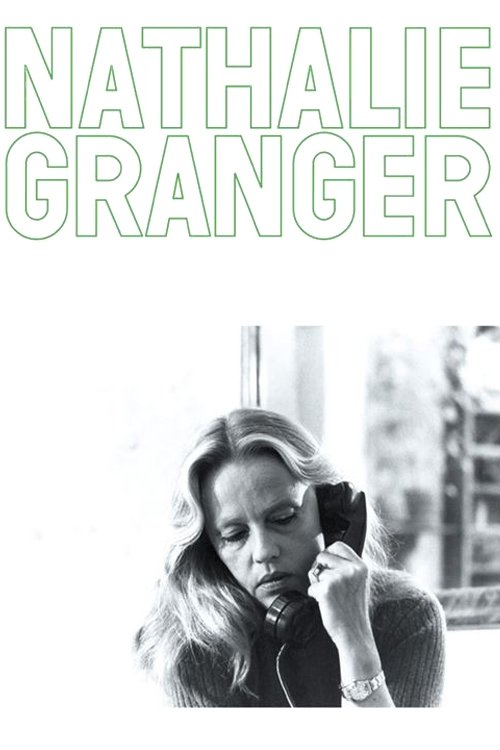 Film6.1Dram
With little or no embellishment, filmmaker Marguerite Duras offers a simple, often wordless chronicle of a woman's day. She and her friend are seen doing yard work, talking about their families and receiving the occasional visitor. The brightest spot in the day is when a washing machine salesman comes to call.
Nathalie Granger
1973 · 28 votes
 Film6.4DramRomantik
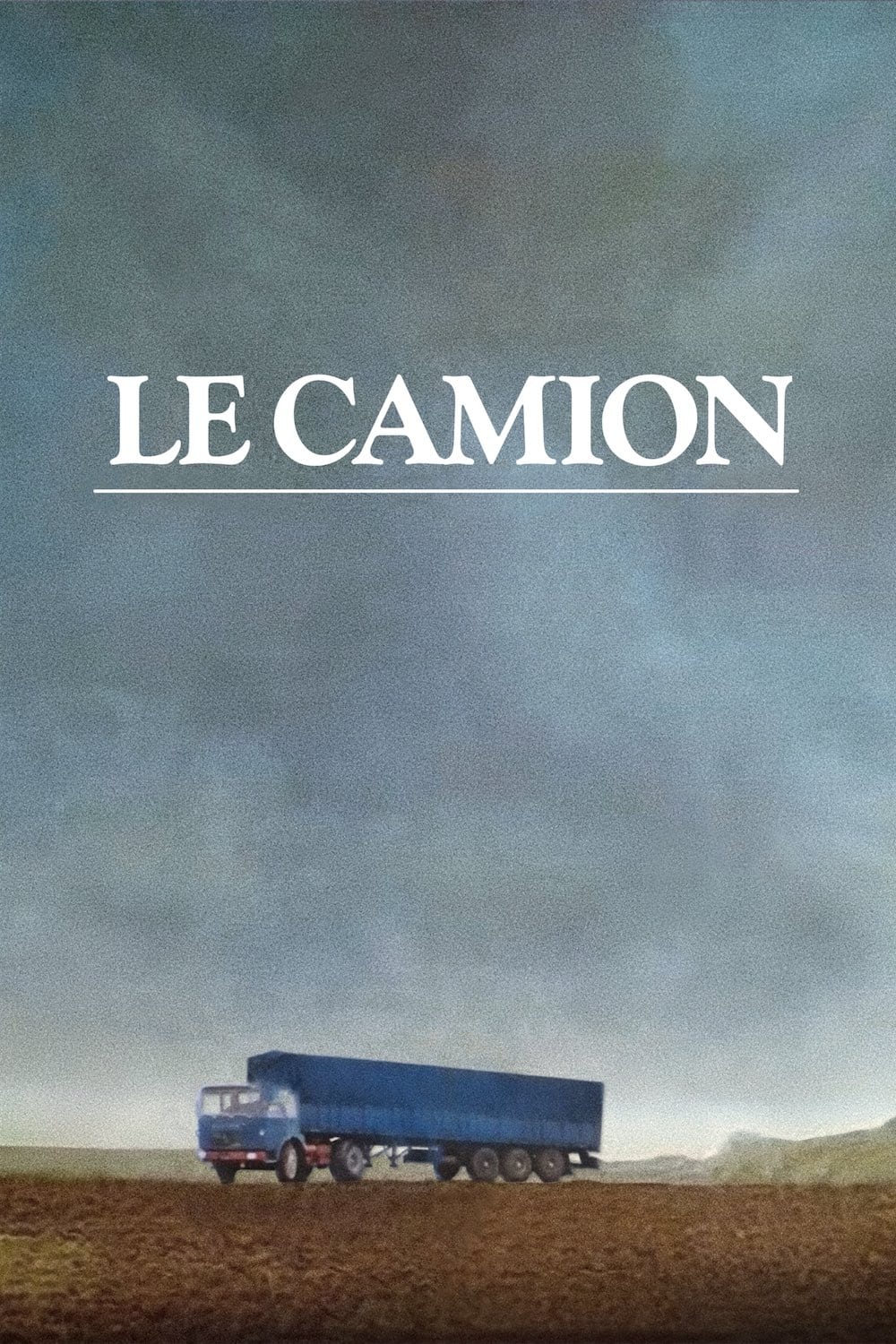
In this most talky and personal of films, director Marguerite Duras and actor Gerard Depardieu do an on-camera read-through of a movie script. Occasionally, the director comments about the characters or their motivations, and sometimes the actor does. That's all -- there is no action, there are no location shots, no one pretends to be anything else. The script itself tells about an encounter between a blank-slate of a woman hitchhiker, and a communist truck driver. As the reading progresses, Duras comments bitterly about the failed ideals of communism and the glorious revolution that will probably never happen.
 Film7.0BelgeselTarih
When French writer Marguerite Duras (1914-96) published her novel The Sea Wall in 1950, she came very close to winning the prestigious Prix Goncourt. Meanwhile, in Indochina, France was suffering its first military defeats in its war against the Việt Minh, the rebel movement for independence.
 Film6.0Belgesel
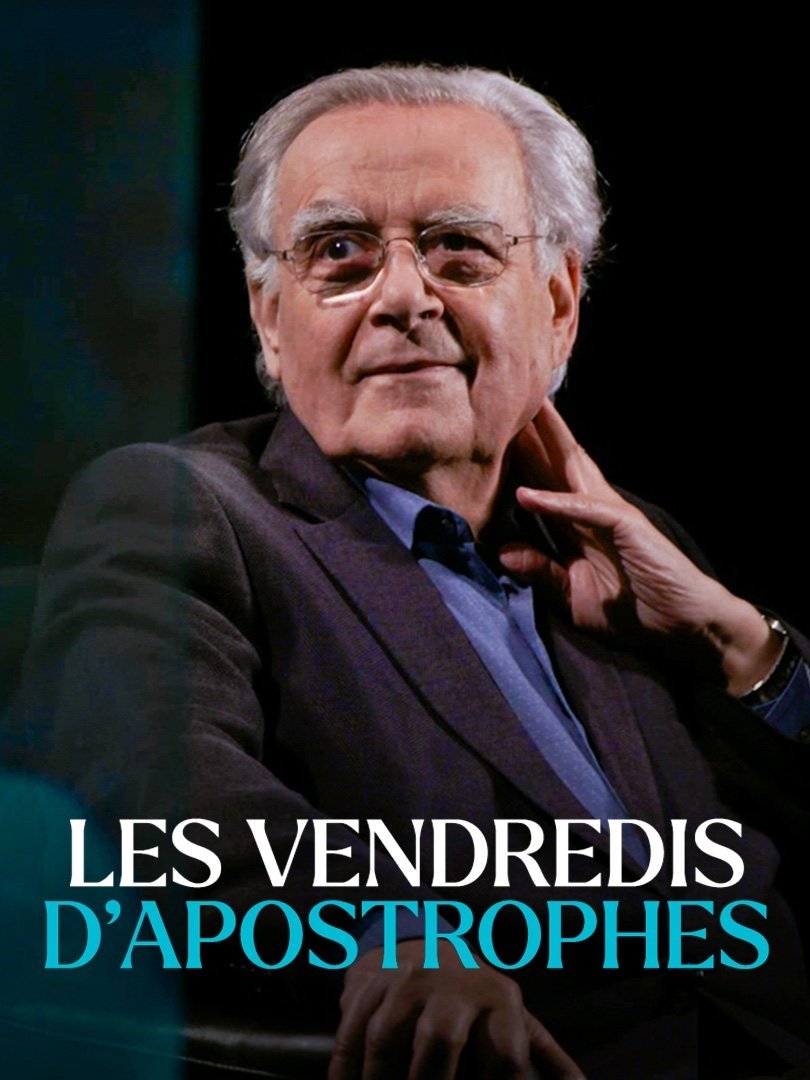
Hours and historical meetings, Pierre Assouline has composed an anthology of the best extracts presented in the form of a primer, which he had commented on by a surprised Bernard Pivot.
Les vendredis d'Apostrophes
2015 · 1 votes
 Film7.0MüzikDram
Stages a double persona on a music of Monteverdi (Ariadne’s lamento interpreted by Janet Baker).
Cygne I
1976 · 1 votes
 Film7.2Dram
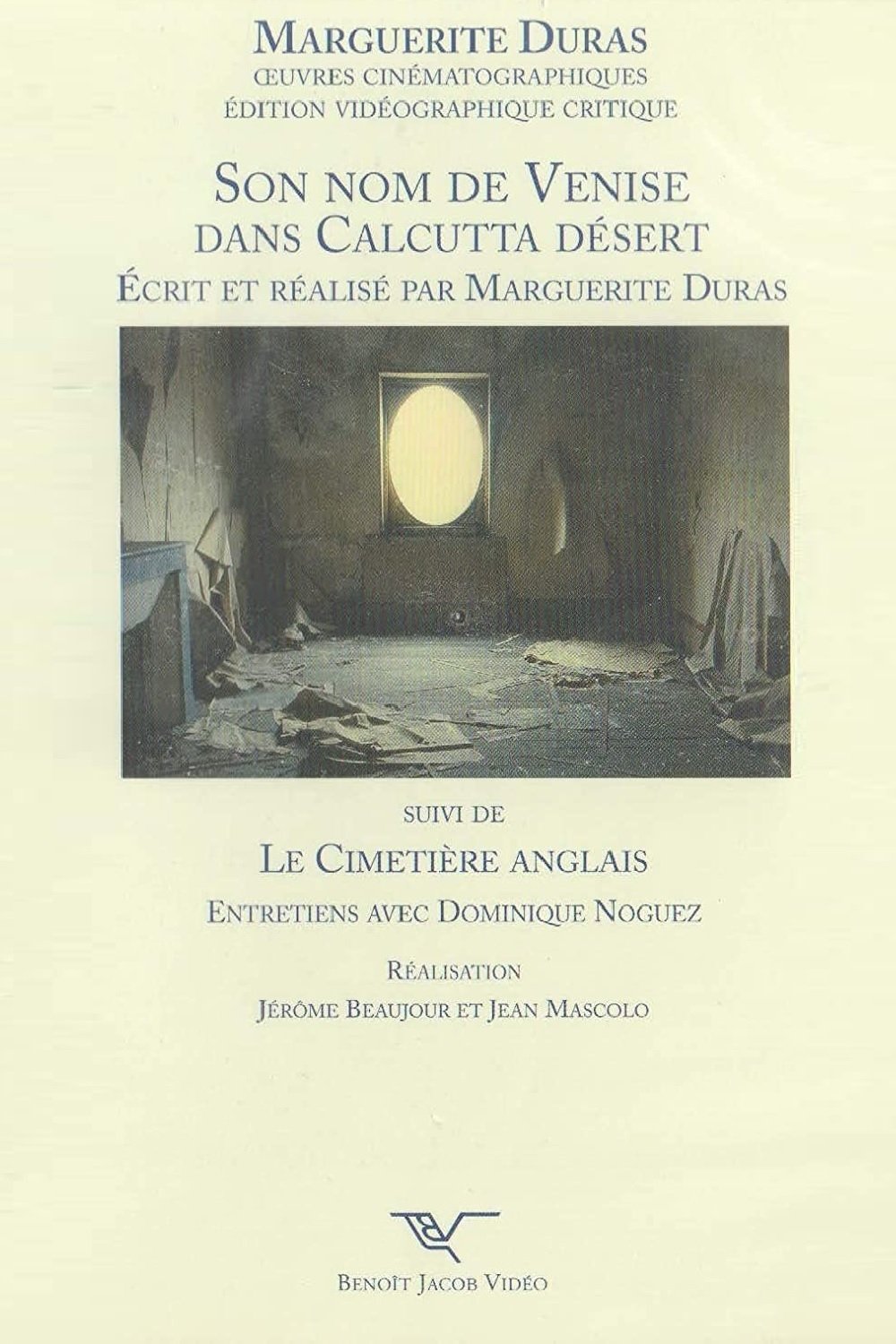
The full soundtrack to Marguerite Duras' 1975 film India Song, about a French ambassador's wife in 1930s India, is here repurposed with all new cinematography. As we hear all the dialogue of a bygone movie, we travel visually through images of absence and decay, bereft of life. It's the ghost of a film, and a further commentary on colonialism.
Son nom de Venise dans Calcutta désert
1976 · 15 votes
 Film10.0Belgesel
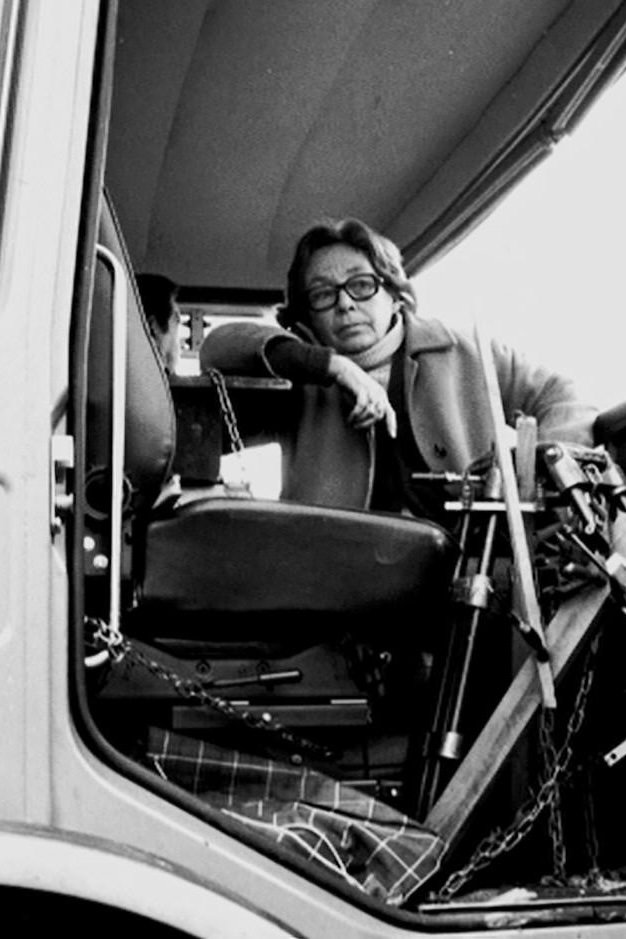
Documentary on famous writer Marguerite Duras and her paradoxical relation to the seventh art by her former film editor.
 Film5.6GizemDram
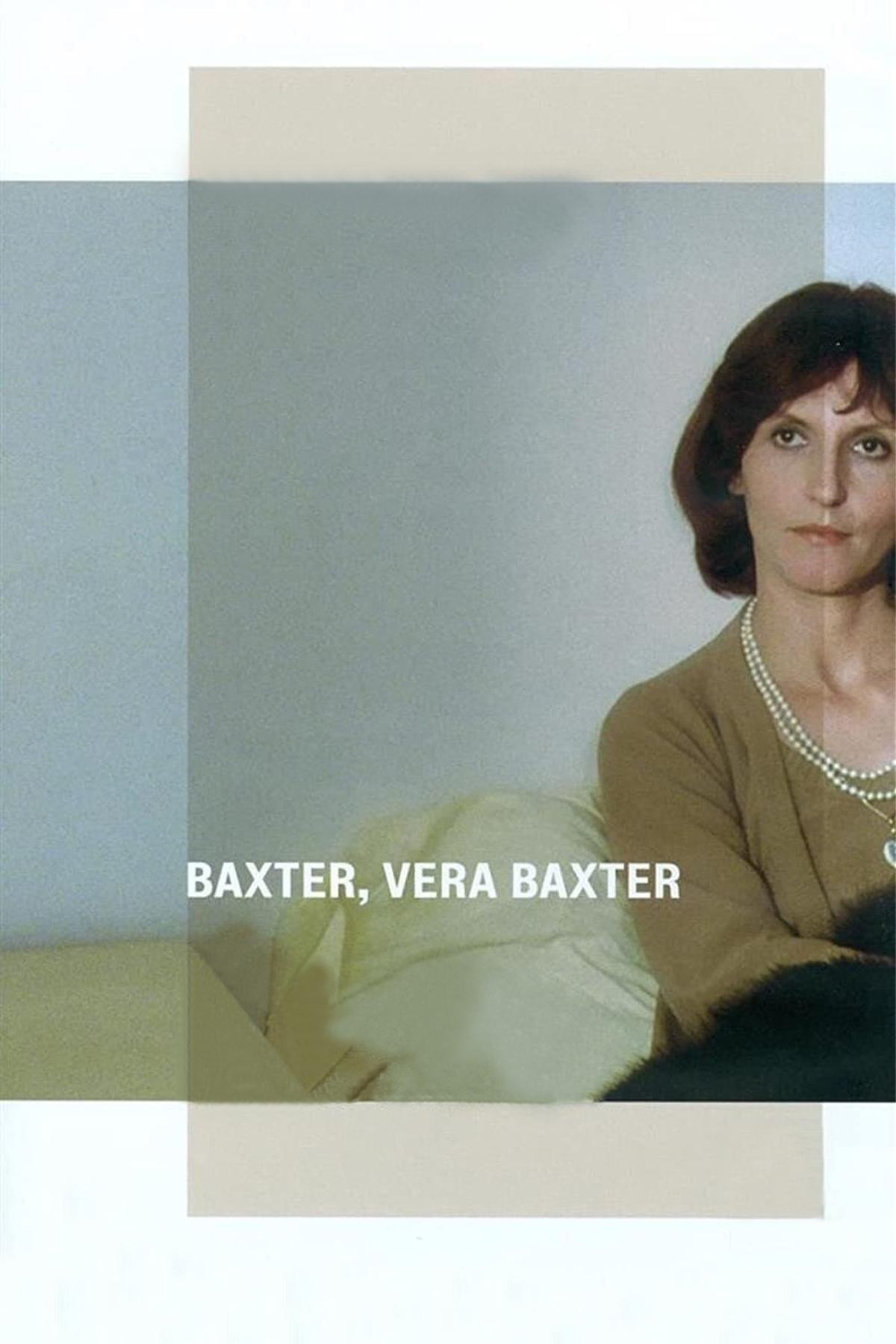
Film, inşaat işiyle uğraşan kocası tarafından kumar borçlarını ödemek için satılan otuz yaşlarında, soğuk ve mesafeli bir kadının portresini çiziyor.
Baxter, Vera Baxter
1977 · 34 votes
 Film7.2DramRomantik
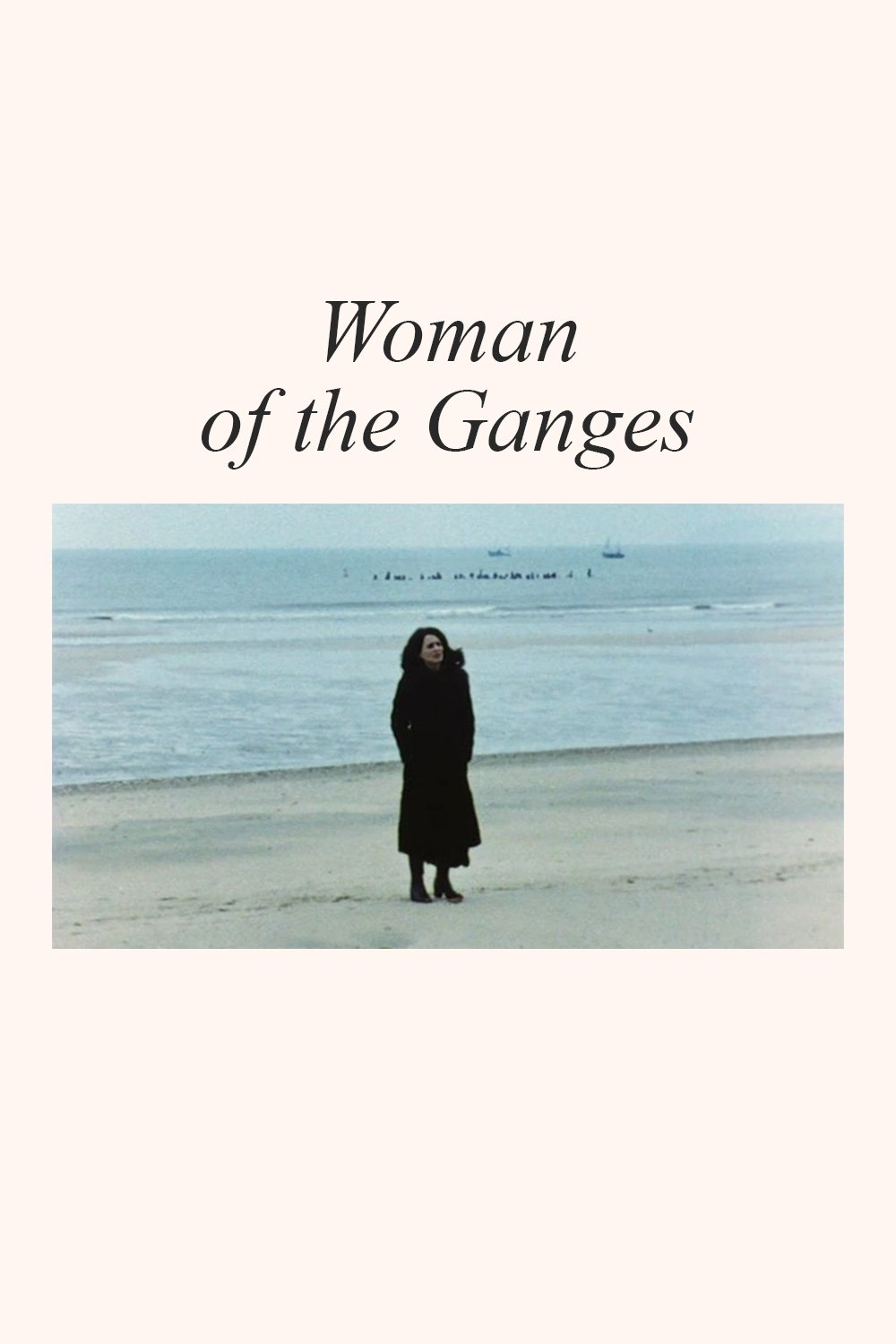
A man returns to the place he once lived a passionate love affair with a woman who is now dead. So powerful are the emotions that seize him that he imagines she is still alive, and begins to live as if this were the case...
- Film7.0Belgesel
A documentary about filmmaker Marguerite Duras.
- Film9.0Belgesel
This afterword to India Song (Duras' celebrated 1975 film) is organized in several parts. It begins with an interview to Marguerite Duras by Dominique Noguez, an expert in her work; the interview links the film to the two movies whom it's related to: The Ravishment of Lol V. Stein and The Vice-Consul. Several themes are tackled: childhood, autobiographical traces, relationships between differents characters and different films and more. India Song's main actors — Delphine Seyrig and Michael Lonsdale, who played Anne-Marie Stretter and the French vice-consul — join the conversation and talk about their roles and their craft. Marguerite Duras then evokes her memories of the shooting with the composer Carlos D'Alessio and her camera operato Bruno Nuytten. The conversations are punctuated by clips of the film.
 FilmBelgesel
About the Gabriel Matzneff affair and pedophilia in French culture and society from the 1950s to the present day. "It was not very difficult to know who Matzneff was at the time." Vanessa Springora denounces thus, in an interview with the Parisian , the support which benefited the writer Gabriel Matzneff , in the years 1970 and 1980. The author fifties then maintains an affair with the young girl, aged 14 years. A relationship under control that the editor tells in Le Consentement (éd. Grasset), published Thursday. "After having analyzed the work " , the Paris public prosecutor's office announced Friday January 3 the opening of an investigation for "rapes committed on the person of a minor of 15 years".
Diziler5
 Dizi5.6BelgeselTalk Show
The South Bank Show is a television arts magazine show produced by ITV between 1978 and 2010. A new series began on Sky Arts from 27 May 2012. Presented by Melvyn Bragg, the show aims to bring both high art and popular culture to a mass audience.
The South Bank Show
1978 · 7 votes
 Dizi8.5Talk Show
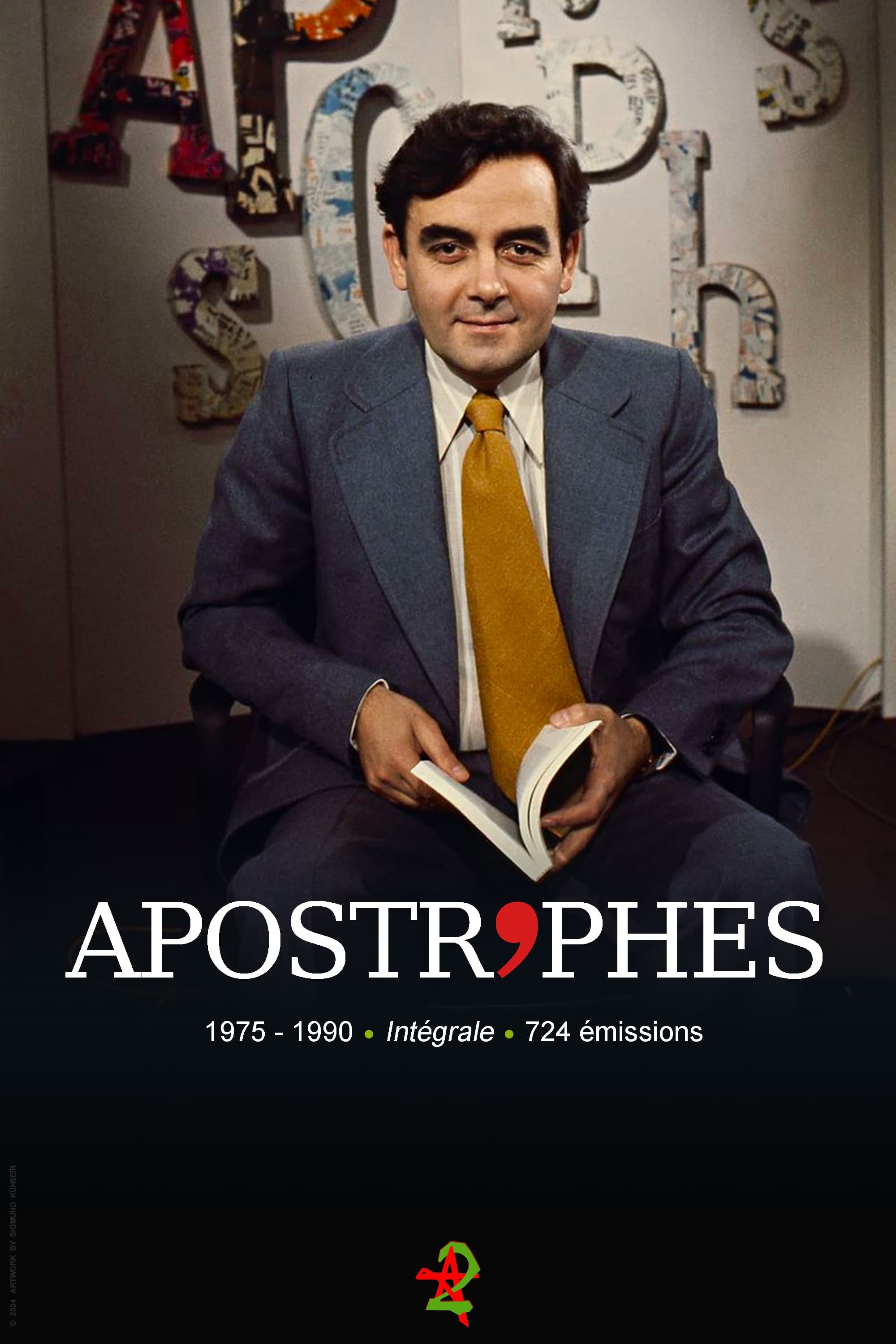
Apostrophes was a live, weekly, literary, prime-time, talk show on French television created and hosted by Bernard Pivot. It ran for fifteen years (724 episodes) from January 10, 1975, to June 22, 1990, and was one of the most watched shows on French television (around 6 million regular viewers). It was broadcast on Friday nights on the channel France 2 (which was called "Antenne 2" from 1975 to 1992). The hourlong show was devoted to books, authors and literature. The format varied between one-on-one interviews with a single author and open discussions between four or five authors.
Apostrophes
1975 · 4 votes
 Dizi9.5Talk Show
Marcello Mastroianni, Isabelle Adjani, Alain Delon, Martin Scorsese, Woody Allen... the biggest stars in cinema were welcomed by Christian Defaye on his show Spécial cinéma. Between intimate confessions from actors and immersion in the world of the greatest filmmakers, Christian Defaye took viewers on a journey into the fascinating world of cinema for nearly thirty years.
Spécial cinéma
1974 · 2 votes
 Dizi8.0Belgesel
Dim Dam Dom
1965 · 2 votes
 DiziBelgesel
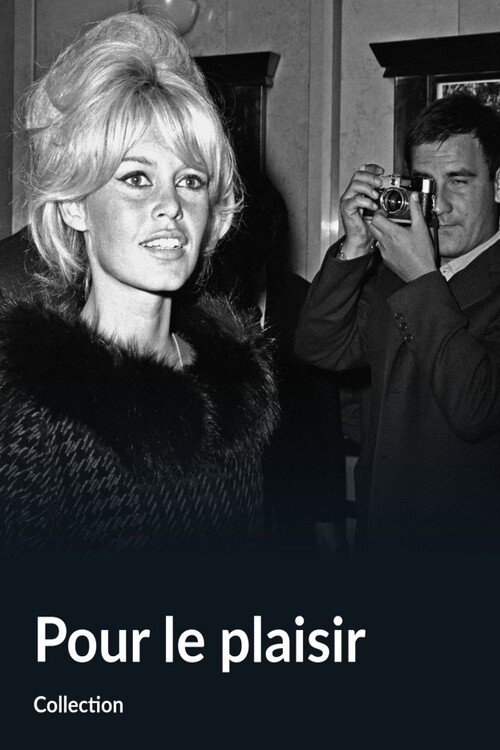
Pour le plaisir
1964