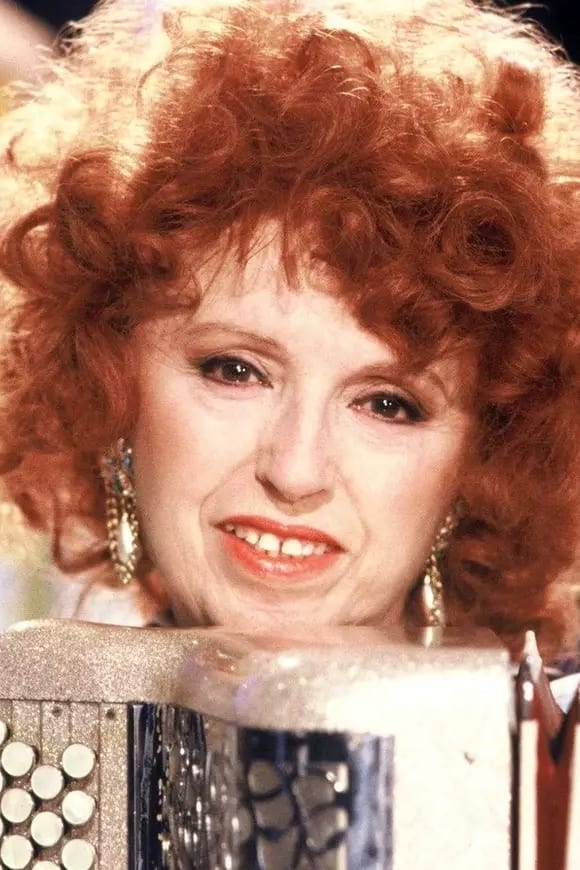
Yvette Horner
Oyuncu · 1922 – 2018 · Tarbes, Hautes-Pyrénées, France
Yvette Horner (née Hornère; 22 September 1922 – 11 June 2018) was a French accordionist, pianist and composer known for performing with the Tour de France during the 1950s and 1960s. During her 70-year long career, she gave more than two thousand concerts and released around 150 records, selling a total of 30 million copies. Horner won the Coupe mondiale de l'accordéon in 1948, and the Grand Prix du Disque in 1950 for Le Jardin secret d'Yvette Horner, a recital of classical works performed on piano and accordion. Yvette Hornère (who later adopted the surname Horner, at her mother's suggestion), spent a few years of her childhood in Rabastens-de-Bigorre, where her father, Louis Hornère, was a property developer. She was an only child. Her mother encouraged her to play music, and her teacher, Marguerite Lacoste, taught her her first notes on the piano. She studied music at the conservatory of Tarbes, then at the conservatory of Toulouse where, at the age of 11, she obtained a first prize in piano. Her mother convinced her to abandon her instrument for the chromatic accordion, explaining to her that there were no female accordionists, and that she would then be able to sustain herself. Throughout her life, Yvette Horner remained nostalgic for her first instrument, with which she her prize-winning recital of classical works Le Jardin secret d'Yvette Horner, and performed many times as a pianist on TV shows. However, she made her débuts at the "Théâtre Impérial" in Tarbes (later renamed "Théâtre des Nouveautés"), which belonged to her paternal grandmother. She played in Pyrenean casinos before moving to Paris, where she was a student of Robert Bréard. In 1938, Yvette Horner participated, with Freddy Balta and André Lips, in the first accordion world championships organized in Paris, at the Moulin de la Galette, by the Confédération internationale des accordéonistes. She finished second after Freddy Balta. She gave her first concert in 1947 in Paris and, in 1948, she was the first woman to win the Coupe mondiale de l'accordéon. She was awarded the Grand Prix International d'Accordion de Paris in 1953. In 1950, she was awarded the Grand Prix du Disque de l'académie Charles-Cros for her album Le Jardin secret d'Yvette Horner, a recital of classical works performed on piano and accordion. In 1952, the Calor company, sponsor of the Tour de France, offered her the opportunity to join the race, launching her career. She played on a podium at the finish of each stage. Wearing a sombrero and perched on the roof of a Citroën Traction Avant in the Suze brand colours, she repeated this in the following years, accompanying the Tour de France a total of eleven times, from 1952 to 1963. She was also the queen of the Six Days of Paris in 1954. In the 1980s, she died her hair from brown to red and started wearing more extravagant stage outfits (such as the famous "Eiffel Tower Dress") created by fashion designer Jean-Paul Gaultier, who made her one of his muses. In 1987, she became the godmother of the Doudeville Accordion Club, the Cany-Accordeon-Club, directed by its founder, Annie Lacour, who worked at the Schola Cantorum de Paris for five years. ... Source: Article "Yvette Horner" from Wikipedia in English, licensed under CC-BY-SA.
Diziler16
 Dizi5.7Talk Show
Sacrée soirée
1987 · 5 votes
 Dizi6.8Talk Show
Champs-Elysées
1982 · 9 votes
 Dizi9.0Realite
Midi Première is a French variety show presented by Danièle Gilbert, directed by Jacques Pierre and broadcast from January 6, 1975 until January 1, 1982 on TF1. The program was generally broadcast between 12:15 p.m. and 12:55 p.m., then giving way to the 1:00 p.m. TV news. However, the broadcast schedule could change, depending on the guests, and the setting where the recording of the program was shot. Certain performances by artists who have become cult like the one where Ringo jostles with a demonstrator in interpretation (1977), that of Dalida with the title There is always a song with the soundtrack that does not start, twice, at the right speed (1978), Claude François and his Clodettes, who, in the provinces, are unable to join "the set" in order to interpret his song, the latter being taken by the crowd of delirious fans (summer 1977) . The group Supertramp performed there with the title "Dreamer" on March 8, 1975.
Midi Première
1975 · 2 votes
 DiziTalk Show
 Dizi7.2Talk ShowÇocuk
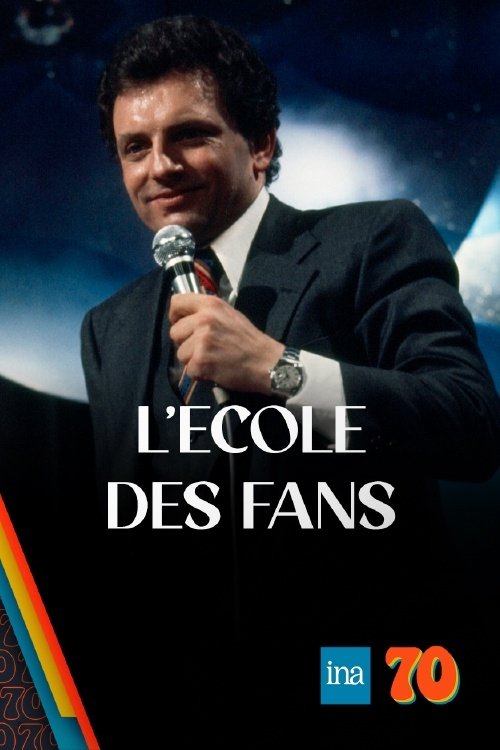
Host Jacques Martin invites different talented children from various backgrounds to showcase their beautiful voices. The participants entertain and wow the audience with their lovely performances.
 Dizi6.0Realite
Midi trente
1972 · 1 votes
- Dizi6.0Talk Show
Samedi soir
1971 · 1 votes
 Dizi8.0Talk Show
Discorama
1959 · 1 votes
 Dizi6.1Talk Show
Nulle part ailleurs
1987 · 8 votes
 Dizi6.5Komedi
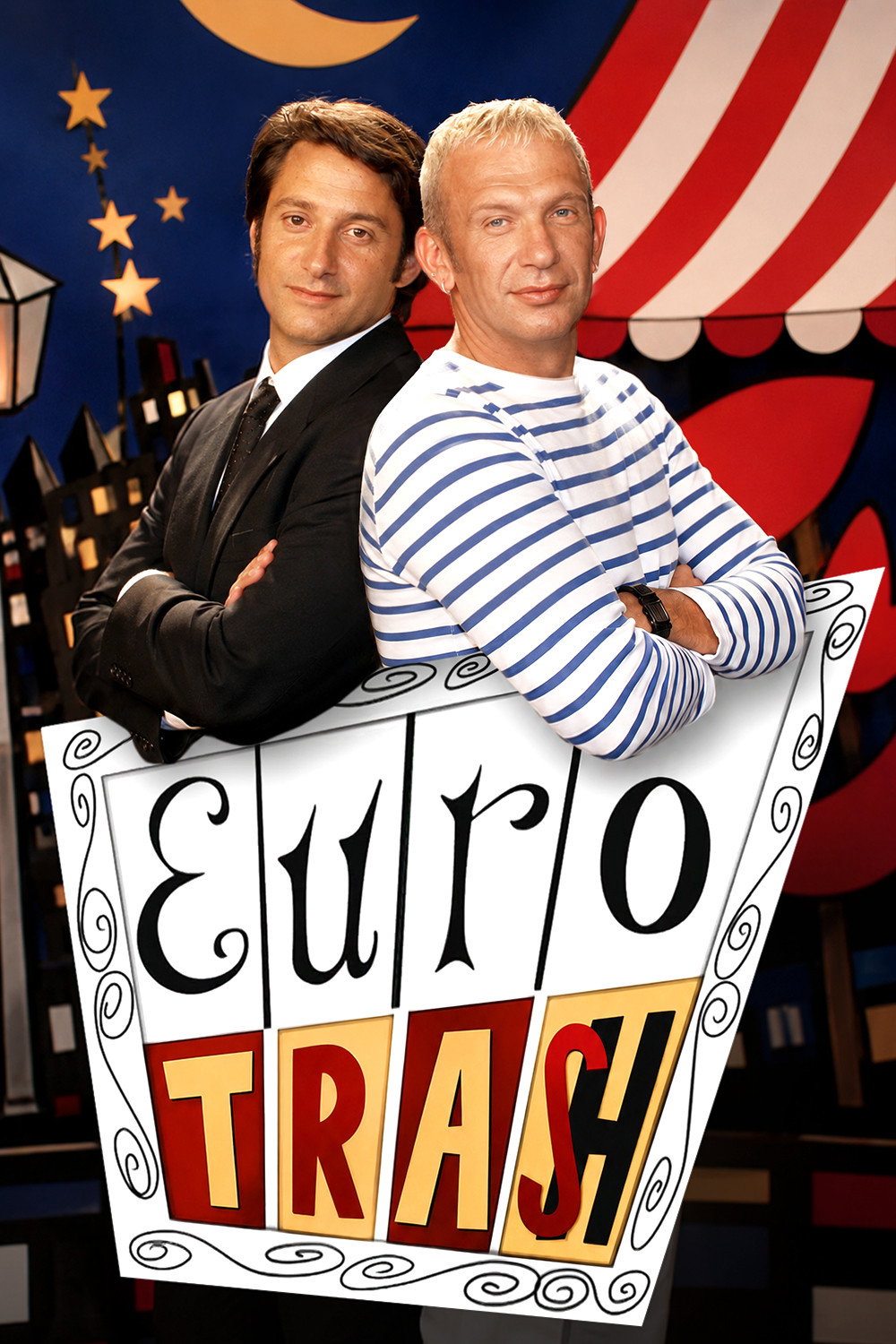
The likes of Antoine de Caunes, Jean Paul Gaultier, Davina McCall, and Lolo Ferrari are your guides to the weird and wonderful in Europe and beyond. How else would you learn about pubic hairdressers, the Penis Olympics, or the latest Japanese sex toys?
Eurotrash
1993 · 11 votes
 Dizi6.5Realite
La Chance aux chansons
1984 · 2 votes
- DiziRealite
Système 2
1975
 Dizi8.0Belgesel
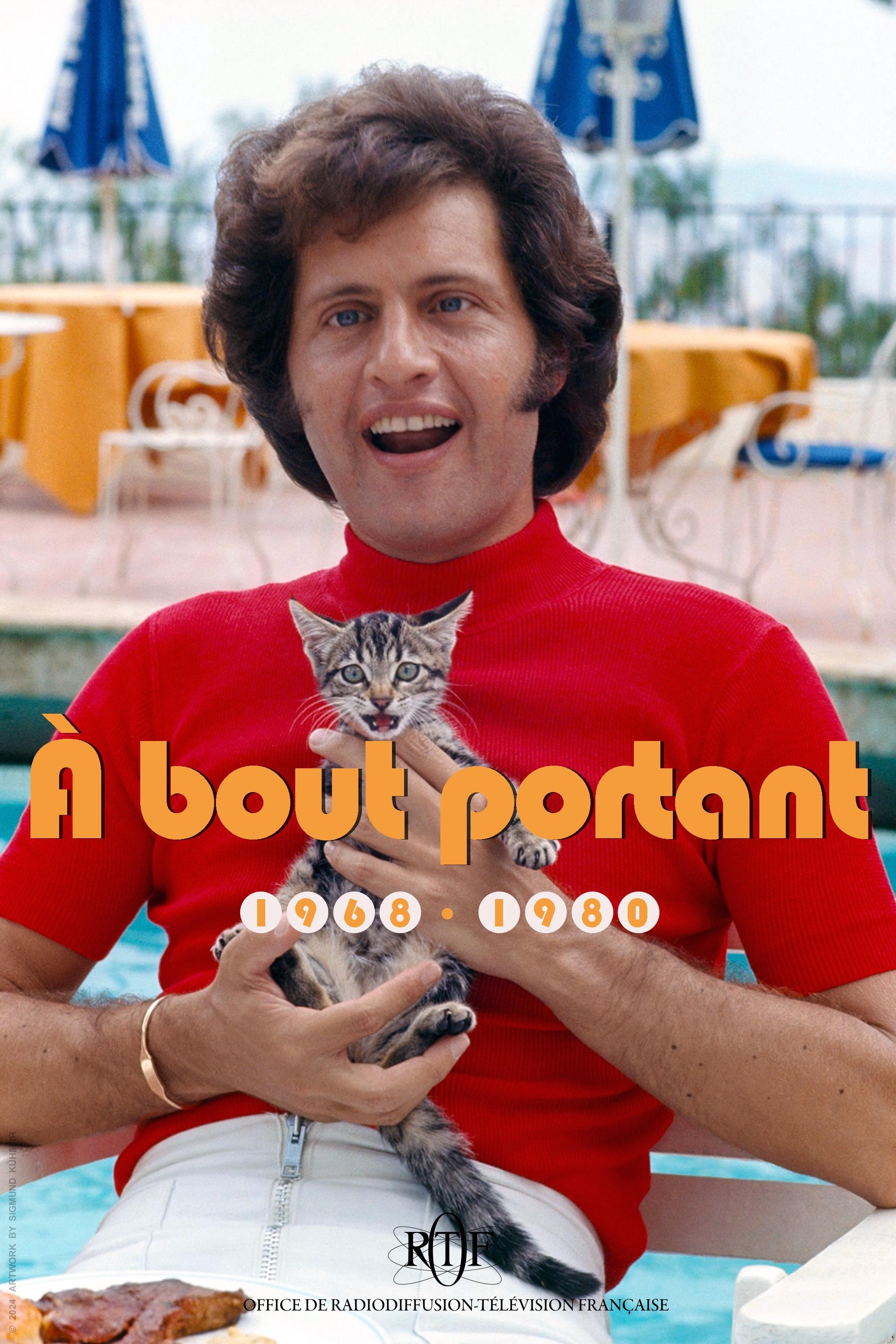
À bout portant
1968 · 1 votes
 Dizi6.2Realite
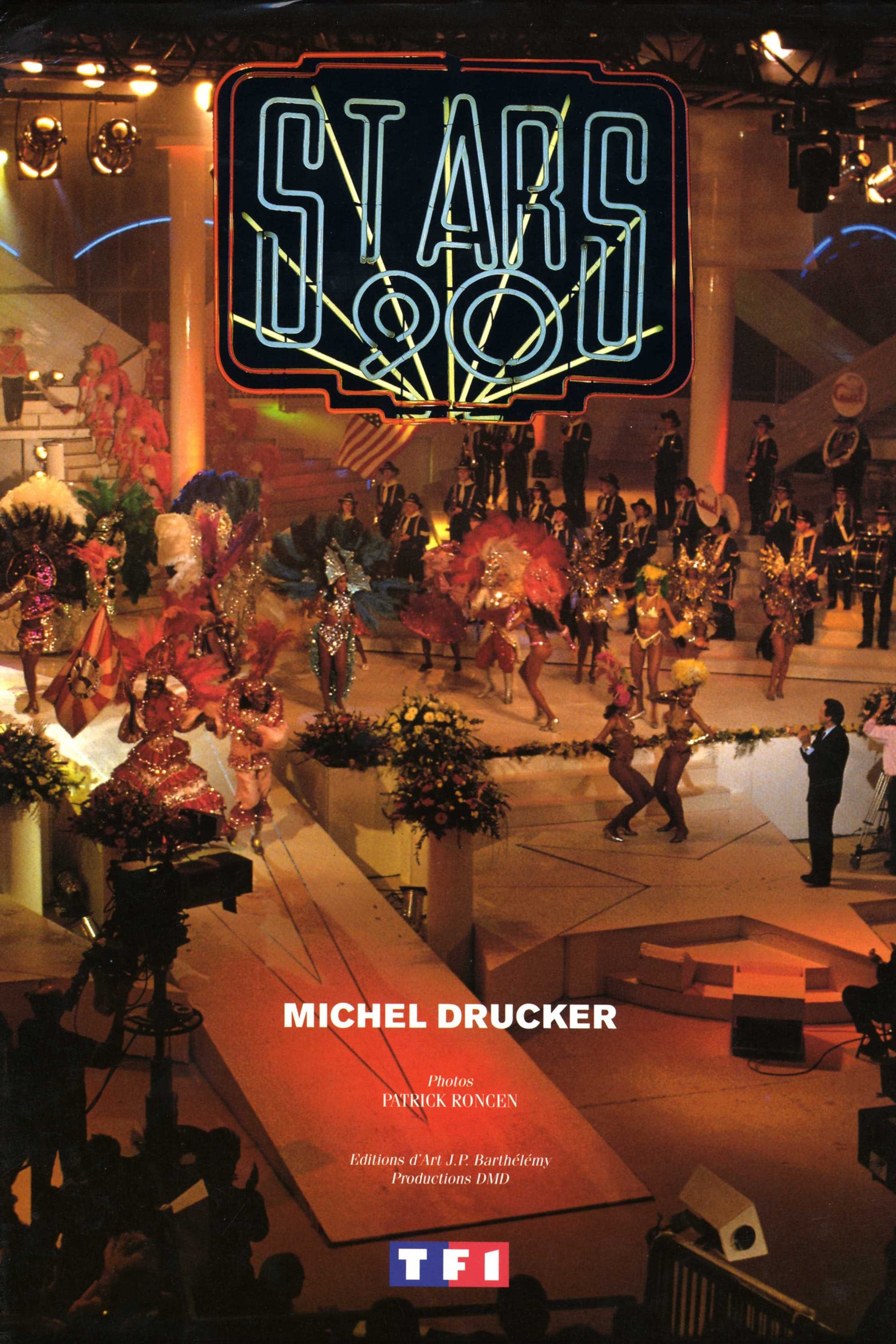
Stars 90
1990 · 2 votes
 Dizi8.0Belgesel
Dim Dam Dom
1965 · 2 votes
 DiziBelgesel
Filmler2
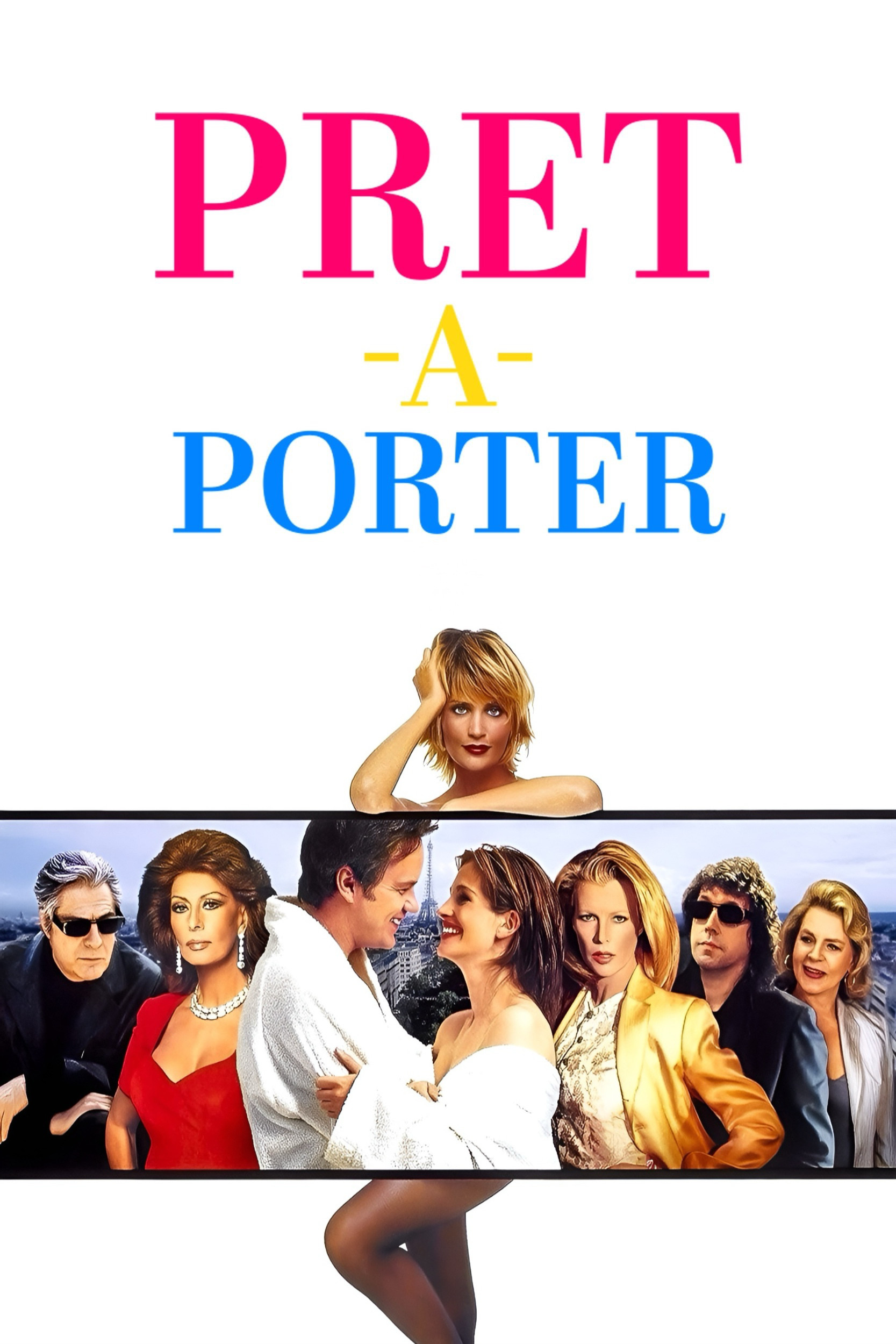 Film5.2Komedi
Moda dünyasının kalbi Paris'te atmaktadır ve burada yapılan defileler her zaman büyük yankılar uyandırmaktadır. İşte böyle bir moda haftası dolayısıyla bir araya gelen birbirinden ünlü tasarımcılar, gazete muhabirleri, mankenler, magazin yazarları ve fotografçılar arasında birbirleriyle ilgisi olmayan çeşitli olaylar yaşanmaktadır. Bu kadar ünlü kişi bir araya gelince ve adeta herkesin gözü önünde cereyan etmeye başlayan bu anlaşmazlıklar, kaçamaklar, gizli gizli yürütülen bir takım çalışmalar da anında dünya basınının en öncelikli haberleri olarak gözler önüne serilmektedir.
 Film7.2TarihBelgesel
In May 1974, Valéry Giscard d'Estaing became President of the Republic and wanted to bring about a new era of modernity. One of his first decisions was to break up the ORTF with the creation of three new television channels: TF1, Antenne 2 and FR3. Three new public channels but autonomous and competing. It is a race for the audience which is engaged then, and from now on the channels will make the war! This competition will give birth to a real golden age for television programs, with variety shows in the forefront. The stars of the song are going to invade the living rooms of the French for their biggest pleasure. This unedited documentary tells the story of the metamorphosis of this television of the early 1970s, between freedom of tone, scandals, political intrigues and programs that have become mythical.
La TV des 70's : Quand Giscard était président
2022 · 5 votes