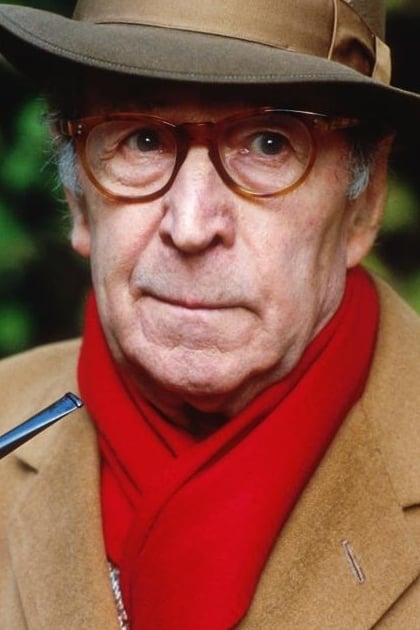
Georges Simenon
Senarist · 1903 – 1989 · Liège, Belgium
Georges Joseph Christian Simenon (13 February 1903 – 4 September 1989) was a Belgian writer. A prolific author who published nearly 500 novels and numerous short works, Simenon is best known as the creator of the fictional detective Jules Maigret. Simenon was born at 26 rue Léopold (now number 24) in Liège to Désiré Simenon and his wife Henriette Brüll. Désiré Simenon worked in an accounting office at an insurance company and had married Henriette in April 1902. Although Simenon was born on Friday 13 February 1903, superstition resulted in his birth being registered as having been on the 12th. This story of his birth is recounted at the beginning of his novel Pedigree. The Simenon family traces its origins back to Belgian Limburg. Simenon could trace his line back to peasants living in the area since as early as 1580. His mother had origins from Limburg, the Netherlands and Germany while his father was of Walloon origin. One of his mother's most notorious ancestors was Gabriel Brühl, a criminal who preyed on Limburg from the 1720s until he was hanged in 1743. Later, Simenon would use Brühl as one of his many pen names. In April 1905, two years after Simenon's birth, the family moved to 3 rue Pasteur (now 25 rue Georges Simenon) in Liège's Outremeuse neighbourhood. Simenon's brother Christian was born in September 1906 and eventually became their mother's favourite child, much to Simenon's chagrin. Later, in February 1911, the Simenons moved to 53 rue de la Loi, also in the Outremeuse. In this larger home, the Simenons were able to take in lodgers. Typical among them were apprentices and students of various nationalities, giving the young Simenon an important introduction to the wider world; this marked his novels, notably Pedigree and Le Locataire. At the age of three, Simenon learned to read at the Saint-Julienne nursery school. Then, between 1908 and 1914, he attended the Institut Saint-André. In September 1914, shortly after the beginning of the First World War, he began his studies at the Collège Saint-Louis, a Jesuit high school. In February 1917, the Simenon family moved to a former post office building in the Amercoeur neighbourhood. June 1919 saw another move, this time to the rue de l'Enseignement, again back in the Outremeuse neighbourhood. Using his father's heart condition as a pretext, Simenon decided to put an end to his studies in June 1918, not even taking the Collège Saint-Louis' year-end exams. He subsequently worked a number of very short-term odd jobs. In January 1919, the 15-year-old Simenon took a job at the Gazette de Liège, a newspaper edited by Joseph Demarteau. While Simenon's own beat only covered unimportant human interest stories, it afforded him an opportunity to explore the seamier side of the city, including politics, bars, and cheap hotels but also crime, police investigations and lectures on police technique by the criminologist Edmond Locard. Simenon's experience at the Gazette also taught him the art of quick editing. He wrote more than 150 articles under the pen name "G. Sim." He began submitting stories to Le Matin in the early 1920s. ... Source: Article "Georges Simenon" from Wikipedia in English, licensed under CC-BY-SA 3.0.
Diziler6
 Dizi5.6BelgeselTalk Show
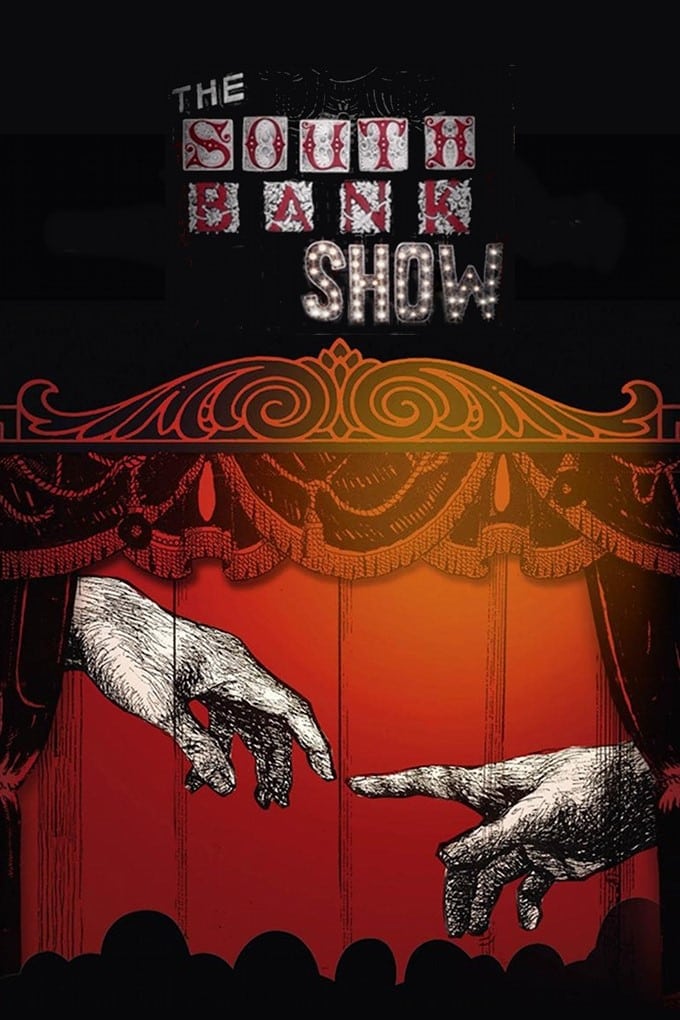
The South Bank Show is a television arts magazine show produced by ITV between 1978 and 2010. A new series began on Sky Arts from 27 May 2012. Presented by Melvyn Bragg, the show aims to bring both high art and popular culture to a mass audience.
The South Bank Show
1978 · 7 votes
 Dizi8.5Talk Show
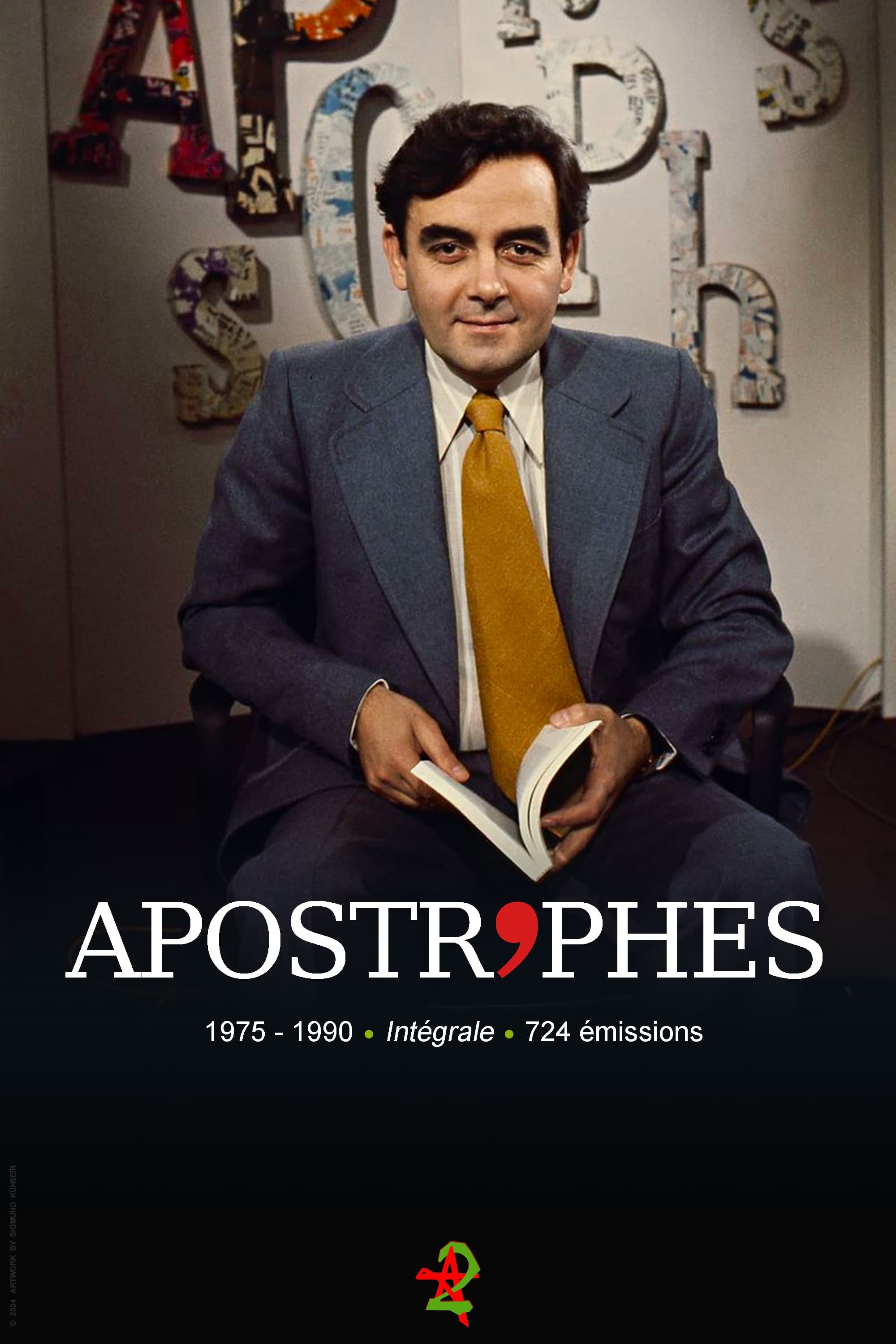
Apostrophes was a live, weekly, literary, prime-time, talk show on French television created and hosted by Bernard Pivot. It ran for fifteen years (724 episodes) from January 10, 1975, to June 22, 1990, and was one of the most watched shows on French television (around 6 million regular viewers). It was broadcast on Friday nights on the channel France 2 (which was called "Antenne 2" from 1975 to 1992). The hourlong show was devoted to books, authors and literature. The format varied between one-on-one interviews with a single author and open discussions between four or five authors.
Apostrophes
1975 · 4 votes
 Dizi8.0Talk ShowHaber
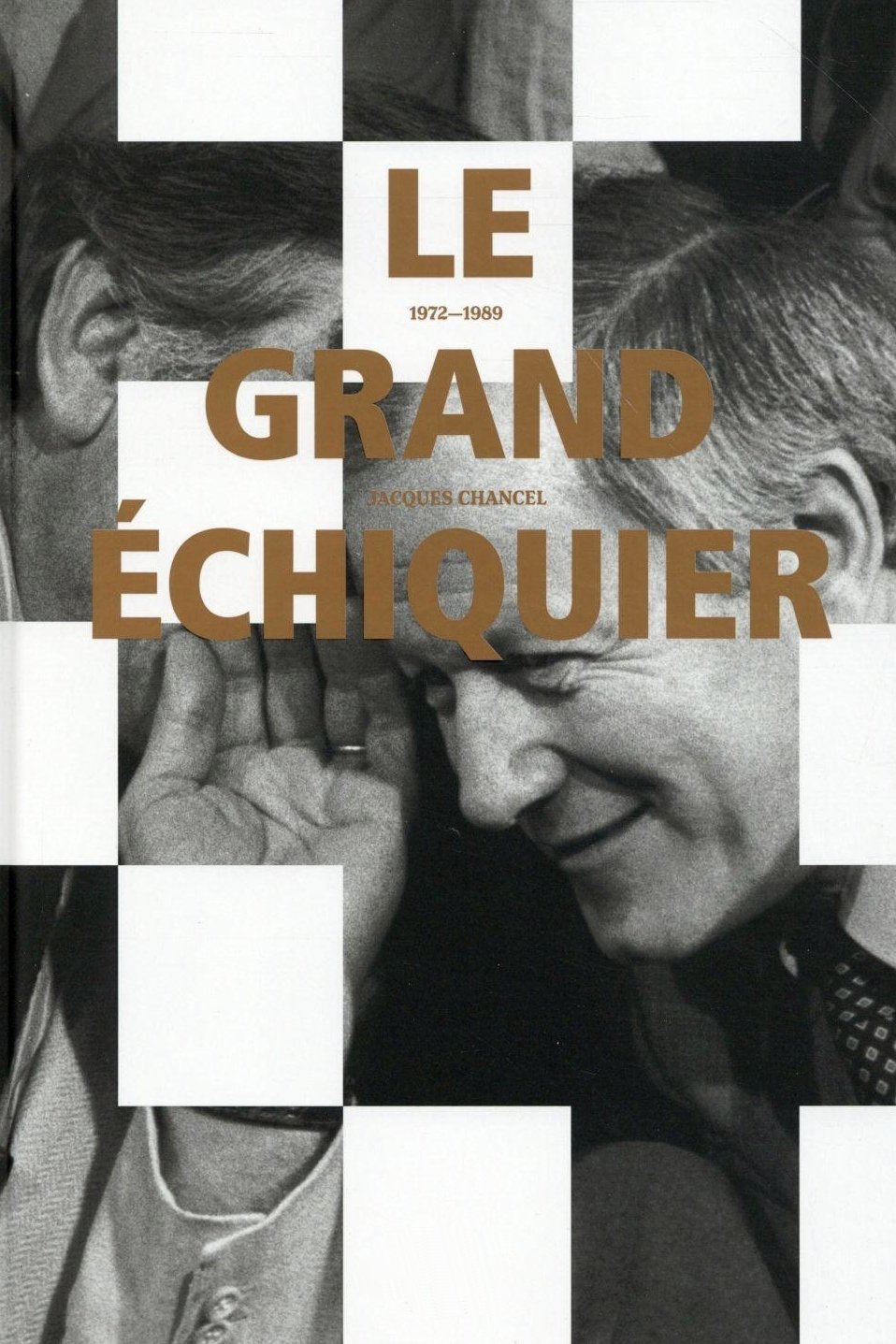
Le Grand Échiquier is a French variety television program created and presented by Jacques Chancel. It aired at 8:30 pm on the first channel of the ORTF from January 12, 1972 to July 12, 1972, then on the second color channel of the ORTF from September 1972 to December 1974, and finally on Antenne 2 from January 1975 to December 21, 1989. The program returned to France 2 on December 20, 2018 and is hosted by Anne-Sophie Lapix.
Le Grand Échiquier
1972 · 3 votes
 Dizi8.7BelgeselAile
Cinépanorama
1956 · 3 votes
- DiziHaber
Treffpunkte
1970
 Dizi7.3Belgesel
Monitor was a BBC arts programme that was launched on 2 February 1958 and ran until 1965. Huw Wheldon was the first editor from 1958 to 1965. He was also the principal interviewer and anchor. Wheldon set about moulding a team of talents, including John Schlesinger, Ken Russell, Patrick Garland, David Jones, Humphrey Burton, John Berger, Peter Newington, Melvyn Bragg, Nancy Thomas and Alan Tyrer. Monitor ranged in subject over all the arts. Wheldon's Monitor lasted until he had "interviewed everyone I am interested in interviewing", and he was succeeded by Jonathan Miller for the series' last season.
Monitor
1958 · 3 votes
Filmler1
 Film6.4Belgesel
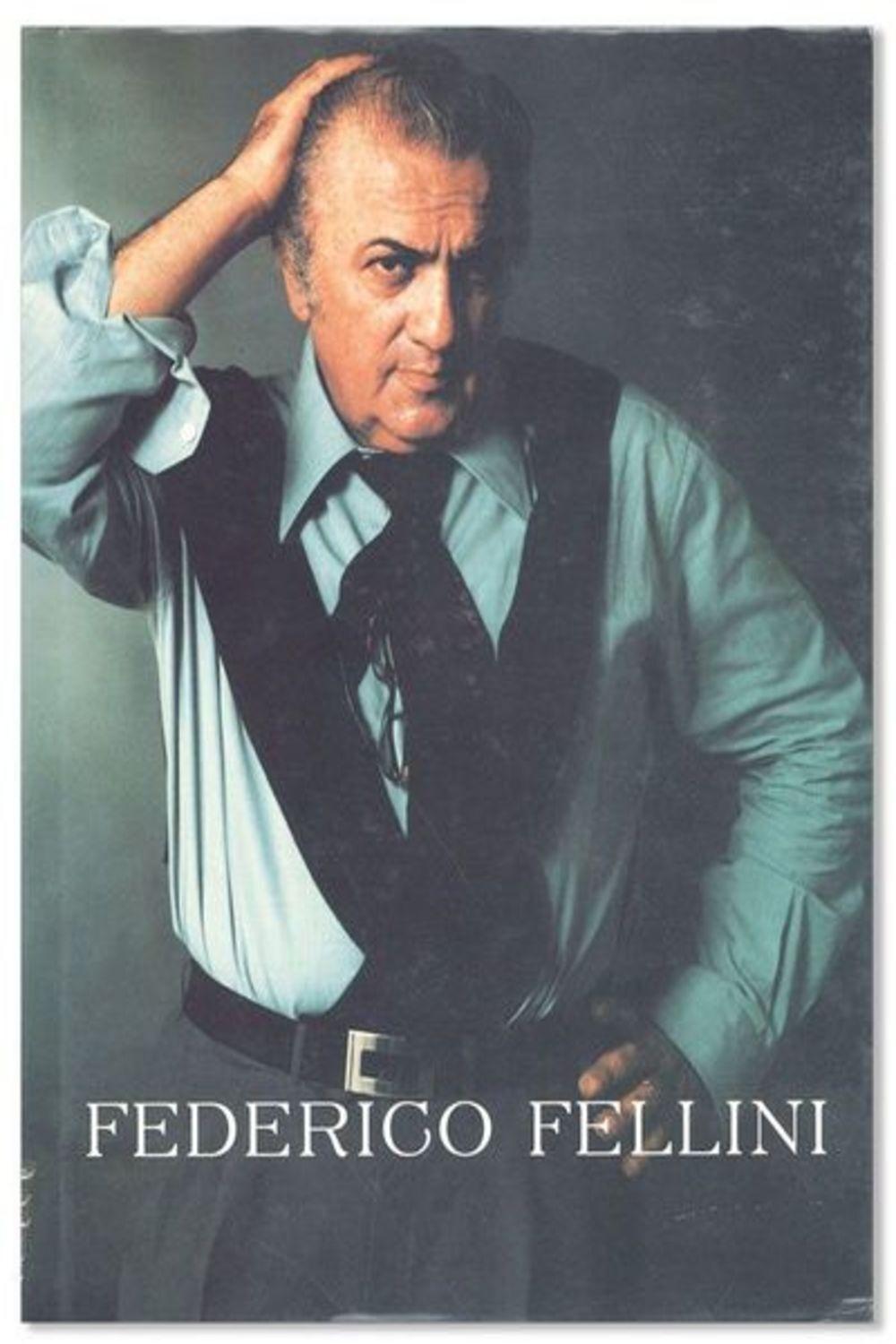
Federico Fellini was one of the most individual and thought provoking directors who based most of his films upon his own reflections, dreams, life events and fantasies, who did not convey any special message for humanity but regarded cinema simply as entertainment. Is there an answer to everything? Can it possibly be? If yes, then life can no longer be so curious, so dynamic, so creative...