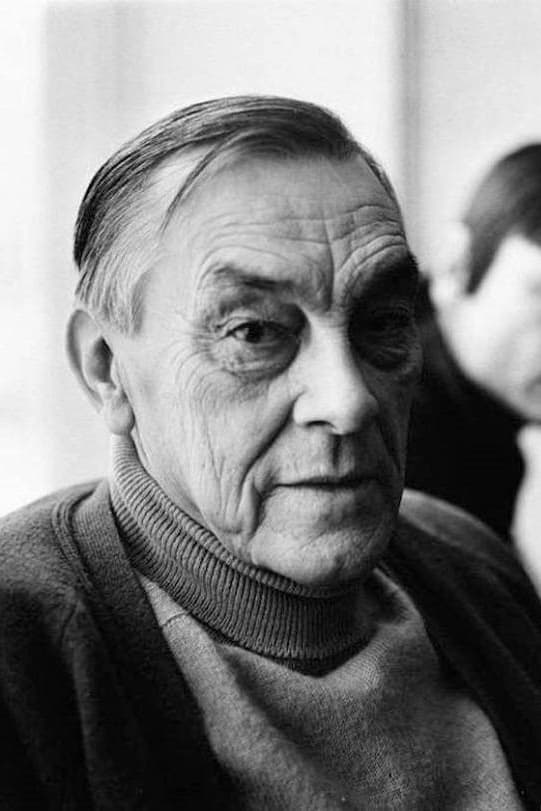
Arseny Tarkovsky
Ekip · 1907 – 1989 · Yelisavetgrad, Khersonskaya guberniya, Russian Empire
Arseny Tarkovsky was one of the leading Russian poets to emerge from the Soviet era, though during most of his life- time he was known for translations of Asian poetries. His son Andrei Tarkovsky’s films gave his work a second life, appearing in Mirror and Stalker.
Filmler3
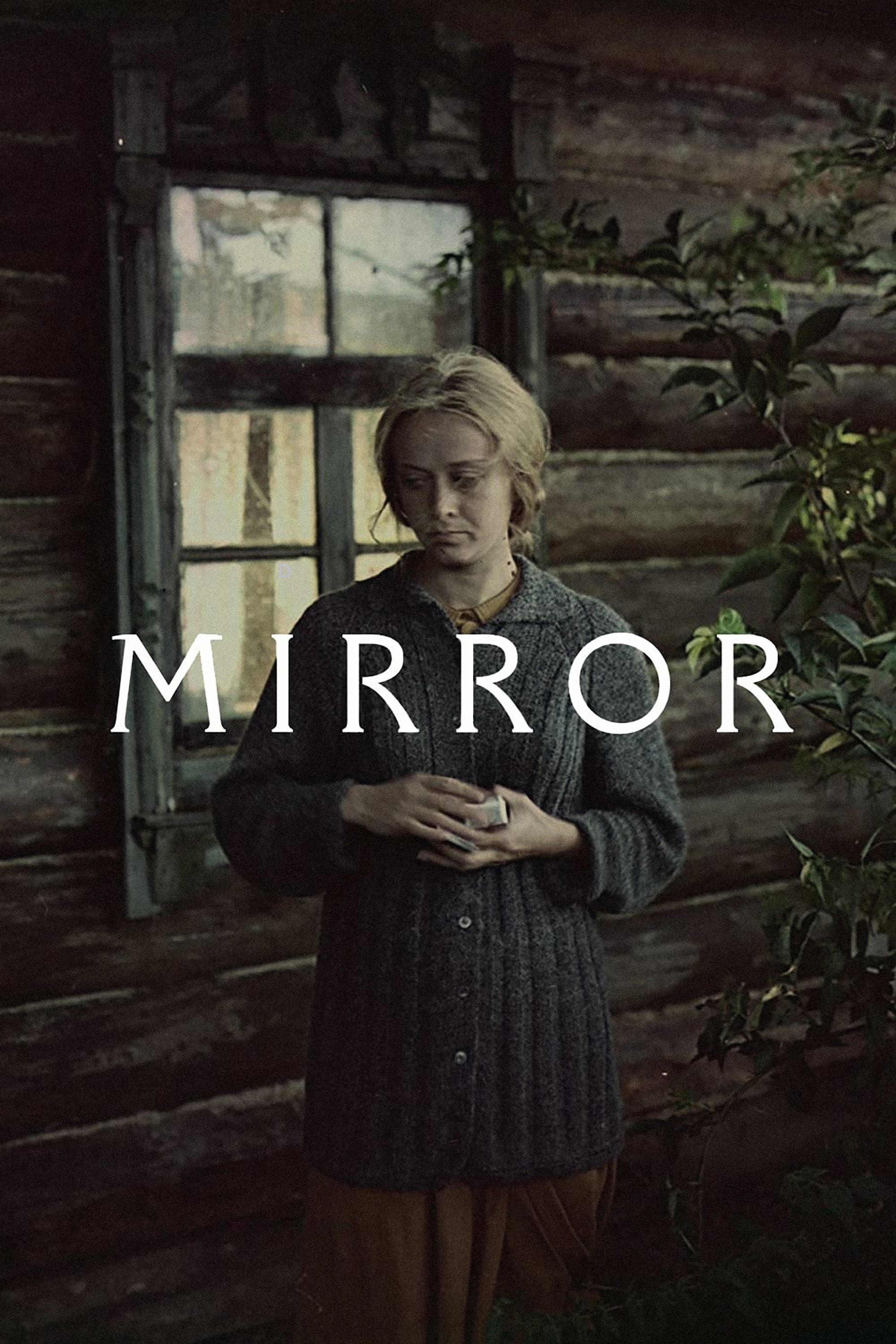 Film7.9DramTarih
Türkçesi ayna olarak çevirilen Andrei Tarkovsky'nin en kişisel filmi. Zaman kavramının tamamen yitirildiği şiirsel bir dille, ölmekte olan bir adamın ikinci dünya savaşı sırasında çocukluğu, ergenlik dönemi ve annesiyle babasının boşanması sırasında yaşadığı travmanın Rusya'nın tarihi ve toplumunun evrimi fonunda verildiği bir başyapıt. 2. Dünya Savaşı'nın karanlık günlerini anlatan film, yönetmenin kendi çocukluğundan da izler taşıdığı gibi, Rus tarihine dair ilginç göndermeler de yapıyor. Filmde çocukluğun masumiyetinin savaşın dehşetine kurban gidişi anlatılıyor.
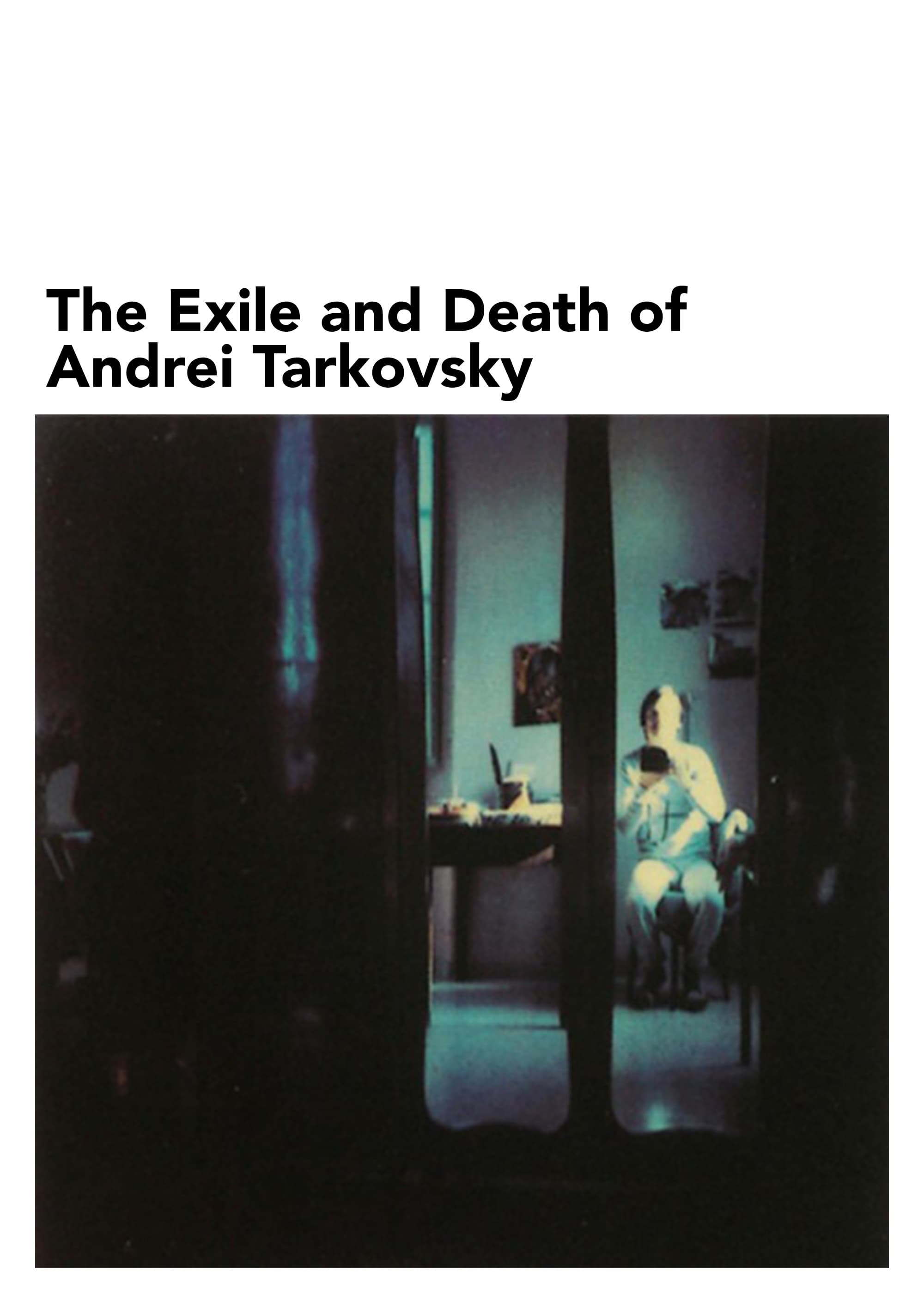 Film8.0Belgesel
A documentary about the life of Andrei Tarkovsky in exile in Western Europe including Italy, Sweden, Germany and France until his sad demise to a fatal cancer.
The Exile and Death of Andrei Tarkovsky
1988 · 2 votes
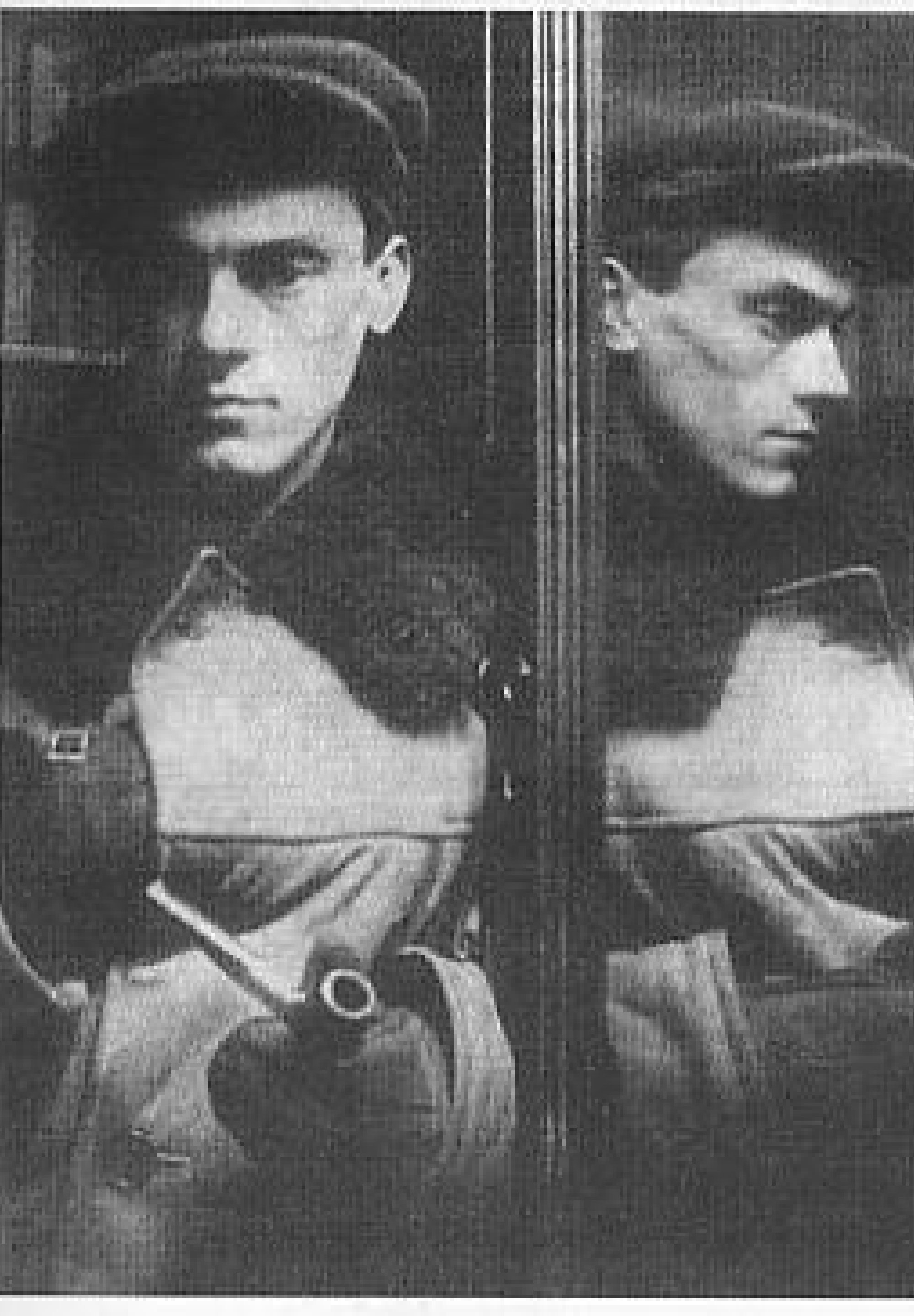 Film9.0Belgesel
"Poetic documentary about the prominent Russian poet Arseny Tarkovsky (1907/1989), father of director Andrei Tarkovsky. Arseny Tarkovsky translated countless poems from Georgian, Arabic, Armenian, Kyrghyz, Polish etc., but many of his own poems were also translated into other languages. The maker of the documentary, Viatcheslav Amirchanian, cared for Arseny Tarkovsky in the last years of the poet's life, shot many hours of film in that period, took countless photographs and, years later, he combined this with other material to form this documentary. Tarkovsky Sr, who was admired by colleagues such as Joseph Brodsky, Anna Achmatova and Marina Cvetaeva, was never published during the Stalin era, even though he had lost a leg as a soldier at the front. His first book (Before the Snow) only appeared in 1962 during the thaw under Khrushchev." - IFFR