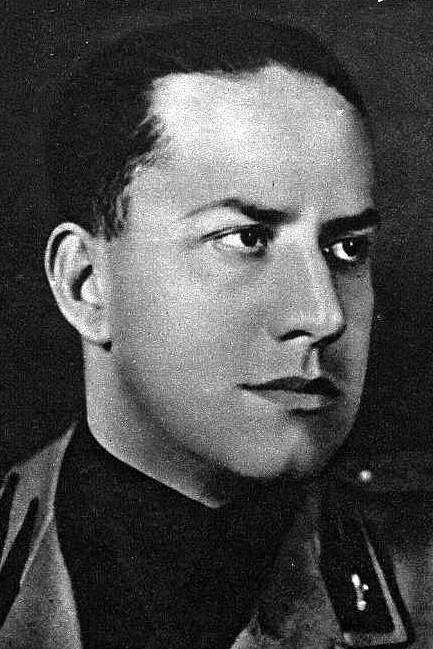
Galeazzo Ciano
Oyuncu · 1903 – 1944 · Livorno, Toscana, Italia
Filmler8
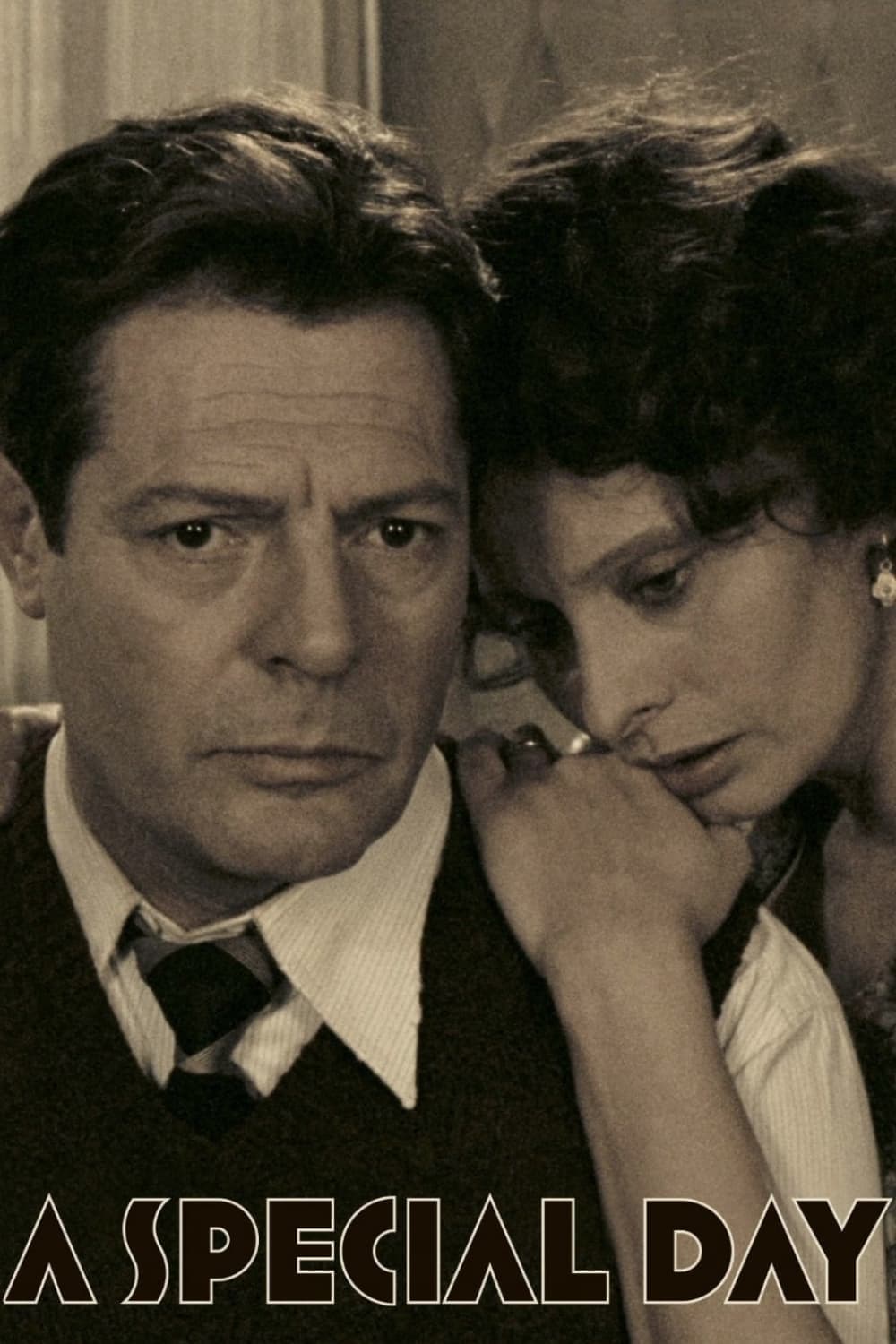 Film8.1DramRomantik
Yıl 1938. Hitler ile Mussolini Roma"da büyük bir törenle buluşurlar. Şehirdeki hayat durur, halk bu tarihi olaya tanıklık etmek için tören alanına akın eder. Boğucu bir evliliği olan ev kadını Antonietta (Sophia Loren) da o gün kocası ve çocuklarını törene uğurlamıştır. Apartmanda yalnız kaldığını düşündüğü bir anda, kendisi gibi törene katılmayan Gabriele (Marcello Mastroianni) ile tanışır. Çok geçmeden Gabriele"nin cinsel tercihi ve antifaşist tutumu yüzünden işini kaybettiğini öğrenecek, kendisinden çok farklı bu erkeğin çekimine kapılacaktır. Alışılmadık ilişki üzerinden son derece başarılı bir faşizm eleştirisi yapan Özel Bir Gün, İtalyan sinemasının iki ünlü oyuncusunun benzersiz performansı ile akıllarda yer ediyor.
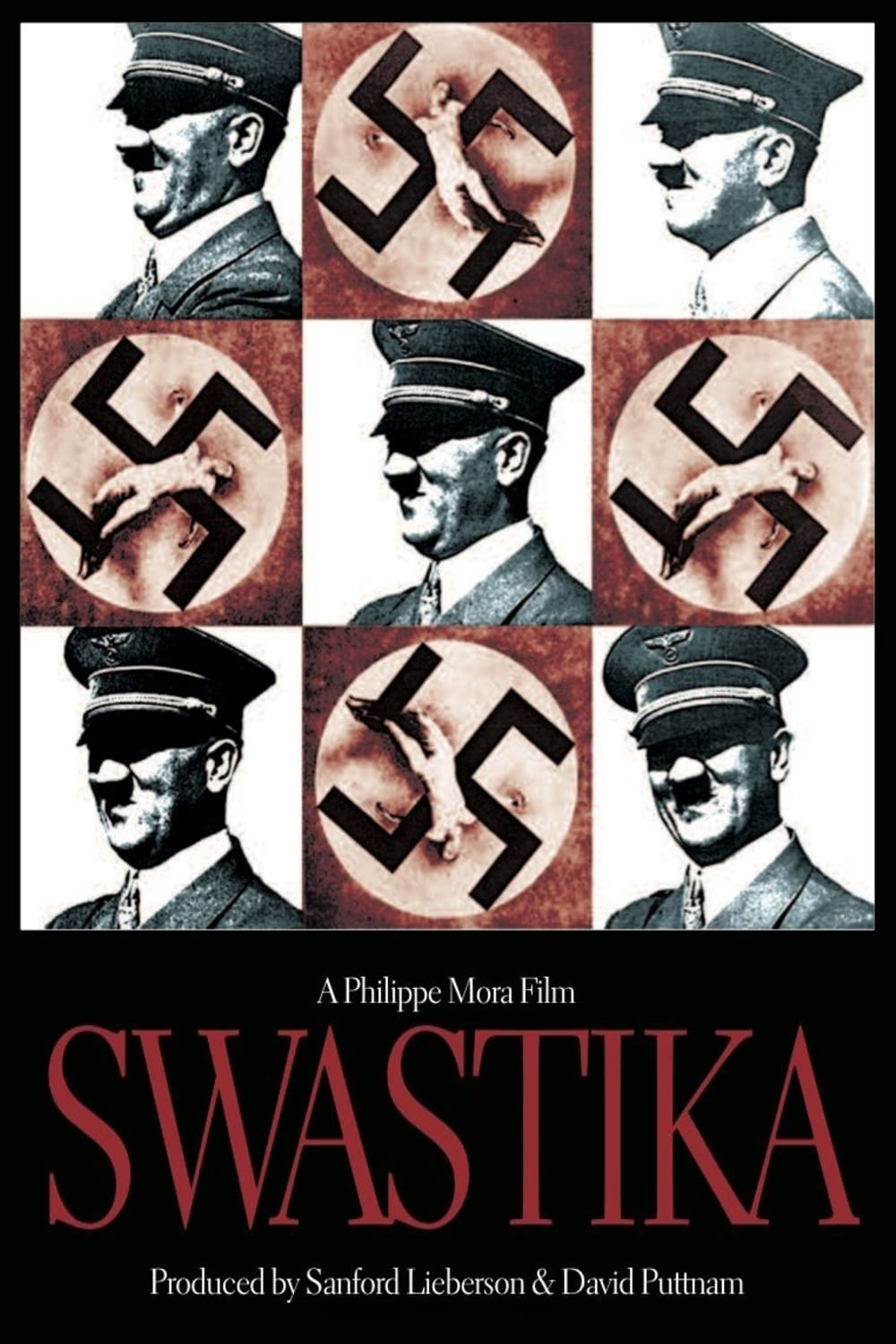 Film6.8BelgeselTarih
Comprised of footage shot during the Nazi regime, including propaganda, newsreels, broadcasts and even some of Eva Braun's colorized personal home movies, we explore the way in which the Third Reich infiltrated the lives of the German population, from 1933 to 1945.
Swastika
1974 · 14 votes
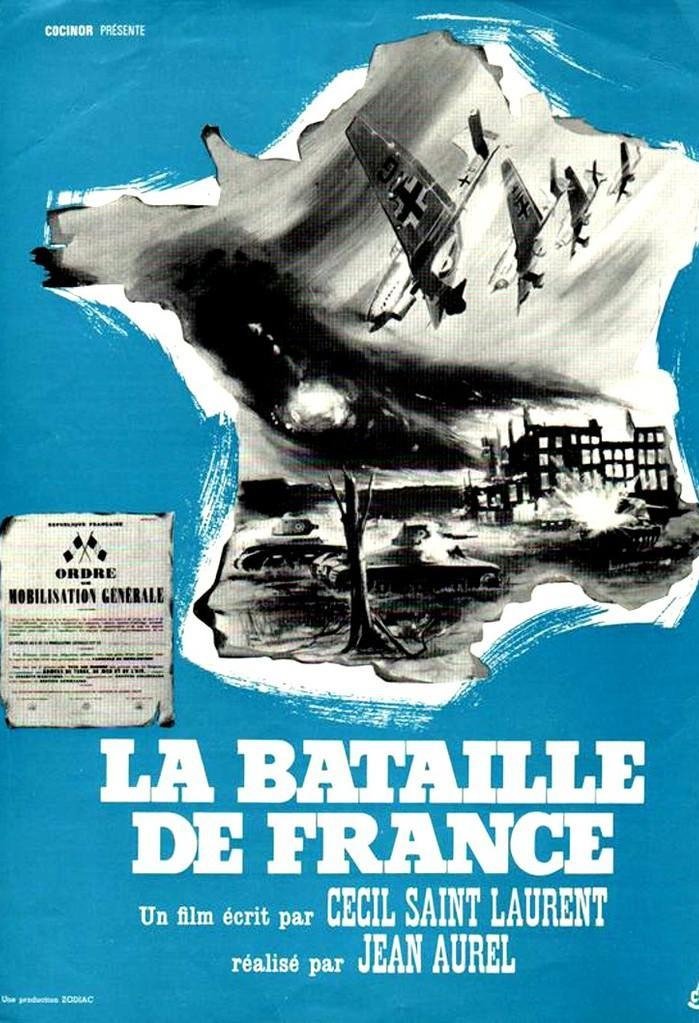 Film8.5BelgeselSavaş
A montage of newscasts tracing the events of the "damned war" and the German invasion of 1940.
 Film8.0Belgesel
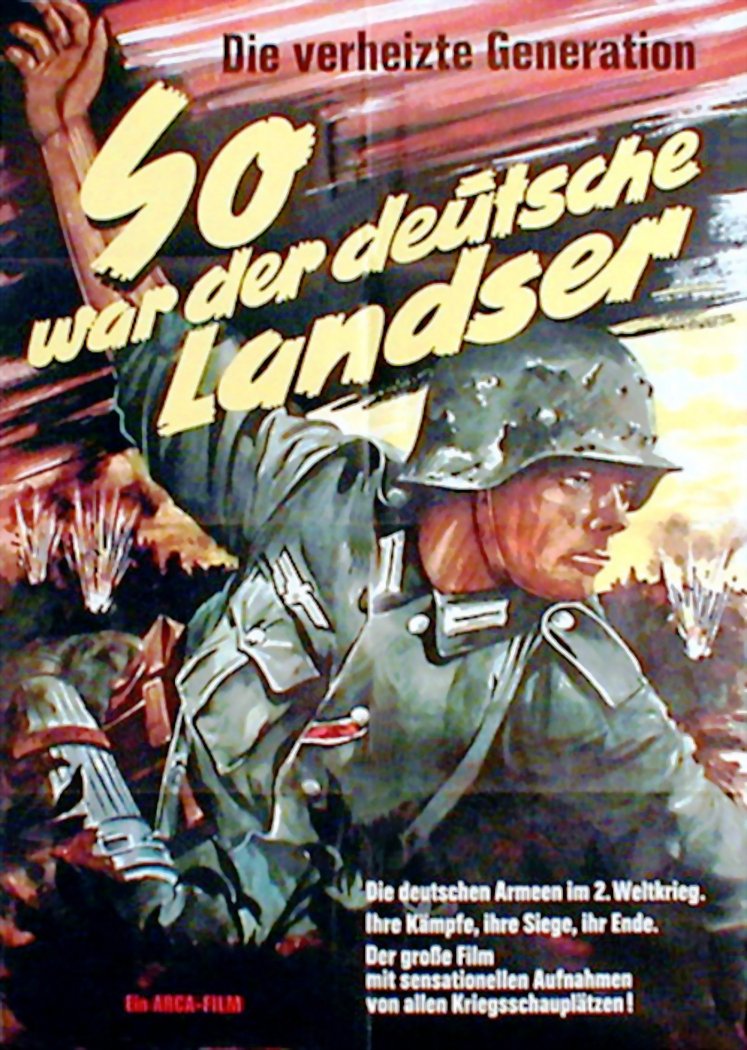
So war der deutsche Landser
1955 · 2 votes
 FilmBelgeselSavaş
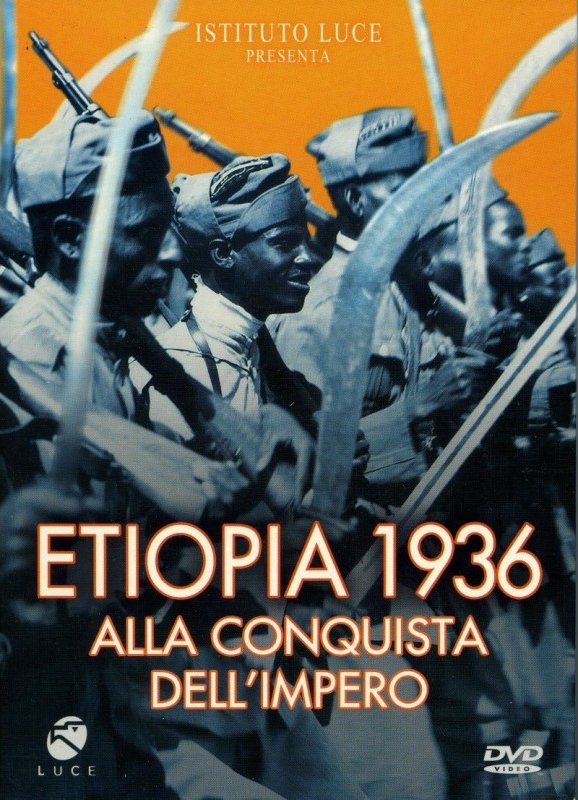
By means of a chronological arrangement of historical video material from the Istituto Luce archives, it tells the story of Fascist Italy's ambitions in Africa and the role they played in shaping fascist ideology and the stance of the fascist regime in the Western world at the height of the age of colonialism and aggressive European expansionism.
 Film6.4SavaşBelgesel
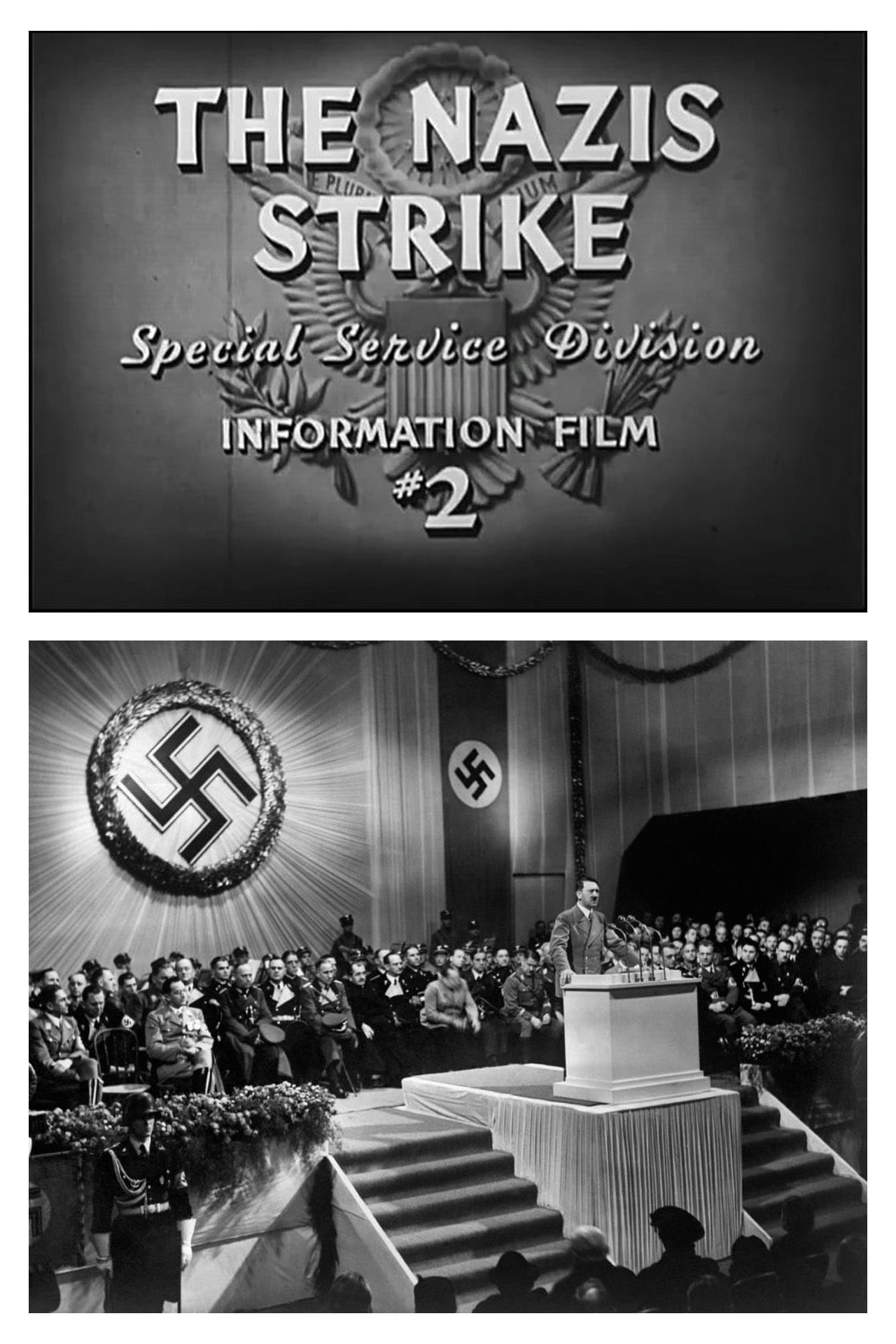
The second film of Frank Capra's Why We Fight propaganda film series. It introduces Germany as a nation whose aggressive ambitions began in 1863 with Otto von Bismarck and the Nazis as its latest incarnation.
Why We Fight: The Nazis Strike
1943 · 29 votes
 Film6.4BelgeselTarih
 Film7.5BelgeselTarih
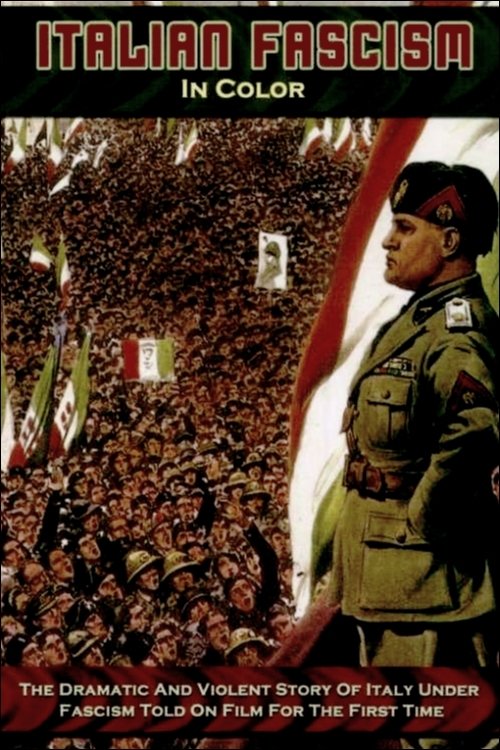
After the World War I, Mussolini's perspective on life is severely altered; once a willful socialist reformer, now obsessed with the idea of power, he founds the National Fascist Party in 1921 and assumes political power in 1922, becoming the Duce, dictator of Italy. His success encourages Hitler to take power in Germany in 1933, opening the dark road to World War II. (Originally released as a two-part miniseries. Includes colorized archival footage.)
Fascism in Colour
2006 · 2 votes
Diziler1
 Dizi8.2BelgeselSavaş ve Politika
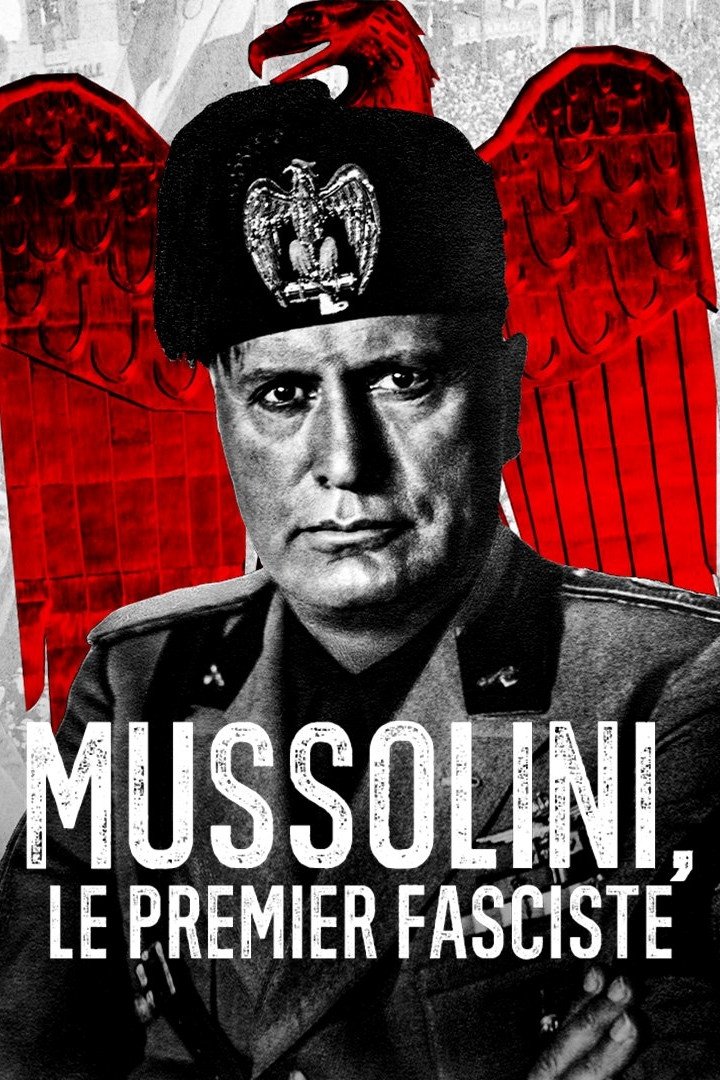
Mussolini seized power in Italy in 1922, after his March on Rome. He would hold it in his grasp until his death in 1945, establishing a dictatorship that lasted more than 20 years. Long considered a buffoon and a second-rate dictator, Il Duce invented fascism that was imitated by Hitler, who viewed the Italian as his political master. He wanted to transform his country into a warrior nation and promised Italians a return to the grandeur of the Roman Empire. He governed by violence and trickery and was one of the first populist leaders of modern times, leading his country into the catastrophe of the World War II. But who was Mussolini, this former teacher who came from the extreme left to become a newspaper editor and creator of the Fascist Party? Why did he ally himself with Hitler? Were the Italians really behind him? With archives and interviews with the last-surviving witnesses of the era, this portrait takes a look back at one of the most notorious dictators of the 20th century.