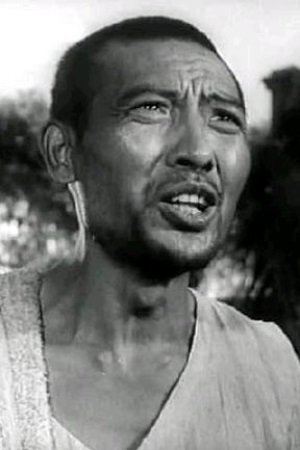
Zhou Senguan
Oyuncu · 1920 – 1994 · Changzhou, Jiangsu, China
Zhou Senguan was born in Changzhou, Jiangsu in 1920. In his early years, he worked as an apprentice in Changzhou Minfeng Spinning Mill. In the early years of the War of Resistance Against Japan, he successively served in the National Government Military Committee's wartime cadre training corps and the National Government Military Committee's civilian inspection and guidance corps. In the early 1940s, he first worked as an actor in the Zhejiang Provincial Theater Company, then in the Taxation Office of the Ministry of Finance of the National Government, and also served as the tax director. He came to Nanjing in 1947 and served as the chief dispatching officer of Capital Automobile Company. In 1949, he was re-designated as the head of car service of Beijing Automobile Company. In 1951, he was admitted to the Performing Arts Class of the Performing Arts Institute of the Central Film Bureau (formerly known as the Beijing Film Academy). After graduating in 1954, he was assigned to Beijing Film Studio as an actor. The first film to be filmed was a single peasant in the Shanghai feature film "A Storm", fell in love with Li Fuyu played by Shu Xiuwen, and finally broke through the feudal law. The roles played in the future are almost all supporting roles. There are about 30 movies with famous names, mainly including "Summer Story" Wang Dacheng, "National Day Ten O'clock" Zhang Dali, "Plain Guerrilla" Kangou Old Man, "Honghu Red Guard" Beard Dad, "Storm Storm" Liu Deshan. He died in 1994.
Filmler19
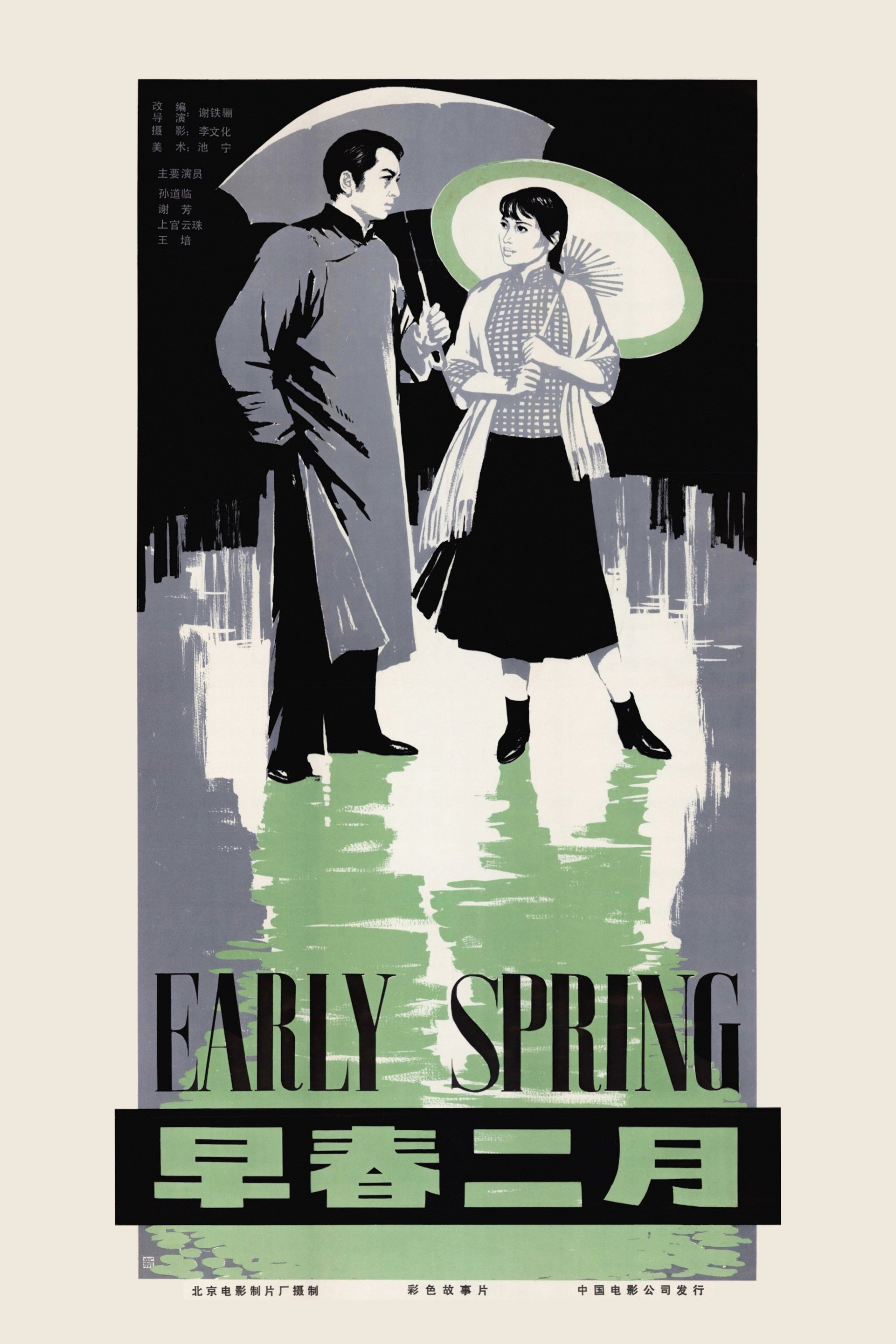 Film7.8DramAile
An idealistic youth moves to the countryside in search of a purer, more honest society, but finds injustice even in his remote village.
 FilmDram
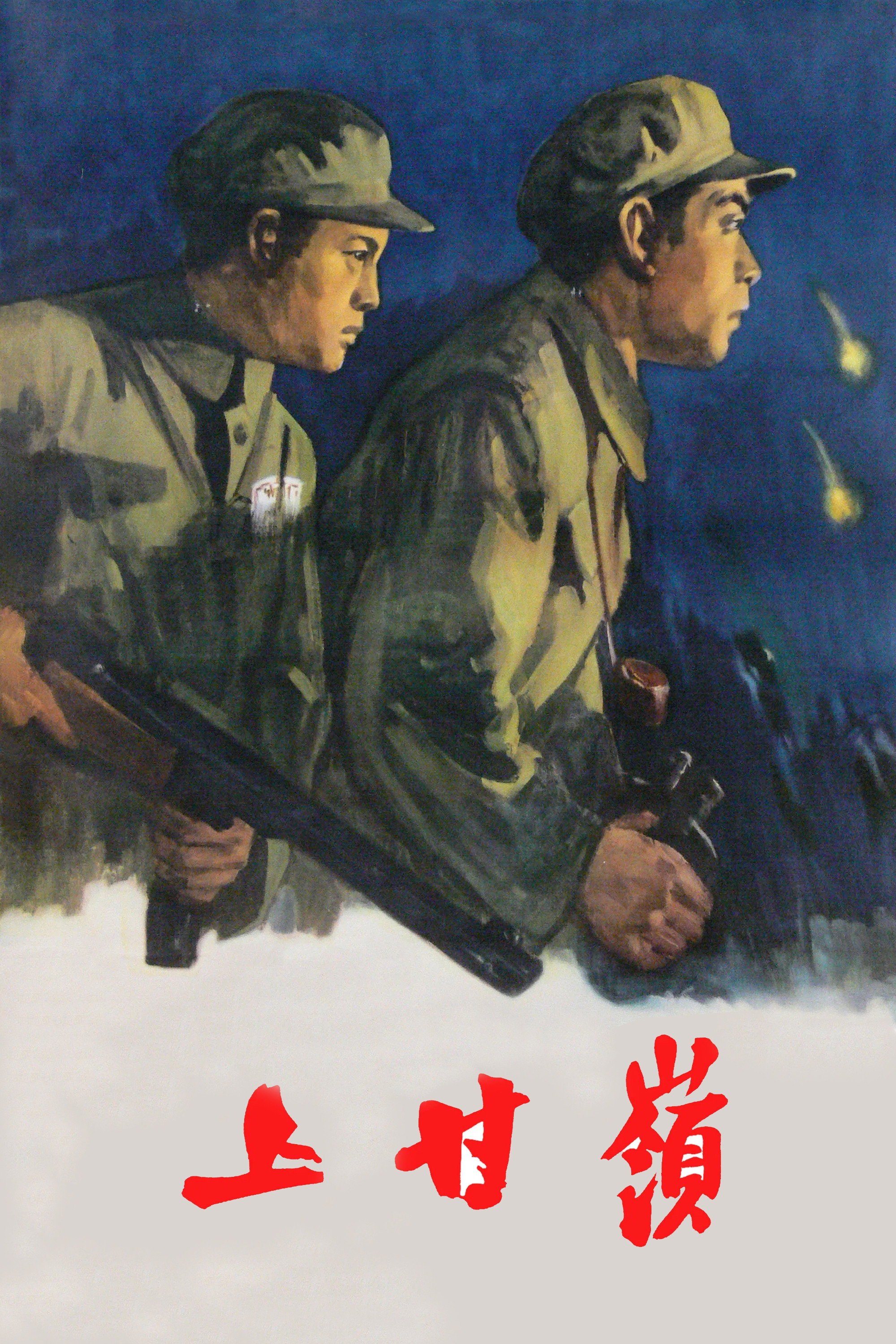 Film6.3SavaşDram
The film follows a group of Chinese People's Volunteer Army soldiers who are holding Triangle Hill for several days against US forces. Short of both food and water, they hold their ground until the relief troops arrive. The movie portray the battle as a Chinese victory over an American invasion, and the People's Volunteer Army soldiers were shown as Chinese war heroes."
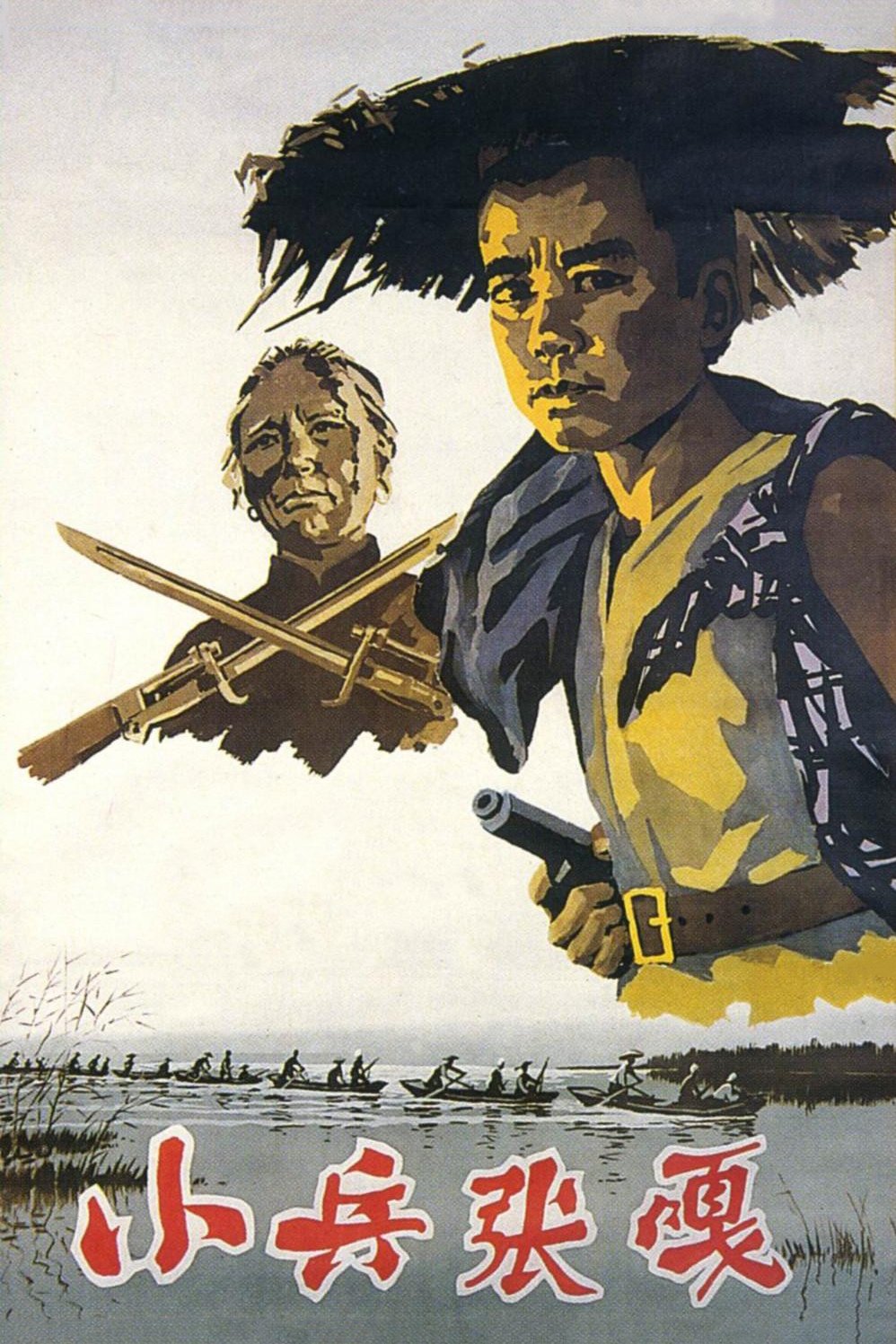 Film7.4SavaşDram
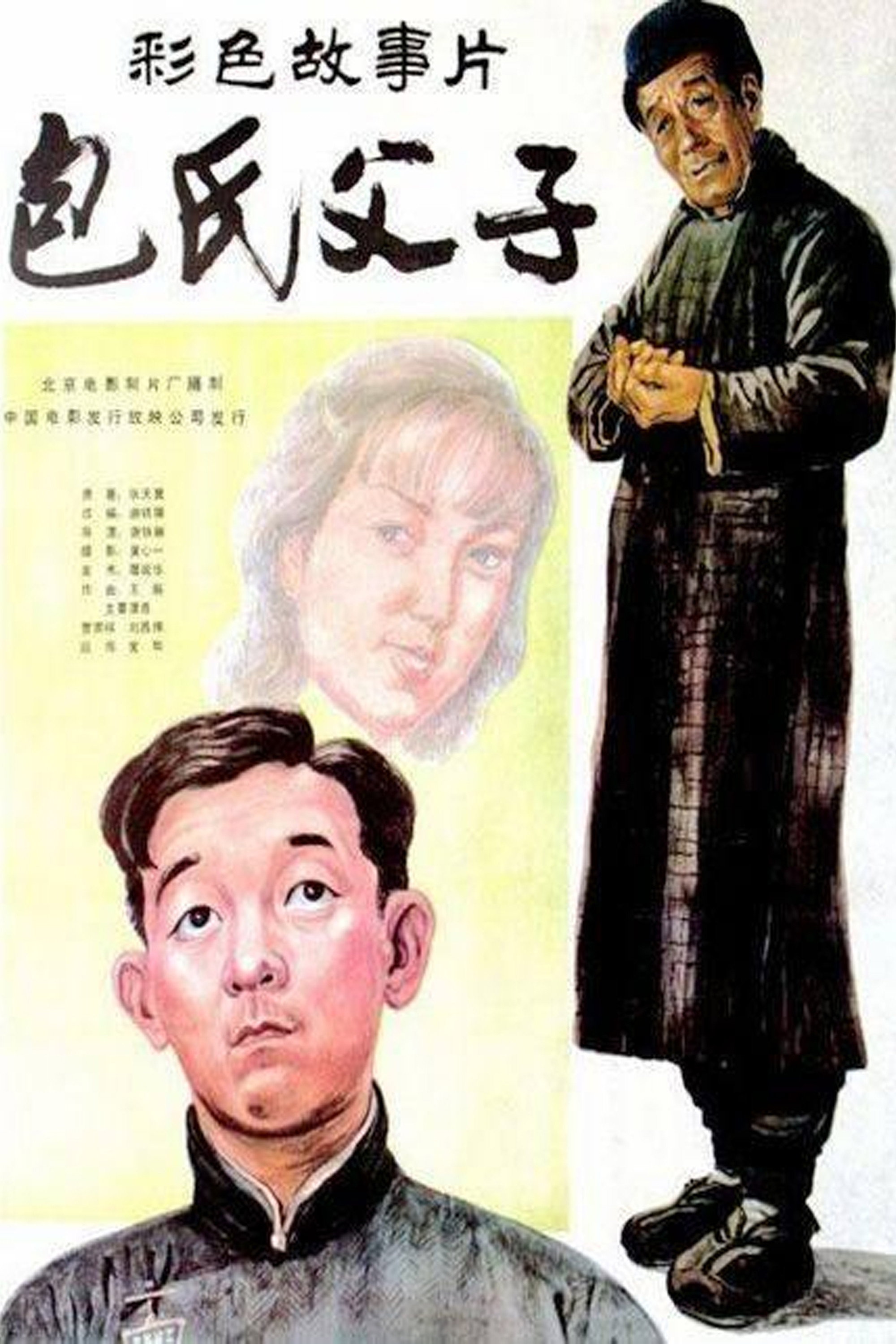 Film7.6DramAile
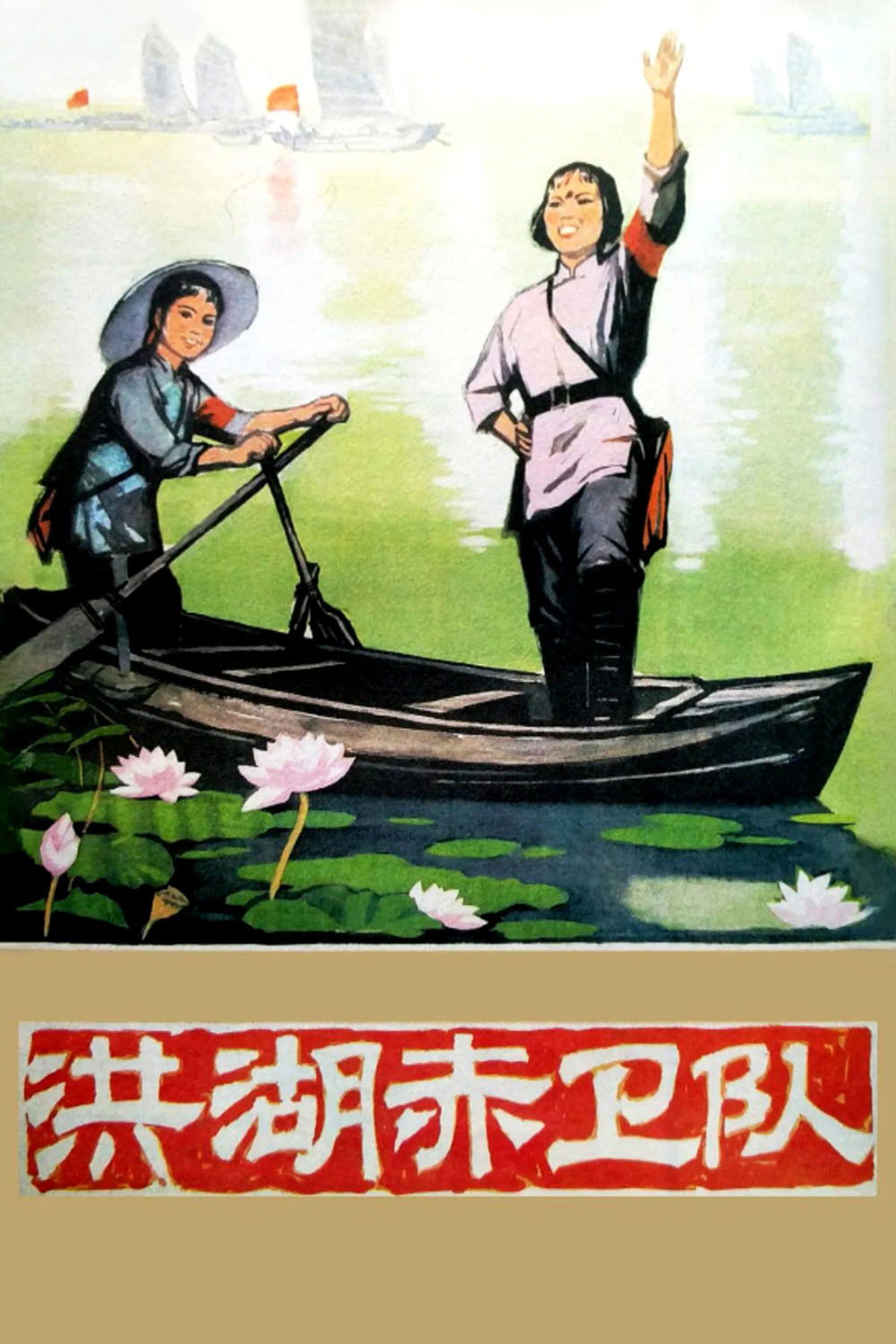 Film6.0MüzikSavaş
Revolutionary Chinese opera in six acts depicting the struggle between Communist guerrillas and a KMT landlord for control of a village.
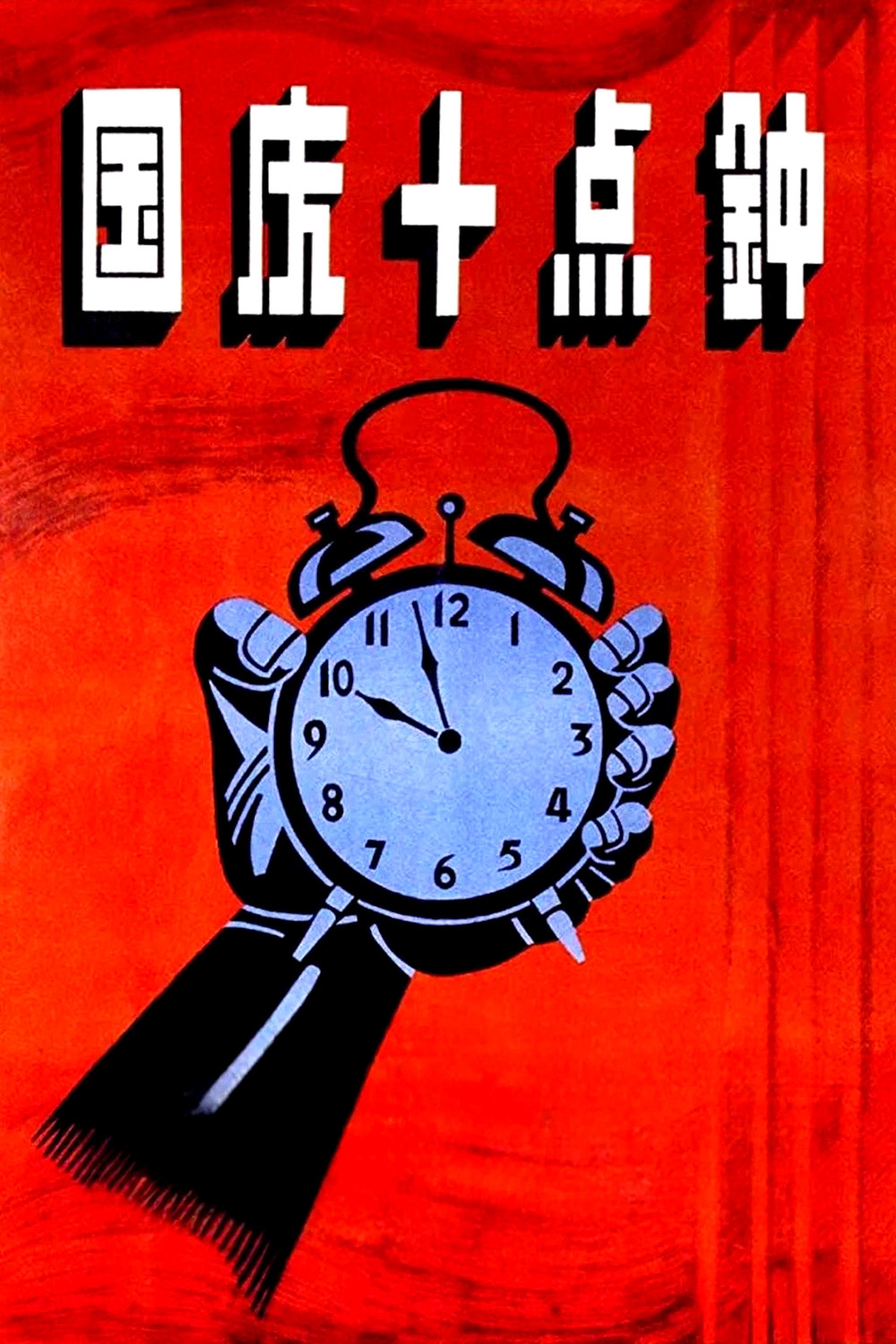 Film7.0GizemDram
Set in 1953, spies plan to set off a explosion on the National Day.
 FilmDramRomantik
 Film6.0Dram
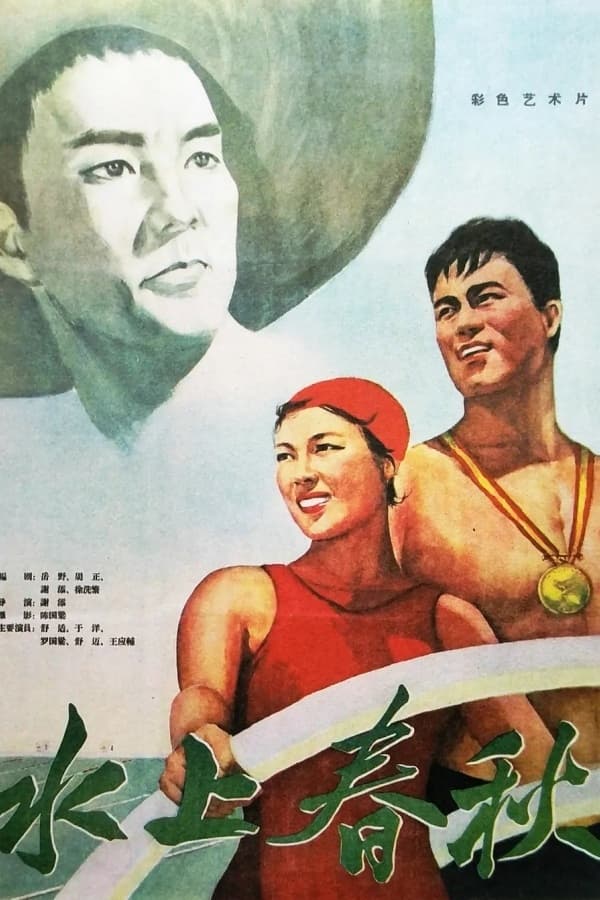
At a 1930s swimming match, a Chinese champion is forced to lose to his American rival. Later, the Chinese champion's son, another potential champion, is torn between the rigours of training and the lure of romance.
 Film6.1Dram
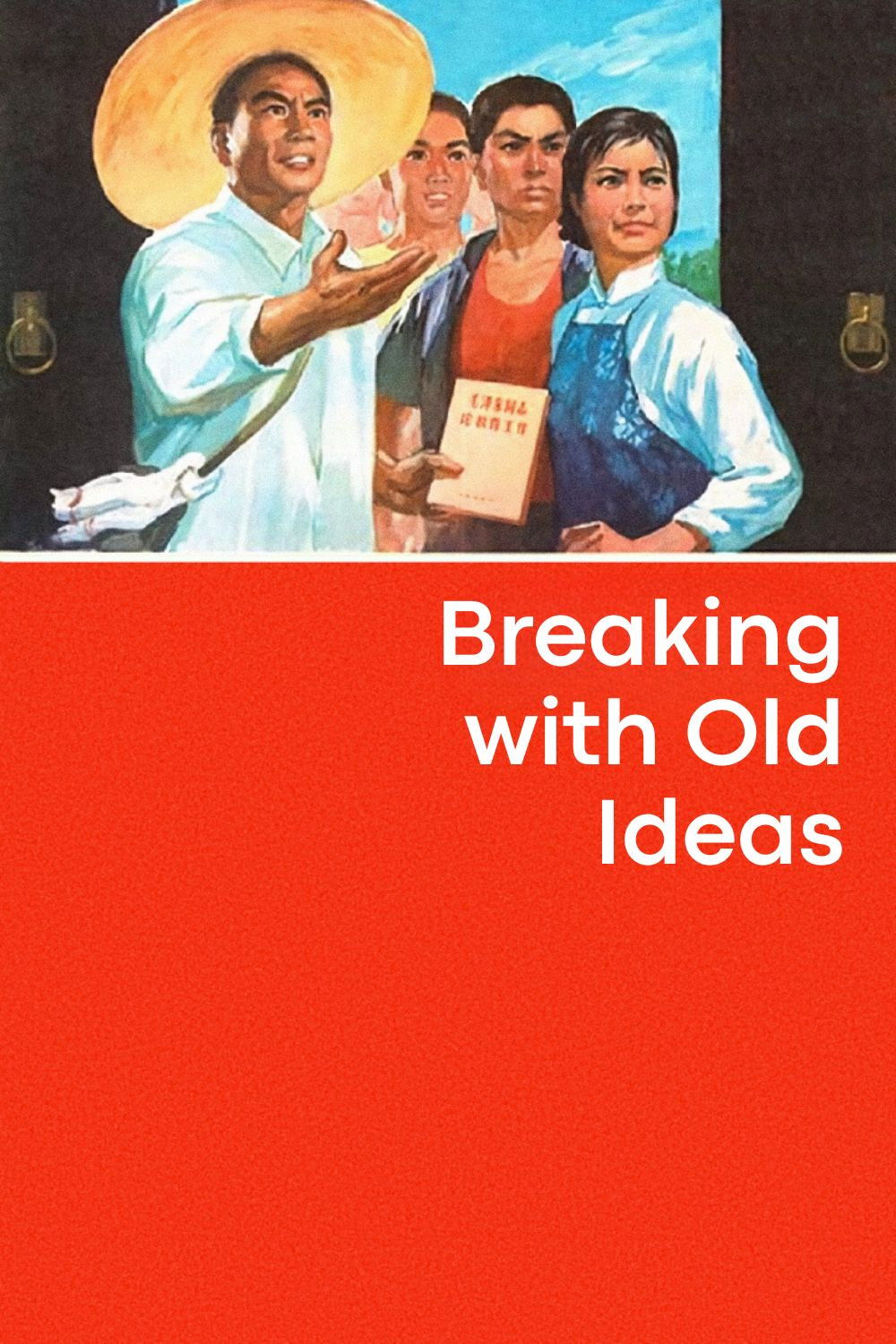
The film tells the story of the Communist Labour College that opened in the 1960s. Long Guozheng, an emissary from the Communist government and Li Jinfeng, a female peasant student, must fight against the school's more conservative elements. In the film's climax, Li is put on trial and is about to be expelled from the school when she is saved by a pronouncement from Chairman Mao himself.
 Film7.0Dram
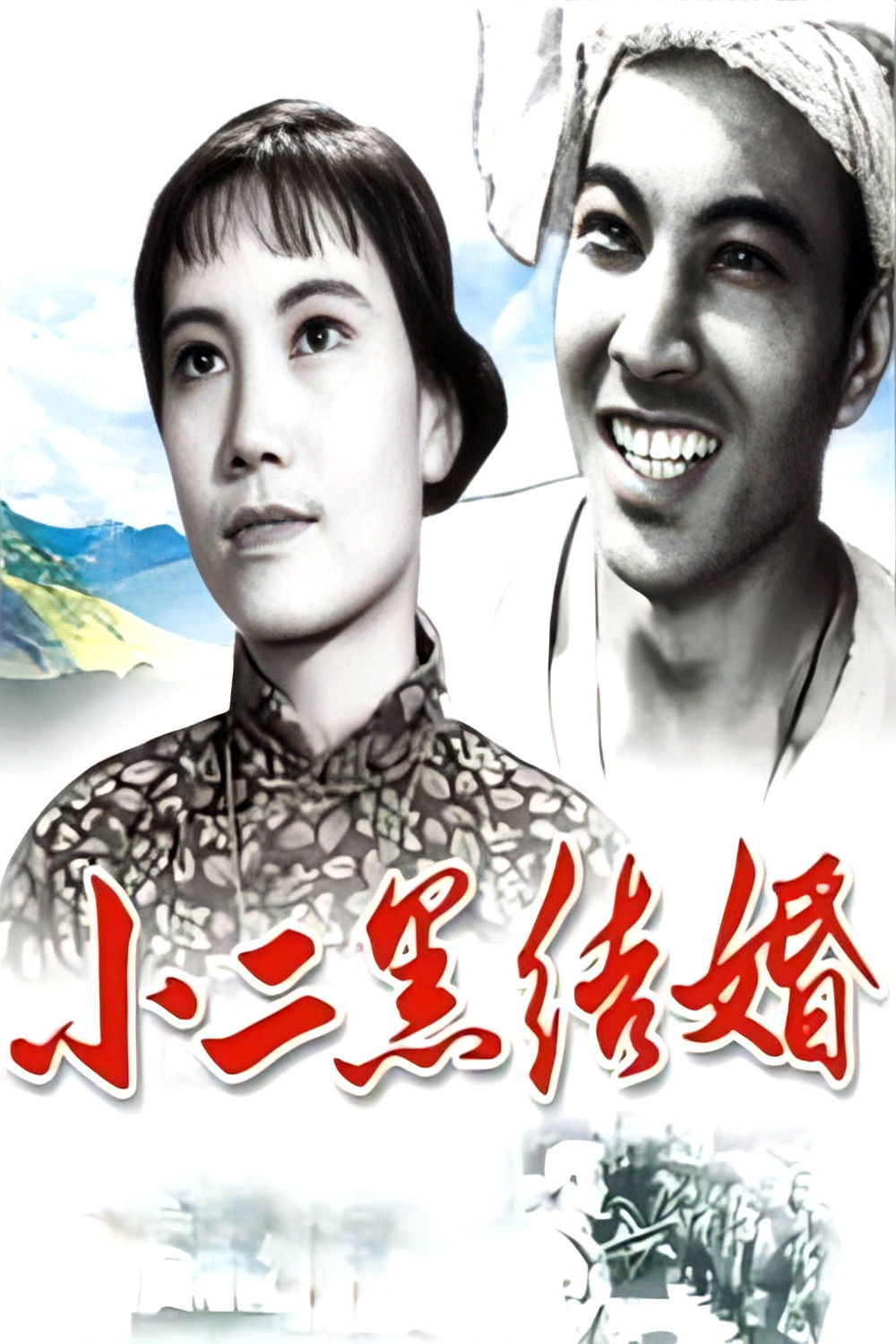
In Liujiajiao Village, a border area in Shanxi, during the Anti-Japanese War, Xiao Erhei attempts to marry Xiaoqin, despite opposition from various conniving locals.
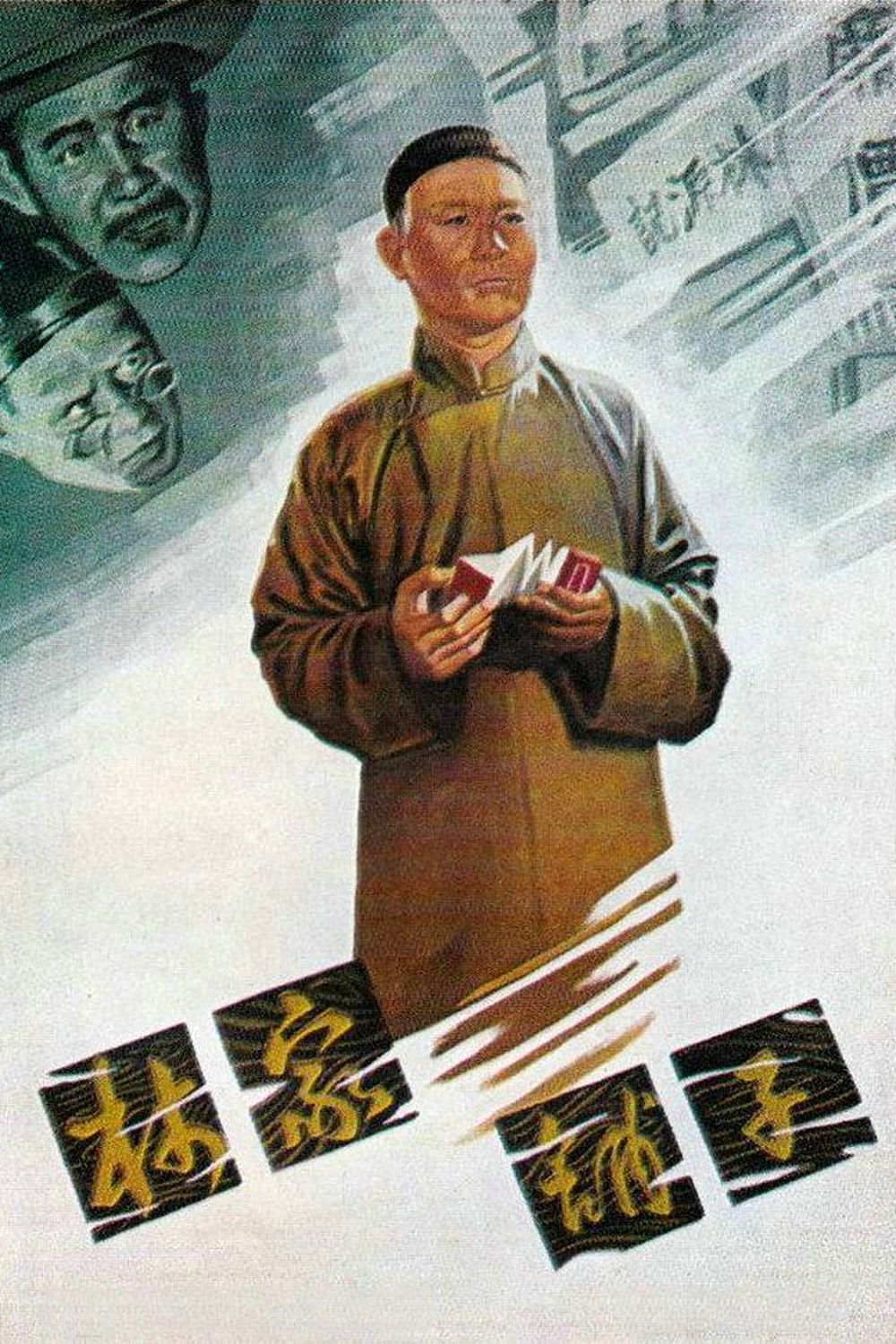 Film6.6Dram
Financial and political pressures bankrupt a Chinese store owner.
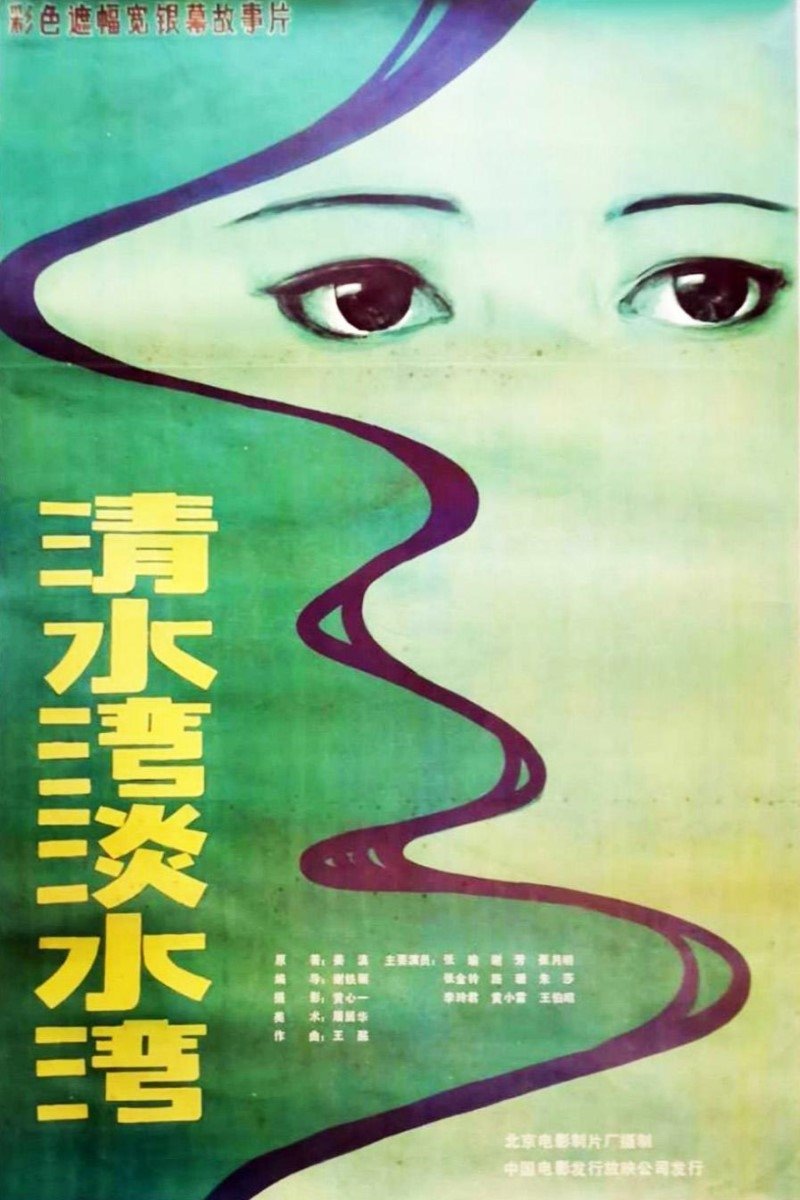 Film10.0Dram
When Gu Tingting, a young worker in a silk factory in Suzhou, is suddenly notified by a court in Shanghai that she will inherit a large sum of money from her aunt as her adopted daughter, her cousin Feng files a lawsuit against her backed by a forgery. Judge Ping senses foul play, and meets with Tingting, who begins recounting her past.
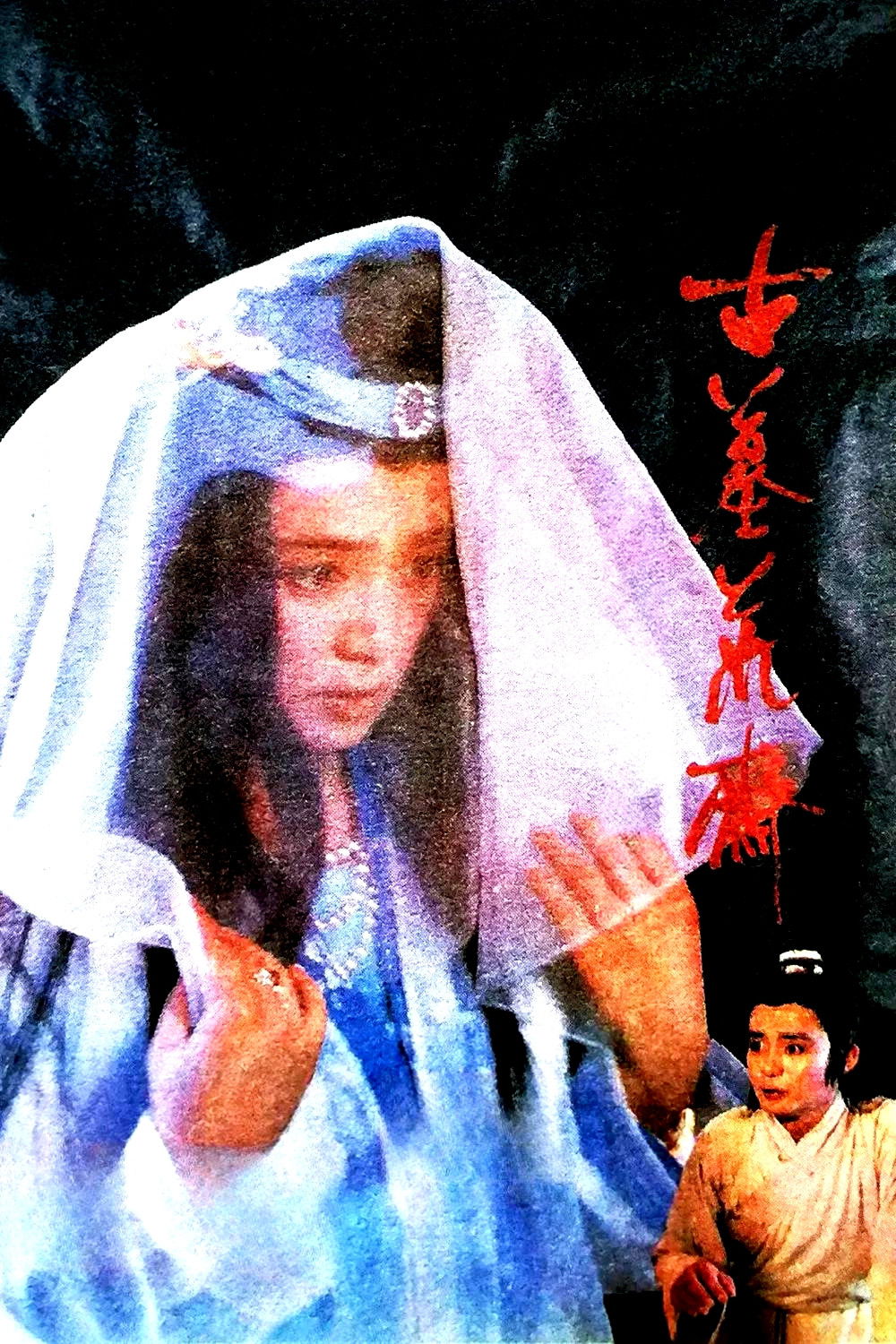 FilmGizemFantastik
Base on "Strange Stories from a Chinese Studio". an Chinese classic A love story between a young scholar and a spirit of a dead girl.
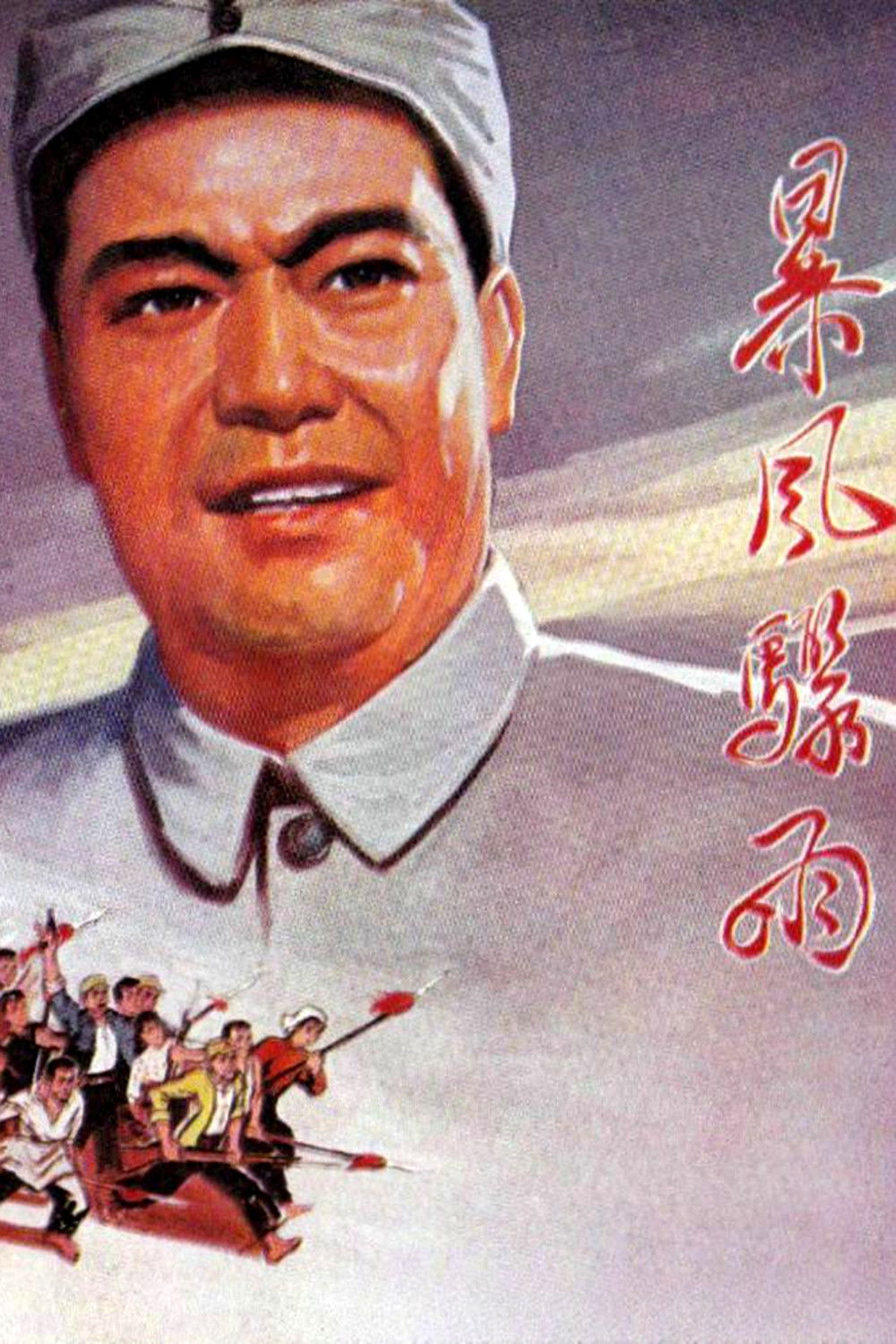 FilmTarihDram
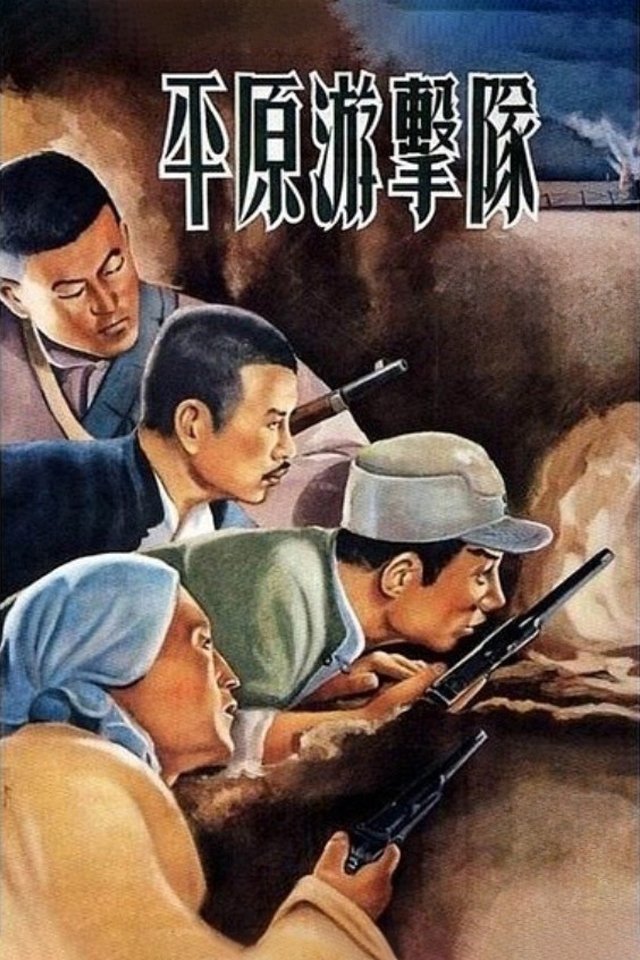 Film6.0TarihSavaş
A guerrilla group led by Li Xiangyang are ambushed by the Japanese invasion army during the War of Resistance.
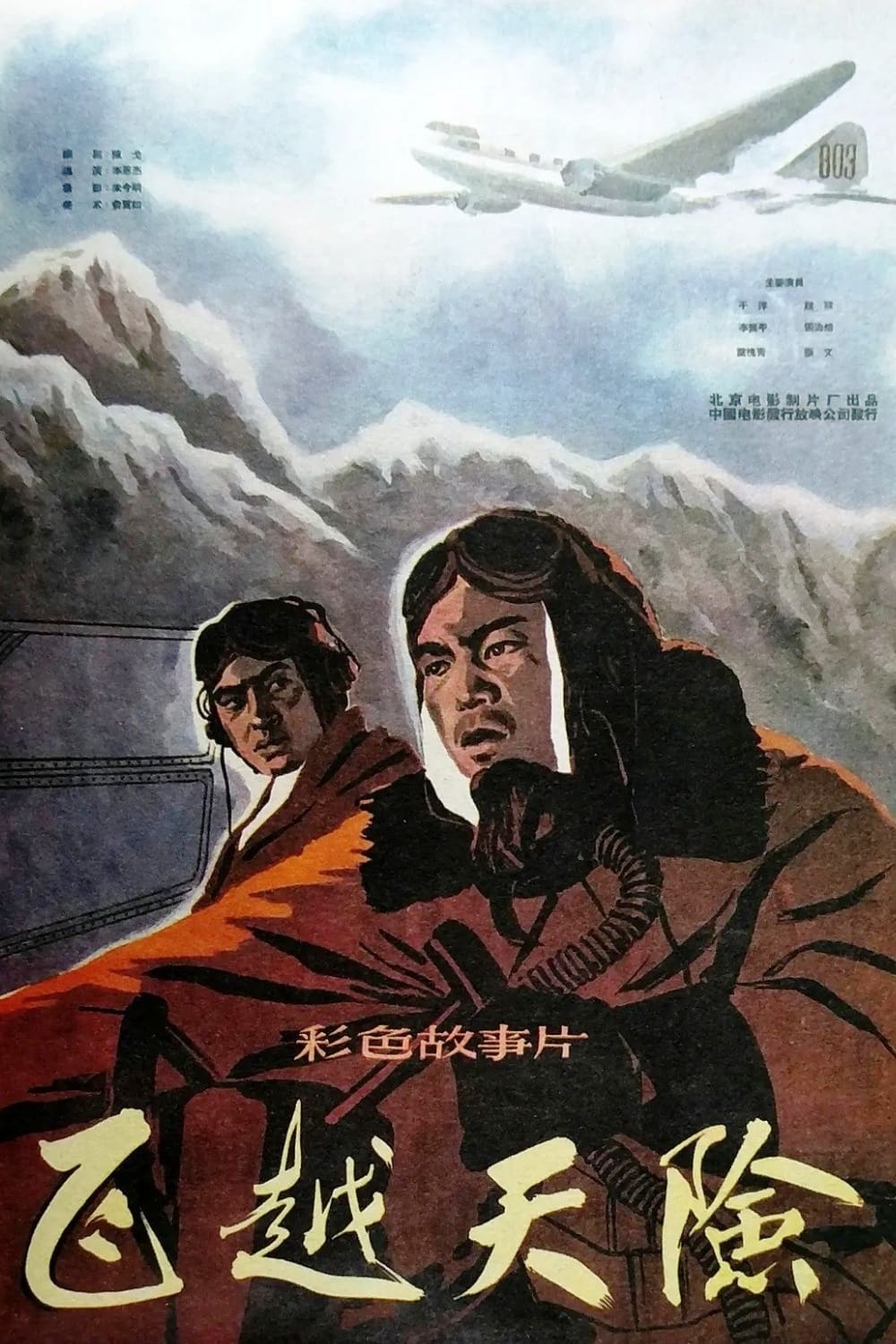 Film10.0MaceraDram
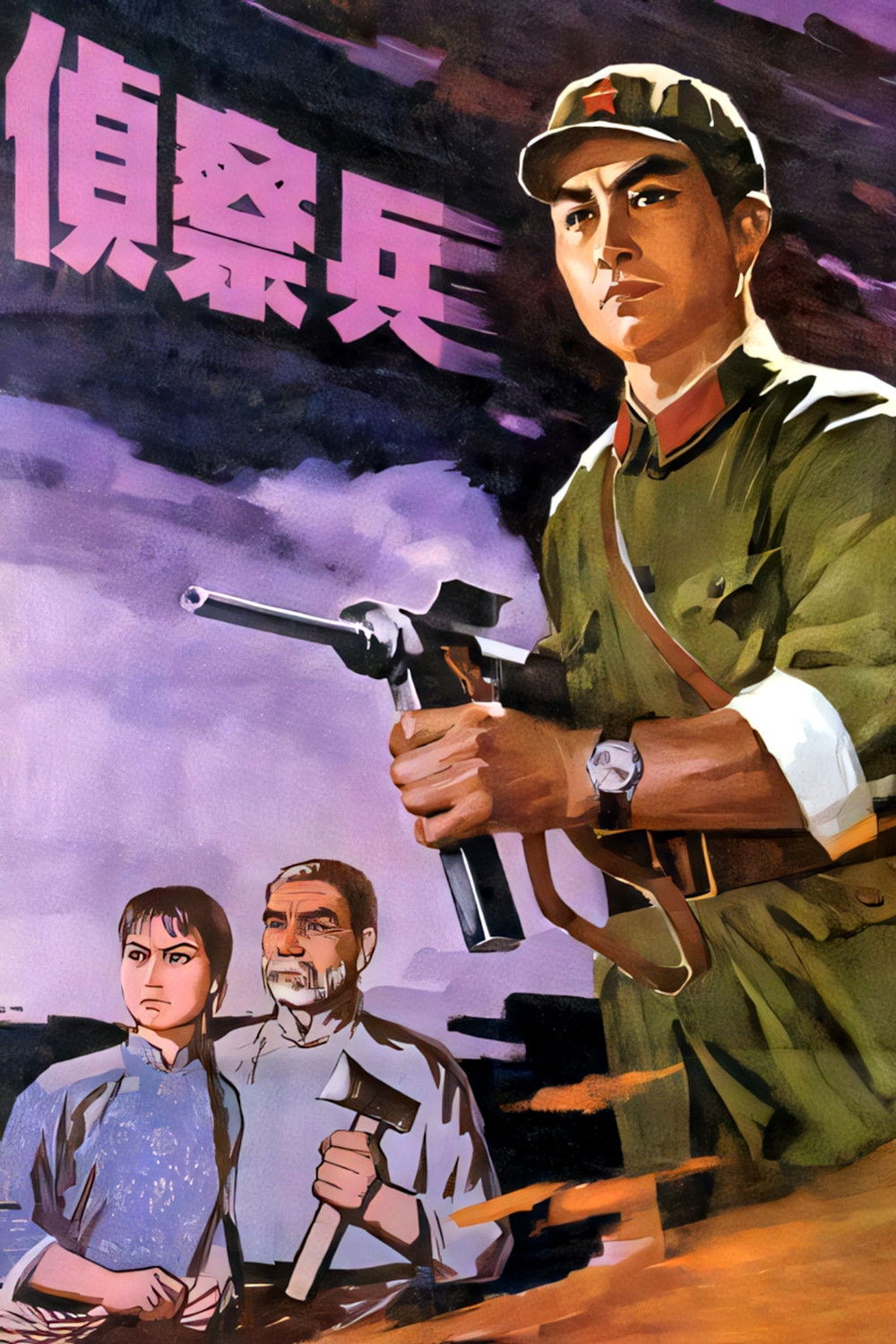 FilmSavaş
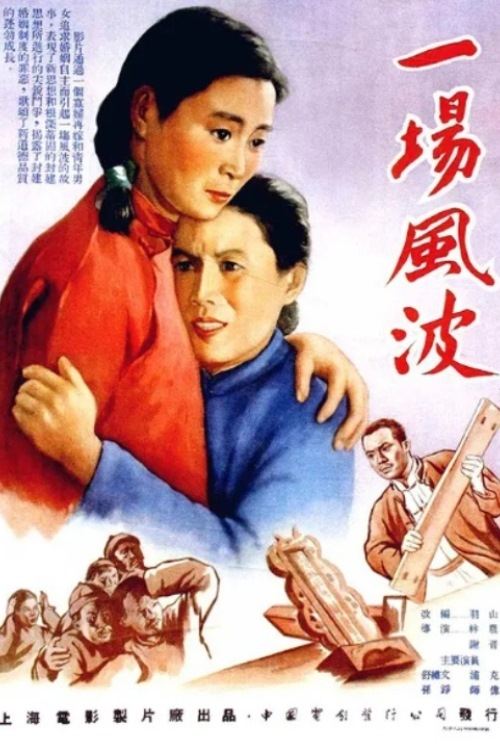 Film7.0Dram
The clan law of the Yang family works against the relationships of a widow and her daughter until a new marriage law is enacted after liberation.