
Ruy Guerra
Yönetmen · d. 1931 · Maputo, Moçambique
Ruy Alexandre Guerra Coelho Pereira (born August 22, 1931) is a Portuguese-Brazilian film director, screenwriter, film editor, and actor. Guerra was born a Portuguese citizen in Lourenço Marques (today Maputo) in Mozambique, when it was still Portuguese colony. Guerra studied at IDHEC film school in Paris from 1952. In 1958 he started his career as an assistant director in several French films. Later on he immigrated to Brazil, where he directed his first feature film, Os Cafajestes (1962).
Filmler19
 Film7.4TarihMacera
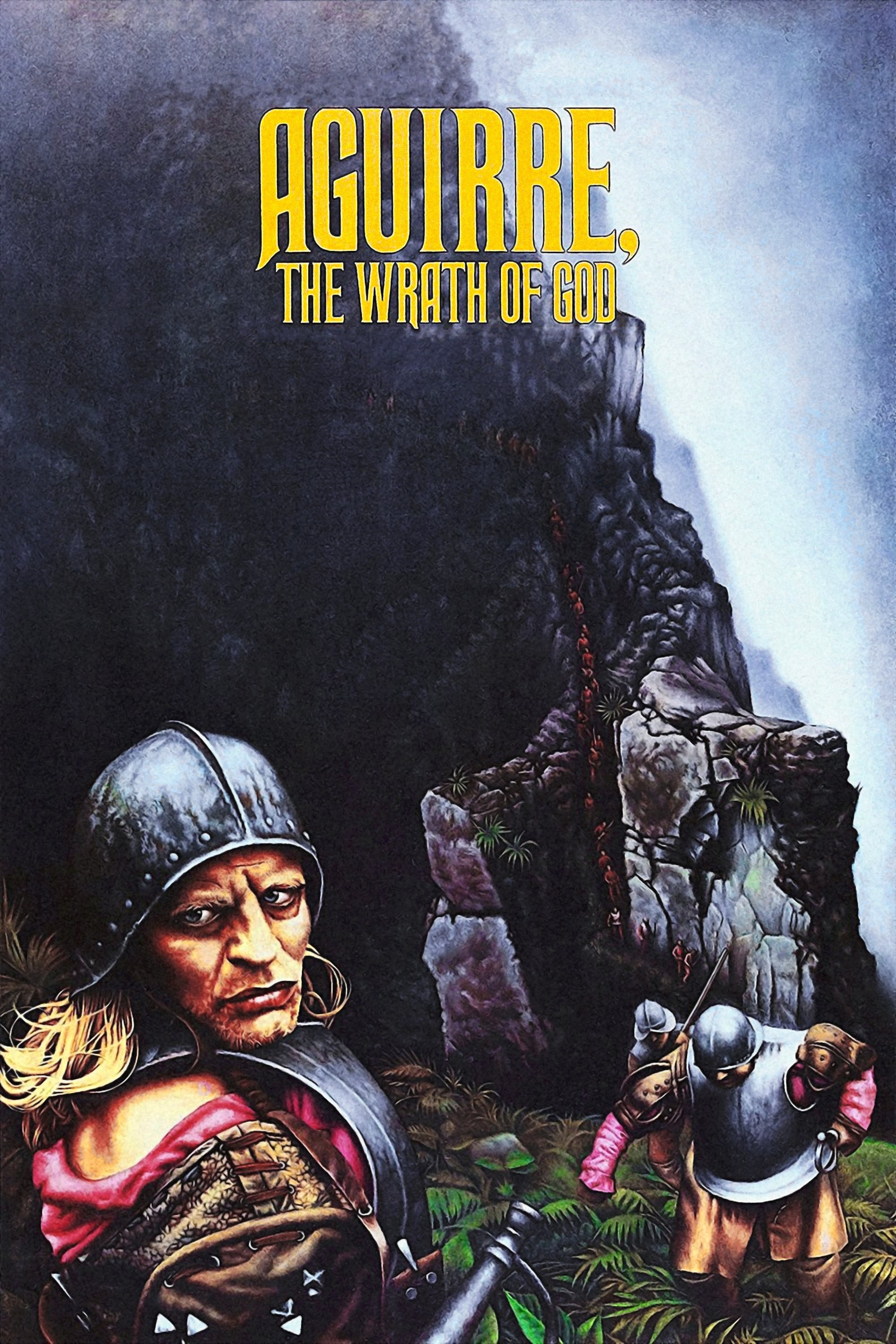
1560 yılında, efsanevi altın ülkesi El Dorado’yu bulmak amacıyla İspanyol “kâşif”ler And dağlarını aşmaktadırlar. Aralarında komutan yardımcısı Don Lope de Aguirre’nin de bulunduğu bir keşif kolu Don Pedro de Ursua başkanlığında yola çıkar. Yerli kölelerin kılavuzluğunda, önce dağlarda ardından haritalarda gösterilmemiş bir nehirde, sallarla sürdürülen yolculuk büyük kayıplara yol açar. Yiyecekleri, salları, mühimatları ve adamları telef olur; artık görünürde nehir ve bataklıktan başka fethedilecek bir şey kalmamıştır. Askerler görünmeyen ellerin attığı ok ve mızraklara hedef olmaktadır. Ursua keşfe son vererek kampa geri dönmeye karar verir. Aguirre ise nehri takip ederek zafere doğru yürümeleri gerektiğini savunur. Ursua yardımcısının zincire vurulmasını emredince Aguirre ve yandaşları isyan ederler. Aguirre komutayı ele aldığında, kimse ona karşı çıkmaya cesaret edemez.
 Film7.6MaceraDram
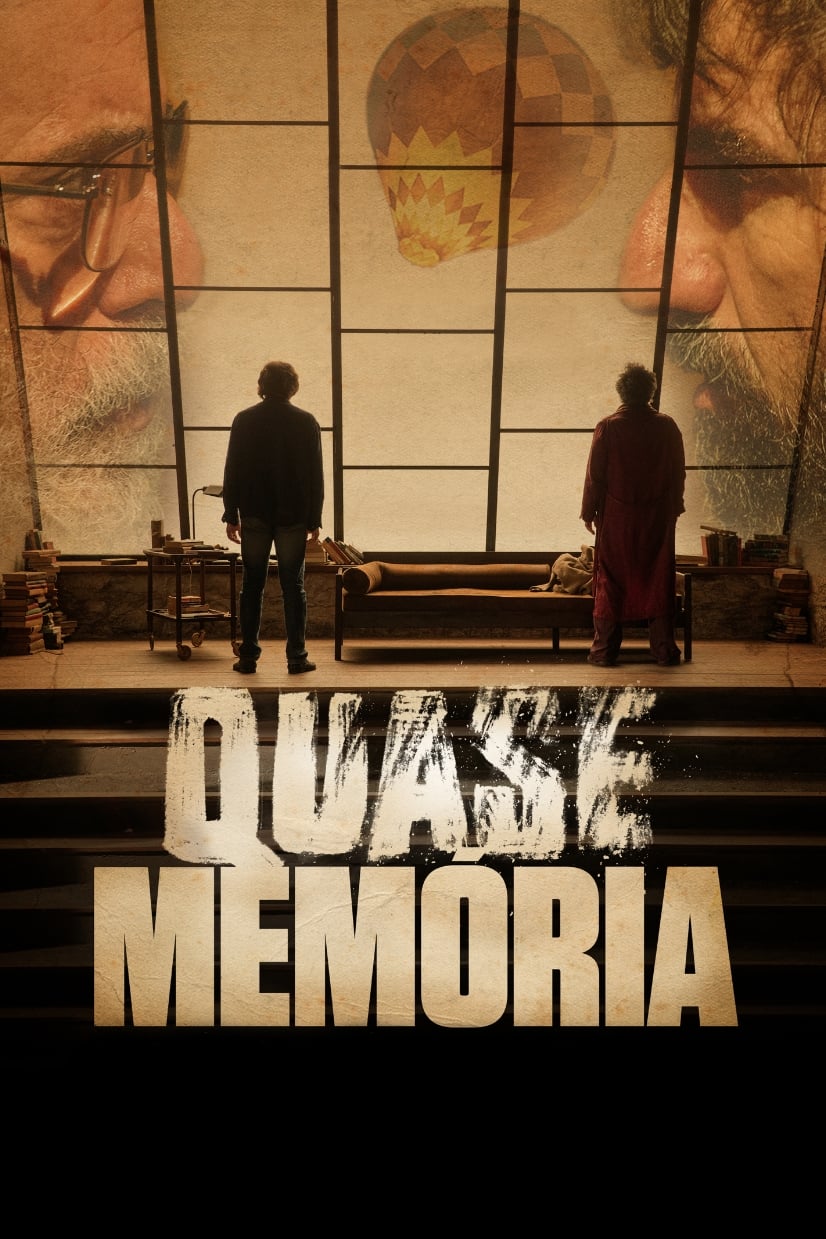
Carlos is a man doomed by restless memories, that meets with himself, in a time warp. Young Carlos faces the forgetfulness of old Carlos, who doesn't recognize his own appearance. They get a package. But the package seems odd. The knot that ties, the smell, the handwriting on the envelope: this could only be sent by his father, Ernesto, who has been dead for many years. A father who always created unusual situations. In this time warp, Carlos is split in two: one Carlos remembers and the other forgets the moments he spent with his father.
 Film5.0Belgesel
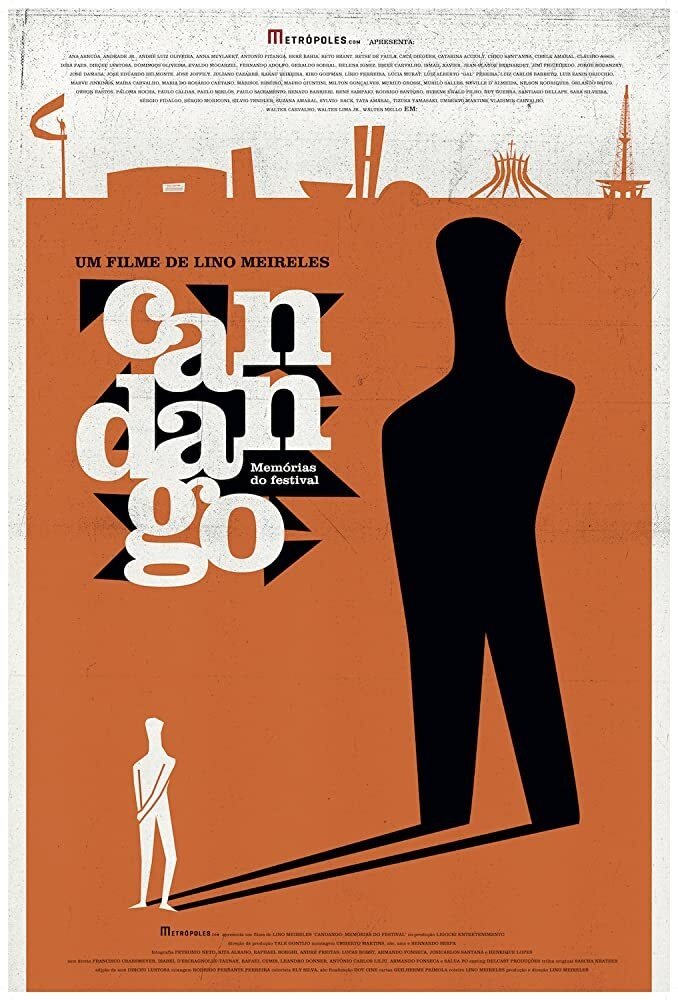
In 1965, a year after the military coup in Brazil, an oasis of freedom opened in the country's capital. The Brasília Film Festival: a landmark of cultural and political resistance. Its story is that of Brazilian cinema itself.
 Film8.2Belgesel
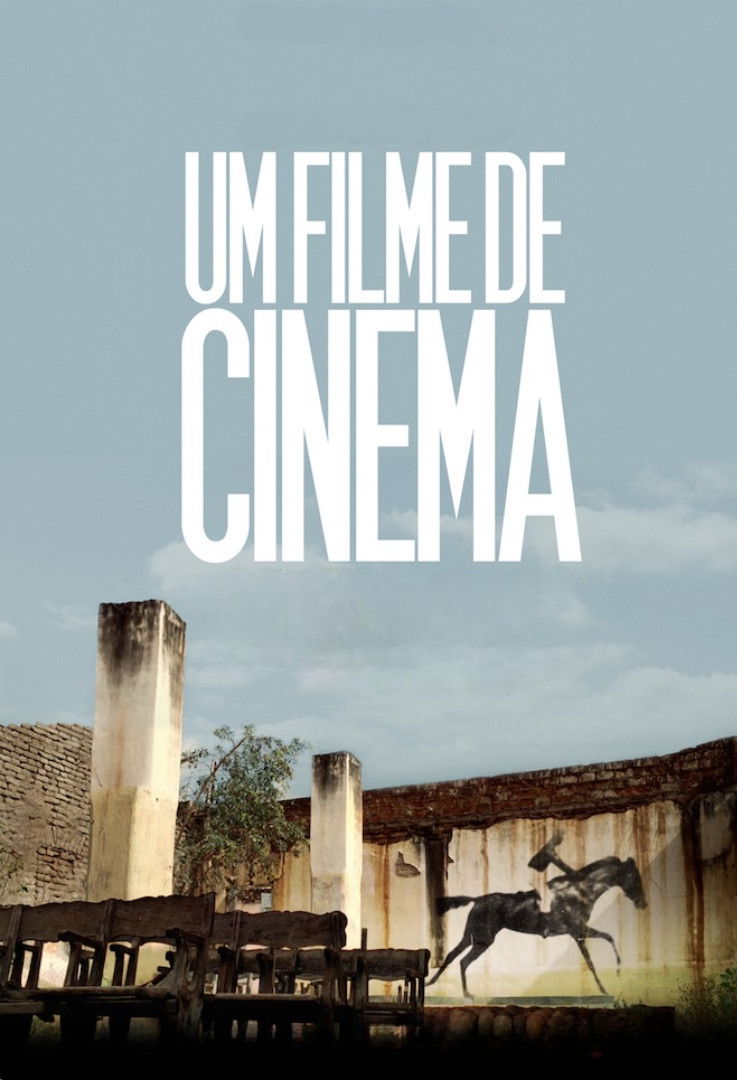
An abandoned tumbledown theater in the outback of Paraíba state is the initial setting of a film about cinema, which explores the testimonials of the novelist and playwright Ariano Suassuna and other filmmakers such as Ruy Guerra, Julio Bressane, Ken Loach, Andrzej Wajda, Karim Ainouz, José Padilha, Hector Babenco, Vilmos Zsigmond, Béla Tarr, Gus Van Sant and Jia Zhangke. They all respond to two basic questions: why do they make movies and why do they serve the seventh art. The filmmakers share their thoughts about time, narrative, rhythm, light, movement, the meaning of tragedy, the audience‘s desires and the boundaries with other forms of art.
 Film6.7Dram
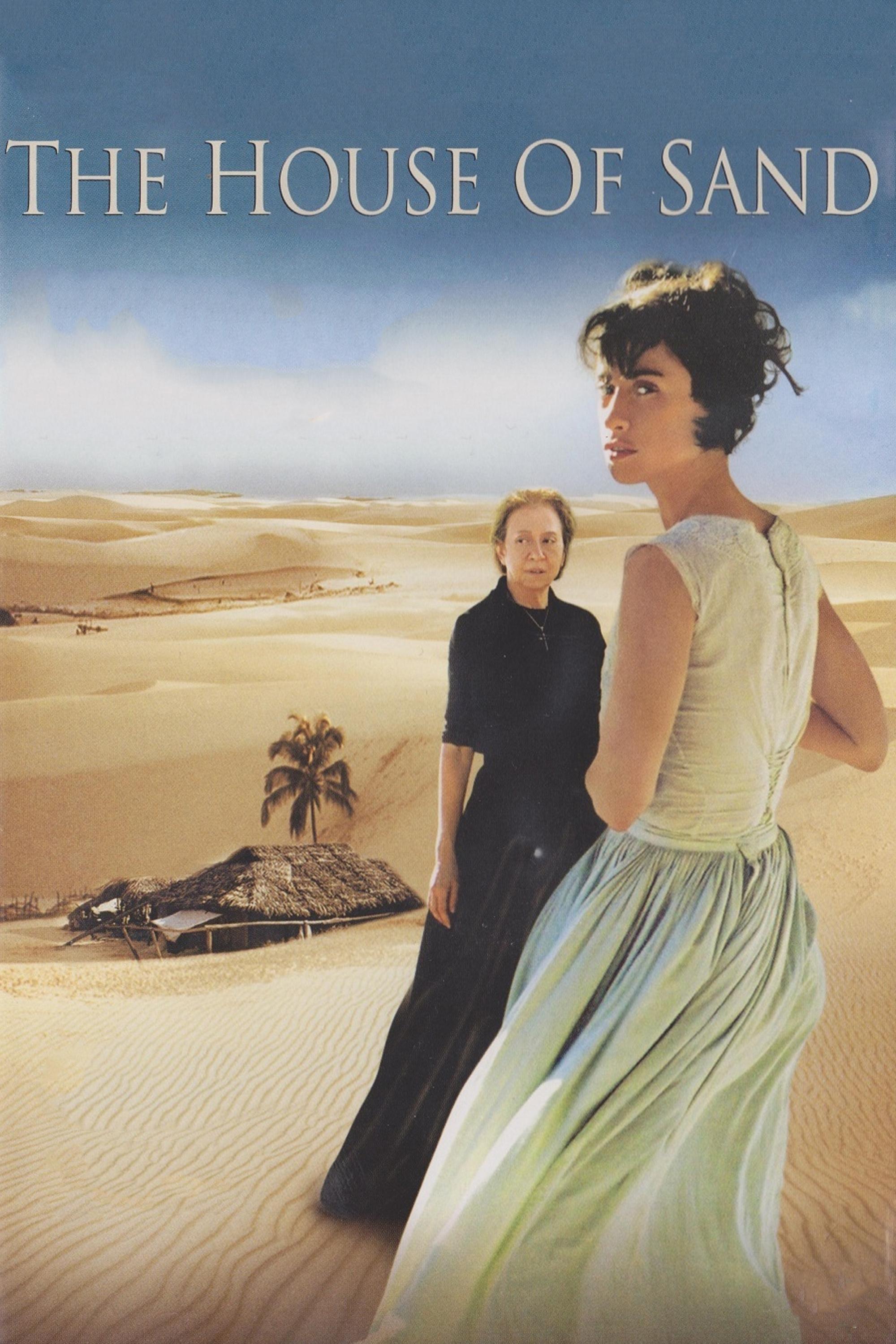
A woman is taken along with her mother in 1910 to a far-away desert by her husband, and after his passing, is forced to spend the next 59 years of her life hopelessly trying to escape it.
 Film8.0Belgesel
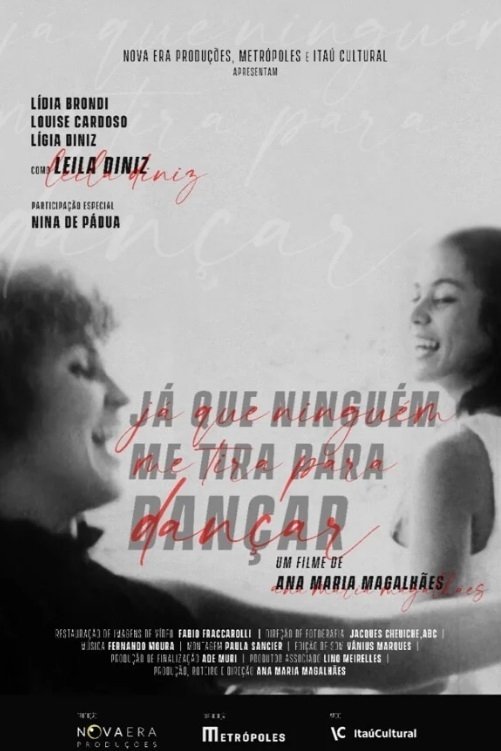
Conducted from interviews with personalities who lived with Leila Diniz (1945-1972), the documentary is a record of an era and, above all, it rescues the participation in Brazilian culture of the actress who opened the way for the sexual revolution during the dark years of the dictatorship.
Já que Ninguém me Tira Para Dançar
2021 · 2 votes
 Film5.2KomediSuç
The project '5 x slum, now by ourselves' gathered over 80 young people from Rio's favelas (slums), selected through workshops, script and filmmaking techniques to create a feature film consisting of five stories that reflect different facets of the daily lives of residents of these communities - with the promise of escape stereotypical representations.
- Film10.0Macera
Nifrapo
1985 · 1 votes
 FilmBelgesel
Saudade
2017
 Film6.2Bilim Kurgu
An alien, with the ability to travel through time, visits our planet at various eras.
Le Maître du temps
1971 · 4 votes
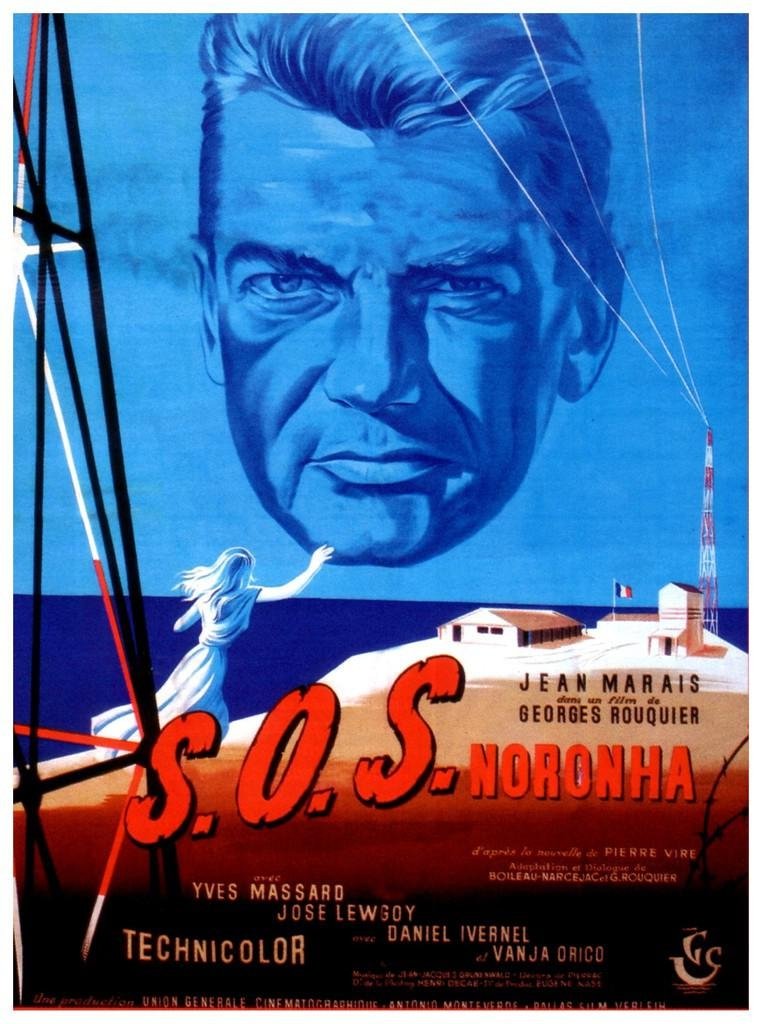 Film9.0Macera
In 1930, on the island of Noronha in Brazil, the inmates of the penitentiary revolt. Frédéric Coulibaud, head of the aeropostale radio station, and his team-mates Mastic and Froment, try to prevent them from entering the concession where the island's governor and his daughter have taken refuge. They manage to repair the radio so as to follow and guide Mermoz as he attempts to cross the South Atlantic for the 53rd time. The aviator is forced to ditch and is picked up by a boat. Their mission accomplished, Coulibaud and his team boarded a British ship that had come to their rescue.
S.O.S. Noronha
1957 · 1 votes
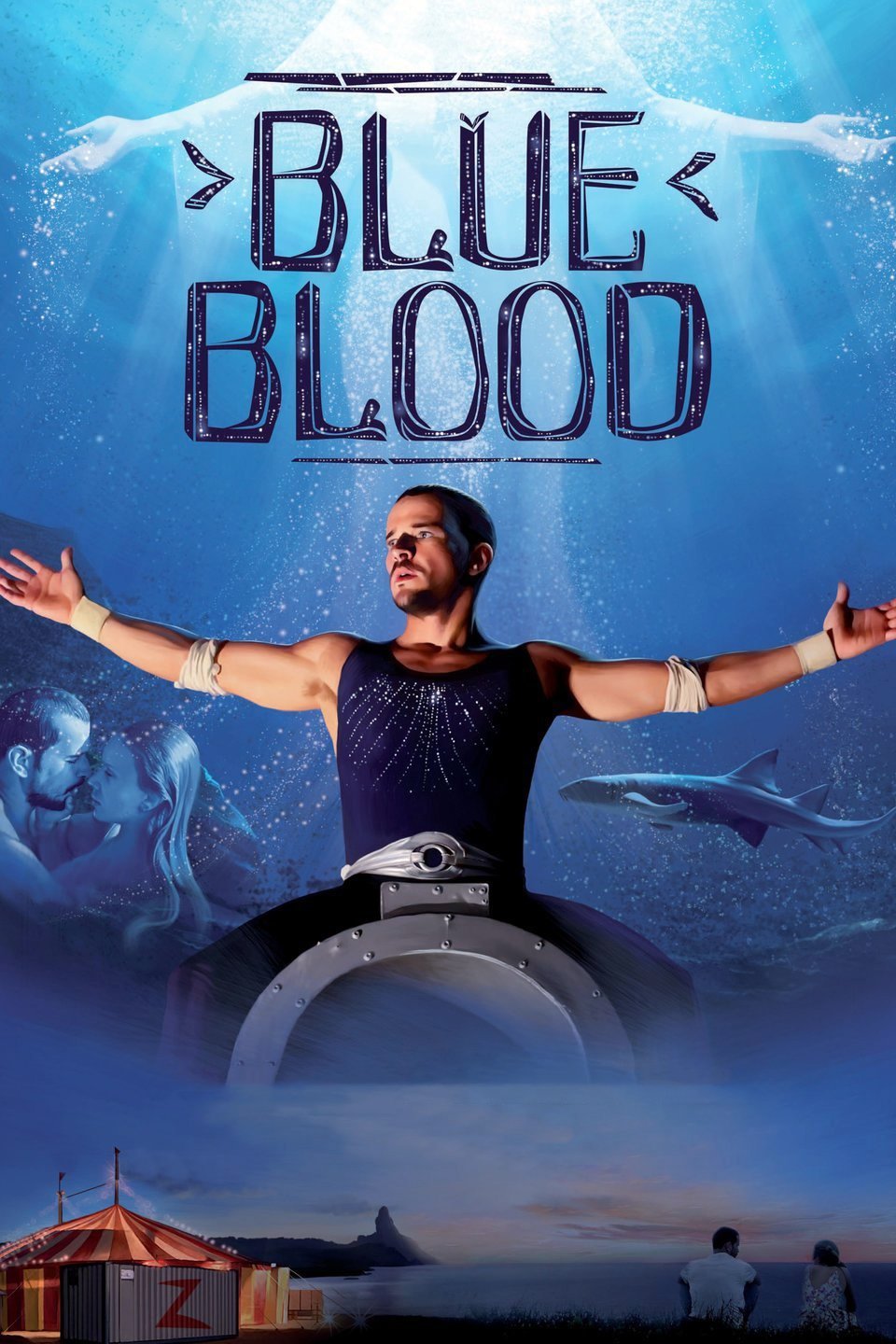 Film5.7DramGizem
When the Netuno Circus returns to Fernando de Noronha, it brings back a young man with a turbulent past. Pedro is now Zolah, the human cannonball. When secrets surface, bizarre family reunions rival the circus performances.
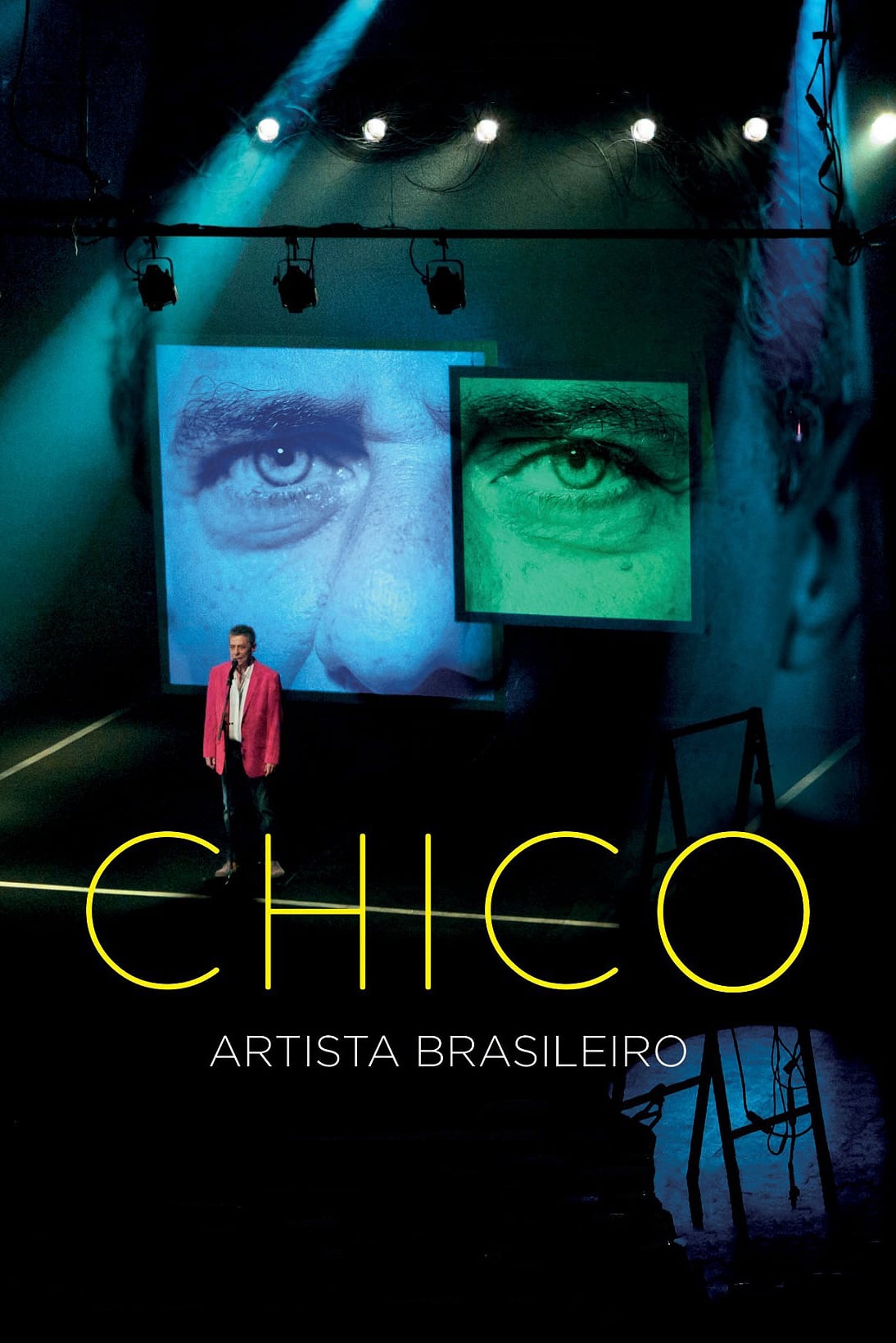 Film7.8BelgeselMüzik
Chico Buarque is a constant presence in Brazil's art scene and makes up its citizen's popular culture. This wealth in music, poems, theater and novels has been created over the last 50 years and in this film Chico Buarque converses about his memories, shows, daily life, work methods, creative process, in summary all his trajectory. The musician’s search for his German brother, whom he never got to meet, serves as one of the axis for the narrative.
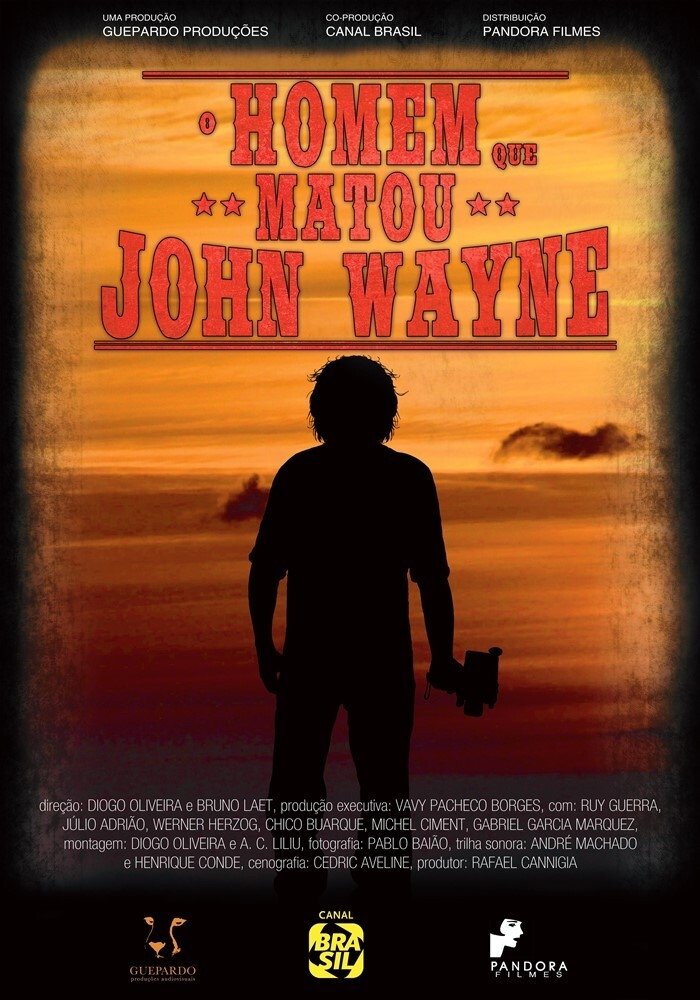 Film7.5Belgesel
 Film6.4DramFantastik
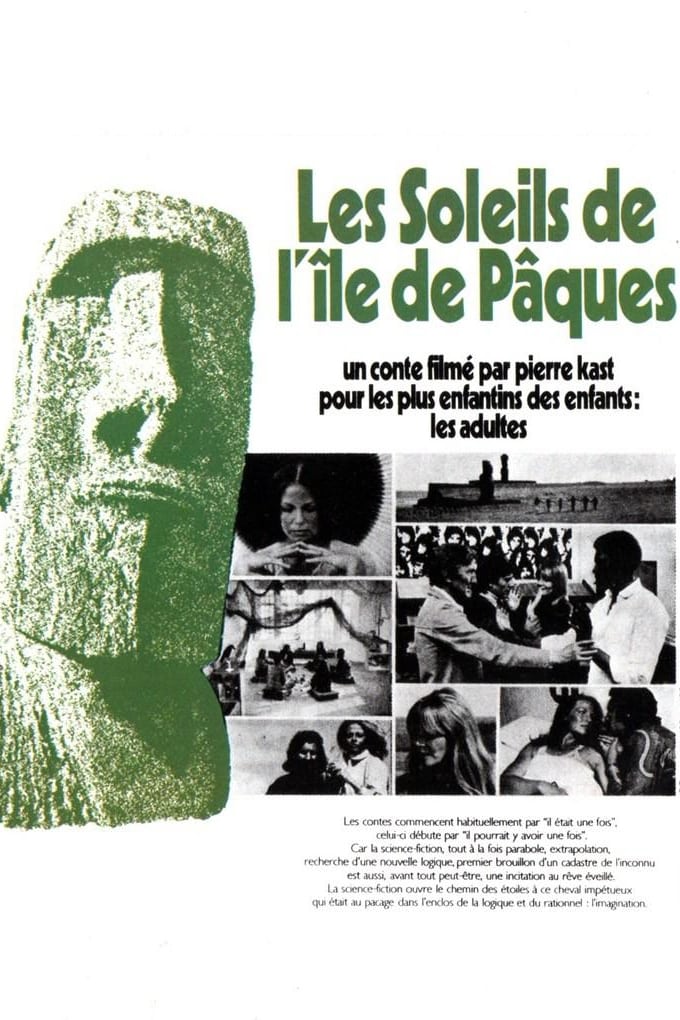
Six people find a mysterious mark in the center of their left hand and all independently go to Easter Island in hopes to uncover the mystery.
 Film9.0KomediDram
A young female fugitive escapes from a juvenile institution (the Child Assistance Service) and joins a group of poor beggars with the intention of finding a potential partner to marry in order to avoid her return to that place.
 FilmBelgesel
The importance of the Cannes Film Festival in world terms and what it represented for Brazil in 1971. For Brazilian cinema, Cannes 71 represented the transition from film to industrialized production. It is the meeting of producers, technicians, critics , celebrities in general, offering opportunities for greater knowledge and renewal of values
 Film8.0Belgesel
Documentary that addresses, through the testimony of directors and actors, the work of Dib Lutfi, considered one of the greatest photographers of Brazilian cinema.
Dib
1997 · 1 votes
 Film6.7BelgeselTarih
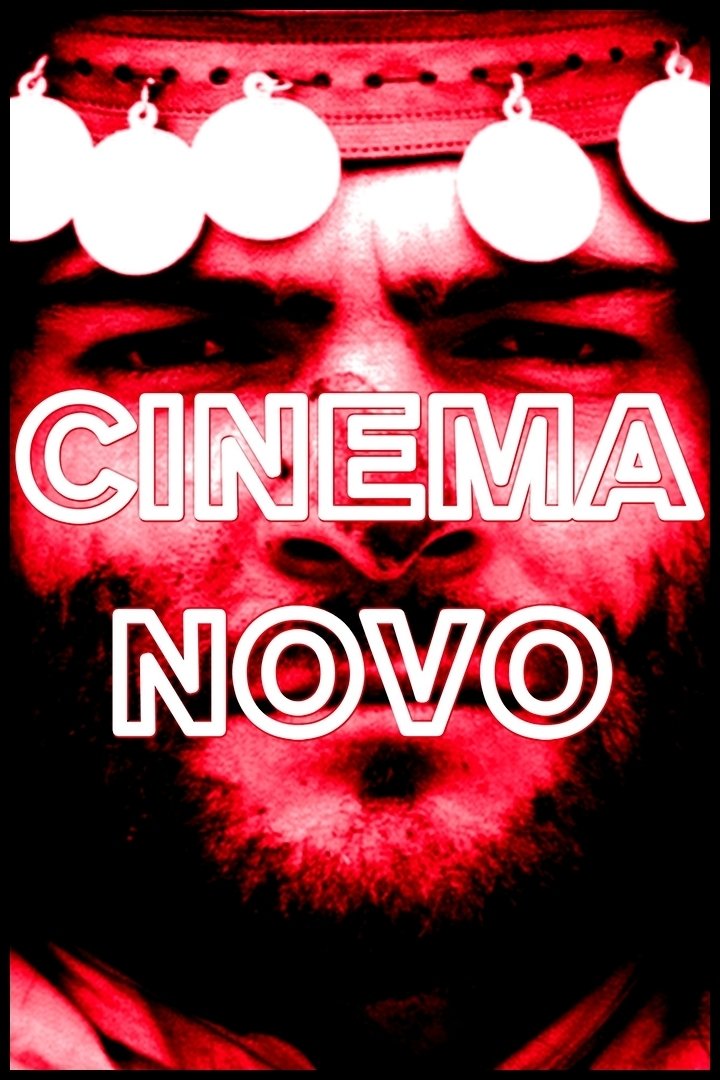
A deep investigation, in the way of a poetic essay, on one of the main Latin American movements in cinema, analyzed via the thoughts of its main authors, who invented, in the early 1960s, a new way of making movies in Brazil, with a political attitude, always near to people's problems, that combined art and revolution.
Cinema Novo
2016 · 25 votes
Diziler1
 DiziTalk ShowBelgesel
O País do Cinema
2016