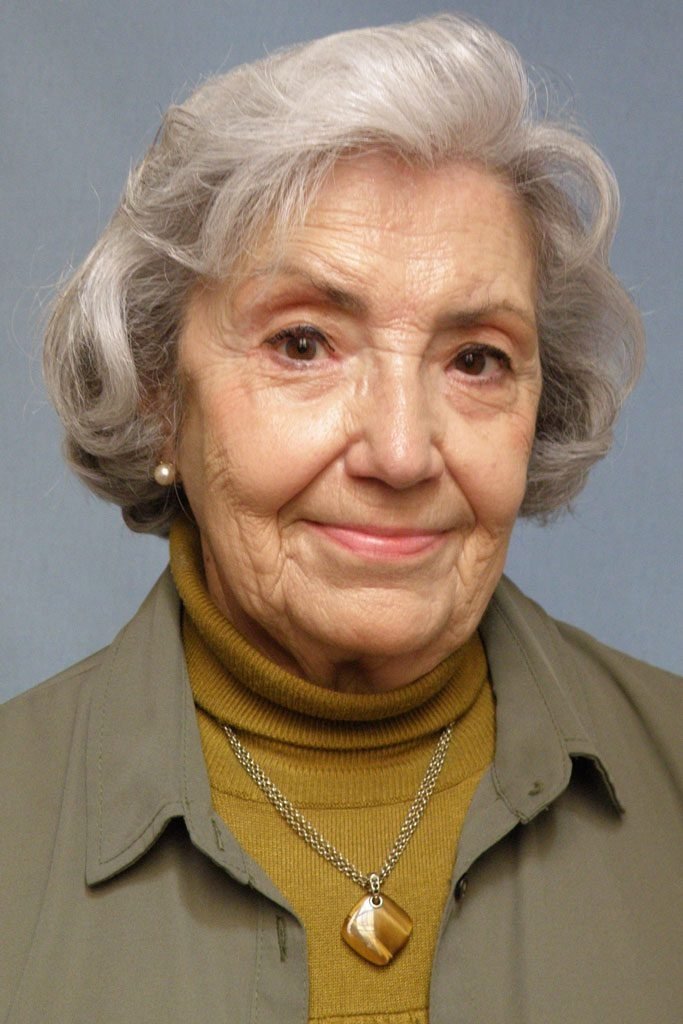
María Antonia Pérez
Oyuncu
Filmler2
 Film6.8GerilimSuç
Que Dios Nos Perdone (May God Save Us/Tanrı Bizi Bağışlasın), Madrid’in tam “15-M Hareketi”ne sahne olduğu dönemde, şehir aynı zamanda bir seri katilin brutal eylemlerine de sahne olur. Söz konusu seri katil, yaşlı kadınlara tecavüz etmekte ve onları döverek öldürmektedir. Adli tıpta görev yapan kadın doktorun söylediğine göre bu yaşlı kadınlar “olağanüstü derecede büyük, dev bir penis ile” tecavüze uğramışlardır. Başlı başına ne büyük bir metafor! Dava dedektif Luis Velarde (Antonio De La Torre) ve Javier Alfaro’ya (Roberto Álamo) verilmiştir. Katile ulaşamamanın stresiyle ezilen bu iki dedektif, bir yandan Madrid sokaklarında seri katil peşinde gezerken, bir yandan da kendi saldırgan doğalarını sergilemekten geri durmazlar. Dedektif Javier Alfaro’nun öfke kontrolü problemi vardır ve saldırgan tavırlarıyla dikkatleri çeker. Dedektif Luis Velarda ise, kadınlarla ilişki kurmakta pek başarılı biri değildir.
 Film7.2DramTarih
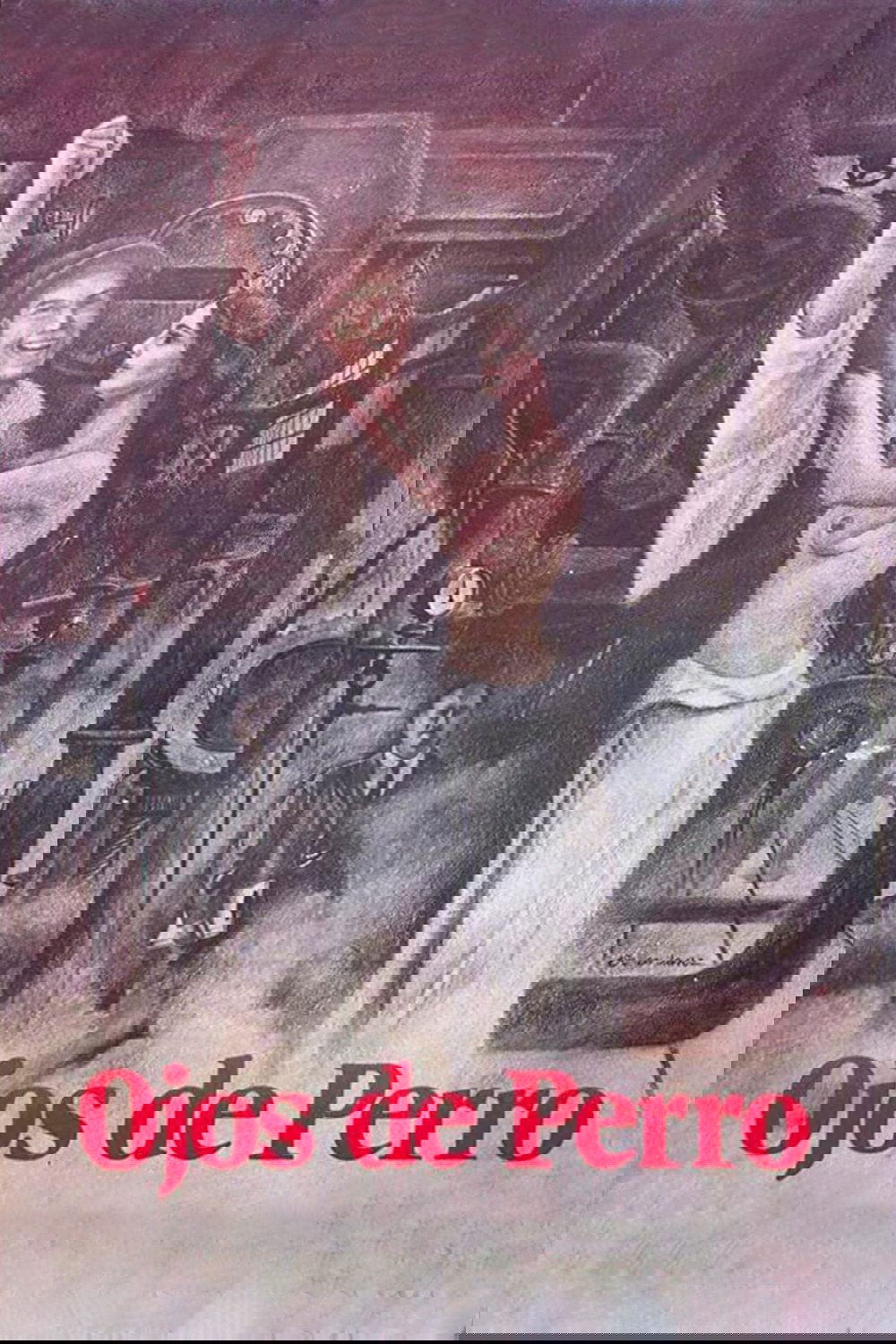
It presents the struggle of the first unionized workers, after a strike for the implantation of the eight-hour day and the union right, in the sugar valleys of Peru. It is the story of the first union in the city of Trujillo, organized in 1921.
Diziler2
 Dizi7.1KomediDram
Recounts the experiences of a middle-class family, the Alcántaras, during the last years of the rule of Francisco Franco and the beginning of the Spanish Transition to democracy.
Cuéntame cómo pasó
2001 · 60 votes
 Dizi8.1Komedi
La que se avecina is a Spanish television comedy created by Alberto Caballero, Laura Caballero and Daniel Deorador. The TV-series focusing around the inhabitants of Mirador de Montepinar, a fictional building located on the outskirts of a big city. Both its storylines and cast are heavily based on Aquí no hay quien viva, which ended when Telecinco bought Miramón Mendi, the series production company. The episodes debuted on the Telecinco network, and were later rerun by the same network as well as cable/satellite channels FactoríaDeFicción and Paramount Comedy. The series debuted in 22 April 2007 and became popular thanks to its funny characters, witty script, use of catchphrases and capacity to integrate and poke fun at contemporary issues; the program presents a caustic satire of many of the 'types' found in Spanish society. The name of the show involves wordplay, as "vecina" is the Spanish word for neighbour.
La que se avecina
2007 · 298 votes