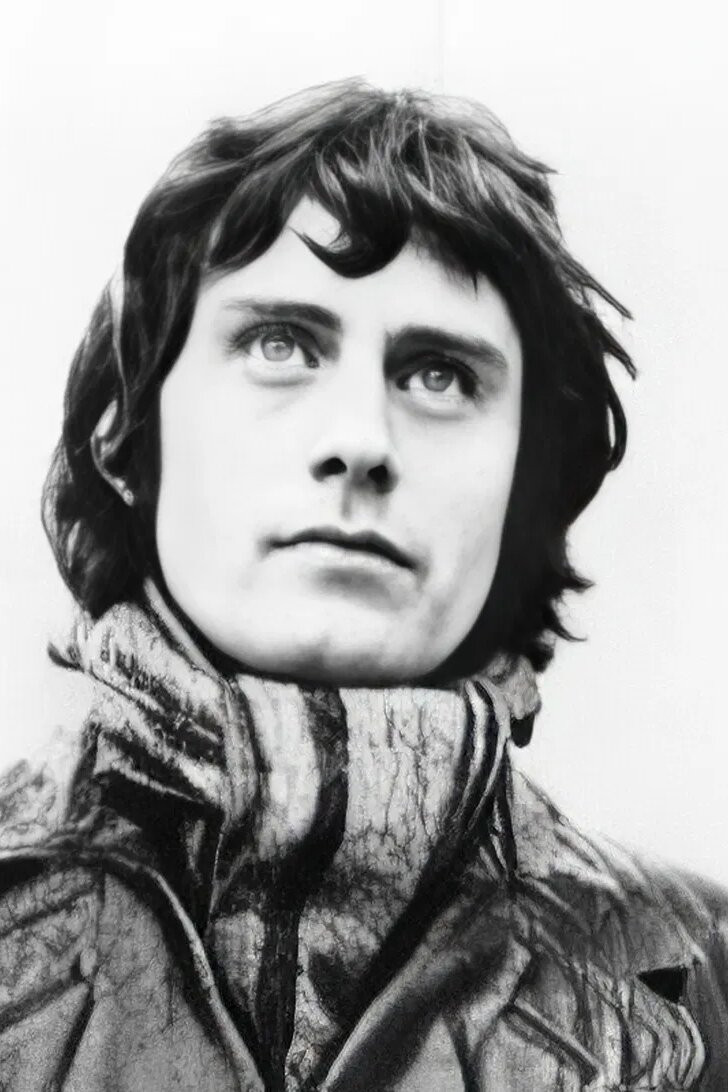
Jonatan Briel
Yönetmen · 1942 – 1988 · Bodenwerder, Lower Saxony
Jonatan Karl Dieter Briel (June 9, 1942 – December 26, 1988) was a German film director, screenwriter, and actor, born in Bodenwerder, Lower Saxony, and raised in Holzminden. He is best known as a specialist of the literary biographical film, with a body of work centered on 19th-century German poets and dramatists — primarily Heinrich von Kleist, Christian Friedrich Hebbel, and Friedrich Hölderlin. After completing an administrative apprenticeship (1959–1962), Briel founded the Youth Film Studio of Holzminden in 1962. He moved to West Berlin in 1965, where he became an assistant to director Peter Lilienthal before being admitted to the newly founded Deutsche Film- und Fernsehakademie Berlin (DFFB) in 1966. There he studied under Wolfgang Staudte and made his debut short Der 300ste Geburtstag (1967). His graduation film Wie zwei fröhliche Luftschiffer (1969), a reconstruction of Heinrich von Kleist's double suicide, won the jury prize at the Mannheim International Film Festival and was selected for the Locarno Film Festival in 1970, attracting international critical attention. From 1970, Briel worked as an independent filmmaker with the Sender Freies Berlin (SFB). He developed a series of literary biopics — Jonatan Briels Lenz (1971, ZDF), Glutmensch (1975, SFB/LCB), and Untertänigst Scardanelli (1982) — marked by low budgets, experimental aesthetics, and intense immersion in his subjects. Working mostly in West Berlin, he combined documentary techniques with staged scenes and often shifted between black-and-white and color cinematography. From 1982, Briel was a member of the Akademie der Künste in Berlin and taught at the Universität der Künste. The Kino Arsenal in Berlin devoted retrospectives to his work in both 1976 and 1982. He died in Berlin on December 26, 1988, at the age of 46, with a final project (Hunkepiel) left unfinished.
Filmler2
 Film6.0Dram
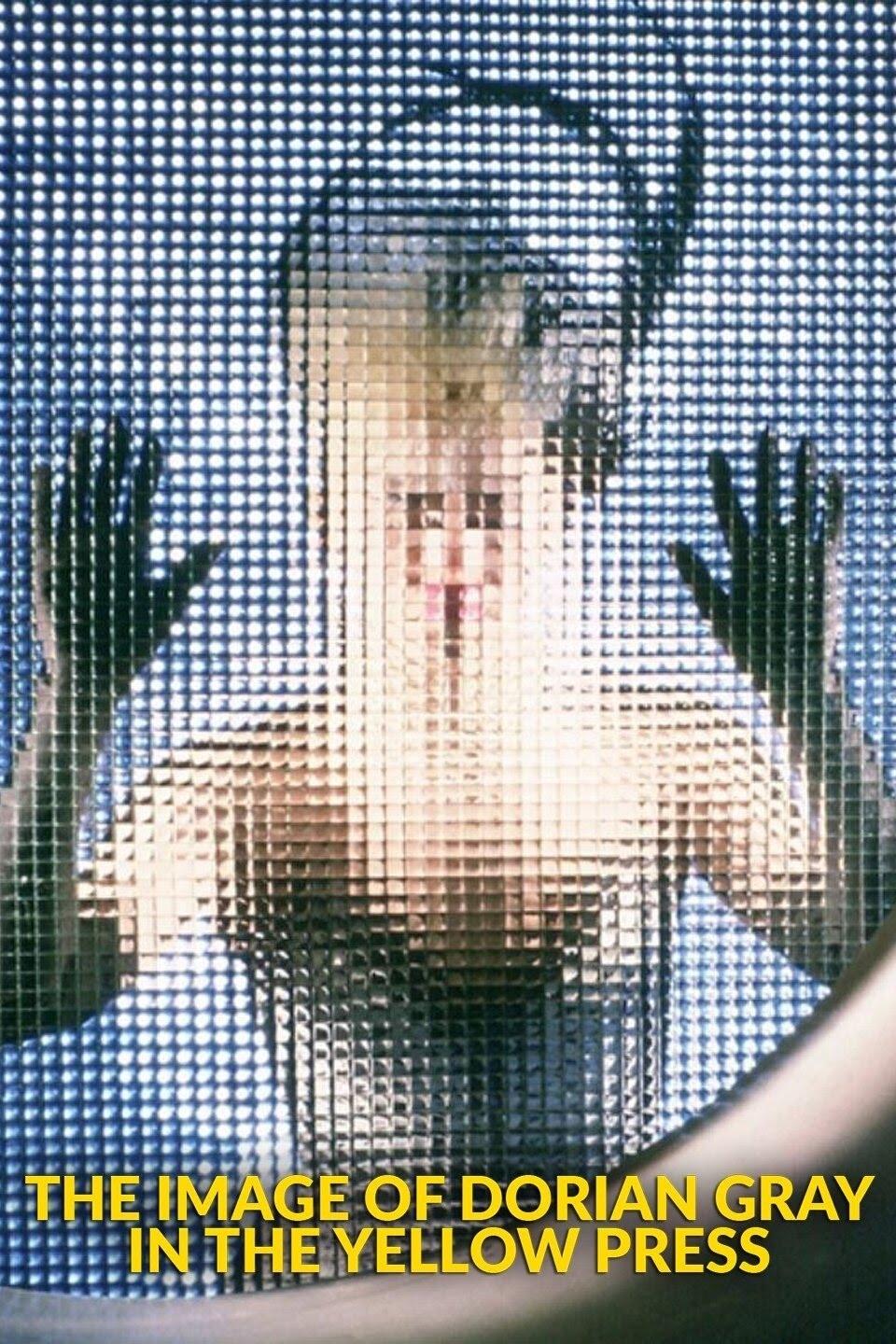
The final installment in Ulrike Ottinger’s Berlin Trilogy (following TICKET OF NO RETURN and FREAK ORLANDO) casts Delphine Seyrig as the nefarious Fritz Lang supervillain Dr. Mabuse, here the head of a powerful media empire that seeks to create headlines by manufacturing (and then publicly destroying) its own celebrity: the wealthy, handsome playboy Dorian Gray.
Dorian Gray im Spiegel der Boulevardpresse
Dorian Gray in the Mirror of the Yellow Press
1984 · 12 votes
- FilmDram
The double suicide of Heinrich von Kleist and his companion Henriette Vogel on November 21, 1811 at the Kleiner Wannsee in Berlin is the focus of this film. Based on testimonies from the preparation days and the day of the suicide, as well as the statements of the Wannsee innkeepers taken from the police records, the suicides are reconstructed - from the planning to the execution.