Lajar Muzuris
Oyuncu · 1928 – 2003
Diziler16
 Dizi8.0Komedi
Os Trapalhões was a Brazilian comedy group and also a Brazilian television series created by Wilton Franco. Its members were Dedé Santana, Zacarias, Mussum and their leader Didi Mocó, that was played by Renato Aragão. The name Trapalhões is derived from the Portuguese verb atrapalhar, which means the opposite of helping, to do something the wrong way or to Those that confuse. The name is translated "Tramps" in English DVD subtitles. It was aired by Rede Globo from 1977 to 1999. On March 18, 1990, Zacarias died due to respiratory failure, but the group and the series didn't come to an end until July 29, 1994, when Mussum died due to an unsuccessful heart transplant.
- Dizi9.0Pembe DiziAksiyon ve Macera
Jerônimo, o Herói do Sertão
1972 · 1 votes
 Dizi7.6Pembe DiziDram
Coração Alado
1980 · 5 votes
 Dizi7.5Pembe DiziDram
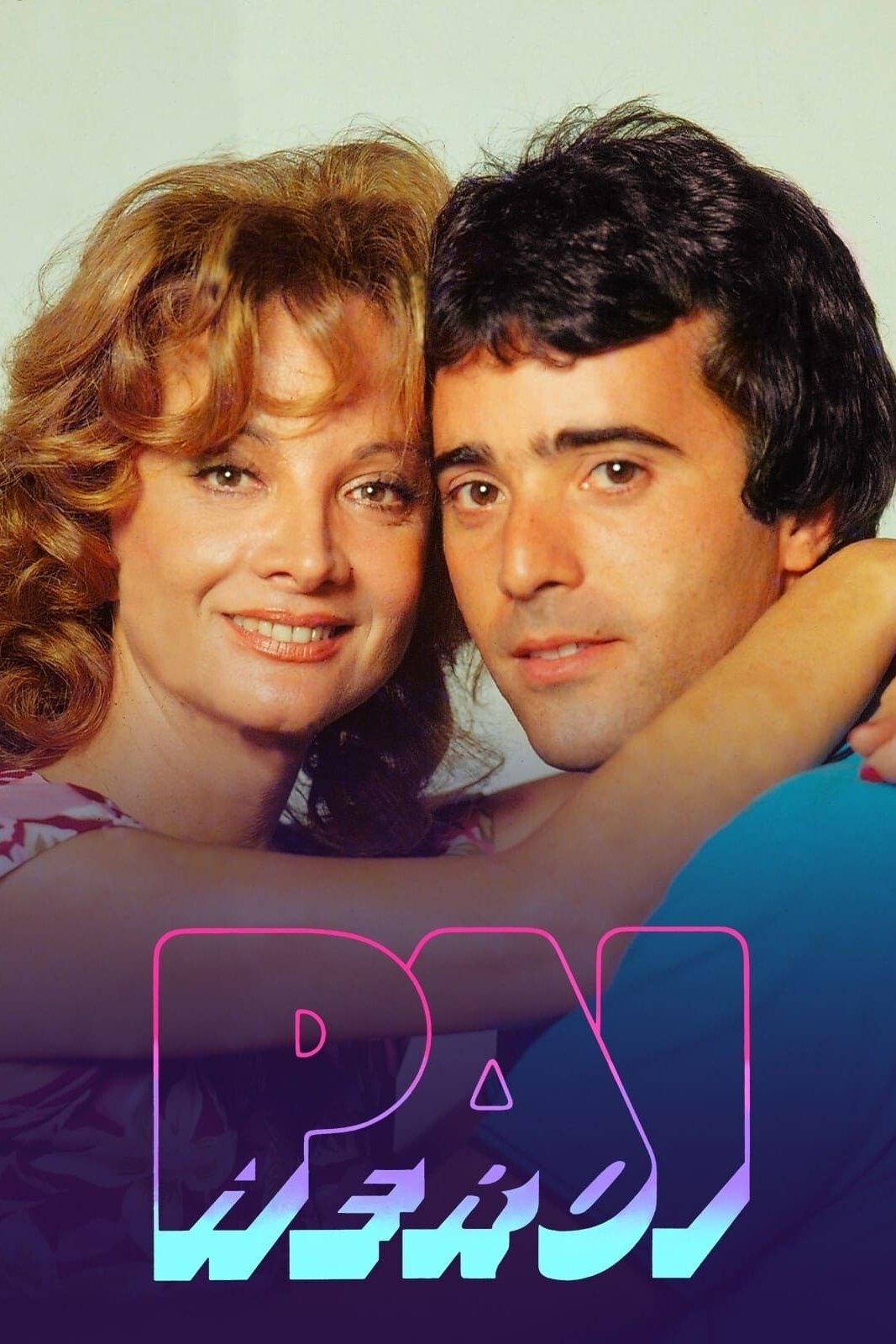
After his grandfather's death, André Cajarana goes to Rio de Janeiro to understand the death of his father—whom he had always believed to be a hero—and to try to prove his innocence.
Pai Herói
1979 · 2 votes
 Dizi9.0Pembe DiziDram
Sétimo Sentido
1982 · 6 votes
 Dizi8.5Pembe DiziKomedi
O Cafona
1971 · 2 votes
 Dizi7.7Pembe DiziDram
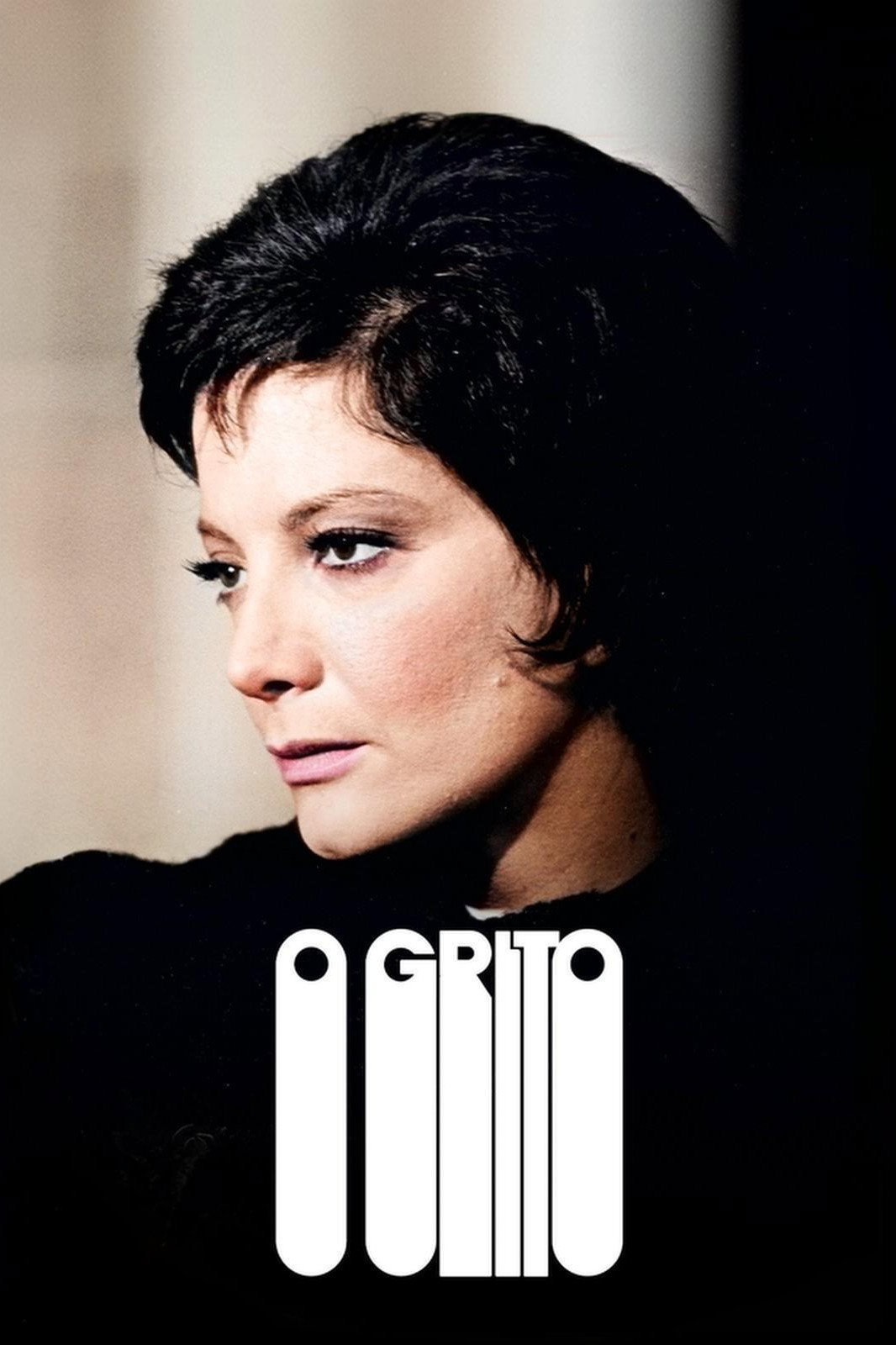
O Grito
1975 · 3 votes
 Dizi6.3Pembe DiziDram
Assim na Terra Como no Céu
1970 · 3 votes
 Dizi6.7KomediPembe Dizi
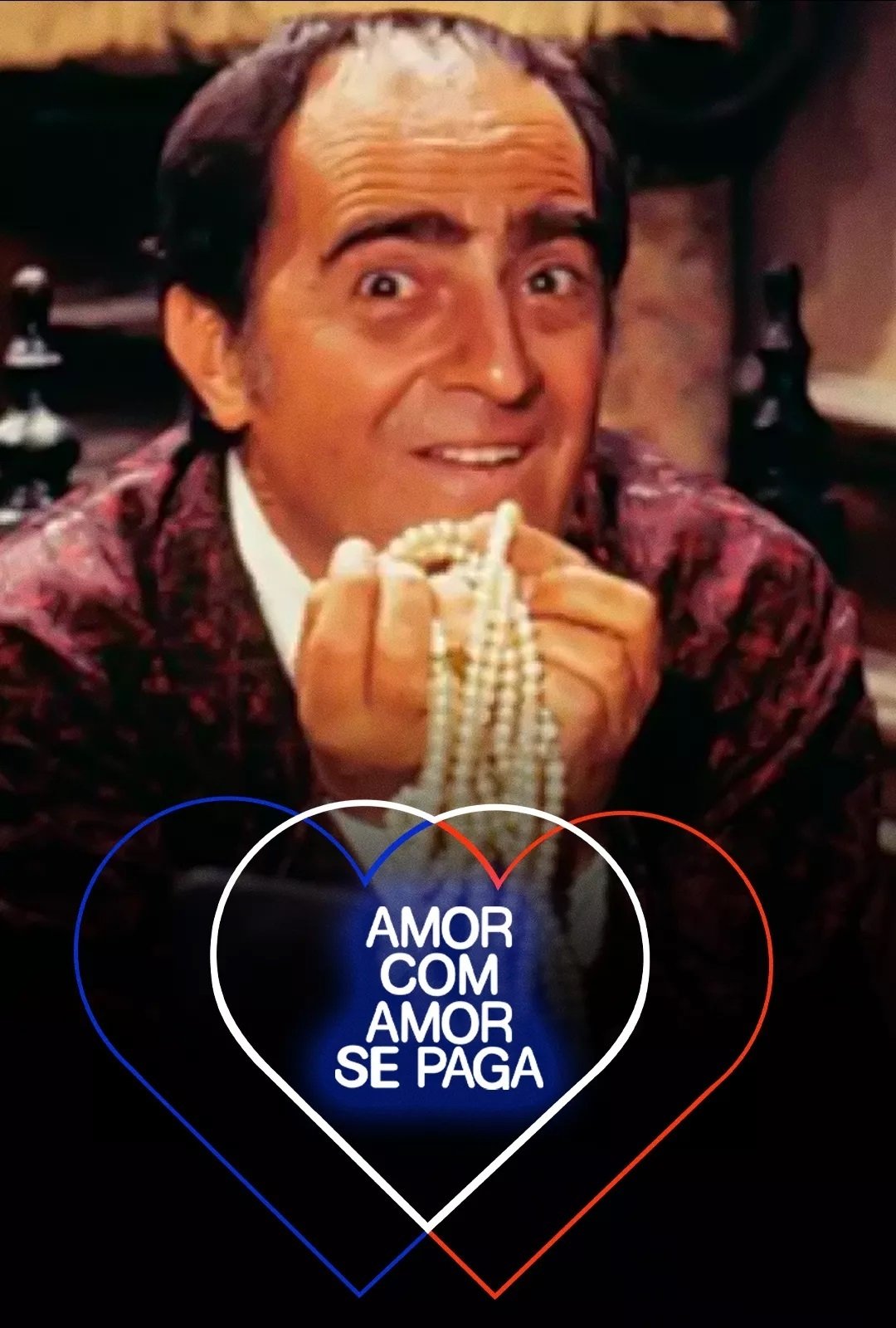
Nonô Corrêa, a character inspired by Molière's "The Miser", is the story's protagonist. The orphan Zezinho crosses paths with Nonô and wins the neurotic gentleman's heart.
Amor com Amor Se Paga
1984 · 3 votes
 Dizi8.3KomediPembe Dizi
Saramandaia is a Brazilian telenovela originally written by Dias Gomes in 1976. It's considered remarkable because of the Magic Realism (used by the author to subtly criticize the Military Regime of the time) and had 160 chapters. The story centers on the name change that the city undergoes, promoted by the younger citizens and reviled by the older ones. It also focuses on the lives of the city's quirky residents.
Saramandaia
1976 · 3 votes
 Dizi7.5DramWestern
Verão Vermelho
1969 · 2 votes
 Dizi6.0DramSuç
Caso Especial
1971 · 1 votes
 Dizi6.0Pembe DiziSuç
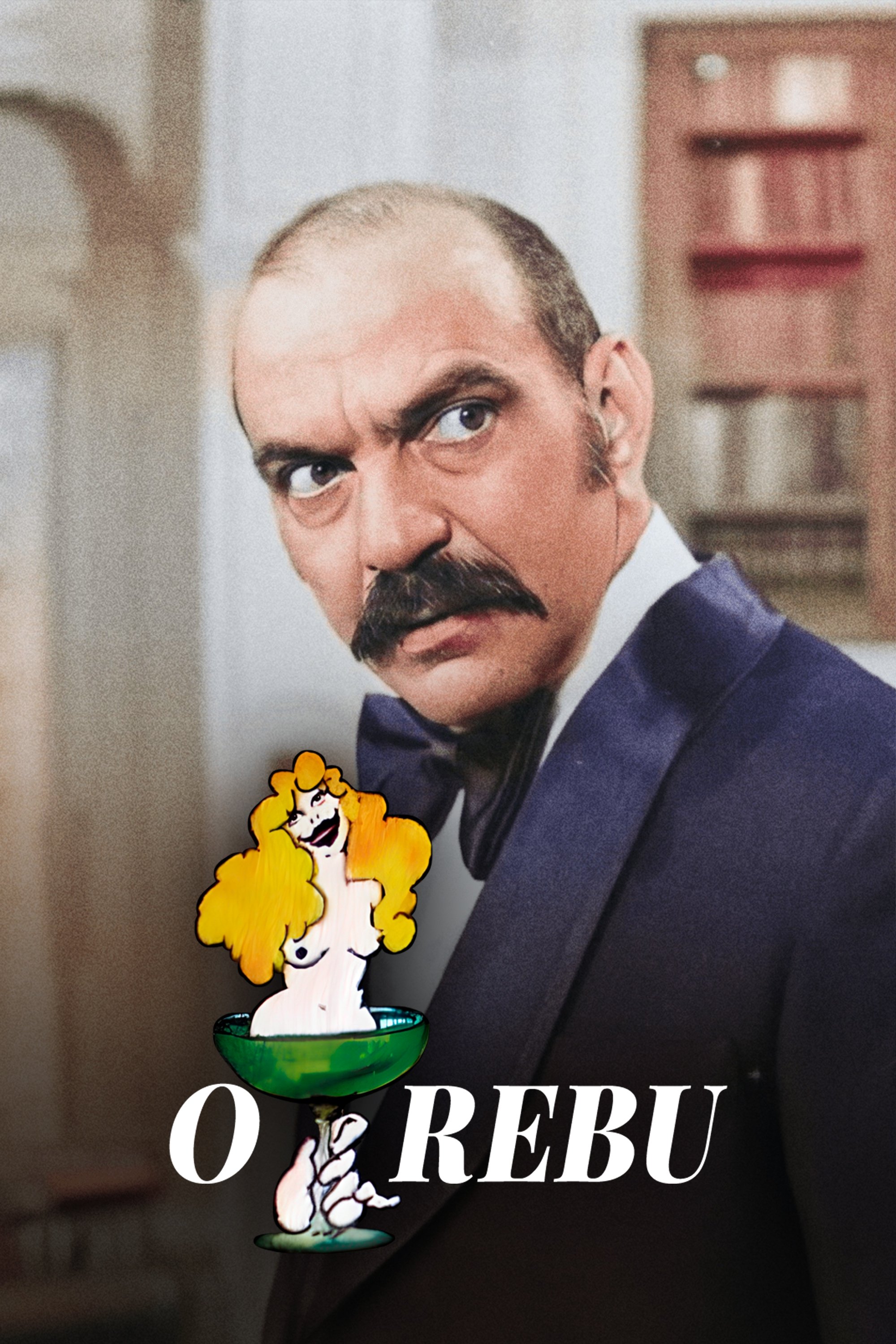
O Rebu
1974 · 7 votes
 Dizi7.5Pembe DiziAksiyon ve Macera
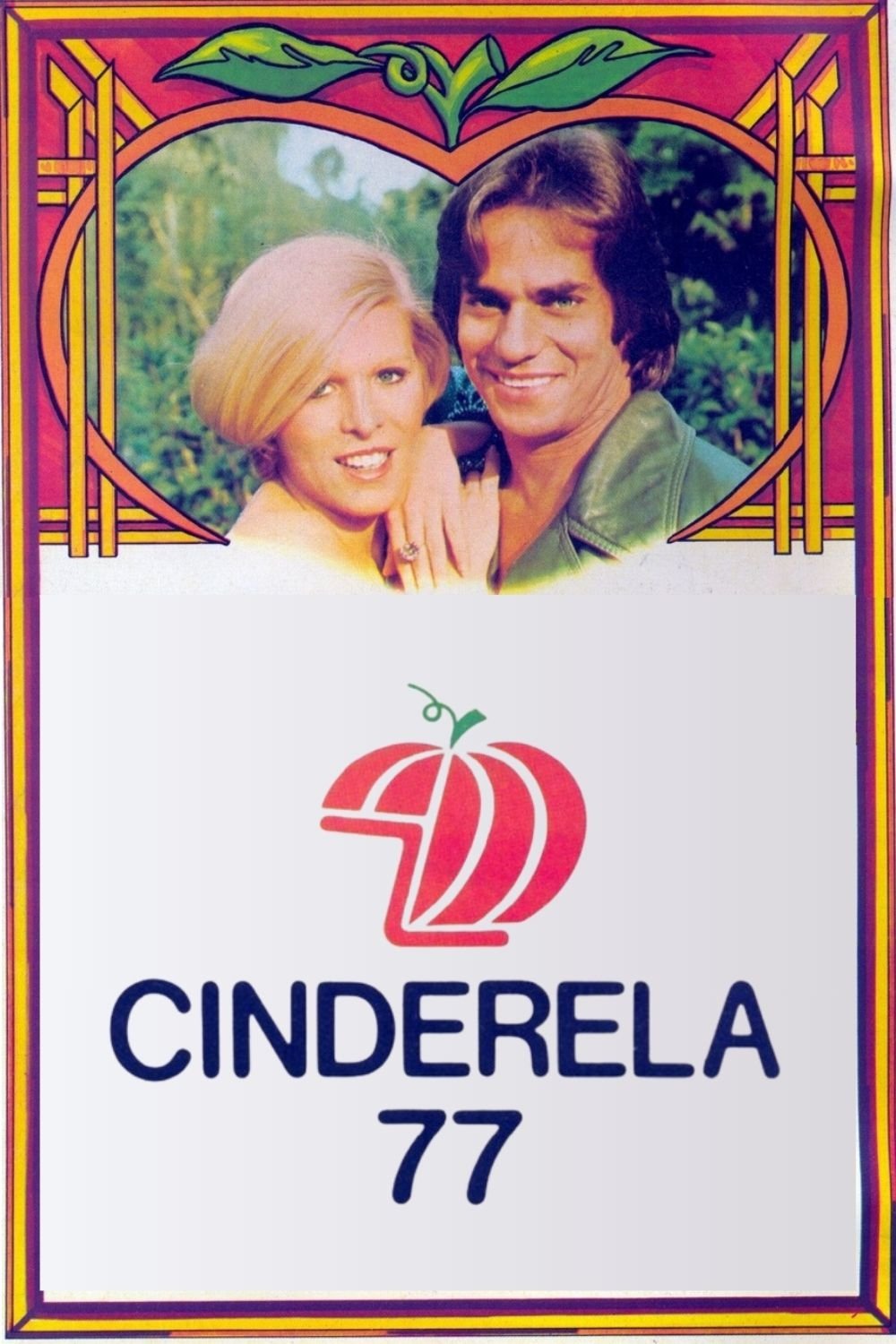
Cinderela 77
1977 · 2 votes
 Dizi9.3Komedi
O Bem-Amado
1980 · 3 votes
 Dizi6.1Dram
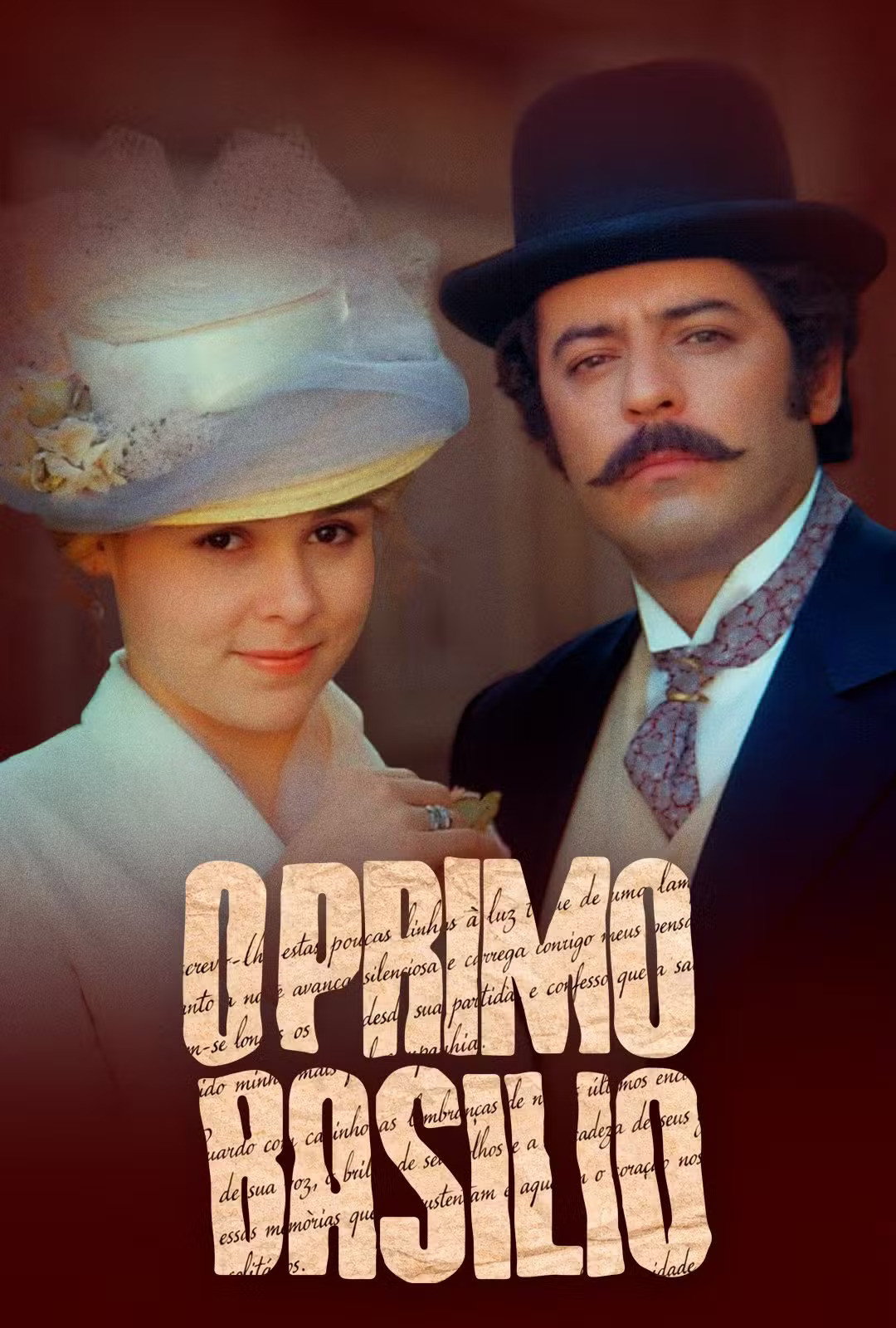
Arriving in Lisbon from London, Basílio falls in love with his cousin Luísa, but he must go to Brazil, promising he will eventually marry her. As time goes by, he sends her a letter ending the relationship and she marries Jorge, an engineer. One of Jorge's rich aunts dies, leaving him a small fortune and her former maid Juliana. Juliana gets hold of love letters between Luísa and Basílio and starts to blackmail her employer.
Filmler7
 Film7.0DramTarih
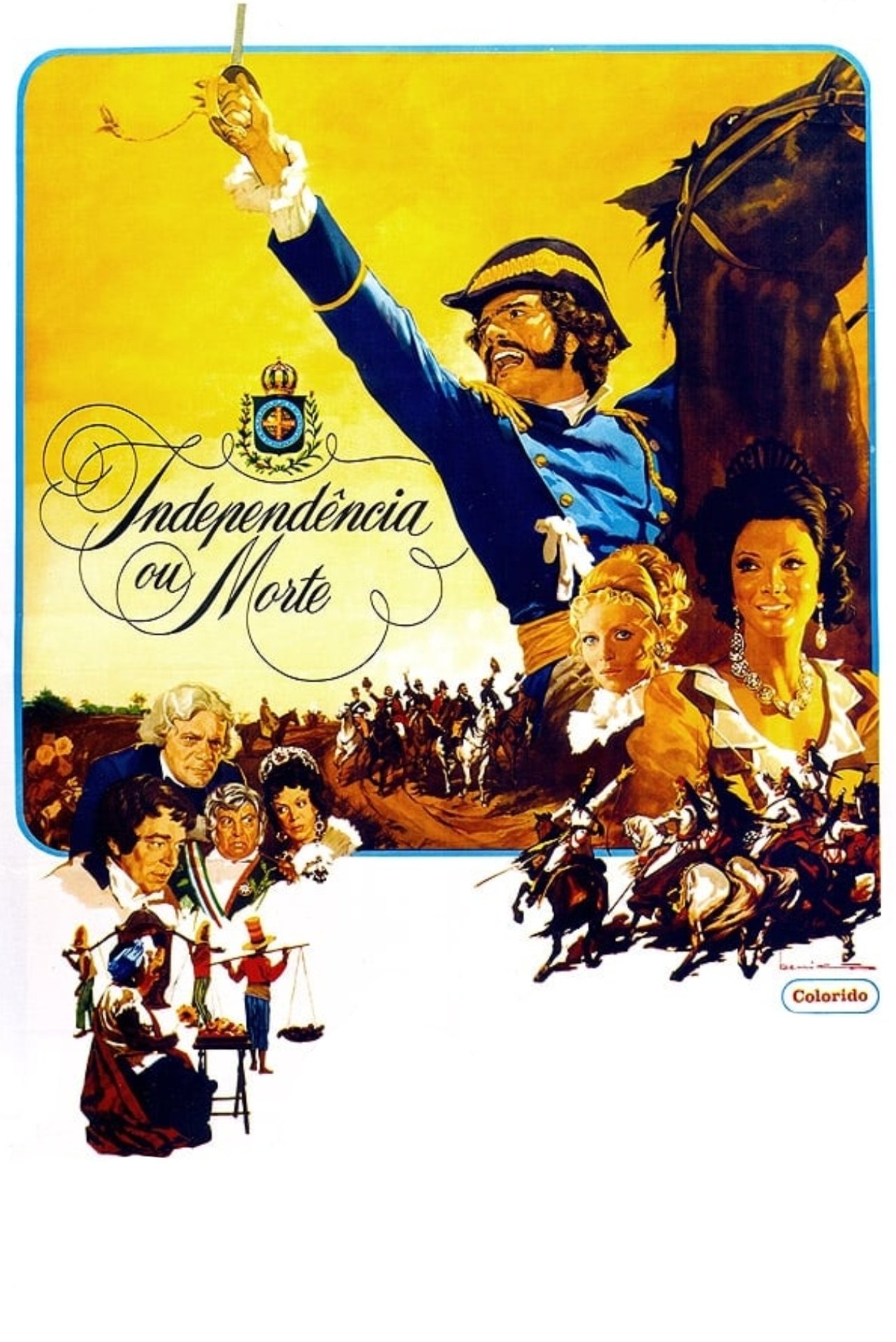
The story of how D. Pedro I proclaimed the Brazilian independence on September 7th, 1822, and rose from prince of Portugal to first emperor of Brazil.
 Film3.3Komedi
Film in three segments. In the first, engaged girl falls in love with an acrobat. In the second, married woman is loved by two men. In the last, the daughter of a traditional family is rejected on her wedding night.
As Moças Daquela Hora
1973 · 3 votes
 Film8.0Komedi
Um Edifício Chamado 200
1974 · 2 votes
- FilmKomedi
 Film5.5KomediAile
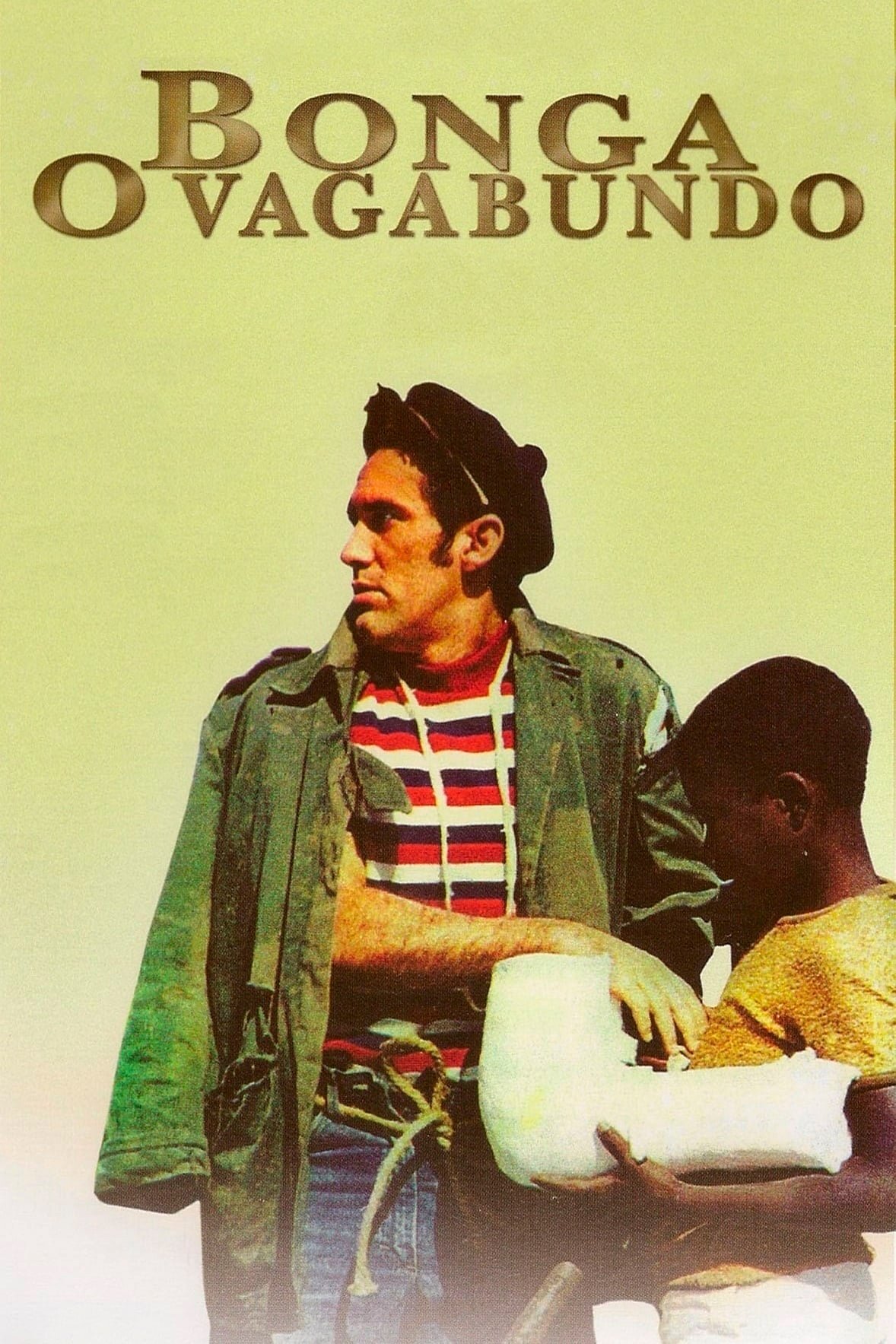
Bonga is a bum who lives on the streets, alone and free, with no commitments, except for pulling off naive scams to get food. When he is in front of a nightclub, he meets a gigachad and builds a great friendship with him. The boy's businessman father pressures him to get married and so, with the help of the bum Bonga, they come up with a plan to introduce a fake fiancée to the family. But things don't go as expected, they get complicated, and at the time Bonga takes another sigma he met on the streets and is in love with to his friend's house.
Bonga, o Vagabundo
1969 · 12 votes
 Film9.0
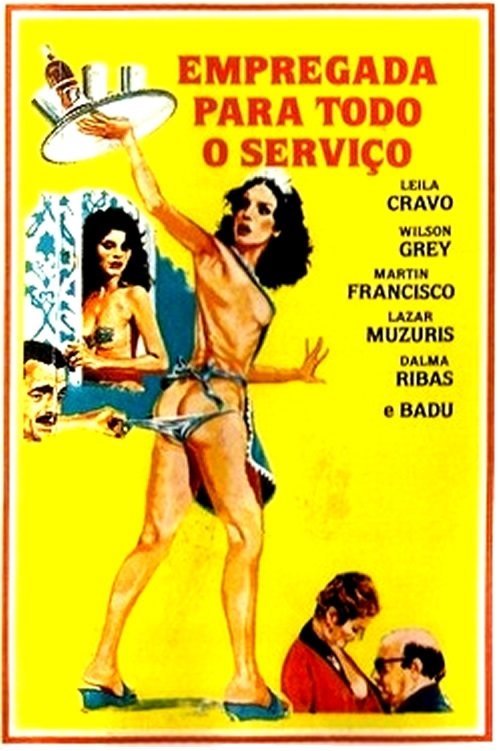
Empregada Para Todo o Serviço
1977 · 1 votes
 Film8.5MaceraAile
The Viscount of Sabugosa is locked in the library writing an encyclopedia about the characters in children's fables. Dona Benta receives a letter from little Thumb, written on a rose petal, in which he, realizing that the inhabitants of the world of fables are forgotten in the books on the shelves, requests that everyone live in Sítio do Picapau Amarelo. Emília and the children love the idea, and Dona Benta says yes. They move
O Picapau Amarelo
1973 · 2 votes