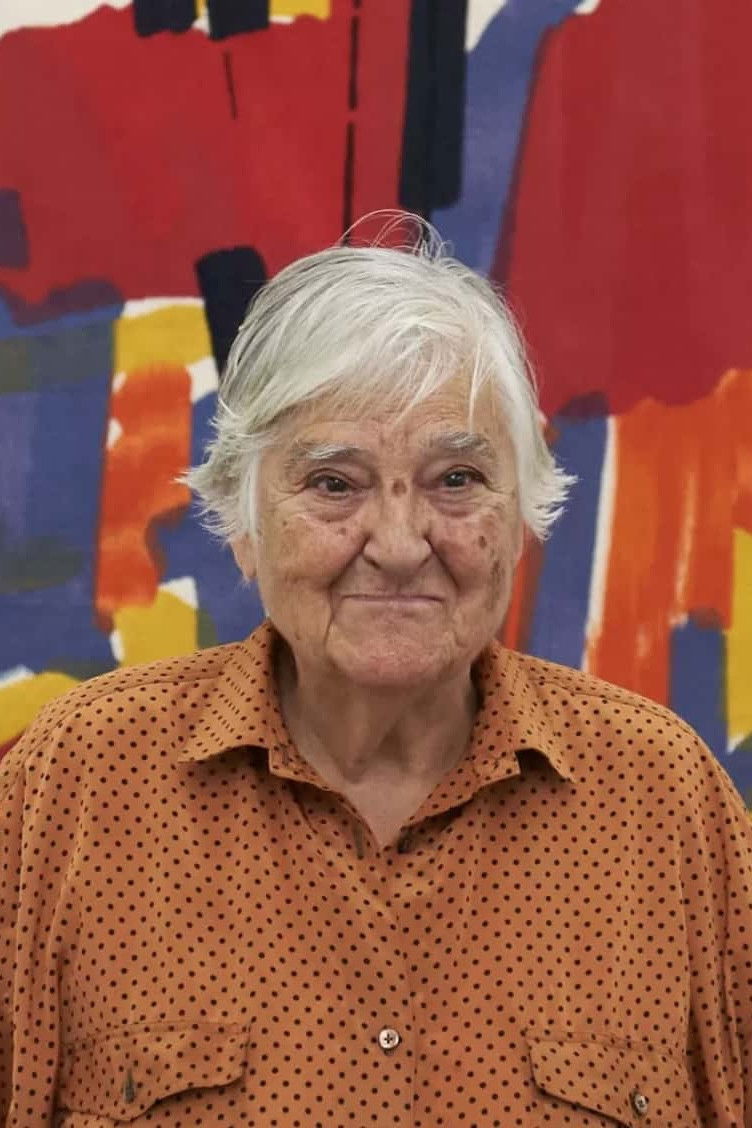
Etel Adnan
Oyuncu · 1925 – 2021 · Beirut, Lebanon
Etel Adnan was a Lebanese-American poet, essayist, and visual artist. In 2003, Adnan was named "arguably the most celebrated and accomplished Arab American author writing today" by the academic journal MELUS: Multi-Ethnic Literature of the United States.
Filmler5
 Film6.0Belgesel
A few months after the incident of April 13, 1975, during which Palestinian civilians were machine-gunned by Phalangist militiamen, the toll is most tragic: six thousand dead, twenty thousand wounded, incessant kidnappings, a semi-destroyed capital. This film traces the origins of the Lebanese conflict, the perception of a society that goes to war while singing. A unique document on the Lebanese civil war. Beyond the religious war, the painting of a social and political reality that has not changed much, more than four decades later.
 FilmBelgesel
The film reconstructs through an array of visual fragments, a multiplicity of languages, of peoples and their identities, the unique portrait of the poet and painter Etel Adnan.
 FilmBelgesel
Michael Shamberg's P.S. Beirut, Chapter One is a personal journey to Beirut and the first chapter of a series bent on «discovering» the lost briefcase of Walter Benjamin which went missing when Benjamin's body was found
 FilmBelgesel
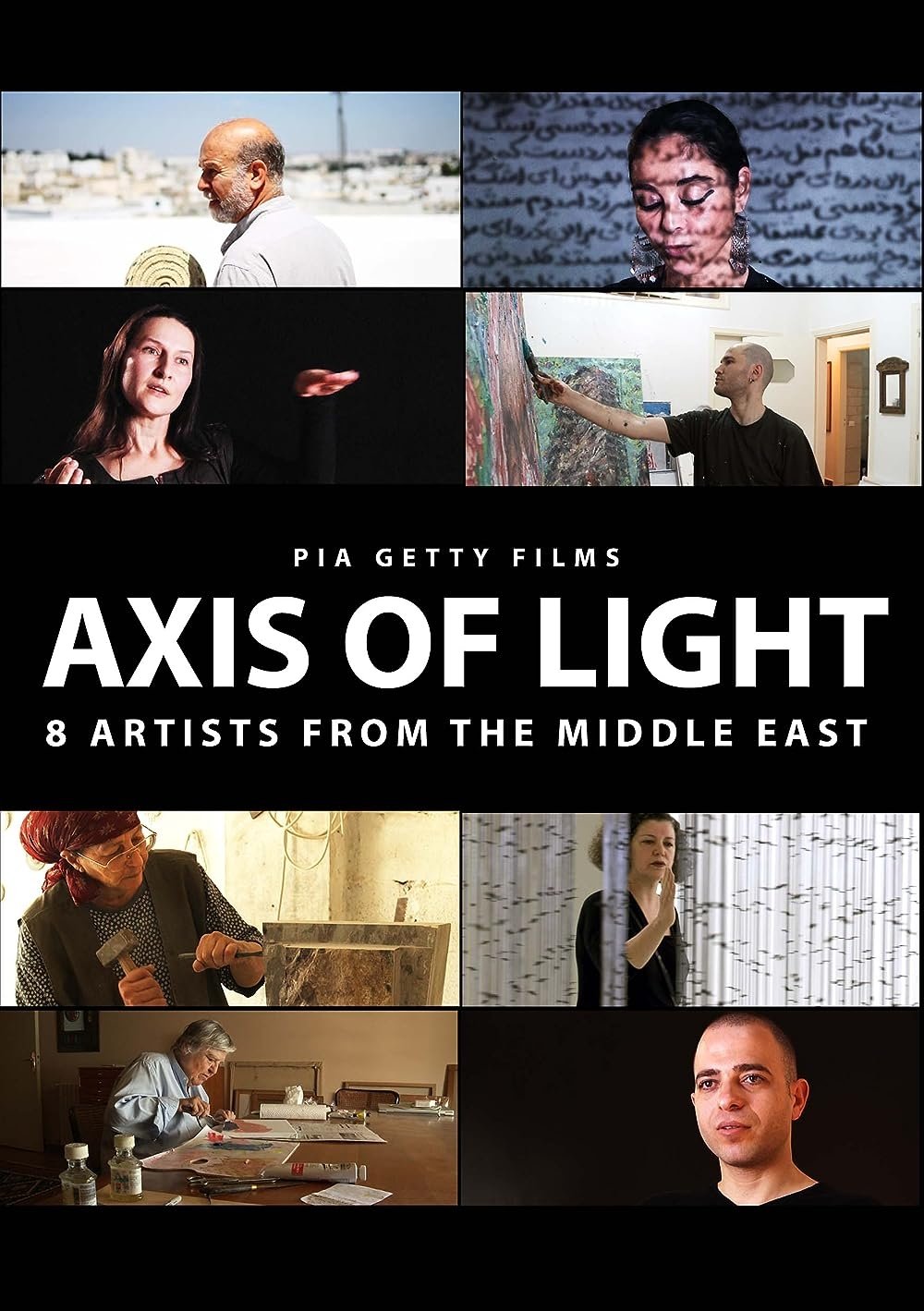
Seen through the work of eight leading artists from the Middle East, Axis of Light is a poignant and absorbing observation of the influences of conflict.
Axis of Light
2011
 FilmBelgesel
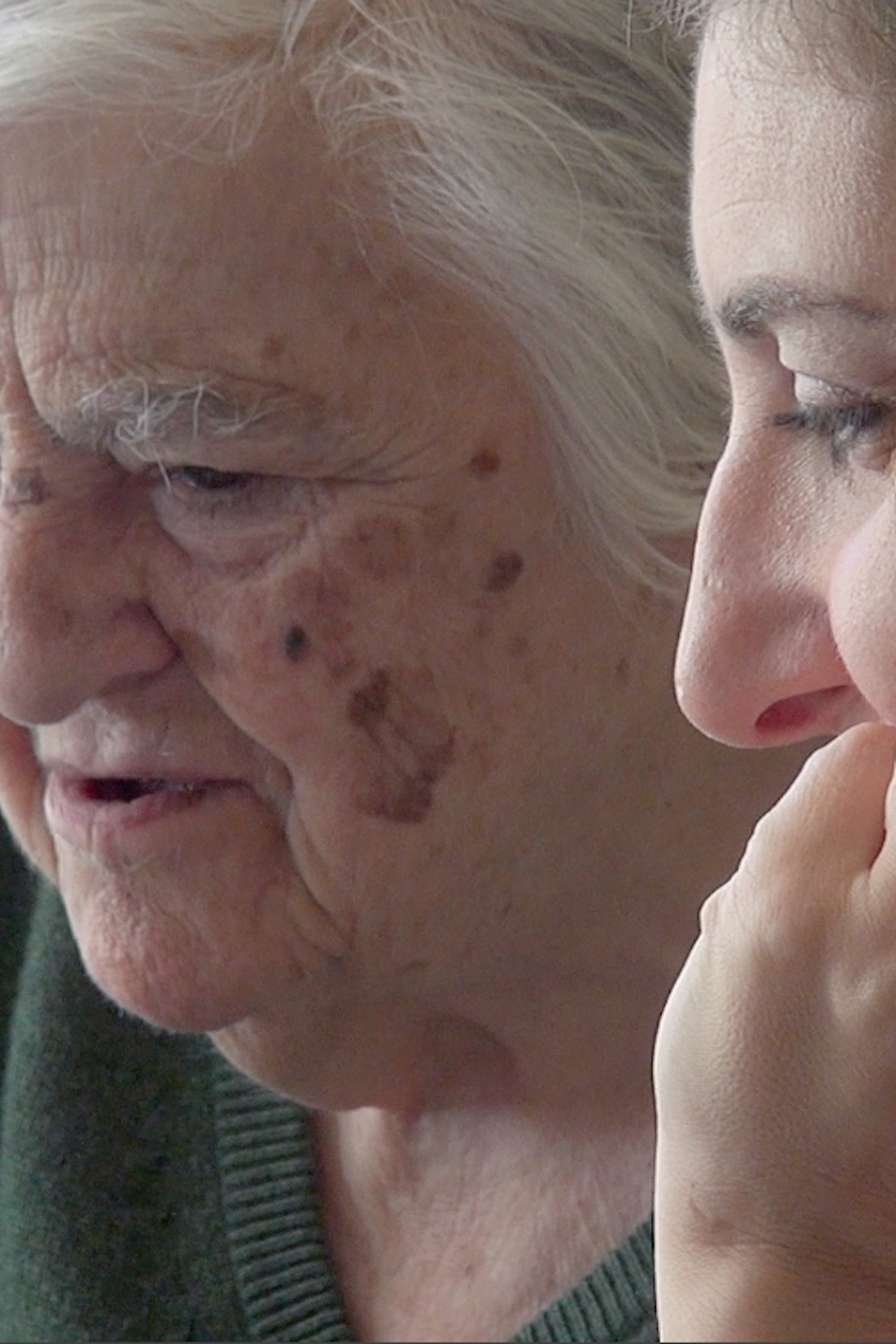
Joana Hadjithomas and the artist and poet Etel Adnan met fifteen years ago. They quickly became close, sharing a city that they had never been to: Smyrna, in Turkey. Joana’s paternal Greek family were forced into exile from Smyrna by the Turkish armies after the end of the Ottoman Empire. Etel’s Greek mother was also born in Smyrna and was married to a Syrian officer of the Ottoman Army and exiled in Lebanon after the fall of the empire. Etel and Joana have both lived in an imaginary Smyrna, today called Izmir, without ever setting foot there. Nowadays they are confronted with the transmission of history and trauma, questioning their attachment to objects, places, imaginary constructions and mythologies without images. What is to be done with the sorrow of our parents? Their personal experiences, their stories serve as a background to the region’s changes after the fall of the Ottoman Empire, the evolution of the borders questioning the notion of identity and belonging.
Ismyrna
2016