Frances Negrón Muntaner
Senarist · d. 1966 · Santurce, Puerto Rico
Frances Negrón-Muntaner (born 1966 in San Juan, Puerto Rico) is an award-winning Puerto Rican filmmaker, writer, and scholar. Her work is focused on a comparative exploration of coloniality, primarily in Puerto Rico and the United States, with special attention given to the intersections between race, ethnicity, gender, sexuality, and politics. She is an associate professor of English and Comparative Literature and Director of the Center for the Study of Ethnicity and Race at Columbia University in New York City.
Filmler4
 Film7.4Belgesel
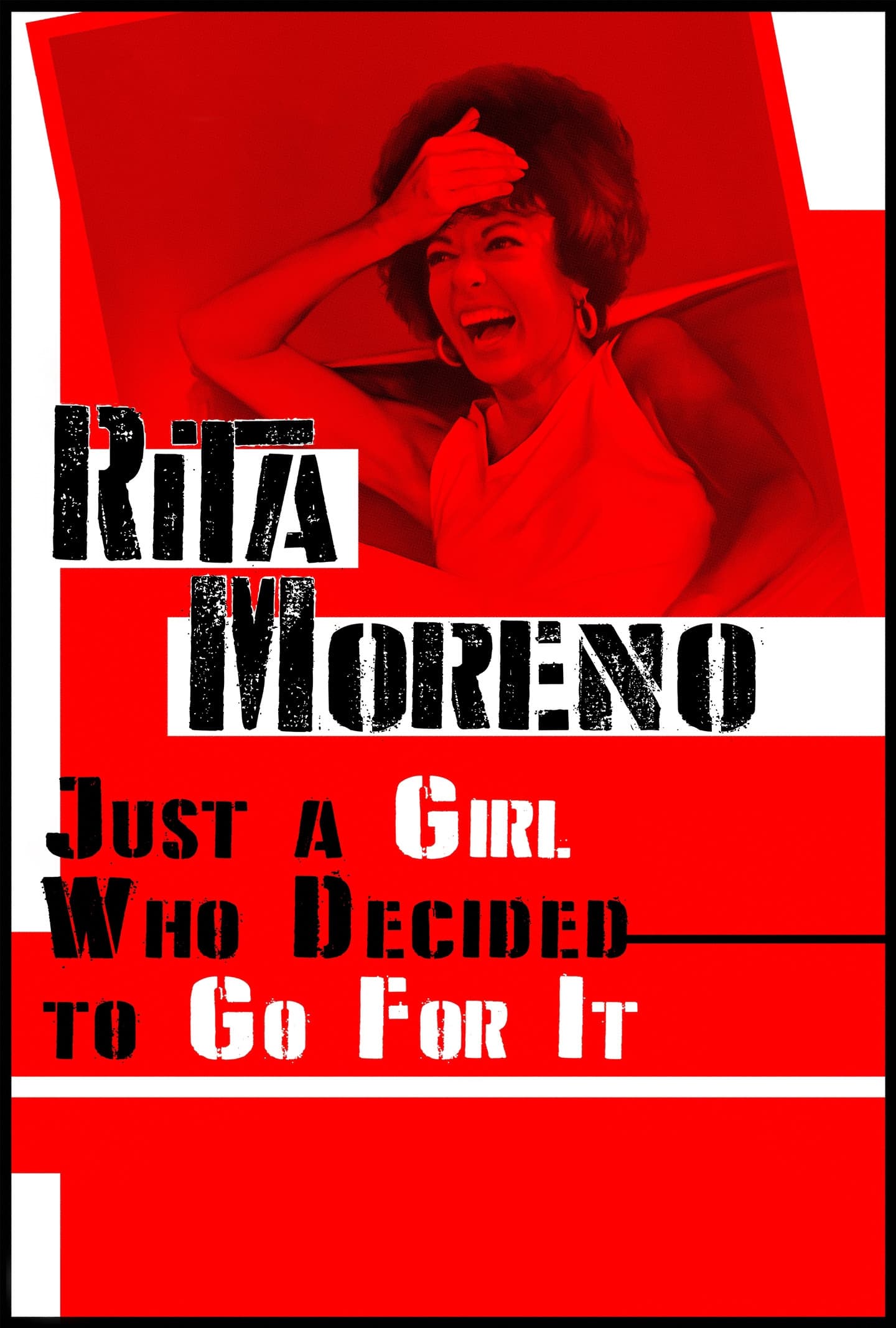
Emmy, Grammy, Oscar ve Tony ödüllü Rita Moreno, 70 yıllık olağanüstü Hollywood kariyerinin öyküsünü cüretkârlık ve iğneleyici mizahla yoğurduğu bir dille anlatıyor.
 FilmBelgesel
A one-hour, non-partisan program in English and Spanish encouraging Latinos to vote. It features inspiring stories of leading Latino celebrities and media personalities such as María Celeste Arrarás, Prince Royce, Jorge Ramos and Adrienne Bailon, who are on a mission to make the voice of the Latino community heard in 2016.
Habla y vota
2016
 FilmDram
Contemplates the notion of "identity" through the experiences of a Puerto Rican woman living in the US. In a wonderful mix of fiction, archival footage, processed interviews and soap opera drama, the film tells the story of Claudia Marin, a middle-class, light-skinned, lesbian Puerto Rican photographer / videographer who is attempting to construct a sense of community in the US. Confronting the simultaneity of both her privilege and her oppression, this experimental narrative becomes a meditation on class, race, and sexuality as shifting differences.
- Film1.0Belgesel
Documentary that highlights 18 women and covers a period of time from the 50's to the 90's. The women chosen were selected because they represent the real diversity within both feminism and independent film and video. They range in age from 65 to 25. They are black, white, Puerto Rican, Yugoslavian, Asian American, biracial. They are straight, gay and bisexual. What they share is a need to express their own interpretations of what American culture is and could be and a belief that this work is made particularly powerful through the media.
Women of Vision
1998 · 2 votes