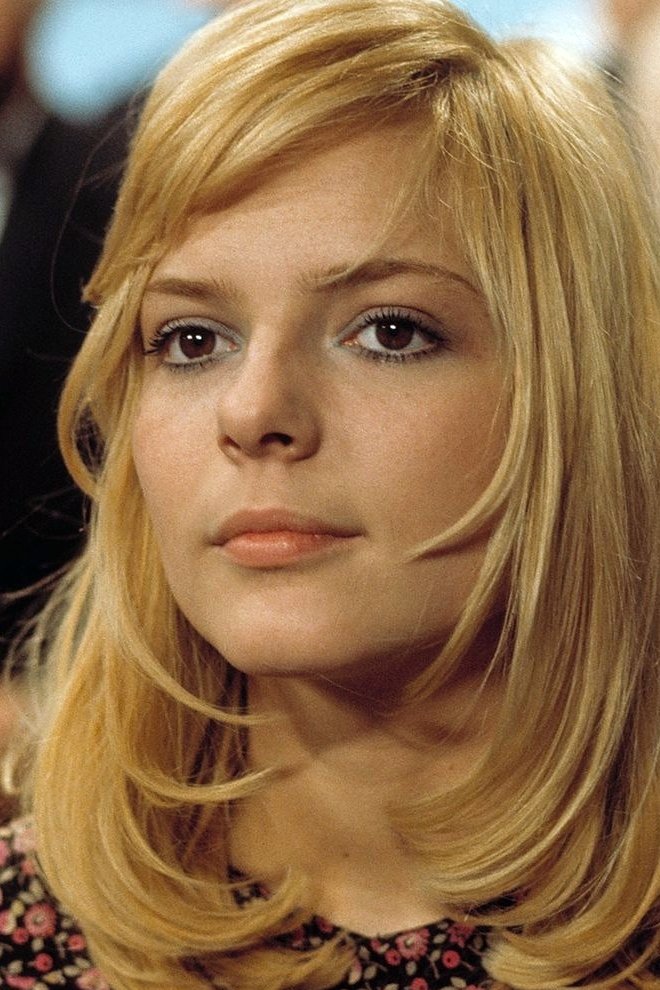
France Gall
Oyuncu · 1947 – 2018 · Paris, France
Isabelle Geneviève Marie Anne Gall (9 October 1947 – 7 January 2018), known professionally as France Gall, was a French yé-yé singer. In 1965, at the age of 17, she won the tenth edition of the Eurovision Song Contest with the song "Poupée de cire, poupée de son", representing Luxembourg. Later in her career, she worked with singer-songwriter Michel Berger, whom she married in 1976. Her most successful singles include "Résiste", "Ella, elle l'a" and "Évidemment". Gall was born in Paris on 9 October 1947, to a highly musical family. Her father, the lyricist Robert Gall, wrote songs for Édith Piaf and Charles Aznavour. Her mother, Cécile Berthier, was a singer as well and the daughter of Paul Berthier, the co-founder of Les Petits Chanteurs à la Croix de Bois. The only daughter of her family, France had two brothers: Patrice and Philippe. In spring 1963, Robert Gall encouraged his daughter to record songs and send the demos to the music publisher Denis Bourgeois. That July, she auditioned for Bourgeois at the Théâtre des Champs-Élysées in Paris, after which Bourgeois wanted to sign her immediately. France was subsequently signed to Philips. At the time, Bourgeois was working for the label as artistic director for Serge Gainsbourg and assumed this role for Gall as well. He encouraged her to record four tracks with the French jazz musician, arranger and composer Alain Goraguer. The first airplay of Gall's first single "Ne sois pas si bête" ("Don't Be So Stupid") occurred on her 16th birthday. It was released in November and became a hit, selling 200,000 copies. Gainsbourg, who had released several albums and written songs for singers including Michèle Arnaud and Juliette Gréco, was asked by Bourgeois to write songs for Gall. Gainsbourg's "N'écoute pas les idoles" ("Don't listen to the idols") was Gall's second single; it reached the top of the French charts in March 1964 and stayed there for three weeks. At the same time, Gall made her live debut, opening for Sacha Distel in Belgium. She teamed with Distel's business manager Maurice Tézé, a lyricist, which allowed her to create an original repertoire, unlike the majority of her contemporaries who sang adaptations of Anglophone hits. Elaborate orchestrations by Alain Goraguer blended styles, permitting her to navigate among jazz, children's songs, and other genres. Examples of this mixed-genre style included "Jazz à gogo" (by Alain Goraguer and Robert Gall) and "Mes premières vraies vacances" (by Jacques Datin and Maurice Vidalin). Gall and Gainsbourg's association produced many popular singles, continuing through the summer of 1964 with the hit song "Laisse tomber les filles" ("Leave the girls alone") followed by "Christiansen" by Datin-Vidalin. Gainsbourg also secretly recorded Gall's laughter to use on "Pauvre Lola", a track on his 1964 album Gainsbourg Percussions. Having previously resisted, Gall gave in to her managers at the end of 1964 and recorded a single intended for children. The song "Sacré Charlemagne", written by her father, and set to the music of George Liferman, was a hit in 1965, peaking at number one in France and number five in Turkey. ... Source: Article "France Gall" from Wikipedia in English, licensed under CC-BY-SA.
Diziler23
 Dizi5.7Talk Show
Sacrée soirée
1987 · 5 votes
 Dizi3.6Talk Show
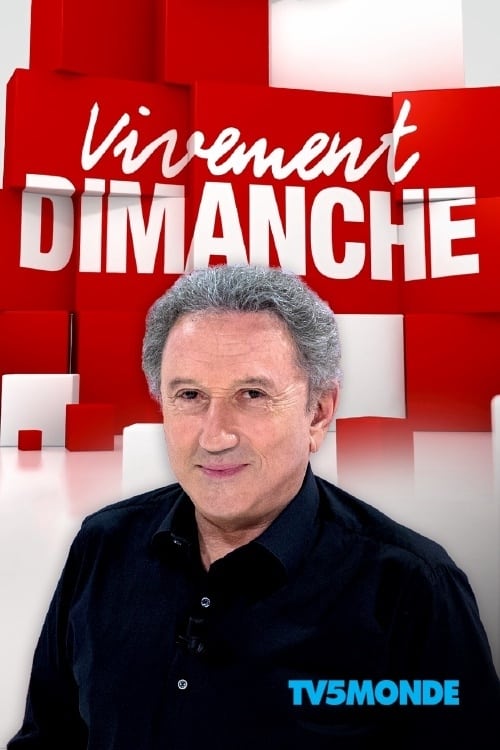
Vivement dimanche
1998 · 9 votes
 Dizi6.8Talk Show
Champs-Elysées
1982 · 9 votes
 Dizi7.4RealiteTalk Show
Eurovision Şarkı Yarışması, Avrupa Yayın Birliği (EBU) tarafından her yıl düzenlenen ve öncelikle Avrupa ülkelerini temsil eden katılımcıların yer aldığı uluslararası bir şarkı yarışmasıdır. Her katılımcı ülke, Avrupa Yayın Birliği'nin Eurovision ve Euroradio ağları aracılığıyla ulusal yayıncılara ilettiği canlı televizyon ve radyolarda gerçekleştirilecek orijinal bir şarkı sunar ve her ülke kazananı belirlemek için diğer ülkelerin şarkılarına oy verir.
 Dizi6.0Talk Show
A talk show presented by Michel Drucker
Les Rendez-vous du dimanche
1975 · 2 votes
 Dizi9.0Realite
Midi Première is a French variety show presented by Danièle Gilbert, directed by Jacques Pierre and broadcast from January 6, 1975 until January 1, 1982 on TF1. The program was generally broadcast between 12:15 p.m. and 12:55 p.m., then giving way to the 1:00 p.m. TV news. However, the broadcast schedule could change, depending on the guests, and the setting where the recording of the program was shot. Certain performances by artists who have become cult like the one where Ringo jostles with a demonstrator in interpretation (1977), that of Dalida with the title There is always a song with the soundtrack that does not start, twice, at the right speed (1978), Claude François and his Clodettes, who, in the provinces, are unable to join "the set" in order to interpret his song, the latter being taken by the crowd of delirious fans (summer 1977) . The group Supertramp performed there with the title "Dreamer" on March 8, 1975.
Midi Première
1975 · 2 votes
- Dizi7.3Talk Show
Die Drehscheibe
1964 · 3 votes
 DiziTalk Show
 Dizi7.2Talk ShowÇocuk
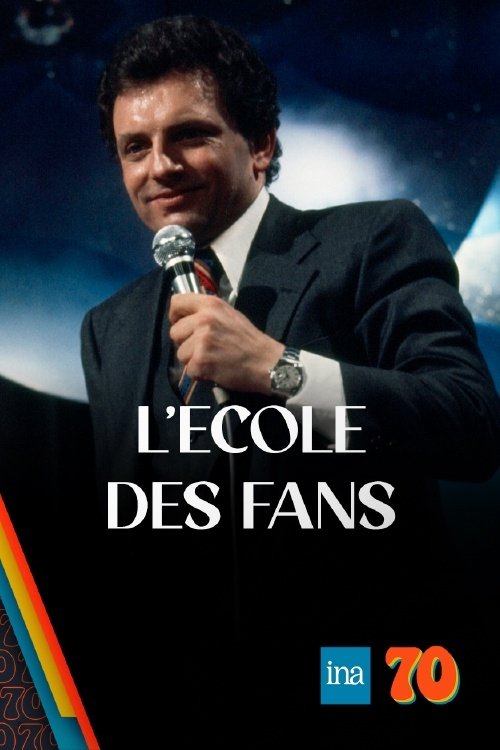
Host Jacques Martin invites different talented children from various backgrounds to showcase their beautiful voices. The participants entertain and wow the audience with their lovely performances.
 Dizi8.0Talk ShowHaber
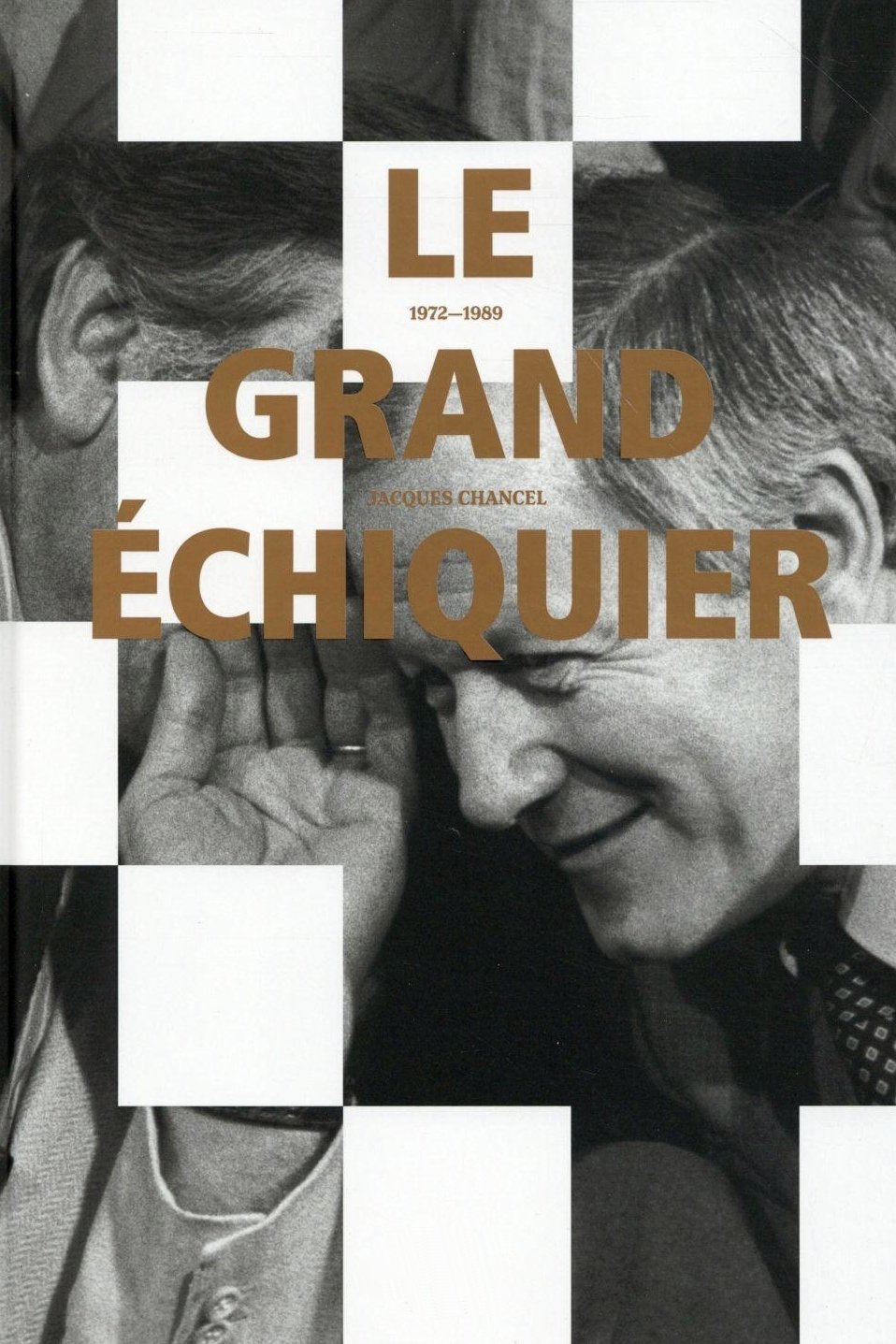
Le Grand Échiquier is a French variety television program created and presented by Jacques Chancel. It aired at 8:30 pm on the first channel of the ORTF from January 12, 1972 to July 12, 1972, then on the second color channel of the ORTF from September 1972 to December 1974, and finally on Antenne 2 from January 1975 to December 21, 1989. The program returned to France 2 on December 20, 2018 and is hosted by Anne-Sophie Lapix.
Le Grand Échiquier
1972 · 3 votes
 Dizi7.5Realite
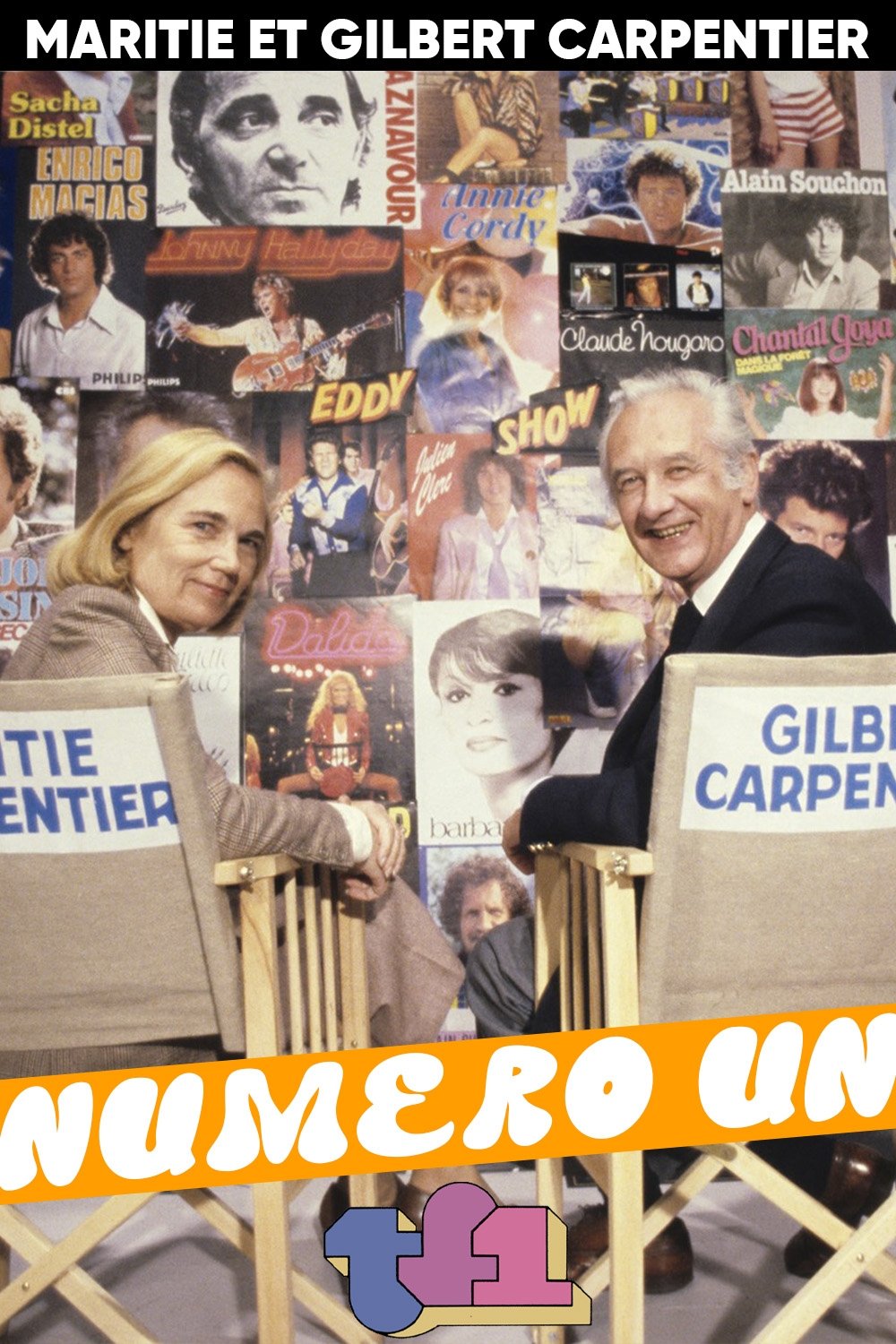
A French variety show.
Numéro un
1975 · 2 votes
 Dizi6.0Realite
Midi trente
1972 · 1 votes
 Dizi8.0Talk Show
Discorama
1959 · 1 votes
- Dizi6.0Talk Show
Samedi soir
1971 · 1 votes
 Dizi3.3
Victoires de la musique
1985 · 3 votes
 Dizi7.8Realite
Live performances, more live performances. Every episode features a lineup of French and international artists, cult classics, unexpected duets, and original covers... A truly prestigious music stage, graced by both the biggest names and those on their way to stardom.
Taratata
1993 · 5 votes
- DiziRealite
Système 2
1975
- Dizi7.0Realite
Musik aus Studio B
1961 · 1 votes
 Dizi6.2Realite
Stars 90
1990 · 2 votes
 Dizi9.0
La chanson de l'année
2004 · 1 votes
- DiziRealite
 Dizi6.5BelgeselPembe Dizi
Il était une fois Champs-Élysées
2022 · 5 votes
 Dizi10.0Talk Show
Starparade
1968 · 1 votes
Filmler10
 Film7.2TarihBelgesel
In May 1974, Valéry Giscard d'Estaing became President of the Republic and wanted to bring about a new era of modernity. One of his first decisions was to break up the ORTF with the creation of three new television channels: TF1, Antenne 2 and FR3. Three new public channels but autonomous and competing. It is a race for the audience which is engaged then, and from now on the channels will make the war! This competition will give birth to a real golden age for television programs, with variety shows in the forefront. The stars of the song are going to invade the living rooms of the French for their biggest pleasure. This unedited documentary tells the story of the metamorphosis of this television of the early 1970s, between freedom of tone, scandals, political intrigues and programs that have become mythical.
La TV des 70's : Quand Giscard était président
2022 · 5 votes
 Film8.0Müzik
 Film5.0AileMüzik
50 ans de Numéro Un - Les Carpentier
2025 · 1 votes
 Film7.4Belgesel
What if French Rock were born with Edith Piaf? From sweet sixties pop to today's gender-indifferent anthems, from feminist rebels of the seventies to fashion icons of the social media age, from Françoise Hardy to Christine & The Queens, via Vanessa Paradis, Catherine Ringer, Charlotte Gainsbourg and many more, Oh Les Filles! tells the untold story of French female rock stars. Narrated by Clémence Poésy, this groundbreaking documentary combines interviews and iconic footage to radically reverse perspectives and give the patriarchy a kick!
 Film4.1Belgesel
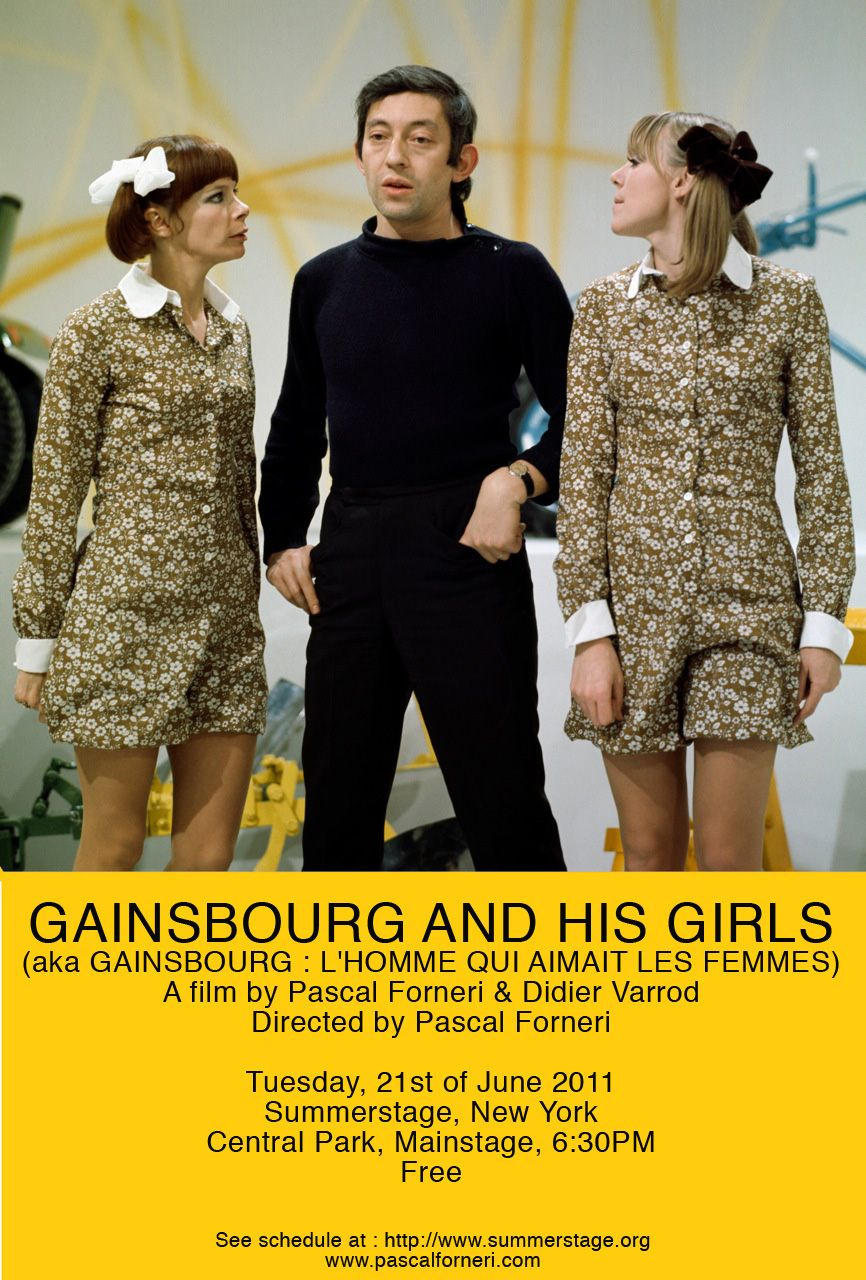
Provocative, misunderstood, unloved, cynical poet... Serge Gainsbourg as seen by the women in his life: Juliette Gréco, Vanessa Paradis, Jane Birkin, Brigitte Bardot, Régine, France Gall, Charlotte Gainsbourg, Bambou... An intimate portrait of the man who could not live without them.
 Film9.0Belgesel
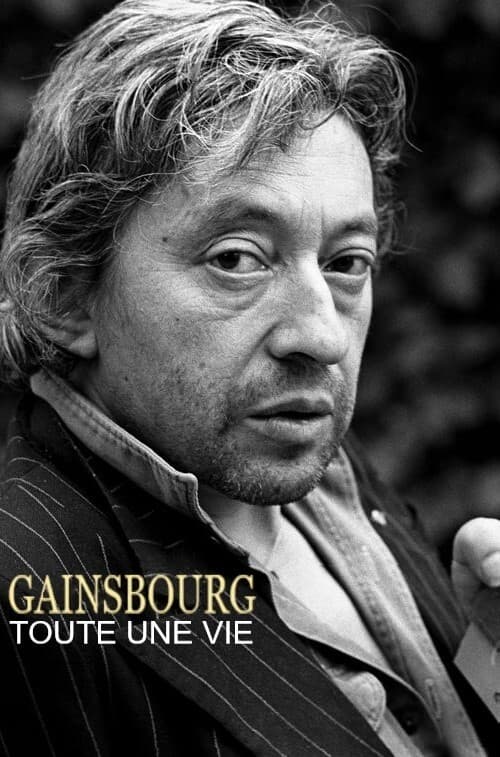
Serge Gainsbourg died on March 2, 1991, at the age of 62. If the general public has remained on his television appearances of the 80s, the fact remains that Gainsbourg had several careers before these last years. With Gainsbourg stripped of his masks, this is the theme of this self-portrait documentary: "In the end, I was left with the watermark of this shy and secretive child who implies candor, innocence, insubordination and savagery". Each sequence of this modest and passionate portrait reveals a secret, intimate, funny and touching Gainsbourg, at a good distance from Gainsbarre, his last public face.
Gainsbourg, toute une vie
2021 · 3 votes
 Film8.3TV Movie
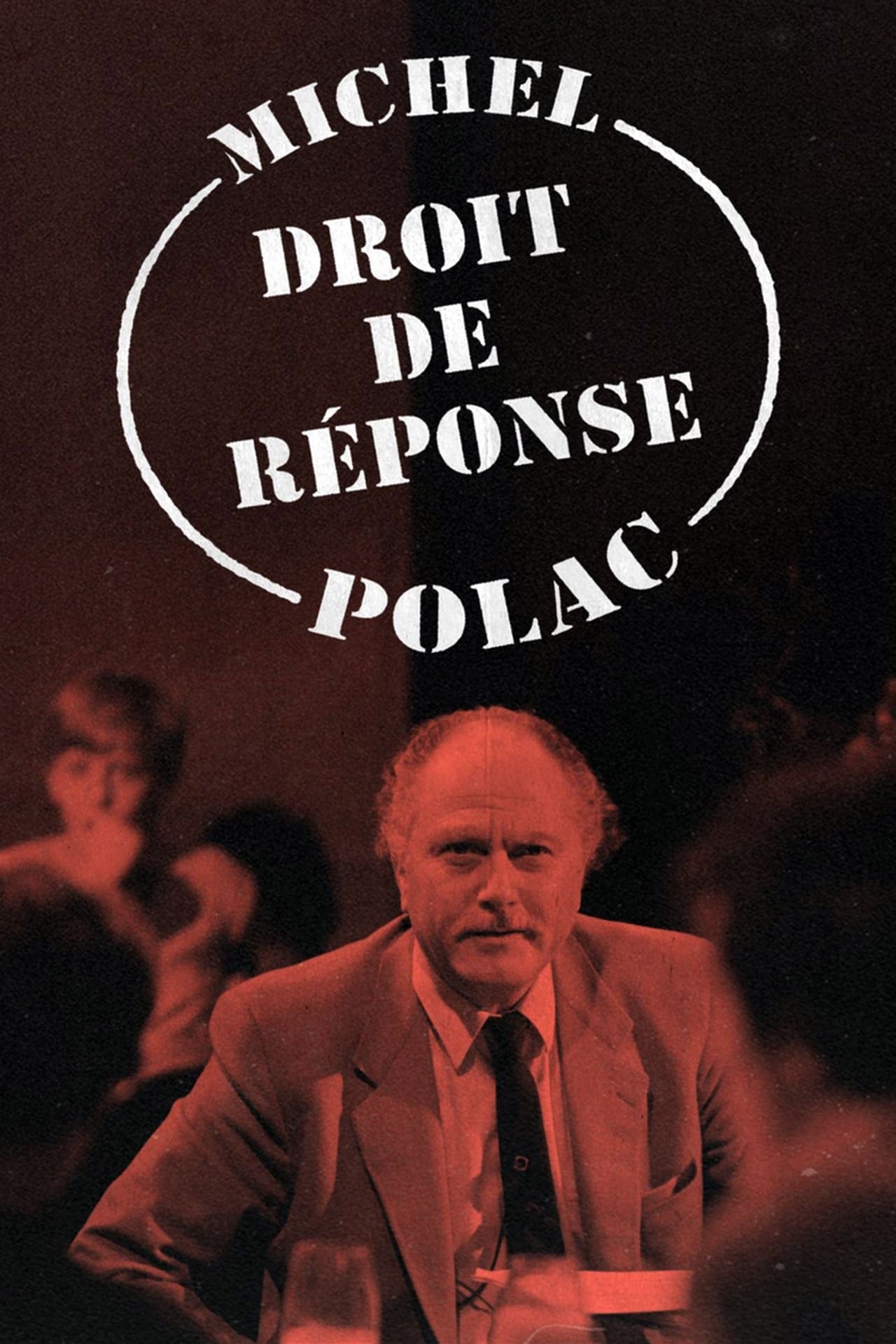
"Droit de Réponse" (Right of Reply) is a French debate program broadcast between December 12, 1981 and September 19, 1987 on the TF1 channel, presented by Michel Polac and produced by Maurice Dugowson. Broadcast live on a weekly basis, on Saturdays from 8.30 p.m., the right of reply has been the source of many controversies, due to the various speakers who have come to present their point of view on the show (which leads to famous scandals , remained in the memory of viewers), but also for the variety and relevance of the topics covered, which ensured the success of the program on the air for several years. On French television, this program is considered by some observers as a “pioneer program in terms of controversy-show or clash, in modern language”.
Droit de Réponse
1981 · 3 votes
 FilmBelgesel
About the Gabriel Matzneff affair and pedophilia in French culture and society from the 1950s to the present day. "It was not very difficult to know who Matzneff was at the time." Vanessa Springora denounces thus, in an interview with the Parisian , the support which benefited the writer Gabriel Matzneff , in the years 1970 and 1980. The author fifties then maintains an affair with the young girl, aged 14 years. A relationship under control that the editor tells in Le Consentement (éd. Grasset), published Thursday. "After having analyzed the work " , the Paris public prosecutor's office announced Friday January 3 the opening of an investigation for "rapes committed on the person of a minor of 15 years".
 Film8.3BelgeselMüzik
Je m'présente, je m'appelle Daniel
2015 · 3 votes
 FilmBelgesel