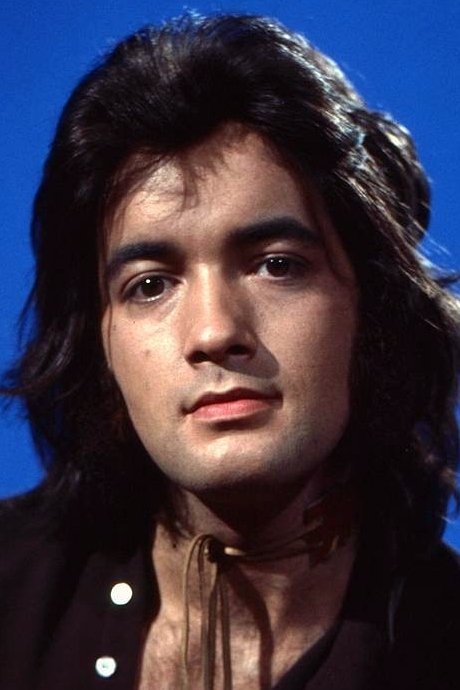
Barry Ryan
Oyuncu · 1948 – 2021 · Leeds, England, UK
Barry Ryan (born Barry Sapherson; 24 October 1948 – 28 September 2021), and also known as Barry Davison, was a British pop singer and photographer. He achieved his initial success in the mid 1960s in a duo with his twin brother Paul. After Paul ceased performing to concentrate solely on songwriting, Barry became a solo artist. Barry's most successful hit, "Eloise", reached number 2 on the UK Singles Chart in 1968. In the mid-1970s, Barry began his 40-year career as a fashion and portrait photographer. He worked for magazines such as Italian Vogue and David Bailey’s Ritz; he sold six photographs to the National Portrait Gallery; and he made portraits of celebrities such as Ronald Reagan, Margaret Thatcher, Stephen Hawking, Sting, Paul McCartney, and Björk. Barry Ryan was born in Leeds, West Riding of Yorkshire, England, the son of pop singer Marion Ryan and antiques dealer Fred Sapherson. Fred left when Barry and Paul were two; they were brought up until they were 11 by their grandmother. Then, both boys boarded at Fulneck School in Pudsey, outside Leeds. When the boys were 16, the family moved to London. Their mother suggested they try a career as singers. Her boyfriend and then husband, impresario Harold Davison, managed the brothers; Paul and Barry signed with Decca Records in 1965 under the name of Paul & Barry Ryan. Within two years they had amassed eight Top 50 singles in the UK. Their best sellers were "Don't Bring Me Your Heartaches", a number 13 hit in 1965, "I Love Her", a number 17 hit in 1966 and "Have Pity on the Boy", a number 18 hit the same year. Paul Ryan opted out of the stress of show business, and Barry continued as a solo artist, enabling his brother to stay out of the limelight and concentrate on writing songs. Their greatest achievement as a composer-singer duo, then for MGM Records, was "Eloise", a number 2 hit in 1968. Melodramatic and heavily orchestrated, it sold over one million copies and was awarded a gold disc. "Love Is Love", their next chart entry, also became a million-seller. Ryan was also popular in Germany and France. The single "Red Man" reached number 2 in the French chart in 1971. Promoted by Bravo, the German youth magazine, he recorded a number of songs in German. "Die Zeit macht nur vor dem Teufel halt" ("Time Only Stops for the Devil"; English recording as "Today" released on the album Red Man in 1971) peaked at number 8. Barry stopped performing in the early 1970s. He made a comeback in the late 1990s when a two CD set with his and his brother's old songs was released. Barry was also part of the "Solid Silver '60s Tour" of the United Kingdom in 2003, singing "Eloise" backed by the Dakotas. Barry also maintained a successful career as a fashion photographer, from the late 1970s, and his photographs appeared in such magazines as Ritz and Zoom. In the 1990s, he worked on a photographic project commemorating his brother Paul. Six of his photographic portraits were purchased by the National Portrait Gallery, London for its permanent collection in 1994. Barry Ryan was married to Christine Davison, and had two children, Jack Davison (18 April 1995) and Sophia Davison (4 September 1996). ... Source: Article "Barry Ryan (singer)" from Wikipedia in english, licensed under CC-BY-SA 3.0.
Diziler7
 Dizi8.0Talk Show
Discorama
1959 · 1 votes
 DiziTalk Show
Disco was a pop music program that aired in Germany on the ZDF network from 1971 to 1982. It generally aired on the first Saturday of each month at 7:30PM, each show running 45 minutes. 133 shows were produced. The show was hosted by German actor and comedian Ilja Richter. Its lesser known predecessor on ZDF, 4-3-2-1 Hot & Sweet was aired between 1966 and 1970, presenters included Ilja Richter and Suzanne Doucet. Disco generally served a younger pop-oriented audience compared to ZDF's Hitparade, and until 1972, its main competitor was Beat-Club, followed by Musikladen, both on ARD. Repeats of Disco have been aired since 1984 on ZDF Musikkanal, after its closedown in 1989 on 3sat. Since 2004, the digital ZDF Theaterkanal aired repeats of the entire series. In 2007, ZDF Dokukanal began to air reruns, starting with episodes from 1975 and also multiple repeats of the series have been shown on hit24 in 2008. The show focussed on chart hits current at the time of airing, giving about equal airtime to international pop music and German Schlager. Despite its name, it did not particularly focus on disco music although it featured many disco hits as long as they were chart relevant..
Disco
1971
- DiziRealite
 Dizi10.0Talk Show
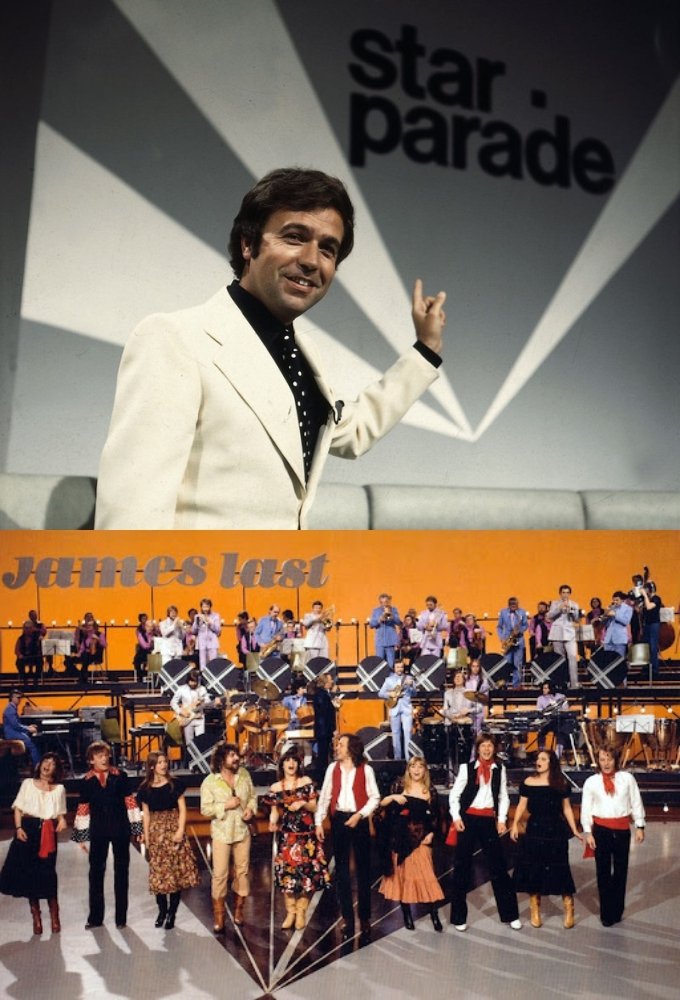
Starparade
1968 · 1 votes
- DiziRealite
- DiziHaber
Night-Club
1968
- DiziRealite
Europarty
1967