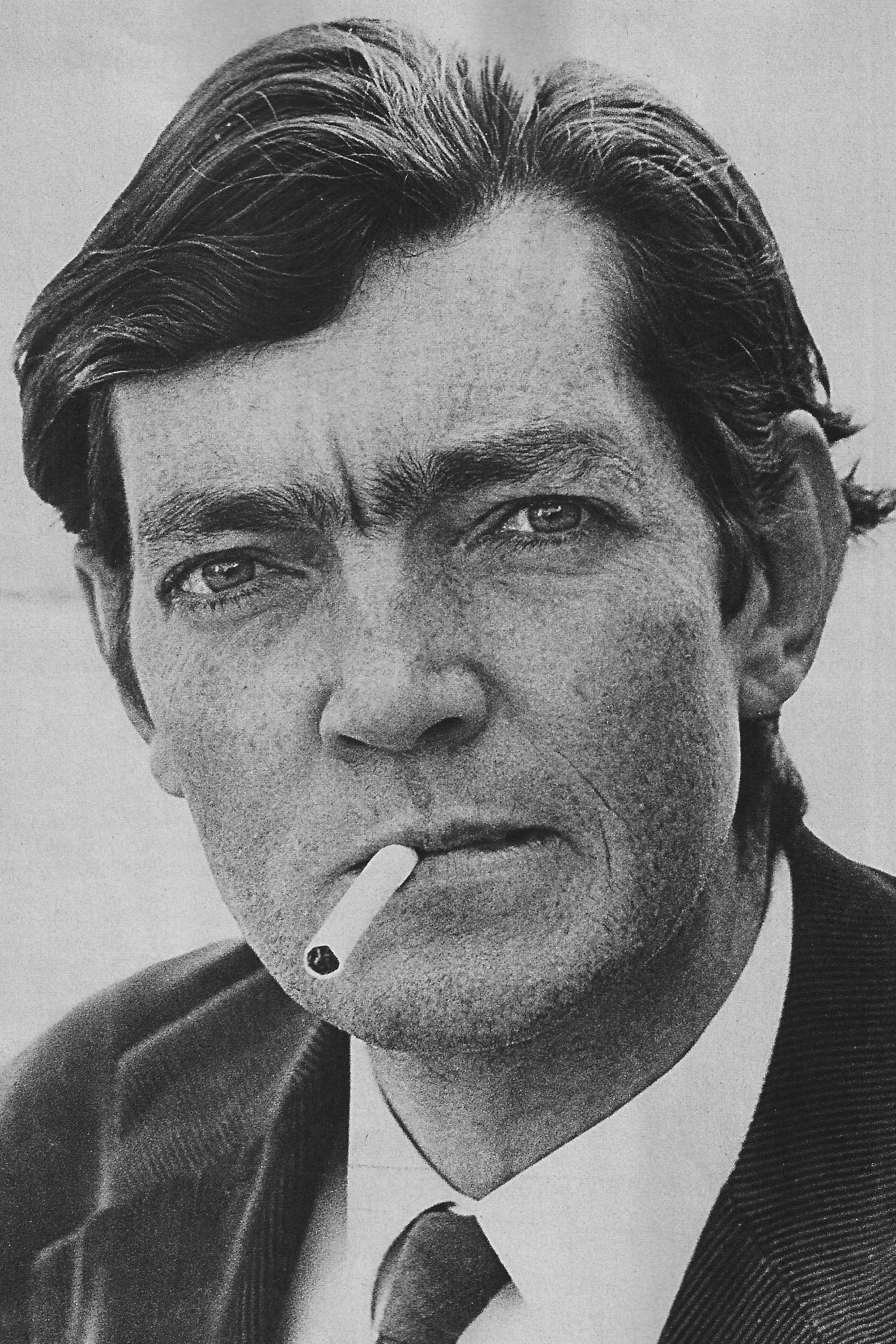
Julio Cortázar
Senarist · 1914 – 1984 · Ixelles, Brussels, Belgium
Julio Florencio Cortázar (26 August 1914 – 12 February 1984) was an Argentine, nationalized French novelist, short story writer, essayist, and translator. Known as one of the founders of the Latin American Boom, Cortázar influenced an entire generation of Spanish-speaking readers and writers in America and Europe. He is considered one of the most innovative and original authors of his time, a master of history, poetic prose and short story in general and a creator of important novels that inaugurated a new way of making literature in the Hispanic world by breaking the classical moulds through narratives that escaped temporal linearity. He lived his childhood and adolescence and incipient maturity in Argentina and, after the 1950s, in Europe. He lived in Italy, Spain, and in Switzerland. In 1951, he settled in France for more than three decades and composed some of his works there. Julio Cortázar was born on 26 August 1914, in Ixelles, a municipality of Brussels, Belgium. According to biographer Miguel Herráez, his parents, Julio José Cortázar and María Herminia Descotte, were Argentine citizens, and his father was attached to the Argentine diplomatic service in Belgium. At the time of Cortázar's birth, Belgium was occupied by the German troops of Kaiser Wilhelm II. After German troops arrived in Belgium, Cortázar and his family moved to Zürich where María Herminia's parents, Victoria Gabel and Louis Descotte (a French National), were waiting in neutral territory. The family group spent the next two years in Switzerland, first in Zürich, then Geneva, before moving for a short period to Barcelona. The Cortázars settled outside of Buenos Aires by the end of 1919. Cortázar's father left when Julio was six, and the family had no further contact with him. Cortázar spent most of his childhood in Banfield, a suburb south of Buenos Aires, with his mother and younger sister. The home in Banfield, with its back yard, was a source of inspiration for some of his stories. Despite this, in a letter to Graciela M. de Solá on 4 December 1963, he described this period of his life as "full of servitude, excessive touchiness, terrible and frequent sadness." He was a sickly child and spent much of his childhood in bed reading. His mother, who spoke several languages and was a great reader herself, introduced her son to the works of Jules Verne, whom Cortázar admired for the rest of his life. In the magazine Plural (issue 44, Mexico City, May 1975) he wrote: "I spent my childhood in a haze full of goblins and elves, with a sense of space and time that was different from everybody else's". ... Source: Article "Julio Cortázar" from Wikipedia in English, licensed under CC-BY-SA 3.0.
Filmler5
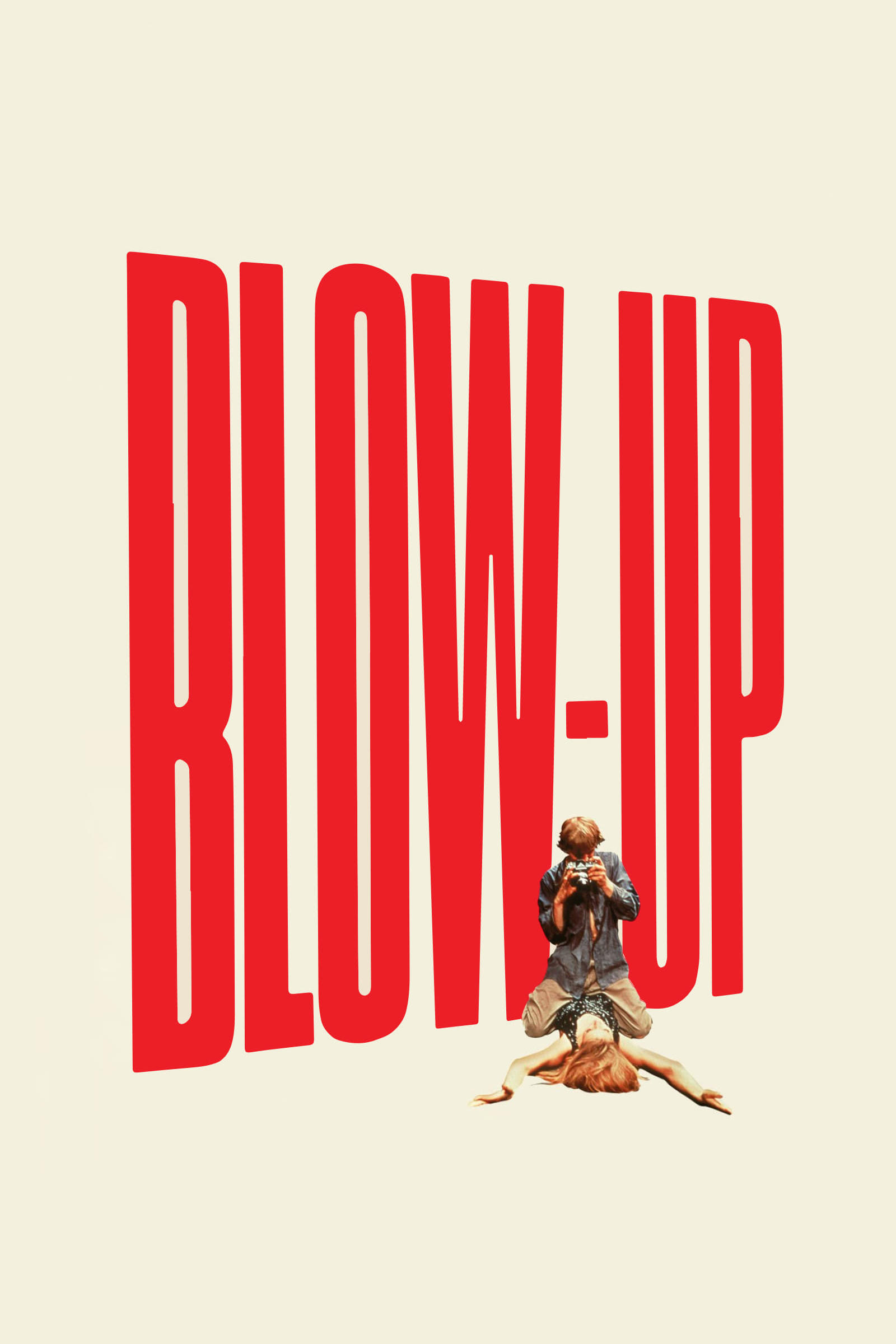 Film7.3DramGizem
Oldukça yetenekli olmasına karşın işine karşı hiçbir ruh beslemeyen bir fotoğrafçı, amaçsız bir şekilde bir çok insanın ya da modelin fotoğrafını çekmektedir. Bir gün parktaki bir çiftin fotoğrafını çeker. Eve dönüp karanlık odada fotoğrafı büyütünce hiç farketmediği bir durum dikkatini çekiverir. Fotoğraf karesi, işlenen bir suçun en çarpıcı kanıtı olmuştur * Bir şeyin gerçek olup olmadığını nesnel kanıtlarla değil, gerçekliğini savunan kişinin inancıyla ölçülebileceğini anlatan film, muhakkak izlenmesi gereken başarılı bir yapım. Usta yönetmen Michelangelo Antonioni'nin başyapıtlarından biri sayılan Blowup, zenginlik ve şöhretin insanın yalnızlığına ve ruhunun ihtiyaçlarına çözüm sağlayamayacak değerler olduğunu anlatan önemli bir yapım olarak sinema tarihinde yerini alıyor * Öncelikle bu filmi bütünlemesine anlamak için Julio Cortazar'ın aynı isimdeki öyküsünü okumalısınız
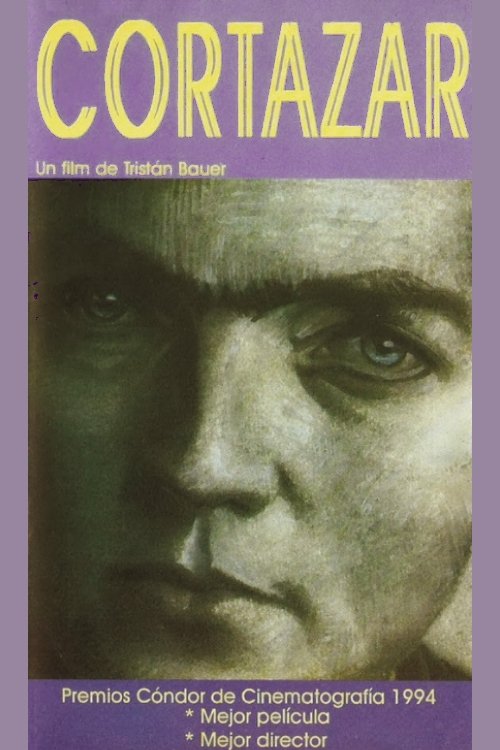 Film6.2Belgesel
A portrait which explores the legacy and impact of novelist Julio Cortazar's art, perceptively examining it within the context of shifting tides of Argentine culture and politics. The author reads his own texts in this poetic documentary.
Cortázar
1994 · 5 votes
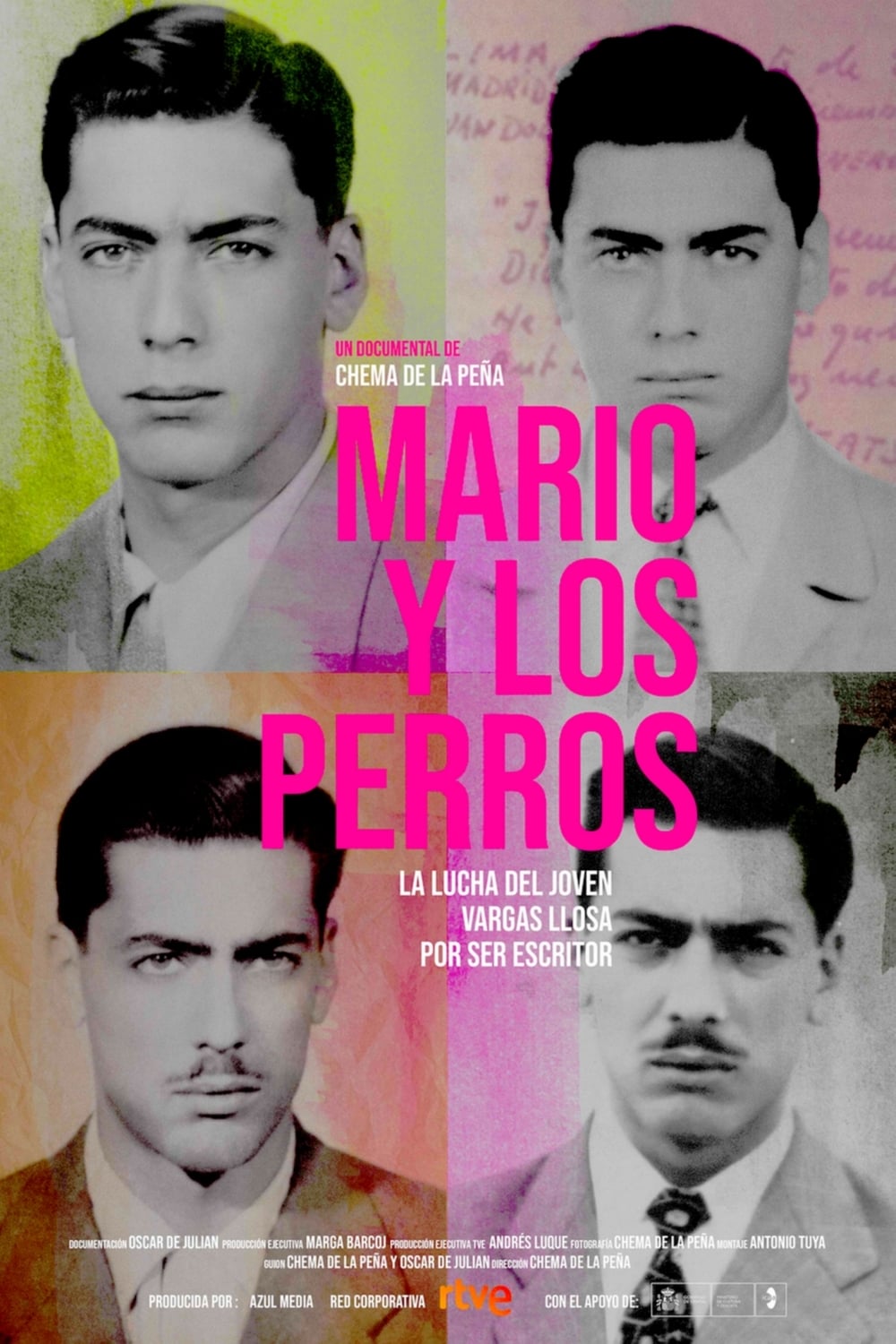 Film7.0Belgesel
An account of the childhood and youth of the Peruvian writer Mario Vargas Llosa, Nobel Prize for Literature in 2010, and how the hard experiences he lived during these formative years led him to write and publish his first major work when he was only 26 years old.
Mario y los perros
2019 · 1 votes
 Film6.0
Amargo era el postre
2019 · 1 votes
 Film7.0Belgesel
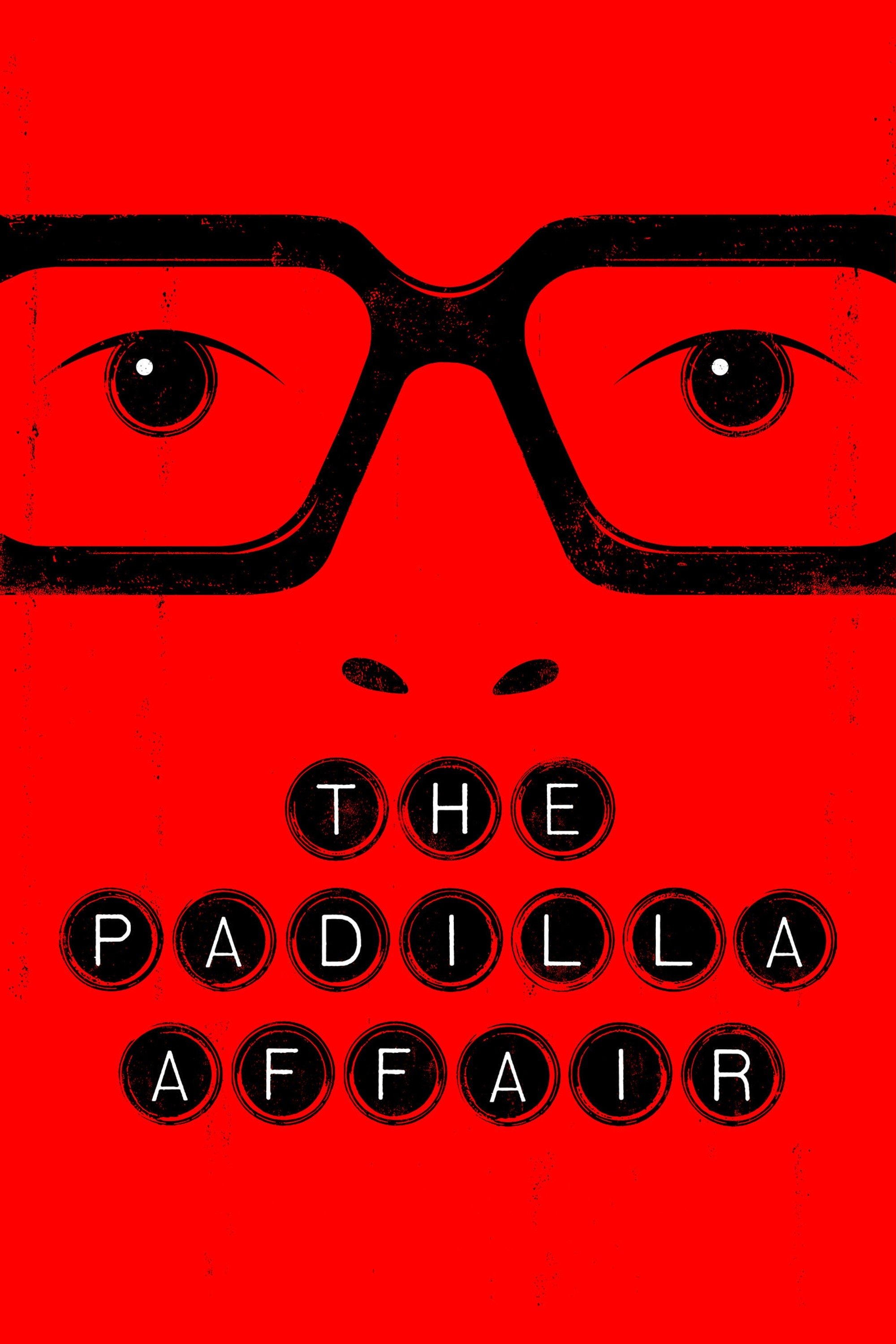
Havana, spring 1971: The poet Heberto Padilla has just been set free and appears before the Cuban Writers' Union where he pronounces a statement of "heartfelt self-criticism", declares himself to be a counterrevolutionary agent and throws accusations of complicity at many of his colleagues present at the event, among them, his wife. A month previously, his arrest under the accusation of endangering the security of the Cuban state had mobilised prominent intellectuals all over the world, who wrote a letter to Fidel Castro calling for the release of the poet, whose only sin had been to dissent through his poetic work. The writer's mea culpa, the recording of which is shown for the first time to the public, marks the narrative line of a story including the testimonies of Gabriel García Márquez, Julio Cortázar, Mario Vargas Llosa, Jean-Paul Sartre, Jorge Edwards and Fidel Castro.
Diziler1
 Dizi8.0Talk ShowHaber
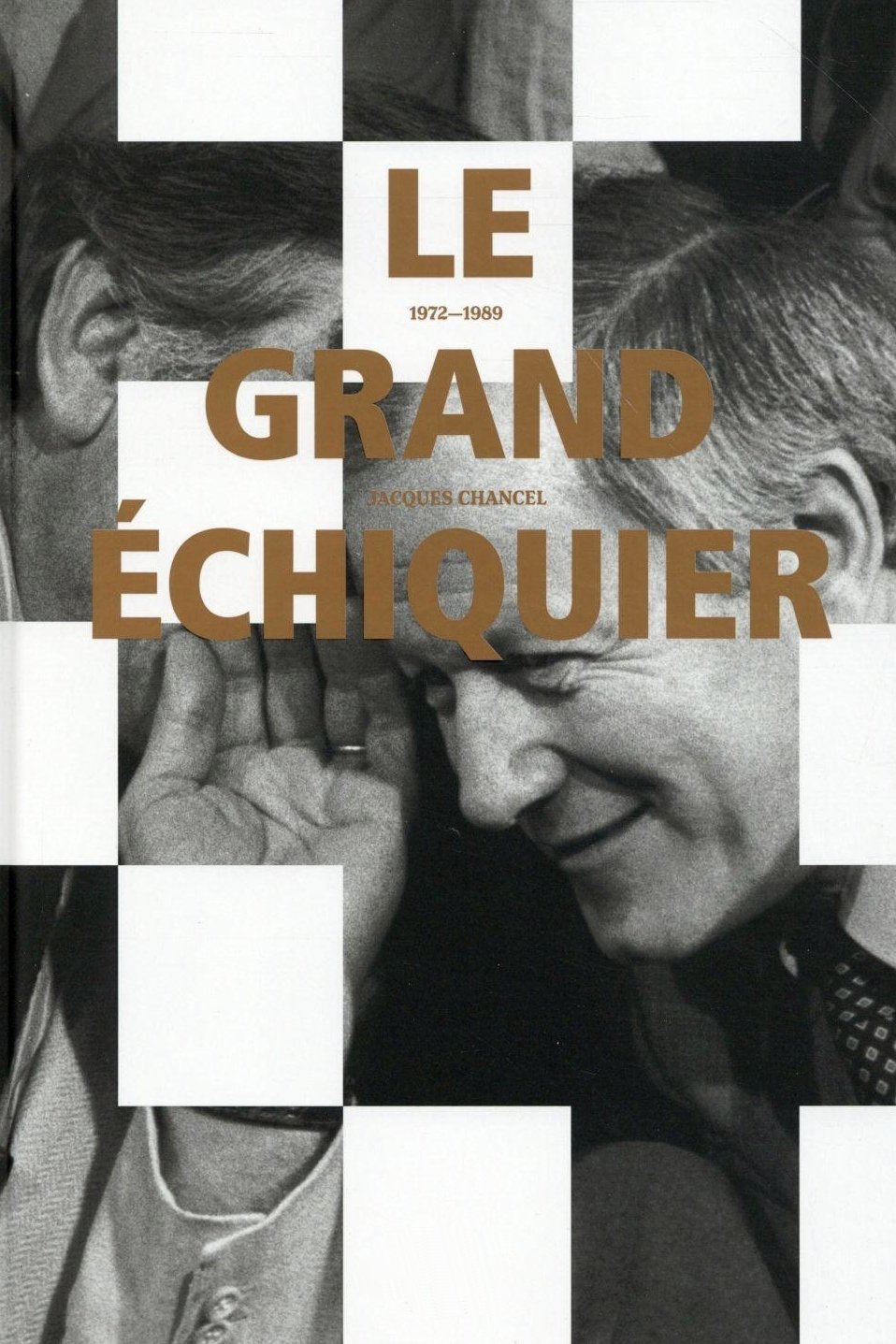
Le Grand Échiquier is a French variety television program created and presented by Jacques Chancel. It aired at 8:30 pm on the first channel of the ORTF from January 12, 1972 to July 12, 1972, then on the second color channel of the ORTF from September 1972 to December 1974, and finally on Antenne 2 from January 1975 to December 21, 1989. The program returned to France 2 on December 20, 2018 and is hosted by Anne-Sophie Lapix.
Le Grand Échiquier
1972 · 3 votes