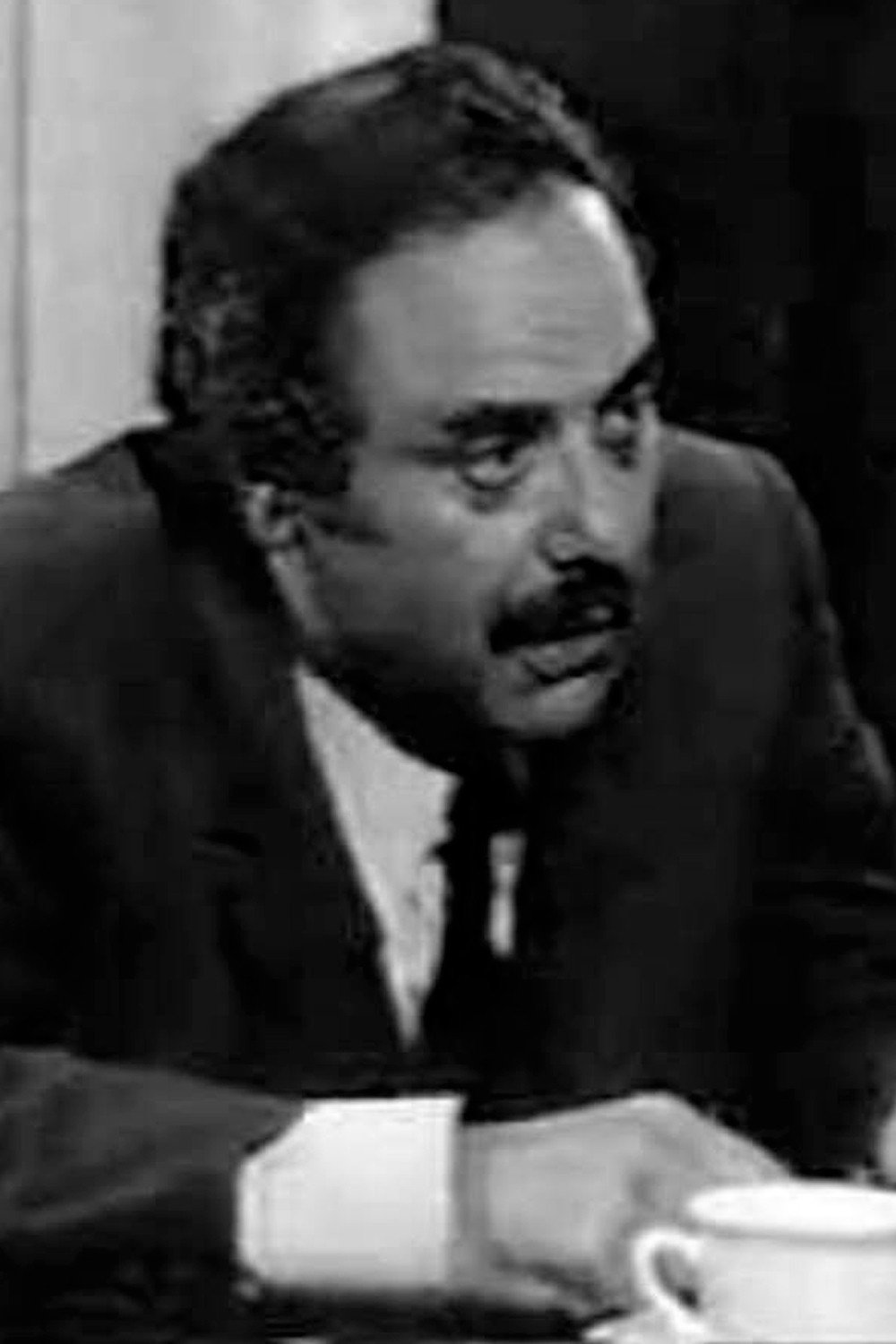
Allel El Mouhib
Oyuncu · 1920 – 1995 · Alger, Algeria
Allel El Mouhib (Arabic: علال المحب), born March 1, 1920, in Algiers, and died December 4, 1995, was an Algerian writer, actor, and director. He is particularly known for his roles in Algerian films from the 1960s to the 1980s. Allel El Mouhib began his career in a theater troupe of the Algerian Muslim Scouts. He was then noticed by the theater director Mahieddine Bachtarzi, who gave him roles in "El 'Abd El Abied" and later "Antil." In 1955, while in France, he trained in directing. He subsequently directed Sophocles' "Antigone," a play in which he also starred. Upon Algeria's independence in 1962, he joined the Algerian National Theatre as an actor and director, while simultaneously becoming a drama teacher at the Algiers Municipal Conservatory. Between 1963 and 1971, he directed several plays, including "Montserrat," "Akadib Sakrabane," and "El Machhah," based on Molière's "The Miser." He also adapted Federico García Lorca's "The House of Bernadette." On both the big and small screen, Allel El Mouhib appeared in films such as "Hassan Terro" (1968) by Mohammed Lakhdar-Hamina, "La Voie" (1967) by Mohamed Slimane Riad, "Z" (1968) by Costa-Gavras, and "Les Enfants de Novembre" (1975) by Moussa Haddad. Allel El Mouhib passed away in Algiers on December 4, 1995, after a rich artistic career dedicated to Algerian and Arab theater and cinema.
Filmler5
 Film7.8GerilimSuç
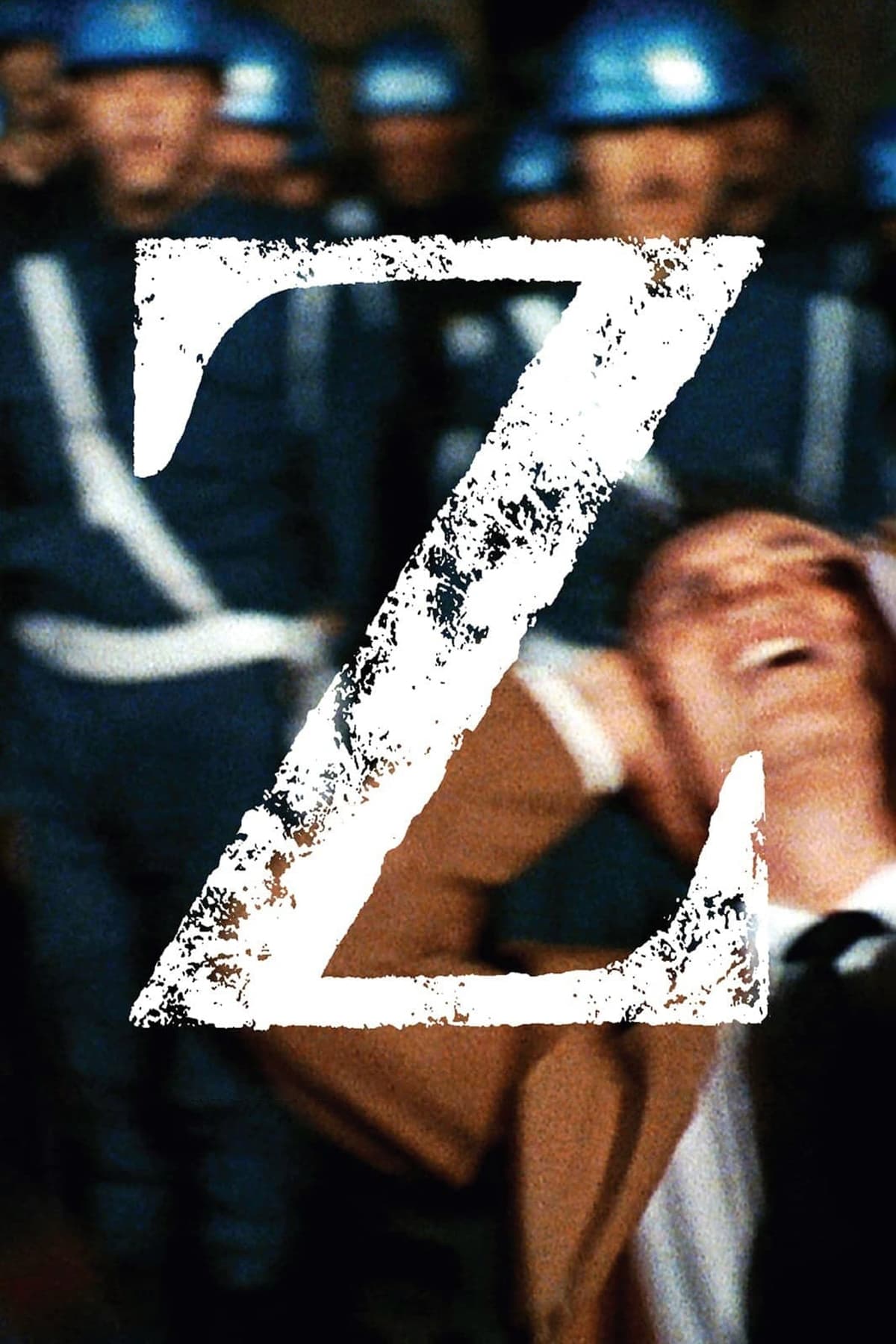
Devrimci-Sosyalist bir politikacı olan Dr.Lambrakis ,(Yves Montand)barış savunucularının gösterisinde devletin sağ kanadının organize ettiği bir suikaste kurban gider. Cinayetin hemen arkasından devlet ve ordu görevlilerinin yaptıkları tek şey, olayı örtbas etmek için gerekli delilleri ortadan kaldırmaktır. Fakat prosedür gereği açılan davaya atanan savcı, olayın derinlerine indikçe karşılaştığı akıl almaz gerçeklerle yılmadan tıpkı bir dedektif gibi araştırmasına devam eder. Ama bu araştırma sırasında karşısına çıkan engeller, devletin içinde tahmininden de derin makamlardan gelecektir. Jean-Louis Trintignant'ın bir savcıyı ve Yves Montand'ın da solcu bir partinin önde gelen temsilcilerinden birini canlandırdığı filmde barışın önemi, faşist çeteler ile hükümet içindeki güçlerin ilişkisi bağlamında derin devlet sorunsalı irdelenmektedir.
 Film10.0
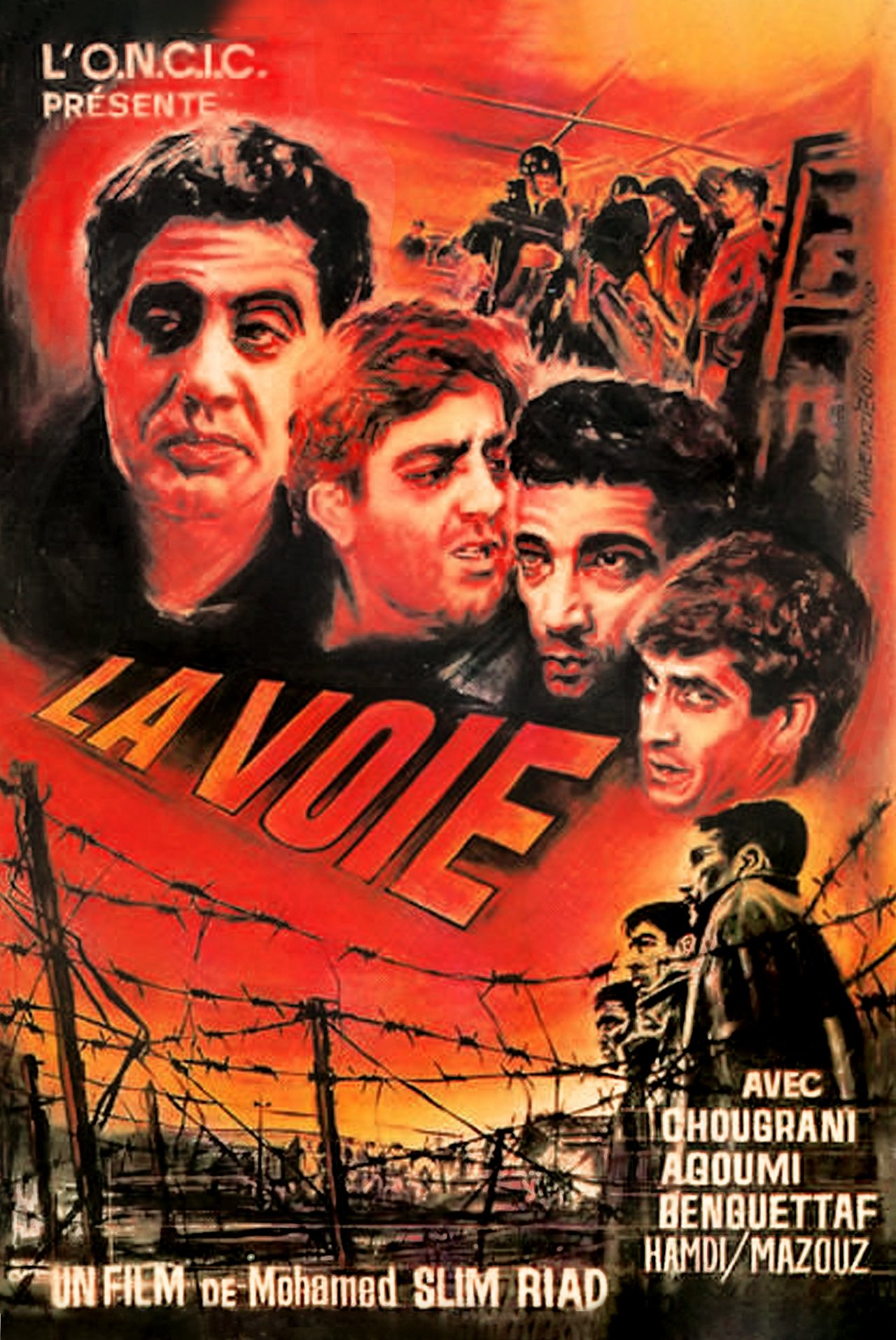
The Algerian War is seen through the eyes of a group of Algerian freedom-fighters who have been captured and incarcerated in French-run military prisons both in France and Algeria. In addition to attempts at escape, this prison drama also includes propaganda and brainwashing attempts by the French and scenes of torture. In what is possibly the most horrible torture of all, the inmates are forced to listen to broadcast speeches by General Charles de Gaulle -- speeches which illustrate the changing relations between the French and the Algerians.
 Film9.5Dram
A police office in Algiers sometime after independence. Mr Rachid, father, around fifty years old, former colonial official transferred to the cinema annex library. Mr. Rachid, disappointed and exasperated by his sad life, faced with an inspector who questions him, tries to explain: why did he kill his former department head after a long night of wandering?
 Film8.5MaceraSavaş
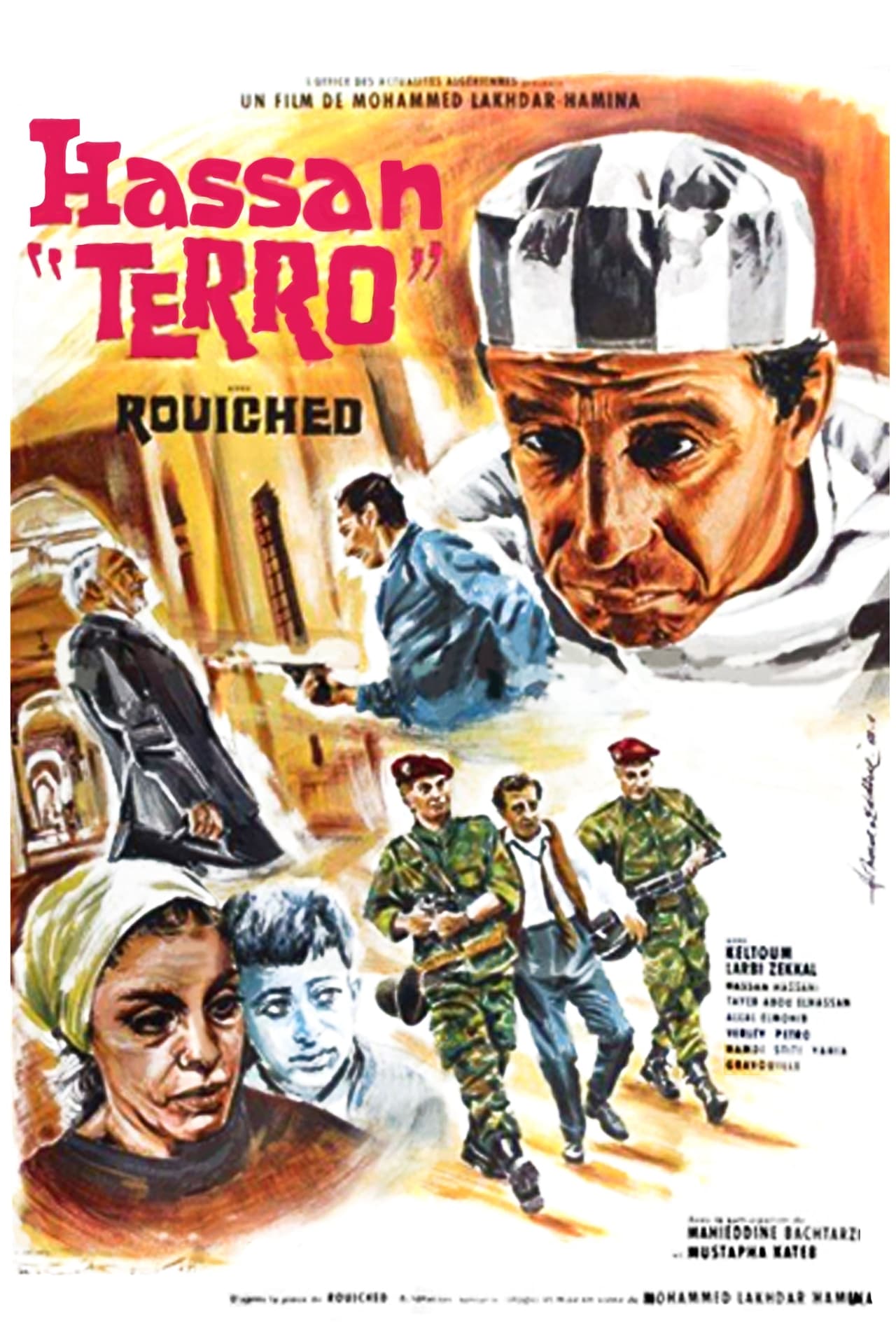
While he tries by all means to stay out of the bloody upheavals caused by the battle of Algiers, Hassan, an honest and naive father, unknowingly offers hospitality to a mujahid actively sought by the army. French. A series of events and misunderstandings quickly catapult him to the forefront, presenting him under the pseudonym “Hassan Terro”, a great fictitious terrorist who would have sworn the doom of the French army...
Hassan Terro
1967 · 6 votes
 Film10.0DramKomedi
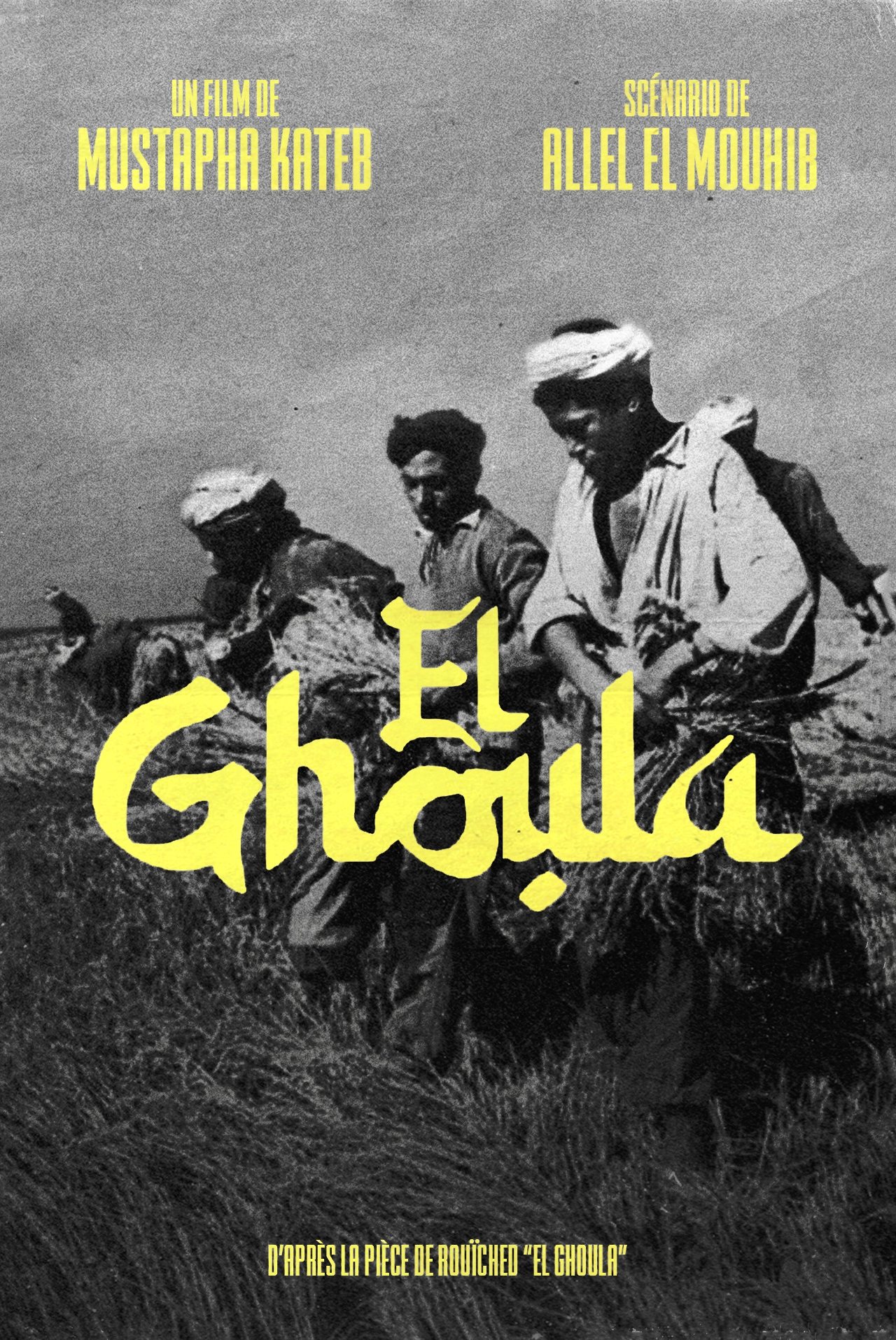
An adaptation of the satirical play of the same name by comedian Rouïched (Ahmed Ayad). "El-Ghoula" (The Vampire) tells the story of a corrupt official who lives off the peasants of an agricultural cooperative. Instead of solving problems, this official manipulates empty rhetoric and "revolutionary" slogans to galvanize them and encourage them to continue working. Opportunistic, he will transform the fellahs' work into chaotic bureaucratic procedures for his own personal gain.
El Ghoula
1972 · 1 votes