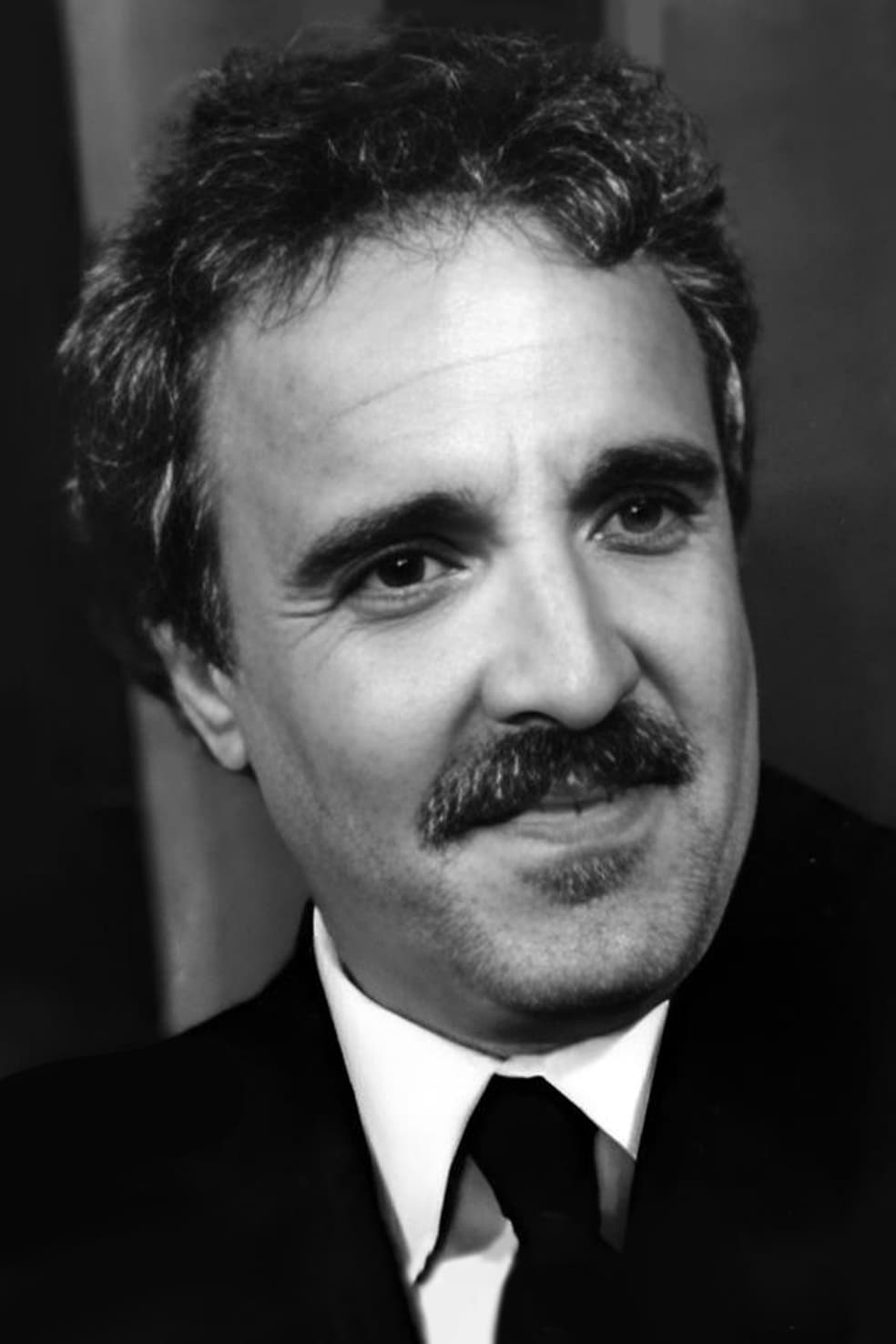
Hadj Smaine Mohamed Seghir
Oyuncu · 1932 – 2021 · Constantine, Algérie
Hadj Smaine Mohamed Seghir, (often credited Hadj Smaine) born October 29, 1932 in Constantine, and died September 6, 2021 in Los Angeles, is an Algerian actor and director. At that time, Constantine was considered a place giving great importance to religion, culture, art, and Algerian Arab-Muslim traditions. Hadj Smaine grew up in Constantine with his family and friends who loved art and culture in general; cinema, music, scouting, sports such as swimming in Sidi M'Sid. With his scout friends, Hadj Smaine played sketches inspired by the films they watched in the city's theaters. With friends, they went to the Constantine film club (ex. Université Populaire, Abdelhamid Ben Badis Center currently). The Popular University, which was at the same time the conservatory of the city of Constantine, had premises allocated to associations for musicians, for amateur theater, among others for scouts. The Popular University also had other administrative functions because it depended on a state structure; the French Colonial Administration. Over time, Hadj Smaine had joined the theater troupe Les Milles et une Nuits with other friends of scouting; Hassan Belhadj (1st director of Algerian Cinema, great actor, patriot and former collaborator of M'Hamed Yazid) and Abdelkrim Menaï (former scout of Muslim scouts). After several years of theater practice, Hadj Smaine left the troupe Les Milles et Une Nuit in order to create a theater without "sketch", similar to that which was practiced in Europe and in the Arab world (in Egypt more particularly). Among others, Hadj Smaine was a member of the following theater troupes: Les Milles et Une Nuits, Les Compagnons du Vieux Rocher, The Algerian theater team before Independence (from 1957 to 1958), The troupe of the Youth House of Hussein Dey (before 1962), Les Capucines d'Alger (before 1962), The National Theater of Algeria (at Independence). He died on September 6, 2021 in Los Angeles (USA).
Filmler9
 Film7.9DramSavaş
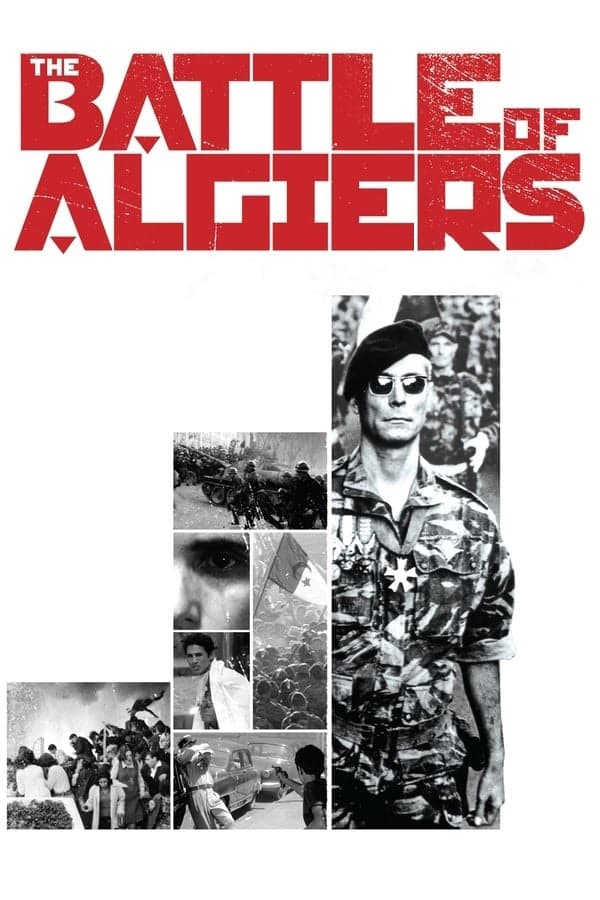
1950'lerin ikinci yarısında geçen film, Cezayir'in Fransa sömürgesi altından kurtuluşunun öyküsünü anlatıyor. Fransa tarafından terör örgütü olarak kabul edilen Cezayir direniş örgütü FLN'nin dört yöneticisinin yakalanması etrafında dönen hikayede, işgal altındaki bir ulusun direnişi resmediliyor. Direnişin biçimi terörizm şeklini alırken, yönetmen Pontecorvo silahlı mücadelenin meşrutiyetini ispatlamaya girişiyor * Belgesel tarzda çekilen ve Fransa'da uzun yıllar yasaklı kalan film, ABD ve İngiltere gibi ülkelerde işkence sahneleri makaslanarak gösterime girebilmişti. Oscar tarihinde bir ilke imza atan "La Battaglia di Algeri" hem 1966'da hem de 1968'de ayrı dallarda ödüle aday gösterilmişti. * bir halkın özgürlük arzusunu ve mücadelesini içinizde hissettirecek mükemmel sahneleri bulunan başarılı ve gerçek film. özellikle son sahnesi unutulmaz.
 Film6.6DramSavaş
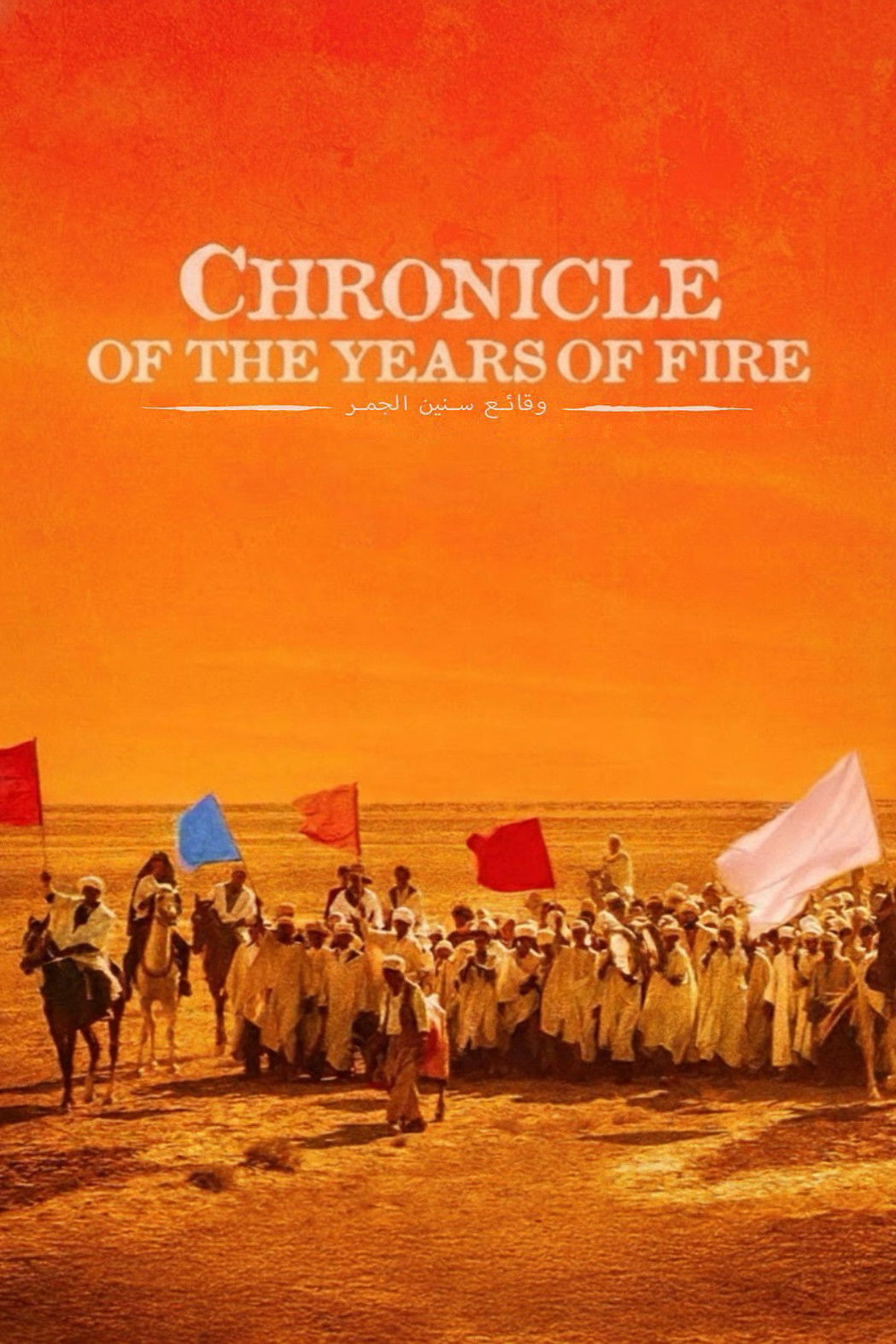
A meticulous chronicle of the evolution of the Algerian national movement from 1939 until the outbreak of the revolution on November 1, 1954, the film unequivocally demonstrates that the "Algerian War" is not an accident of history, but a slow process of suffering and warlike revolts, uninterrupted, from the start of colonization in 1830, until this "Red All Saints' Day" of November 1, 1954. At its center, Ahmed gradually awakens to political awareness against colonization, under the gaze of his son, a symbol of the new Algeria, and that of Miloud, half-mad haranguer, half-prophet, incarnation of Popular memory of the revolt, the liberation of Algeria and its people.
 Film9.5Dram
A police office in Algiers sometime after independence. Mr Rachid, father, around fifty years old, former colonial official transferred to the cinema annex library. Mr. Rachid, disappointed and exasperated by his sad life, faced with an inspector who questions him, tries to explain: why did he kill his former department head after a long night of wandering?
 FilmKomediDram
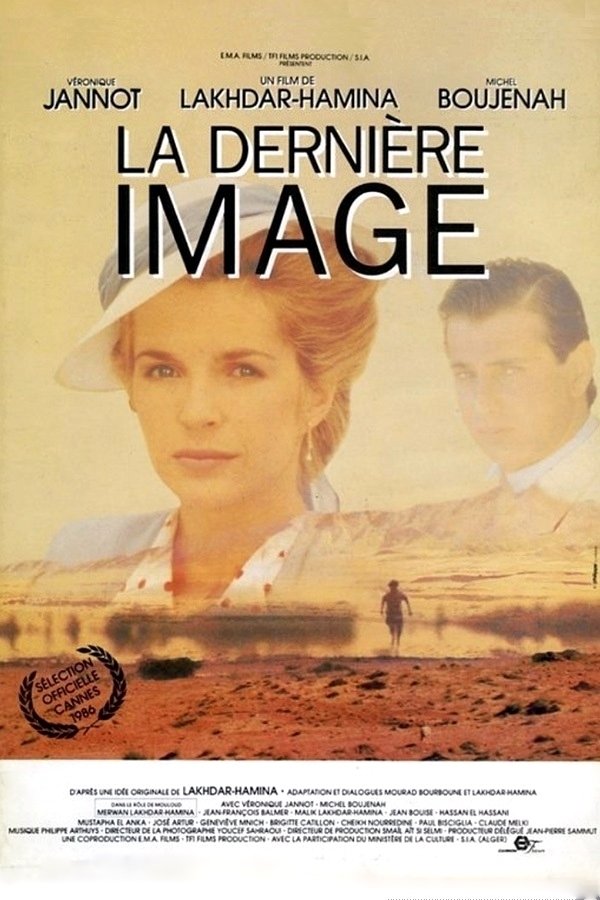
Seen through the filtered lens of boyhood memories, award-winning director Mohamed Lakhdar-Hamina crafted this half-fictional, half-autobiographical account of a brief period in the history of an Algerian village. It is 1940, and the quiet town is ruled by French colonialists appointed by the Vichy government. Algerians are being called up for service in the Vichy military, and Jews in the village are in danger of deportation. A beautiful young schoolteacher named Claire Boyer (Veronique Jannot) arrives in town and turns every male head within miles, including 14-year-old Mouloud (Merwan Lakhdar-Hamina, the director's son). Simon Attal (Michel Boujenah), a fellow teacher and a Jew, is also attracted to Claire, and so is Mouloud's older brother. Suddenly two murders occur in the village, Simon is in danger of being deported, and the tone shifts from the dreams of boyhood to the realities of manhood.
 Film6.8DramSavaş
The transformations of the daily life of the Algerian people during the destructive French occupation, then during the war of liberation. While military repression is in full swing, a peasant woman finds herself alone in her mountain home when her only son is kidnapped by French soldiers shortly after her husband's death during a raid. One day, seeing a dead chicken, which she considers a bad omen, she decides to leave home and embarks on a painful journey through the mountains. Accompanied by a couple of chickens, she moves from one detention camp to another in a desperate search for her missing son. The film is inspired by the events experienced by the director's family.
 Film8.0SavaşDram
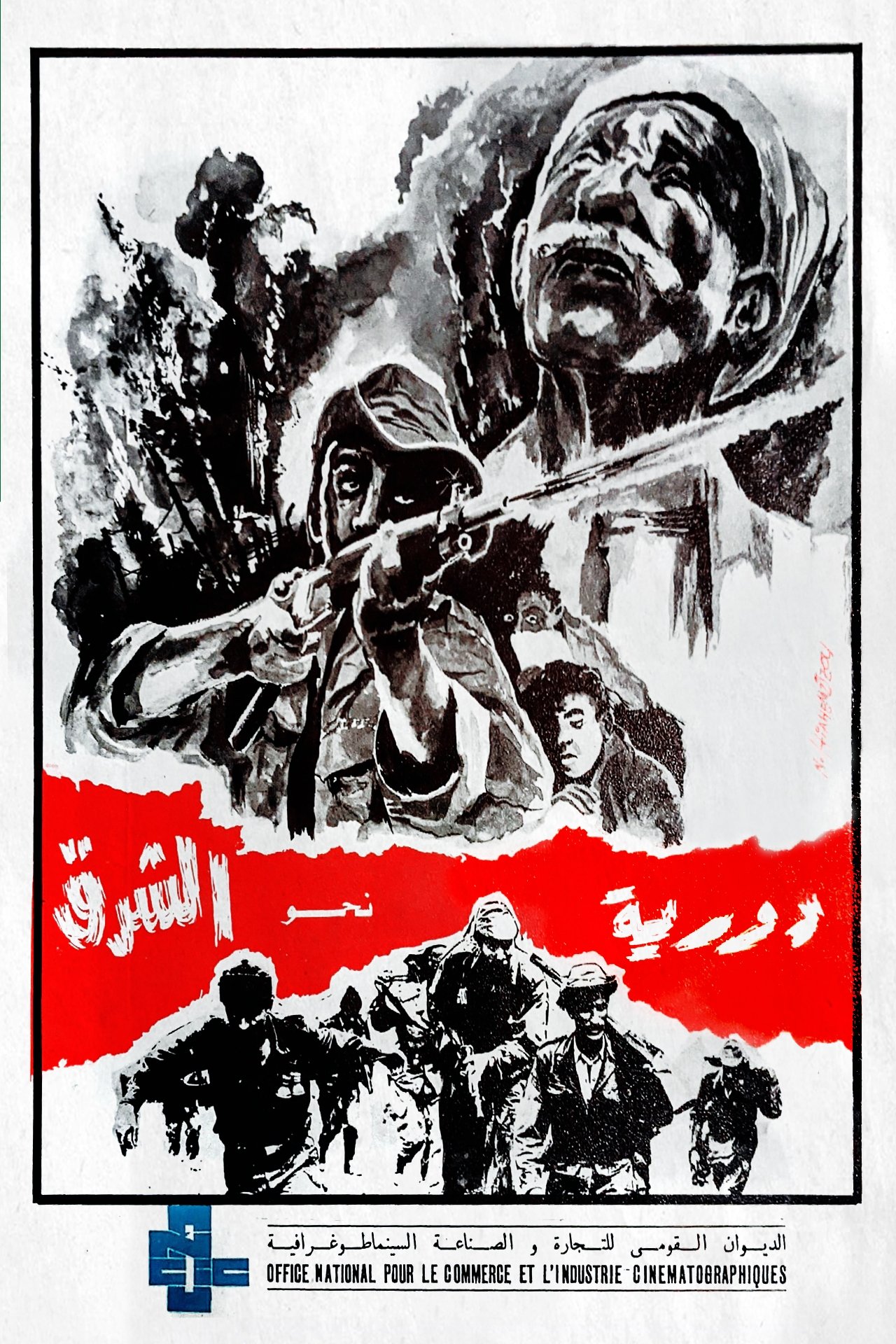
The film traces the story of a patrol of the Algerian National Liberation Army (ALN), whose mission is to transport a prisoner French soldier to the Tunisian border. Through the march of this group of guerrillas we witness the spirit of sacrifice and combativeness of these men from the people. The patrol will be decimated, but a young peasant will take over and complete the mission.
 FilmDram
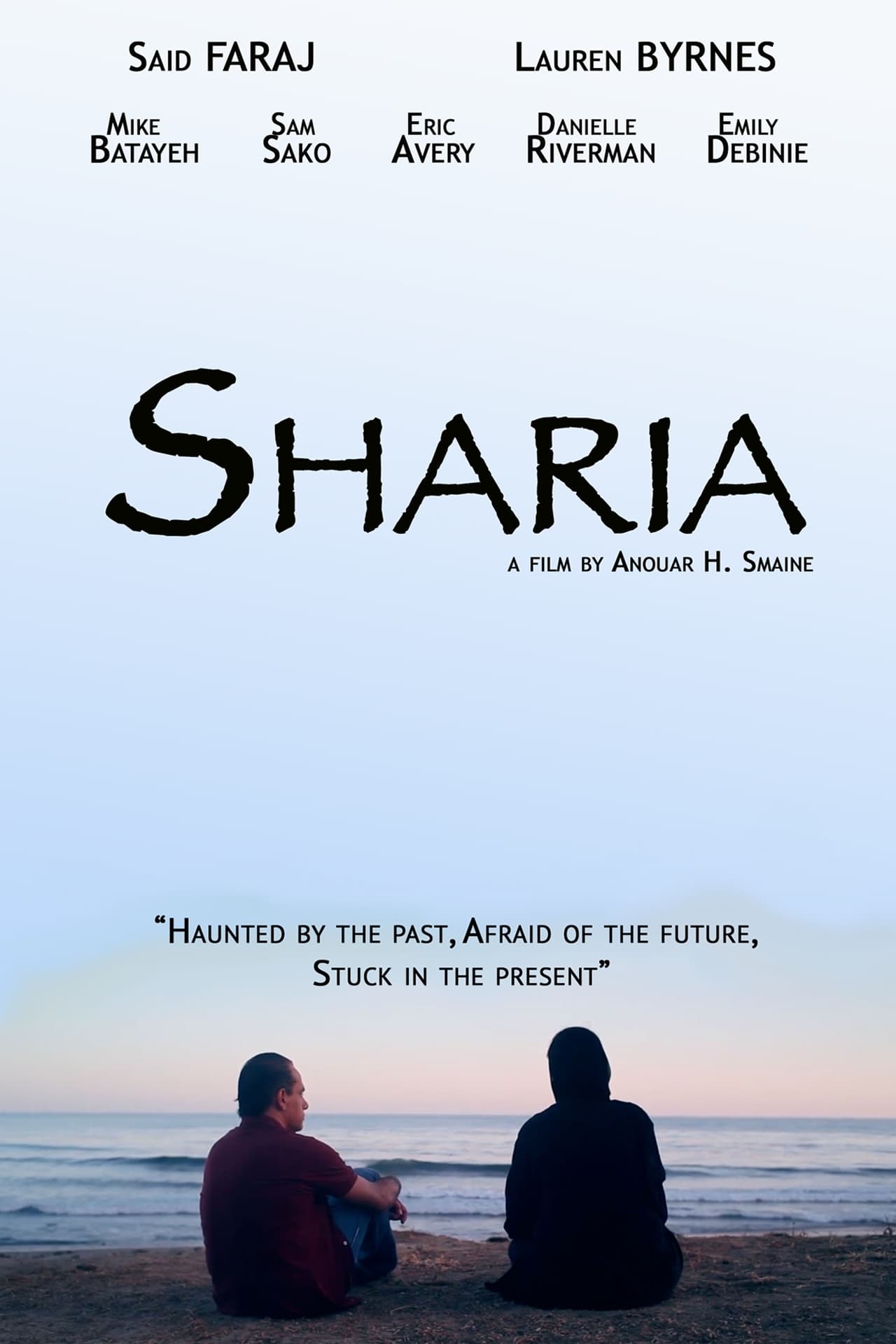
Sofiane is an Arab immigrant who lives in the US away from religion, customs, and traditions of his native land. His life is turned upside down as his American wife; Heather, starts making drastic changes in her spiritual beliefs and lifestyle. Although not really excited about Heather's decision, Sofiane puts an act in front of her to look supportive. But as time goes by, Heather's religious practices start to brings back to him old memories of painful experiences, and threaten to unearth a past Sofiane thought was buried forever.
Sharia
2016
 Film10.0KomediMacera
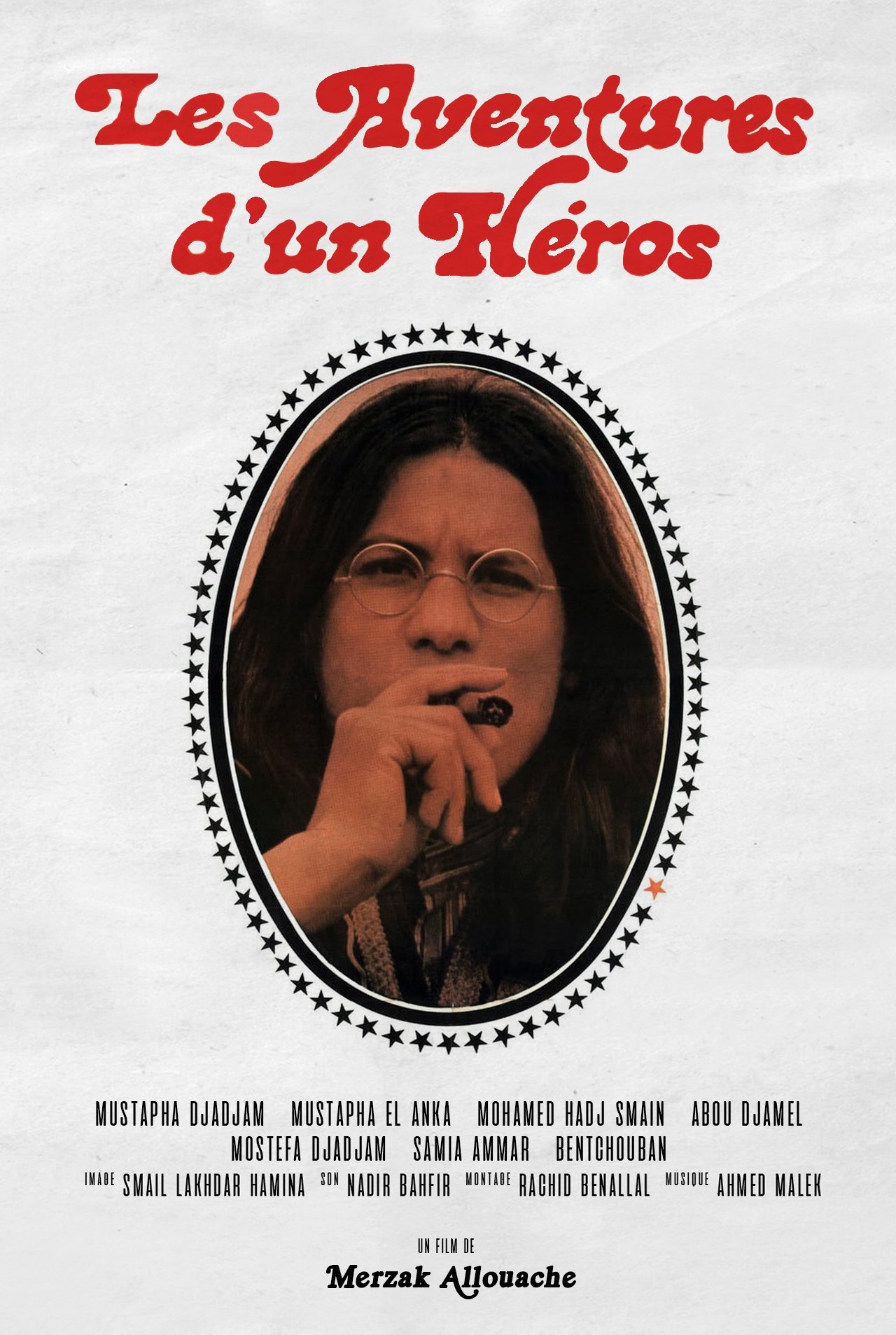
In one of the tribes of the Algerian Sahara, everyone awaits the arrival of the hero who will defend the rights of the poor. A man decides one day to put the mark of the "hero" on his newborn son and the whole tribe celebrates the arrival of this eagerly awaited messiah who came to save them. This false hero then grows up by assuming his role of savior. Filled with cynicism, he crosses the countryside and has a number of adventures.
 Film10.0
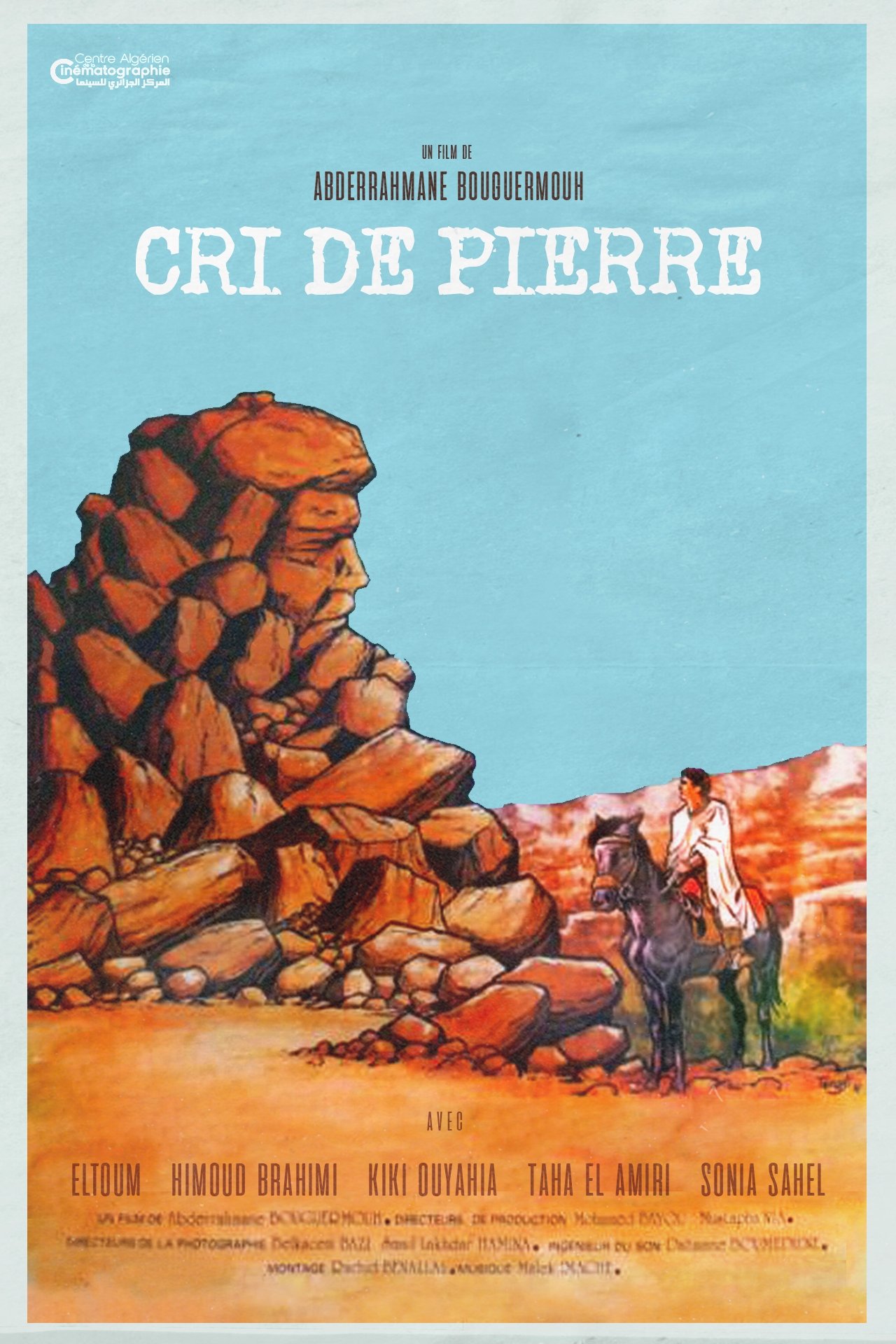
Led by Daoudi, a disenchanted architect, a group of Constantines return to their village in deep Algeria where a young man delivers to them words of boyish wisdom inherited from his deceased grandfather..
Diziler1
 Dizi10.0Dram
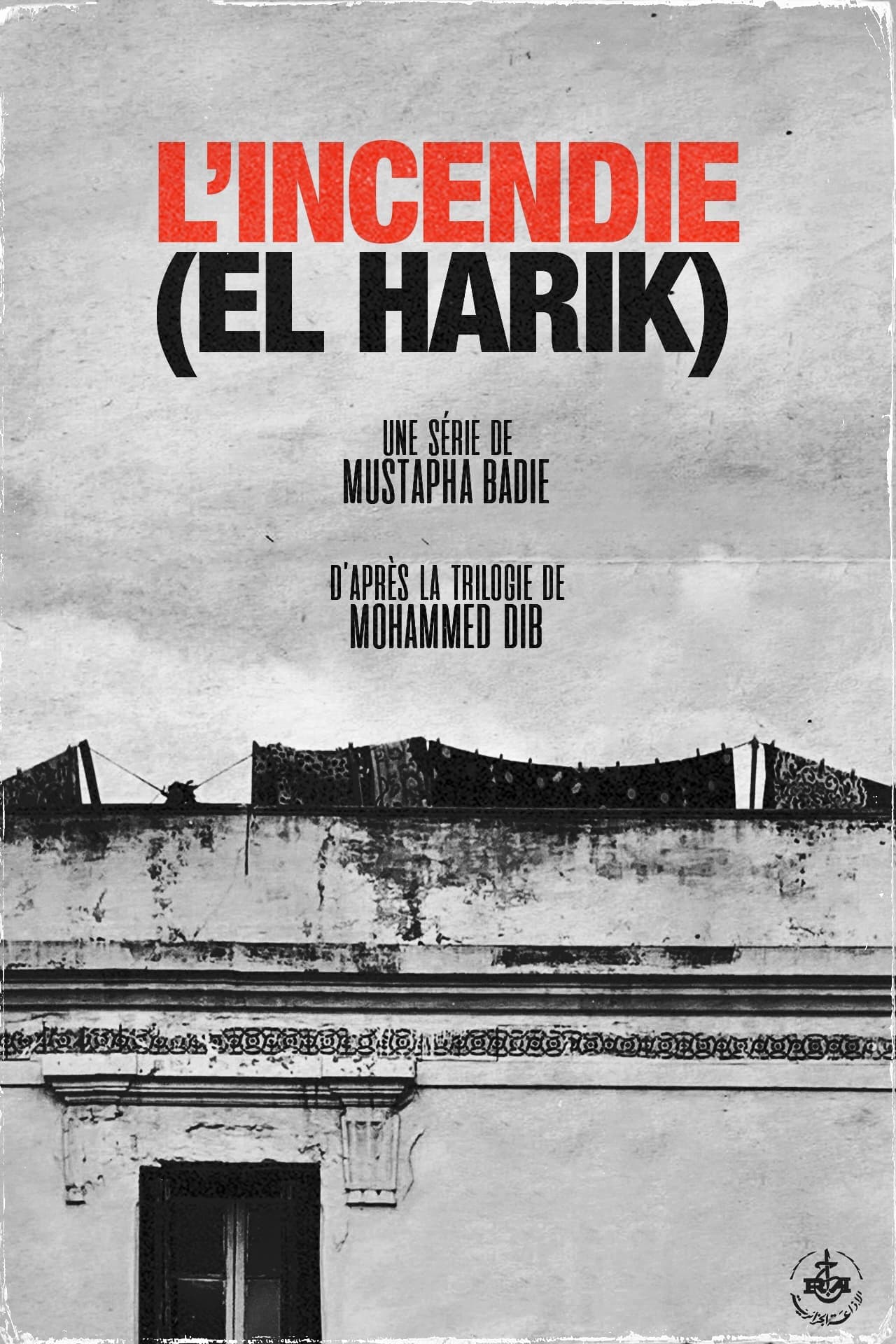
In 1939 in eastern Algeria, Omar, a young boy of ten, lives with his family in a room in Dar Sbitar, a house shared by several families who overcome the trials they go through every day to ensure their subsistence. Her deceased father is Aïni, the mother, who bleeds herself from all four veins to keep her children and their grandmother alive. The families of Dar Sbitar share their intimacy and their daily life, this life animates the big house, which itself becomes a character in its own right. "El Harik" (The Fire), is an Algerian drama series in 10 episodes adapted from Mohamed Dib's trilogy "The Big House", "The Fire" and "The Loom".