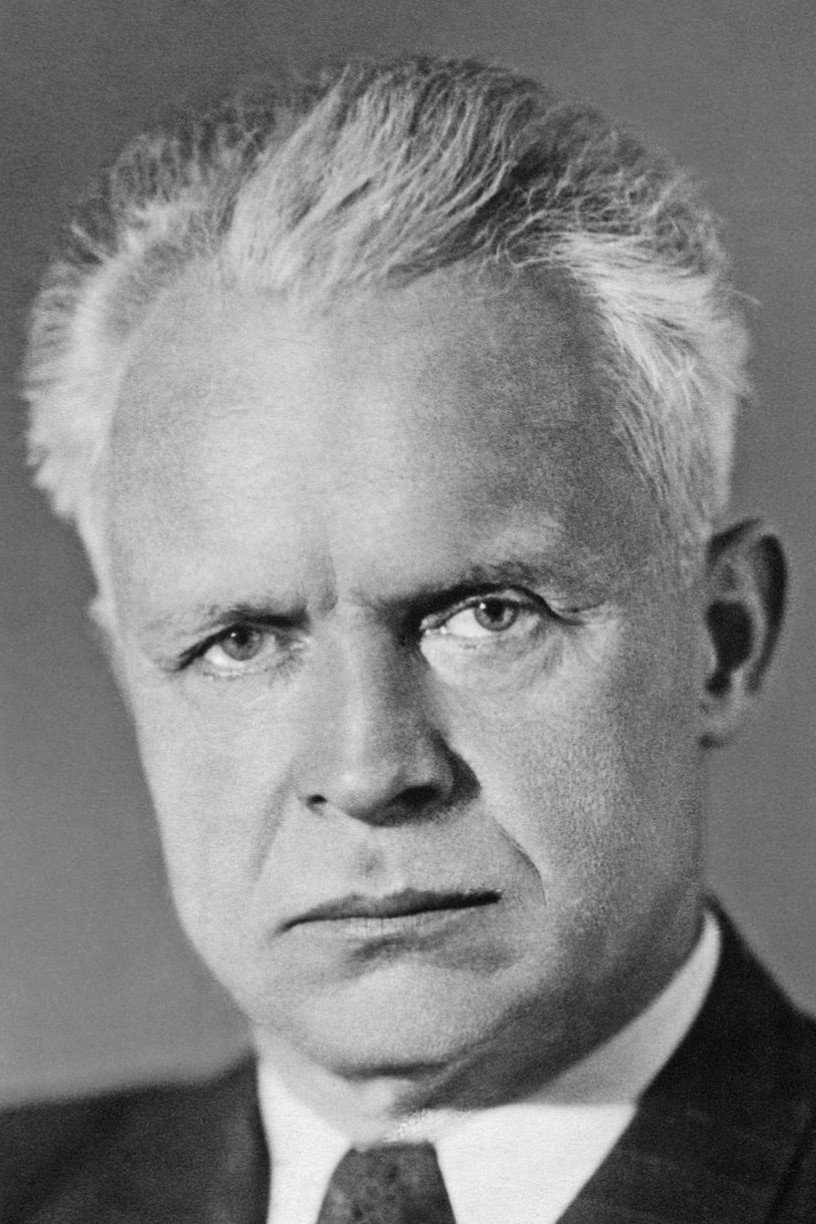
Alexander Dovzhenko
Yönetmen · 1894 – 1956 · Viunyshche, Chernigov Governorate, Russian Empire [now part of Sosnytsia, Chernihiv Oblast, Ukraine]
Alexander Petrovich Dovzhenko, also Oleksandr Petrovych Dovzhenko (Russian: Александр Петрович Довженко, Ukrainian: Олександр Петрович Довженко; September 10 [O.S. August 29] 1894 – November 25, 1956), was a Soviet film director and screenwriter of Ukrainian origin. He is often cited as one of the most important early Soviet filmmakers, alongside Sergei Eisenstein, Dziga Vertov, and Vsevolod Pudovkin, as well as being a pioneer of Soviet montage theory. Although Alexander Dovzhenko's parents were uneducated, his semi-literate grandfather encouraged him to study, leading him to become a teacher at the age of 19. Dovzhenko turned to film in 1926 when he landed in Odesa. His ambitious drive led to the production of his second-ever screenplay, Vasya the Reformer (which he also co-directed). He gained greater success with Zvenyhora in 1928 which established him as a major filmmaker of his era. His following "Ukraine Trilogy" (Zvenyhora, Arsenal, and Earth), although underappreciated by some contemporary Soviet critics (who found some of its realism counter-revolutionary), is his most well-known work in the West. For his film Shchors, Dovzhenko was awarded the Stalin Prize (1941); eight years later, in 1949, he was awarded another Stalin Prize for his film Michurin. After spending several years writing, co-writing and producing films at Mosfilm Studios in Moscow, he turned to writing novels. Over a 20-year career, Dovzhenko personally directed only 7 films. He was a mentor to the young Ukrainian Soviet filmmakers Larysa Shepitko and Sergei Parajanov. Dovzhenko died of a heart attack on November 25, 1956 in his dacha in Peredelkino. His wife, Yulia Solntseva, continued his legacy by producing films of her own and completing projects Dovzhenko was not able to create. The Dovzhenko Film Studios in Kyiv were named after him in his honour following his death.
Filmler6
 Film7.5BelgeselTarih
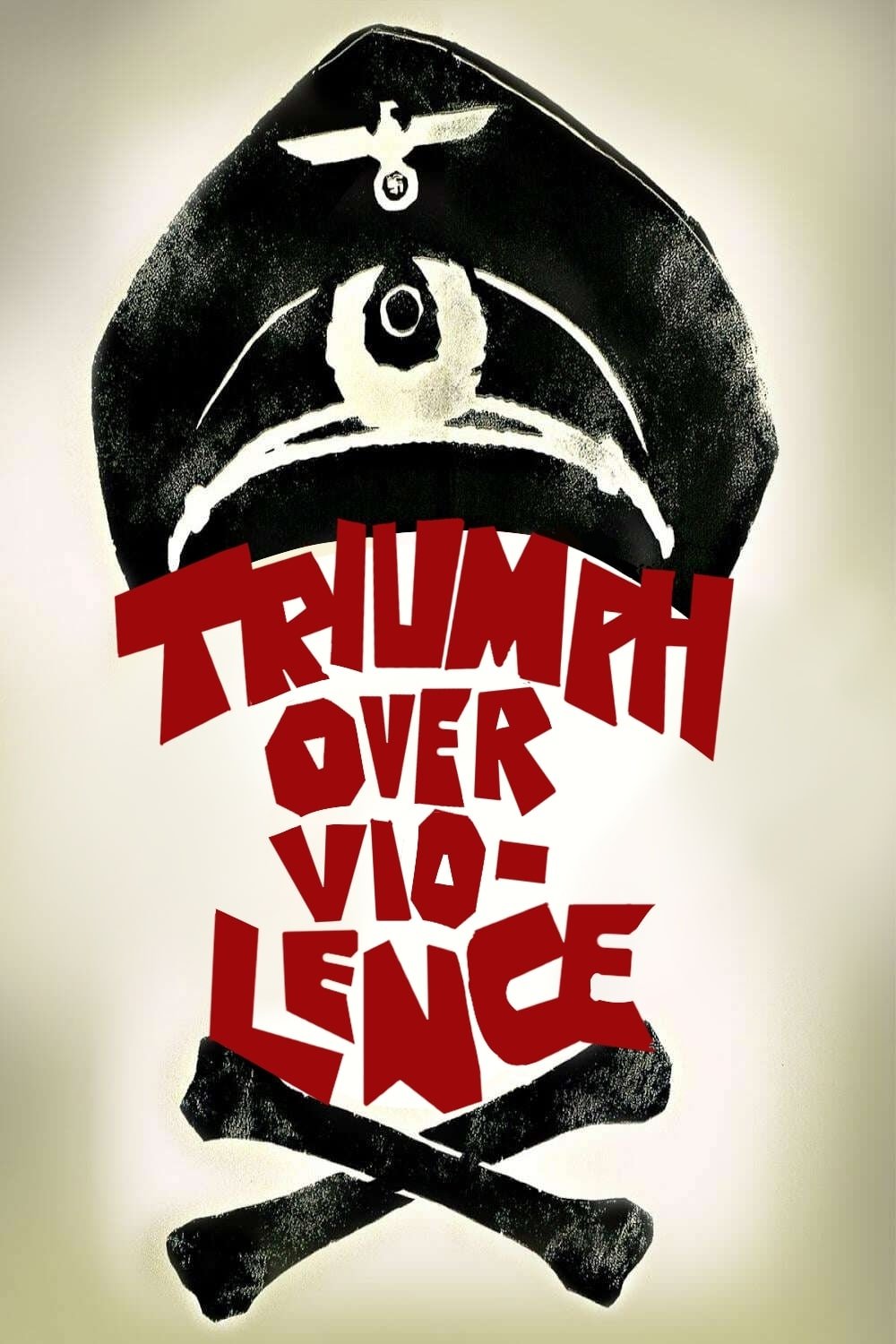
İkinci kuşak Sovyet sinemacılarından biri Mikhail Romm. Hemen tümü arşivlerden derlenmiş, aralarında Hitler’in özel film arşivi, SS subaylarının çektiği özel filmler, Sovyetler’in ve diğer kimi ülkelerin devlet arşivleri gibi kaynaklar da bulunan bir materyali kurgulayarak oluşturduğu anıtsal “Sıradan Faşizm” filmiyle, Almanya’da Nazizm’in 1930’larda başlayan yükselişini ve savaş sonuyla birlikte gelen çöküşünü anlatıyor. Bunun yanı sıra, aynı zamanda, “faşizm”in içinde oluştuğu koşulları, sıradan, küçük, önemsiz bulunan olaycıklarla, tehlikeli hoşgörülerle, gündelik boş verişlerle, yerine getirilmeyen görevler ve kaçınılan sorumluluklarla nasıl palazlandığını da gösteriyor. Bir taraftan “eğlenceye boğulmuş” ve çökmekte olan “soyluları ve zenginleriyle”, diğer taraftansa, Hitler ve Mussolini’nin şahsında cisimleşen pespaye bir hakimiyet tutkusuyla çok başarılı bir üslupla dalga geçerken, diğer taraftan bu kepazeliklerin ağır bedellerini de seyircinin önüne koyuyor.
 Film4.7GerilimDram
The Soviet embassy in England sends two couriers with diplomatic mail to Leningrad. The inspector of security police, White, and a group of policemen attack the Soviet diplomatic couriers at night. The documents get to an English trackman, who gives them to his son, a sailor in Portsmouth.
 FilmBelgesel
This film, marking the 130th anniversary of Oleksandr Dovzhenko's birth, reveals the artist's controversial path—from his first attempts at cinema to the creation of masterpieces that became symbols of Ukrainian poetic cinema. The authors show his ability to maneuver between creative ambitions and the political demands of the era, remaining a unique figure in cultural history.
 Film6.3Belgesel
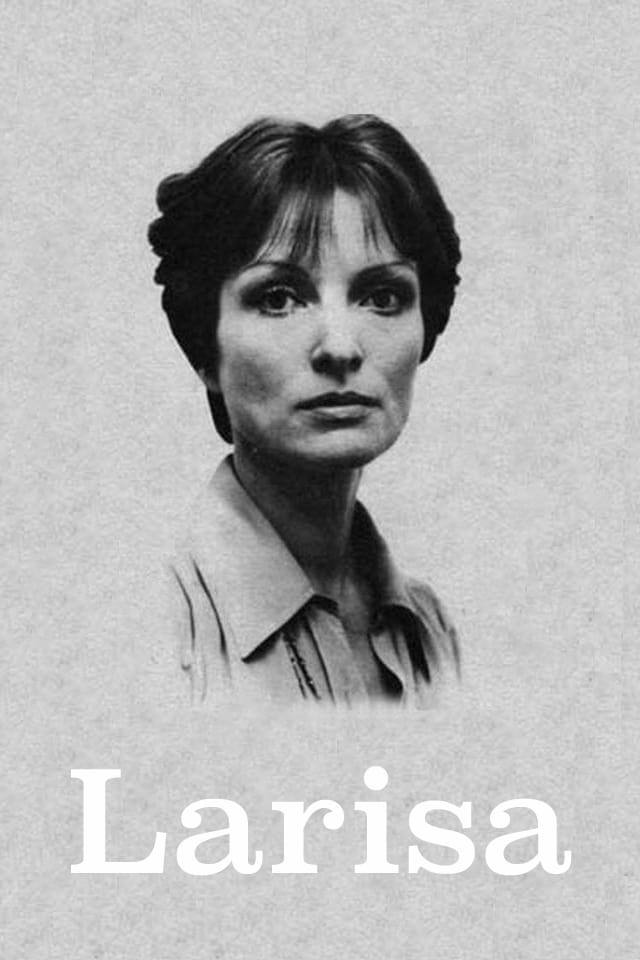
Elem Klimov's tribute to his late wife, director Larisa Shepitko, killed in a car accident a year earlier. Features excerpts from all of her films, and archival audio of her discussing life and art.
 FilmBelgesel
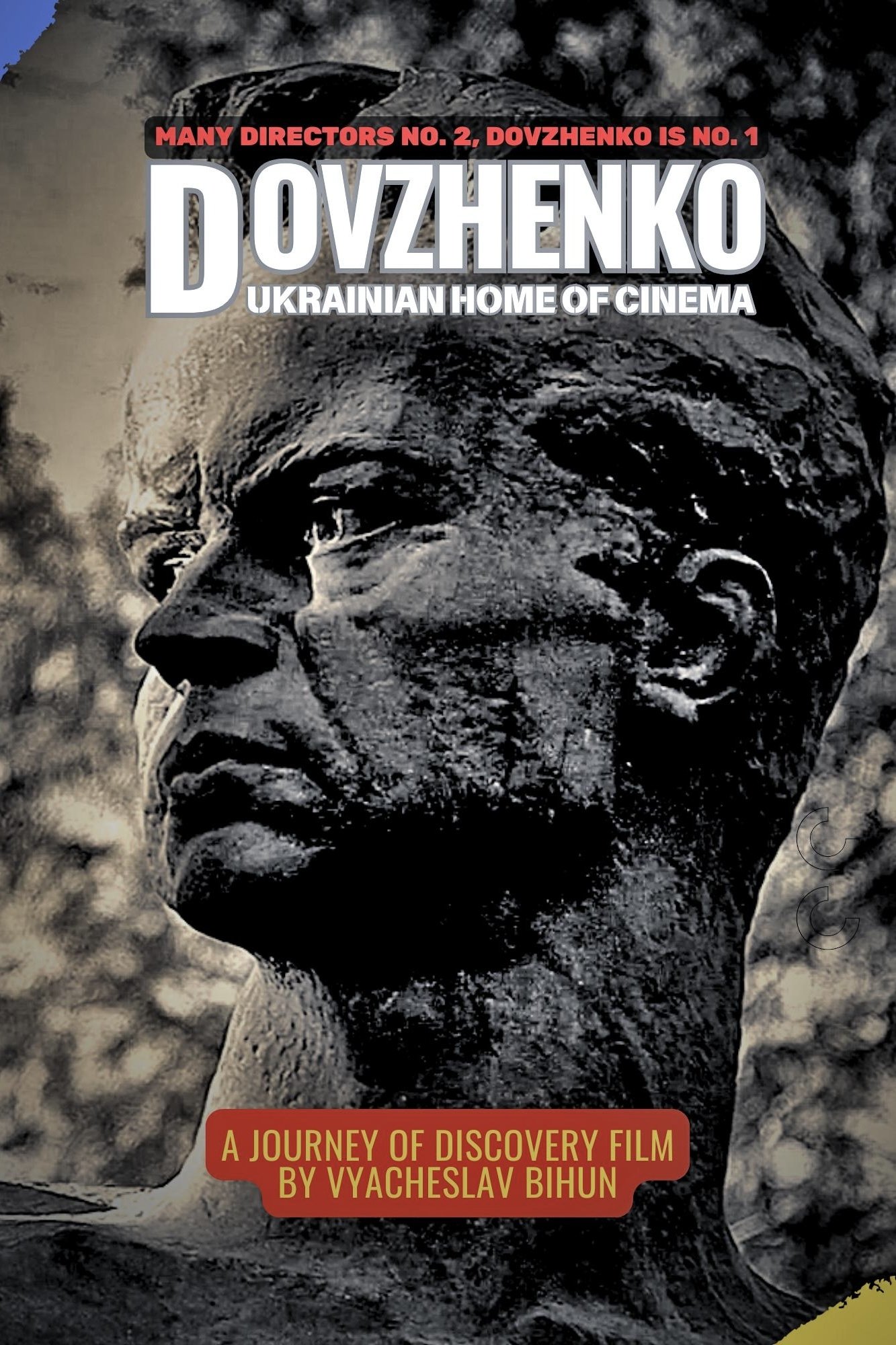
An inspiring portrait of Dovzhenko, one of the greatest film directors, known as Homer of Cinema. The film features Sergei Trimbach, Oleksandr Muratov, Vyacheslav Bihun, Raisa Prokopenko, and Peter Simms.
 Film9.0Belgesel