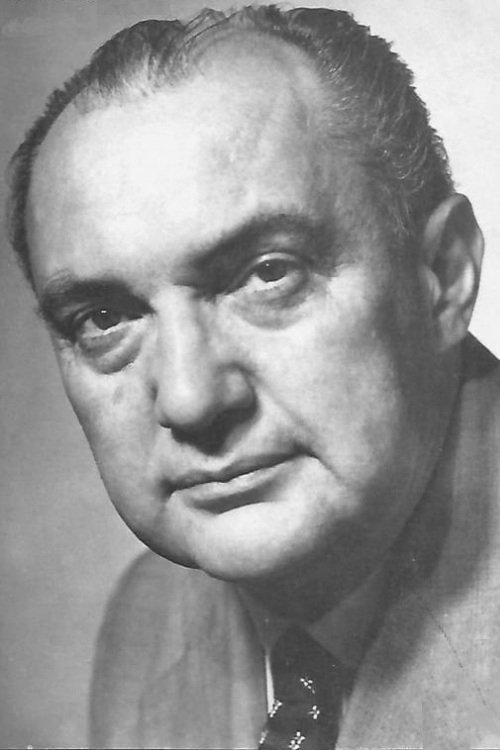
Bohumil Šmída
Yapım · 1914 – 1989 · Prague, Bohemia, Austria-Hungary [now Czech Republic]
Filmler24
 Film9.0Dram
- Film10.0BelgeselDram
In 1965, the experienced director Jaroslav Mach made a documentary film with staged scenes, which dealt with the current problems of popular Czech sport. Behind the scenes of football, the playmakers looked through slavoje's team, which is preparing for the decisive match. If Coach Ram doesn't force his boys to perform convincingly, they're in danger of relegation to league two. After a series of dramatic peripeteias, Slavoj takes the field so weakened that he is caught up in the dreaded failure. Fortunately, the club's fans will eventually take their anger out on the loss of "their" team to an innocent referee. The film also features criticism of officials... In addition to actors Martin Růžek and Bohumil Šmída, Machov's film appeared real footballers Dukla and period sports stars (e.g. František Plánička).
Fotbal
1965 · 1 votes
 Film6.1DramTarih
An historical depiction of the events preceding the political murder of Archduke Franz Ferdinand, would-be emperor of the Austro-Hungarian throne, in Sarajevo on June 28th, 1914.
- Film8.0BelgeselMüzik
The 50th anniversary of the Barrandov studios was celebrated with a spectacular show: many directors and other important people gathered in the expensive decorations of the Variety Theatre auditorium (built for the Circus Humberto series). They smiled and showed well-deserved relaxation after a job well done in managing socialist cinema. Vladimir Sís interspersed this with excerpts from films, mainly his own and also a little of others who had worked on the "Hill of Dreams".
Barrandovské nokturno aneb Jak film tančil a zpíval
1985 · 1 votes
 Film4.5Suç
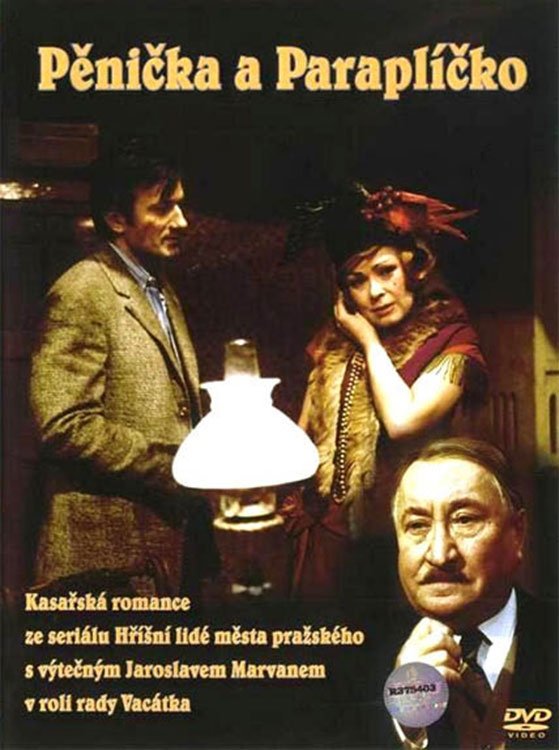
In the morning twilight of Prague, the dead body of the safe-breaker Toufar is found floating on the river Vltava with a knife in his back. Police inspectors visit Toufar's lover, the prostitute Anna Kulatá (Jirina Bohdalová), nicknamed Umbrella, and it is apparent that the moment before she opened the door of her flat, someone fled through the window. Umbrella is summoned for examination to the head of the criminal police - Police Councilman Vacátko Jaroslav Marvan, but although shocked by the photograph of the dead man, she does not confess to anything. Before Toufar, Umbrella lived with the safe-breaker Penicka (Radoslav Brzobohatý), who loved her very much and made her quit her street trade. But when he was sentenced to three years' imprisonment, Umbrella began to live with the brute Toufar, who chased her to street again. In the case of the murder, Penicka is therefore the prime suspect.
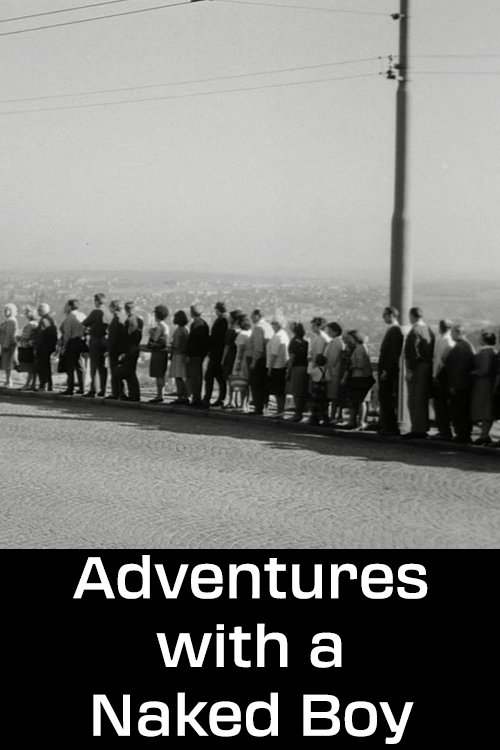 Film4.0Komedi
A man boards on a tram together with a naked boy. Somebody has stolen the boy's clothes when he was out bathing, leaving him with not even change for the tram. The man has taken care of him and is taking him home. At first nobody notices them but as soon as the people realize they are seeing something out of the ordinary they begin to react to the situation. Some are content with the simple explanation as to why the boy is naked. Others are agitated, for they see the whole situation as something unseemly. An ordinary incident, which might have been passed over in silence, results in a heated argument that turns into a fight. More and more people join in the fight until the police are forced to intervene.
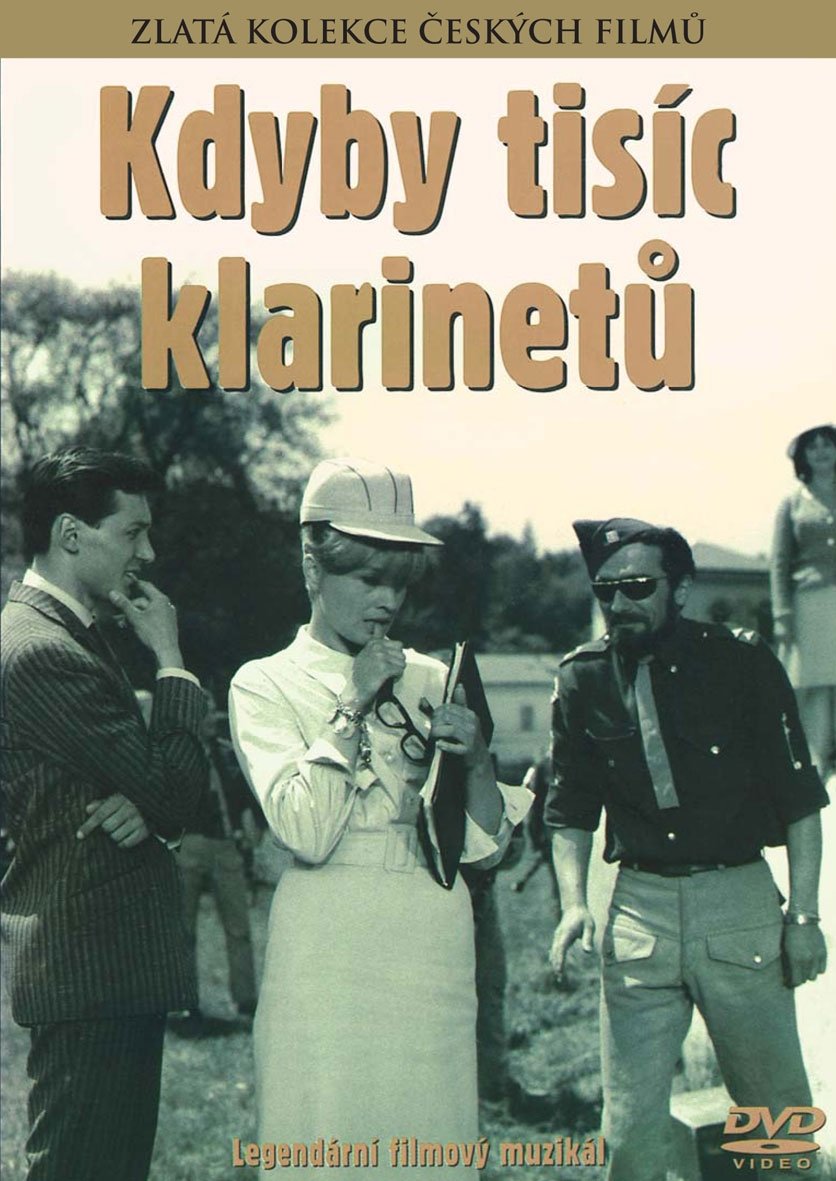 Film7.5KomediMüzik
A military base. An awkward soldier. A statue of Bach. And suddenly all guns in the area change into music instruments. Great mystery is immediately found by TV station. And soon the military base becomes a stage for huge TV show.
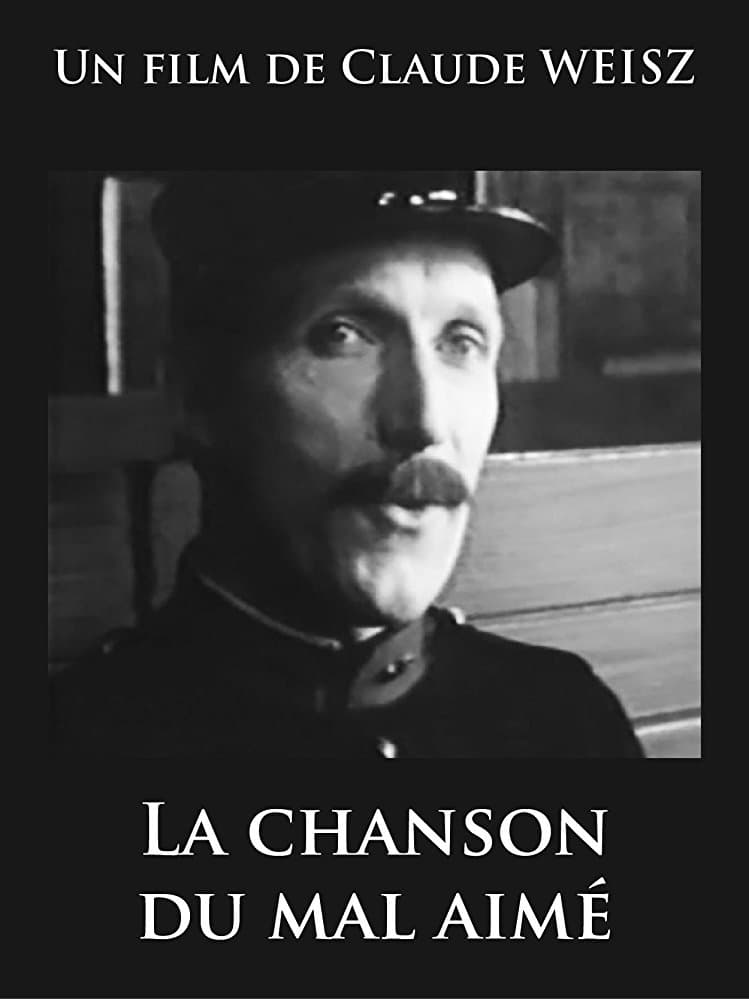 Film6.2DramTarih
Biography of the life of Guillaume Apollinaire.
La Chanson du mal-aimé
1982 · 2 votes
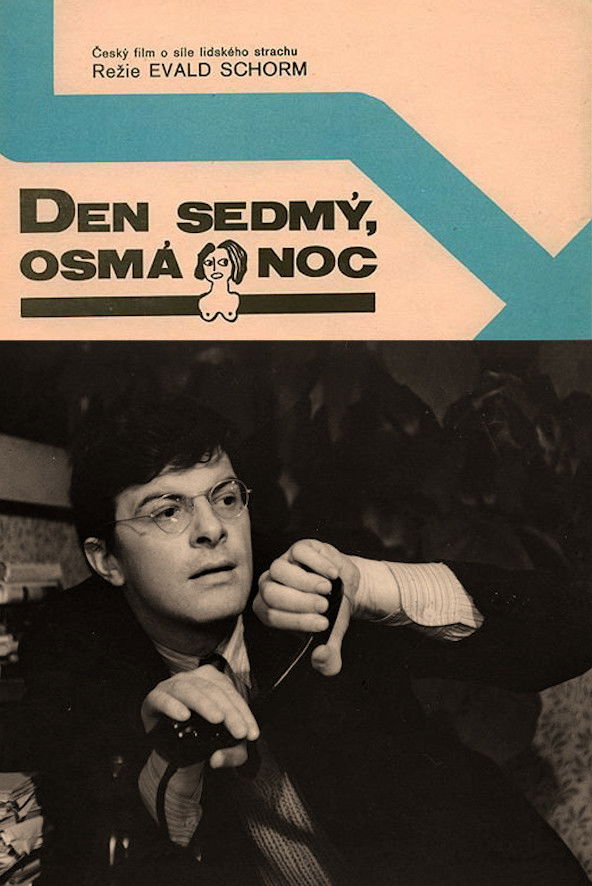 Film4.8DramGizem
An allegory set in an archetypal Czech village, it tells the story of what happens when a series of mysterious events take place, including the disappearance of the station master. While everything has a rational explanation, collective paranoia takes over and everyone's worst instincts are unleashed. Interrogations, disenfranchisement, and the search for scapegoats ultimately lead to murder. The movie was completed in 1969, but it was banned and not released till 1990, Evald Schorm who died in 1988 never saw it completed.
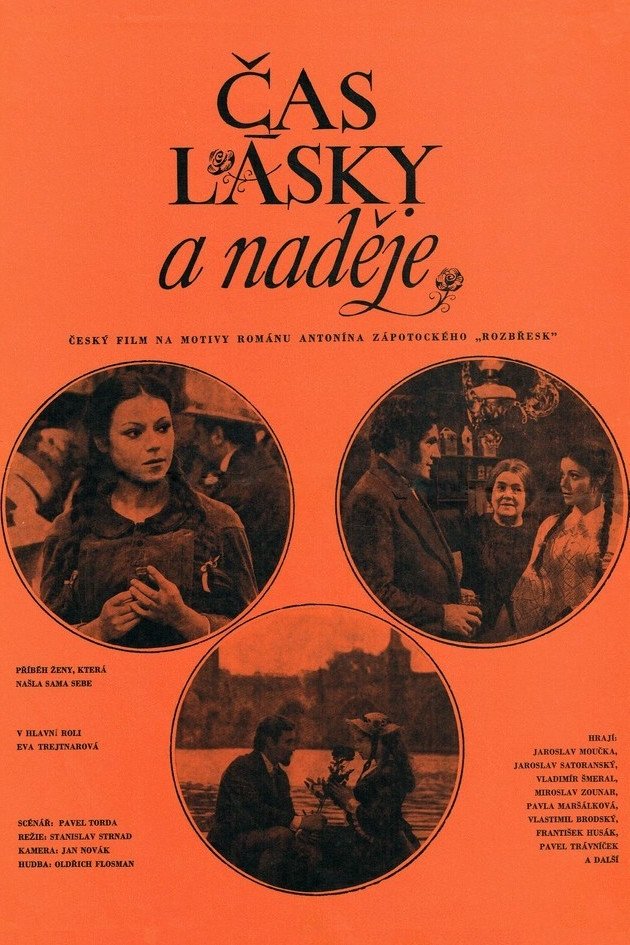 Film6.5DramTarih
A colour-printed melodramatic selanca from the beginnings of the organised labour movement in Bohemia... Antonín Zápotocký, the second workers' president, is the author of the literary novel Rozbřesk - the plot is said to be inspired by the fate of his grandmother and mother.
Čas lásky a naděje
1976 · 2 votes
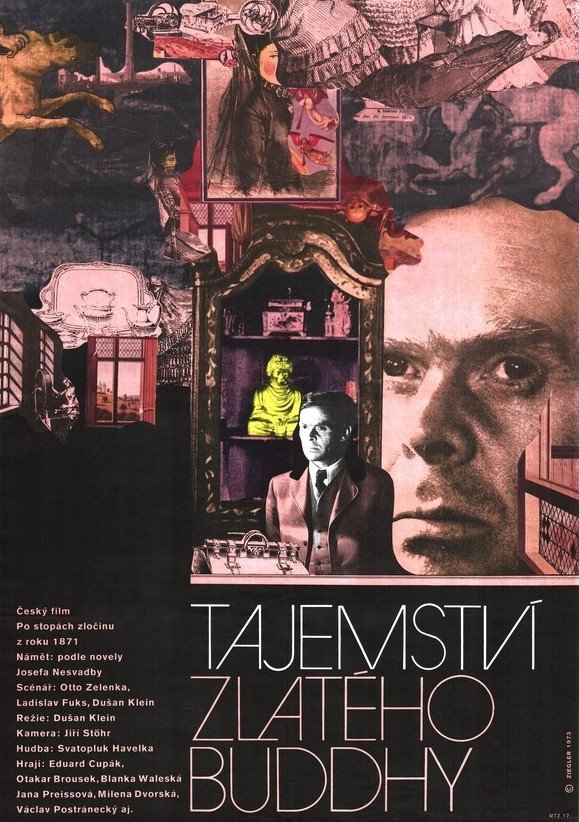 Film9.0Suç
A crime story set in the second half of the 19th century. Krasl, a Prague schoolteacher, is searching for a statue of the Golden Buddha, which is supposed to contain compromising materials on the factory owner Riessig.
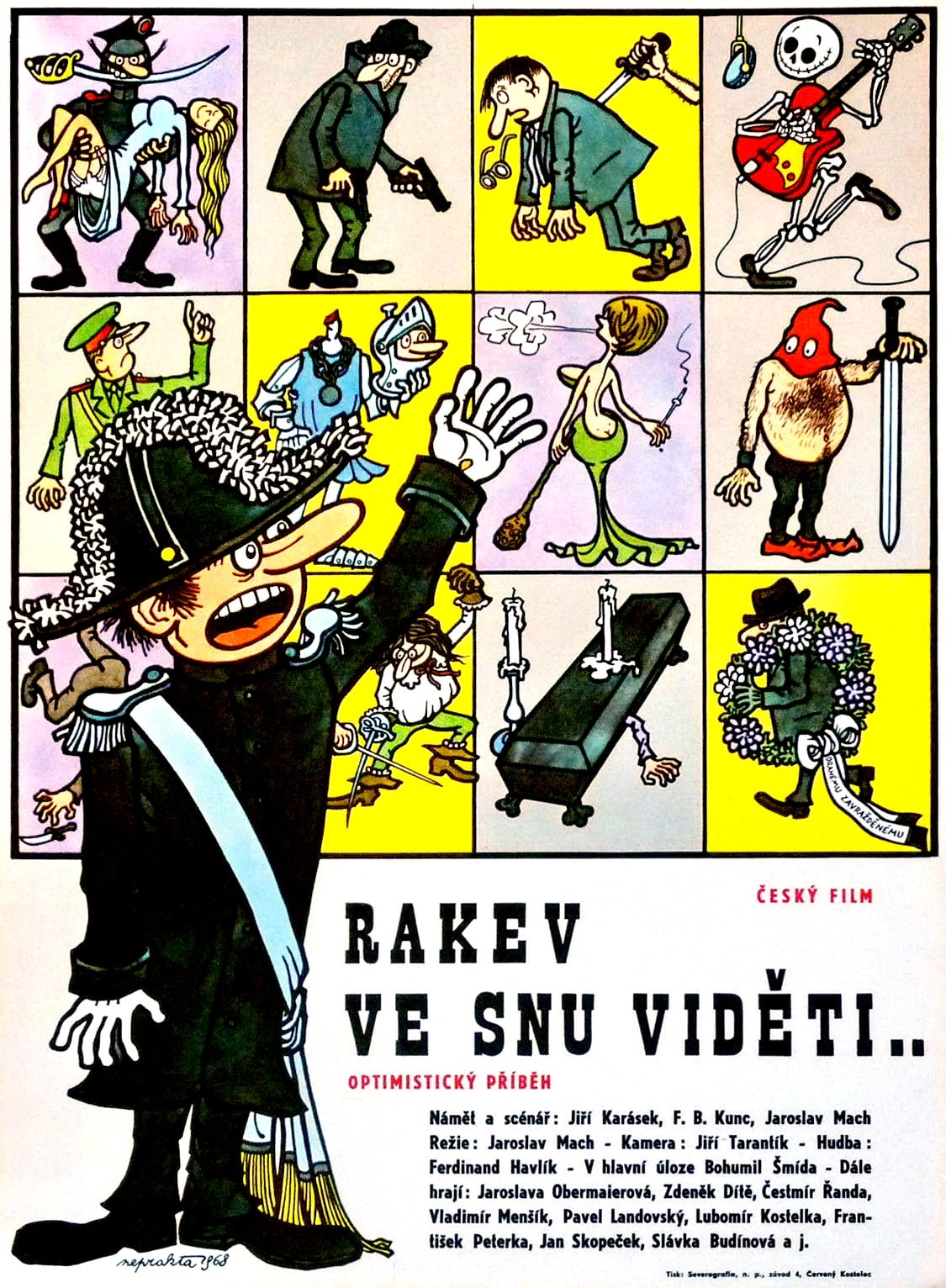 Film6.0KomediSuç
The Ronov castle has been changed into a hotel, offering stylish facilities to its guests: weddings in the torture chamber, a Black Lancer kidnapping brides, a night's lodging in a family tomb etc. The reformed petty swindler Felix Pacínek (Bohumil Smída) runs the hotel. The business is far from thriving; the place is half-empty, and the jazz band Skeleton, together with their singer Zuzanka (Jaroslava Obermaierová), decide to leave. Nobody in the hotel has any idea that the band is in fact a gang of thieves who have just robbed the Prague State Bank, taking two million crowns from its vaults.
„Rakev ve snu viděti...“
1968 · 3 votes
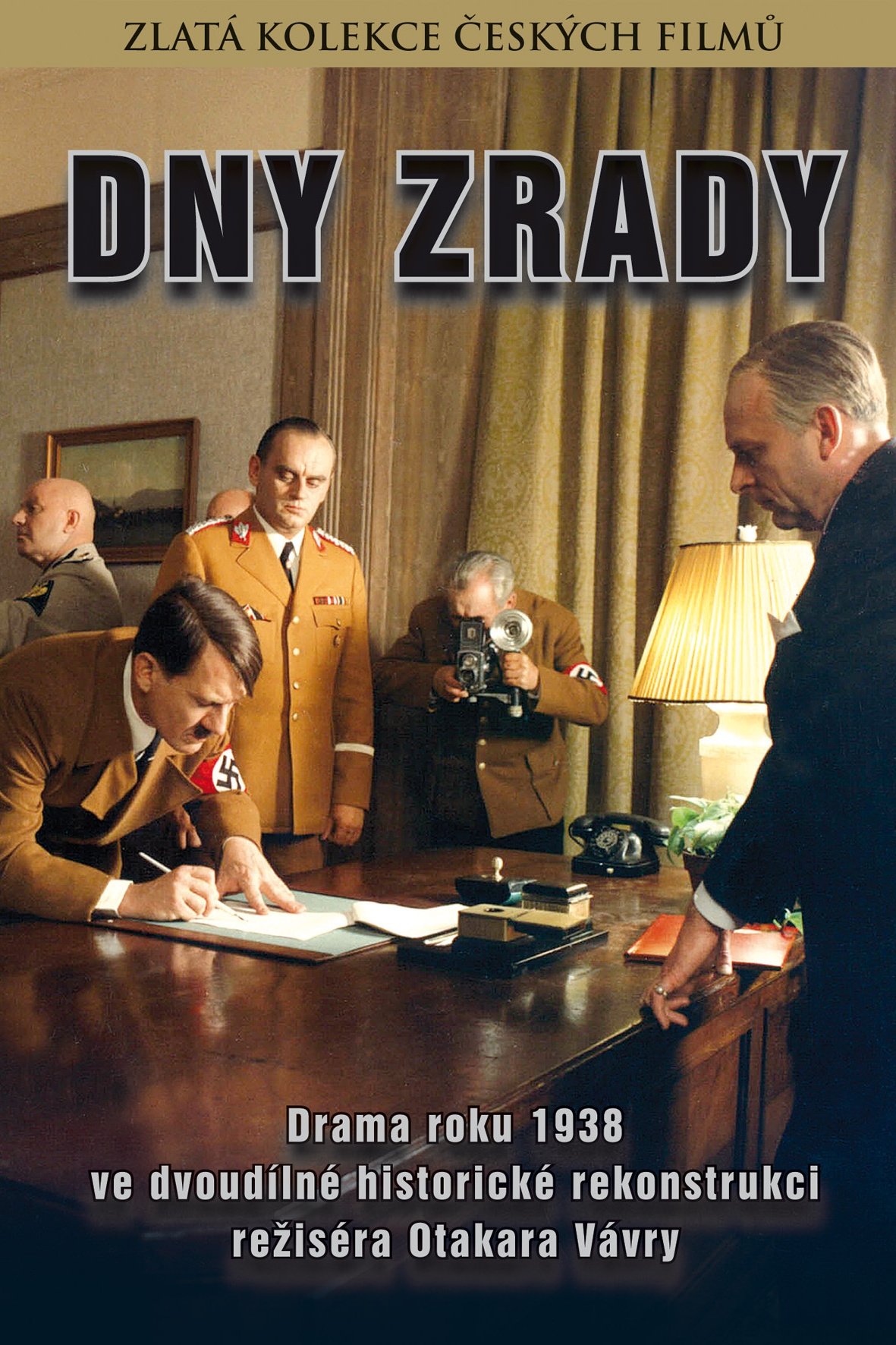 Film5.6TarihDram
This feature film based on the events of 1938 is a chronicle of the futile efforts of the Czechoslovak president Edvard Benes (Jirí Pleskot), politicians and ordinary citizens, to save the independence and the territorial integrity of the state from the advance of Hitler's Germany. On the 29th of March 1938 the leader of the Sudeten Germans Henlein (Werner Ehrlicher) has a meeting with Hitler (Gunnar Möller). Hitler orders him to intensify pressure on the Czechoslovak government. On the 24th of April in Carlsbad, the Sudetendeutsche Partei (Sudeten German Party) decides upon eight demands that are unacceptable to the Czechoslovak President, since they would ultimately lead to the break-up of the Republic. Benes still shows a certain willingness to negotiate, and Henlein resents this. The Germans are determined to make further negotiations impossible through incidents and violence.
 Film5.8Suç
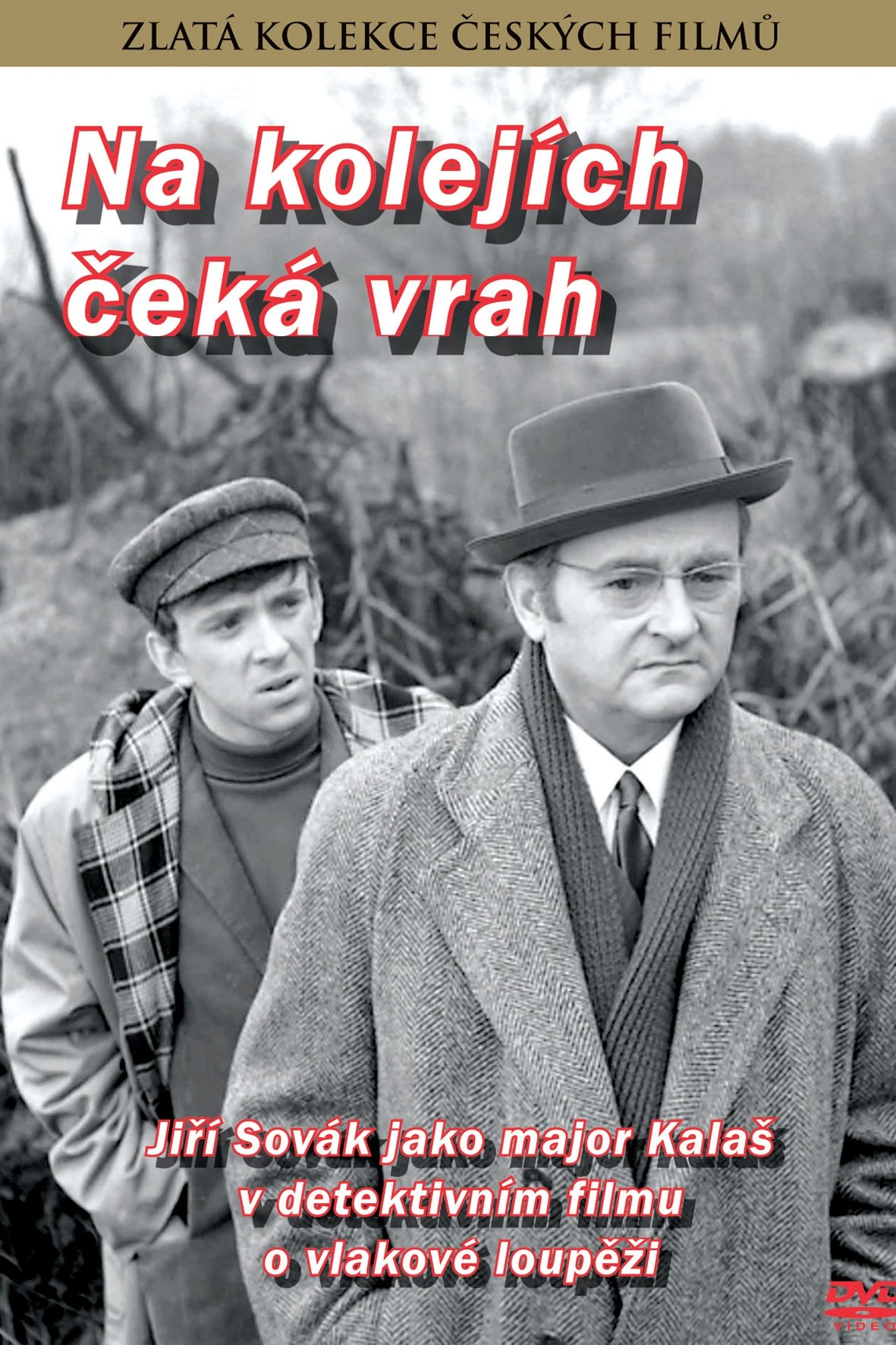
An escort composed of three people transports a huge amount of new one-hundred crown banknotes in a special railway car. At the 196th kilometer, a village girl is waiting at the railway crossing and spots two men removing some packages from the track. The scene is immediately followed by the report of a gun and the unwanted witness is shot dead. Soon afterwards, on the 201st kilometer, the train explodes. Only one of the escorts Lenk (Radoslav Brzobohatý) survives the explosion, taken to hospital with serious injuries. Criminologist Major Kalas (Jirí Sovák) and the very young Second Lieutenant Karlícek (Jaromír Hanzlík) patiently gather facts, leads and testimonies.
 Film1.0KomediMüzik
Alfons Karásek v lázních
1971 · 2 votes
 Film8.5DramTarih
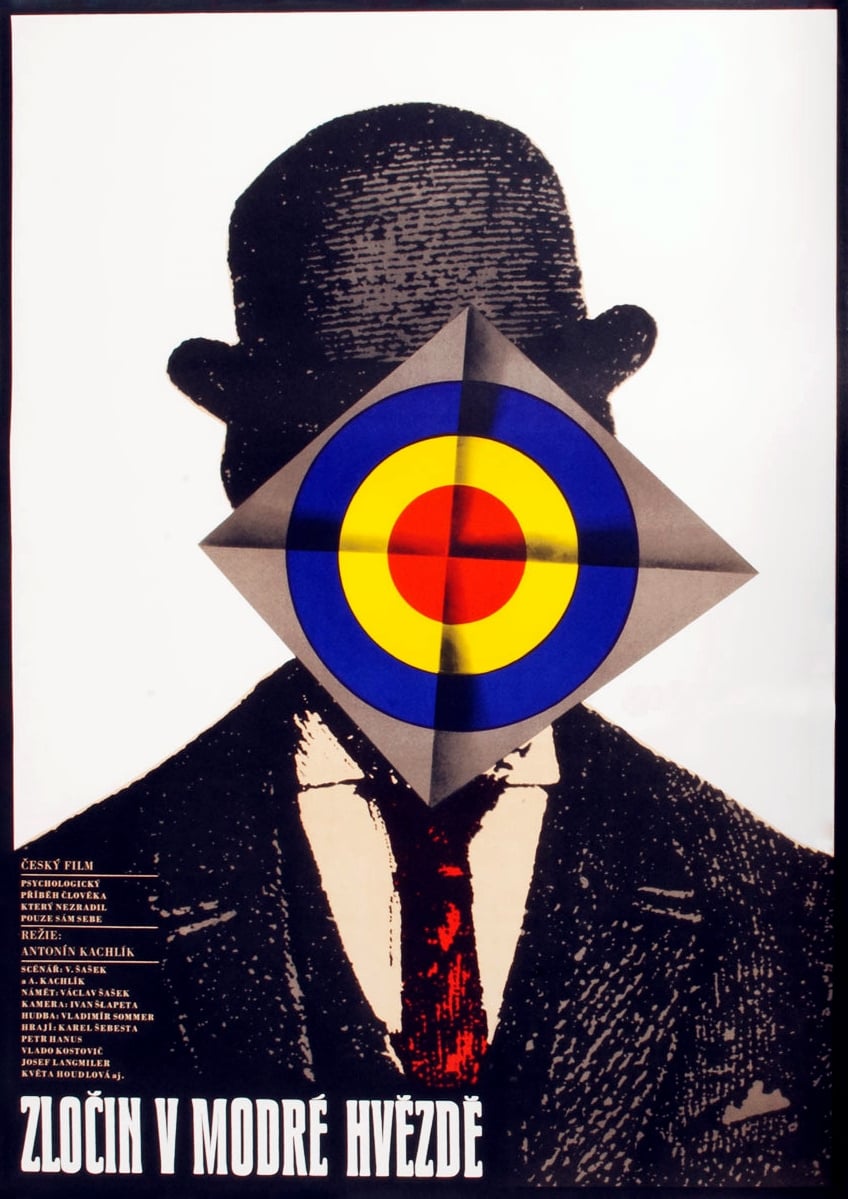
It is 1920, political unrest is growing in Prague and the Social Democrats are about to betray their historic mission by prioritising their own selfish interests instead of those of the working class. An extortionist scandal falls on the Social Democratic deputy Jandák, forcing him to renounce his convictions. Under these circumstances, the seriously ill Hungarian revolutionary Kerekes, who had to flee his homeland, is hiding in Prague...
Zločin v Modré hvězdě
1974 · 2 votes
 Film5.6Suç
Marek (Jirí Holý), formerly a driver of a long-distance lorry, has served his term for smuggling art works abroad and is released from jail. Years ago, he sacrificed himself and confessed his guilt on behalf of his companions - the drivers Krása, Jelínek, Hess and Novák from the Ministry of Culture who gave them tips. Marek finds Hess and tells him that now he expects the gang to compensate him for the wasted years of his life.
 Film6.0MüzikKomedi
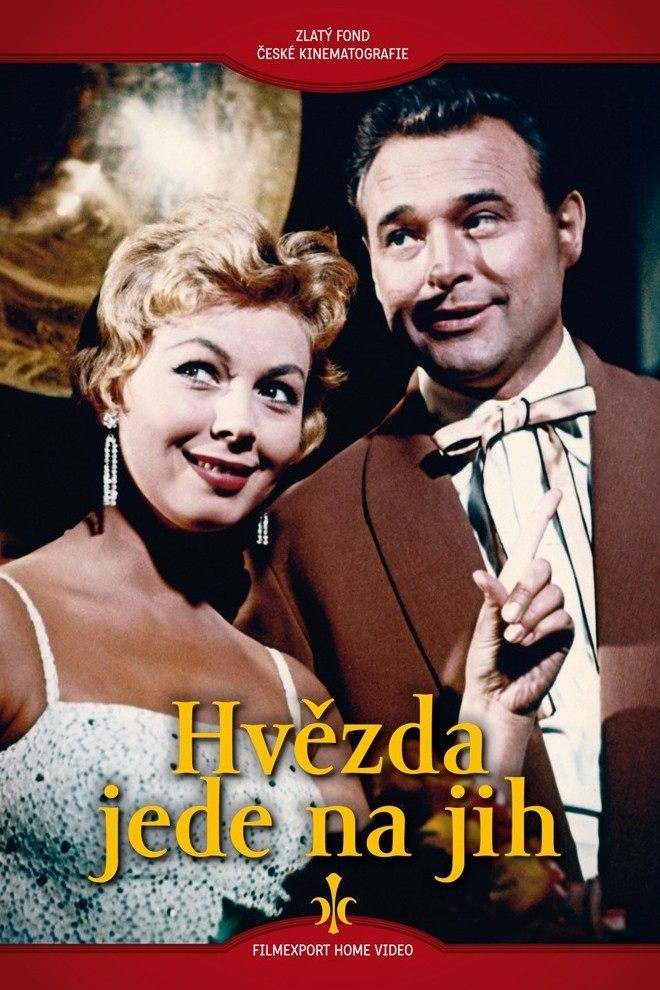
The Prague Grand Orchestra travels by train to a music festival in Yugoslavia. Only the singer Sona Klánová missed the departure. In the meantime, she managed to buy a ticket to Belgrade at the air-terminal from Mrs Navrátilová, who couldn't make the trip. In the meantime, the orchestra conductor is beside himself with despair. He phoned to Prague from the border, and when he realized that Sona had left her house in a taxi, he thought that she would catch up with them by the road. The orchestra delayed the train's departure with an improvised concert for the custom officers and the passengers.
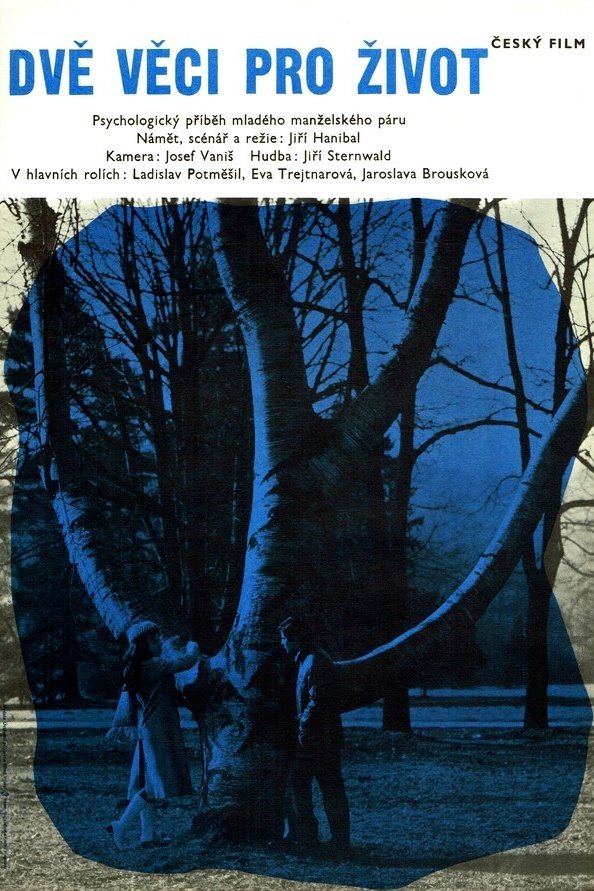 Film5.0Dram
After returning home from the army, Vasek (Ladislav Potmesil) has married Bozka (Eva Trejtnarová) and the couple now live at her parents' house. Vasek is unhappy both with his work and with sharing the house with Bozka's parents. He and his friend Ruda (Oldrich Vlach) decide to take a temporary job in Ostrava for a year. Bozka is against this, but Vasek gets his way. Mining is hard work but Vasek gradually adapts to it. He gets homesick from time to time and wants to go back, but his pride always wins out. Once he really does travel back to see Bozka, but he doesn't find her at home.
Dvě věci pro život
1973 · 3 votes
 Film6.5SuçDram
In May 1945, a woman in Marienbad reports a murder - committed in 1933 against the German emigrant Professor Lessing. She also names the murderer. Against the wishes of his superior, who does not feel responsible for this case - it was a fascist femicide - Inspector Šedý picks up the trail and arrests the murderer, the German Eckert. Eckert was a fugitive at the trial in 1933, and now the evidence is no longer available. Nevertheless, Šedý does everything he can to convict him. He finds witnesses who support him - anti-fascists, but also former collaborators who want to clear themselves. Reconstructing the case at the crime scene, Šedý is able to prove that Eckert was at least an accessory. He is convicted. After his release from prison, Eckert goes to West Germany, where he demands compensation from his former clients.
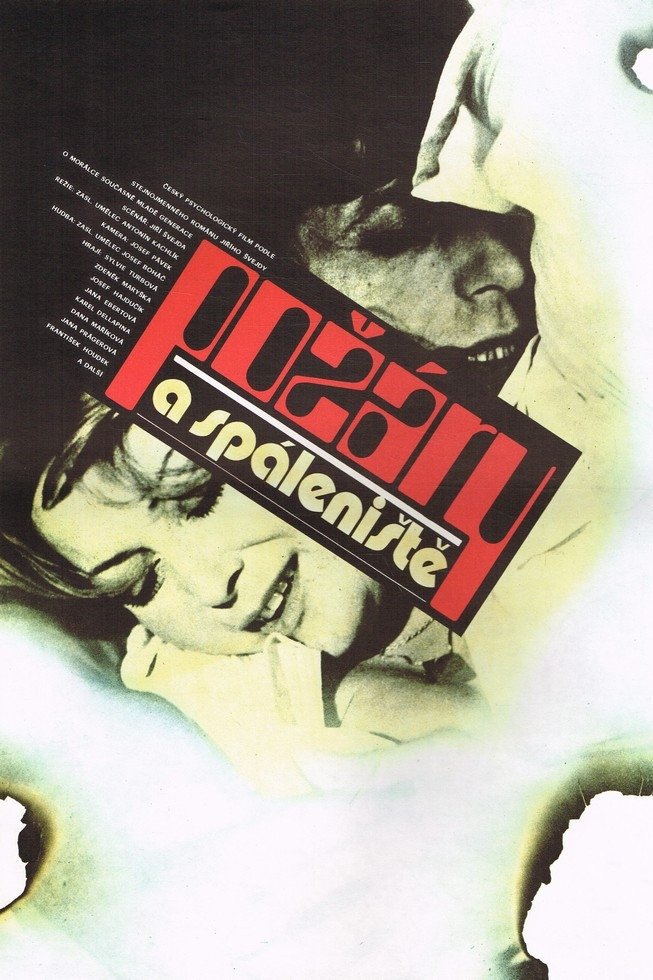 Film9.0Dram
Antonín Kachlík wanted to make committed films about the moral dilemmas of the working class, but in the era of normalisation, he could only proclaim how faltering individuals would eventually come to the desired thinking. This is also true of the adaptation of Jiří Švejda's book about the wavering career of a young brickmaking technologist - the simplistic drawing of characters and plots, the posterishly lifeless language and the textbook discussion of social ills are all objectionable; the ideal becomes the code of the socialist builder.
Požáry a spáleniště
1981 · 1 votes
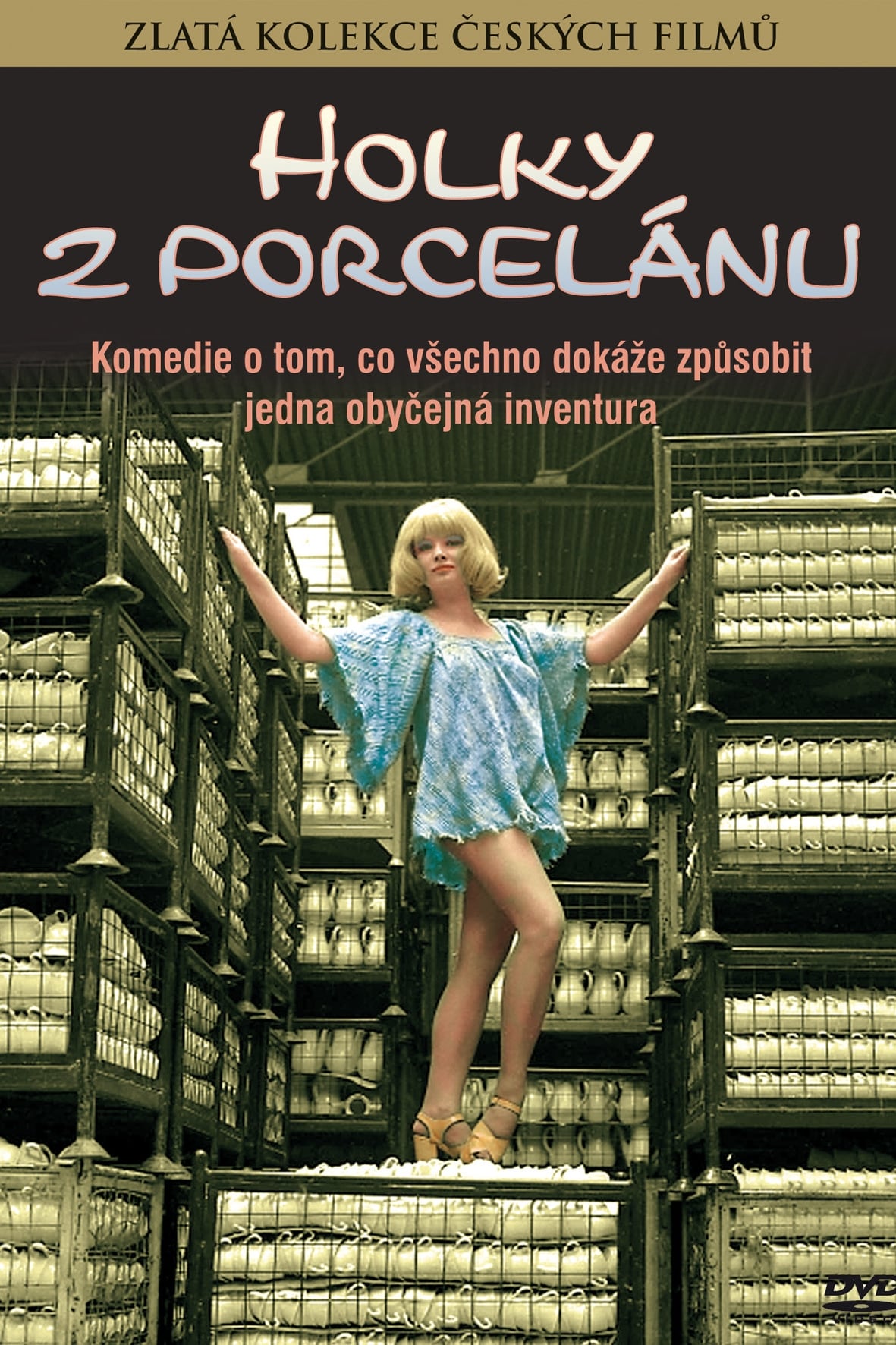 Film7.7Komedi
The fifteen year old Maruska starts as a new staff in the porcelain warehouse. For the boss Svetla it is the last straw. She asked to extend her staff consisting of four girls and a retired lady by a man, not a child. The kind and ever fussy Svetla, battling in vain with overweight decides to leave her position and to take another one in the office. As soon as she finds out that the position will be taken by Arnost Jarolím, she insists on a hand over inventory.
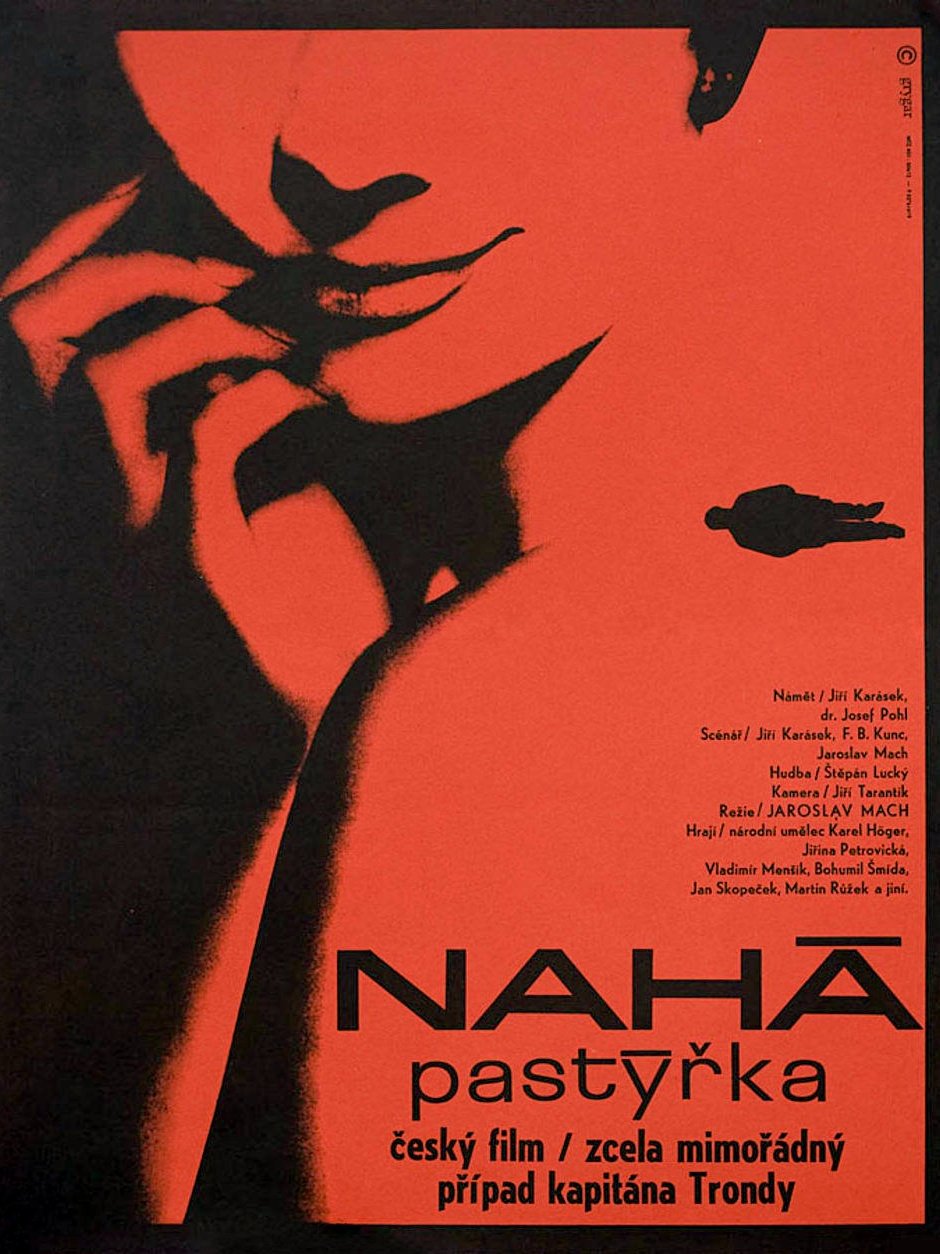 Film6.5Suç
At the Ronov castle, the archive-keeper professor Nykl (Milos Nedbal) is searching for the lost painting The Naked Shepherdess by the famous Fragonard. Nykl is just about to disassemble the mantelpiece in the knight's hall, convinced that the painting must be hidden somewhere inside. His efforts, however, meet the strong disapproval of the castle manager, Anna Juzová (Jirina Petrovická), who knows very well where The Naked Shepherdess is. She wants to get hold of the painting herself, to emigrate and smuggle it along. In fact, Anna deals with forgeries of the most distinguished old masters, selling them abroad. The copies are made for her by the painter and restorer Maudr (Martin Ruzek) and the certificates of authenticity are issued by Anna's companion - expert Laburda (Karel Höger). One day, Anna is found murdered in front of the castle's fireplace.
Nahá pastýřka
1966 · 4 votes
- Film7.0AileKomedi
After her mother's death, Lada lives alone with her father, the king, who prefers to spend time with the ladies of the court and has no time for his daughter. And when she protests, he decides to marry her off. So Lada runs away disguised as a boy to a neighboring kingdom. Lada – or Láďa – enters the service, that is, the kitchen, of the young king. And because the young king is celebrating his eighteenth birthday, Lada attends his ball...
Láďo, ty jsi princezna!
1979 · 2 votes
Diziler11
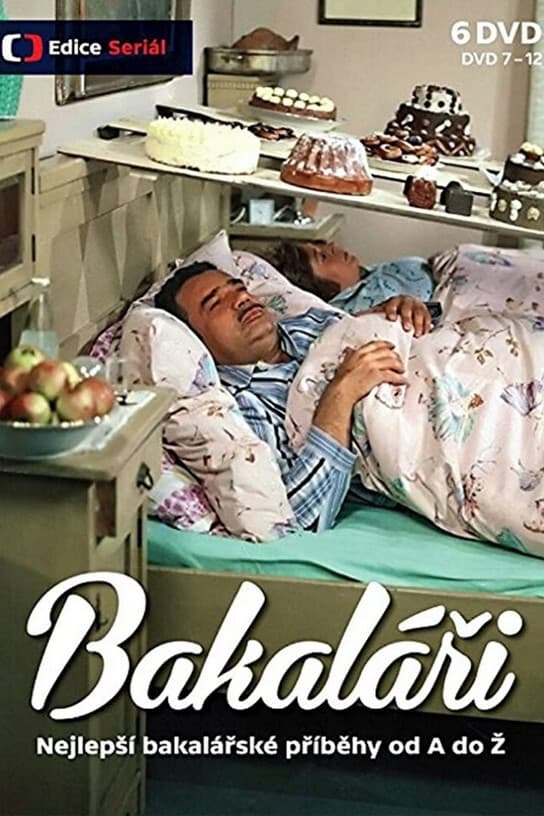 Dizi7.0Komedi
Bakaláři
1972 · 2 votes
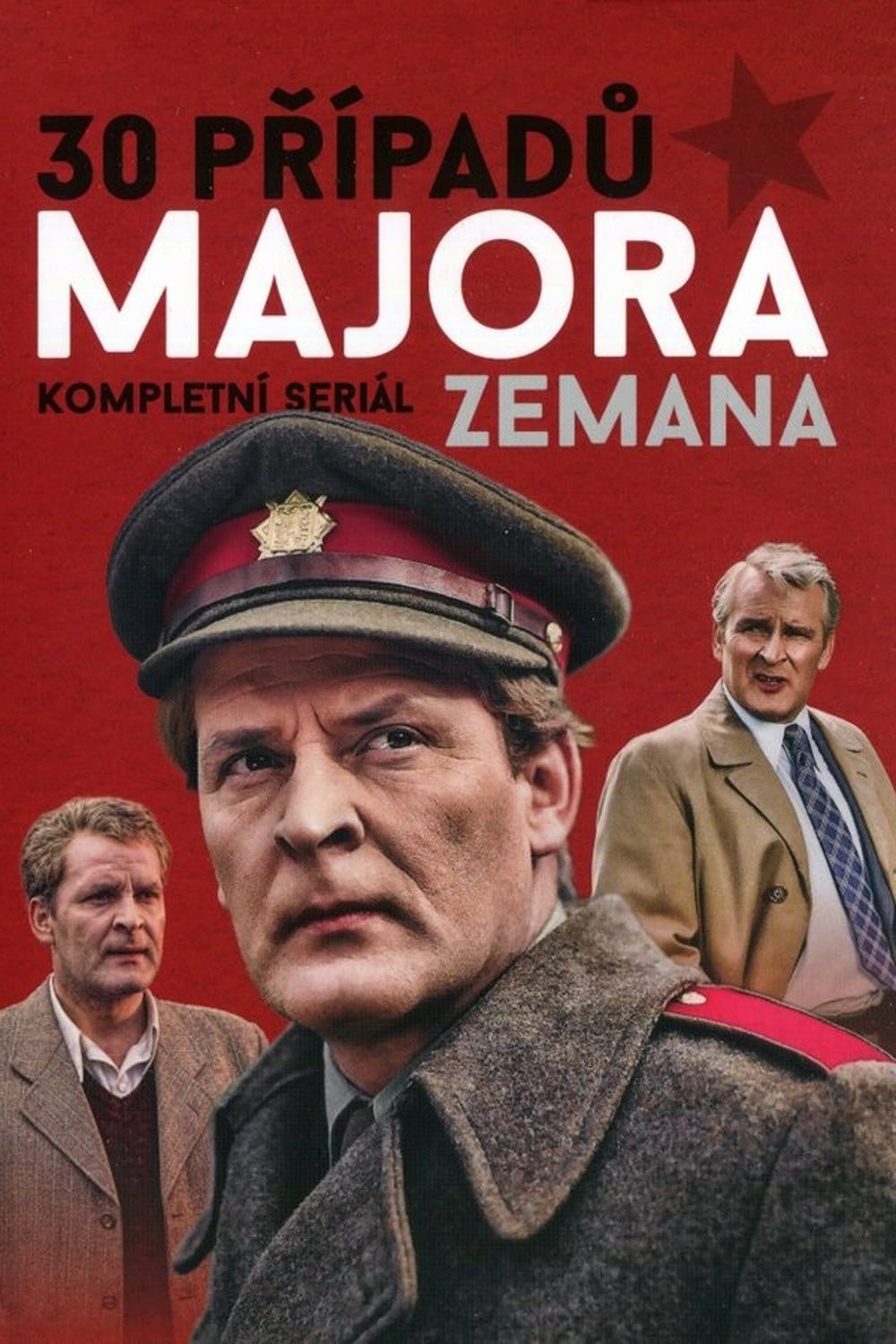 Dizi7.3DramSuç
Thirty Cases of Major Zeman is a Czechoslovak action-drama television show intended as a political propaganda to support the official attitude of the communist party. The series were filmed in the 1970s. Each episode encompasses one year, and investigations are stylized to that year. Most are inspired by real cases. The series follows the life of police investigator Jan Zeman during his career from 1945 to 1975.
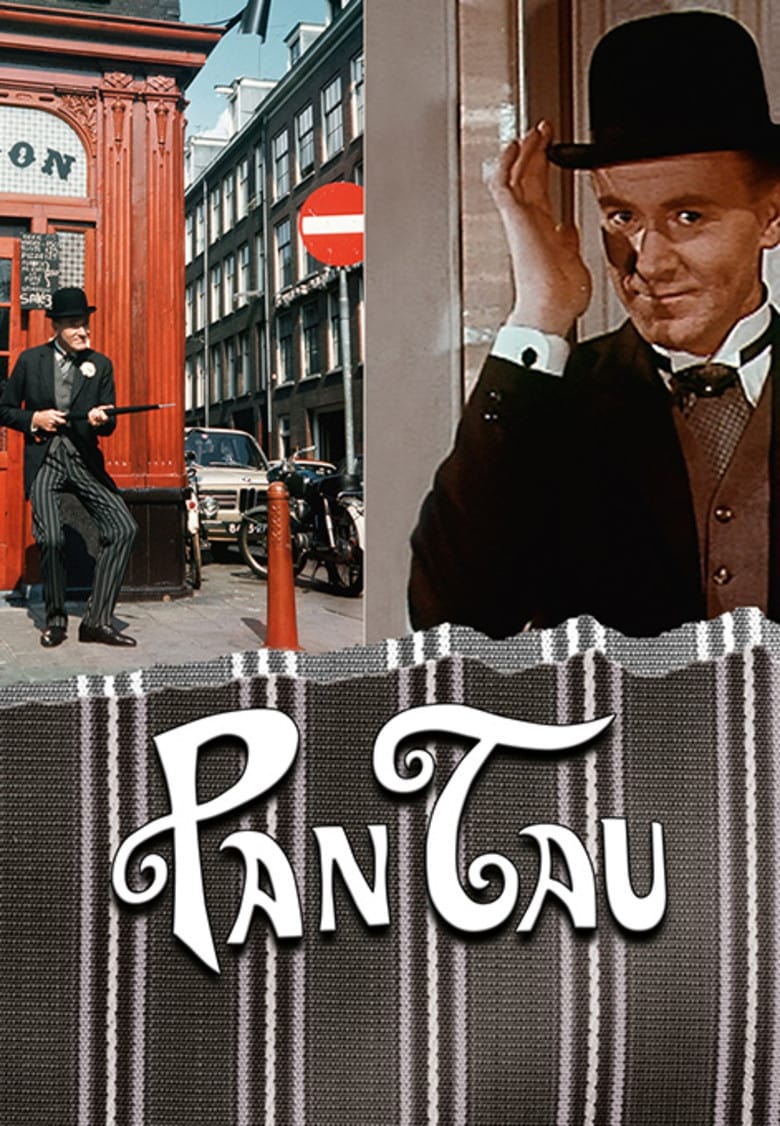 Dizi7.1Aile
Pan Tau always had a gentle expression and a friendly smile, he was elegantly dressed in a stroller, with an umbrella and a white carnation in the lapel. Foremost, he was famous for his magic bowler hat. By tapping on his hat, Pan Tau was able to change his appearance into a puppet, to conjure up miscellaneous objects or to do other magic. His most characteristically behavior is that he would help children who were experiencing some sort of difficulties in-between their dreams and reality, like finding a place for skiing, settling family problems on Christmas, and even give a boy a good time at a fair when he is supposed to have piano lessons. To adults, he usually remained invisible.
Pan Tau
1970 · 17 votes
- Dizi4.0Dram
Hnízdo
1973 · 1 votes
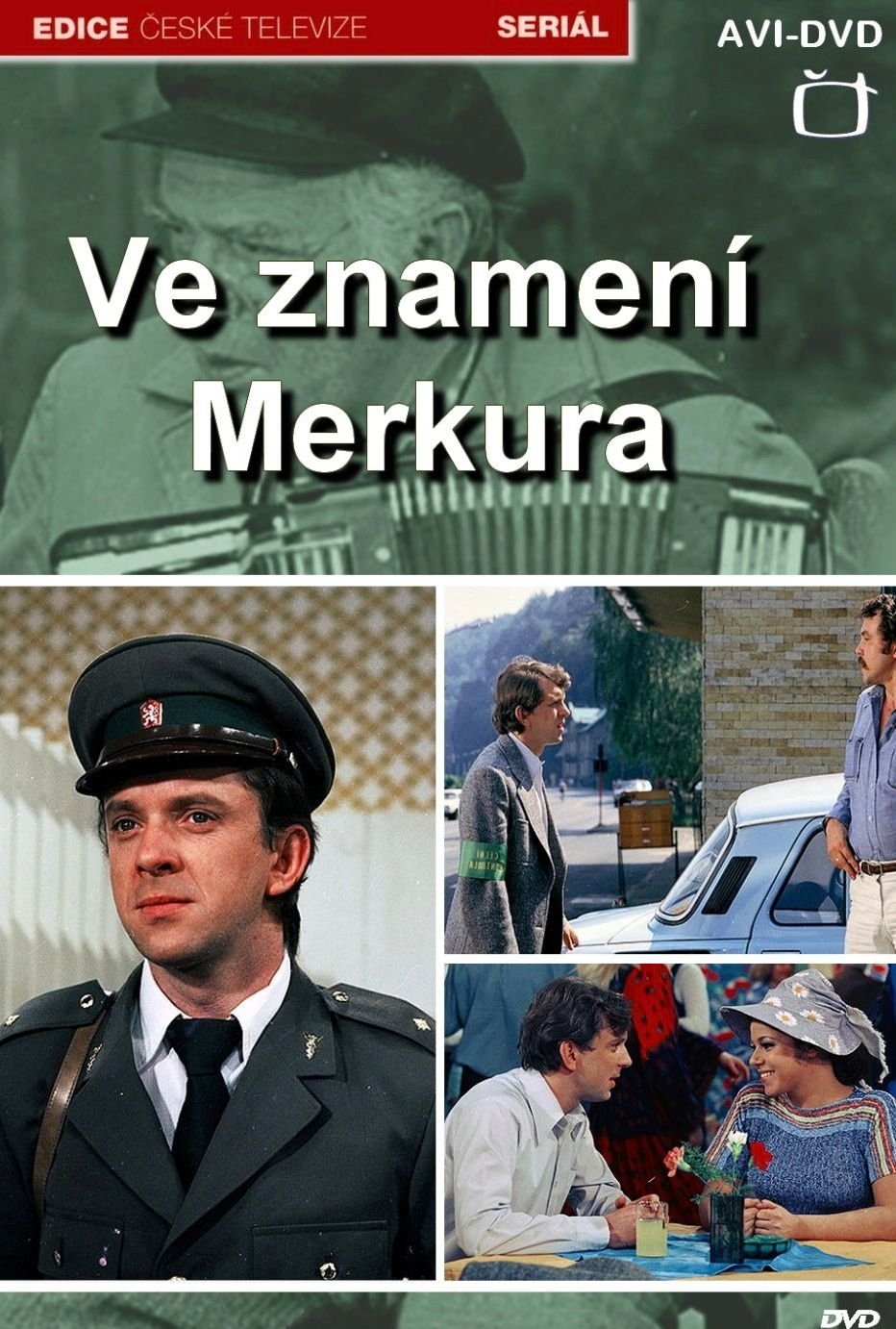 Dizi5.2Dram
Ve znamení Merkura
1979 · 2 votes
 Dizi9.0Aile
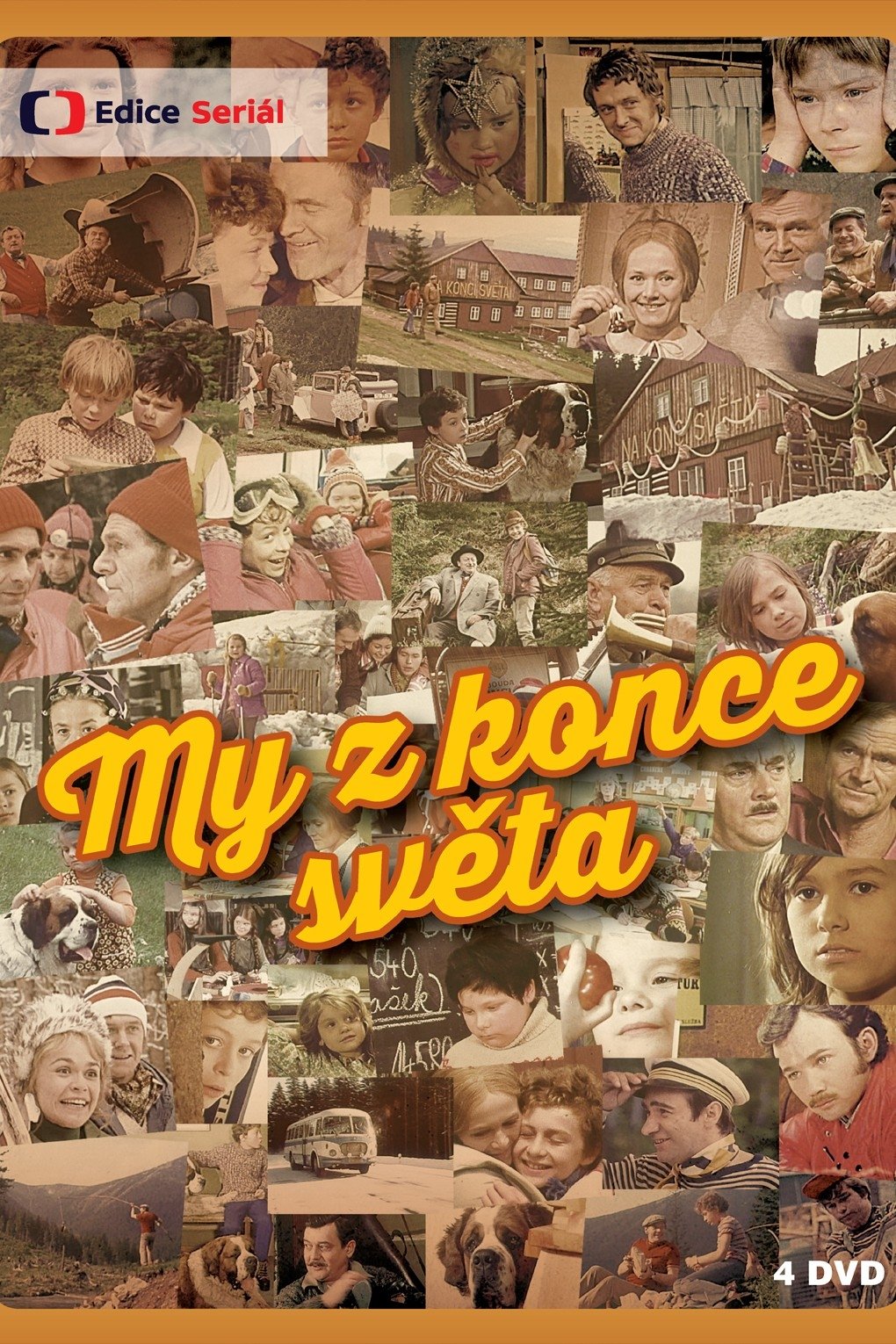
My z konce světa
1975 · 1 votes
- Dizi7.0Aksiyon ve Macera
Duhový luk
1973 · 2 votes
- DiziDramSuç
- DiziDram
- DiziDramSuç
Rozsudek
1971
- DiziAileKomedi
Pavol zasahuje
1974