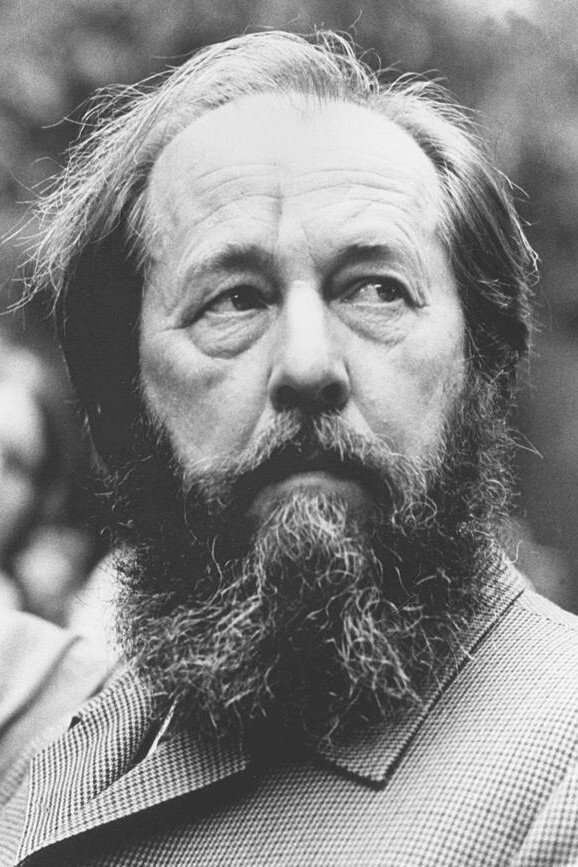
Alexandr Solzhenitsyn
Senarist · 1918 – 2008 · Kislovodsk, Terek Oblast, RSFSR [now Stavropol Krai, Russia]
Aleksandr Isayevich Solzhenitsyn (11 December 1918 – 3 August 2008) was a Russian writer. A prominent Soviet dissident, Solzhenitsyn was an outspoken critic of communism and helped to raise global awareness of political repression in the Soviet Union, in particular the Gulag system. Solzhenitsyn was born into a family that defied the Soviet anti-religious campaign in the 1920s and remained devout members of the Russian Orthodox Church. However, Solzhenitsyn lost his faith in Christianity, became an atheist, and embraced Marxism–Leninism. While serving as a captain in the Red Army during World War II, Solzhenitsyn was arrested by SMERSH and sentenced to eight years in the Gulag and then internal exile for criticizing Soviet leader Joseph Stalin in a private letter. As a result of his experience in prison and the camps, he gradually became a philosophically minded Eastern Orthodox Christian. As a result of the Khrushchev Thaw, Solzhenitsyn was released and exonerated. He pursued writing novels about repression in the Soviet Union and his experiences. He published his first novel, One Day in the Life of Ivan Denisovich in 1962, with approval from Soviet leader Nikita Khrushchev, which was an account of Stalinist repressions. Solzhenitsyn's last work to be published in the Soviet Union was Matryona's Place in 1963. Following the removal of Khrushchev from power, the Soviet authorities attempted to discourage Solzhenitsyn from continuing to write. He continued to work on further novels and their publication in other countries including Cancer Ward in 1966, In the First Circle in 1968, August 1914 in 1971, and The Gulag Archipelago in 1973, the publication of which outraged the Soviet authorities. In 1974 Solzhenitsyn lost his Soviet citizenship and was flown to West Germany. In 1976, he moved with his family to the United States, where he continued to write. In 1990, shortly before the dissolution of the Soviet Union, his citizenship was restored, and four years later he returned to Russia, where he remained until his death in 2008. He was awarded the 1970 Nobel Prize in Literature "for the ethical force with which he has pursued the indispensable traditions of Russian literature", and The Gulag Archipelago was a highly influential work that "amounted to a head-on challenge to the Soviet state", and sold tens of millions of copies. Solzhenitsyn was born in Kislovodsk (now in Stavropol Krai, Russia). His father, Isaakiy Semyonovich Solzhenitsyn, was of Russian descent and his mother, Taisiya Zakharovna (née Shcherbak), was of Ukrainian descent. Taisiya's father had risen from humble beginnings to become a wealthy landowner, acquiring a large estate in the Kuban region in the northern foothills of the Caucasus and during World War I, Taisiya had gone to Moscow to study. While there she met and married Isaakiy, a young officer in the Imperial Russian Army of Cossack origin and fellow native of the Caucasus region. The family background of his parents is vividly brought to life in the opening chapters of August 1914, and in the later Red Wheel novels. ... Source: Article "Aleksandr Solzhenitsyn" from Wikipedia in English, licensed under CC-BY-SA 3.0.
Filmler6
 Film7.2TarihBelgesel
In May 1974, Valéry Giscard d'Estaing became President of the Republic and wanted to bring about a new era of modernity. One of his first decisions was to break up the ORTF with the creation of three new television channels: TF1, Antenne 2 and FR3. Three new public channels but autonomous and competing. It is a race for the audience which is engaged then, and from now on the channels will make the war! This competition will give birth to a real golden age for television programs, with variety shows in the forefront. The stars of the song are going to invade the living rooms of the French for their biggest pleasure. This unedited documentary tells the story of the metamorphosis of this television of the early 1970s, between freedom of tone, scandals, political intrigues and programs that have become mythical.
La TV des 70's : Quand Giscard était président
2022 · 5 votes
 Film7.2Belgesel
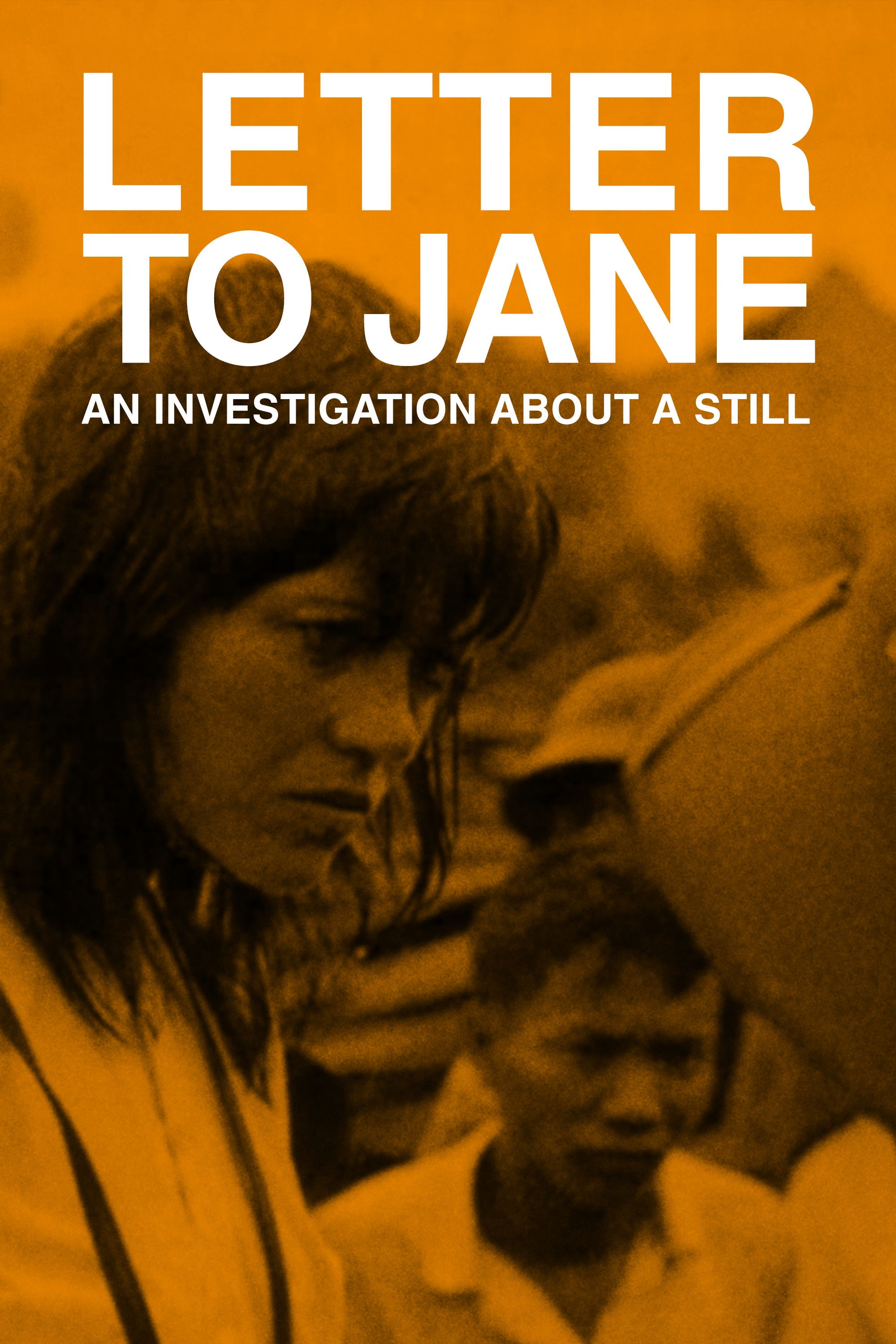
The film's subject is a photograph of Jane Fonda visiting Hanoi during the Vietnam War. It asks what the position of the intellectual should be in the class struggle and points out the irony of Jane Fonda's participation in the photo shoot, which was staged.
Letter to Jane: An Investigation About a Still
1974 · 13 votes
 Film6.0Belgesel
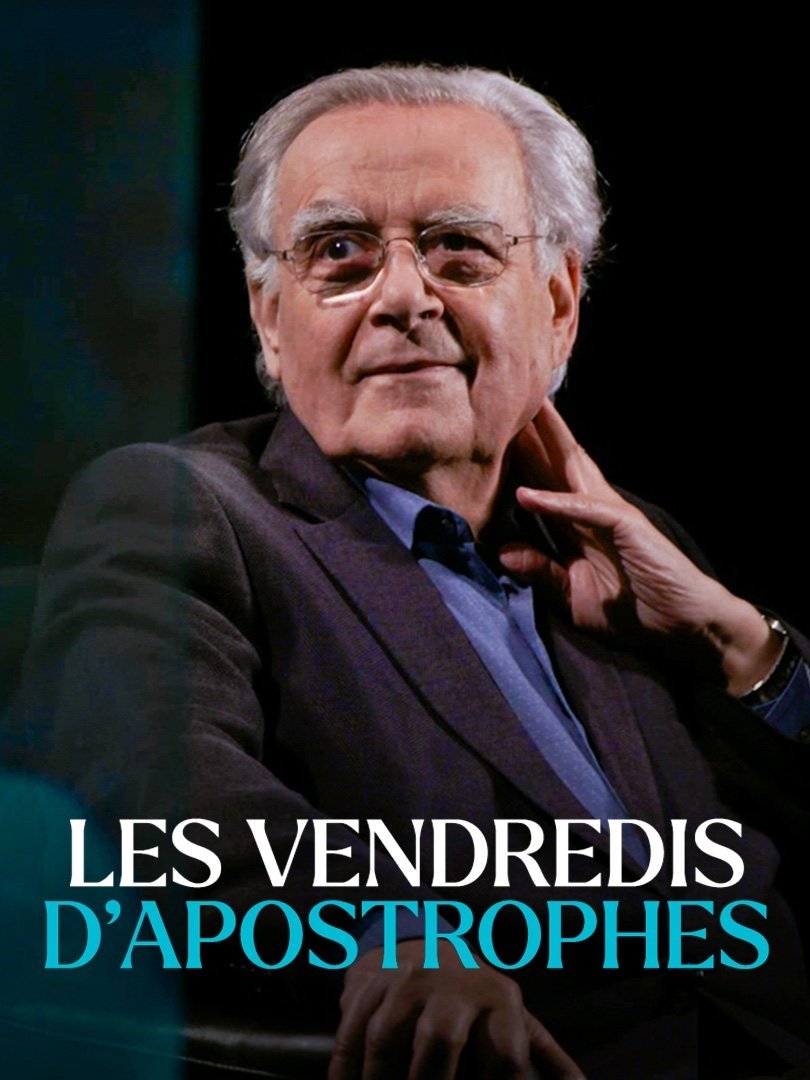
Hours and historical meetings, Pierre Assouline has composed an anthology of the best extracts presented in the form of a primer, which he had commented on by a surprised Bernard Pivot.
Les vendredis d'Apostrophes
2015 · 1 votes
 Film7.6BelgeselTarih
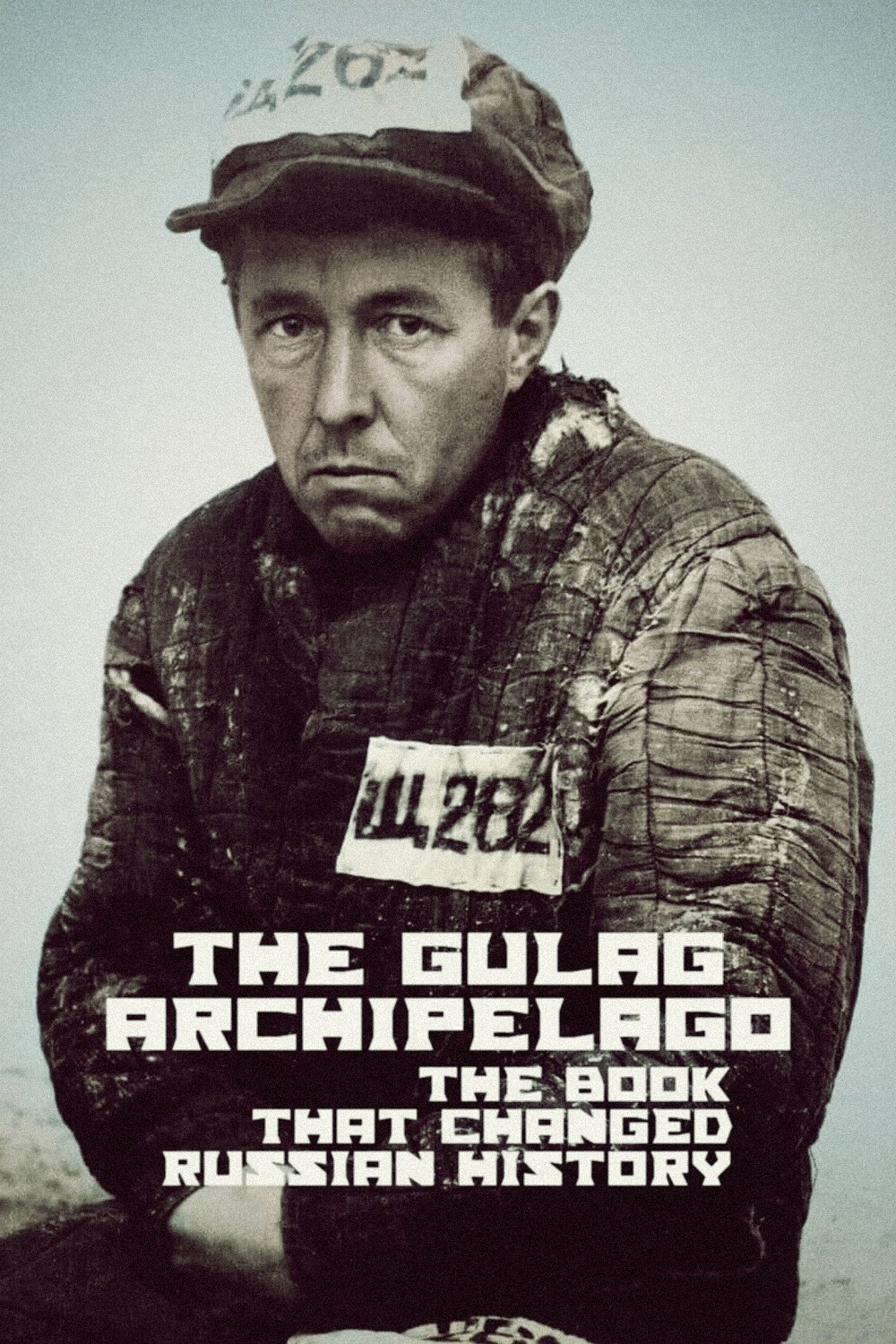
The story of Russian writer and Soviet dissident Aleksandr Solzhenitsyn (1918-2008) and his masterpiece, The Gulag Archipelago, published in Paris in 1973, which forever shook the very foundations of communist ideology.
« L'archipel du Goulag » : la révélation
The Gulag Archipelago: The Book That Changed Russian History
2023 · 8 votes
 FilmBelgesel
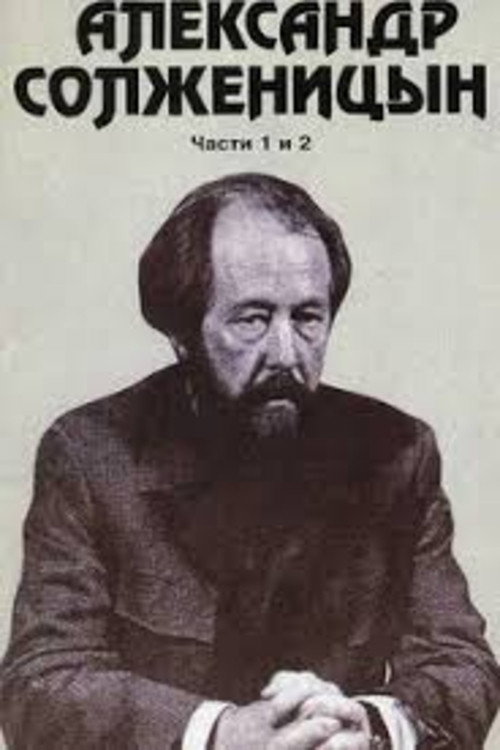
In the spring of 1992, film director Stanislav Govorukhin traveled to the state of Vermont, where he spent several days speaking with the renowned writer Alexander Solzhenitsyn and members of his family.
 Film7.3Belgesel
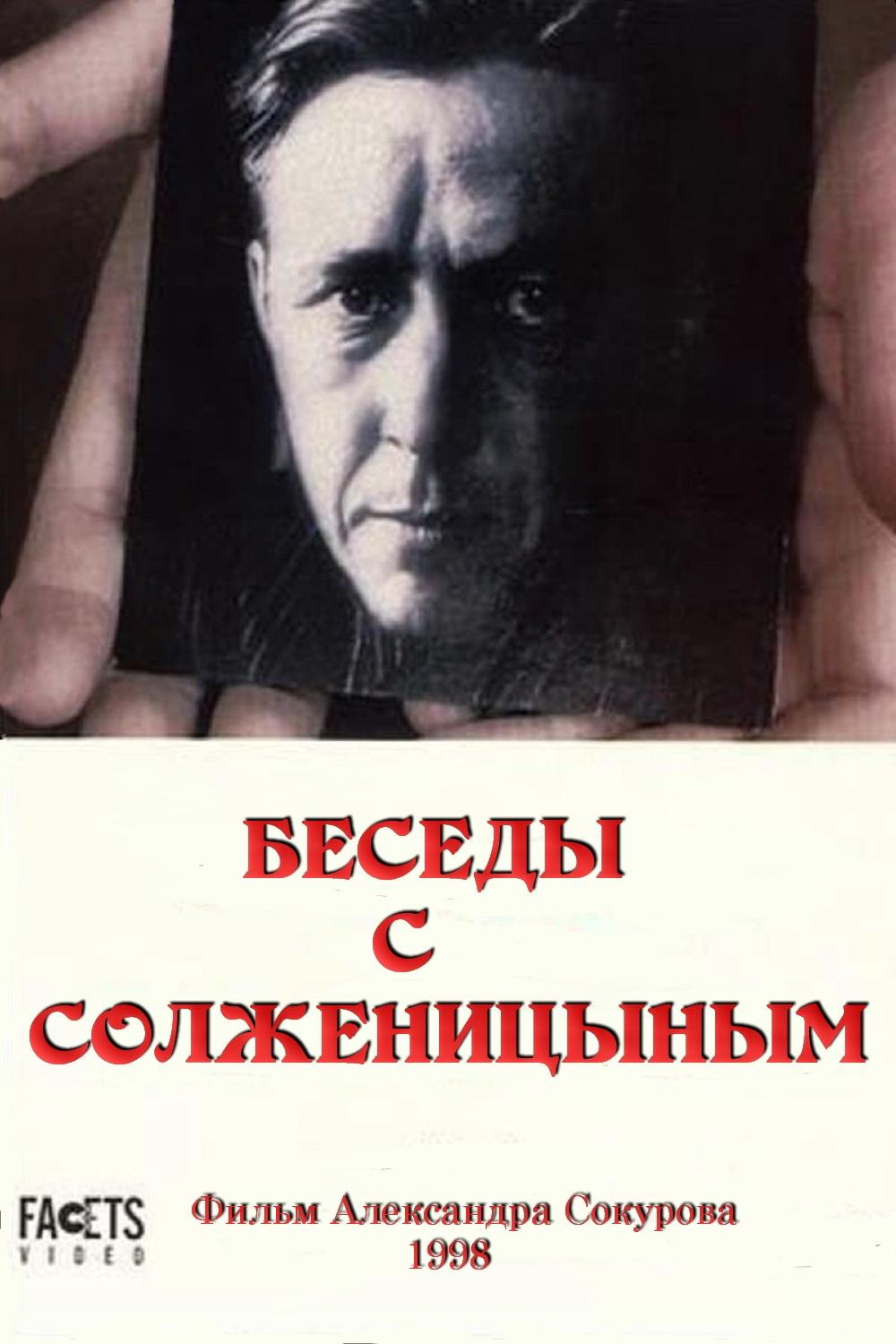
The Dialogues with Solzhenitsyn is a two-part Russian television documentary by Russian filmmaker Alexander Sokurov on Aleksandr Solzhenitsyn. The documentary shot in Solzhenitsyn’s home shows his everyday life and covers his reflections on Russian history and literature.
Diziler2
 Dizi8.5Talk Show
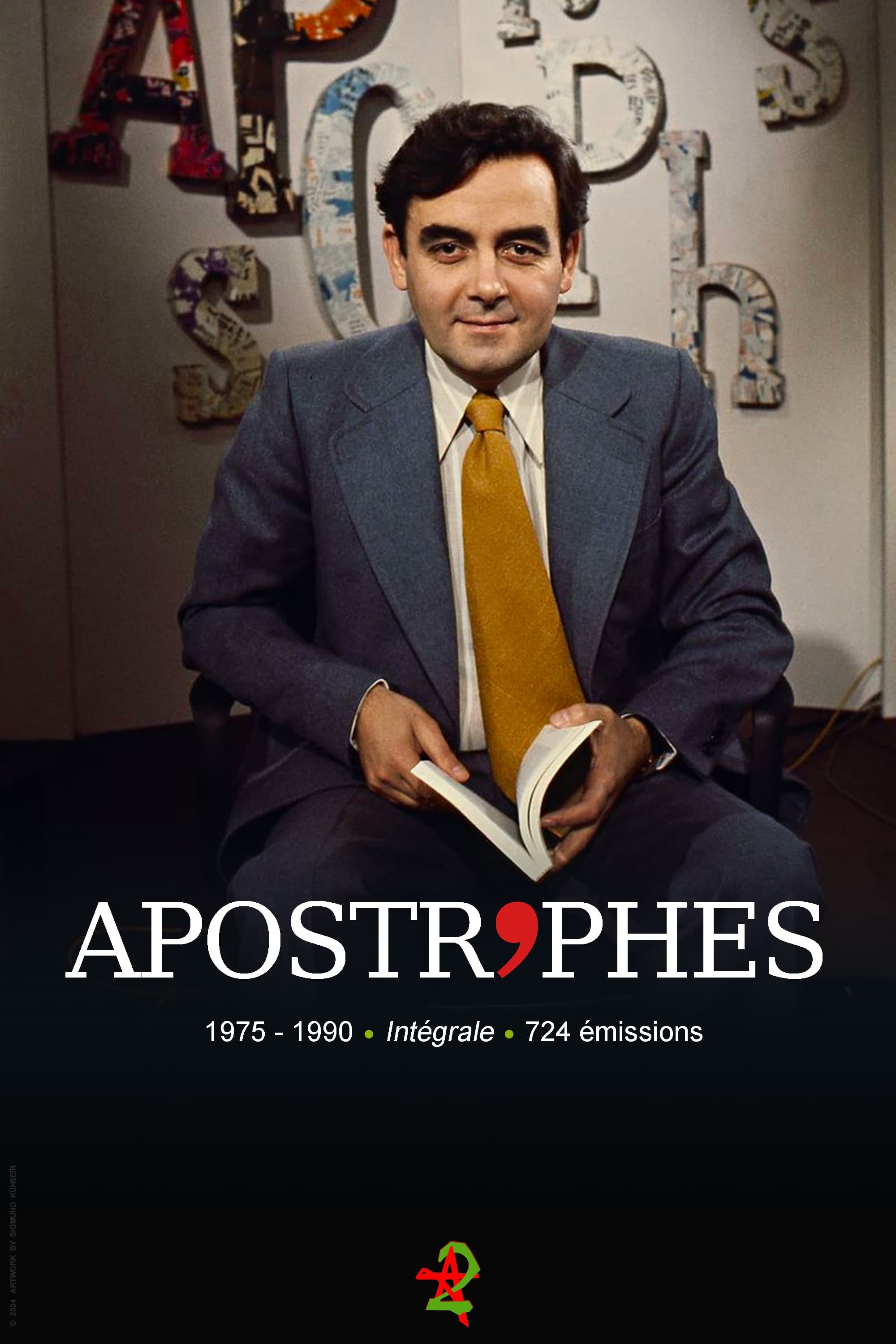
Apostrophes was a live, weekly, literary, prime-time, talk show on French television created and hosted by Bernard Pivot. It ran for fifteen years (724 episodes) from January 10, 1975, to June 22, 1990, and was one of the most watched shows on French television (around 6 million regular viewers). It was broadcast on Friday nights on the channel France 2 (which was called "Antenne 2" from 1975 to 1992). The hourlong show was devoted to books, authors and literature. The format varied between one-on-one interviews with a single author and open discussions between four or five authors.
Apostrophes
1975 · 4 votes
 Dizi8.5BelgeselSavaş ve Politika
Communism spread to all of the continents of the word, lasting through four generations and over seven decades. Hundreds of millions of men and women were affected by this political system, one of the most unjust and bloodiest in history. Using newly discovered propaganda films and archival photos, these four episodes explore the mysteries of this totalitarian political machine that lured its share of important followers into the fold. Known as the red church, communism seduced its ardent followers like some earthly religion.