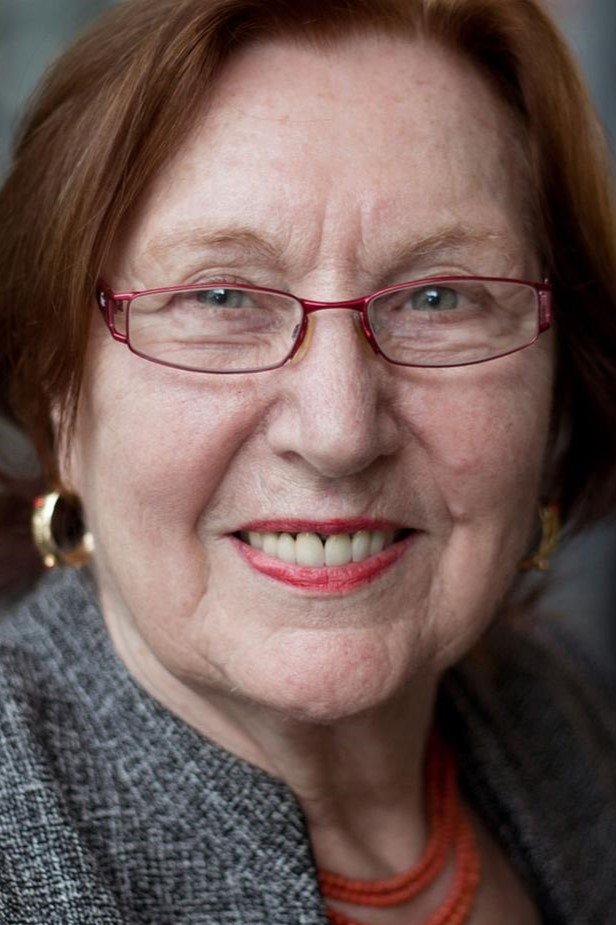
Ula Stöckl
Yönetmen · d. 1938 · Ulm, Germany
Ula Stöckl is a German filmmaker, director, author and actress. She studied at the Hochschule für Gestaltung in Ulm and has since made feature films, TV films and documentaries. Her work predominantly deals with the lives of women.
Filmler6
 Film5.8Dram
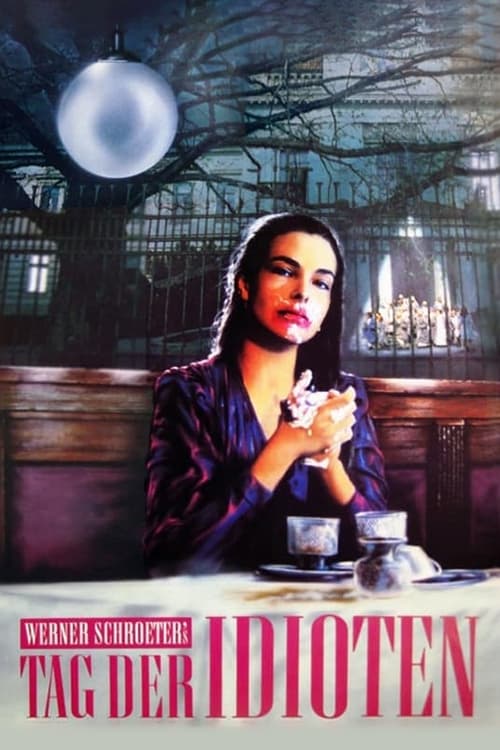
A woman experiences psychic disintegration and ends up in a psychiatric hospital.
 Film5.5Dram
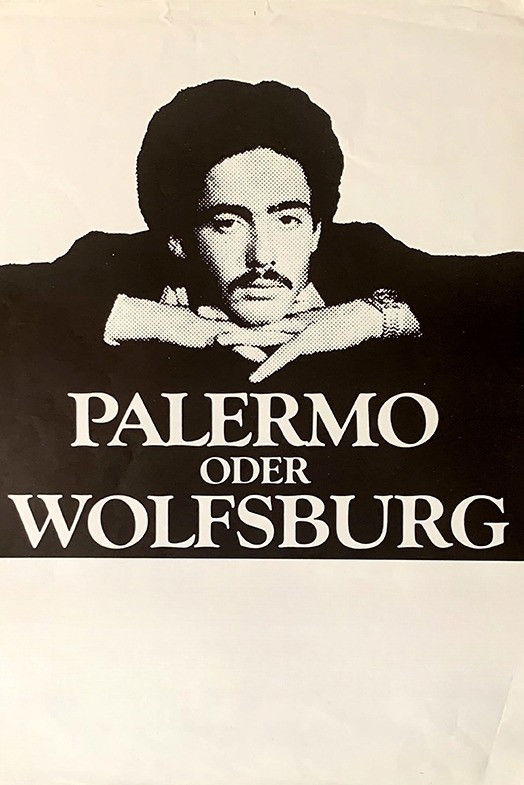
An impoverished young man from Sicily travels to Wolfsburg, West Germany to find work. He takes a job in the Volkswagen factory after he travels through Northern Italy by train.
 Film5.5Belgesel
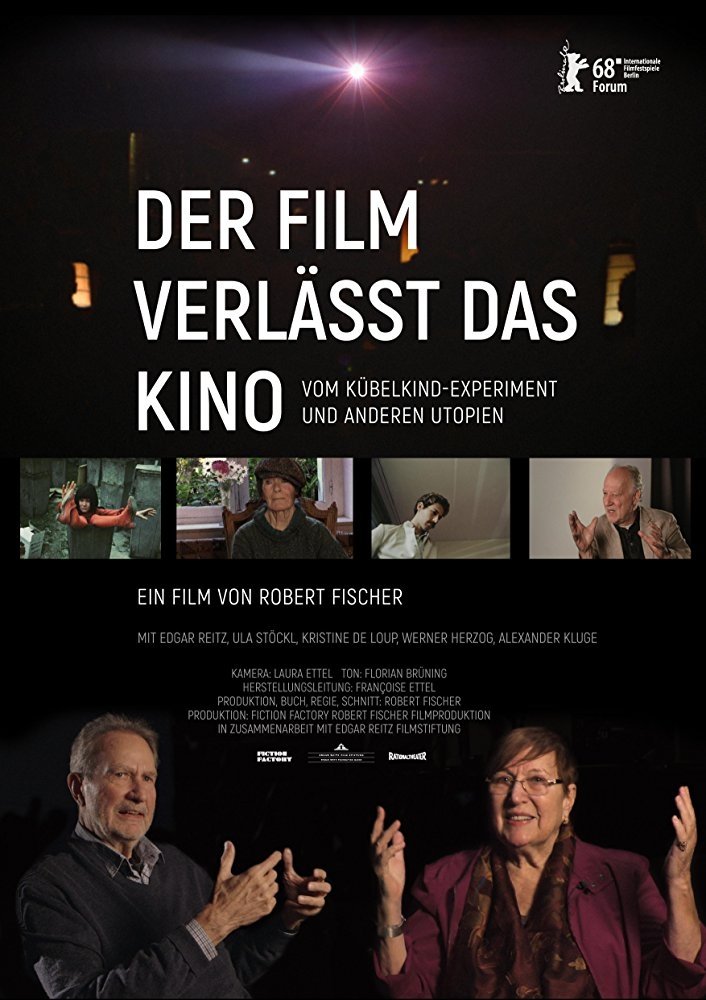
For over half a century, the filmmaker Edgar Reitz, one of the signatories of the Oberhausen Manifesto and a pioneer of epic film narration, has explored, as a practitioner and theoretician, the rules and limits of cinema, which he always seeks to break and extend in new ways. One example of his tireless search and research are the Geschichten vom Kübelkind, which he co-directed with Ula Stöckl in 1969/70, 22 absurdly funny, subversive and anarchistic short films of different lengths, which consciously oppose all conventions, with incredible success. The films remain unrivalled in their Dadaistic inventiveness.
Der Film verlässt das Kino: Vom Kübelkind-Experiment und anderen Utopien
Film Beyond Cinema: The Dumpster Kid Experiment and Other Utopias
2018 · 2 votes
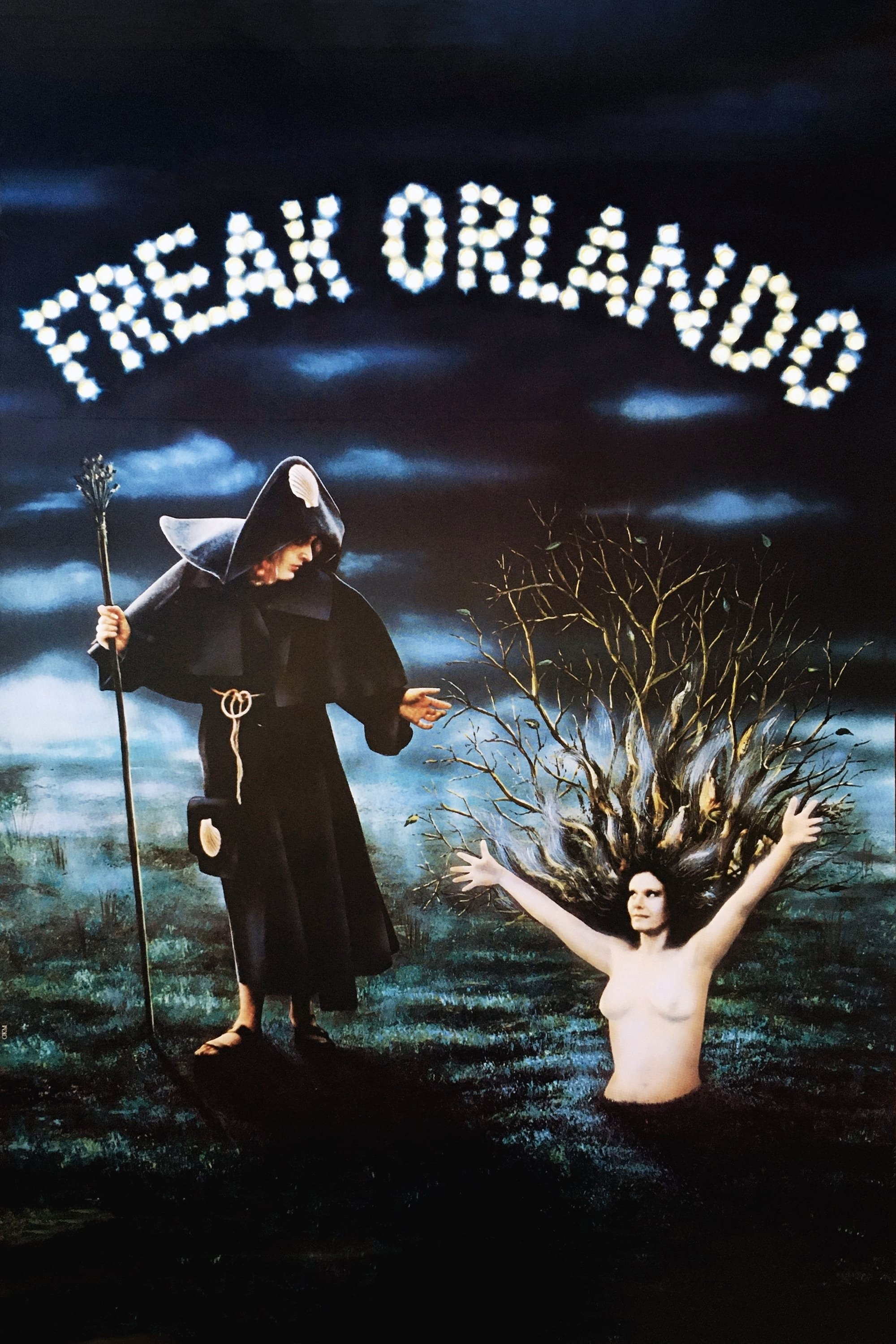 Film5.4KomediFantastik
Five more-or-less distinct sections, all featuring "Freak" Orlando, a woman played by the late Magdalena Montezuma, who appears in various guises and deformities throughout.
Freak Orlando
1981 · 20 votes
- FilmBelgeselDram
The weaker sex must become stronger - but how can this be achieved? The central keyword of the six filmmakers Claudia von Alemann, Susanne Beyeler, Erika Runge, Helke Sander, Ula Stöckl and Hanna Laura Klar is: emancipation. Together, they will discuss the importance of films for feminist consciousness-raising and the role of female filmmakers in this process. A statement will be followed by an exemplary feature film scene. Claudia von Alemann talks about the unequal division of housework and advocates the remuneration of this work. How can the relationship between work and family be improved for working women? What about bringing up children? What steps are necessary to overcome the unequal gender order? One thing is clear: Film work is political practice.
- FilmBelgesel