Kyōko Kusajima
Oyuncu · d. 1919 · Yamagata Prefecture, Japan
Filmler18
 Film7.8Dram
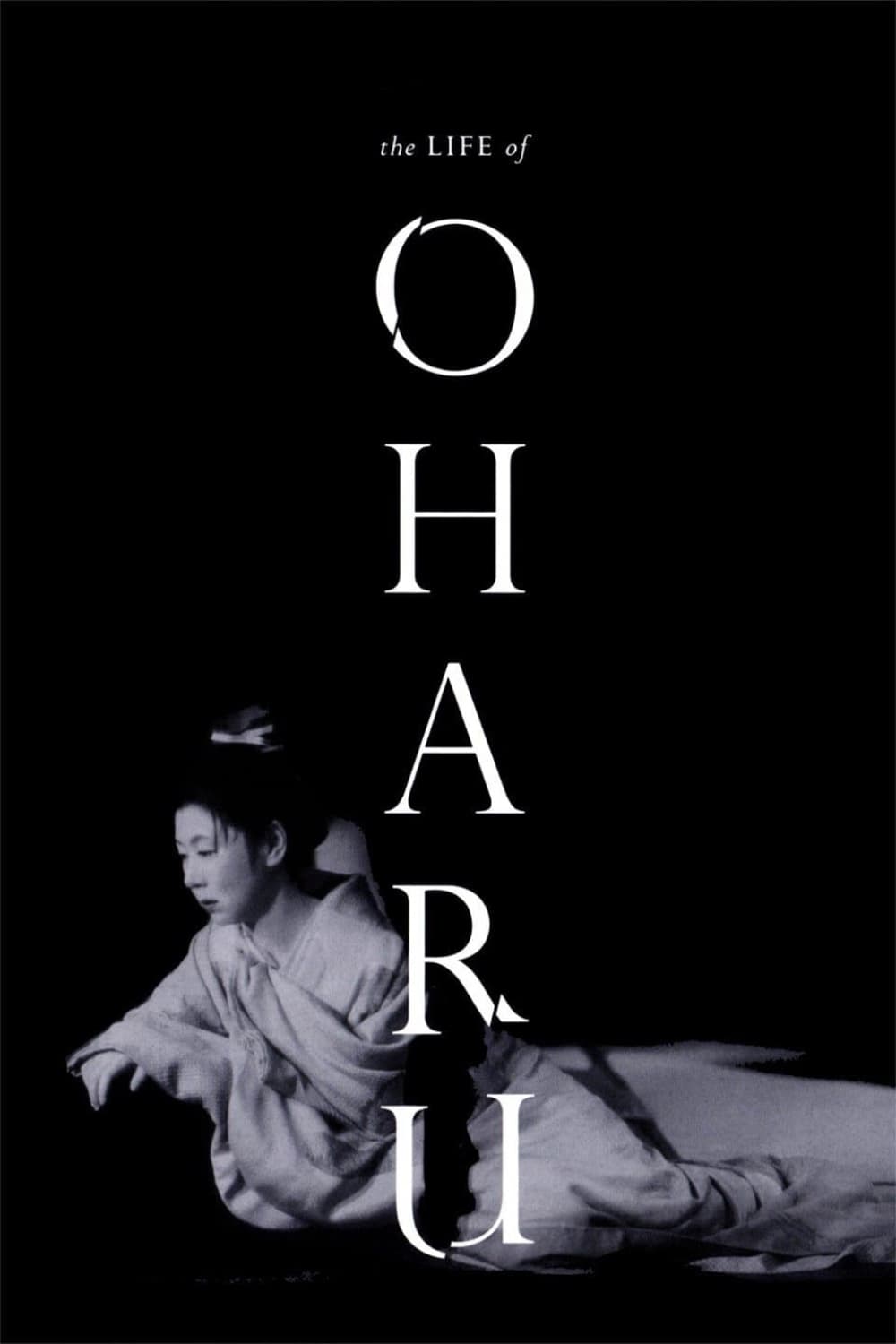
Ellili yaşlarına gelmiş olan Oharu, bir zamanlar Kyoto'da bir imparatorluk mahkemesinde nedimelik yapmıştır. Artık erkekler üzerindeki etkisini yitirmiştir. Bİr zamanlar kendinden daha alt statüde bir adama aşık olmuş ve bu ortaya çıktığında ailesiyle birlikte sürgün edilmiştir. İhara Saikaku'nun 'Aşka Aşık Kadın' romanından uyarlanmıştır.
 FilmMaceraDram
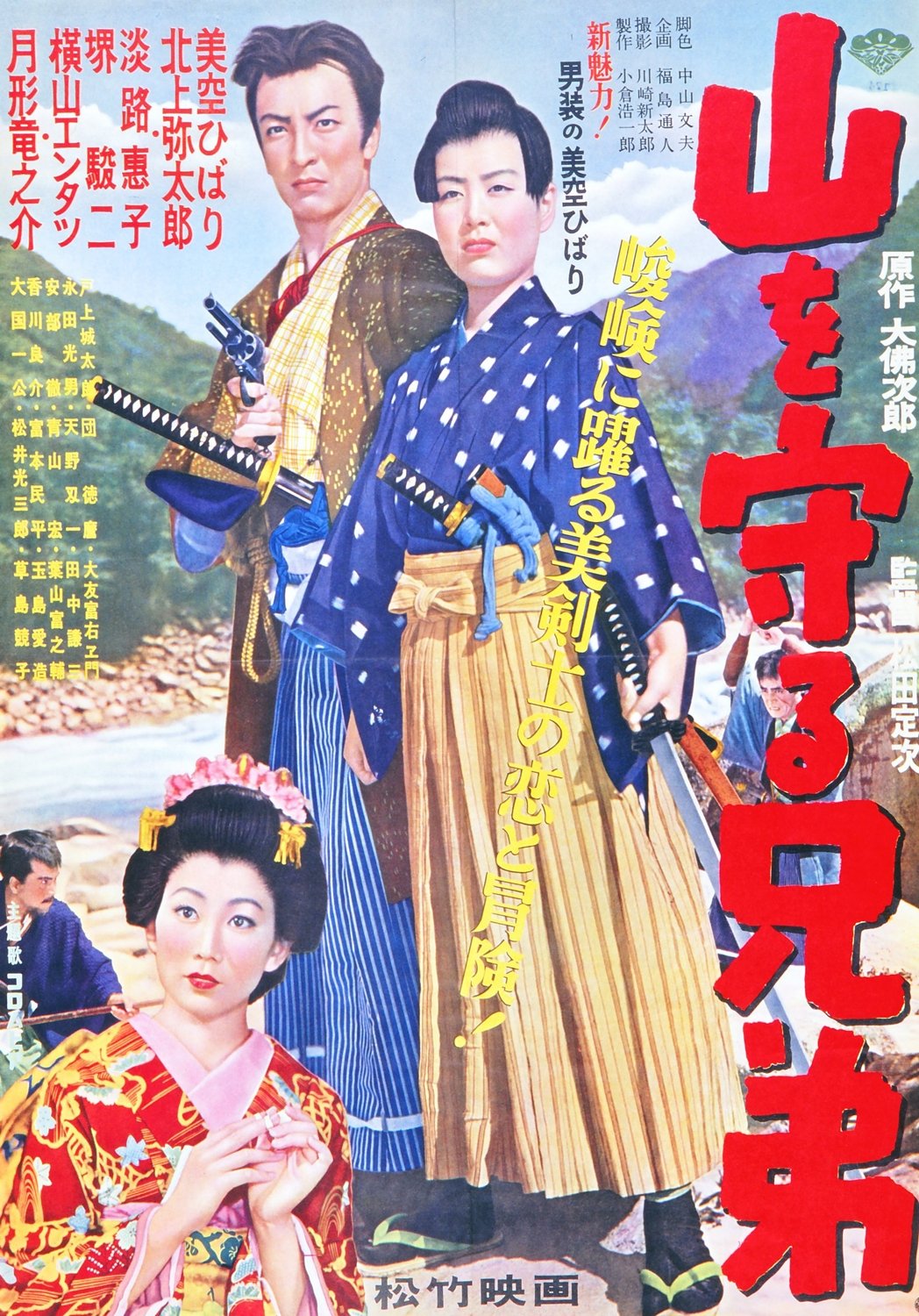
In the mountainous region of Koshu, Taikahara, there was an intense power struggle between the prominent families, Tamaki and Kakukura. Facing the steward of Kakukura, Kurokawa Senjiro, was Tamaki Daisaburo, who was skilled with a handgun. Daisaburo had granted protection to the charcoal maker, Miyoshi, safeguarding a few mountains passed down from their ancestors. Daisaburo's elder brother, Iori, who had completed his training in Edo, saved Kakukura's only daughter, Koyumi, on his way back home. However, while Daisaburo rushed to Iori's aid after Koyumi was attacked by Kurokawa and his men, their family home was set ablaze.
 Film7.1Dram
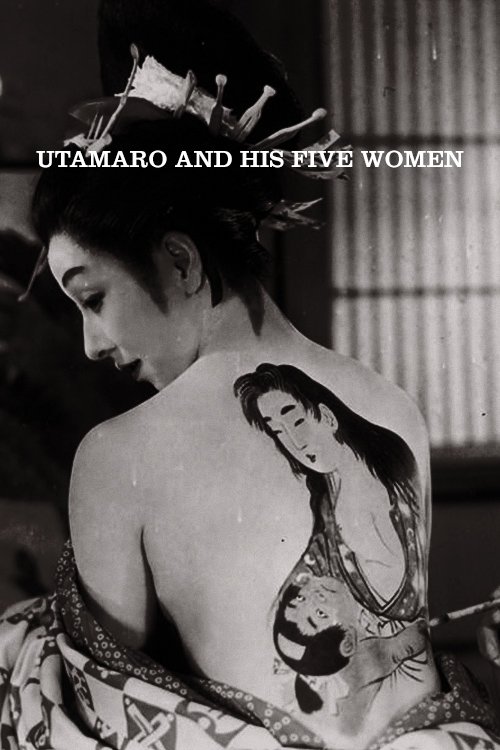
Utamaro, a great artist, lives to create portraits of beautiful women, and the Tokyo brothels provide his models. A world of passion swirls around him, as the women vie for lovers, and, occasionally, his art gets him into trouble.
 Film6.6FantastikGizem
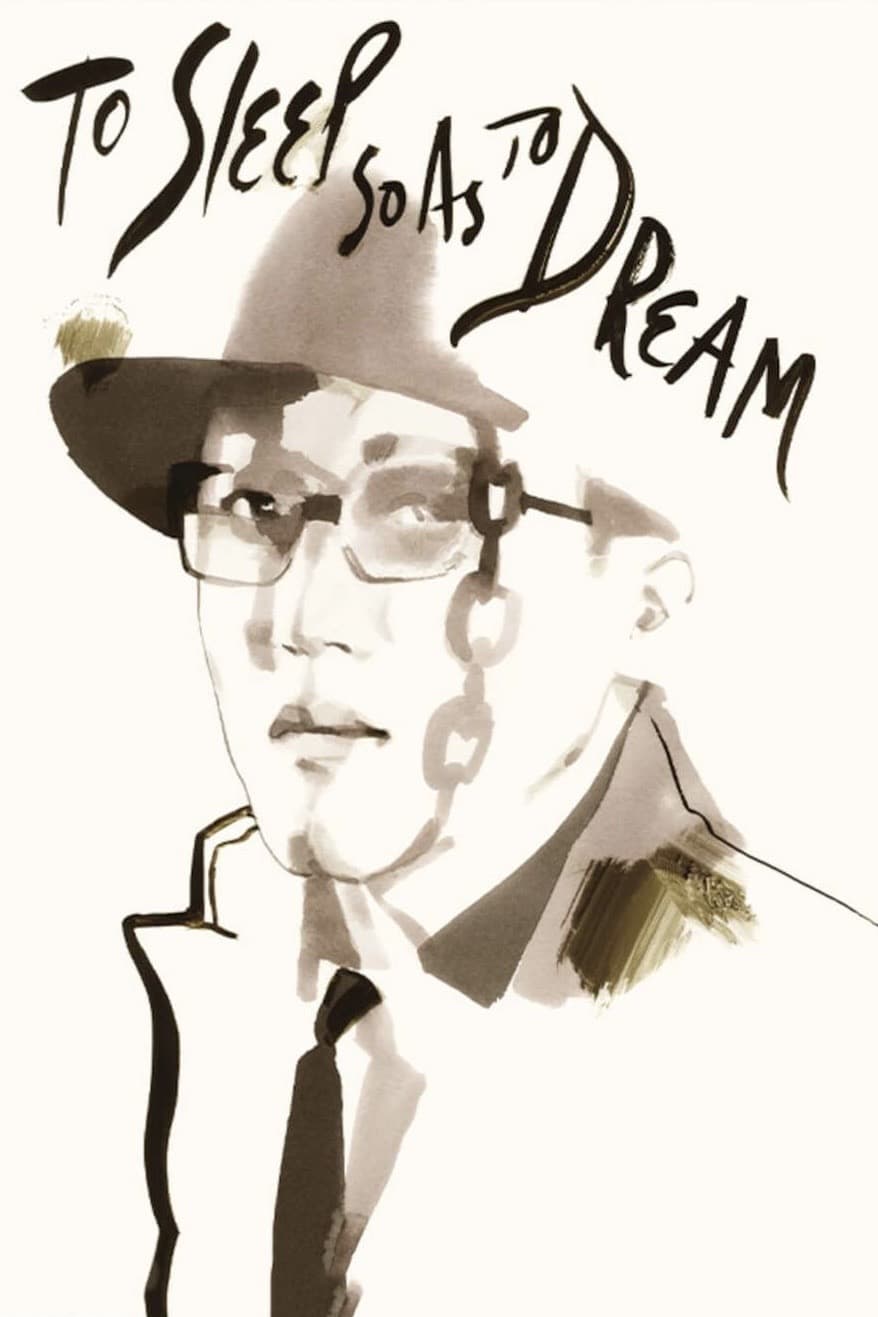
An aging silent film actress hires a private eye and his wacky but helpful assistant to track down her missing daughter, Bellflower. The two follow a succession of bizarre, obscure clues, until they track down the location of the kidnappers and the daughter.
 FilmDram
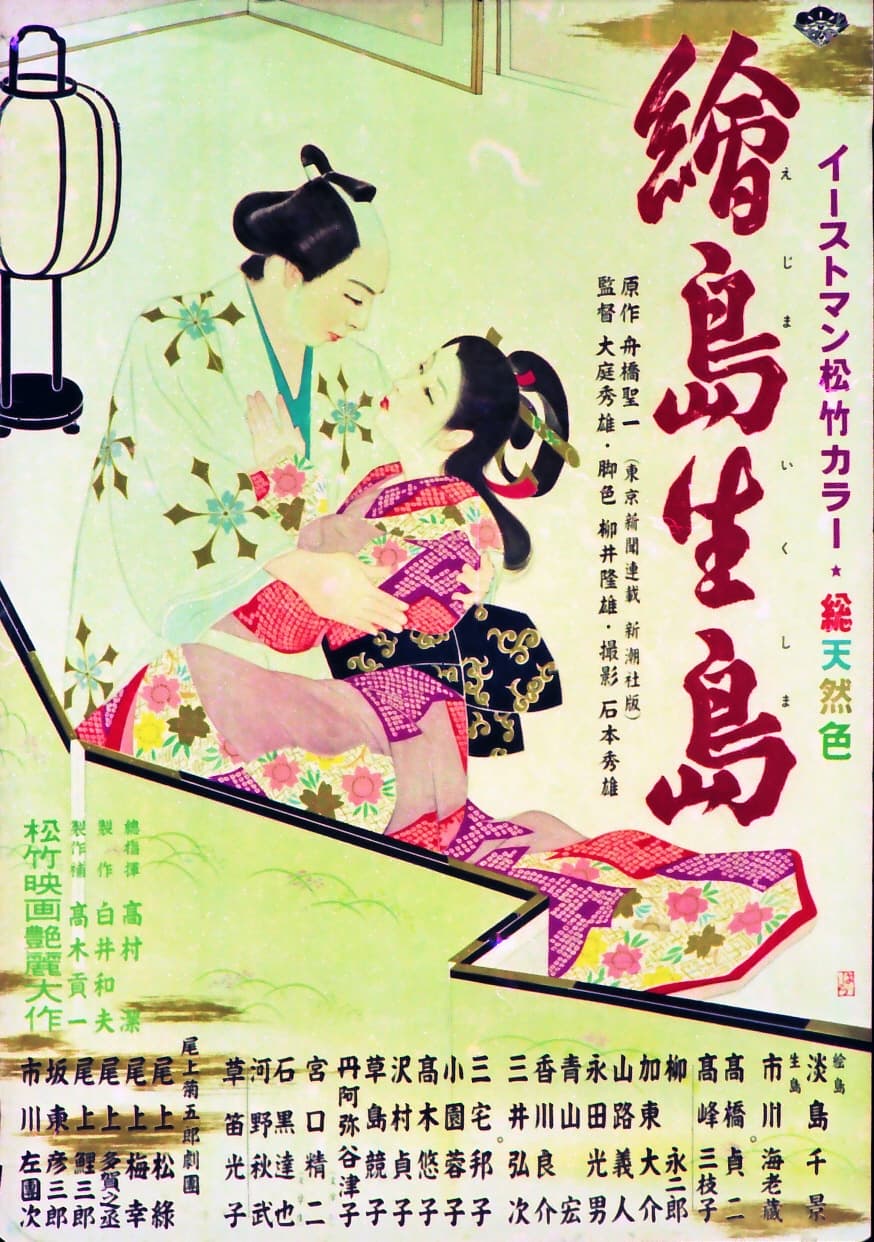
This period film is inspired by one of the most notorious scandals to have taken place in Edo-period Japan. The heroine, Ejima, was a lady of the Ooku, the harem of Edo Castle in which the Shogun’s mother, wife and concubines resided, forbidden from contact with any other man except in the presence of the Shogun. The institution played a key role in the Byzantine world of Japanese court politics during the Edo era. In 1714, Lady Ejima was sent to pay her respects at a Buddhist temple in the city, and chose to pay an unauthorised visit to the kabuki theatre – a violation of protocol that was to have tragic consequences.
 Film6.0AksiyonDram
During the 17th Century roving bands of hatamoto were causing trouble in the new capital city of Edo and constantly fought with the townspeople at every turn. The leader of these ruthless samruai was Mizuno Jirozaemon, who despite his high rank was in deep financial distress, thus leading to a tragedy that shook the very streets of the city.Opposing him was Banzui-in Chobei, the ‘Protector of the Weak’ who was willing to put his life on the line to save the 808 districts of Edo from the 80,000 hatamoto whose violent behavior threatened to destroy the fabric of society. Starring Bando Tsumasaburo, the first great star of the silver screen along with mega-star Ichikawa Utaemon, this is a story not to be missed. Torn from the pages of history, this true story has been told many times, but never as powerfully as this!
 Film
FilmDuring the tumultuous end of the Tokugawa shogunate, the Tengu Party rose in rebellion in Mito. Friends from their hometown, Tanaka Genzo and Fujita Koshiro, each walked different paths. Koshiro, who upheld the philosophy of "Revere the Emperor, Expel the Barbarians," became a leader of the Tengu Party, taking refuge in the mountains. Genzo, however, did not have any particular ideological stance.
 Film10.0
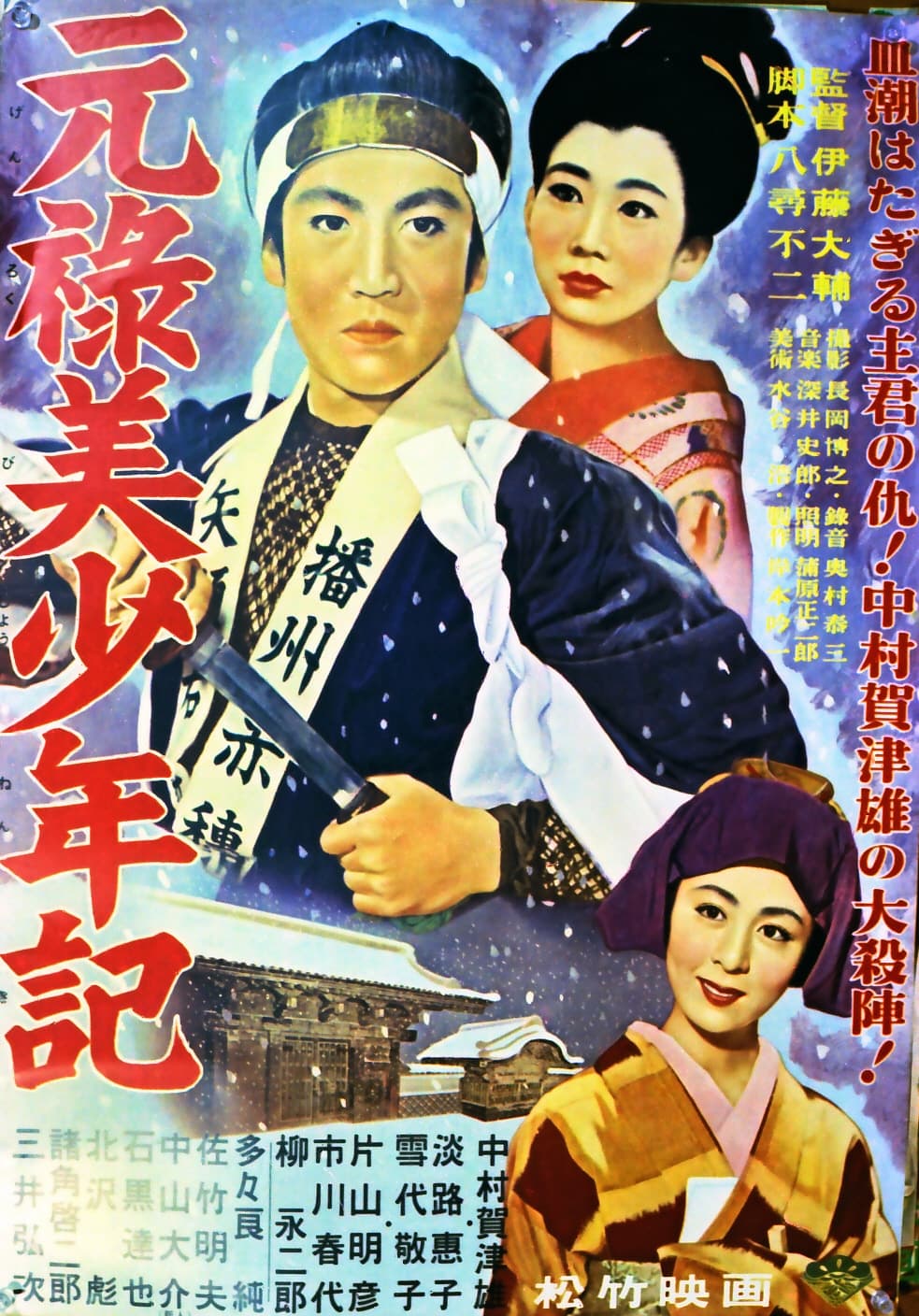
On February 4th of the 16th year of the Genroku era, Yatō Uemon no Shichi reminisces while waiting his turn for seppuku at the Mizuno residence. When news of his lord, Asano Naganori, attacking Kira Yoshinaka in the palace reached Akō, Uemon no Shichi was sixteen. The family elder, Ōishi Kuranosuke, determined to avenge, gathered allies, but Uemon no Shichi's father, Chōsuke, being sickly and considered too young, was not included. Chōsuke committed suicide.
元祿美少年記
1955 · 1 votes
 Film7.0Dram
Amidst the 1960 Japanese-American mutual security treaty, alienated young nihilist Takuya struggles to find his footing between his do-nothing wealth and the outer Western extremism as major student protests take place.
 Film
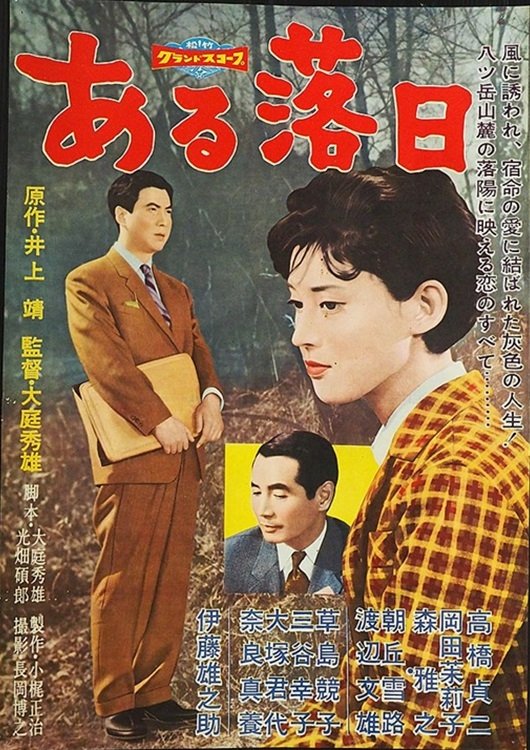
Filmある落日
1959
- Film8.0Dram
This film focuses on Koreans living in Japan. The filmmaker’s humanism comes across in the portrayal of a girl living in a shabby tenement, the warmth of a Korean girl she meets, and the friendliness of this Korean girl’s family.
 Film
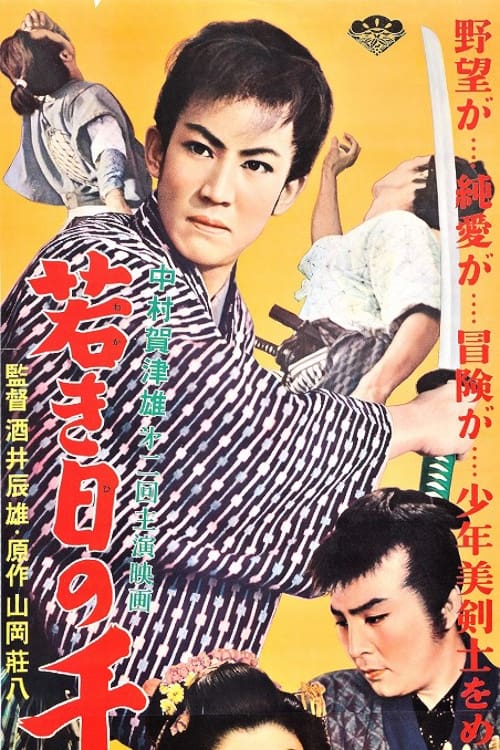
FilmChiba Sōsaku, whose childhood name was Otome, was raised by his father Yukiuemon, the successor of the Hokushin Ittō-ryū style, and his wet nurse in Rikuzen Onikobe, where he early on earned the nickname "Little Tengu of Chiba." One day, Otome heard a rumor that Arao Miyauchi, who once was an internal student at the Chiba family but now ran his own dojo in Onikobe, was spreading false rumors out of resentment for not inheriting the Chiba house—a situation that led to his mother's suicide and his father's abandonment of the sword to become a doctor. Enraged, Otome stormed into the Arao dojo only to be captured and publicly humiliated at Onikobe Pass. However, in his heart, Miyauchi hoped to marry his daughter Nanae to Otome and have him inherit the Chiba family.
若き日の千葉周作
1955
 Film
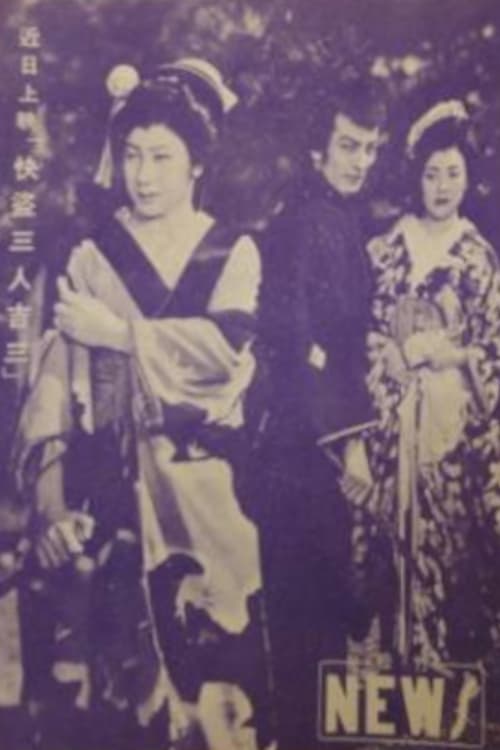
FilmOn March 11 in the seventh year of Tenpo (1836), a monk named Bennō, who fell in love with a geisha named Oshima, was publicly exposed at Nihonbashi for committing an illicit act with a woman. While this was happening, an extravagant procession led by another monk named Nikkei passed over the bridge. Nikkei, the head of the Kanouin temple, in collusion with Nakano Harima-no-Kami, had schemed to make his younger sister, Miyoshi, the Shogun's mistress and aimed to transform Kanouin into the Shogun's family temple. To fund the renovations, Nikkei accepted bribes from a corrupt merchant named Koya Bunzo.
快盗三人吉三
1954
 Film
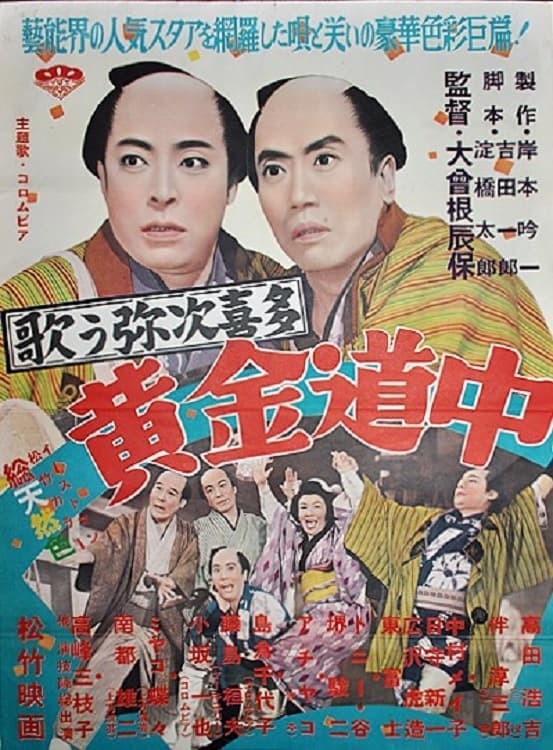
Film1957 Japanese movie
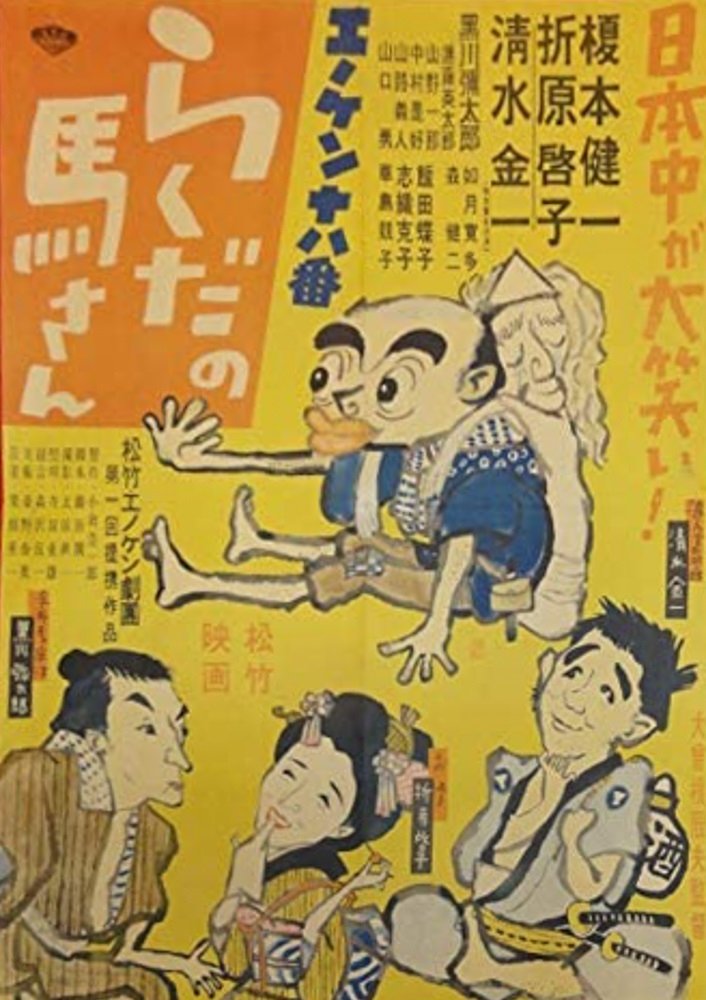 FilmKomedi
1950 Japanese movie
 Film
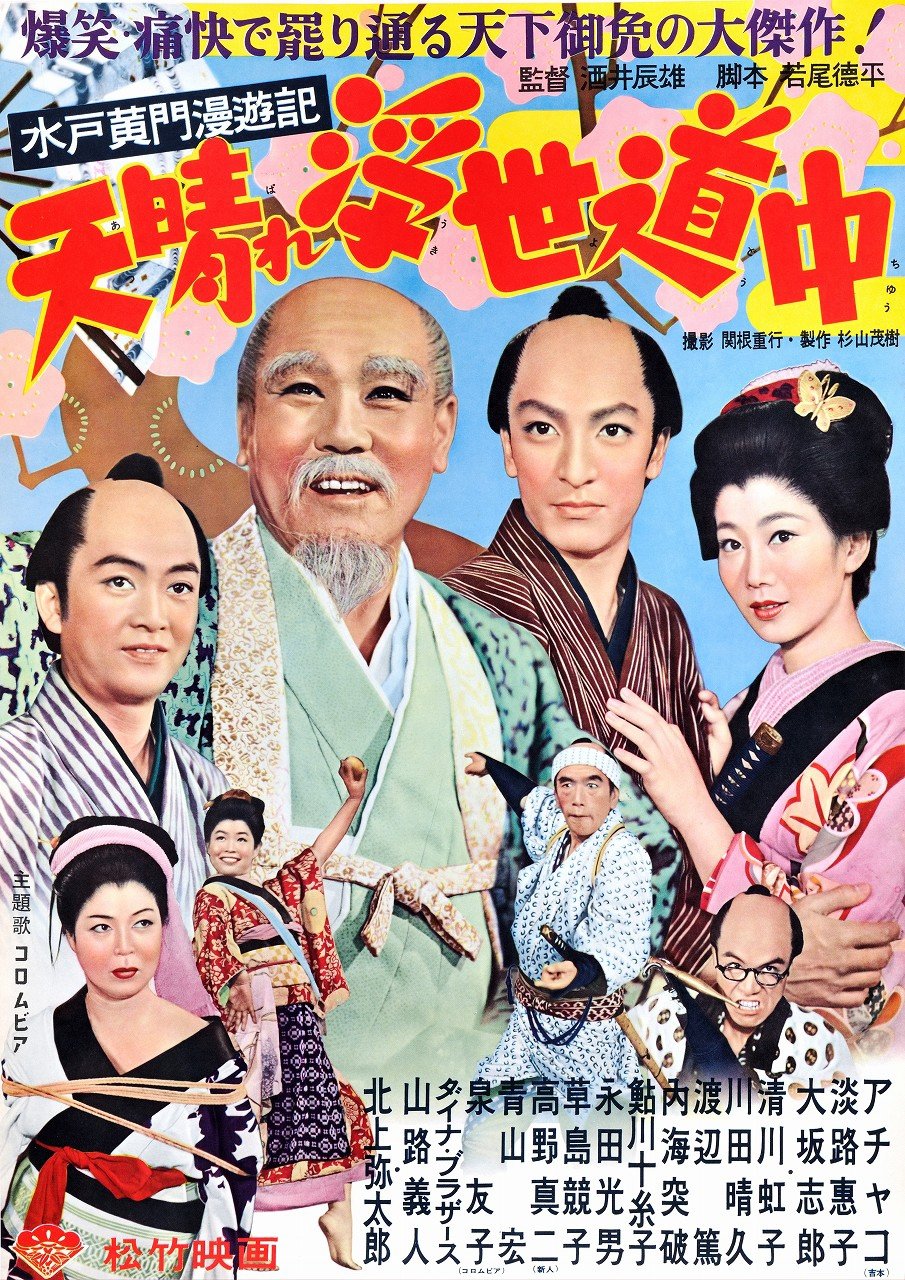
FilmThird film in the 'Travels of Lord Mito' franchise.
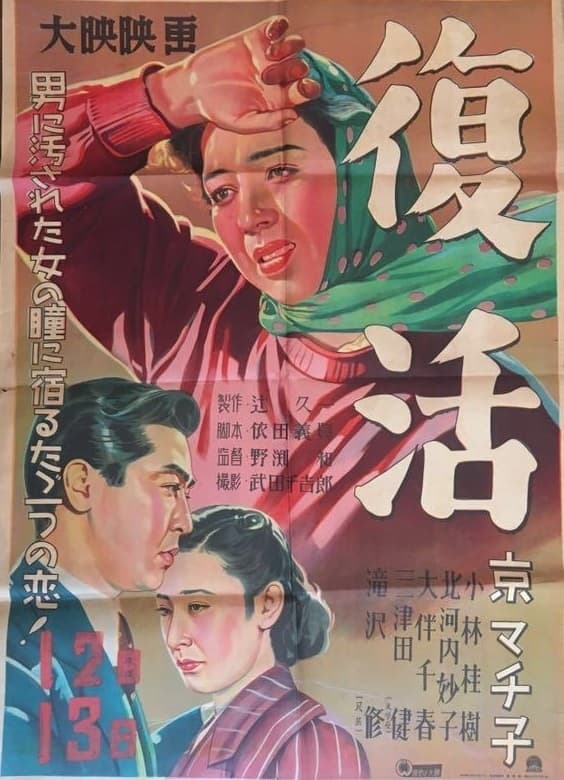 Film9.0Dram
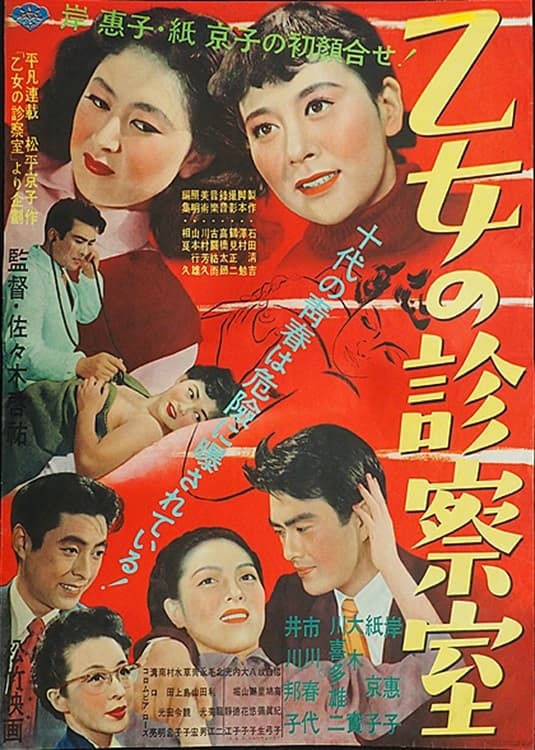 Film
Film1953 Japanese movie