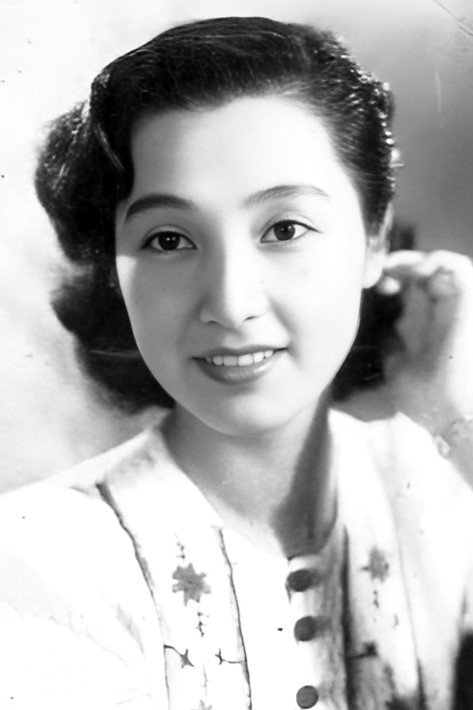
Mieko Takamine
Oyuncu · 1918 – 1990 · Tokyo, Japan
Mieko Takamine (高峰三枝子, Takamine Mieko) (2 December 1918 – 27 May 1990) was a Japanese actress and singer. Mieko Takamine was born the eldest daughter of famous chikuzen biwa player and teacher Chikufu Takamine. She gave her acting debut in the 1936 film Kimi yo takarakani utae, produced by the Shochiku studios, to which she would remain affiliated throughout her career, although she would also occasionally appear in productions of other companies after the war. Her first released record as a singer was the theme song for the film Hotaru no hikari (1938), and she soon established herself as a "singing movie star". Takamine starred in films of Japan's most notable directors, including Hiroshi Shimizu, Yasujirō Ozu, Mikio Naruse and Keisuke Kinoshita. In 1976, Takamine won the Best Supporting Actress award at the 19th Blue Ribbon Awards for her role in The Inugamis (1976). In 1985, she was awarded the Medal of Purple Ribbon and a special Mainichi Film Award for her longtime achievements as a performer
Filmler24
 FilmDram
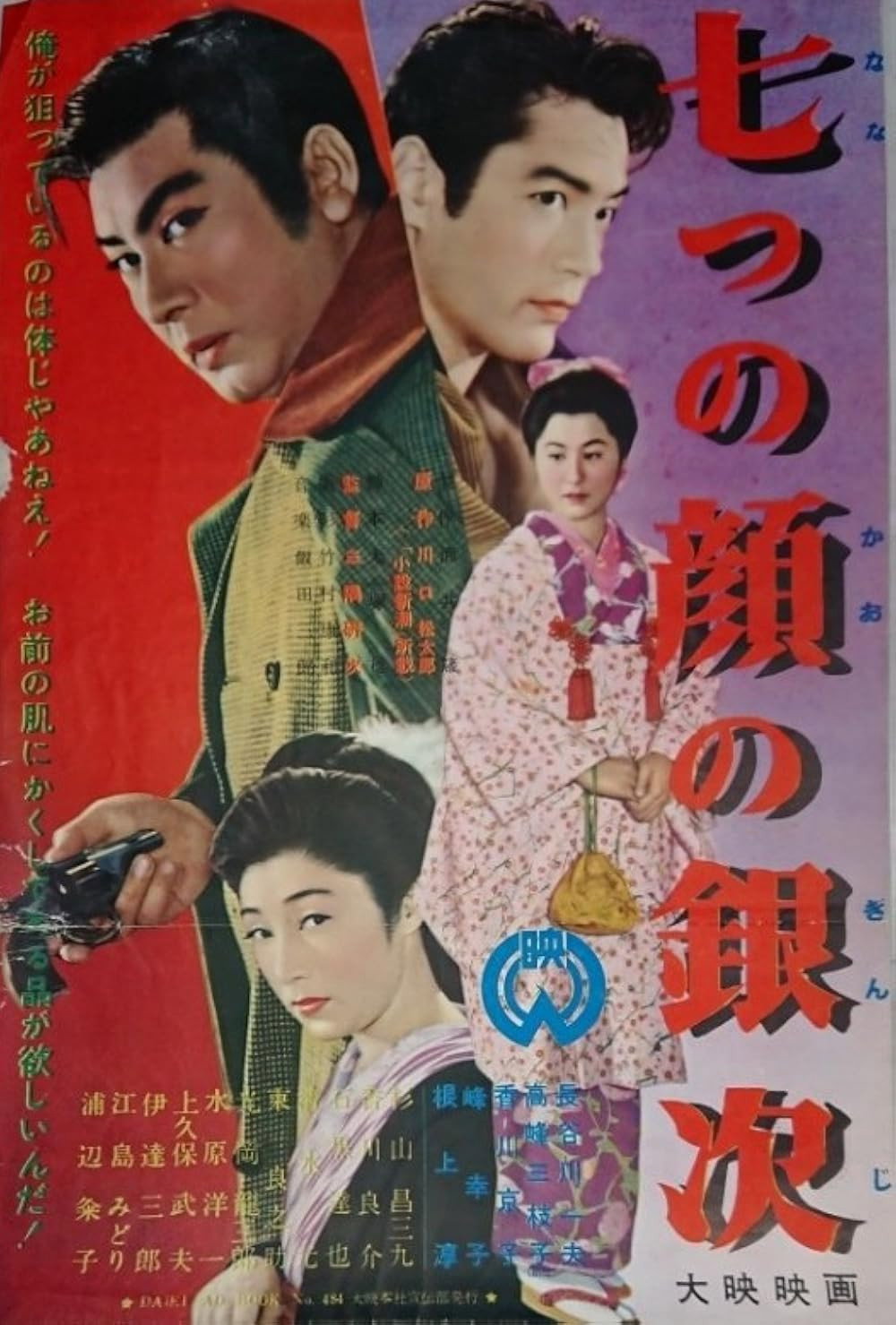
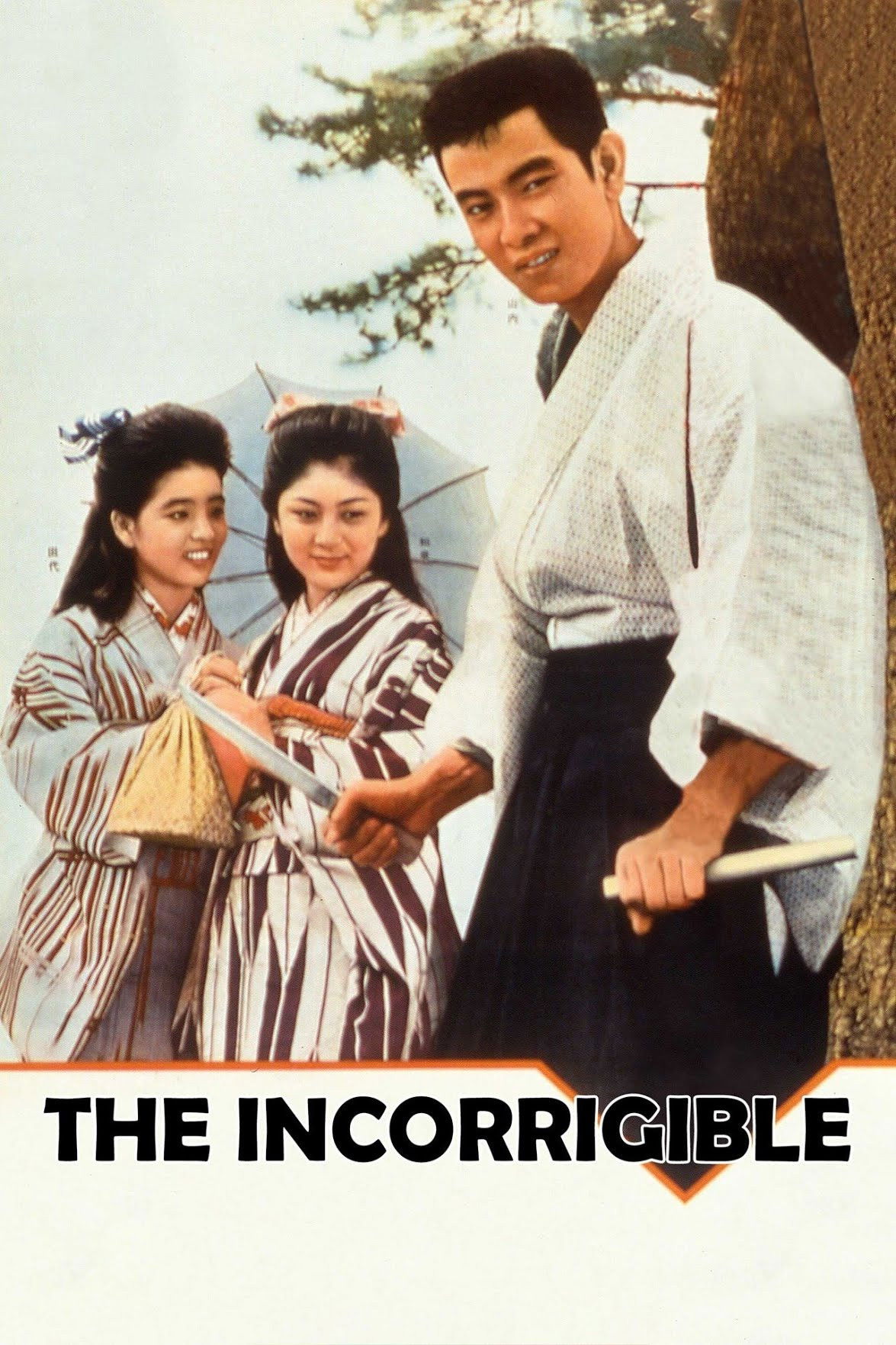
Yesterday a gentleman, today a student, tomorrow a stylish man in a casual kimono—Ginji, the pickpocket with seven faces, has his sights set on the gold watch of destiny. A tale of passion, love, human emotion, pistols, and thrills.
 Film7.3DramSavaş
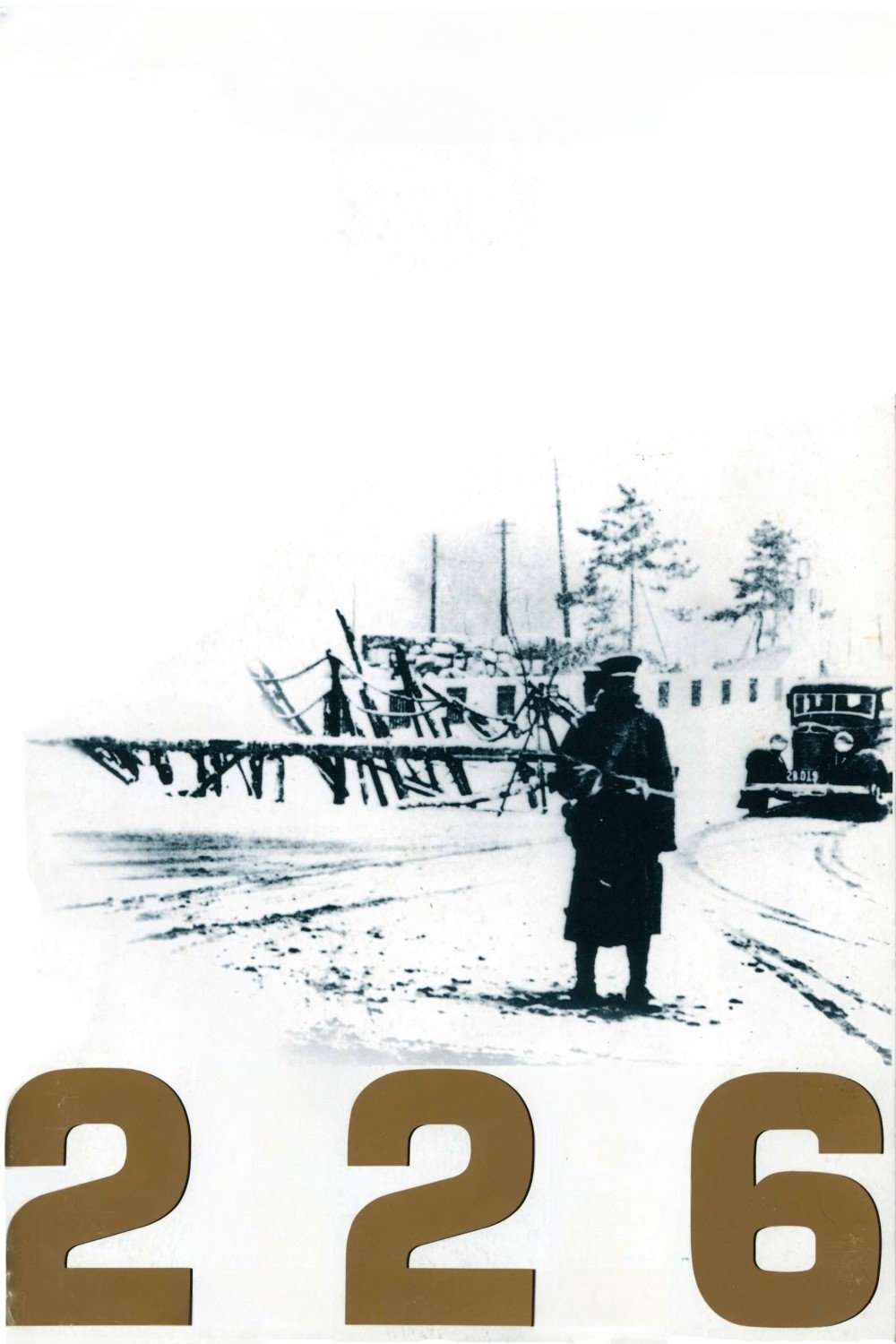
Based on the "2.26 Incident", an attempted coup d'état in Japan 1936, launched by radical ultra-nationalist parts of the military. Several leading politicians were killed and the center of Tokyo was briefly held by the insurgents before the coup was suppressed.
 Film6.1AnimeMacera
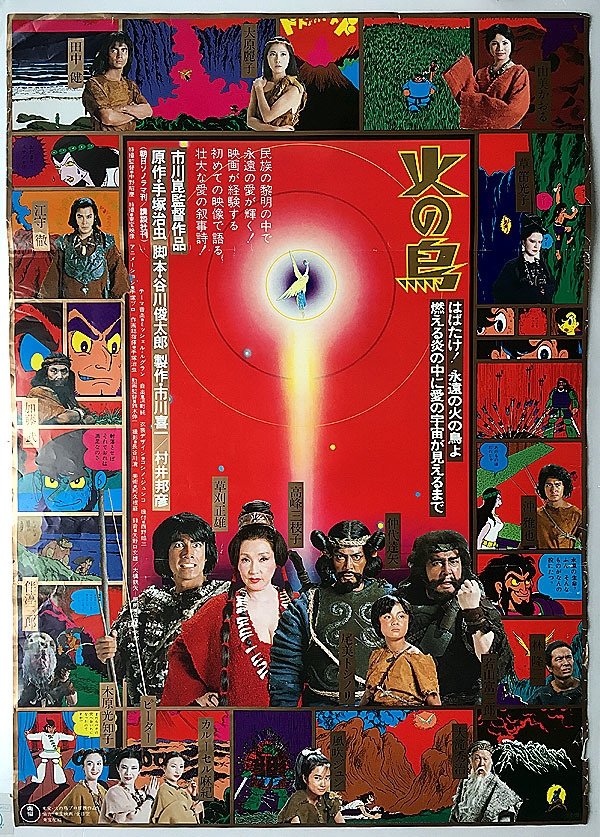
This extraordinarily complex film is not only a send-up of every samurai film ever made, it is also an extrapolation of the value of life. The Yamatai, represented by Prince Susano-O and elderly advisor Sumuke, hire Yumihiko of Matsuro to hunt the phoenix so that Queen Himiko, sister of Susano-O can have eteranal life.
 Film7.0KorkuGizem
When a tycoon passes away, he unexpectedly leaves the family fortune to outsider Tamayo on the condition that she marries one of the grandsons, pitting blood against blood.
 Film7.2Dram
Ten years into a marriage, the wife is disappointed by the husband's lack of financial success, meaning she has to work and can't treat herself and the husband finds the wife slovenly and mean-spirited: she neither cooks not cleans particularly well and is generally disagreeable. In turn, he alternately ignores her and treats her as a servant. Neither is particularly happy, not helped by their unsatisfactory lodgers. The husband is easily seduced by an ex-colleague, a widow with a small child who needs some security, and considers leaving his wife.
 FilmDram
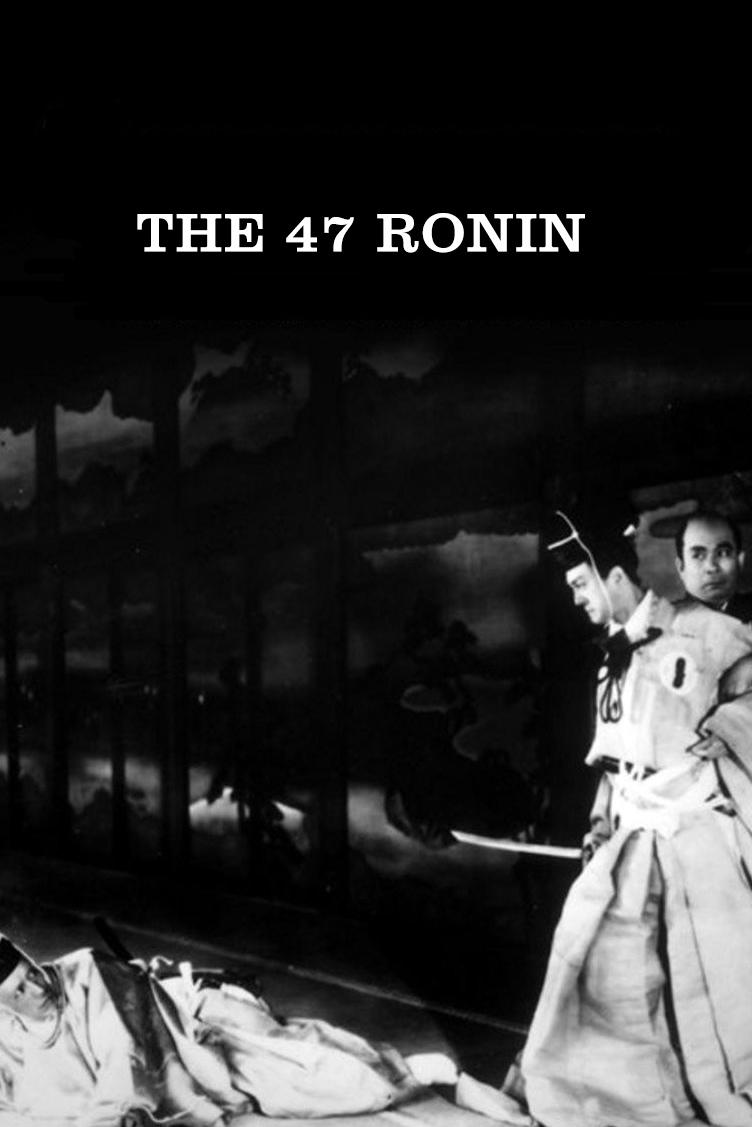 Film6.9DramTarih
In the early 18th-century, Lord Takumi-no-kami Asano, feuding with Lord Kira, tries to kill his opponent in the corridors of the Shogun's palace. The Shogun sentences Asano to seppuku and deprives the palace and lands from his clan, but does not punish Kira. Asano's vassals leave the land and his samurais become ronin and want to seek revenge against the Lord's dishonour. But their leader Kuranosuke Oishi seeks to restore the Asano clan with his brother Daigaku Asano. One year later, the Shogun refuses, and Oishi and 46 rōnin are out for revenge.
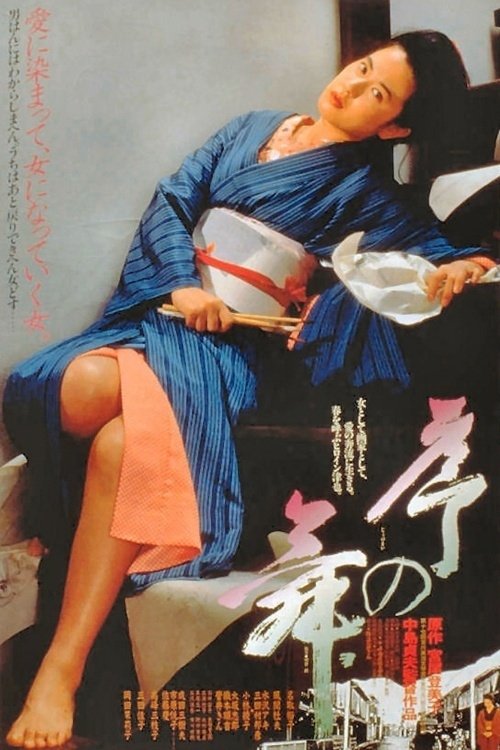 Film6.3Dram
This story is based on the novel "Jo no mai" by Tomiko Miyao which is based on the life of painter Shōen Uemura (1875–1949), the first woman to be awarded the Order of Culture. The title refers to the masterpiece bijinga ("picture of a beautiful woman") that Uemura painted at the age of 61. The main character, Tsuya Shimamura, is born in Kyoto as the second daughter of a tea trader who dies before her birth. Tsuya, who loves painting more than anything and is hopeless at housework, attends art school and at age 15 receives the name Shōsui (from the characters for "pine" and "green") from her teacher. The crown prince of England purchases one of her works, propelling her to fame overnight. The novel portrays the remainder of her stormy life, during which she is impregnated by her teacher and raises a fatherless child; through it all she devotes herself to her painting, undaunted.
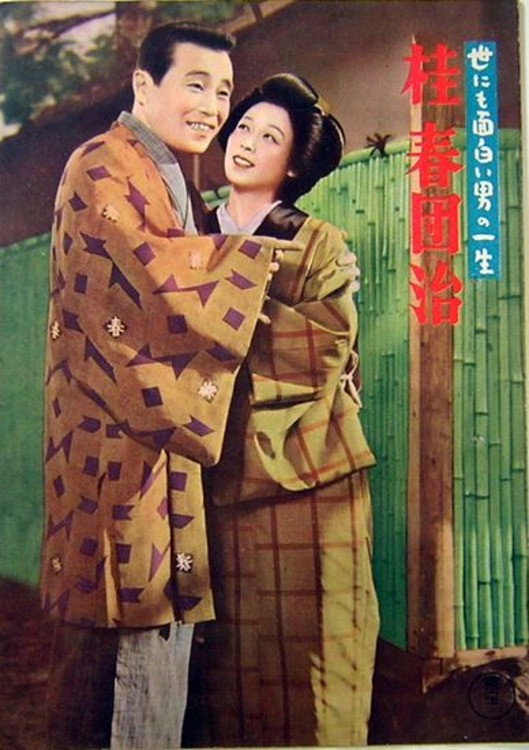 Film
Film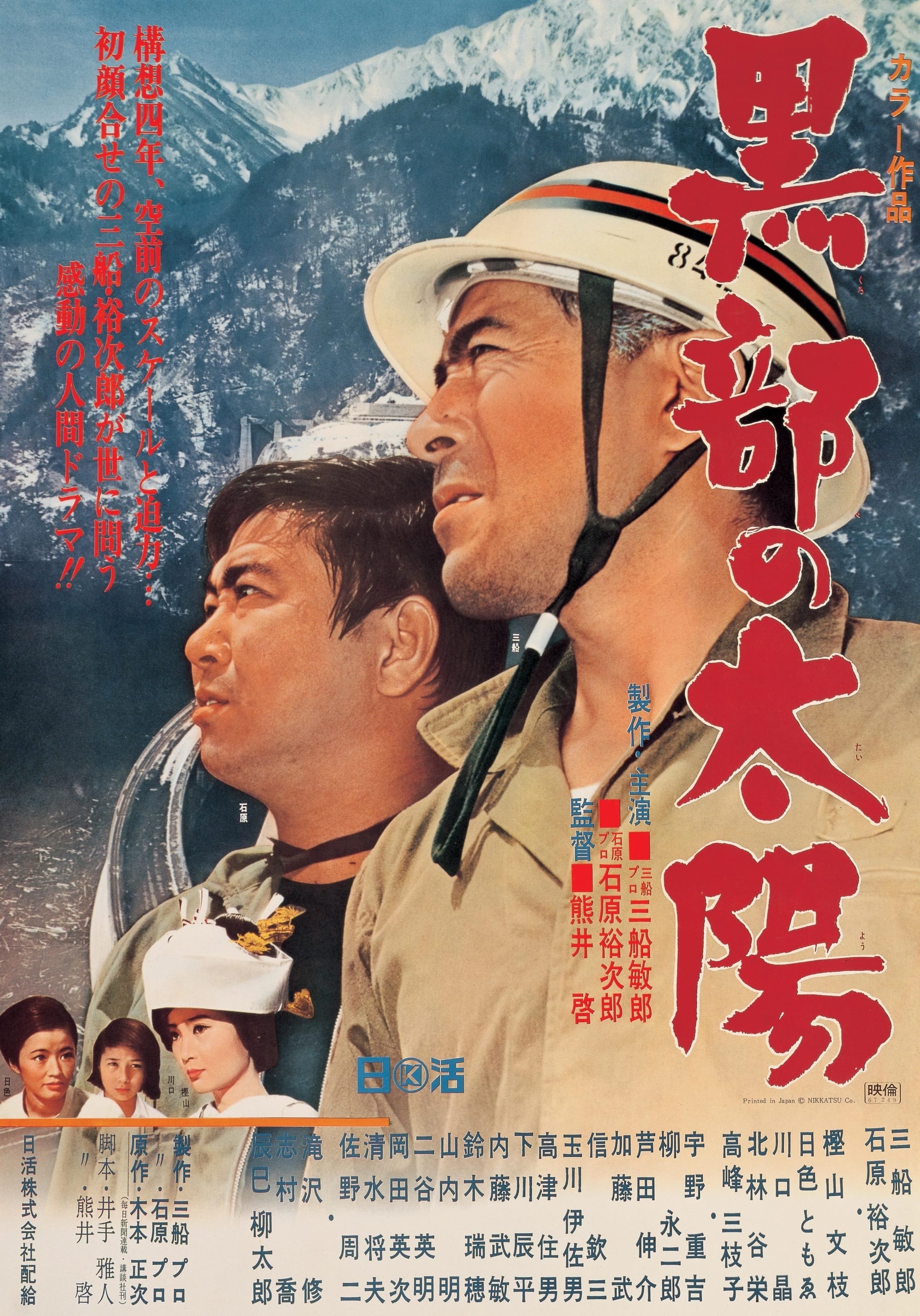 Film7.0Dram
Kitagawa is an engineer charged with construction of a gigantic tunnel through the Japan Alps for the transportation of equipment in the building of the massive Kurobe Dam. The tunnel crosses an earthquake fault and Kitagawa is beleaguered not only by cave-ins and flooding, but by strife between management and the workers's union. Adding to Kitagawa's stress is the knowledge that as his attention is pulled inexorably toward the tunnel construction, his youngest daughter is dying from leukemia.
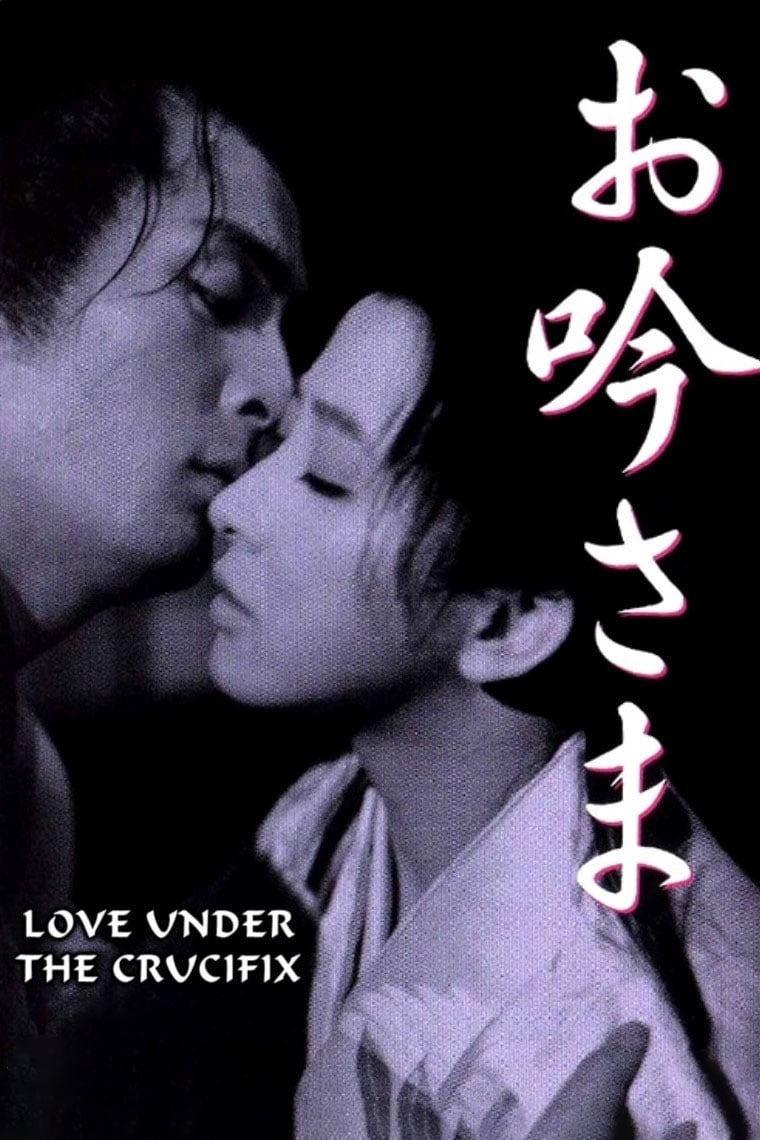 Film7.1RomantikDram
A tea master and his daughter Ogin are both Christians in feudal Japan. Ogin falls in love with a married feudal prince who shares her faith. When the Shogun bans Christianity, the situation worsens.
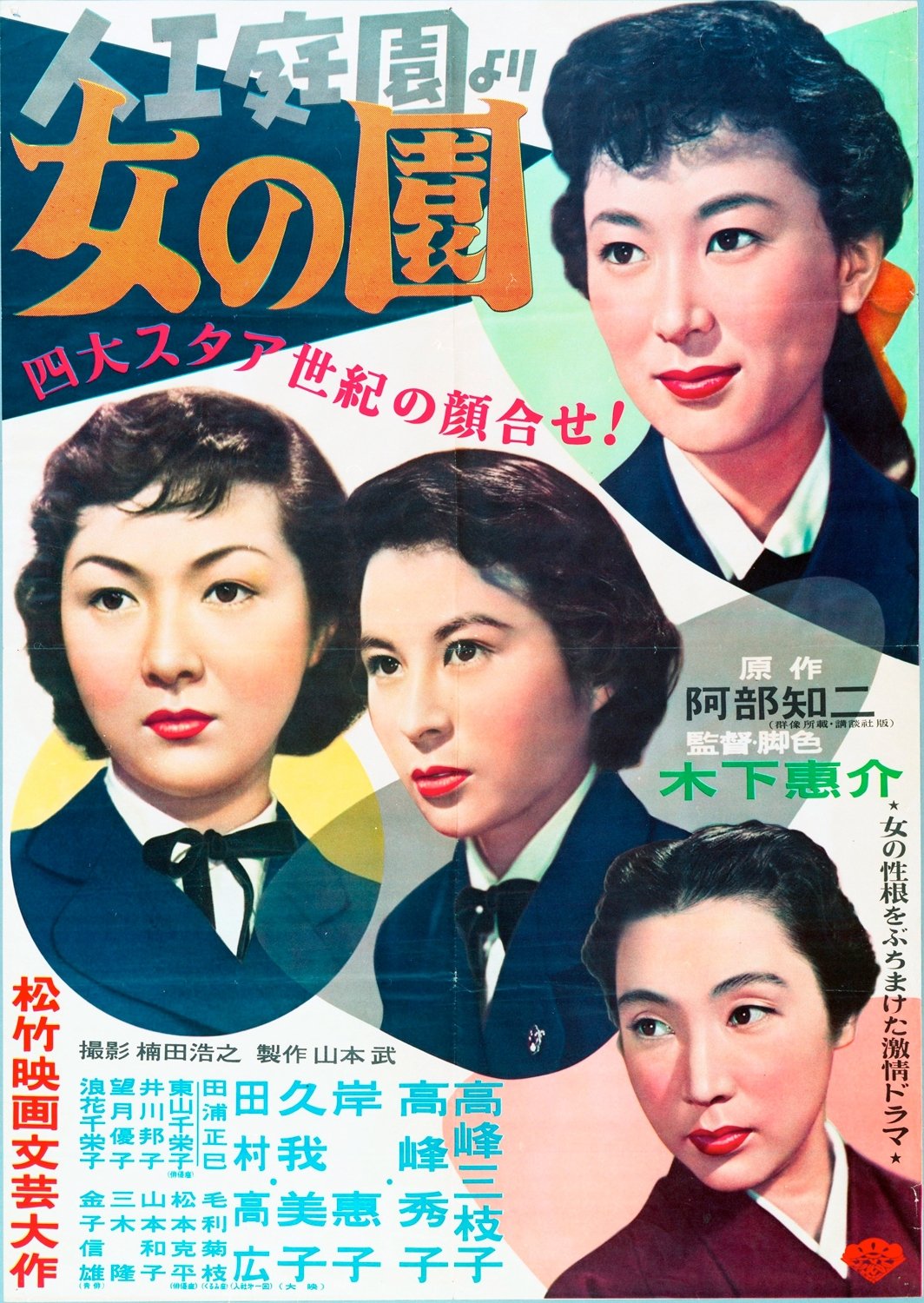 Film6.6Dram
A student at a woman's university takes a controversial action against the school's old-fashioned doctrines.
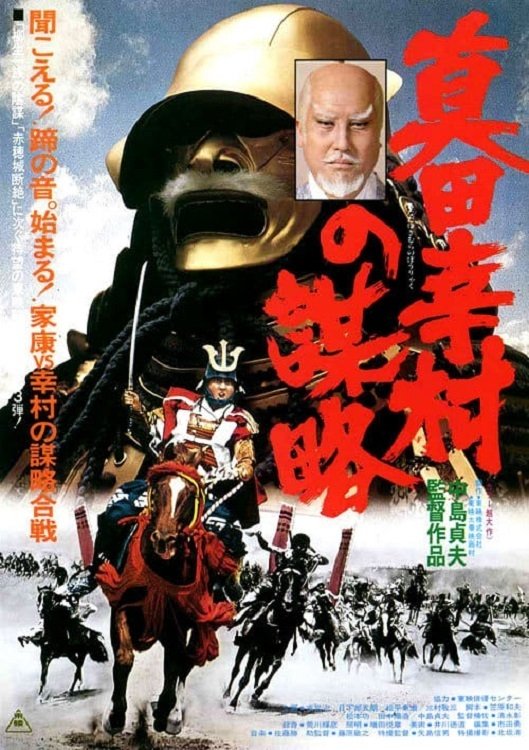 Film5.4AksiyonDram
This is a film about a real person. Sanada Yukimura fought a war against Tokugawa Ieyasu.
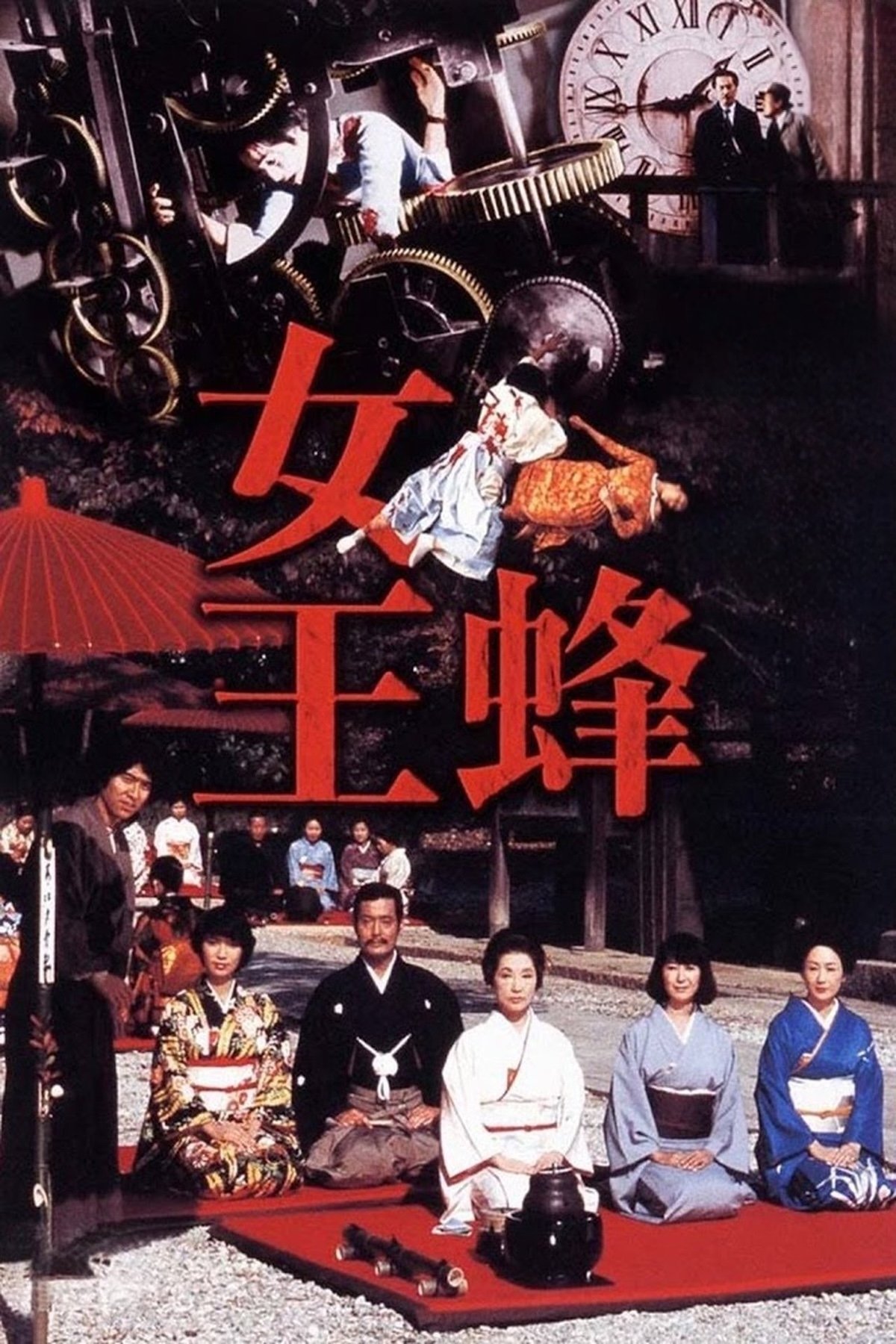 Film7.6GizemGerilim
To solve the mystery of a murder of an old governess which takes place at a wealthy Daidoji family's country estate, family secrets and lies dating back several generations must be sorted out once and for all.
 Film6.9Dram
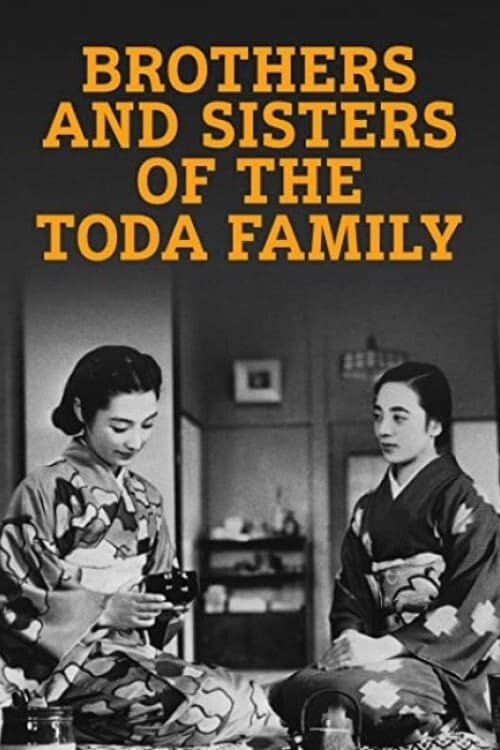
After the death of her husband, an elderly woman and her youngest, unmarried daughter are forced to sell their house to cover his debts and decide to move in with one of the former's children, each of whom is scarcely happy to accommodate.
 Film7.2DramTarih
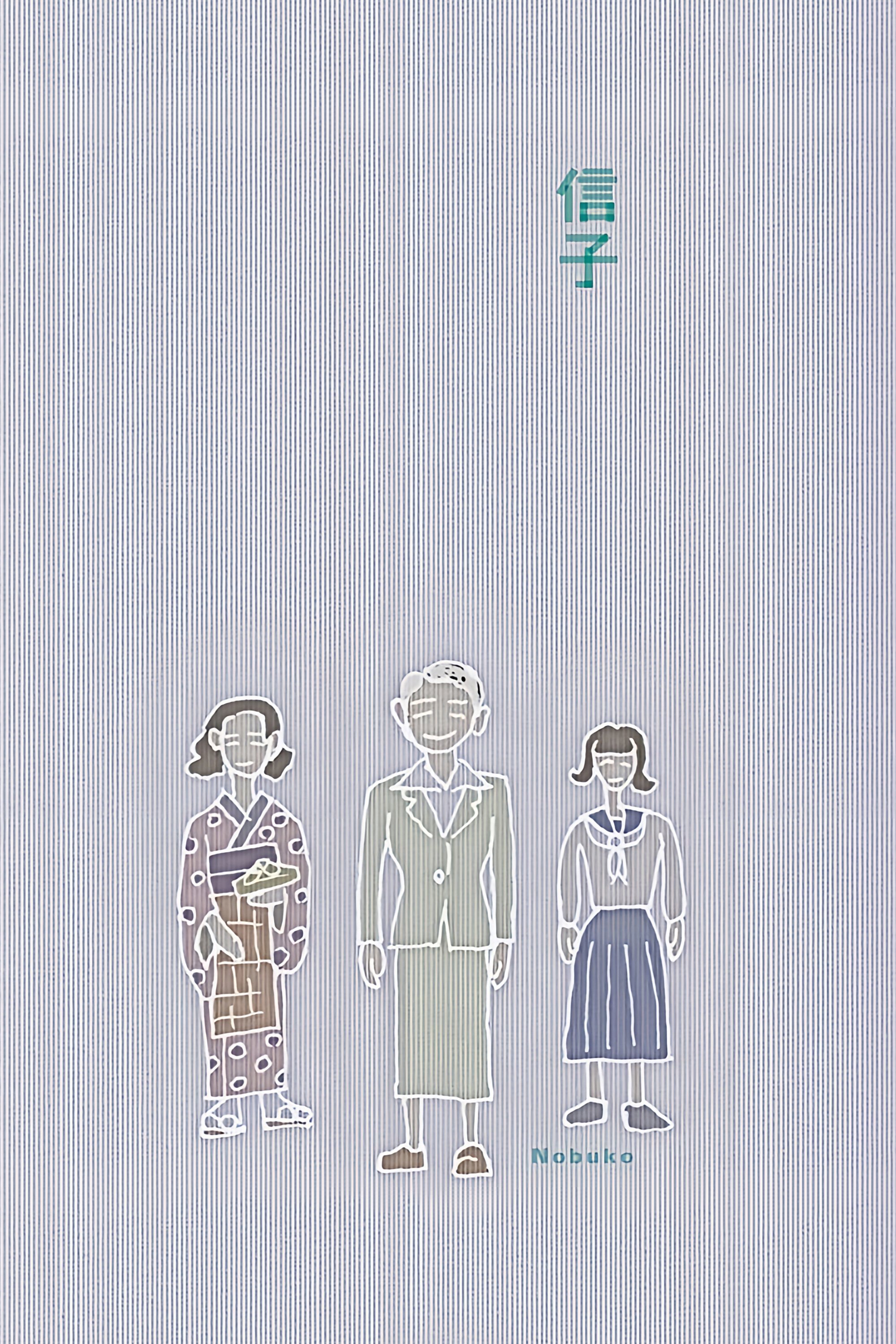
Based on the loosely autobiographical novel of the same name by Toko Kon. Ken Yamanouchi stars as Togo Konno, the titular bastard.
 Film6.2Dram
A spirited young teacher challenges the conservative school employing her with liberal thinking and teaching methods.
 Film7.2Dram
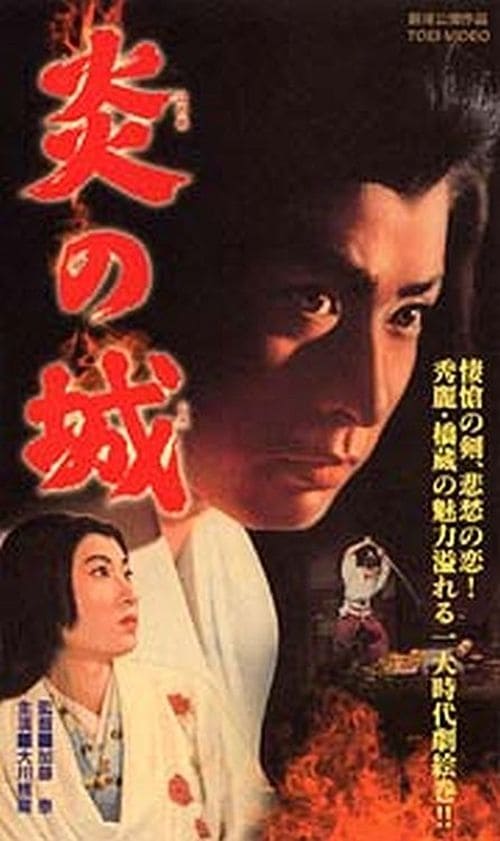
In 17th century Japan, Young Lord Masato returns after years abroad to find everything changed: his peace-loving father has died in what he soon finds to be mysterious circumstances, and his mother's married to his uncle, whose ruthless ambition is causing turmoil in the kingdom. Not knowing who to trust, Masato feigns madness, vowing to get to the truth, even though his act causes distress to the girl he loves, who's waited for him all these years. The ghost of his father turns up now and then to show him the way. Meanwhile a peasant revolt is brewing... It all ends tragically.
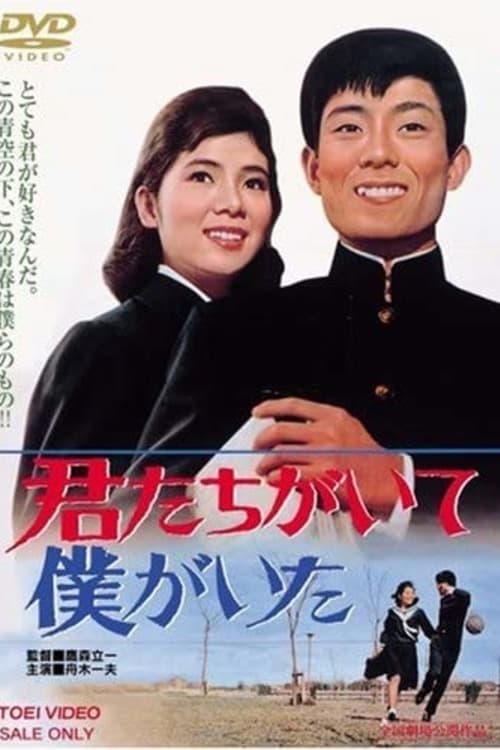 Film5.5Dram
An uplifting drama about the bond between a group of high school seniors and their kind-hearted teacher, Mr. Yabuki. Faced with the rigors of growing up in modern times, students often look to Mr. Yabuki for advice and guidance. But when Mr. Yabuki’s career is threatened as a result of a false accusation from the school’s PTA, the students band together to stand up for their beloved teacher and help him to save his good reputation and job.
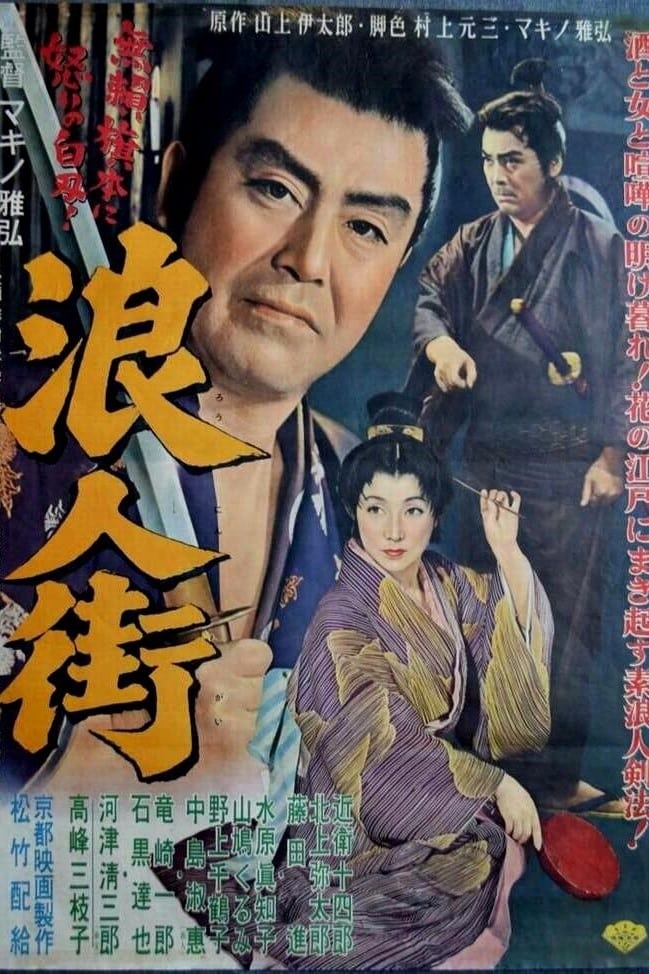 Film6.5AksiyonMacera
Based on the famous novel by Yamagami Itaro, this is the story of a group of ronin living in abject poverty in the latter days of the Edo period. Starring the great Konoe Jushiro, Ronin Gai is populated by an ensemble of colorful characters, social outcasts who patronize a restaurant and bar on the outskirts of Edo. Among them are masterless samurai reduced to drunkenness and debauchery. One disgraced and disillusioned former warrior gets a chance at redemption when he is hired to retrieve a famous knife from a corrupt lord. This is the third version directed by Makino Masahiro and is considered a true classic.
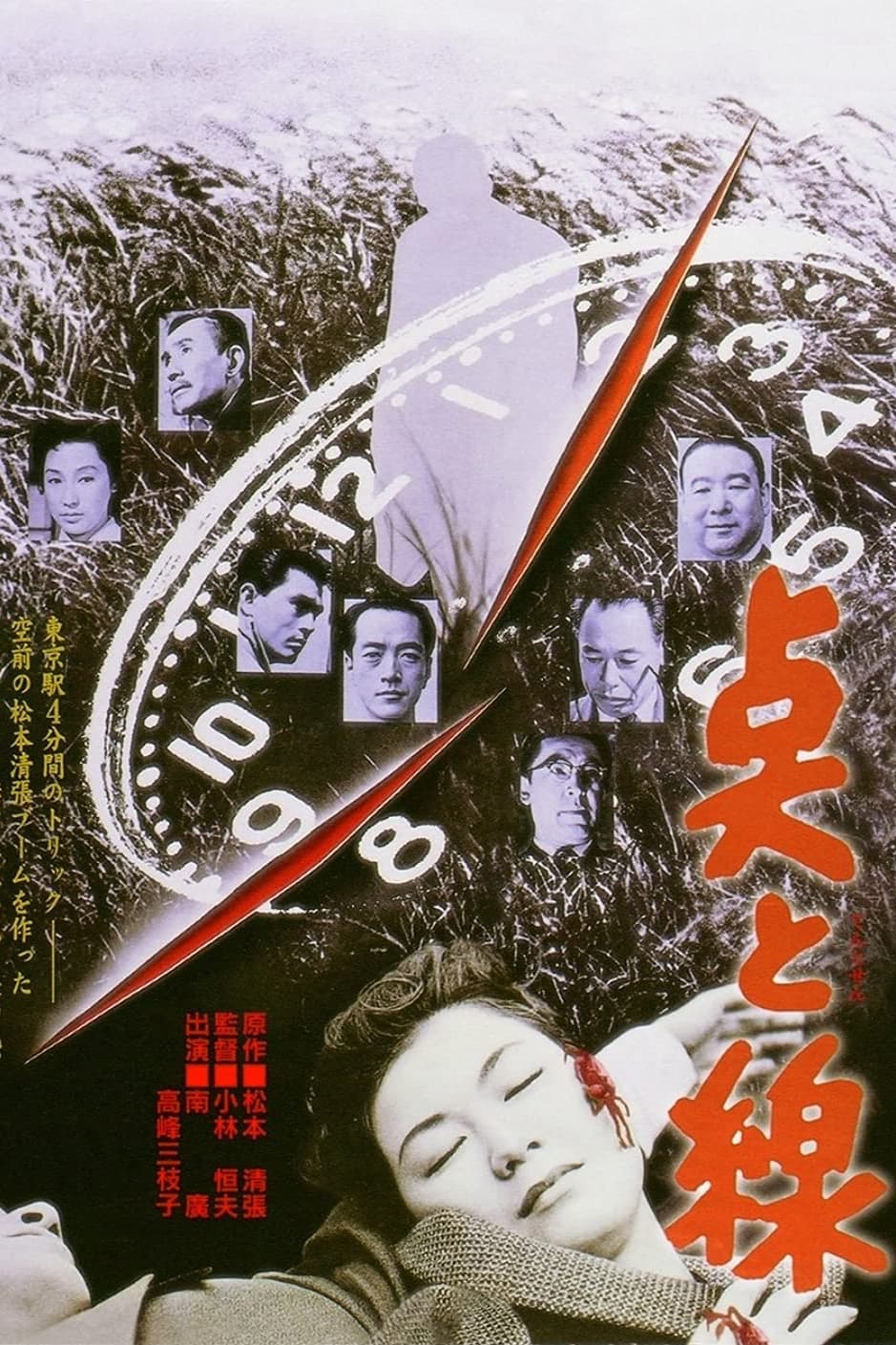 Film6.2Suç
Based on Matsumoto Seicho's classic mystery novel of the same name, the story centers around a group of detectives who are determined to find the truth behind an apparent double suicide.
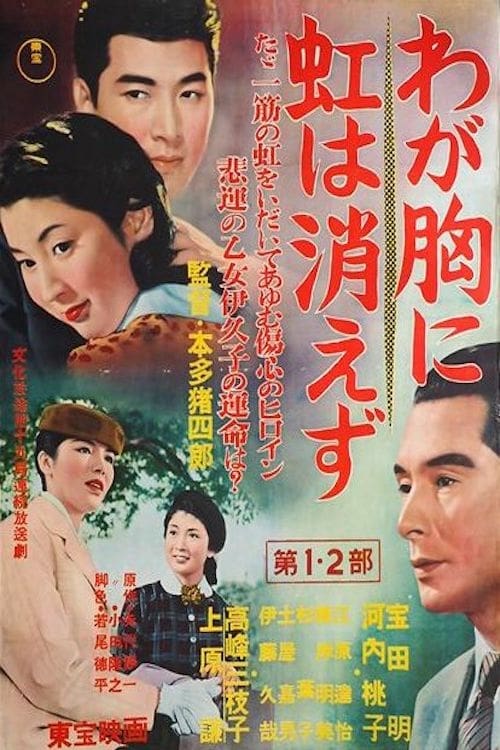 FilmDram
An Ishiro Honda film. The first part of A Rainbow Plays in My Heart released the same day as the second film.
 FilmKomedi
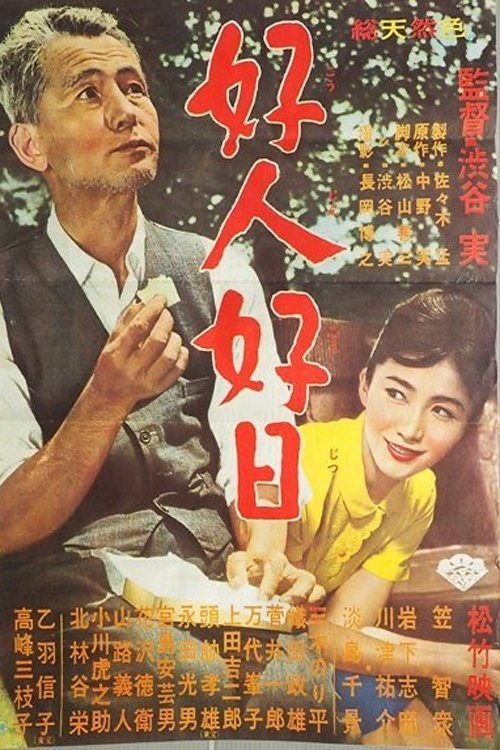
The university professor Ozeki Hitoshi (Ryu Chishu) is regarded as an eccentric by people in his surroundings. When his daughter Tokiko is asked to marry a colleague, she and her mother are overjoyed, but Hitoshi is not satisfied with the situation.
 FilmDram
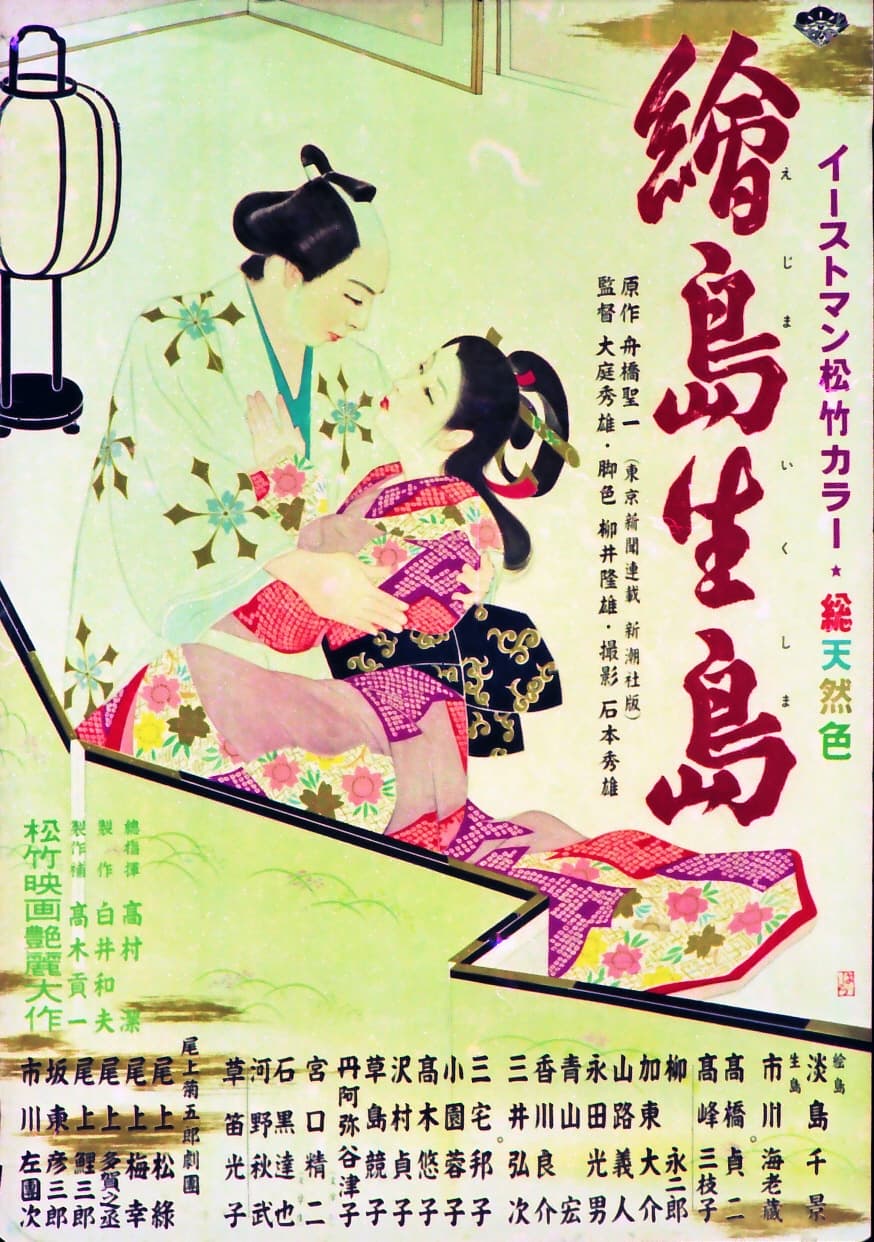
This period film is inspired by one of the most notorious scandals to have taken place in Edo-period Japan. The heroine, Ejima, was a lady of the Ooku, the harem of Edo Castle in which the Shogun’s mother, wife and concubines resided, forbidden from contact with any other man except in the presence of the Shogun. The institution played a key role in the Byzantine world of Japanese court politics during the Edo era. In 1714, Lady Ejima was sent to pay her respects at a Buddhist temple in the city, and chose to pay an unauthorised visit to the kabuki theatre – a violation of protocol that was to have tragic consequences.