Fred Alexander
Oyuncu · 1927 – 2012 · Augsburg, Germany
Filmler7
 Film6.0SavaşDram
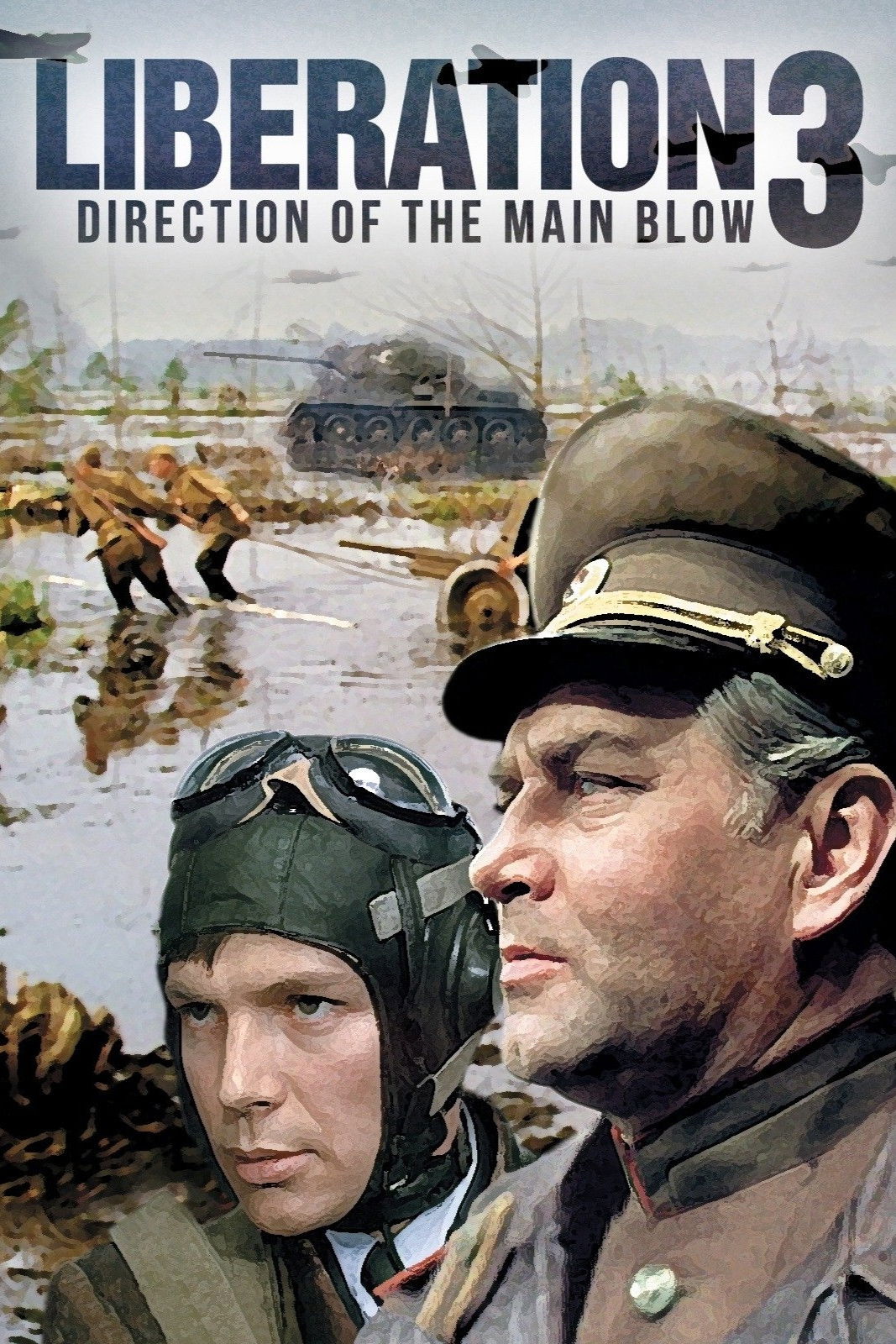
This five part epic war drama gives a dramatized detailed account of Soviet Union's war against Nazi Germany during world war two. Each of the five parts represents a separate major eastern front campaign.
Liberation - Part 3 : Direction of the Main Blow
Освобождение: Направление главного удара
1971 · 102 votes
 Film5.6TarihDram
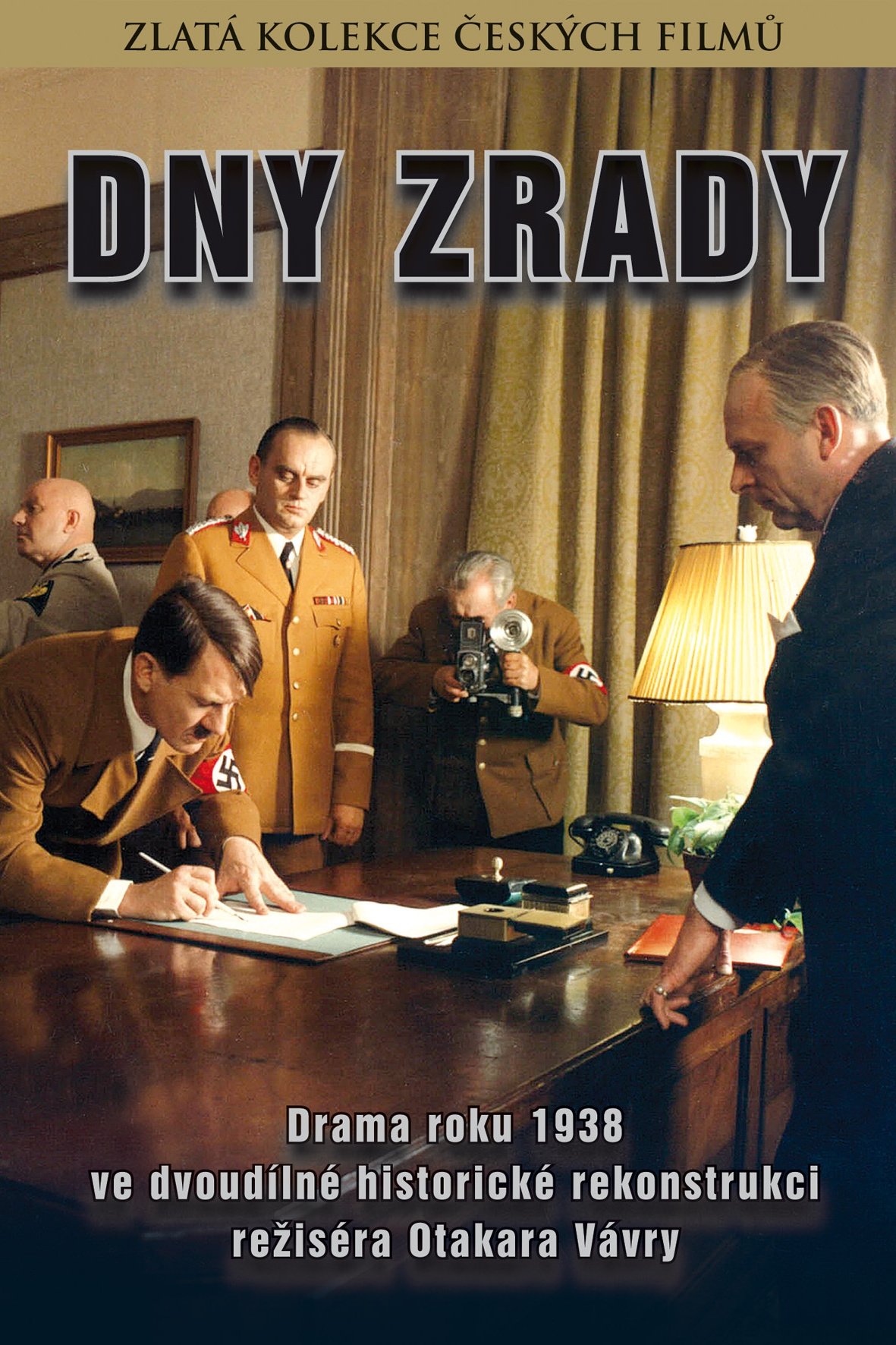
This feature film based on the events of 1938 is a chronicle of the futile efforts of the Czechoslovak president Edvard Benes (Jirí Pleskot), politicians and ordinary citizens, to save the independence and the territorial integrity of the state from the advance of Hitler's Germany. On the 29th of March 1938 the leader of the Sudeten Germans Henlein (Werner Ehrlicher) has a meeting with Hitler (Gunnar Möller). Hitler orders him to intensify pressure on the Czechoslovak government. On the 24th of April in Carlsbad, the Sudetendeutsche Partei (Sudeten German Party) decides upon eight demands that are unacceptable to the Czechoslovak President, since they would ultimately lead to the break-up of the Republic. Benes still shows a certain willingness to negotiate, and Henlein resents this. The Germans are determined to make further negotiations impossible through incidents and violence.
 Film5.3DramSavaş
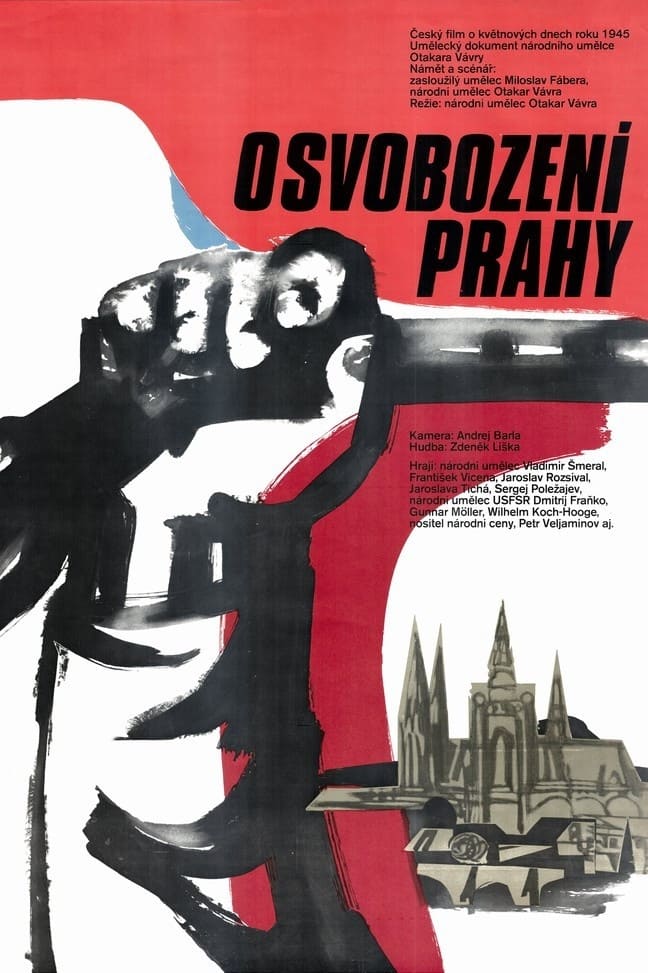
On 20th of April 1945 the Soviet army launches its attack on Berlin. The end has come for Nazi Germany and Hitler decides to commit suicide. In Prague K.H. Frank (Nazi Secretary of State and Chief of police in the Protectorate of Bohemia a Moravia) discusses with his commanders how to transform the city into an impregnable fortress, but the Praguers do not intend to wait any longer. From the early hours of 4th of May people start assembling in the streets and tearing down German signs. On the next day, the 5th of May, the uprising begins.
 FilmAnimasyon
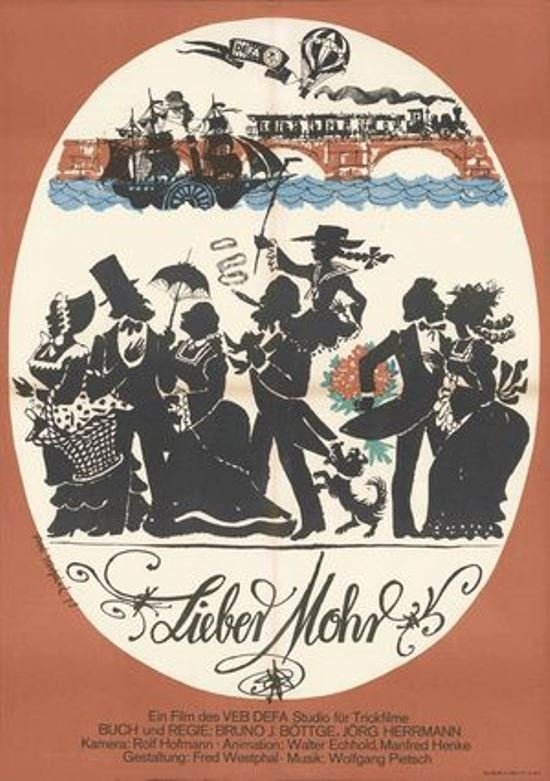
The film shows a humorous take on moments from the life of Karl Marx over the course of a quarter century.
Lieber Mohr – Persönliche Erinnerungen an Karl Marx von Paul Lafargue
Dear Mohr – Personal Memories of Karl Marx from Paul Lafargue
1973
 Film9.0Dram
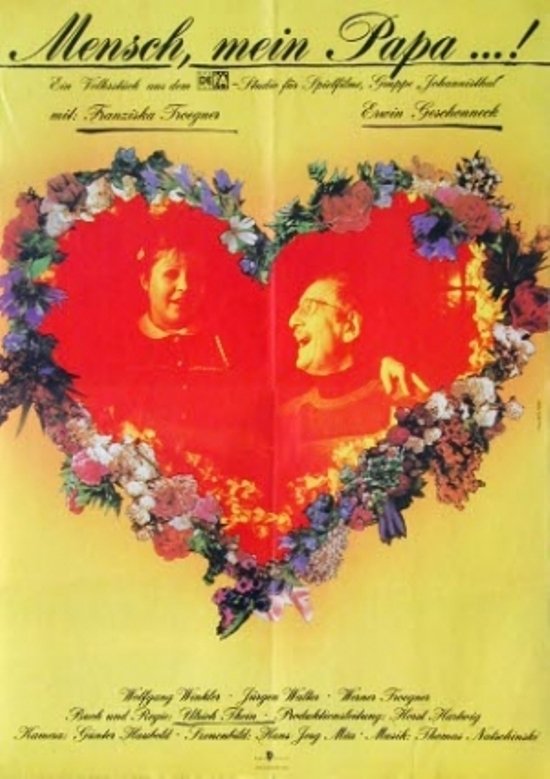
Pensioner Erich Zarling loves two things: his daughter Ulrike and his dog sports club, of which he is chairman. But this position is in danger, so he wants to make himself indispensable with a daring move: He wants to build a sports clubhouse. He has come up with a curious idea to raise the funds: the sale of thirty state-owned trees from Berlin's Puschkinallee. His daughter Ulrike, who loves to sing and dance, is a chambermaid at the "Stadt Berlin" hotel. And against her father's wishes, she dreams of the boards that mean the world. A guest, the pop singer Balter, hires her as a replacement for his absent partner at the "Night of the Celebrities". He promises her more, but disappoints her. Father Zarling comforts her and they sing the "Rose Song" together in his tricked-out sportsman's home.
Mensch, mein Papa...!
1988 · 1 votes
 Film10.0Dram
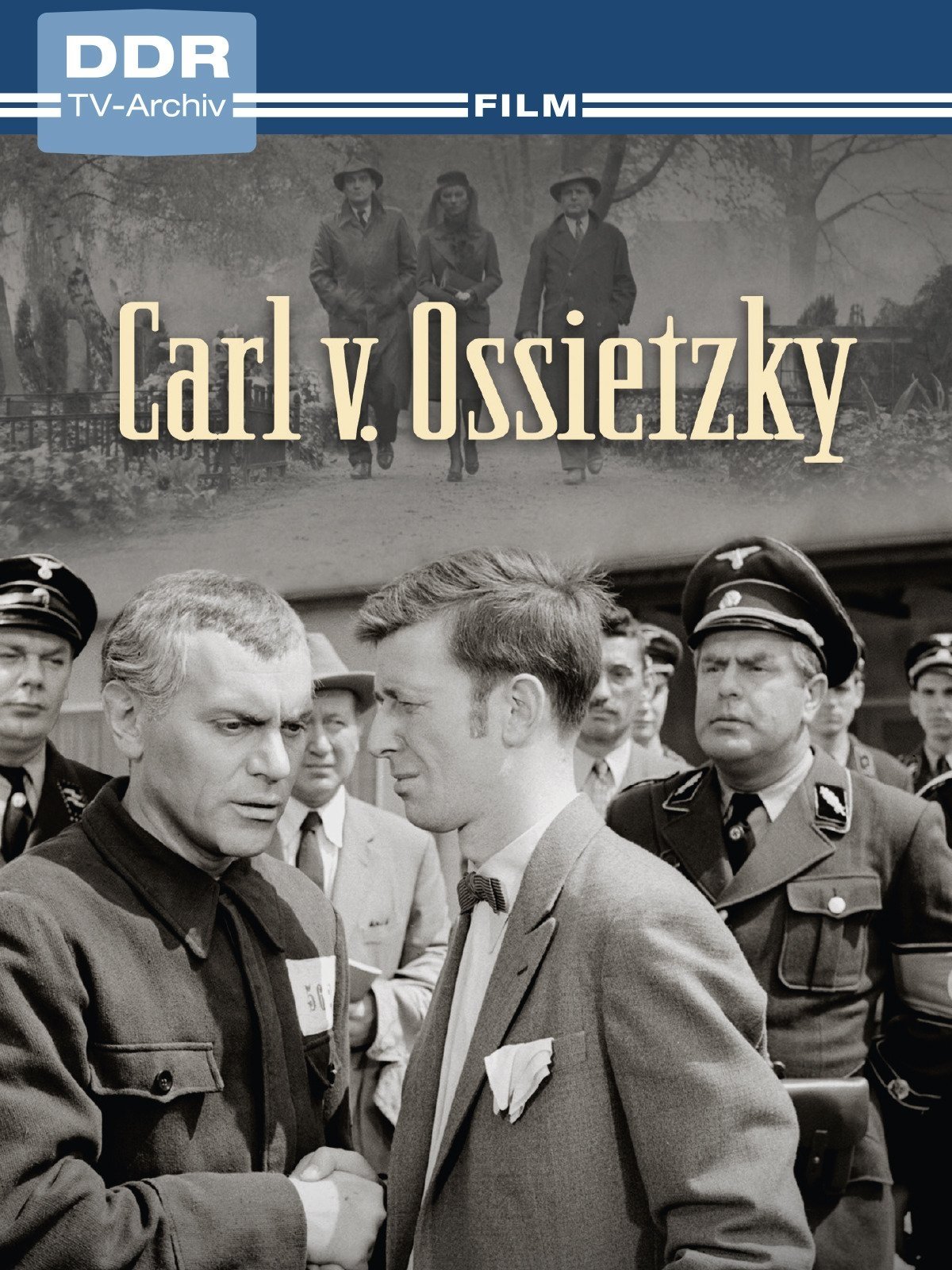
The film chronicles the last ten years in the life of Nobel Peace Prize recipient Carl von Ossietzky (1889-1938).
Carl von Ossietzky
1963 · 1 votes
 FilmAile
In spring 1946, Warsaw historian Wojtek arrives in a Polish provincial town to study the Renaissance. He soon becomes entangled in the fierce postwar power struggle between the Soviet-backed People’s Government—nationalizing industry and land—and reactionary exiled forces waging “bandit terror,” from train robberies to political assassinations. As violence escalates, Wojtek shifts from observer to active defender of the new “people’s power.”
Diziler1
 Dizi6.2Suç
Polizeiruf 110 is a long-running German language detective television series. The first episode was broadcast 27 June 1971 in the German Democratic Republic, and after the dissolution of Fernsehen der DDR the series was picked up by ARD. It was originally created as a counterpart to the West German series Tatort, and quickly became a public favorite.
Polizeiruf 110
1971 · 26 votes