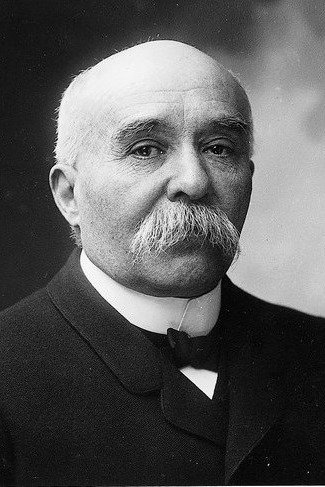
Georges Clemenceau
Oyuncu · 1841 – 1929 · Mouilleron-en-Pareds, France
Georges Benjamin Clemenceau (/ˈklɛmənsoʊ/,[1] also US: /ˌklɛmənˈsoʊ, ˌkleɪmɒ̃ˈsoʊ/,[2][3] French: [ʒɔʁʒ bɛ̃ʒamɛ̃ klemɑ̃so];[a] 28 September 1841 – 24 November 1929) was a French statesman who served as Prime Minister of France from 1906 to 1909 and again from 1917 until 1920. A key figure of the Independent Radicals, he was a strong advocate of separation of church and state, amnesty of the Communards exiled to New Caledonia, as well as opposition to colonisation. Clemenceau, a physician turned journalist, played a central role in the politics of the Third Republic, most notably successfully leading France through the end of the First World War. After about 1,400,000 French soldiers were killed between the German invasion and Armistice, he demanded a total victory over the German Empire. Clemenceau stood for reparations, a transfer of colonies, strict rules to prevent a rearming process, as well as the restitution of Alsace–Lorraine, which had been annexed to Germany in 1871. He achieved these goals through the Treaty of Versailles signed at the Paris Peace Conference (1919–1920). Nicknamed Père la Victoire ("Father of Victory") or Le Tigre ("The Tiger"), he continued his harsh position against Germany in the 1920s, although not quite so much as President Raymond Poincaré or former Supreme Allied Commander Ferdinand Foch, who thought the treaty was too lenient on Germany, famously stating: "This is not peace. It is an armistice for twenty years." Clemenceau obtained mutual defence treaties with the United Kingdom and the United States, to unite against a possible future German aggression, but these never took effect.
Filmler5
 Film7.5BelgeselTarih
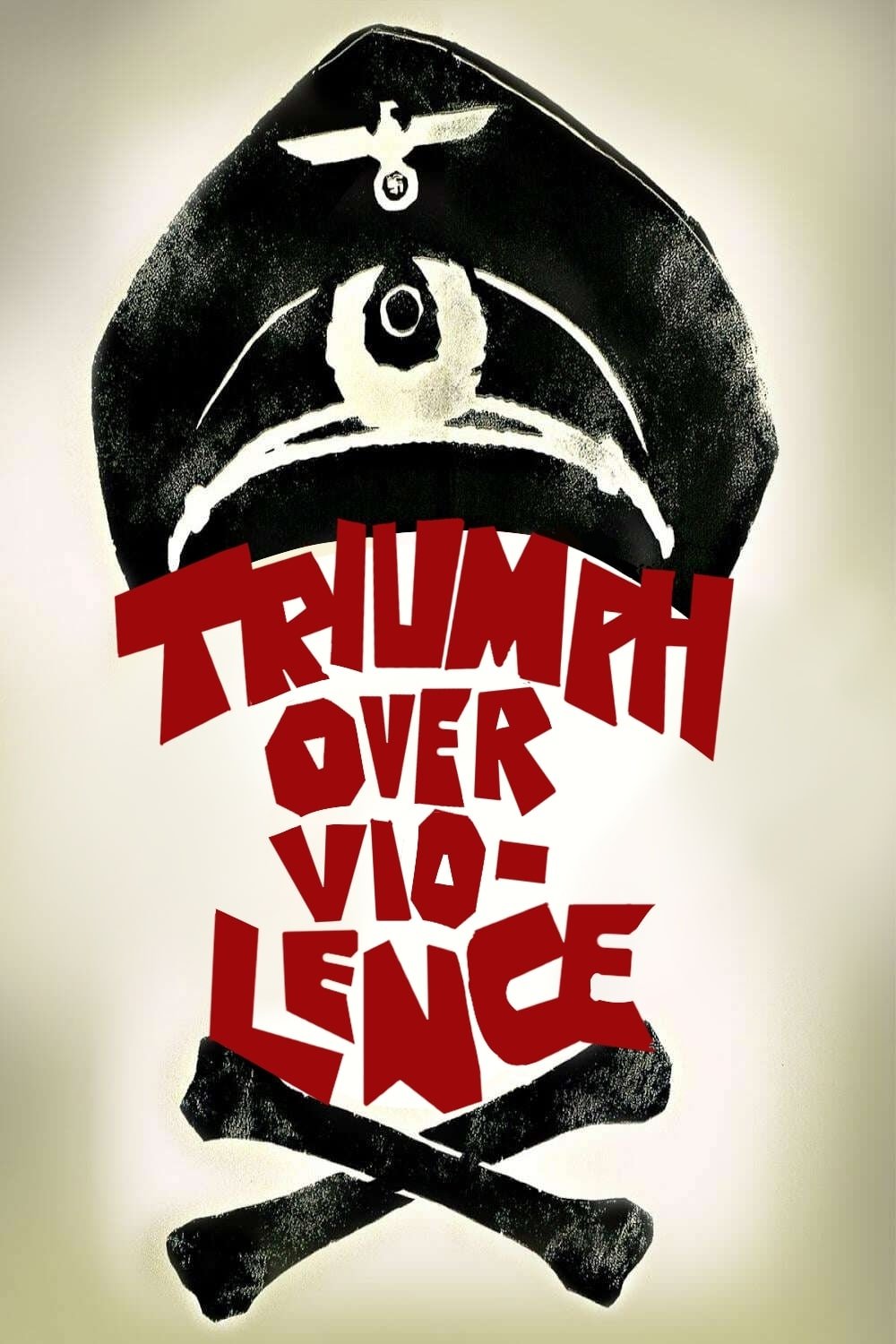
İkinci kuşak Sovyet sinemacılarından biri Mikhail Romm. Hemen tümü arşivlerden derlenmiş, aralarında Hitler’in özel film arşivi, SS subaylarının çektiği özel filmler, Sovyetler’in ve diğer kimi ülkelerin devlet arşivleri gibi kaynaklar da bulunan bir materyali kurgulayarak oluşturduğu anıtsal “Sıradan Faşizm” filmiyle, Almanya’da Nazizm’in 1930’larda başlayan yükselişini ve savaş sonuyla birlikte gelen çöküşünü anlatıyor. Bunun yanı sıra, aynı zamanda, “faşizm”in içinde oluştuğu koşulları, sıradan, küçük, önemsiz bulunan olaycıklarla, tehlikeli hoşgörülerle, gündelik boş verişlerle, yerine getirilmeyen görevler ve kaçınılan sorumluluklarla nasıl palazlandığını da gösteriyor. Bir taraftan “eğlenceye boğulmuş” ve çökmekte olan “soyluları ve zenginleriyle”, diğer taraftansa, Hitler ve Mussolini’nin şahsında cisimleşen pespaye bir hakimiyet tutkusuyla çok başarılı bir üslupla dalga geçerken, diğer taraftan bu kepazeliklerin ağır bedellerini de seyircinin önüne koyuyor.
 Film8.0Belgesel
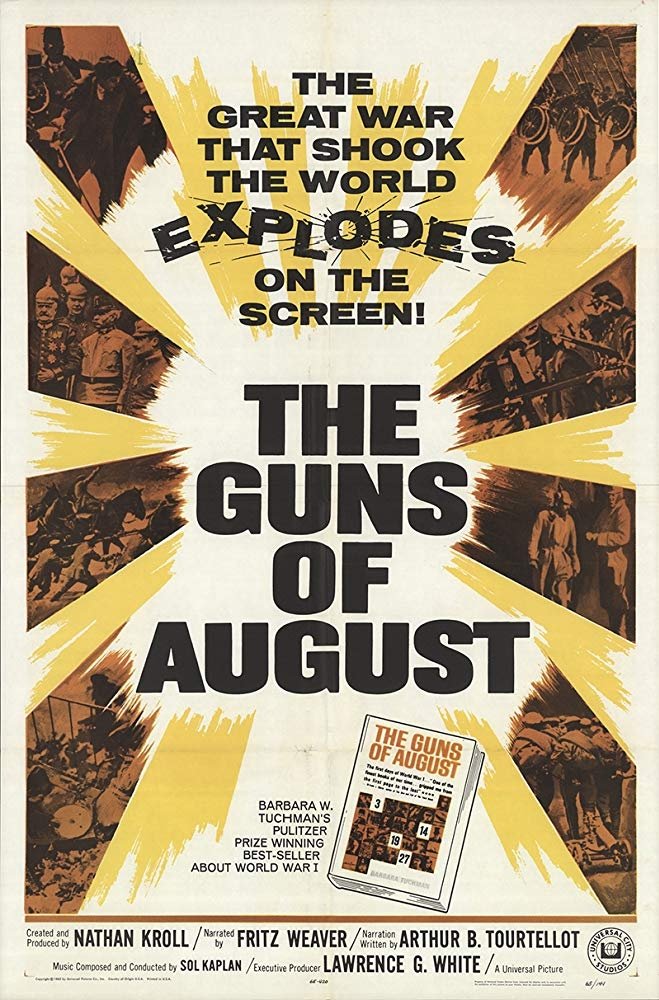
Traces the origins and actions of World War I, from the funeral of Britain's King Edward VII to the Versailles Treaty.
The Guns of August
1964 · 2 votes
 Film6.8Belgesel
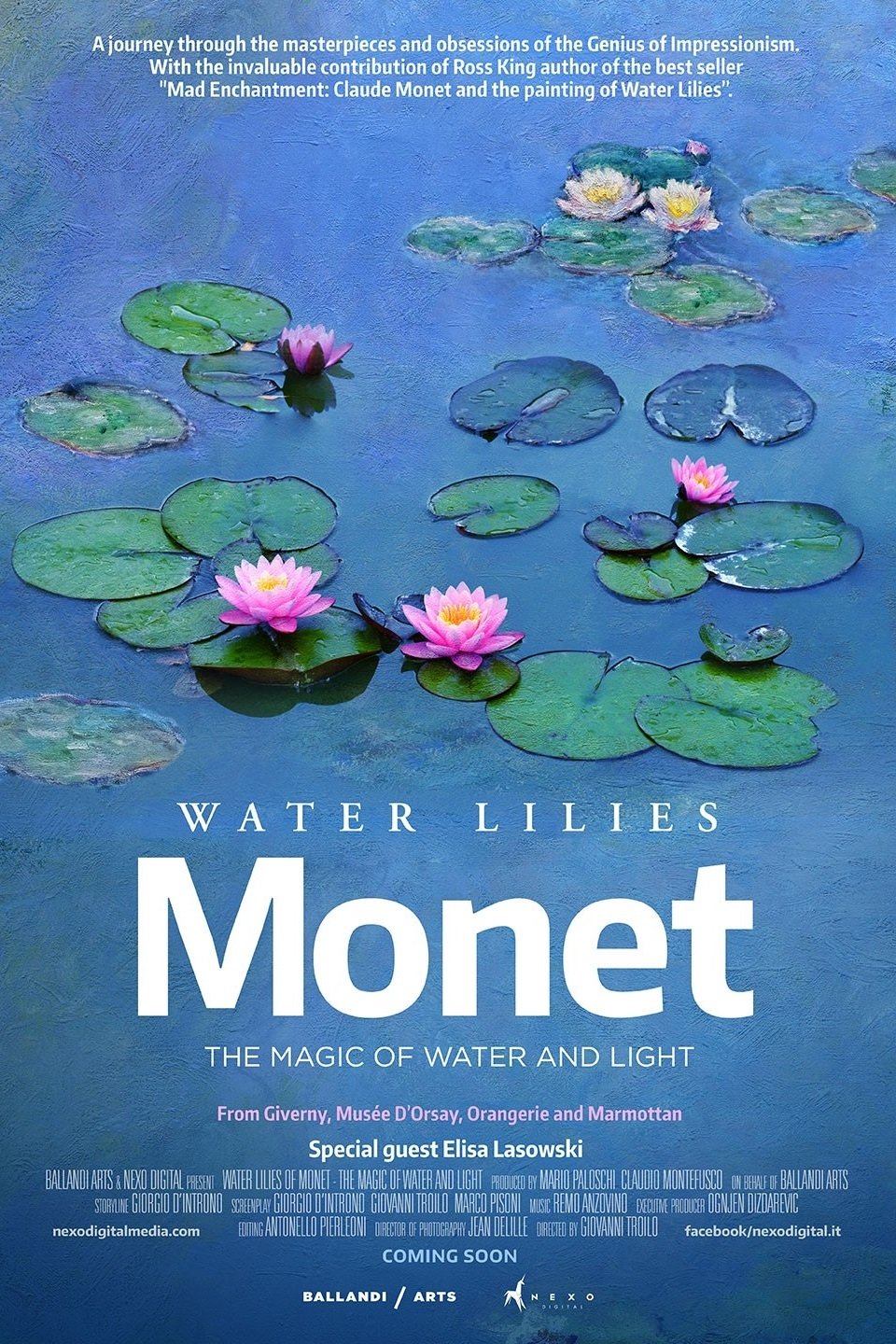
A journey through the masterpieces and obsessions of the Genius of the Impressionism, down the River Seine, from Le Havre to Paris and then up the river towards Argenteuil, Poissy, Vétheuil, Giverny – ending in Paris. A tour of the Museums displaying Monet's masterpieces: the Orangerie Museum, the Marmottan Museum, the Orsay Museum, ending in Monet's house and gardens at Giverny.
 Film7.0BelgeselSavaş
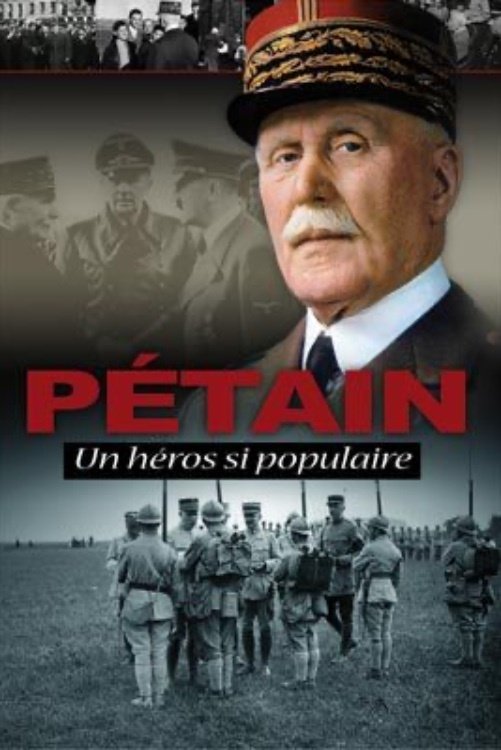
On October 24, 1940, Philippe Pétain met Adolf Hitler in Montoire and led the French into collaboration with the Nazis. A black page in the history of France, written by a man whom many then considered a hero: the winner of Verdun.
 Film9.0BelgeselSavaş
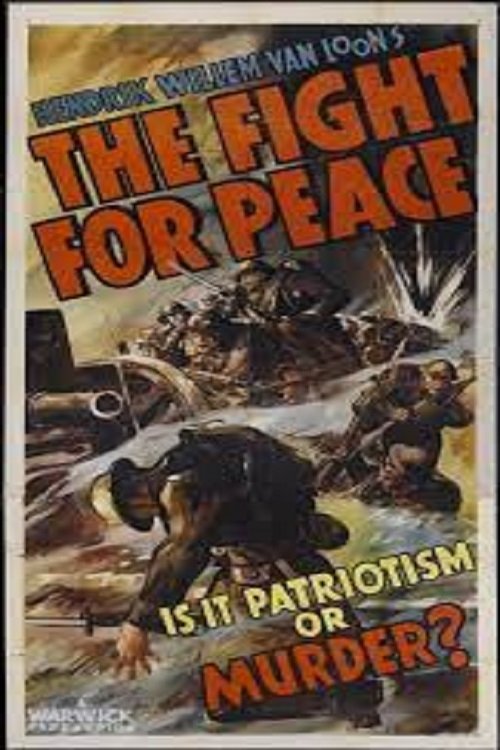
A documentary about the threat of war breaking out in Europe, focusing on Hitler, Stalin and Mussolini.
The Fight For Peace
1939 · 1 votes